IN
IN₹
Apparel & Fashion
Loading subcategories...
View More
Description
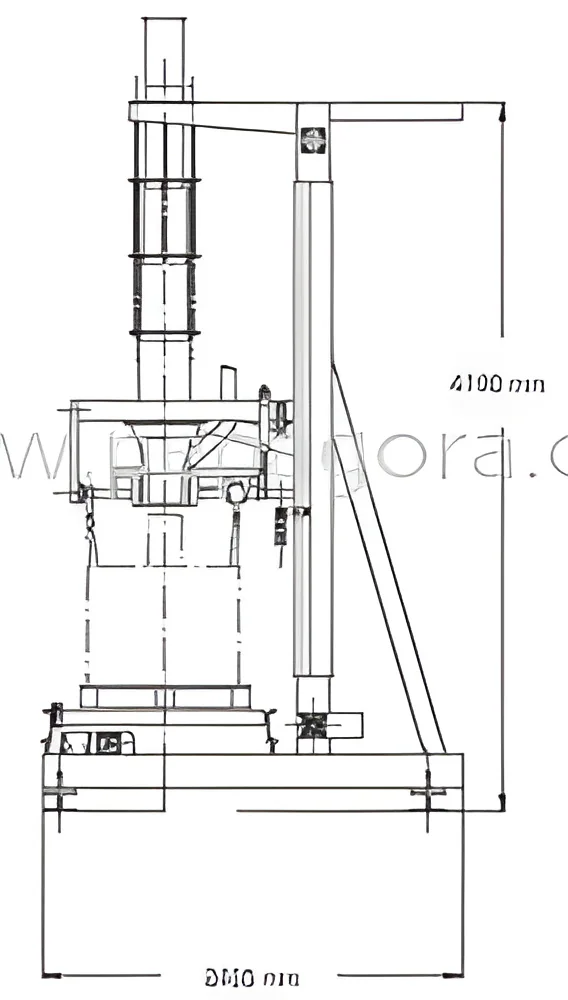
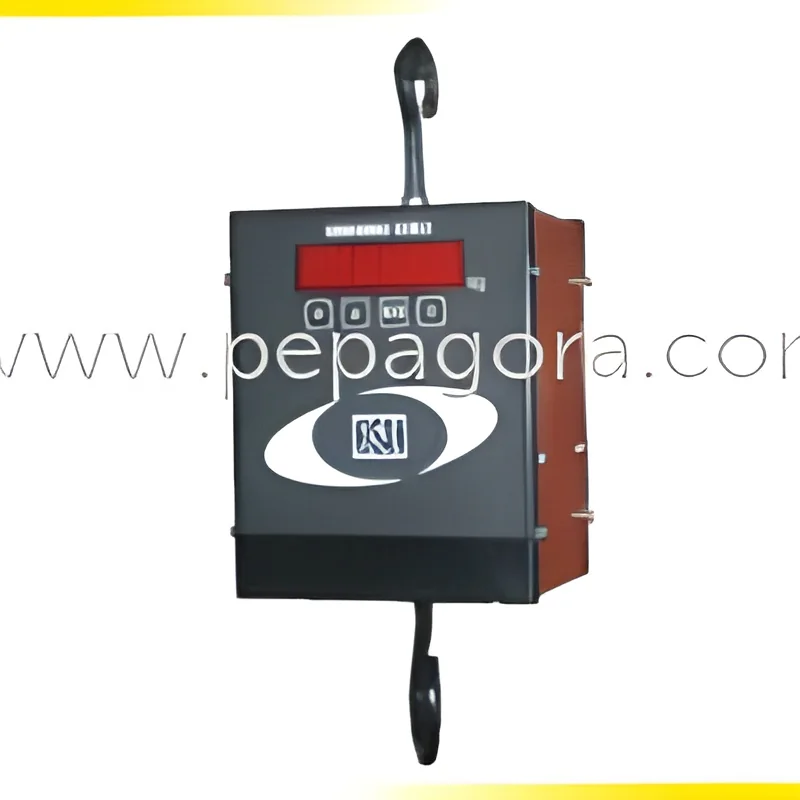
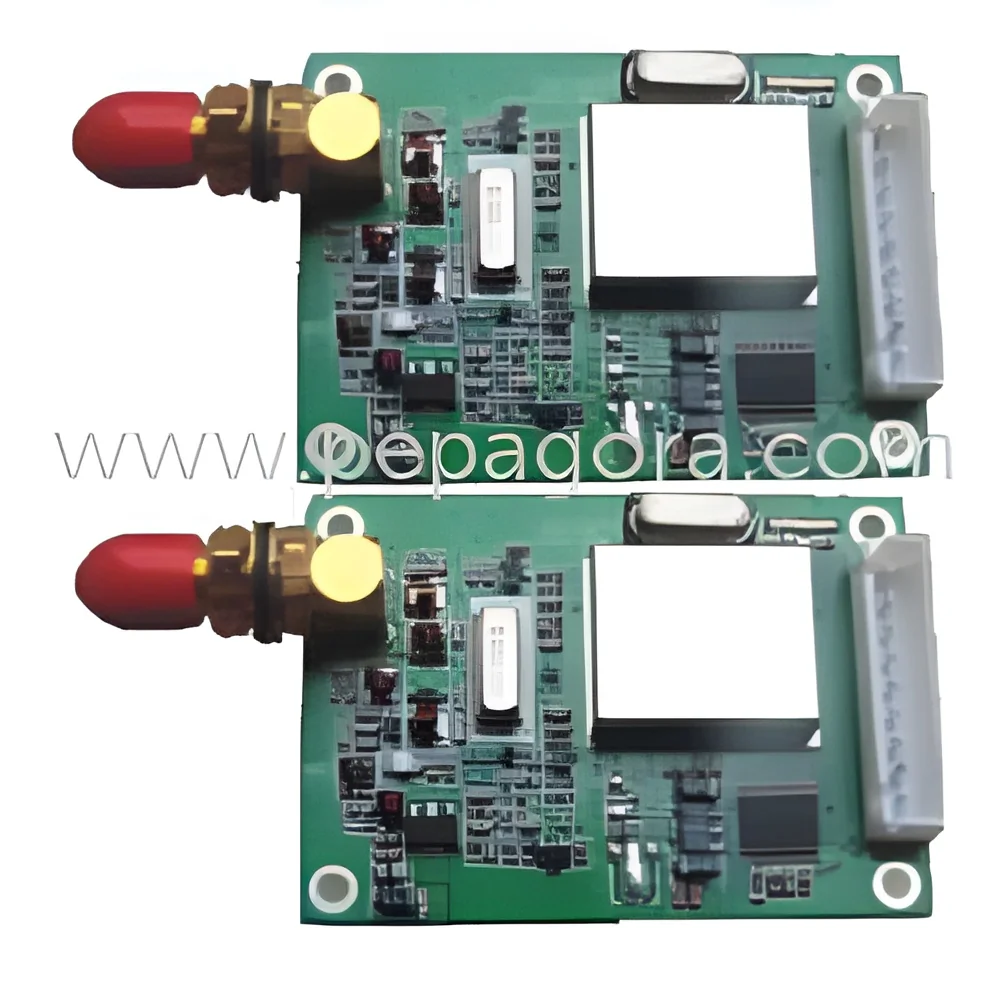
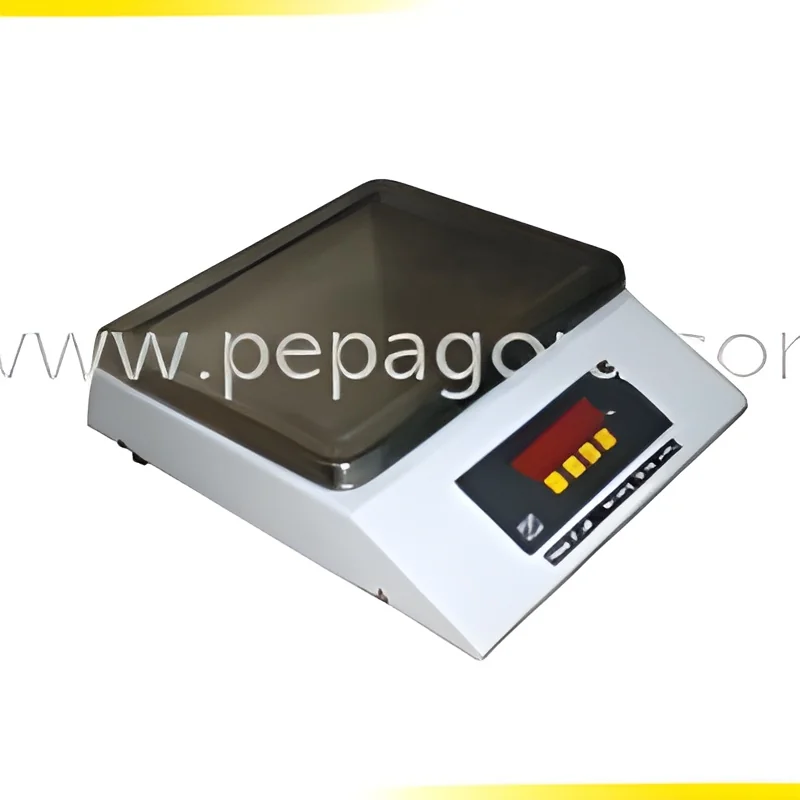
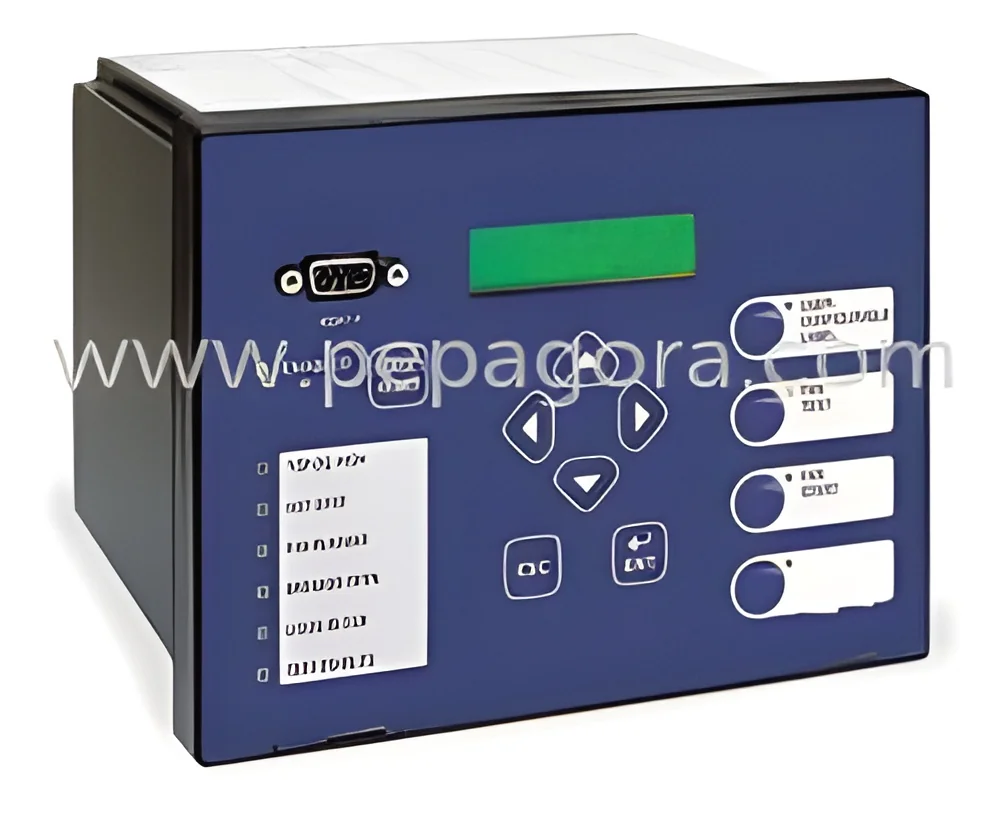
Industrial automation logic controllers represent the core intelligence of modern automated systems, designed to deliver reliable performance in demanding industrial environments. These precision-engineered units undergo rigorous quality testing to ensure they meet industrial standards for durability and operational accuracy. The controllers provide sophisticated logic processing capabilities that enable complex sequencing, timing, and control functions essential for contemporary automated operations. Built to withstand challenging industrial conditions, they maintain precise control over machinery and processes while offering multiple input/output configurations for flexible system integration. Their robust construction ensures consistent performance across various operational requirements.

These logic controllers find extensive application across multiple industrial sectors including manufacturing, processing, infrastructure, and facility management. In manufacturing environments, t...
Industrial automation logic controllers represent the core intelligence of modern automated systems, designed to deliver reliable performance in demanding industrial environments. These precision-engineered units undergo rigorous quality testing to ensure they meet industrial standards for durability and operational accuracy. The controllers provide sophisticated logic processing capabilities that enable complex sequencing, timing, and control functions essential for contemporary automated operations. Built to withstand challenging industrial conditions, they maintain precise control over machinery and processes while offering multiple input/output configurations for flexible system integration. Their robust construction ensures consistent performance across various operational requirements.

These logic controllers find extensive application across multiple industrial sectors including manufacturing, processing, infrastructure, and facility management. In manufacturing environments, they coordinate assembly lines, robotic systems, and machinery operations with precision timing. Process industries utilize them for exact control of chemical reactions, pharmaceutical production, and food processing operations. Infrastructure applications include water treatment plants, energy management systems, and transportation controls where reliability is critical. Building automation systems depend on these controllers for HVAC optimization, lighting control, and security system management, demonstrating their adaptability across different industry specifications and operational demands.

The business value of these industrial logic controllers lies in their operational reliability, consistent performance, and long-term durability. They significantly reduce operational downtime through robust construction and dependable operation in challenging conditions. Their precision engineering ensures accurate control that improves process efficiency and product quality, delivering measurable returns on investment through enhanced operational performance. The units are designed for straightforward integration and maintenance, reducing overall cost of ownership while providing stable, long-lasting control solutions that support continuous industrial operations and productivity improvements.

Key Features:
- Precision engineering for accurate logic processing and control execution
- Rigorous quality testing on multiple parameters before dispatch
- Multiple input/output configurations for flexible system integration
- Robust construction suitable for industrial environments
- Support for various communication protocols and industrial standards

Benefits:
- Enhanced operational reliability in demanding industrial conditions
- Reduced downtime through robust construction and consistent performance
- Improved process efficiency and product quality through precise control
- Flexible integration with existing automation systems and components
- Long-term durability reducing replacement and maintenance costs
Specifications
| Additional Information | |
|---|---|
| Country of Origin | India |
| Customisable | No |
Application
Our industrial logic controllers serve as the central control system for automated operations across multiple sectors. They provide reliable sequential control for machinery, process operations, and equipment automation with precision timing and logic execution. These units handle complex operational sequences while maintaining consistent performance in demanding industrial environments with varying temperature, humidity, and electrical conditions.
Engineered for seamless integration into existing control systems, these controllers support various input/output configurations and communication protocols. This flexibility makes them suitable for diverse industrial applications from simple machine control to complex automated processes requiring high reliability and accuracy. The units are designed to work with sensors, actuators, and other automation components to create comprehensive control solutions.
- Manufacturing assembly line automation and sequential machine control
- Industrial process control in chemical and pharmaceutical production
- Building management systems for HVAC and lighting automation
- Water treatment plants for pump control and process sequencing
- Packaging machinery coordination in food processing industries
Trade Details
| Available Stock | In Stock |
| Sample Availability | No |
Payment Terms
| Payment Terms |
|
Company Profile
Nisan Electronics, Maharashtra
 Maharashtra, India
Maharashtra, IndiaManufacturer•Distributor / Wholesaler•Retailer
Factory Details
Factory SizeBelow 1000 sqm
Annual Production Capacity0
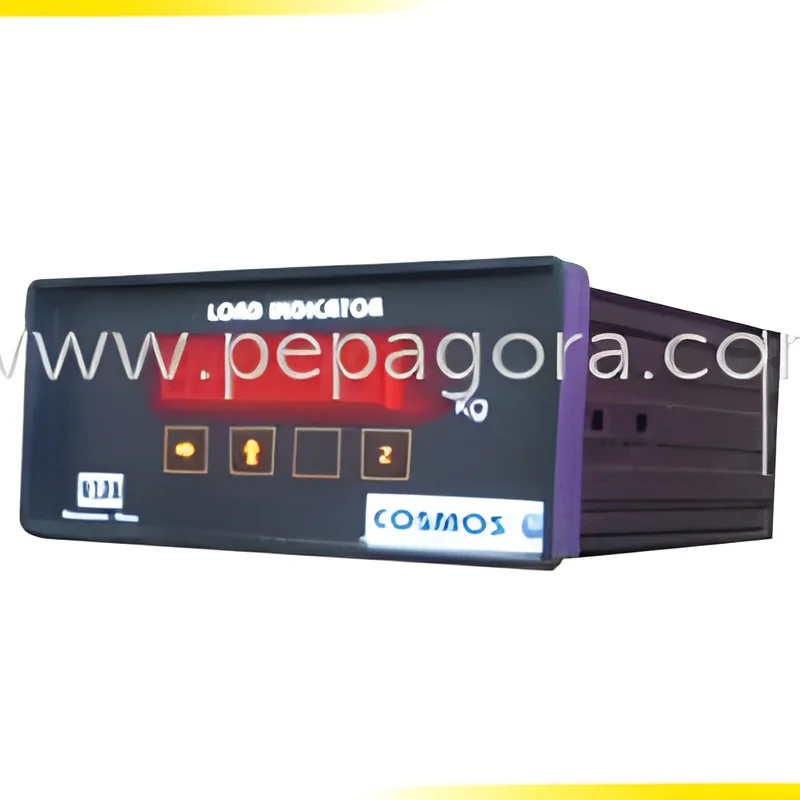
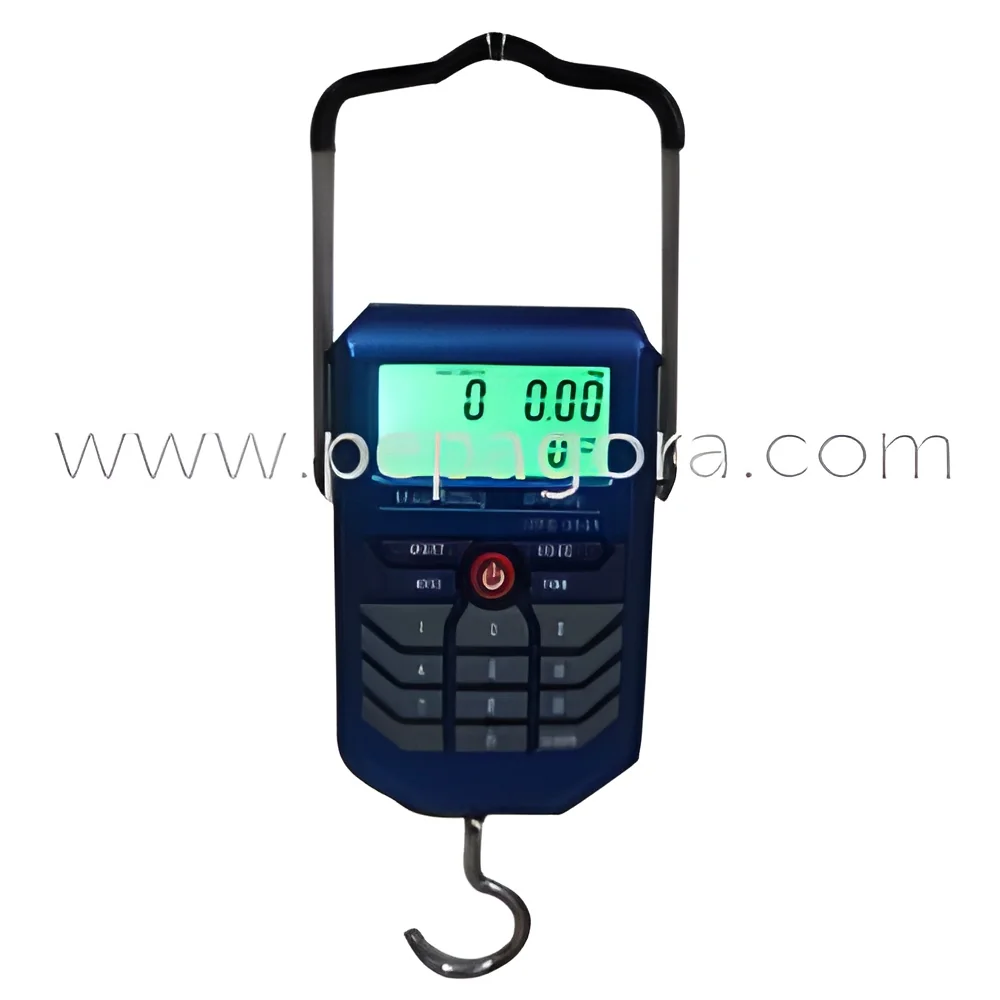
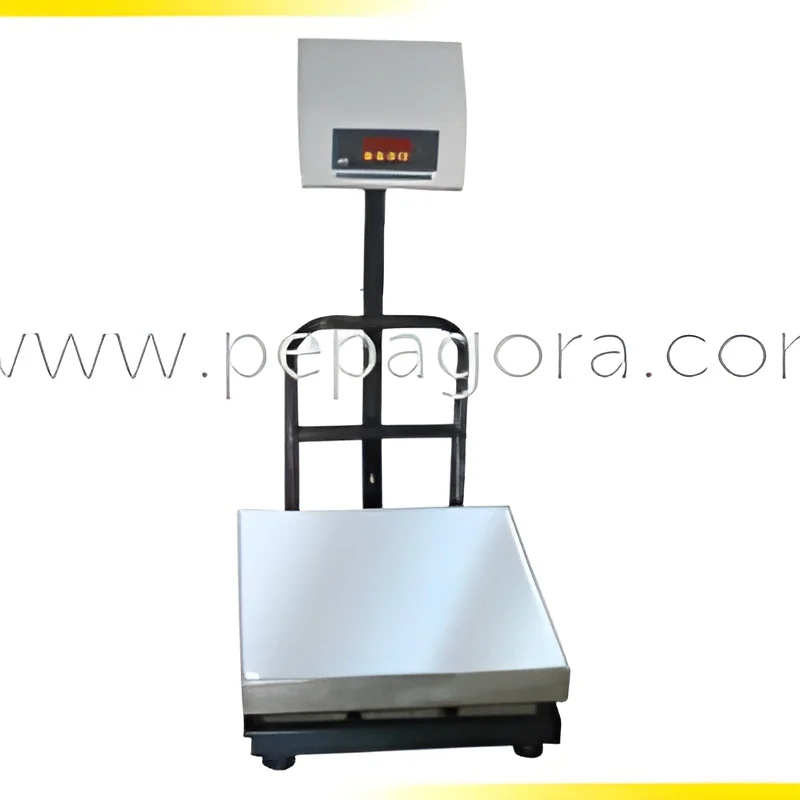
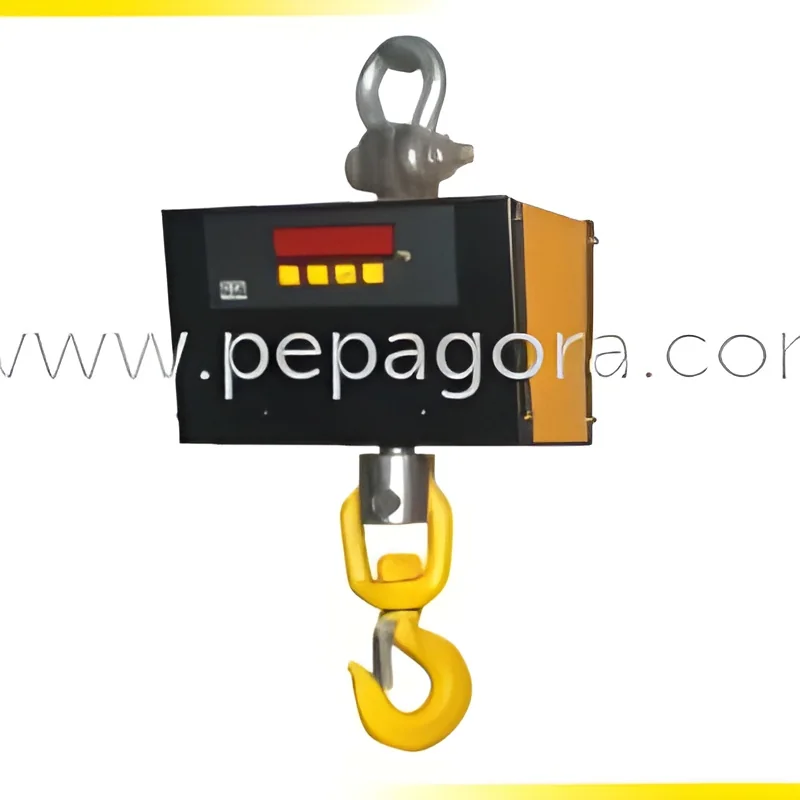
Industrial Automation Logic Controllers For Manufacturing And Process Control
Industrial automation logic controllers deliver reliable performance for manufacturing and process control applications. These precision-engineered units feature robust construction and multiple I/O configurations for seamless system integration in demanding industrial environments.
Min. Order Quantity: 1 unit
Shipping
Shipping fee and delivery date to be negotiated. Contact supplier now for more details.
Nisan Electronics
 Maharashtra, India
Maharashtra, IndiaManufacturer