IN
₹
Apparel & Fashion
Description
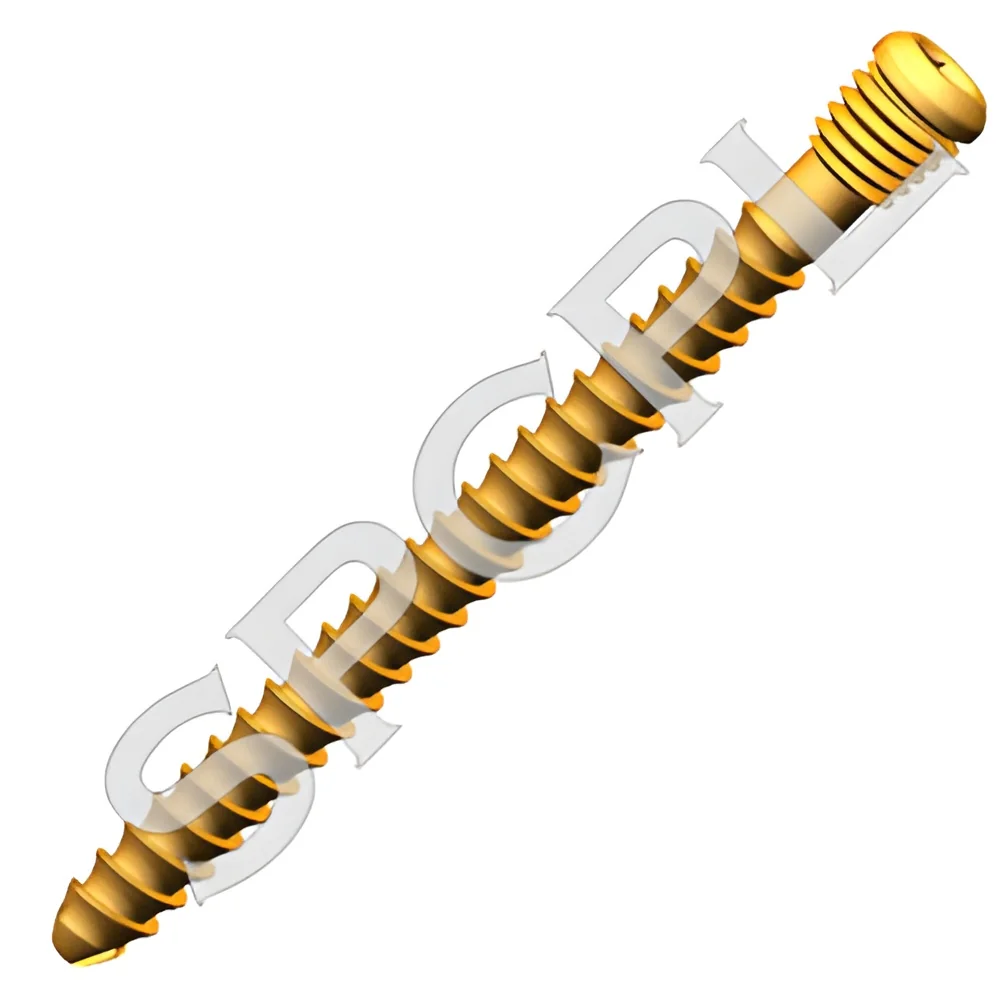
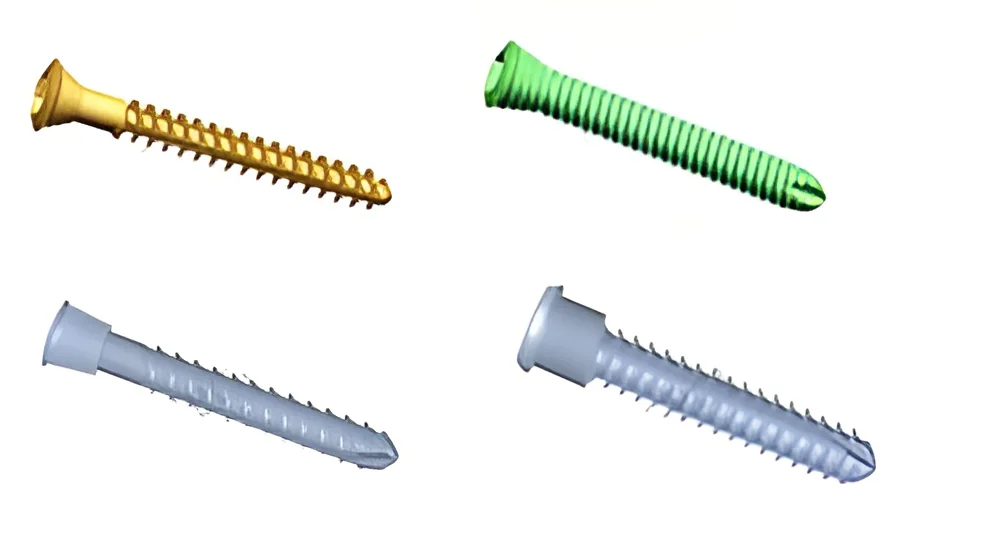
Orthopedic locking screws are precision-engineered medical devices designed for secure bone fixation in surgical applications. These specialized screws feature unique thread patterns and locking mechanisms that integrate seamlessly with compatible bone plates, creating angular stable constructs resistant to loosening under physiological loads. Manufactured from medical-grade titanium or stainless steel alloys, they undergo rigorous quality controls including surface treatments for enhanced biocompatibility and corrosion resistance. Their design prioritizes ease of insertion while minimizing soft tissue irritation, making them indispensable tools where mechanical stability directly impacts patient recovery outcomes.

These screws see extensive utilization across multiple medical specialties including trauma surgery, spinal interventions, joint reconstruction, and orthopedic oncology. Trauma centers employ them for complex fracture fixations where anatomical restoration and early mobiliz...
Orthopedic locking screws are precision-engineered medical devices designed for secure bone fixation in surgical applications. These specialized screws feature unique thread patterns and locking mechanisms that integrate seamlessly with compatible bone plates, creating angular stable constructs resistant to loosening under physiological loads. Manufactured from medical-grade titanium or stainless steel alloys, they undergo rigorous quality controls including surface treatments for enhanced biocompatibility and corrosion resistance. Their design prioritizes ease of insertion while minimizing soft tissue irritation, making them indispensable tools where mechanical stability directly impacts patient recovery outcomes.

These screws see extensive utilization across multiple medical specialties including trauma surgery, spinal interventions, joint reconstruction, and orthopedic oncology. Trauma centers employ them for complex fracture fixations where anatomical restoration and early mobilization are critical. Spinal surgeons rely on their stability in fusion procedures for degenerative conditions and deformities. Joint replacement specialists integrate them into arthroplasty systems for prosthetic fixation, while orthopedic oncologists use them in limb-salvage surgeries. Veterinary medicine also adopts these implants for large animal fractures, demonstrating their versatility across clinical scenarios requiring robust skeletal stabilization.

For surgical teams and medical distributors, these locking screws deliver tangible value through reduced revision rates, streamlined inventory management, and compatibility with major implant systems. Their reliability translates into fewer intraoperative complications and predictable postoperative courses, lowering overall treatment costs. Regulatory compliance with ISO 13485 standards ensures quality assurance, while batch traceability guarantees accountability across the supply chain. This combination of clinical efficacy and operational efficiency makes them a prudent investment for institutions prioritizing patient safety and procedural outcomes.

Key Features:
- Manufactured from medical-grade titanium or stainless steel alloys
- Self-tapping threads designed for precise bone engagement and reduced insertion torque
- Conical locking threads ensuring secure angle-stable fixation with compatible plates
- Surface treatments including passivation for enhanced biocompatibility
- Multiple drive types compatible with standard surgical instruments

Benefits:
- Provides stable bone fixation for improved healing outcomes
- Reduces risk of implant loosening and revision surgeries
- Compatible with various plating systems for surgical flexibility
- Manufactured to ISO standards ensuring consistent quality
- Designed for ease of insertion reducing surgical time
Specifications
| Additional Information | |
|---|---|
| Country of Origin | India |
Application
Orthopedic locking screws deliver critical stability in fracture fixation systems, ensuring precise alignment and compression during bone healing. These medical-grade components are essential for trauma surgeries, spinal procedures, and joint replacements where secure mechanical fixation is required. Surgeons rely on their threaded design and plate compatibility for predictable outcomes in high-stress anatomical regions.
Beyond standard fracture care, these screws serve specialized applications in orthopedic oncology, deformity correction, and revision surgeries. Their robust construction supports weight-bearing bones while resisting micromovement over time. Medical distributors value their consistent performance across diverse patient demographics and surgical complexities, making them indispensable in modern operating environments worldwide.
- Open reduction and internal fixation (ORIF) of complex fractures in extremities
- Spinal fusion procedures for degenerative disc disease and scoliosis correction
- Total joint arthroplasty including hip, knee, and shoulder replacements
- Orthopedic trauma interventions for accidents and sports injuries
- Reconstructive surgeries for bone tumors, infections, or congenital defects
Trade Details
| Available Stock | In Stock |
| Sample Availability | No |
Payment Terms
| Payment Terms |
|
Company Profile

Bharucha Associates, Gujarat
 Gujarat, India
Health & Personal Care•Distributor / Wholesaler•Retailer•Importer / Exporter
Factory Details
Factory SizeBelow 1000 sqm
Annual Production Capacity0
Orthopedic Locking Screws For Surgical Precision And Bone Fixation
Orthopedic locking screws provide surgical precision for bone fixation. Trusted by hospitals for trauma repair and joint reconstruction with ISO-certified quality and reliable performance.
Min. Order Quantity: 1 unit
Shipping
Shipping fee and delivery date to be negotiated. Contact supplier now for more details.
Bharucha Associates
 Gujarat, India
Health & Personal CareDistributor / Wholesaler