IN
IN₹
Apparel & Fashion
Loading subcategories...
View More
Description
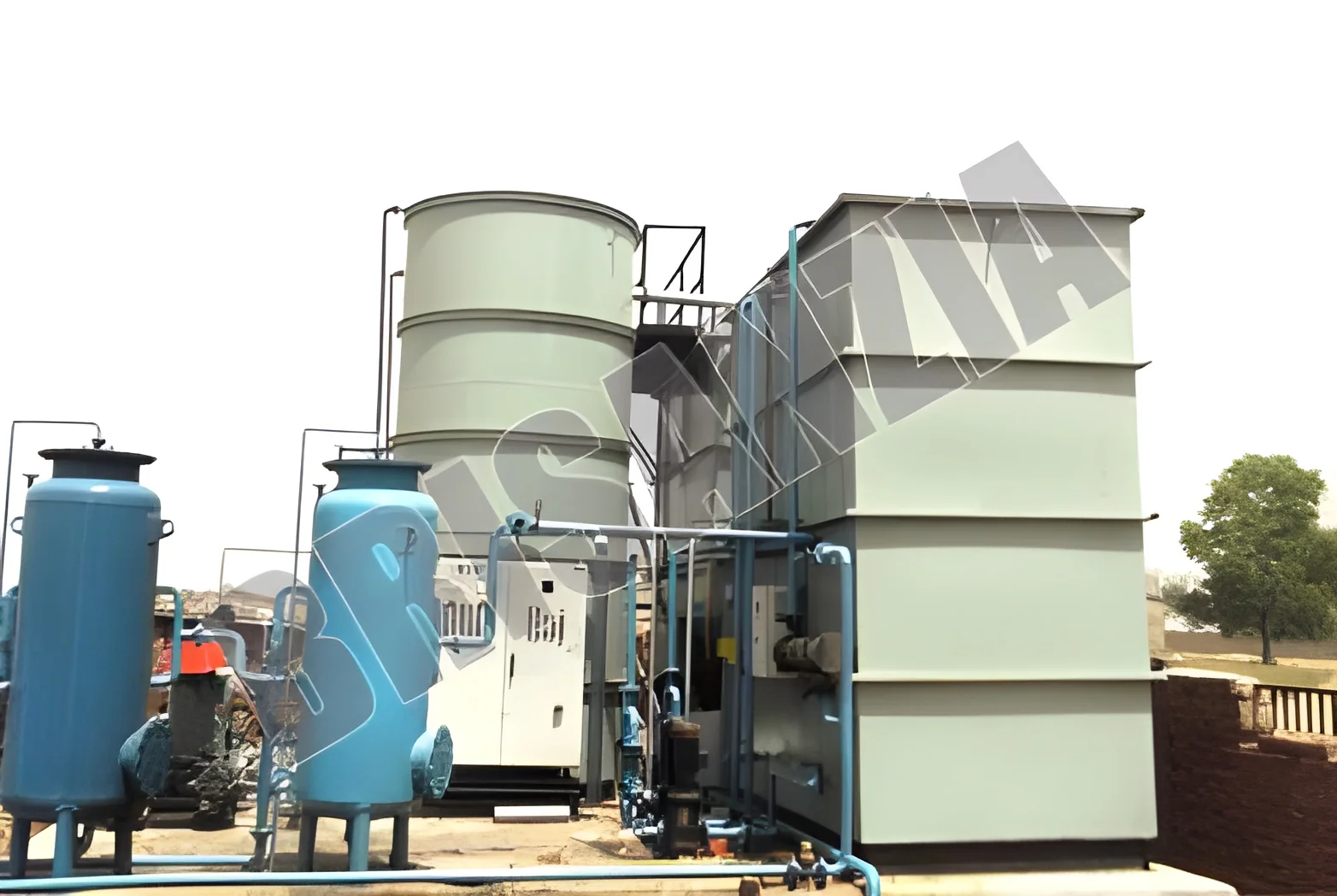
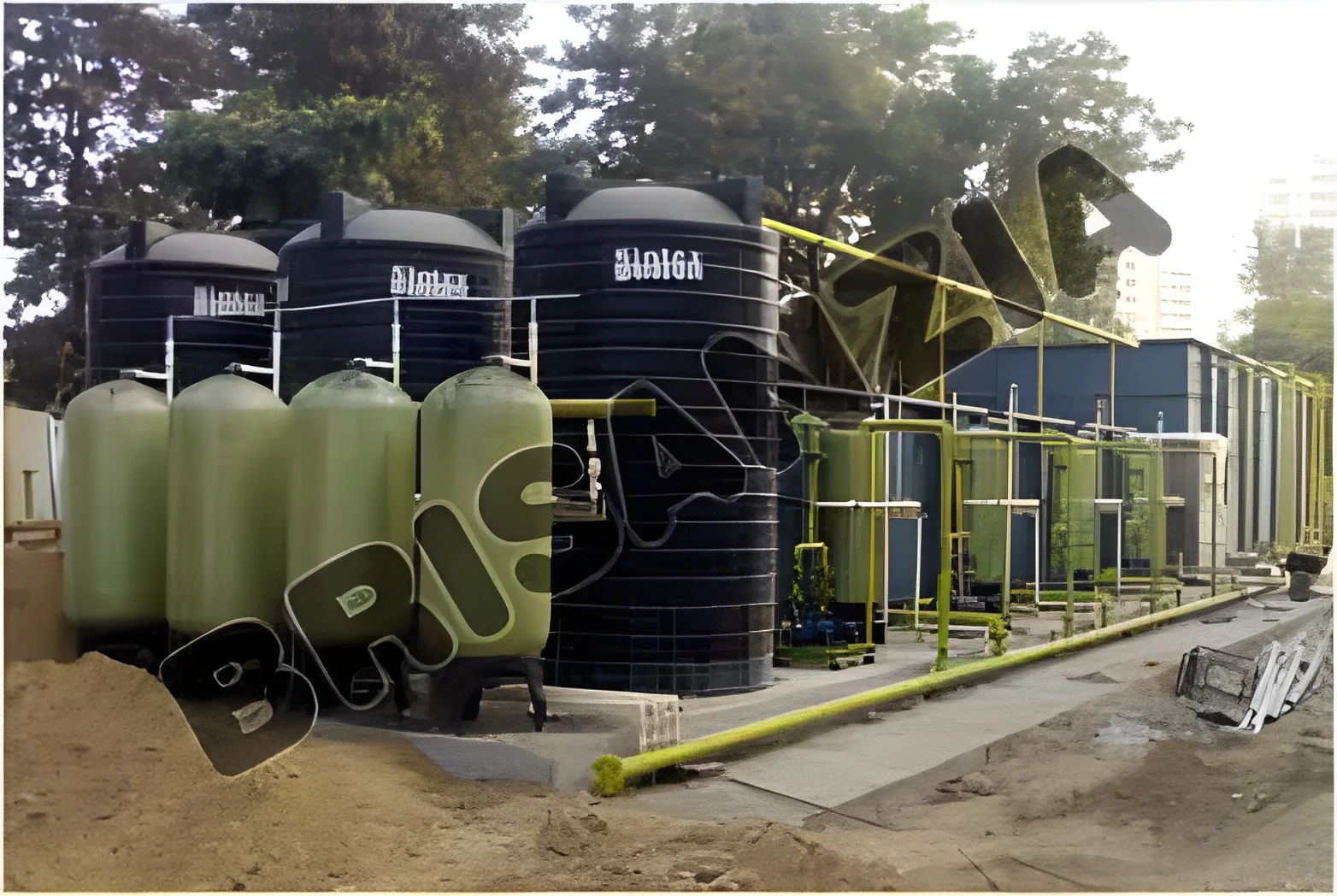
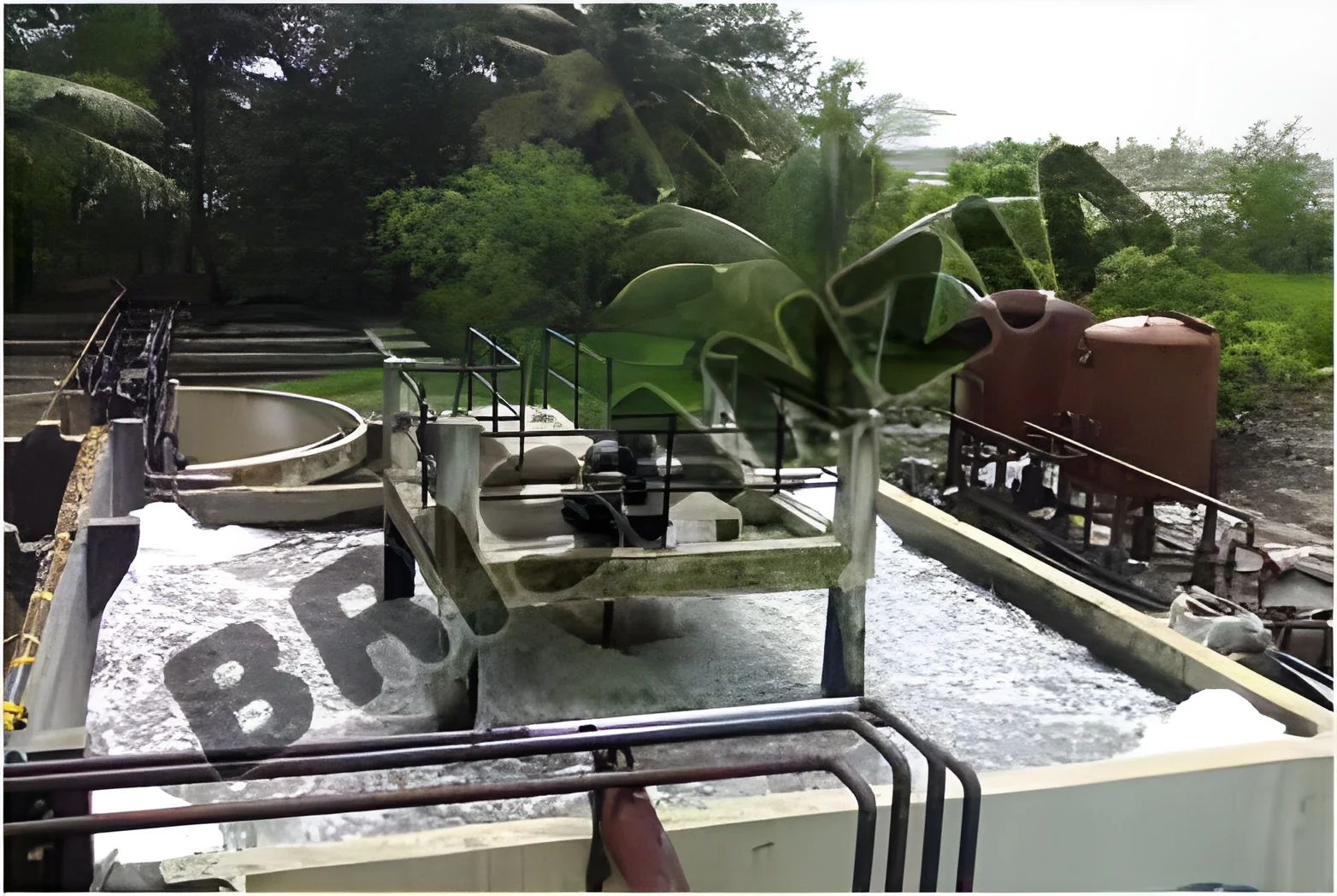
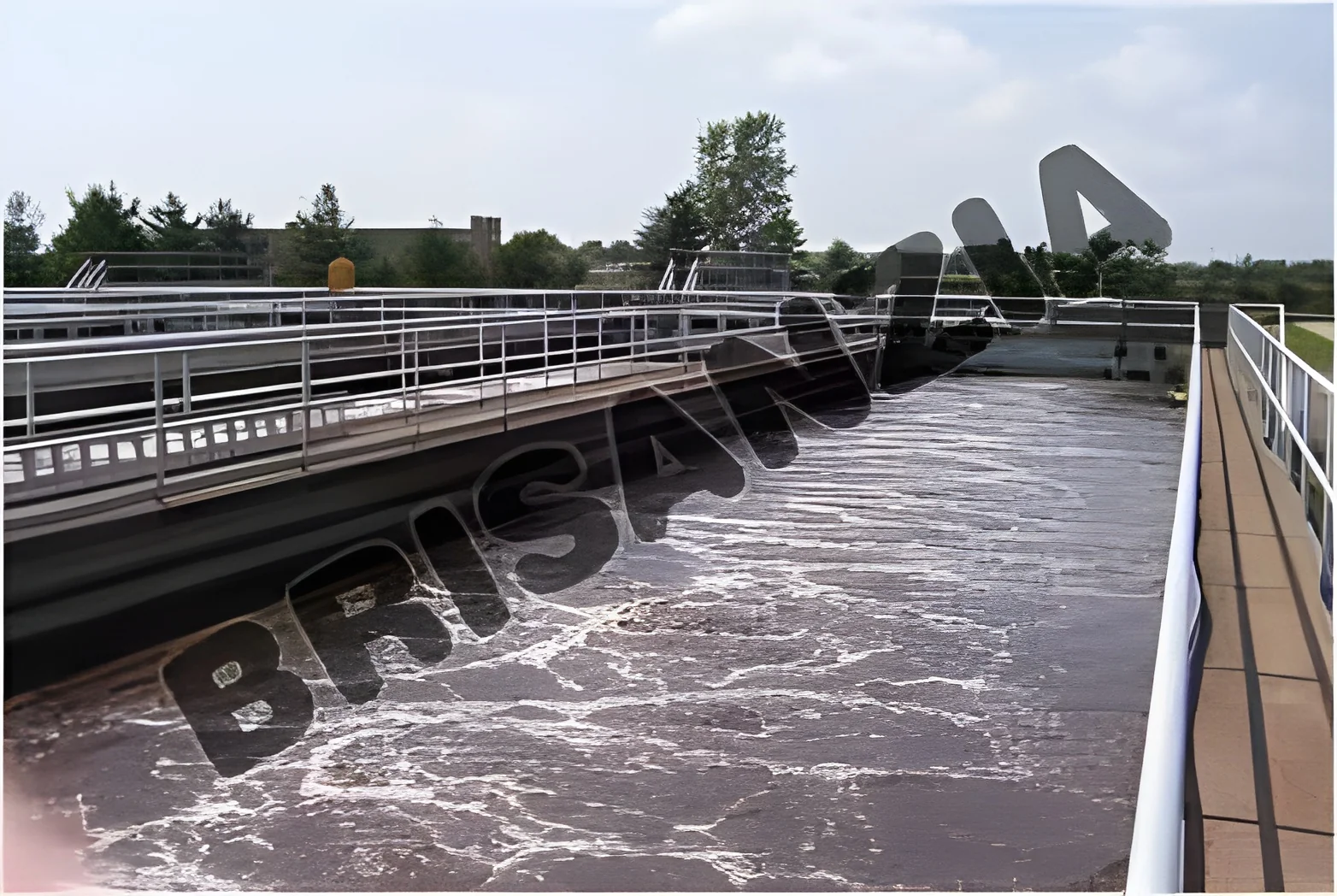
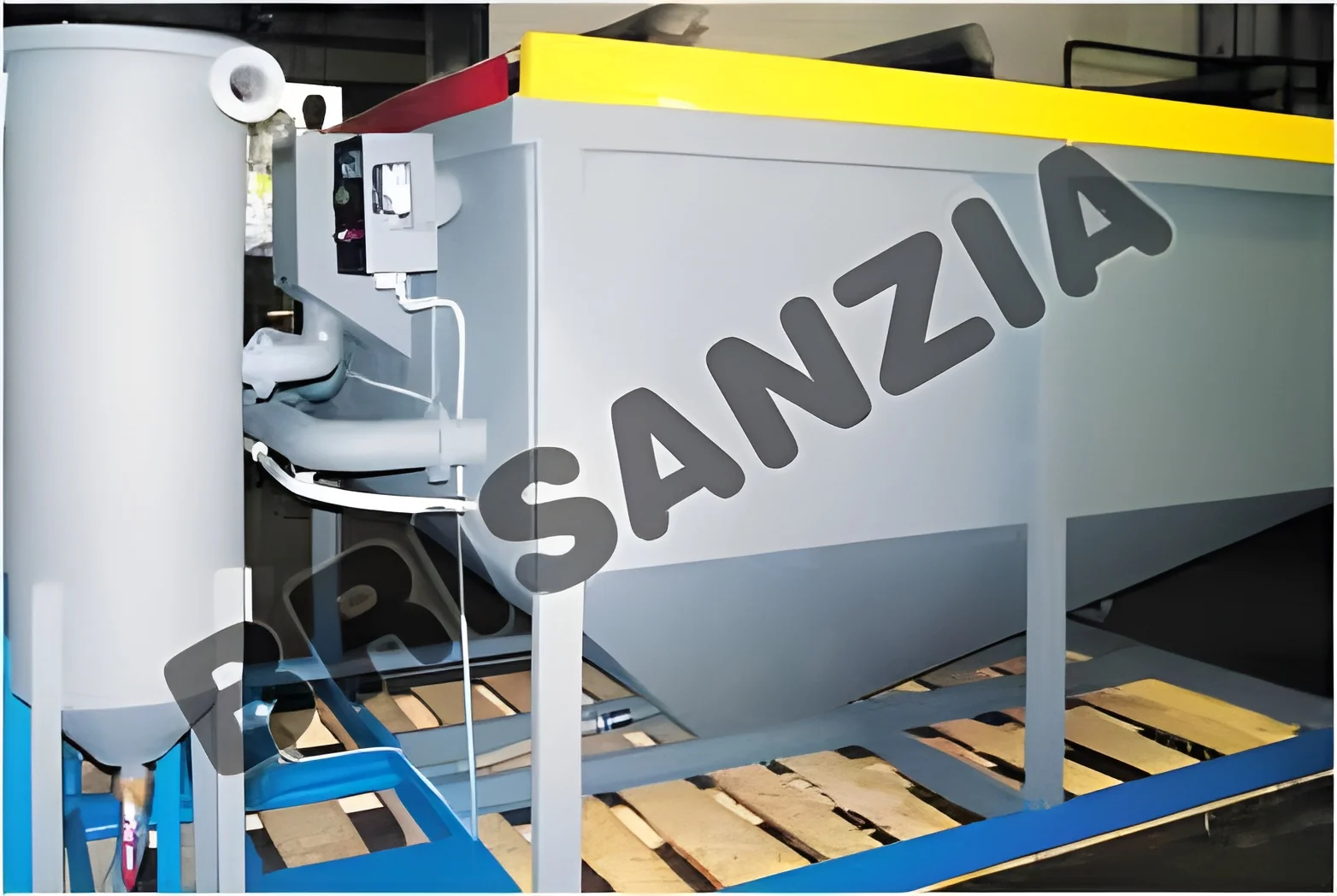
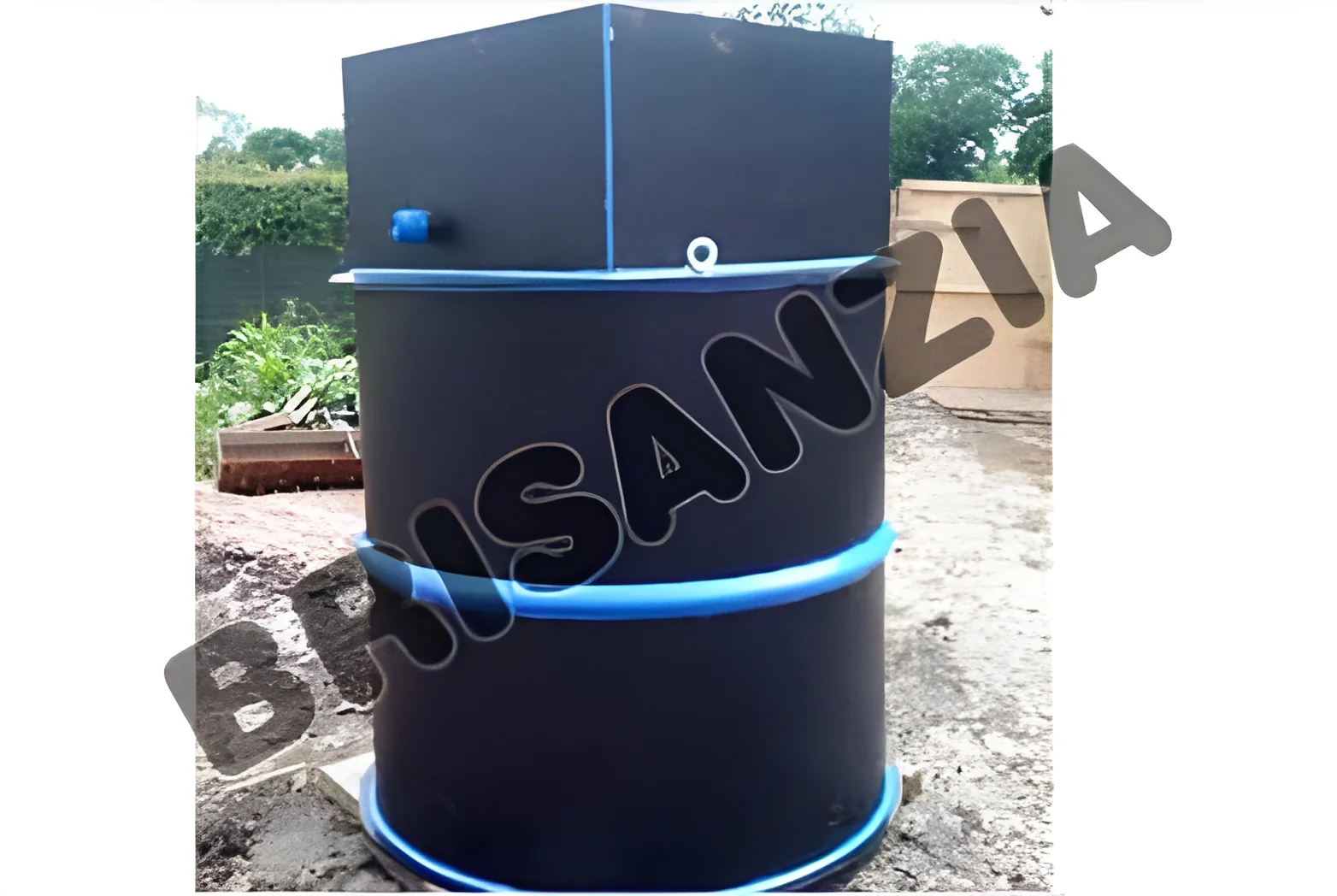
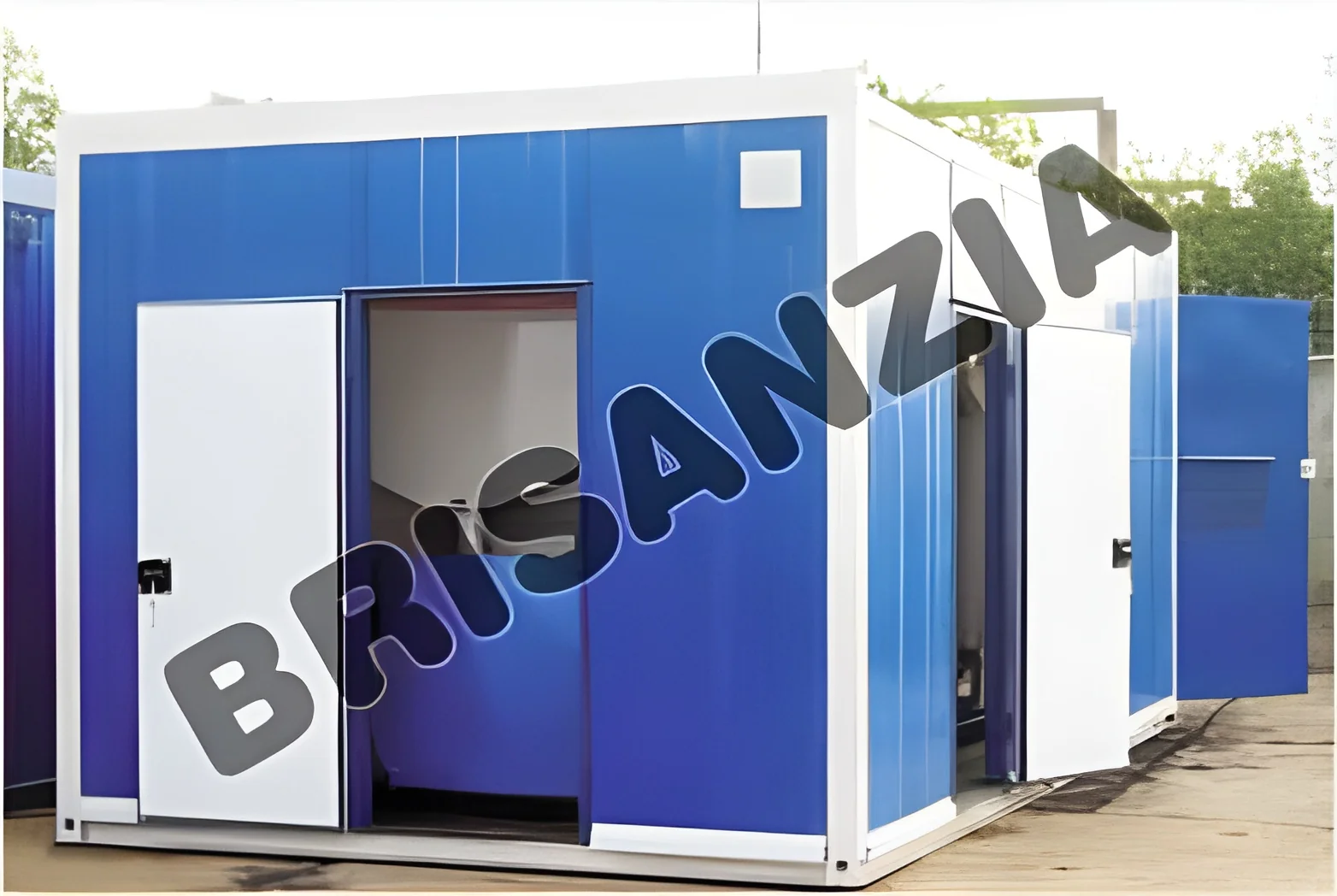
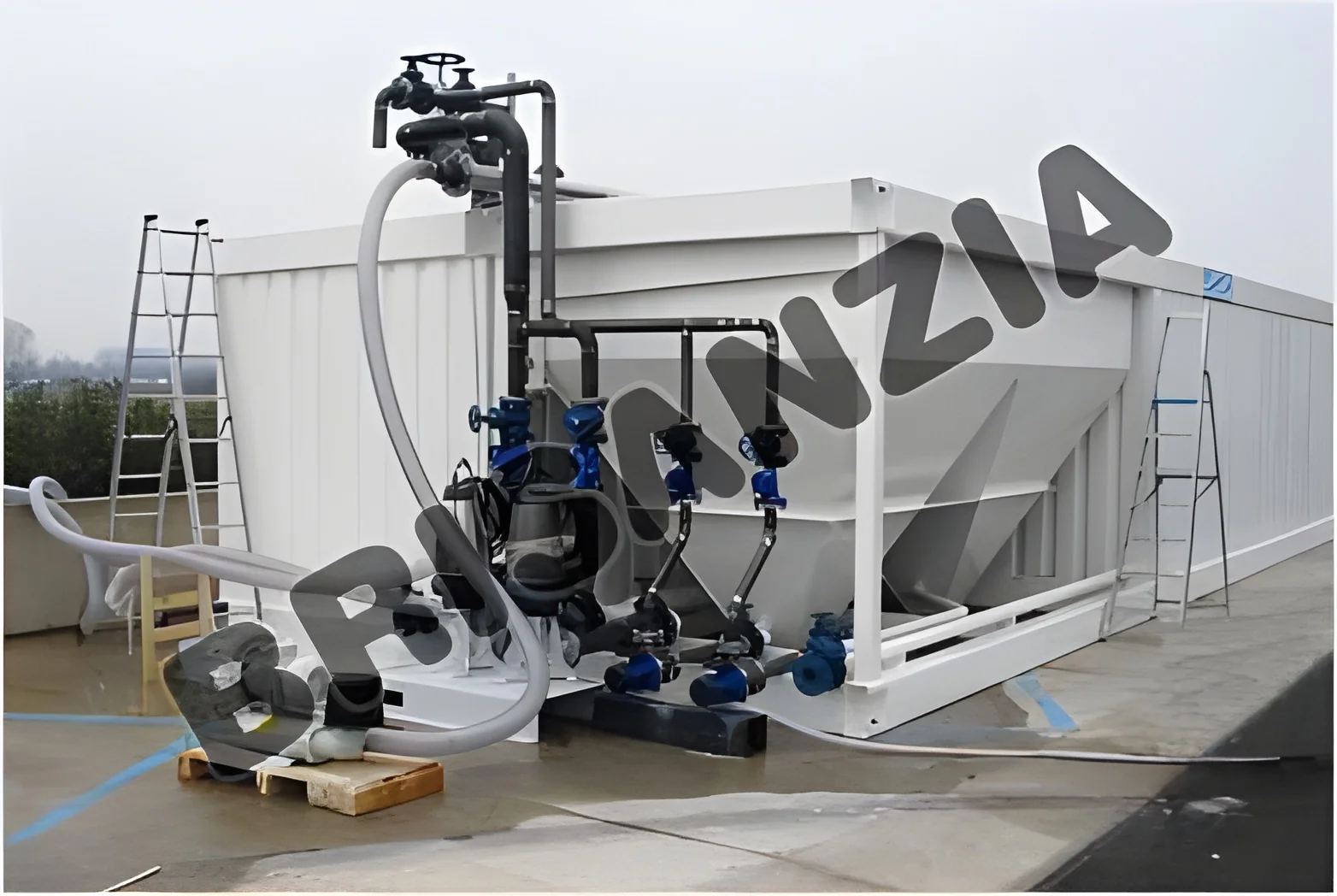
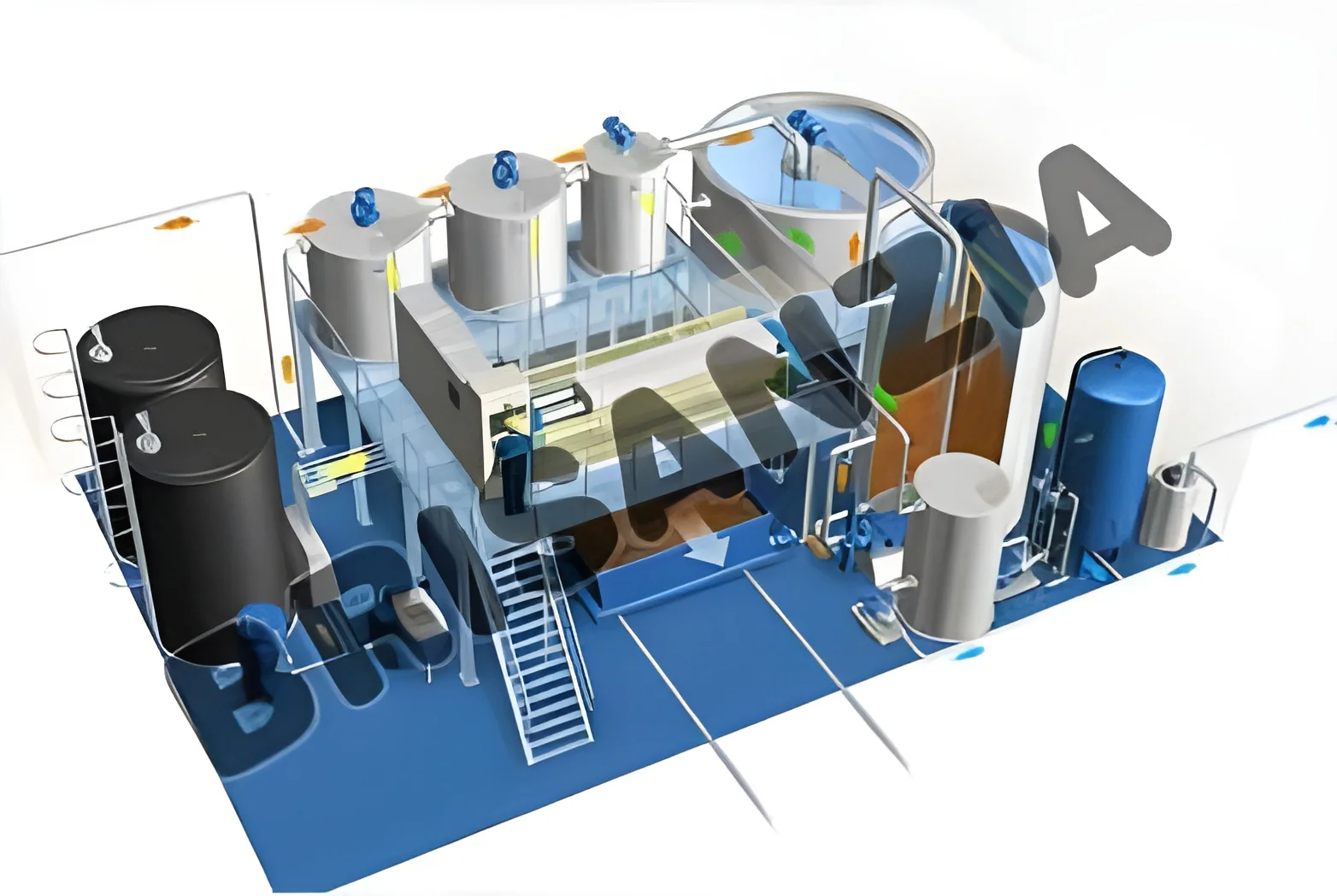
Industrial wastewater treatment plants are comprehensive engineered systems designed specifically for purifying water contaminated during manufacturing and processing operations. These robust installations integrate multiple treatment technologies to effectively remove physical, chemical, and biological contaminants from industrial effluent. The systems typically incorporate preliminary screening, primary settlement, secondary biological treatment, and tertiary polishing stages to achieve required water quality standards. This thorough approach ensures that treated water meets both environmental regulations and potential reuse criteria within industrial operations, addressing the growing need for sustainable water management in production facilities.

These treatment plants serve essential functions across numerous manufacturing sectors with specific contamination challenges. In chemical manufacturing, they neutralize acidic or alkaline waste streams and break down complex synthetic co...
Industrial wastewater treatment plants are comprehensive engineered systems designed specifically for purifying water contaminated during manufacturing and processing operations. These robust installations integrate multiple treatment technologies to effectively remove physical, chemical, and biological contaminants from industrial effluent. The systems typically incorporate preliminary screening, primary settlement, secondary biological treatment, and tertiary polishing stages to achieve required water quality standards. This thorough approach ensures that treated water meets both environmental regulations and potential reuse criteria within industrial operations, addressing the growing need for sustainable water management in production facilities.

These treatment plants serve essential functions across numerous manufacturing sectors with specific contamination challenges. In chemical manufacturing, they neutralize acidic or alkaline waste streams and break down complex synthetic compounds. Food processing facilities utilize them to manage high organic loads from production waste, while textile manufacturers rely on these systems to remove dyes and processing chemicals. Metal finishing operations require them for heavy metal removal and cyanide destruction, and their versatility extends to pharmaceuticals, pulp and paper, automotive, and other industries where water quality impacts both compliance and operational efficiency.

Investing in proper wastewater treatment infrastructure delivers significant operational value beyond basic regulatory compliance. These systems reduce environmental impact fees and potential penalties while lowering water consumption through recycling opportunities. Reliable treatment infrastructure minimizes operational disruptions from compliance issues and enhances sustainability credentials. The plants are constructed with durable materials and components designed for continuous industrial operation, featuring automated controls that reduce labor requirements and optimize treatment efficiency. This combination of operational reliability and financial advantages makes wastewater treatment a strategic investment for industrial operations focused on long-term sustainability.

Key Features:
- Multiple treatment stages including physical, chemical, and biological processes
- Robust construction with corrosion-resistant materials for extended service life
- Automated control systems ensuring consistent operation with minimal manual intervention
- High-quality components engineered for heavy-duty industrial applications
- Comprehensive solutions designed for specific industry effluent characteristics

Benefits:
- Ensures regulatory compliance with environmental discharge standards
- Reduces operational costs through water recycling and reuse opportunities
- Minimizes environmental impact fees and potential compliance penalties
- Enhances operational reliability with durable construction and automated controls
- Supports sustainability goals through effective water management practices
Specifications
| Additional Information | |
|---|---|
| Country of Origin | India |
| Customisable | No |
Application
Industrial wastewater treatment plants effectively remove contaminants from manufacturing process water, ensuring compliance with environmental regulations. These systems handle diverse pollutants including heavy metals, organic compounds, and suspended solids through multiple treatment stages. The technology adapts to various industrial effluents while maintaining consistent purification performance for discharge or reuse applications across different sectors.
These treatment solutions address specific industry challenges with customized configurations for different contamination profiles. Whether managing high chemical oxygen demand, toxic substances, or variable flow rates, these plants incorporate physical, chemical, and biological treatment processes. This adaptability makes them suitable for numerous industrial applications requiring reliable wastewater management solutions that meet strict quality standards.
- Treating textile industry effluent to remove dyes and processing chemicals before safe discharge
- Managing pharmaceutical manufacturing wastewater to eliminate active ingredients and organic residues
- Purifying food processing water to handle high organic loads from washing and production
- Treating metal plating wastewater to remove cyanides, heavy metals, and acidic contaminants
- Processing chemical plant effluent to neutralize pH and break down complex industrial compounds
Trade Details
| Available Stock | In Stock |
| Sample Availability | No |
Payment Terms
| Payment Terms |
|
Company Profile
Brisanzia Technologies Private Limited, New Delhi
 New Delhi, India
New Delhi, IndiaRaw Materials & Chemicals•Manufacturer•Importer / Exporter
Factory Details
Factory SizeBelow 1000 sqm
Annual Production Capacity0
Industrial Wastewater Treatment Plants For Manufacturing And Processing
Industrial wastewater treatment plants for manufacturing and processing industries provide reliable water purification with high-quality components and compliance assurance for heavy-duty operations.
Min. Order Quantity: 1 unit
Shipping
Shipping fee and delivery date to be negotiated. Contact supplier now for more details.
Brisanzia Technologies Private Limited
 New Delhi, India
New Delhi, IndiaRaw Materials & ChemicalsManufacturer