IN
IN₹
Apparel & Fashion
Description
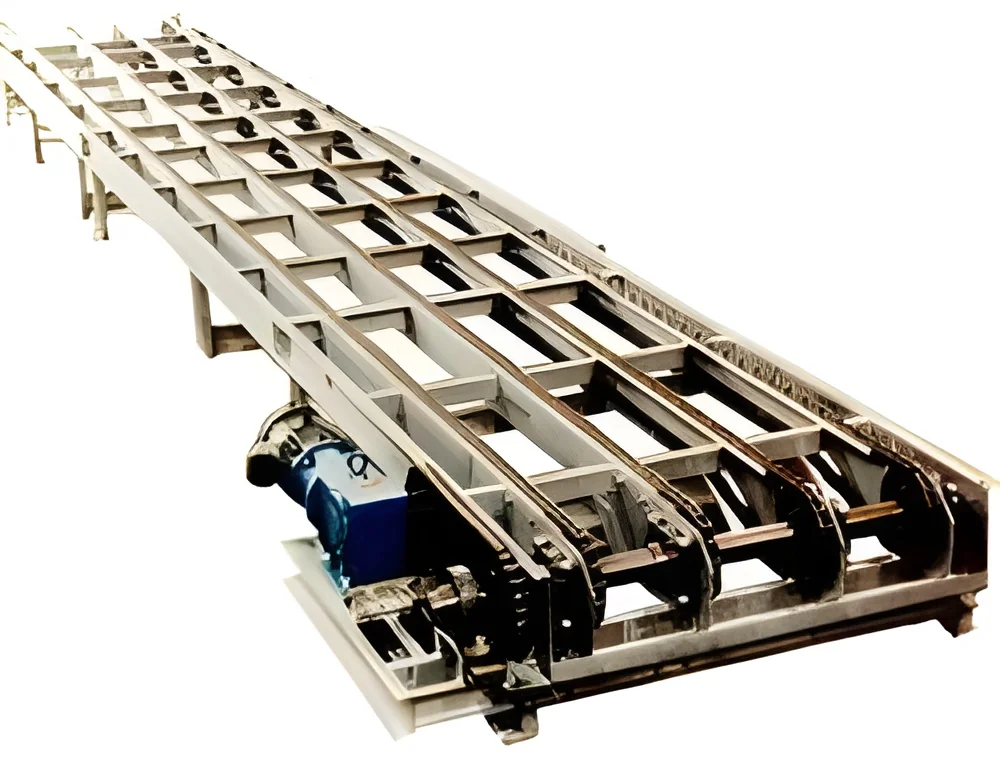
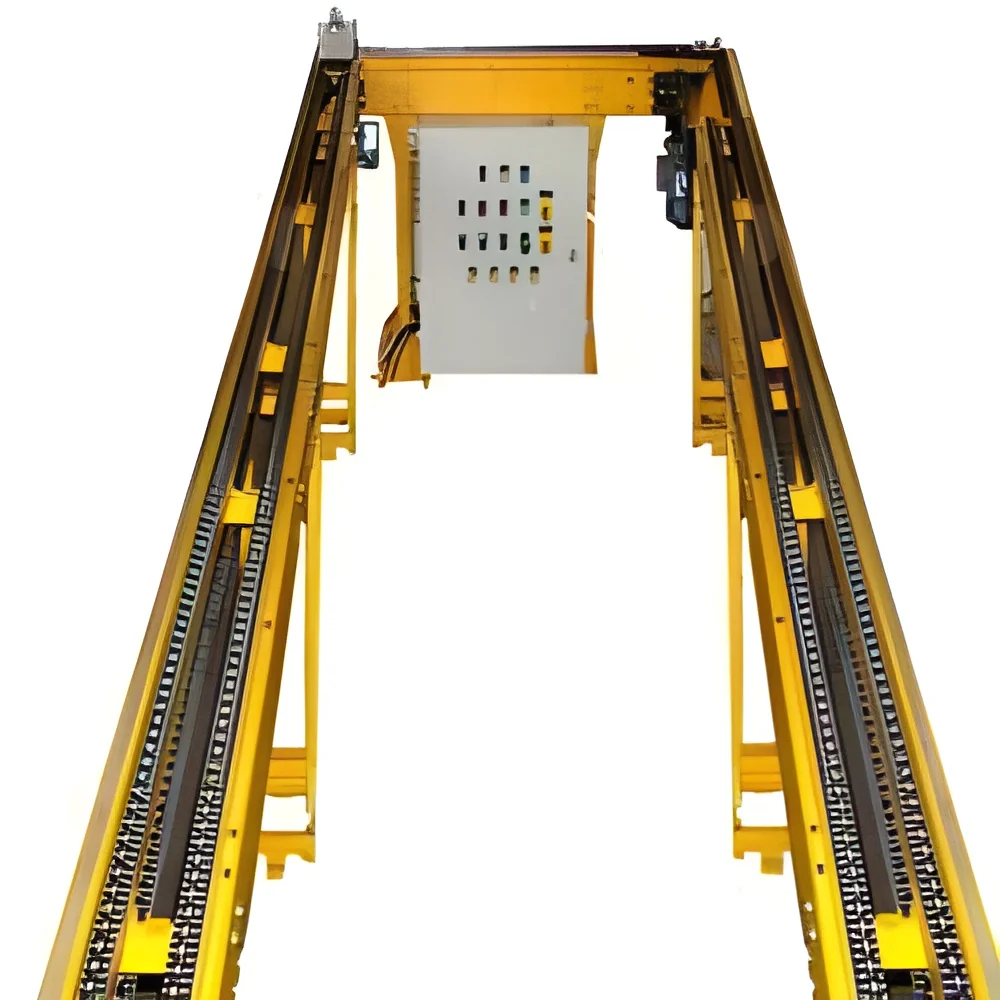
Industrial conveyors are the backbone of efficient material handling, designed to transport items reliably across manufacturing plants, warehouses, and distribution centers. These systems eliminate manual carrying, speeding up processes and reducing labor costs. Engineered with robust frames and high-quality components, they deliver consistent performance under heavy loads and continuous use. Their straightforward design prioritizes reliability, ensuring your operations keep moving with minimal interruption.

These conveyors serve critical roles across numerous industries. In automotive and electronics manufacturing, they precisely move components along assembly lines. Food and beverage facilities use them for hygienic transport in packaging. In e-commerce fulfillment centers and large warehouses, they are indispensable for sorting and routing countless packages daily. Their versatility also extends to sectors like mining, agriculture, and airport baggage handling, proving essential wh...
Industrial conveyors are the backbone of efficient material handling, designed to transport items reliably across manufacturing plants, warehouses, and distribution centers. These systems eliminate manual carrying, speeding up processes and reducing labor costs. Engineered with robust frames and high-quality components, they deliver consistent performance under heavy loads and continuous use. Their straightforward design prioritizes reliability, ensuring your operations keep moving with minimal interruption.

These conveyors serve critical roles across numerous industries. In automotive and electronics manufacturing, they precisely move components along assembly lines. Food and beverage facilities use them for hygienic transport in packaging. In e-commerce fulfillment centers and large warehouses, they are indispensable for sorting and routing countless packages daily. Their versatility also extends to sectors like mining, agriculture, and airport baggage handling, proving essential wherever materials need reliable, repetitive movement.

Investing in a well-designed conveyor system brings tangible business value through enhanced productivity and operational control. It reduces reliance on manual labor, lowers the risk of workplace injuries, and minimizes product damage during transit. The reliability of these systems translates to less downtime and lower long-term maintenance costs, protecting your bottom line. By optimizing workflow, they help you meet higher output targets and improve order accuracy, directly contributing to customer satisfaction and business growth.

Key Features:
- Constructed from durable materials like steel and industrial-grade belts for long service life.
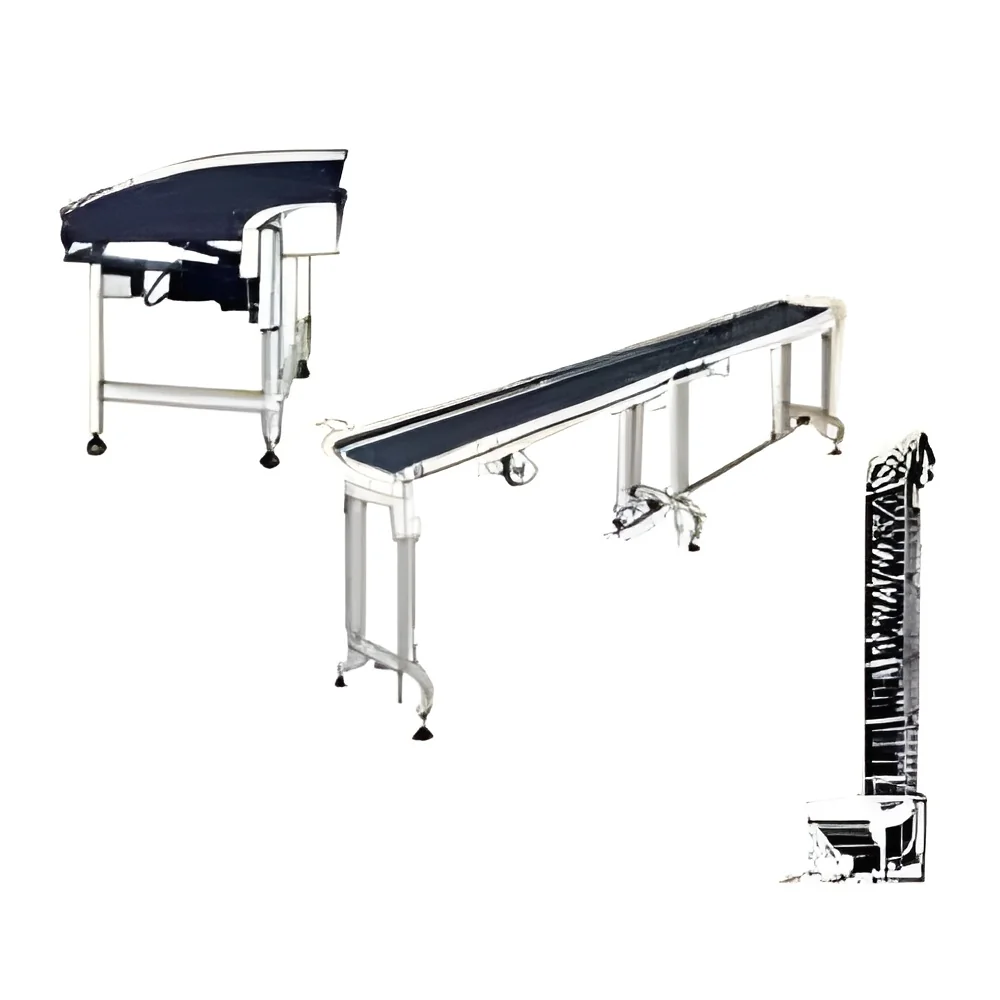
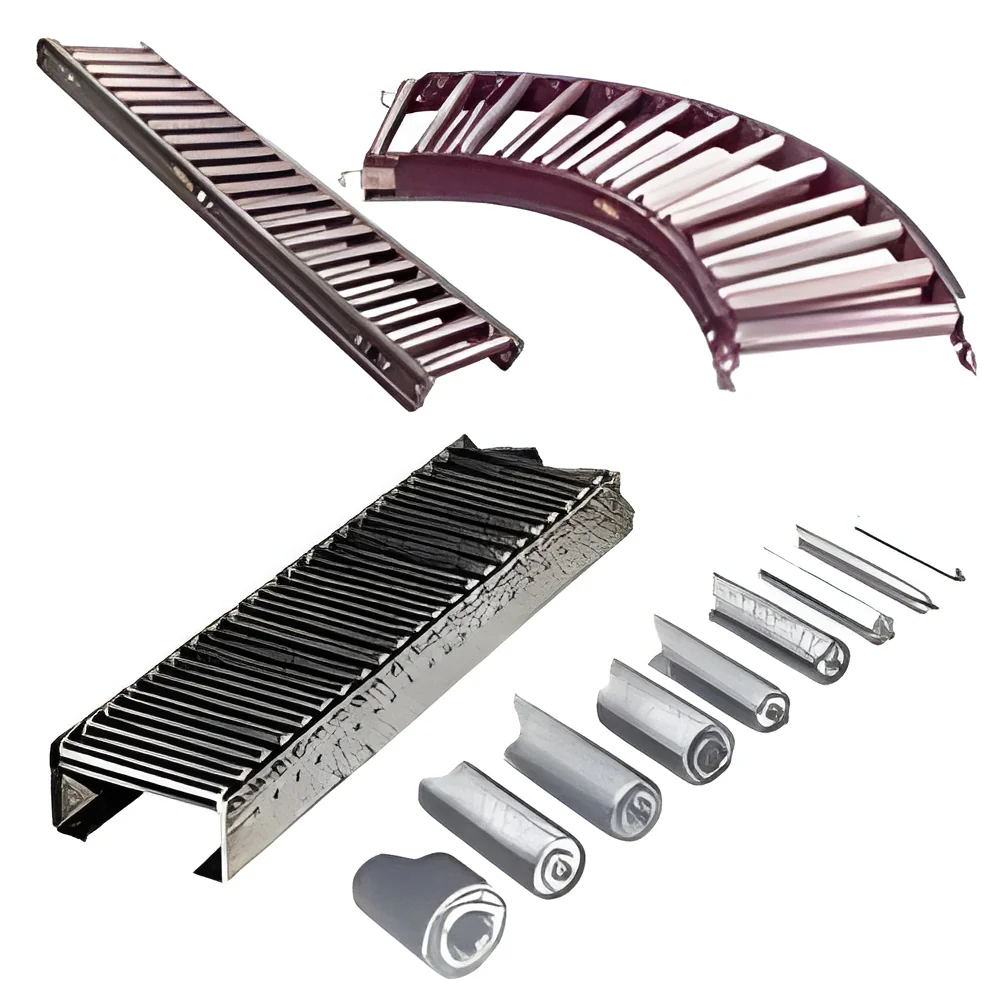
- Available in multiple types including belt, roller, chain, and slat conveyors for different applications.
- Engineered for consistent performance with precise speed and load capacity controls.
- Configurable in various layouts including straight, curved, inclined, and portable systems.
- Designed for easy integration with existing machinery and warehouse management systems.

Benefits:
- Significantly increases operational throughput and efficiency by automating material transport.
- Reduces manual handling, lowering labor costs and minimizing worker fatigue and injury risk.
- Enhances product safety by providing stable, controlled movement that prevents damage.
- Offers reliable, low-maintenance operation that reduces unexpected downtime and repair expenses.
- Provides a scalable solution that can adapt to growing production volumes or changing layout needs.
Specifications
| Additional Information | |
|---|---|
| Country of Origin | India |
Application
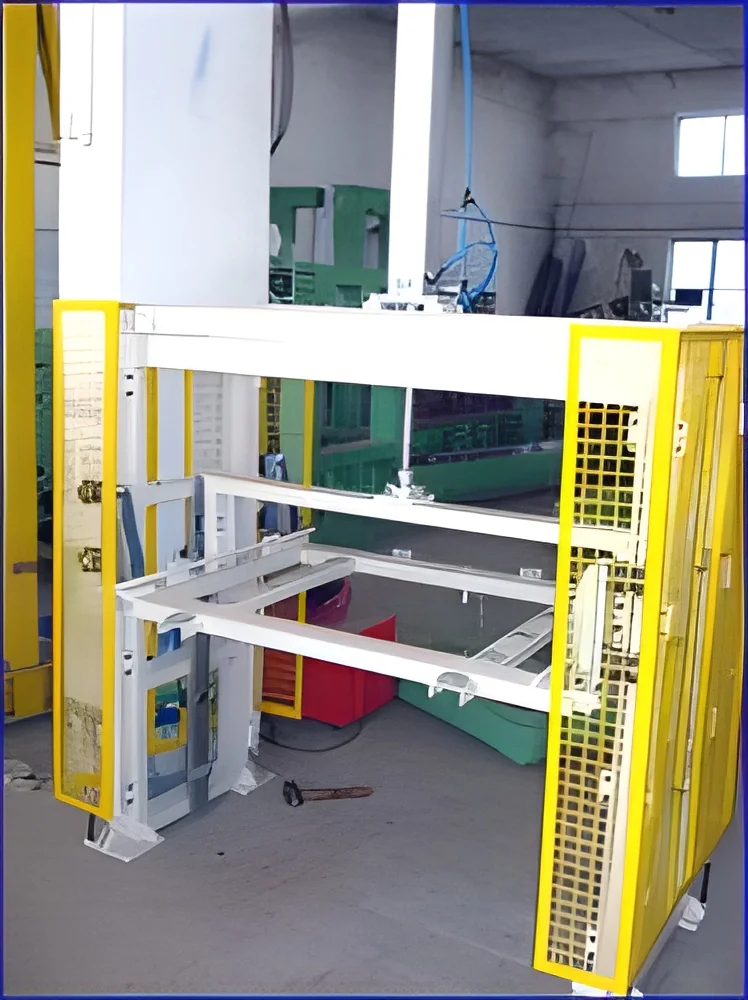
Our industrial conveyors are designed to move materials smoothly and reliably across your facility. They handle a wide range of items, from small packages to heavy pallets, ensuring consistent flow in production and storage areas. This reduces physical strain on workers and minimizes the risk of damage to goods during transit.
Built to withstand demanding operational environments, these conveyors integrate seamlessly into existing systems. They are suitable for various layouts and can be configured for straight runs, curves, inclines, or declines. This adaptability makes them a cornerstone for improving throughput and operational efficiency in any industrial setting.
- Automating assembly lines for continuous product movement and positioning.
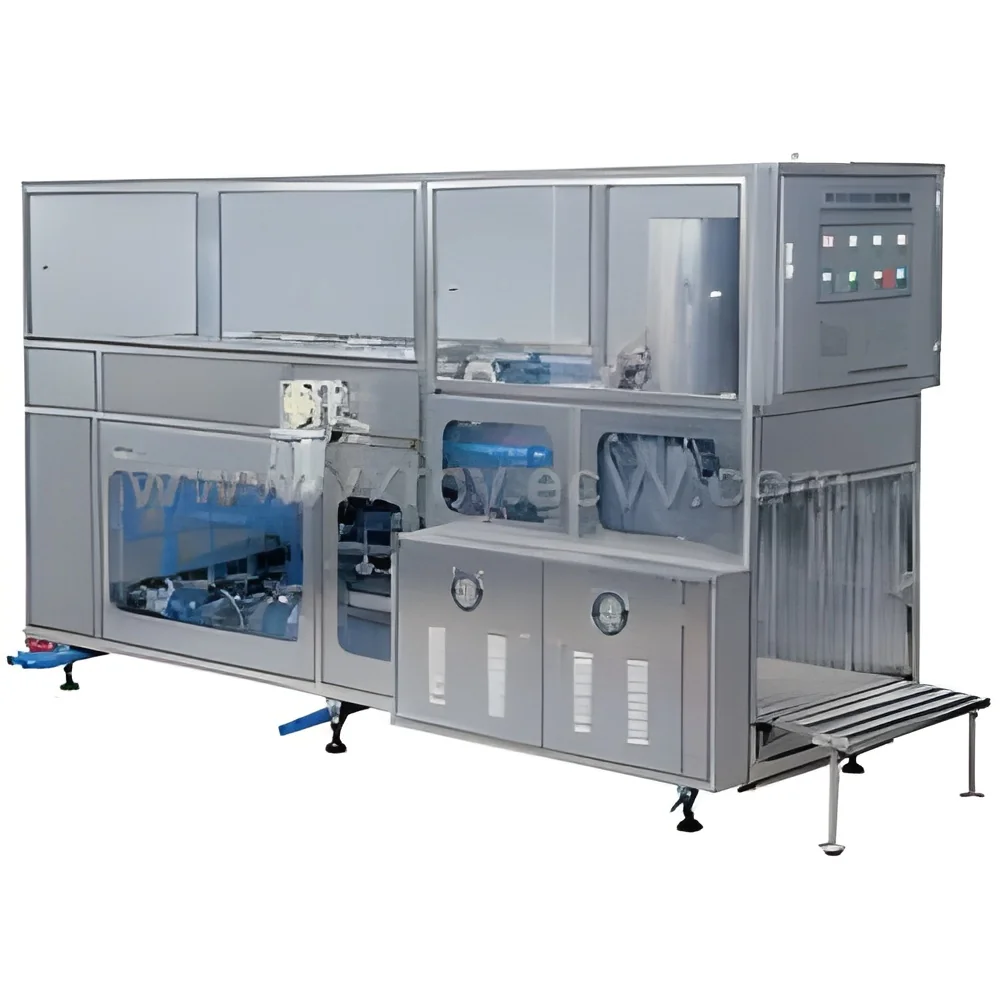
- Streamlining packaging, bottling, and palletizing operations for faster order fulfillment.
- Sorting and transporting goods in distribution centers and warehouse logistics.
- Facilitating efficient loading and unloading at shipping docks and receiving bays.
- Handling bulk materials like grains, aggregates, or parts in processing and manufacturing plants.
Trade Details
| Available Stock | In Stock |
| Sample Availability | No |
Payment Terms
| Payment Terms |
|
Company Profile
Intelneck, Maharashtra
 Maharashtra, India
Maharashtra, IndiaConstruction•Manufacturer
Factory Details
Factory SizeBelow 1000 sqm
Annual Production Capacity0
Main Markets
South Asia
Industrial Conveyors For Material Handling In Manufacturing And Warehousing
Industrial conveyors for material handling offer reliable, high-performance transport in manufacturing and warehousing. Engineered for durability and efficiency, they streamline workflows and reduce manual labor.
Min. Order Quantity: 1 unit
Shipping
Shipping fee and delivery date to be negotiated. Contact supplier now for more details.
Intelneck
 Maharashtra, India
Maharashtra, IndiaConstructionManufacturer