IN
IN₹
Apparel & Fashion
Description
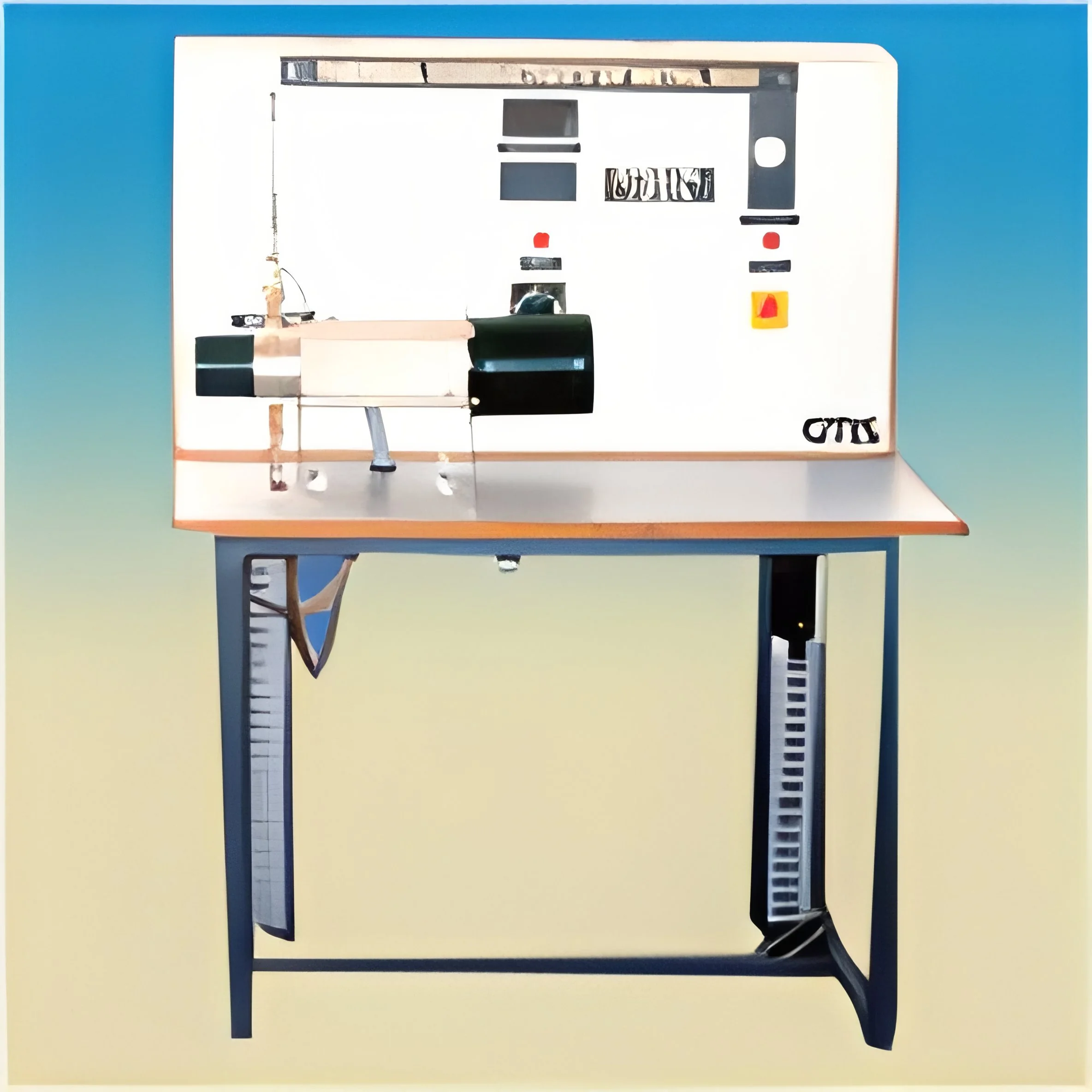
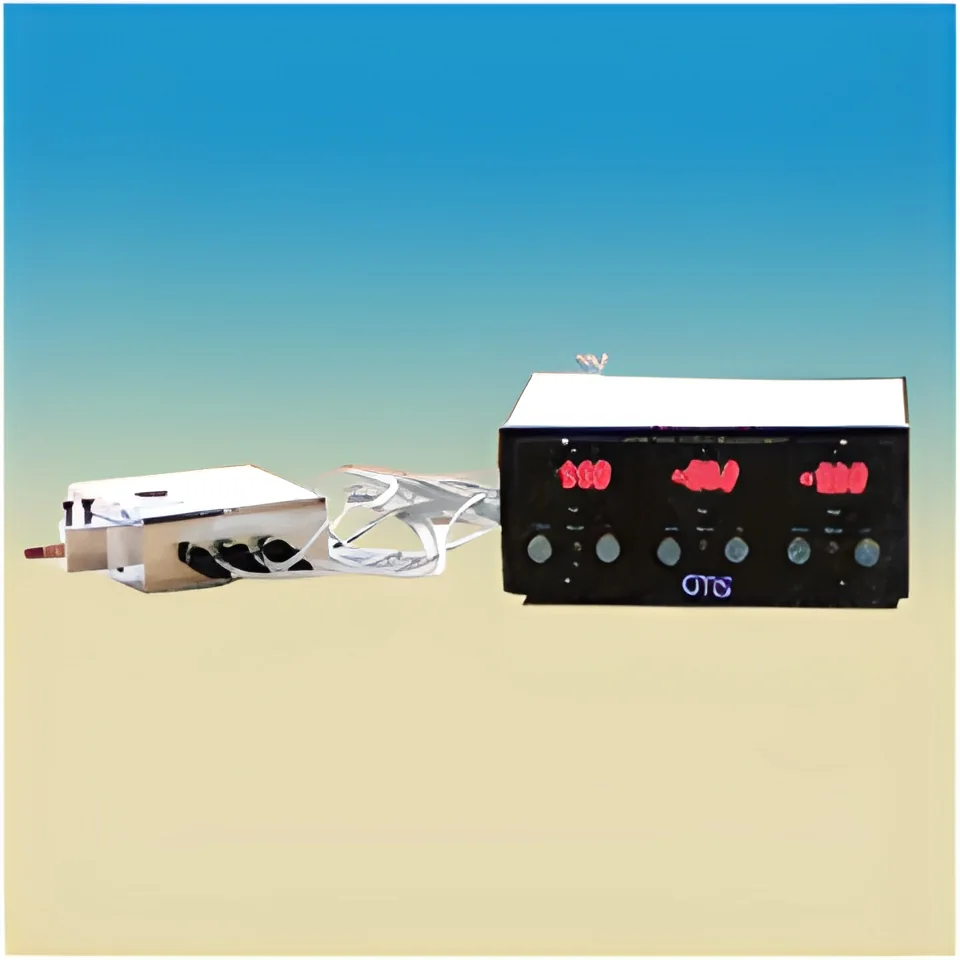
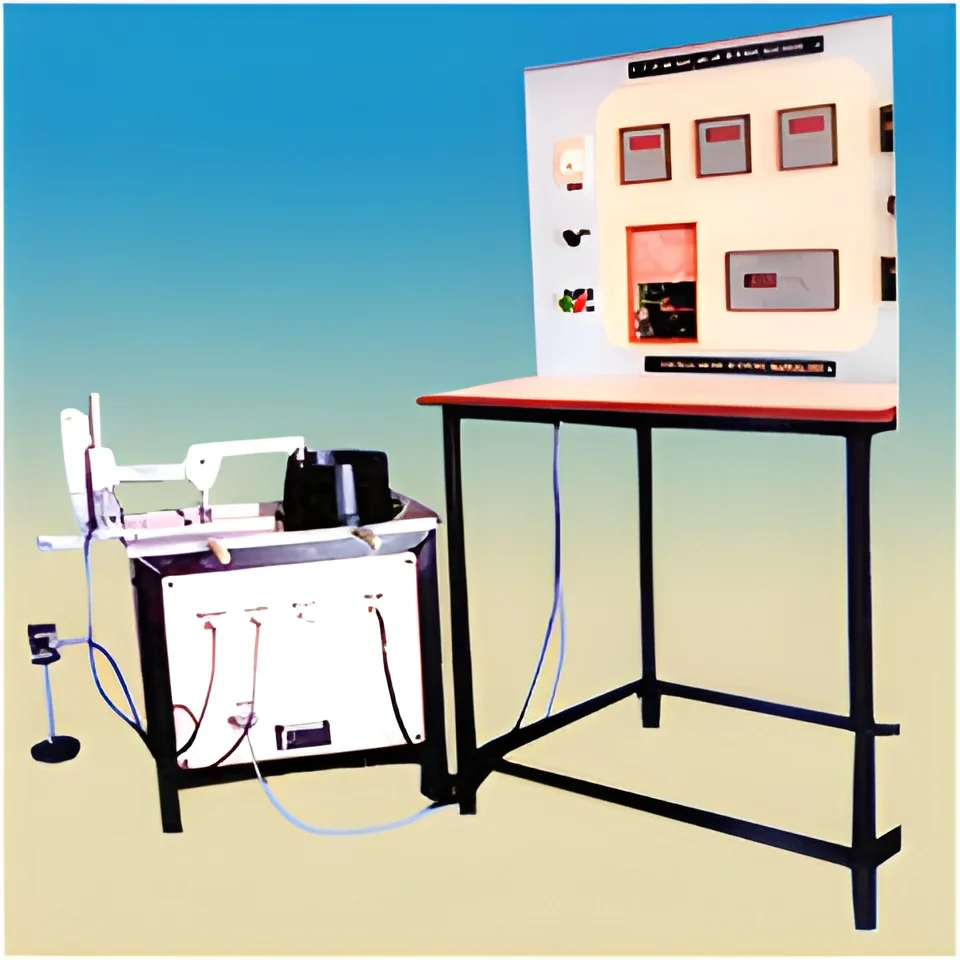
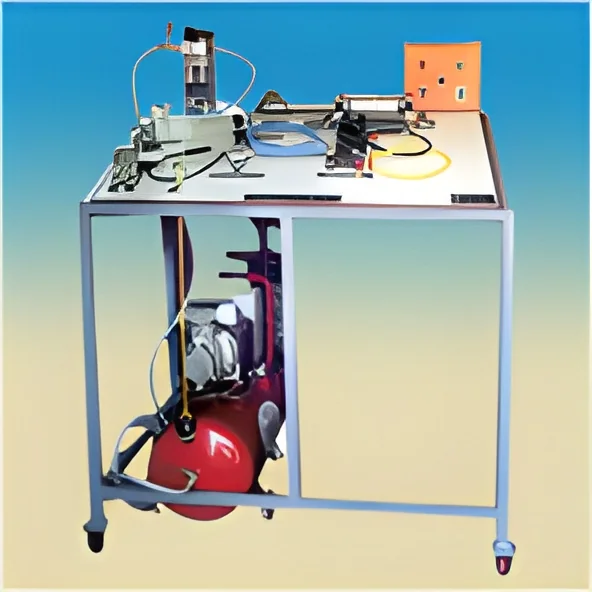
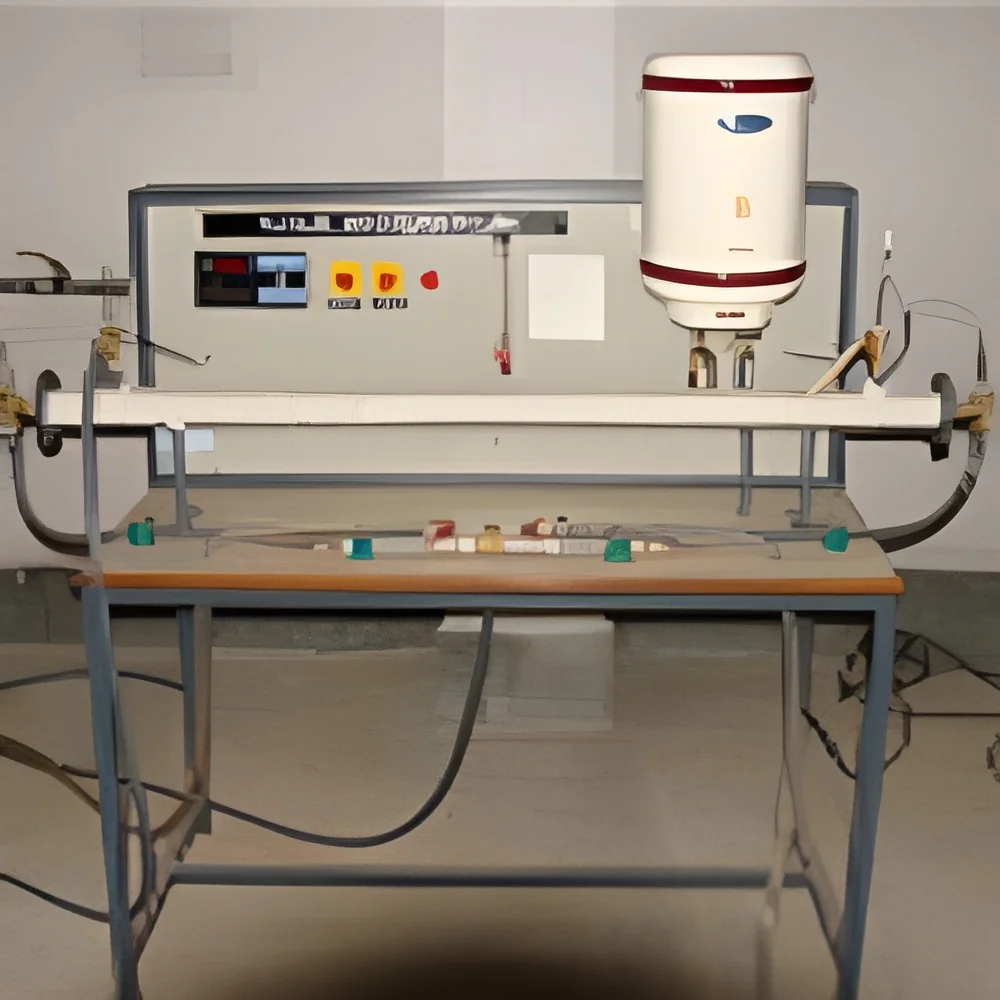
Our Engineering Education Heat Transfer Lab Equipment for Pin Fin Convection Studies delivers comprehensive thermal analysis capabilities through three fundamental methods: pin-fin conduction, natural convection, and forced convection. Designed specifically for engineering education and research applications, this equipment enables precise measurement and analysis of heat transfer coefficients, temperature distributions, and thermal efficiency. The system features robust construction with quality materials that ensure accurate, repeatable results across multiple experimental sessions. With intuitive interfaces and clear instrumentation, both students and professionals can efficiently conduct experiments while gathering reliable data for analysis and technical reporting. This equipment serves as an essential tool for understanding real-world thermal processes while maintaining strict laboratory safety standards.

This thermal analysis equipment finds extensive application across educati...
Our Engineering Education Heat Transfer Lab Equipment for Pin Fin Convection Studies delivers comprehensive thermal analysis capabilities through three fundamental methods: pin-fin conduction, natural convection, and forced convection. Designed specifically for engineering education and research applications, this equipment enables precise measurement and analysis of heat transfer coefficients, temperature distributions, and thermal efficiency. The system features robust construction with quality materials that ensure accurate, repeatable results across multiple experimental sessions. With intuitive interfaces and clear instrumentation, both students and professionals can efficiently conduct experiments while gathering reliable data for analysis and technical reporting. This equipment serves as an essential tool for understanding real-world thermal processes while maintaining strict laboratory safety standards.

This thermal analysis equipment finds extensive application across educational institutions and industrial research facilities. Engineering colleges and technical training centers utilize these units in mechanical, chemical, and energy engineering programs to demonstrate core thermal principles and advanced heat transfer concepts. Research and development departments in manufacturing industries employ them for product testing and process optimization, particularly in HVAC systems, automotive cooling technologies, and electronics thermal management solutions. The equipment also serves process industries including chemical manufacturing, power generation, and industrial processing where heat transfer optimization is critical for operational efficiency and quality control.

The value of this heat transfer equipment lies in its exceptional reliability, measurement accuracy, and consistent performance. Educational institutions benefit from durable equipment that withstands frequent student use while providing consistent experimental results semester after semester. Industrial users gain from precise data collection that informs product development decisions and process improvements, potentially leading to significant energy savings and enhanced system performance. The equipment's thoughtful design ensures long-term operational reliability, reducing maintenance requirements and providing trustworthy experimental outcomes that support both academic learning and professional research objectives.

Key Features:
- Three integrated heat transfer methods: pin-fin conduction, natural convection, and forced convection
- High-precision temperature sensors and measurement instruments for accurate data collection
- Durable construction using corrosion-resistant materials for extended service life
- Modular system design supporting various experimental configurations and setups
- Comprehensive safety features including thermal protection and emergency control systems

Benefits:
- Comprehensive understanding of heat transfer principles through multiple experimental methods
- Accurate and reliable data collection for informed analysis and decision-making
- Long-lasting performance with minimal maintenance requirements in educational settings
- Flexible experimental setups accommodating various research and learning objectives
- Enhanced safety during thermal experiments with integrated protection systems
Specifications
| Additional Information | |
|---|---|
| Country of Origin | India |
Application
This advanced heat transfer laboratory equipment serves engineering colleges and technical institutes by providing comprehensive thermal studies through three distinct methods. Students gain practical understanding of conduction, convection, and fin efficiency principles essential for mechanical and energy engineering curricula. The robust construction ensures reliable performance in demanding educational environments where equipment must withstand frequent use while delivering precise experimental results for effective learning outcomes.
Industrial research facilities utilize this equipment for thermal analysis and process optimization across multiple sectors. Manufacturing companies in HVAC, automotive cooling, and electronics thermal management rely on these units to test heat dissipation concepts and improve product designs. The equipment provides valuable data for enhancing energy efficiency and performance in various industrial applications, supporting innovation and technical advancement in thermal engineering fields.
- Engineering laboratory education for teaching heat transfer principles and thermal efficiency
- HVAC system development and heat exchanger performance testing
- Electronics cooling analysis for component and enclosure thermal management
- Automotive research for radiator efficiency and engine cooling studies
- Process industry applications for optimizing heat transfer in industrial equipment
Trade Details
| Available Stock | In Stock |
| Sample Availability | No |
Payment Terms
| Payment Terms |
|
Company Profile
Contech Micro System, Karnataka
 Karnataka, India
Karnataka, IndiaHealth & Personal Care•Manufacturer•Distributor / Wholesaler•Importer / Exporter
Factory Details
Factory SizeBelow 1000 sqm
Annual Production Capacity0
Main Markets
Mid East
Eastern Asia
South Asia
Southeast Asia
Western Europe
Engineering Education Heat Transfer Lab Equipment Pin Fin Convection Studies
Pin Fin Convection Studies heat transfer lab equipment for engineering education and thermal research. Features natural and forced convection studies with reliable performance for accurate thermal experiments in educational and R&D settings.
Min. Order Quantity: 1 unit
Shipping
Shipping fee and delivery date to be negotiated. Contact supplier now for more details.
Contech Micro System
 Karnataka, India
Karnataka, IndiaHealth & Personal CareManufacturer