IN
IN₹
Apparel & Fashion
Description
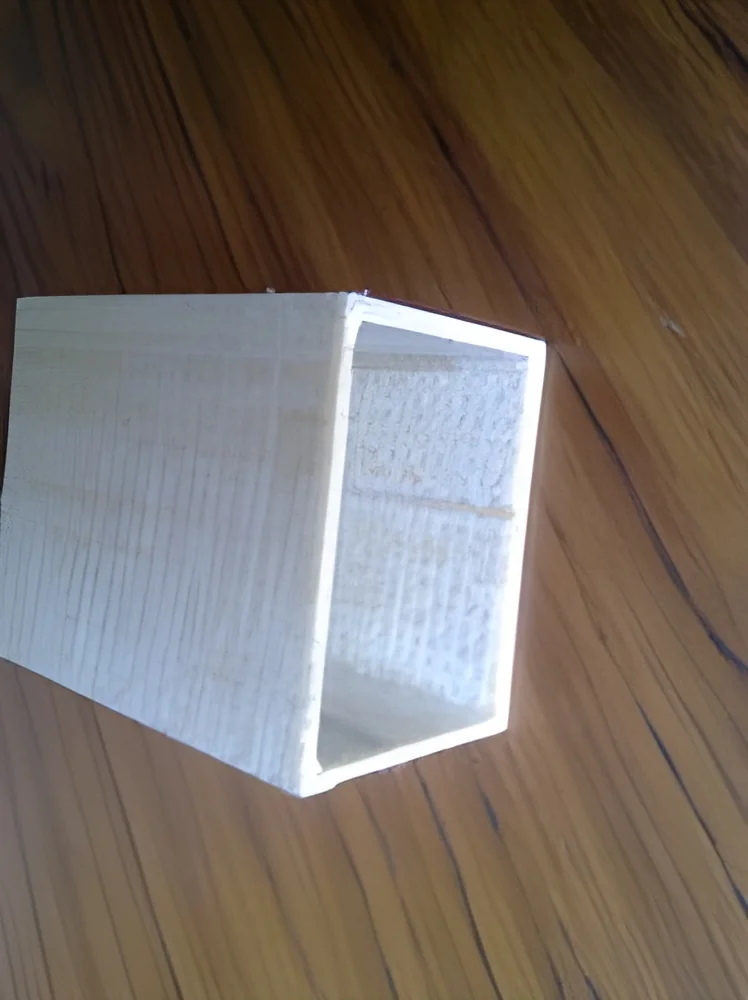
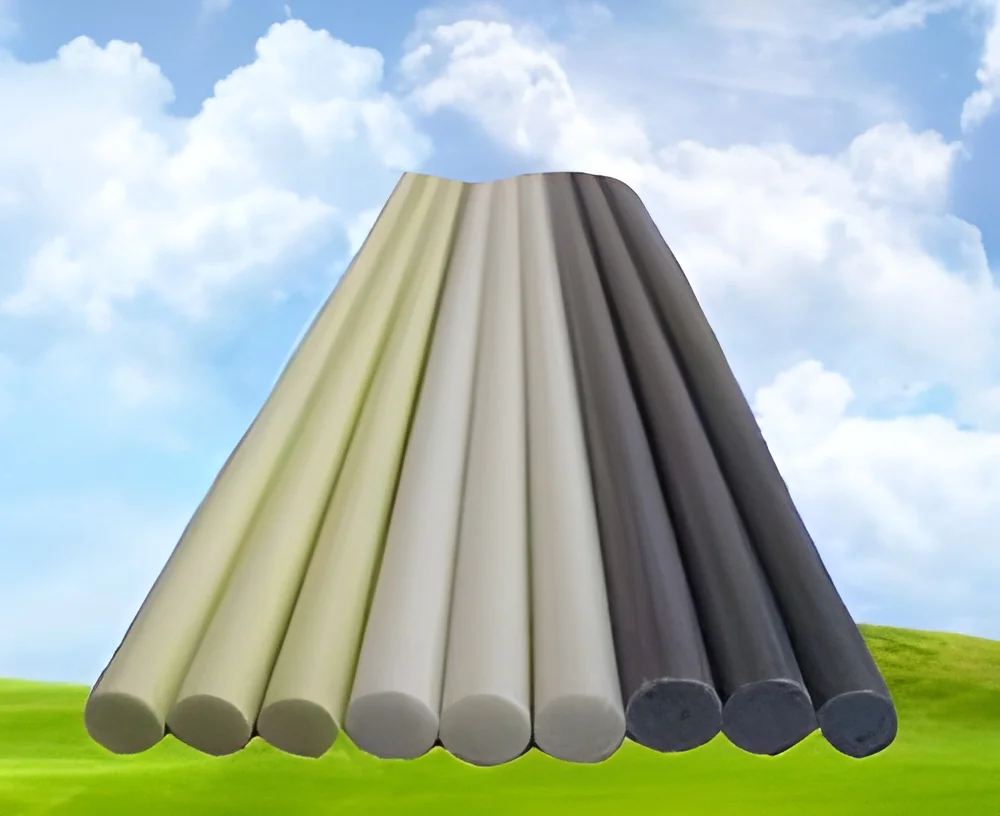
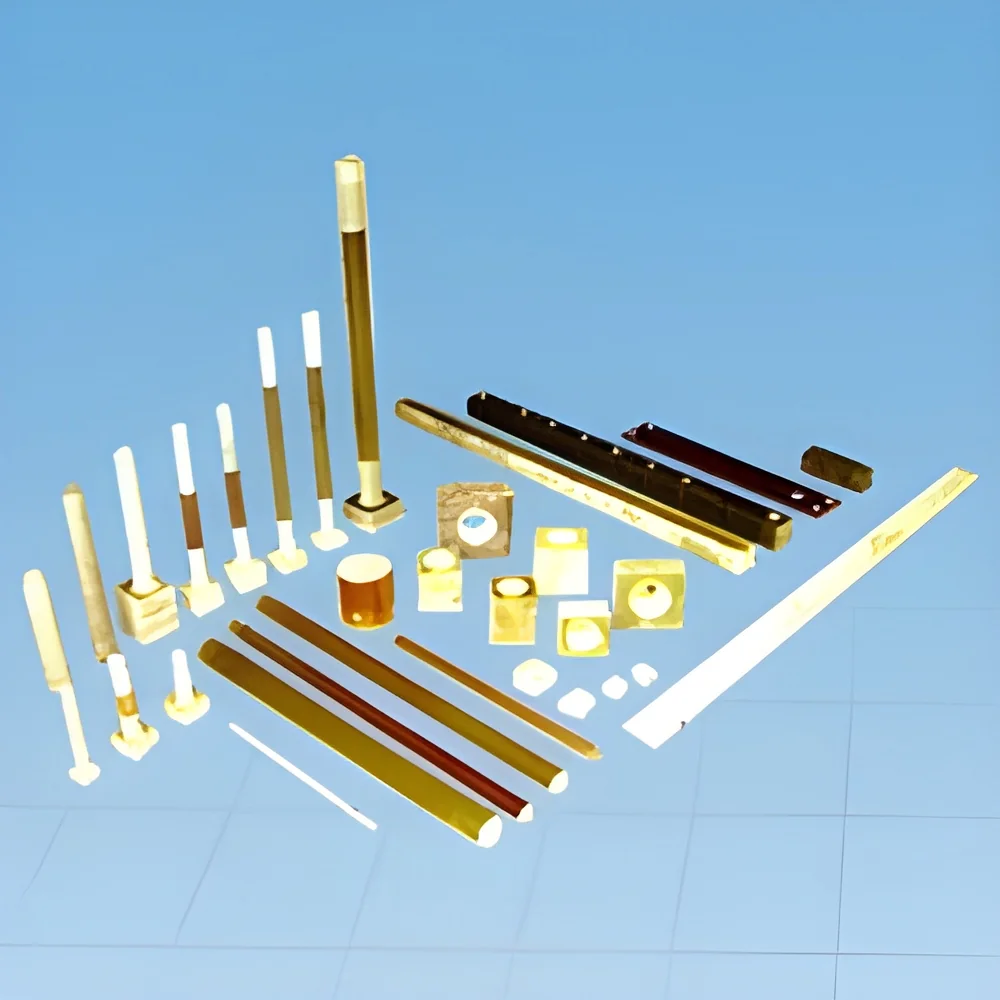
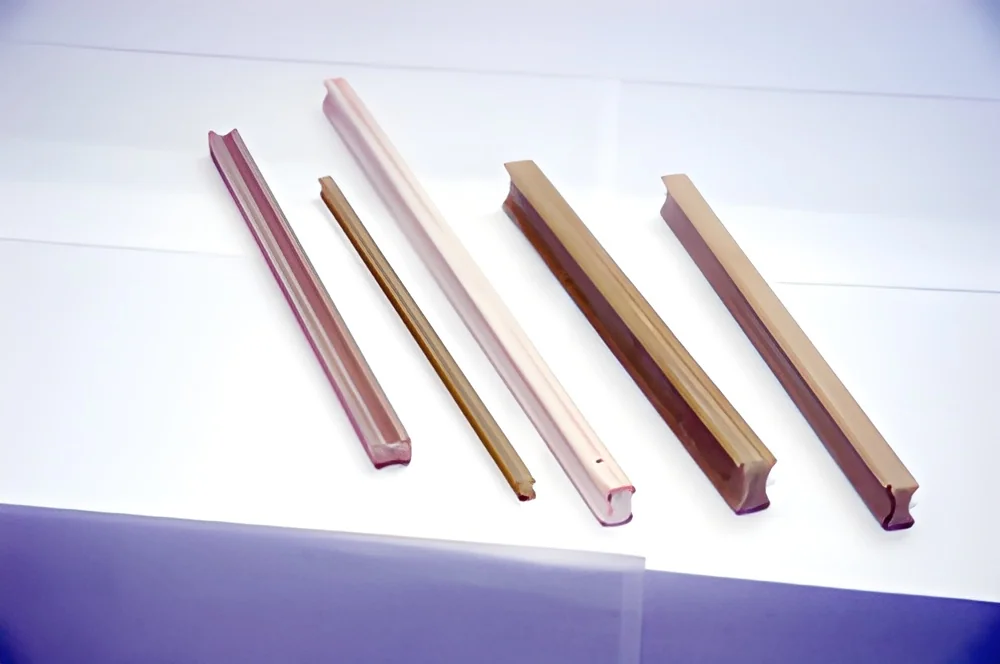
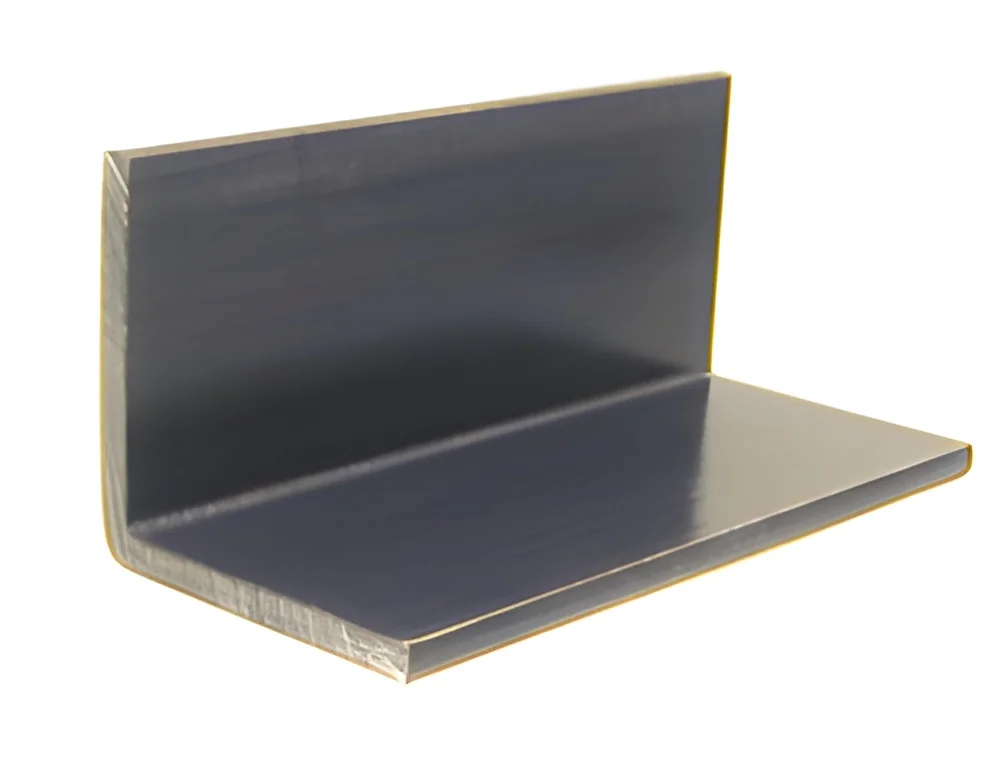
Our industrial FRP angles represent advanced fiberglass reinforced plastic engineering designed specifically for structural support applications requiring exceptional durability and corrosion resistance. Manufactured using high-grade materials and precise processes, these components deliver consistent quality and reliable performance in demanding industrial environments. Unlike traditional metal angles that rust and conduct electricity, our FRP products maintain structural integrity when exposed to moisture, chemicals, and extreme temperatures. The combination of lightweight handling with exceptional strength reduces installation time and labor requirements while ensuring long-term performance. These angles provide reliable joining solutions when used with complementary FRP components, creating robust frameworks that withstand challenging conditions.

Multiple industries depend on our FRP angles for critical infrastructure and operational support. The electrical sector utilizes them ex...
Our industrial FRP angles represent advanced fiberglass reinforced plastic engineering designed specifically for structural support applications requiring exceptional durability and corrosion resistance. Manufactured using high-grade materials and precise processes, these components deliver consistent quality and reliable performance in demanding industrial environments. Unlike traditional metal angles that rust and conduct electricity, our FRP products maintain structural integrity when exposed to moisture, chemicals, and extreme temperatures. The combination of lightweight handling with exceptional strength reduces installation time and labor requirements while ensuring long-term performance. These angles provide reliable joining solutions when used with complementary FRP components, creating robust frameworks that withstand challenging conditions.

Multiple industries depend on our FRP angles for critical infrastructure and operational support. The electrical sector utilizes them extensively in cable tray systems for power plants, substations, and industrial facilities where non-conductive properties are essential for safety. Telecommunications companies incorporate these angles into network infrastructure for organizing and supporting communication cables in various environments. Chemical processing plants value their resistance to corrosive substances, using them to create frameworks that withstand harsh chemical exposure. Water treatment facilities implement them in support structures that remain durable despite constant moisture and chemical exposure. Manufacturing operations benefit from their non-conductive nature when creating equipment supports in electrically sensitive production areas.

Businesses choose our FRP angles for their proven reliability and significant operational advantages. The product's corrosion resistance translates to dramatically extended service life compared to metal alternatives, reducing replacement frequency and maintenance expenses. Their non-conductive nature enhances workplace safety in electrical environments, supporting compliance with safety regulations and potentially lowering insurance costs. The lightweight design cuts installation time and requires less structural support, resulting in lower overall project implementation costs. These angles represent a smart investment that delivers value through reduced downtime, lower maintenance requirements, and improved operational safety across numerous applications. Their consistent performance ensures reliable support for critical infrastructure while minimizing long-term operational expenses.

Key Features:
- Corrosion-resistant construction for extended service life in harsh environments
- Non-conductive properties for enhanced electrical safety
- Lightweight design for easier handling and installation
- High strength-to-weight ratio for reliable structural support
- Durable material composition resistant to chemicals and moisture

Benefits:
- Reduced maintenance costs through corrosion resistance and durability
- Enhanced safety with non-conductive properties in electrical applications
- Lower installation expenses due to lightweight construction
- Extended service life compared to traditional metal alternatives
- Reliable performance in challenging environmental conditions
Specifications
| Additional Information | |
|---|---|
| Country of Origin | India |
Application
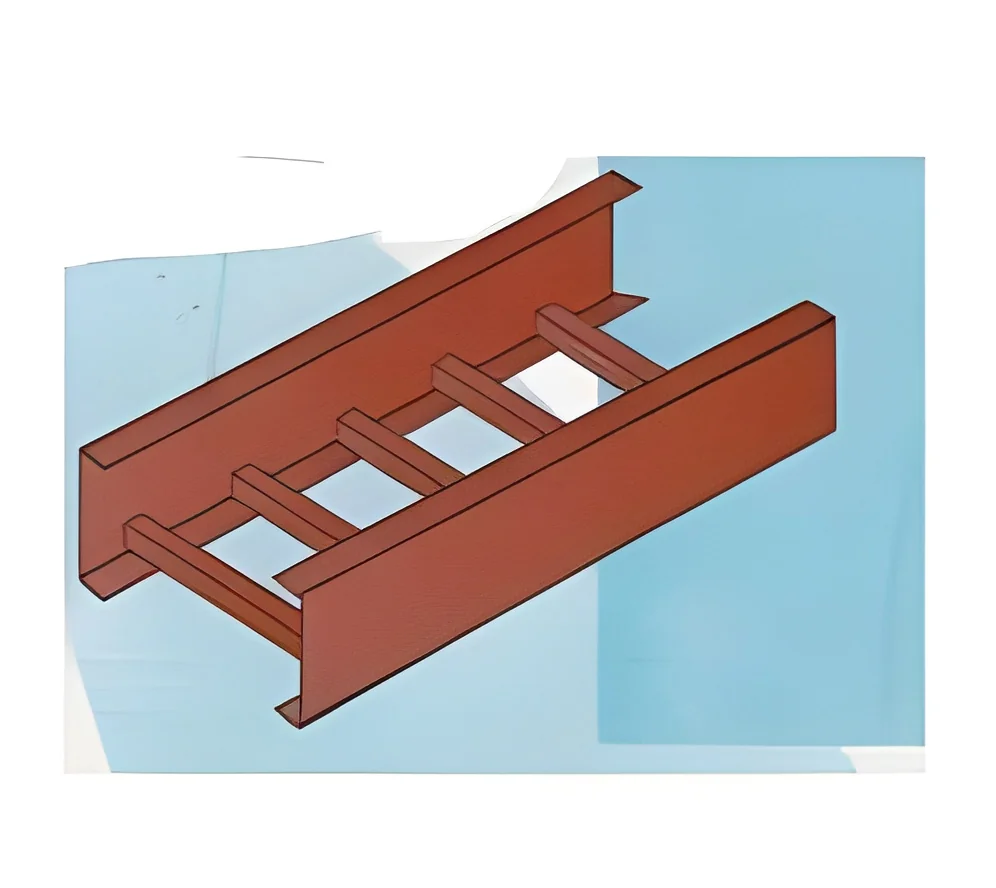
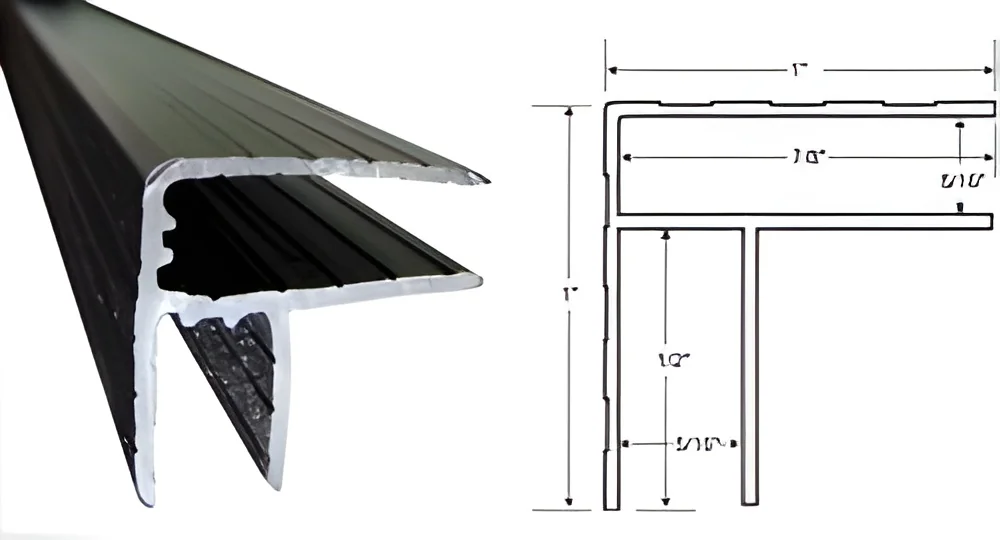
FRP angles serve as essential structural components in cable management systems, offering superior corrosion resistance where metal alternatives fail. Their non-conductive properties make them ideal for electrical environments, while their lightweight construction simplifies installation without compromising strength. These angles work seamlessly with FRP flats and fasteners to create robust frameworks for trays, ladders, and support structures across various industrial settings.
Industries consistently choose FRP angles for environments with moisture, chemicals, or electrical hazards due to their exceptional durability and safety features. The material's resistance to rust and corrosion ensures long-term performance in challenging conditions, reducing maintenance needs and replacement costs. Available in standard sizes, these angles provide reliable joining solutions that maintain structural integrity while exposed to harsh elements and temperature variations.
- Electrical power distribution systems for cable tray support structures
- Telecommunications infrastructure for organizing fiber optic cables
- Chemical processing facilities for corrosion-resistant framework construction
- Water treatment plants for durable support in wet environments
- Manufacturing facilities for safe equipment supports in electrical areas
Trade Details
| Available Stock | In Stock |
| Sample Availability | No |
Payment Terms
| Payment Terms |
|
Company Profile

Bharat Fiber Glass Ind, Gujarat
 Gujarat, India
Gujarat, IndiaElectronics & Electrical•Manufacturer•Importer / Exporter
Factory Details
Factory SizeBelow 1000 sqm
Annual Production Capacity0
Industrial FRP Angles For Cable Trays And Structural Supports
Industrial FRP angles provide durable, corrosion-resistant structural support for cable trays and frameworks. These fiberglass reinforced plastic components offer non-conductive safety and reliable performance in demanding environments.
Min. Order Quantity: 1 unit
Shipping
Shipping fee and delivery date to be negotiated. Contact supplier now for more details.
Bharat Fiber Glass Ind
 Gujarat, India
Gujarat, IndiaElectronics & ElectricalManufacturer