IN
₹
Apparel & Fashion
Description
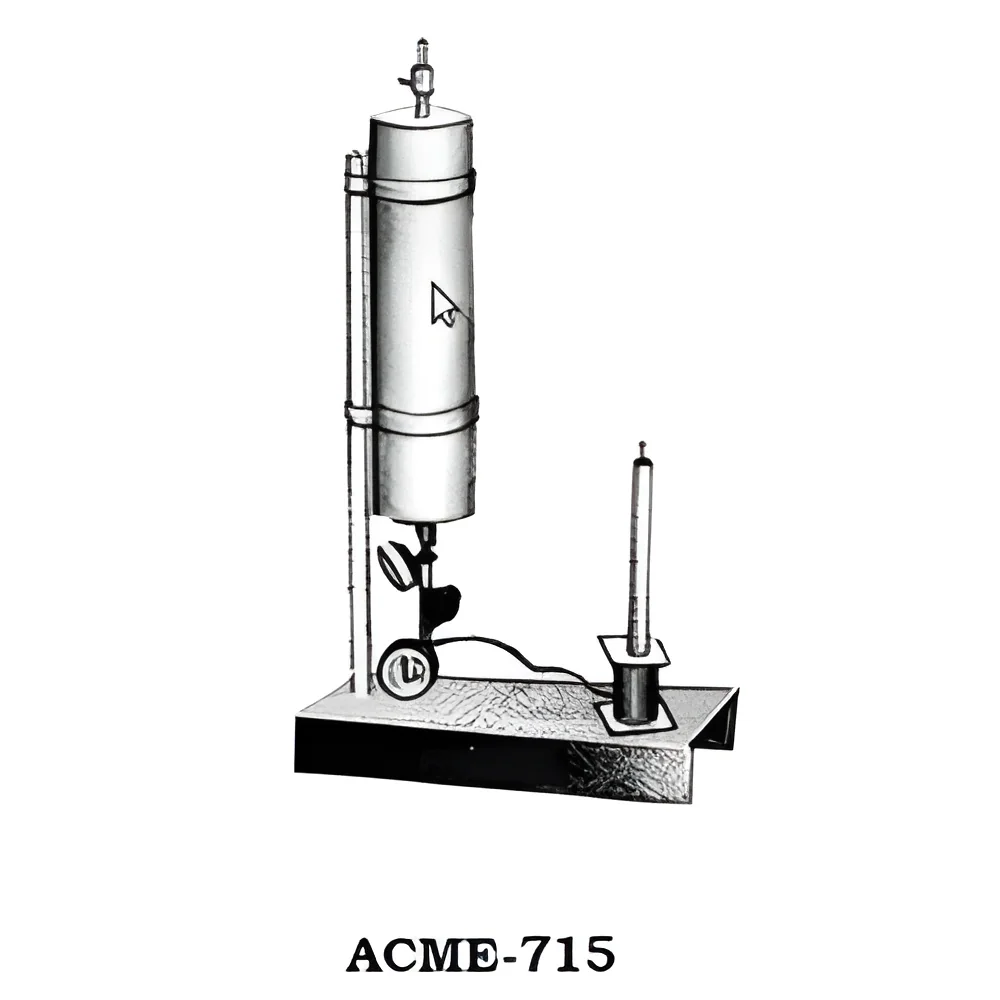
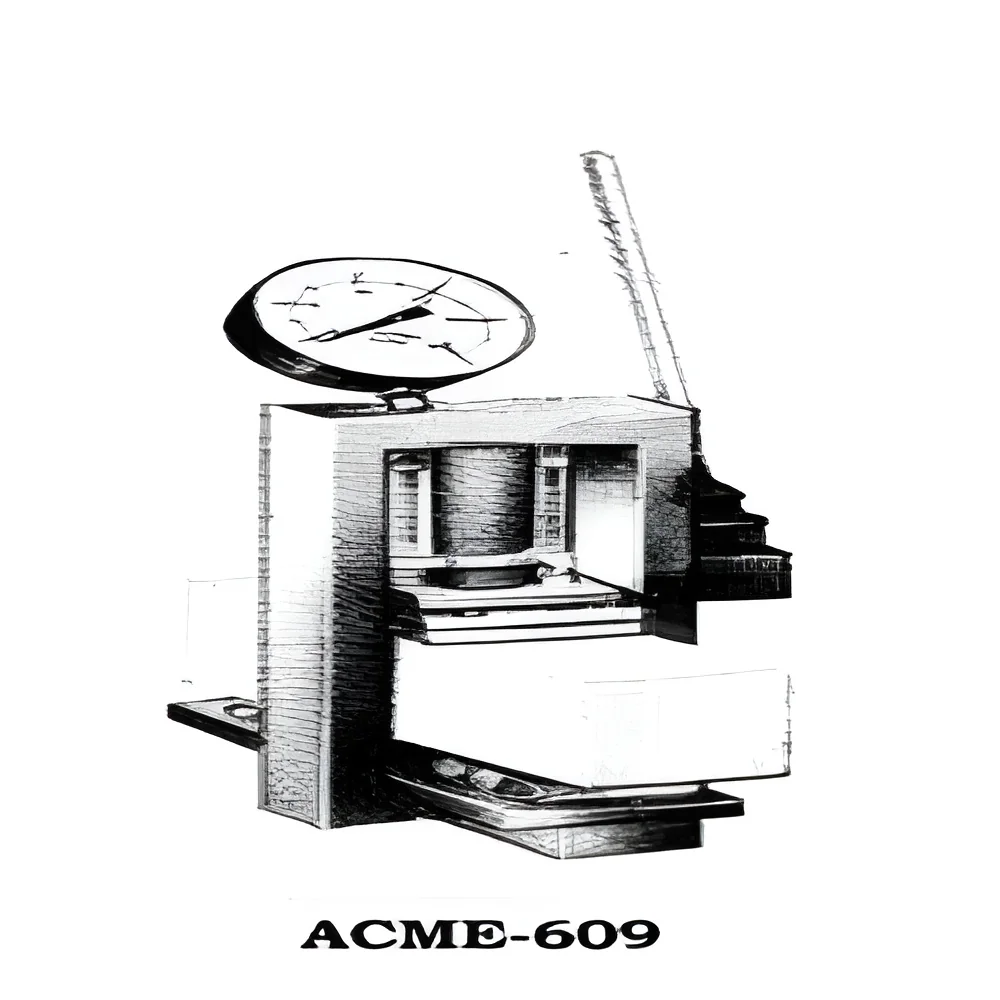
The hand operated flexure testing machine represents precision engineering for material bending strength evaluation. This robust instrument applies controlled bending forces to test specimens, accurately measuring their resistance to deformation and failure under flexural stress. Designed for reliability and accuracy, this testing equipment eliminates the need for electrical power through its manual operation mechanism, making it suitable for diverse testing environments from advanced laboratories to remote field locations. The simple yet effective design ensures consistent, repeatable results across multiple test cycles while maintaining measurement integrity.

Multiple industries depend on this flexure testing machine for critical quality assessments. Construction material manufacturers utilize it for testing concrete beams, bricks, and structural blocks to ensure compliance with building standards. Ceramics producers rely on it for evaluating tile strength and durability, while plas...
The hand operated flexure testing machine represents precision engineering for material bending strength evaluation. This robust instrument applies controlled bending forces to test specimens, accurately measuring their resistance to deformation and failure under flexural stress. Designed for reliability and accuracy, this testing equipment eliminates the need for electrical power through its manual operation mechanism, making it suitable for diverse testing environments from advanced laboratories to remote field locations. The simple yet effective design ensures consistent, repeatable results across multiple test cycles while maintaining measurement integrity.

Multiple industries depend on this flexure testing machine for critical quality assessments. Construction material manufacturers utilize it for testing concrete beams, bricks, and structural blocks to ensure compliance with building standards. Ceramics producers rely on it for evaluating tile strength and durability, while plastics and composites manufacturers verify component quality before production scaling. Educational institutions incorporate this equipment into material science curricula, and research facilities use it for development projects. Quality control laboratories across manufacturing sectors employ it to validate that products meet specified flexural strength requirements before market distribution.

The business value of this testing machine lies in its ability to prevent material failures and ensure regulatory compliance, directly impacting product quality and safety. Its proven reliability translates to reduced rejection rates and enhanced customer satisfaction through consistent performance. The manual operation not only provides cost efficiency but also ensures minimal maintenance requirements and extended service life. This investment in quality testing equipment ultimately protects operational integrity and minimizes risks associated with material performance failures, delivering long-term value through dependable testing capabilities.

Key Features:
- Manual operation requiring no electrical power
- Precision load measurement system for accurate results
- Durable construction with corrosion-resistant components
- Adjustable supports for different specimen sizes
- Clear scale reading for easy interpretation of results

Benefits:
- Cost-effective operation without electricity requirements
- Accurate and reliable flexural strength measurements
- Long-lasting performance with minimal maintenance
- Versatile testing capabilities for various material sizes
- User-friendly design for straightforward operation
Specifications
| Additional Information | |
|---|---|
| Country of Origin | India |
Application
This hand operated flexure testing machine provides reliable flexural strength measurements for various materials across multiple sectors. Its manual operation ensures consistent control and precision, making it suitable for both laboratory environments and field testing applications where accurate bending strength data is crucial for quality assurance and compliance verification.
The equipment serves construction material manufacturers, ceramics producers, plastics and composites industries, and educational institutions. It enables thorough testing of materials before large-scale implementation, helping prevent failures and ensuring products meet required specifications. The simplicity of operation makes it accessible for training purposes while maintaining professional-grade accuracy.
- Quality control testing of concrete beams and slabs in construction projects
- Flexural strength verification of ceramic tiles and sanitaryware products
- Testing plastic and composite materials for automotive component durability
- Educational labs for teaching material science and engineering principles
- On-site testing of paving blocks and precast elements for compliance checks
Trade Details
| Available Stock | In Stock |
| Sample Availability | No |
Payment Terms
| Payment Terms |
|
Company Profile

ACME Scientific International, New Delhi
 New Delhi, India
Manufacturer•Distributor / Wholesaler•Importer / Exporter
Factory Details
Factory SizeBelow 1000 sqm
Annual Production Capacity0
Hand Operated Flexure Testing Machine for Material Bending Strength
Hand operated flexure testing machine delivers precise material bending strength measurements for construction, laboratories, and quality control applications. This durable manual testing equipment ensures accurate flexural strength verification without power requirements.
Min. Order Quantity: 1 unit
Shipping
Shipping fee and delivery date to be negotiated. Contact supplier now for more details.
ACME Scientific International
 New Delhi, India
Manufacturer