IN
IN₹
Description
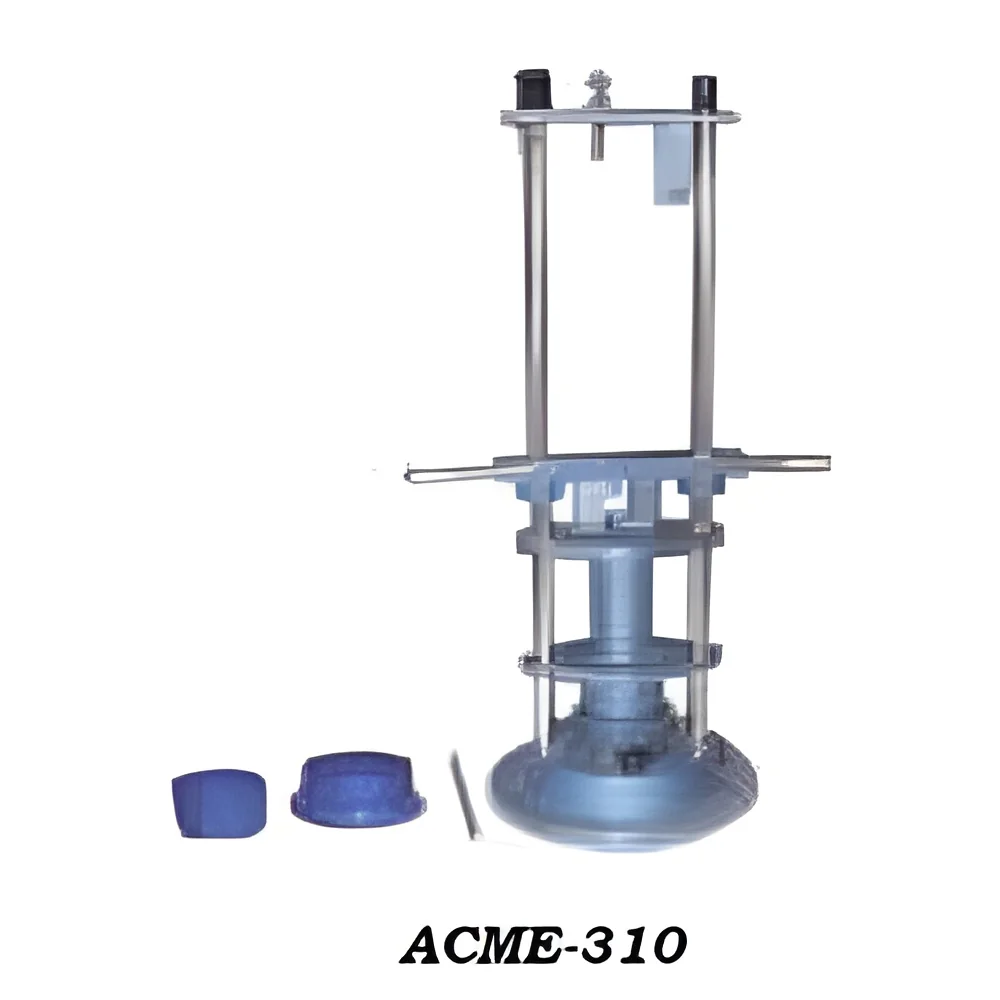
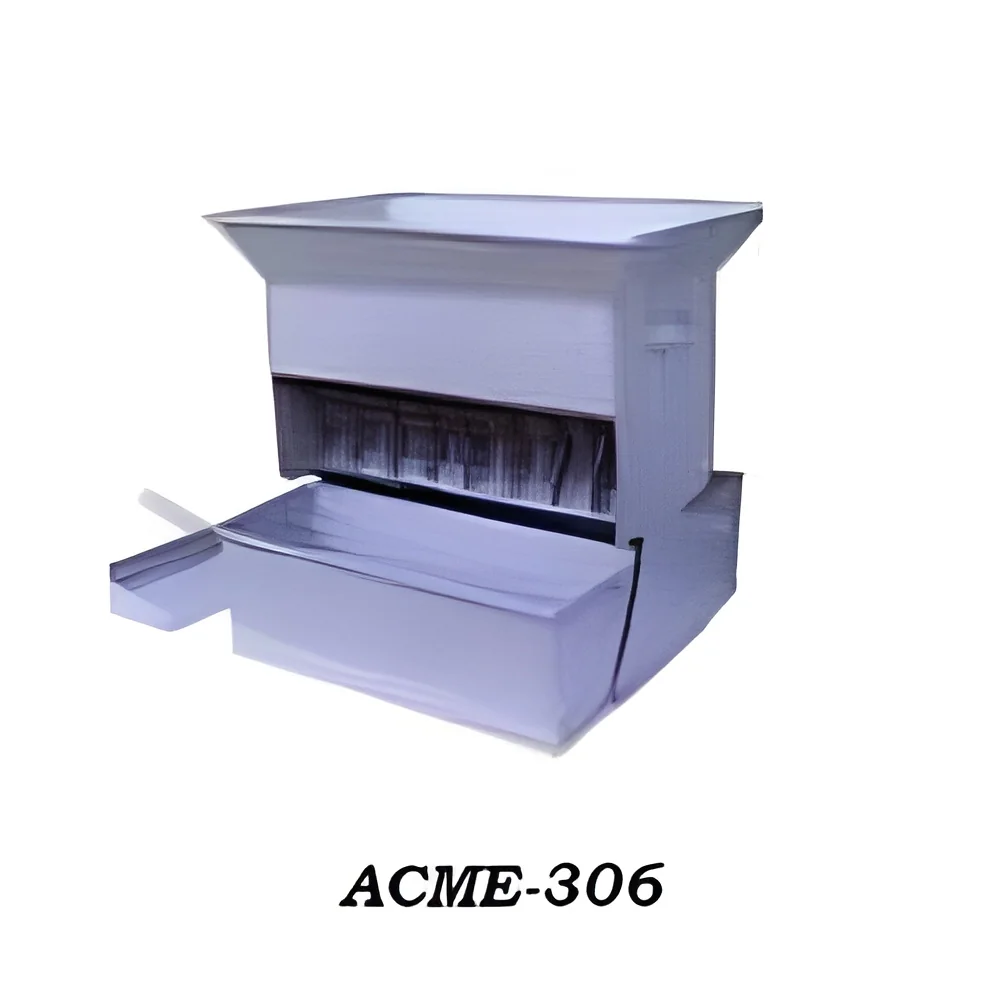
The Motorized Liquid Limit Device is a precision laboratory instrument that automates the Casagrande method for determining the liquid limit of soils, adhering strictly to ASTM D4318 standards. By replacing manual operation with a calibrated electric motor, it delivers consistent blows to soil samples, eliminating variability and human error. The device features a brass cup, hard base, cam mechanism, and an integrated blow counter for accurate recording. In operation, a soil paste is placed in the cup, grooved with a standard tool, and the motor activates to count blows until the groove closes by a specified amount, enabling precise calculation of liquid limit moisture content. This automation ensures tests follow standardized procedures reliably, making it an essential tool for soil testing laboratories that demand accuracy and repeatability in their results. This device is critical across industries where soil properties influence project safety and success. Geotechnical engineering ...
The Motorized Liquid Limit Device is a precision laboratory instrument that automates the Casagrande method for determining the liquid limit of soils, adhering strictly to ASTM D4318 standards. By replacing manual operation with a calibrated electric motor, it delivers consistent blows to soil samples, eliminating variability and human error. The device features a brass cup, hard base, cam mechanism, and an integrated blow counter for accurate recording. In operation, a soil paste is placed in the cup, grooved with a standard tool, and the motor activates to count blows until the groove closes by a specified amount, enabling precise calculation of liquid limit moisture content. This automation ensures tests follow standardized procedures reliably, making it an essential tool for soil testing laboratories that demand accuracy and repeatability in their results.

This device is critical across industries where soil properties influence project safety and success. Geotechnical engineering firms use it for site investigations and soil characterization before designing foundations, embankments, or earth-retaining structures. Construction companies depend on liquid limit data to assess soil suitability for backfill, subgrade, or as a construction material, ensuring stability and compliance. Government transportation departments apply it in road and highway projects to classify subsoil and guarantee long-term pavement performance. Additionally, agricultural research institutions utilize it to understand soil behavior for irrigation planning, while environmental engineering firms employ it in landfill design and containment assessments, supporting projects that follow international building codes and material standards for enhanced reliability.

The business value of this Motorized Liquid Limit Device lies in its unwavering reliability and operational efficiency, delivering significant advantages for laboratories and projects. Automation of repetitive, skill-dependent tasks reduces labor costs, minimizes human error, and accelerates testing throughput, leading to faster project timelines and more dependable data for critical decisions. Its robust construction ensures longevity and consistent performance under continuous use, protecting your investment and reducing downtime. The device's adherence to global standards like ASTM D4318 builds trust with clients and regulatory bodies, enhancing your reputation for quality and accuracy. By providing precise, repeatable results, it supports informed decision-making in soil-related applications, ultimately improving project outcomes and safety while optimizing resource allocation in demanding environments.

Key Features:
- Electrically motorized operation for consistent, automated blow delivery to soil samples.
- Integrated blow counter for accurate recording and easy calculation of liquid limit results.
- Durable construction with brass cup and hard base to ensure long-term reliability and minimal wear.
- Adjustable blow rate and height to comply with ASTM D4318 and other international standards.
- Simple setup and operation for efficient use in laboratory settings, reducing training time.

Benefits:
- Enhanced testing accuracy and repeatability by eliminating manual inconsistencies and errors.
- Increased operational efficiency through automation, saving time and labor costs in high-volume testing.
- Reliable performance and durability for continuous use, ensuring long-term value and reduced maintenance.
- Compliance with ASTM D4318 and other standards, supporting quality assurance and regulatory acceptance.
- Improved data reliability for critical project decisions, boosting confidence in soil analysis outcomes.
Specifications
| Additional Information | |
|---|---|
| Country of Origin | India |
| Customisable | No |
Application
The Motorized Liquid Limit Device standardizes liquid limit testing for cohesive soils, ensuring repeatable results vital for foundation design, slope stability analysis, and earthwork specifications. It is a cornerstone of quality control where soil behavior under moisture changes impacts structural integrity and safety. This instrument is indispensable for civil engineering firms, construction material suppliers, government infrastructure agencies, and research institutions. Automated operation reduces human error and boosts testing throughput for high-volume projects, complying with international standards like ASTM D4318 for dependable outcomes.
Industries relying on precise soil classification use this device to determine the moisture content at which soil transitions from plastic to liquid state. It supports critical decisions in geotechnical investigations, construction planning, and material verification processes. The motorized functionality ensures uniform testing conditions, enhancing data reliability for projects with stringent safety and performance requirements. Its application spans various sectors where soil properties dictate project feasibility and long-term durability, making it a trusted tool for professionals seeking accuracy and efficiency in laboratory settings.
- Determining liquid limit for foundation design in building and infrastructure construction projects.
- Quality control testing of subgrade materials for roads, highways, and pavement engineering.
- Soil stability analysis in landslide-prone regions and slope failure prevention studies.
- Material verification for earth dams, embankments, and landfill lining construction to ensure safety.
- Educational and research use in geotechnical engineering universities and laboratories for training and development.
Trade Details
| Available Stock | In Stock |
| Sample Availability | No |
Payment Terms
| Payment Terms |
|
Company Profile

ACME Scientific International, New Delhi
 New Delhi, India
New Delhi, IndiaManufacturer•Distributor / Wholesaler•Importer / Exporter
Factory Details
Factory SizeBelow 1000 sqm
Annual Production Capacity0
Geotechnical Soil Testing Motorized Liquid Limit Device for ASTM D4318
Motorized Liquid Limit Device automates soil testing per ASTM D4318 for accurate liquid limit determination in construction, geotechnical labs, and civil engineering with reliable, consistent results.
Min. Order Quantity: 1 unit
Shipping
Shipping fee and delivery date to be negotiated. Contact supplier now for more details.
ACME Scientific International
 New Delhi, India
New Delhi, IndiaManufacturerDistributor / WholesalerImporter / Exporter