IN
IN₹
Apparel & Fashion
Description
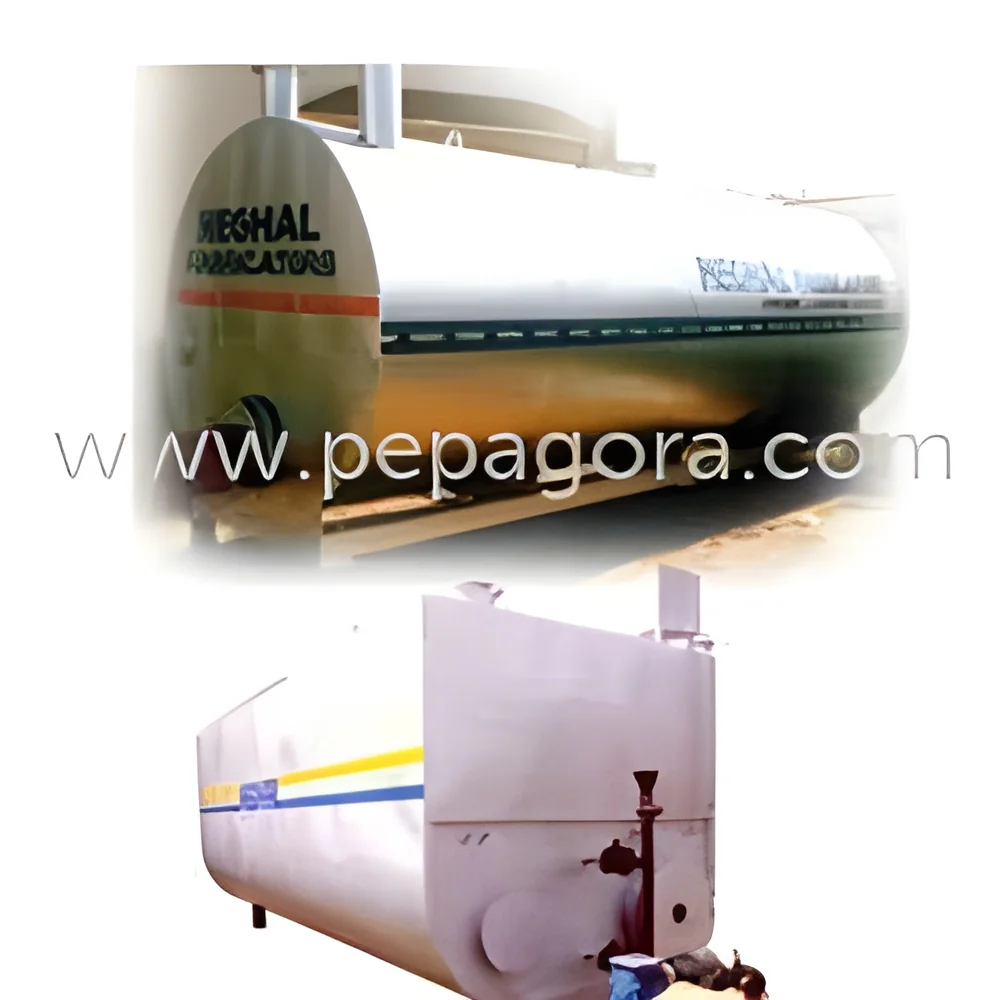
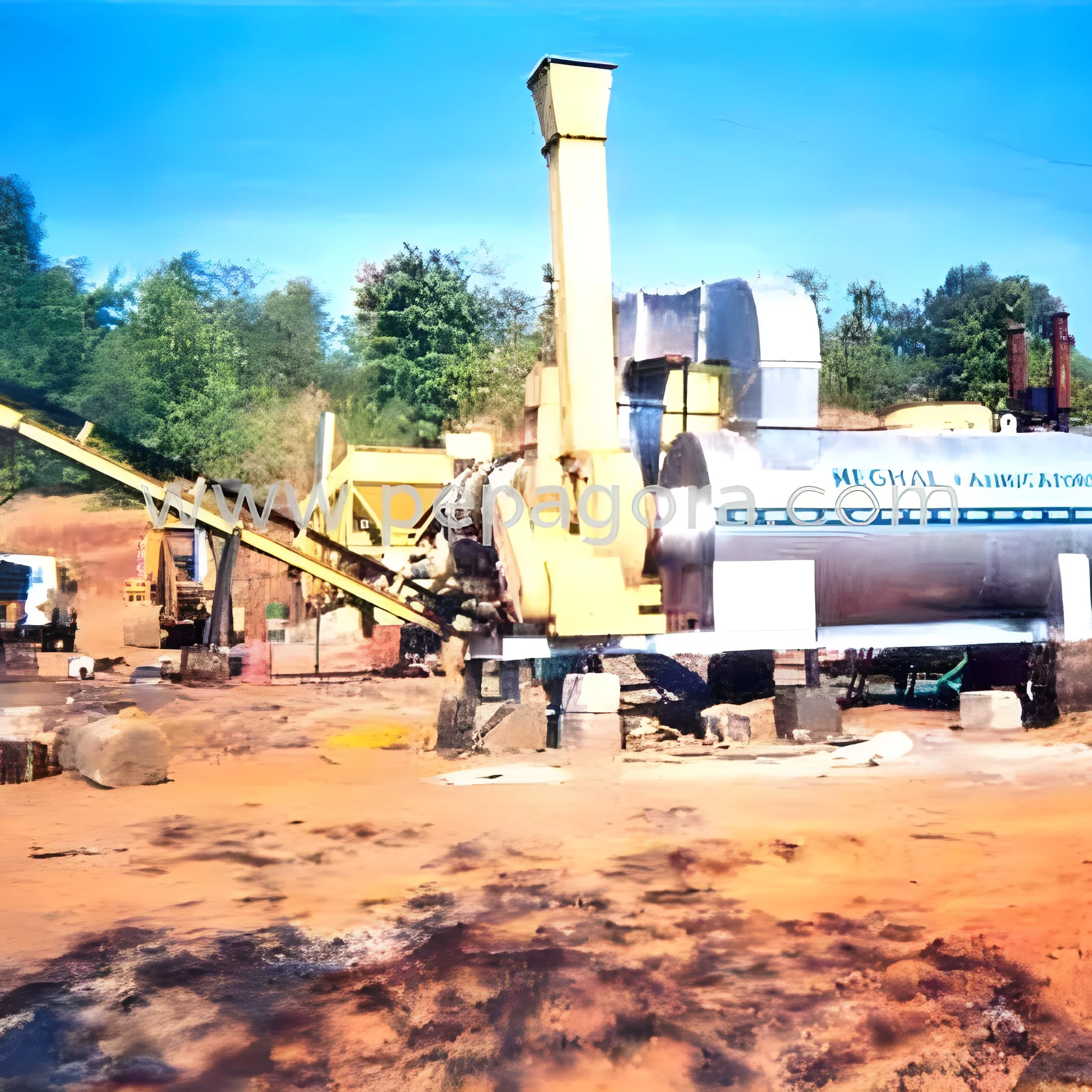
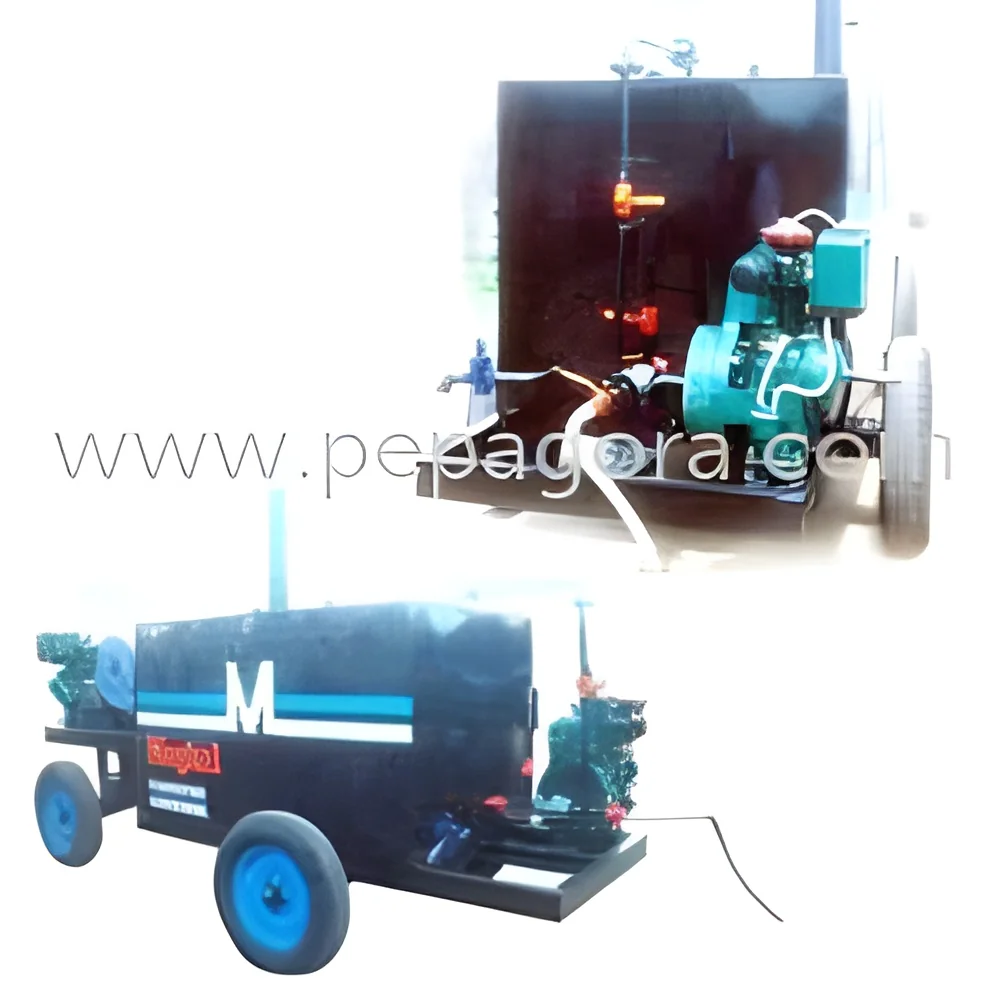
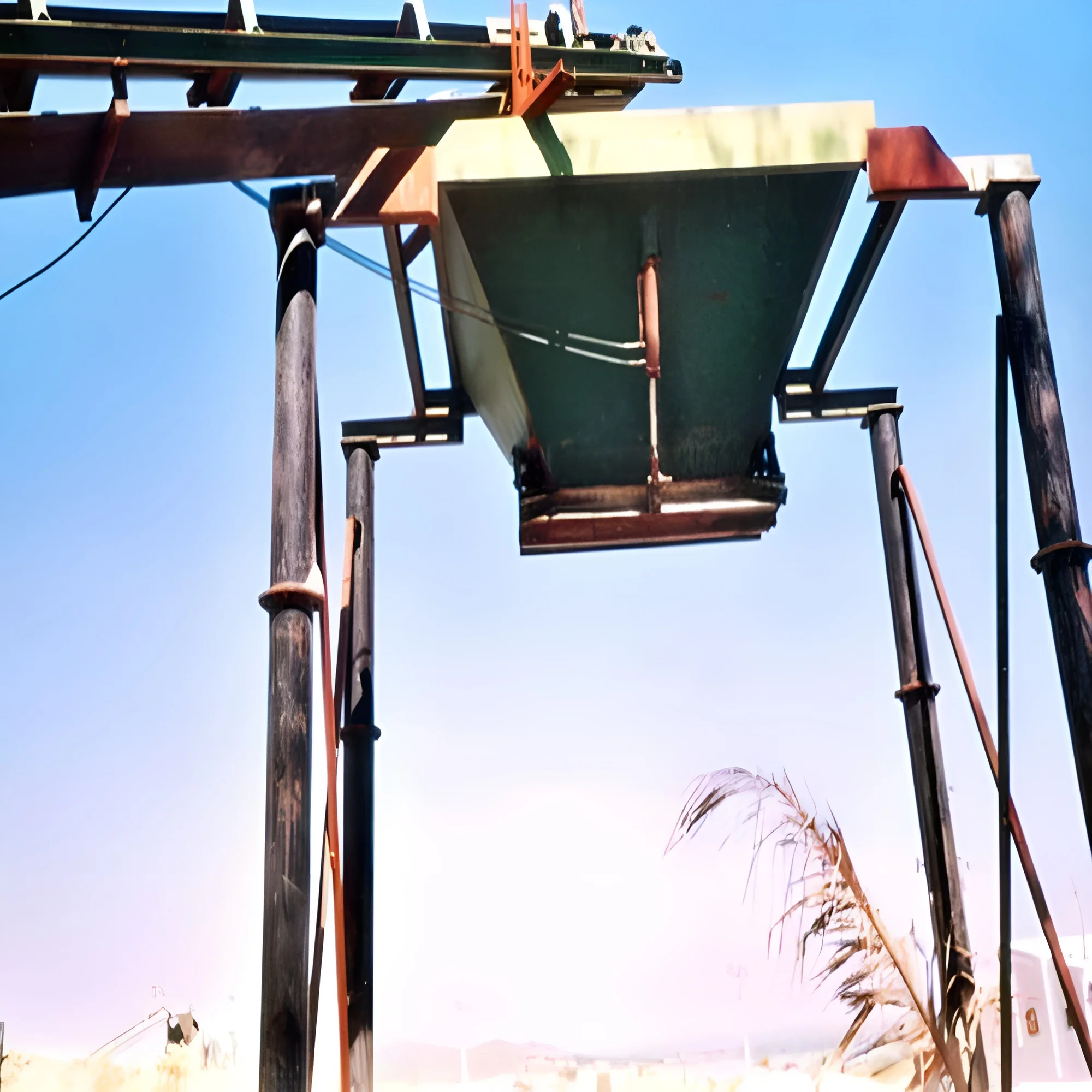
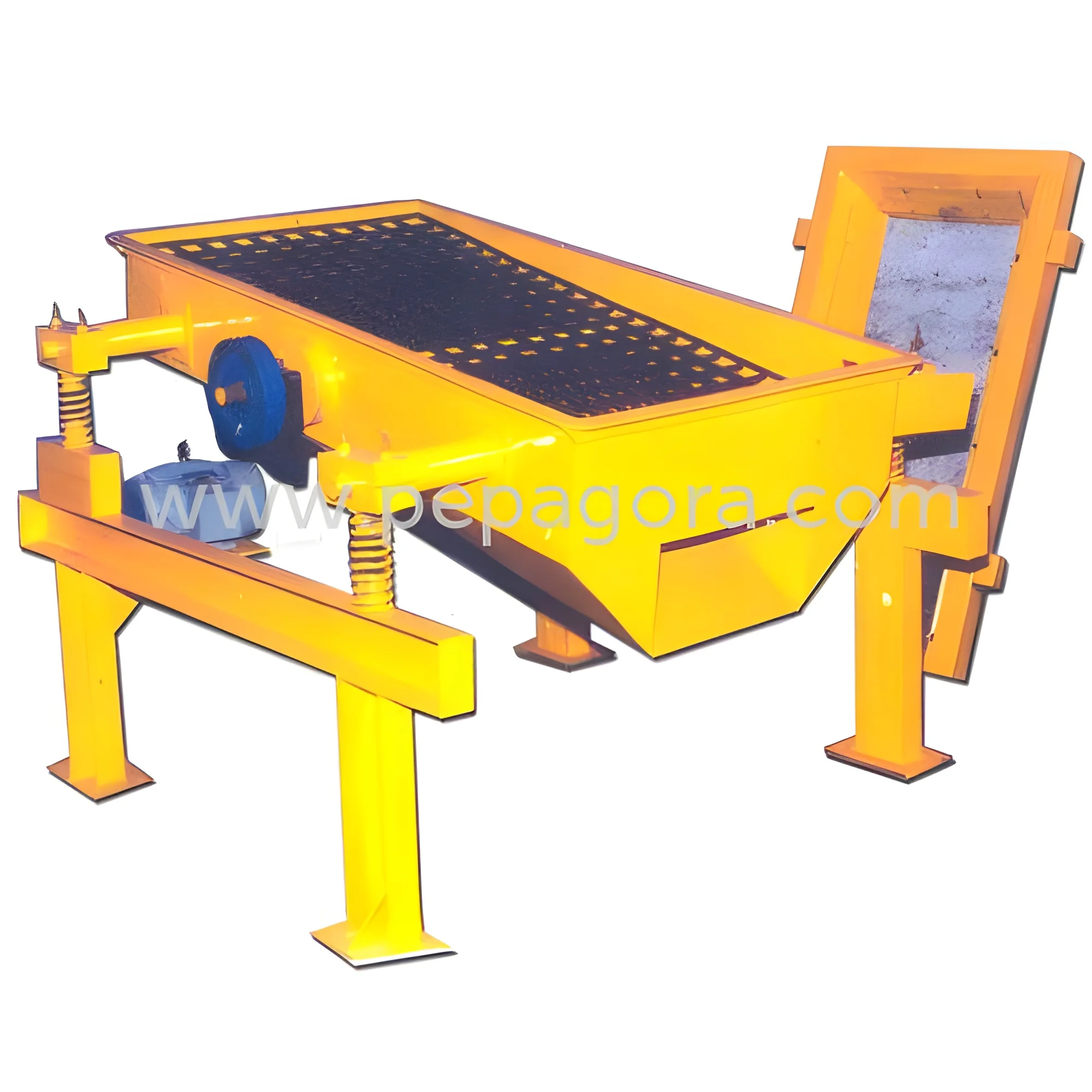
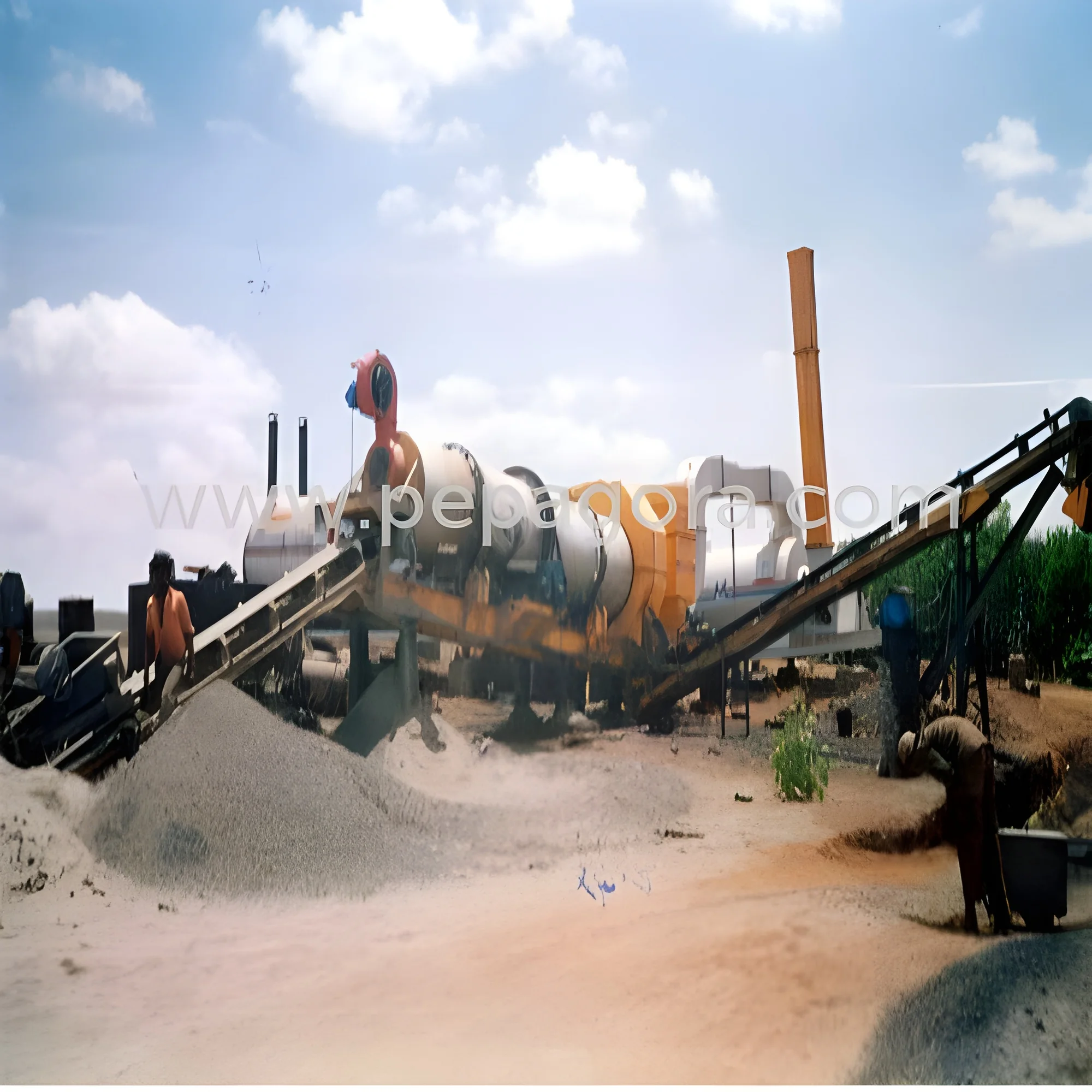
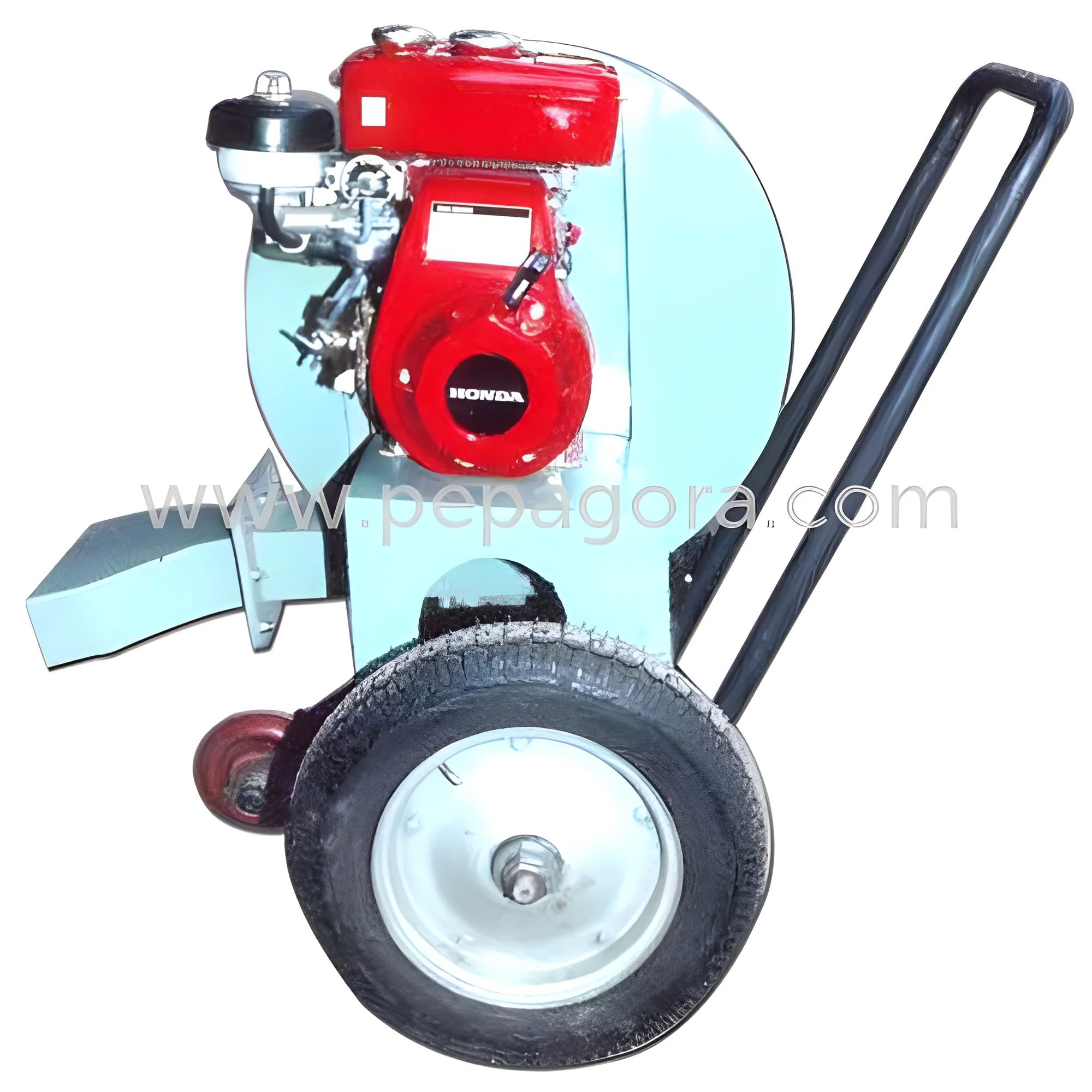
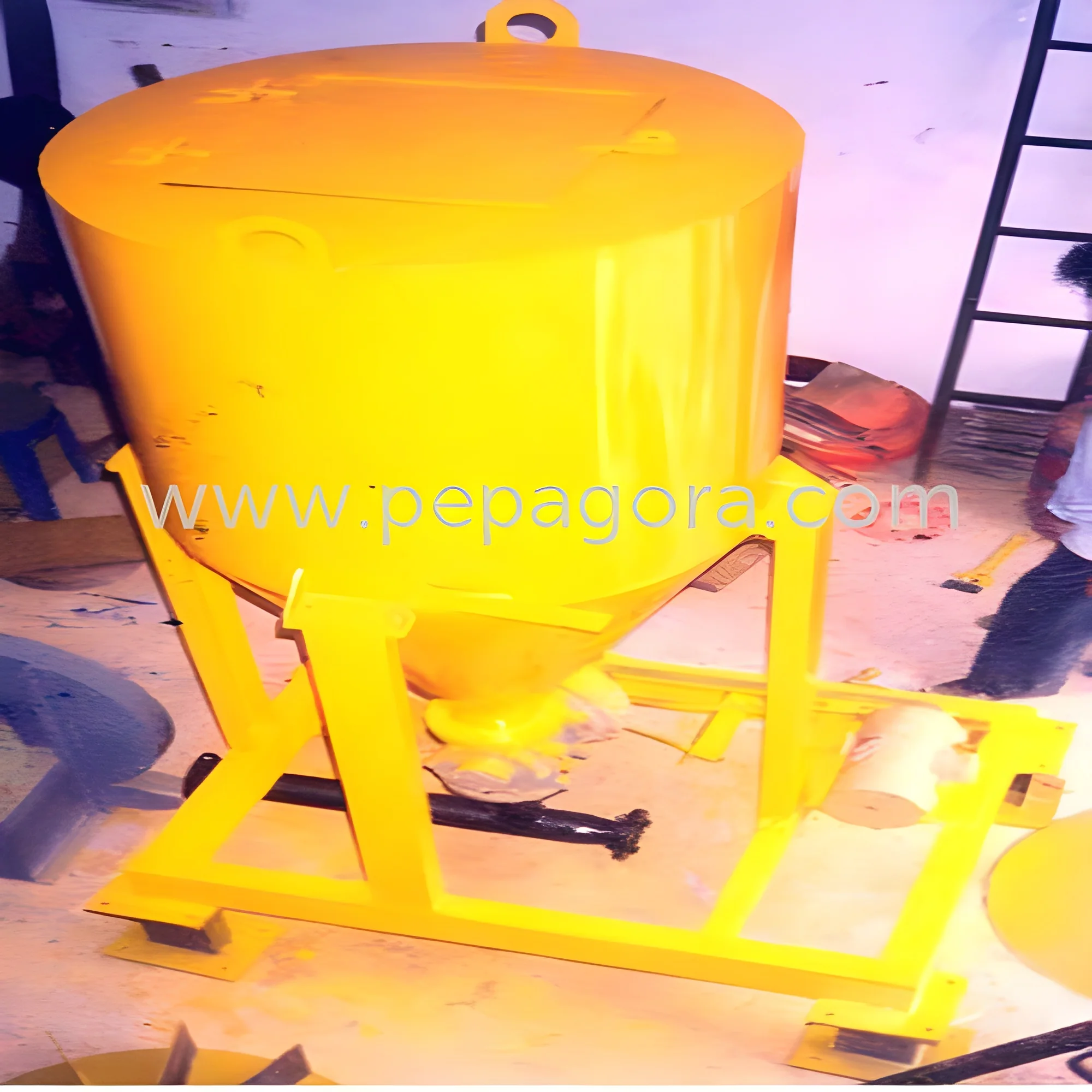
Industrial Dust Filler Units are specialized material handling systems designed to reclaim and reintroduce process dust, enhancing operational efficiency and sustainability. They serve as a critical link between dust collection equipment and production mixing zones, ensuring that valuable raw materials are not lost to disposal. Constructed from heavy-duty materials like reinforced steel and wear-resistant liners, these units are built to withstand the abrasive nature of industrial particulates and the rigors of continuous operation. Their primary function is to provide a reliable, automated method for transferring collected dust, maintaining material flow consistency, and supporting lean manufacturing principles by minimizing waste.

These units are indispensable in capital-intensive industries where material costs constitute a significant portion of operating expenses. In building materials manufacturing, they recycle cement, silica, and gypsum dust, directly improving raw material yi...
Industrial Dust Filler Units are specialized material handling systems designed to reclaim and reintroduce process dust, enhancing operational efficiency and sustainability. They serve as a critical link between dust collection equipment and production mixing zones, ensuring that valuable raw materials are not lost to disposal. Constructed from heavy-duty materials like reinforced steel and wear-resistant liners, these units are built to withstand the abrasive nature of industrial particulates and the rigors of continuous operation. Their primary function is to provide a reliable, automated method for transferring collected dust, maintaining material flow consistency, and supporting lean manufacturing principles by minimizing waste.

These units are indispensable in capital-intensive industries where material costs constitute a significant portion of operating expenses. In building materials manufacturing, they recycle cement, silica, and gypsum dust, directly improving raw material yield. The wood processing industry utilizes them to feed sawdust and shavings into board presses, turning waste into product. Chemical and fertilizer plants rely on them for handling powdered reagents and preventing product loss. Similarly, in food, pharmaceutical, and plastics production, these systems ensure precise recovery of high-value ingredients and compounds, safeguarding both profitability and stringent quality standards. Their application is universal in any dry process industry generating recoverable particulate matter.

The investment in a robust dust filler unit translates to direct business value through measurable cost savings and operational resilience. By recycling dust, businesses significantly reduce raw material purchases and costly waste hauling fees. The automation of this transfer reduces labor requirements and associated safety risks from manual dust handling. The durable construction minimizes unplanned downtime and maintenance costs, offering a long service life and protecting your production continuity. This reliability is crucial for meeting tight production schedules and maintaining consistent product quality. Ultimately, these units deliver a strong return on investment by transforming a waste stream into a resource, boosting your bottom line and environmental stewardship simultaneously.

Key Features:
- Durable construction using quality, wear-resistant materials for longevity in harsh conditions.
- Designed for efficient, automated transfer of collected dust back to mixing or processing points.
- Engineered to handle abrasive materials like cement, minerals, and plastic fines without degradation.
- Reliable operation ensures consistent material feed and supports continuous production cycles.
- Robust build quality guarantees performance under demanding industrial environments.

Benefits:
- Reduces operational costs by reclaiming valuable raw materials and lowering waste disposal expenses.
- Enhances production efficiency with automated, consistent material recycling into the process.
- Improves workplace safety by minimizing manual handling of dust and particulate matter.
- Supports operational continuity with reliable, low-maintenance performance that reduces downtime.
- Delivers a strong return on investment through material savings and increased process yield.
Specifications
| Additional Information | |
|---|---|
| Country of Origin | India |
Application
Industrial dust filler units are essential for operations where material recovery directly impacts efficiency and cost. They automatically transfer collected particulate matter from dust collectors back into active mixing or production zones, closing the material loop. This process maintains batch consistency, reduces raw material procurement, and minimizes waste disposal volumes across continuous manufacturing cycles.
These systems are engineered for demanding environments, handling everything from fine powders to abrasive granules. Their robust design ensures reliable material transfer without clogging or contamination, which is critical for maintaining product quality and production schedules. By automating dust recycling, they eliminate manual handling, enhance workplace safety, and provide a consistent supply of reclaimed material to the process line.
- Recycling cement kiln dust and baghouse fines back into concrete batching and mixing plants.
- Transferring collected wood flour and sawdust into blending systems for MDF, particleboard, or wood composite manufacturing.
- Reintroducing valuable active pharmaceutical ingredients (APIs) and excipient powders captured during tablet compression or coating processes.
- Returning food-grade powders like flour, spices, or milk solids from dust collectors to mixing vessels in food processing facilities.
- Feeding plastic regrind, pellet fines, and compound dust back into extruders or mixers in polymer production plants.
Trade Details
| Available Stock | In Stock |
| Sample Availability | No |
Payment Terms
| Payment Terms |
|
Company Profile
Meghal Road Equipments, Gujarat
 Gujarat, India
Gujarat, IndiaAutomotive & Transport•Manufacturer•Trading Company
Factory Details
Factory SizeBelow 1000 sqm
Annual Production Capacity0
Main Markets
Domestic
Industrial Dust Filler Units For Recycling And Mixing Processes
Industrial Dust Filler Units recycle collected dust back into mixing processes for material efficiency. Built with durable materials for reliable performance in tough industrial conditions, ensuring operational continuity and reduced waste.
Min. Order Quantity: 1 unit
Shipping
Shipping fee and delivery date to be negotiated. Contact supplier now for more details.
Meghal Road Equipments
 Gujarat, India
Gujarat, IndiaAutomotive & TransportManufacturer