IN
₹
Apparel & Fashion
Description
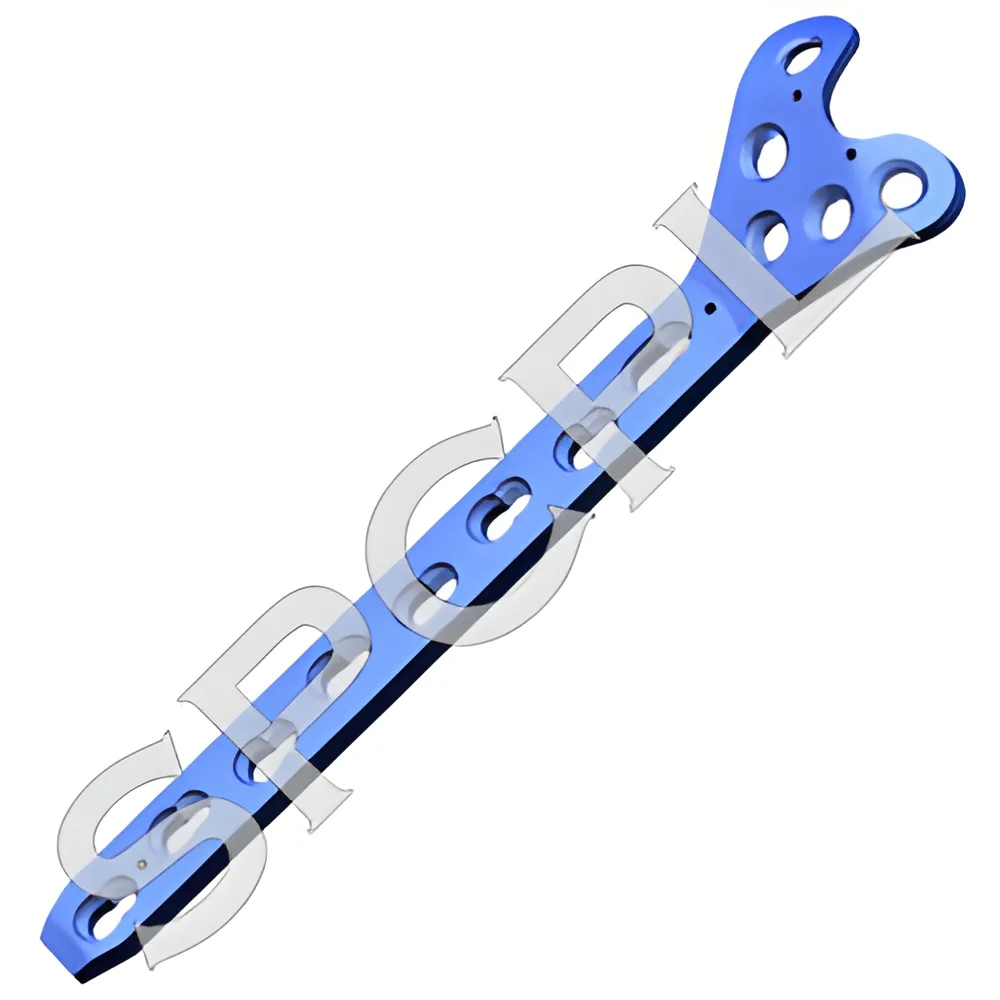
The Orthopedic Femoral Condylar Buttress Locked Plate is a specialized trauma implant designed for the surgical repair of difficult shaft fractures in the radius and ulna. It utilizes advanced locked plating technology to create a fixed-angle construct between the plate and screws, offering superior stability compared to conventional plates. This is particularly vital in fractures with poor bone quality or complex fragmentation. Manufactured from either medical-grade stainless steel or titanium, the implant provides options for strength, biocompatibility, and compatibility with imaging. With a comprehensive range of hole configurations from 4 to 18, it offers surgeons the flexibility to address a wide spectrum of fracture patterns and anatomical variations, ensuring a customized and secure fixation strategy for each unique case.

This implant is indispensable in hospital settings that specialize in orthopedic trauma, including major trauma centers, emergency surgical units, and dedicat...
The Orthopedic Femoral Condylar Buttress Locked Plate is a specialized trauma implant designed for the surgical repair of difficult shaft fractures in the radius and ulna. It utilizes advanced locked plating technology to create a fixed-angle construct between the plate and screws, offering superior stability compared to conventional plates. This is particularly vital in fractures with poor bone quality or complex fragmentation. Manufactured from either medical-grade stainless steel or titanium, the implant provides options for strength, biocompatibility, and compatibility with imaging. With a comprehensive range of hole configurations from 4 to 18, it offers surgeons the flexibility to address a wide spectrum of fracture patterns and anatomical variations, ensuring a customized and secure fixation strategy for each unique case.

This implant is indispensable in hospital settings that specialize in orthopedic trauma, including major trauma centers, emergency surgical units, and dedicated orthopedic surgery departments. It is routinely used in cases involving high-energy mechanisms such as motor vehicle accidents, significant falls, and sports injuries that result in complex upper extremity fractures. The plate's design supports precise anatomical reduction and rigid internal fixation, which are foundational principles for restoring function and facilitating bone union. Its reliability makes it a staple for surgeons who manage challenging cases, including polytrauma patients and those requiring revision surgery after failed prior interventions.

The business value of this femoral condylar buttress plate is rooted in its proven surgical efficacy and operational reliability. For healthcare institutions, it translates to more predictable surgical procedures, potentially reduced operative times, and improved long-term patient outcomes due to stable fixation. For distributors and importers, it represents a high-demand, clinically validated product with consistent uptake in the orthopedic trauma market. The dual-material availability and multiple sizing options mean a single, comprehensive product line can meet diverse clinical requirements, simplifying inventory and procurement. Its compatibility with standard surgical techniques and instruments further enhances its practicality and adoption in operating rooms worldwide, making it a sound and trusted investment for medical supply chains.

Key Features:
- Constructed from medical-grade stainless steel or titanium for optimal strength and biocompatibility.
- Features locked plating technology that provides angular stability for complex fracture patterns.
- Available in multiple hole configurations, ranging from 4 to 18 holes, for surgical versatility.
- Anatomically contoured design specifically engineered for the shaft of the radius and ulna.
- Precision-engineered for consistent quality, reliable performance, and compatibility with standard instrumentation.

Benefits:
- Delivers enhanced stability for fractures in osteoporotic or comminuted bone, promoting better healing.
- Offers surgical flexibility with multiple hole and material options to suit various patient needs and surgeon preferences.
- Reduces the risk of implant failure and screw loosening compared to conventional plating systems.
- Supports precise anatomical reduction, which is critical for restoring normal limb alignment and function.
- Provides a reliable, high-quality solution trusted by trauma centers and orthopedic surgeons for demanding cases.
Specifications
| Additional Information | |
|---|---|
| Country of Origin | India |
Application
This orthopedic femoral condylar buttress locked plate is engineered for complex shaft fractures of the radius and ulna. Its locked plating system provides angular stability, which is crucial for osteoporotic bone and comminuted fracture patterns where traditional screws may loosen. The anatomical contouring ensures a low-profile fit against the bone, promoting better healing outcomes.
The plate's versatile design, with hole configurations ranging from 4 to 18, allows surgeons to tailor the fixation to the specific fracture and patient anatomy. Available in both biocompatible stainless steel and titanium, it meets various surgical protocols and patient needs. This implant is a trusted resource in trauma centers and orthopedic units managing high-energy injuries from accidents, sports, or falls.
- Surgical fixation of complex, multi-fragment distal radius fractures.
- Stabilization of challenging ulna shaft fractures resulting from high-impact trauma.
- Revision procedures where previous internal fixation has failed or proven inadequate.
- Management of fractures in patients with osteoporotic bone requiring locked screw technology.
- Treatment of complex upper extremity trauma in dedicated orthopedic and trauma surgery departments.
Trade Details
| Available Stock | In Stock |
| Sample Availability | No |
Payment Terms
| Payment Terms |
|
Company Profile

Bharucha Associates, Gujarat
 Gujarat, India
Health & Personal Care•Distributor / Wholesaler•Retailer•Importer / Exporter
Factory Details
Factory SizeBelow 1000 sqm
Annual Production Capacity0
Orthopedic Femoral Condylar Buttress Locked Plate Radius Ulna Fracture Repair
Premium femoral condylar buttress locked plate for radius/ulna shaft fracture repair. Available in stainless steel or titanium with 4-18 hole options. Designed for reliable, stable fixation in orthopedic trauma surgery.
Min. Order Quantity: 1 unit
Shipping
Shipping fee and delivery date to be negotiated. Contact supplier now for more details.
Bharucha Associates
 Gujarat, India
Health & Personal CareDistributor / Wholesaler