IN
₹
Apparel & Fashion

Description
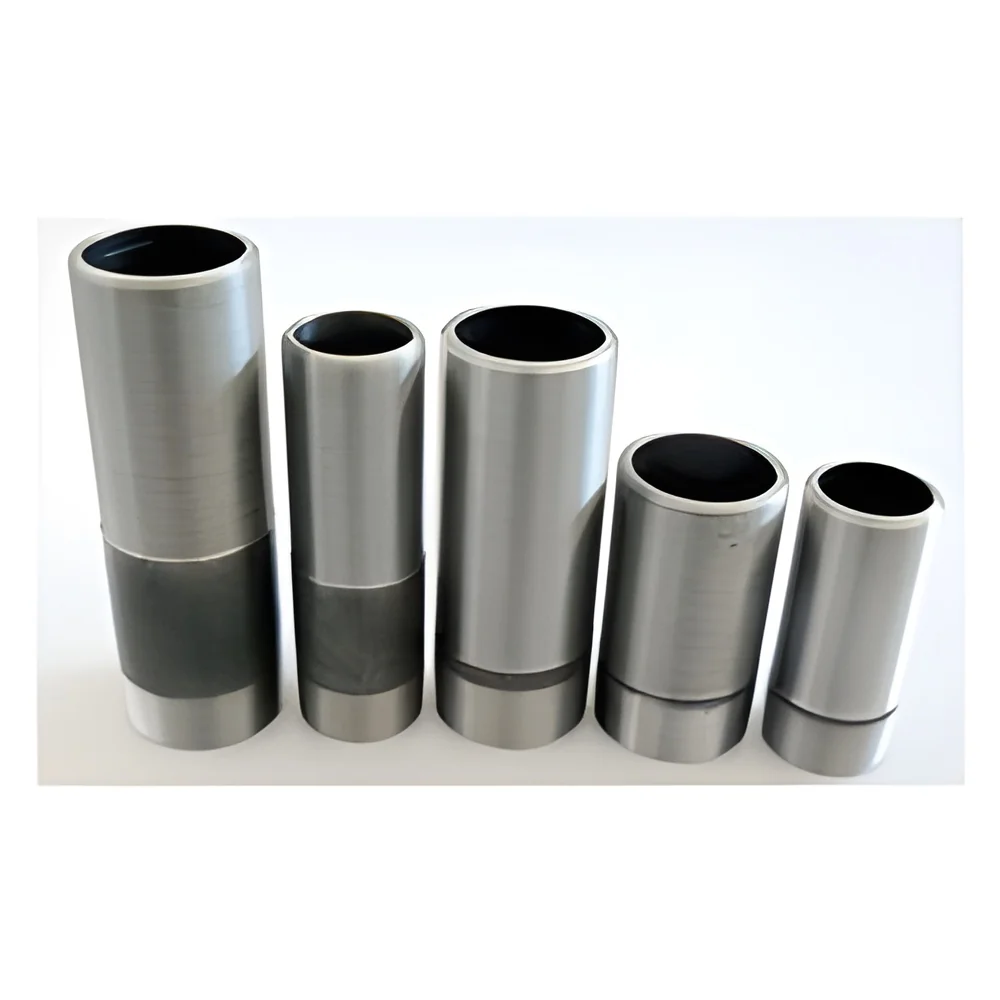
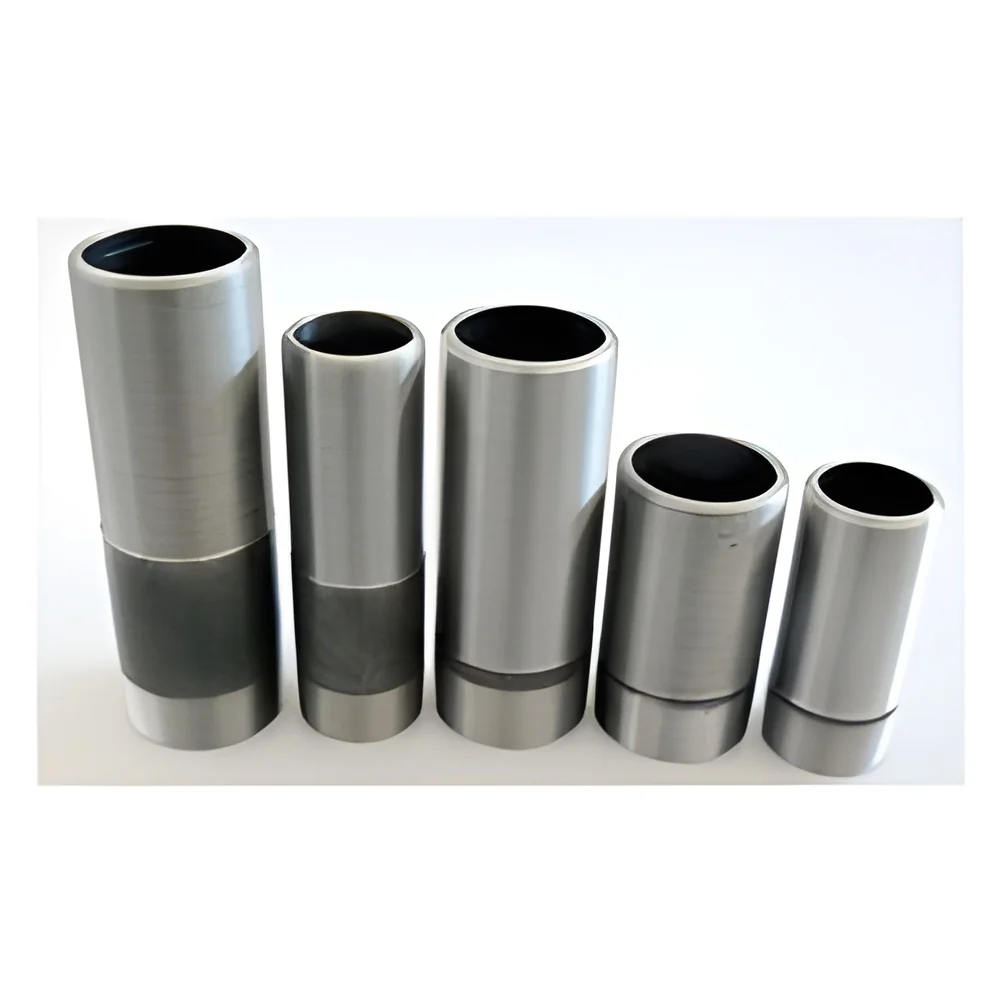
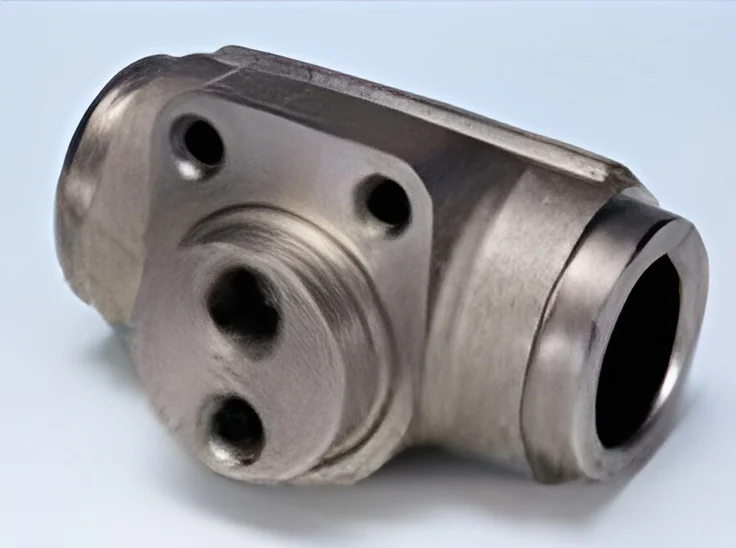
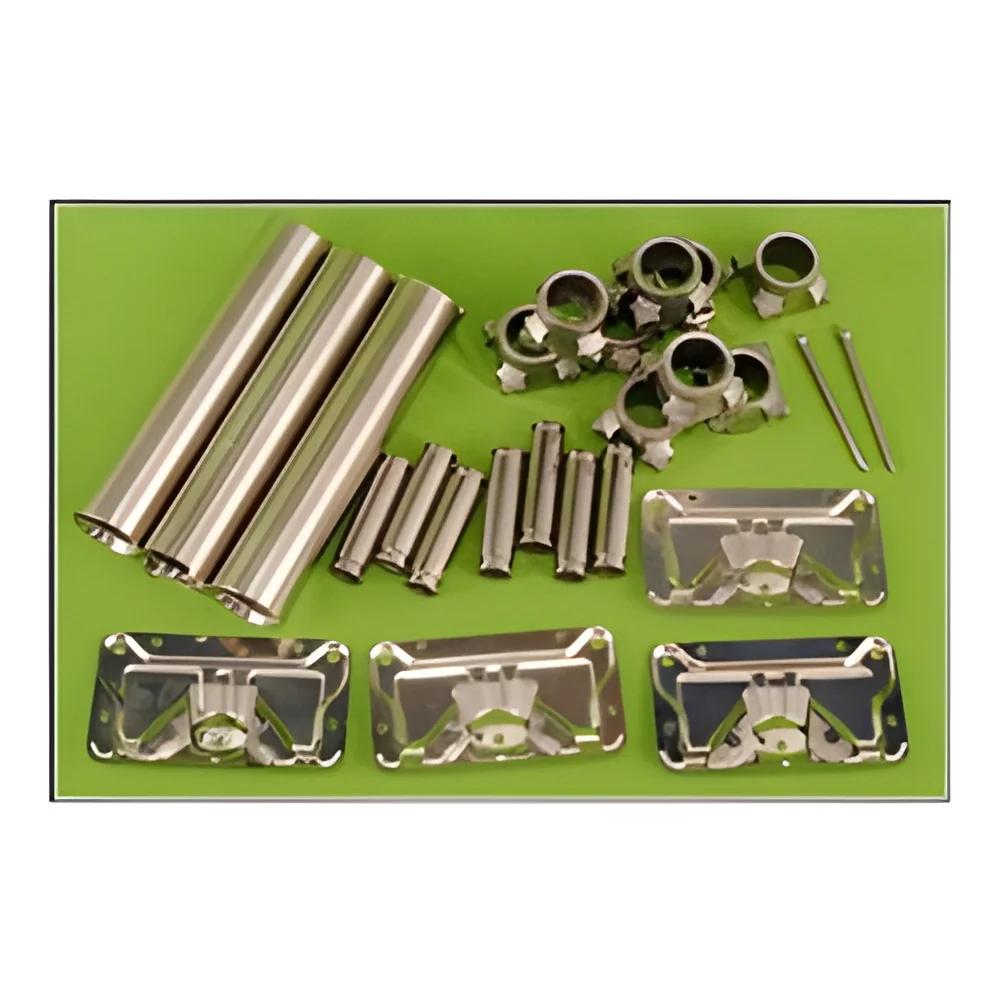
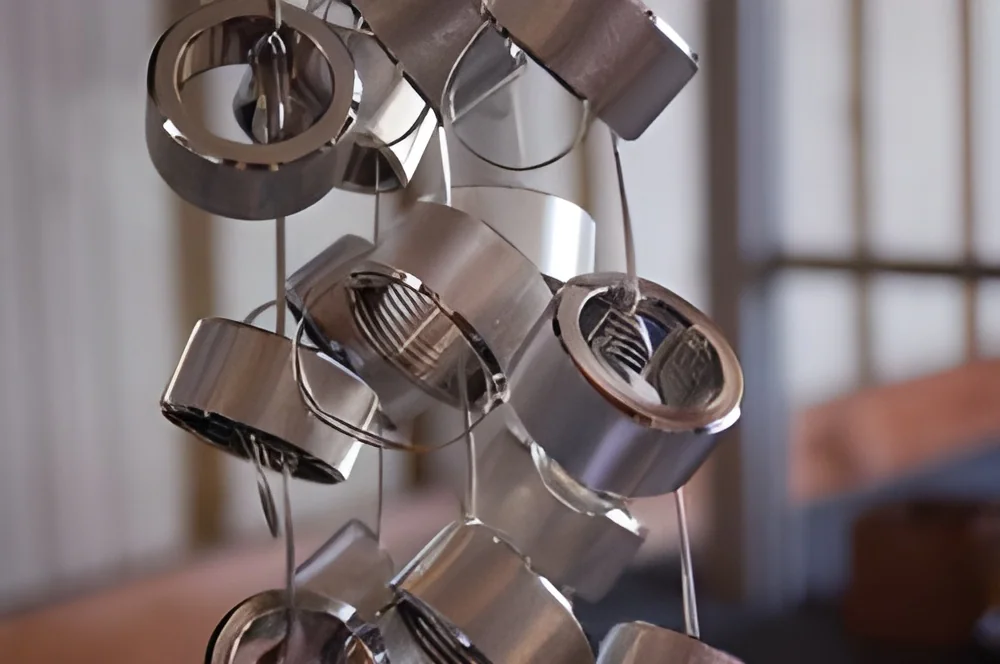
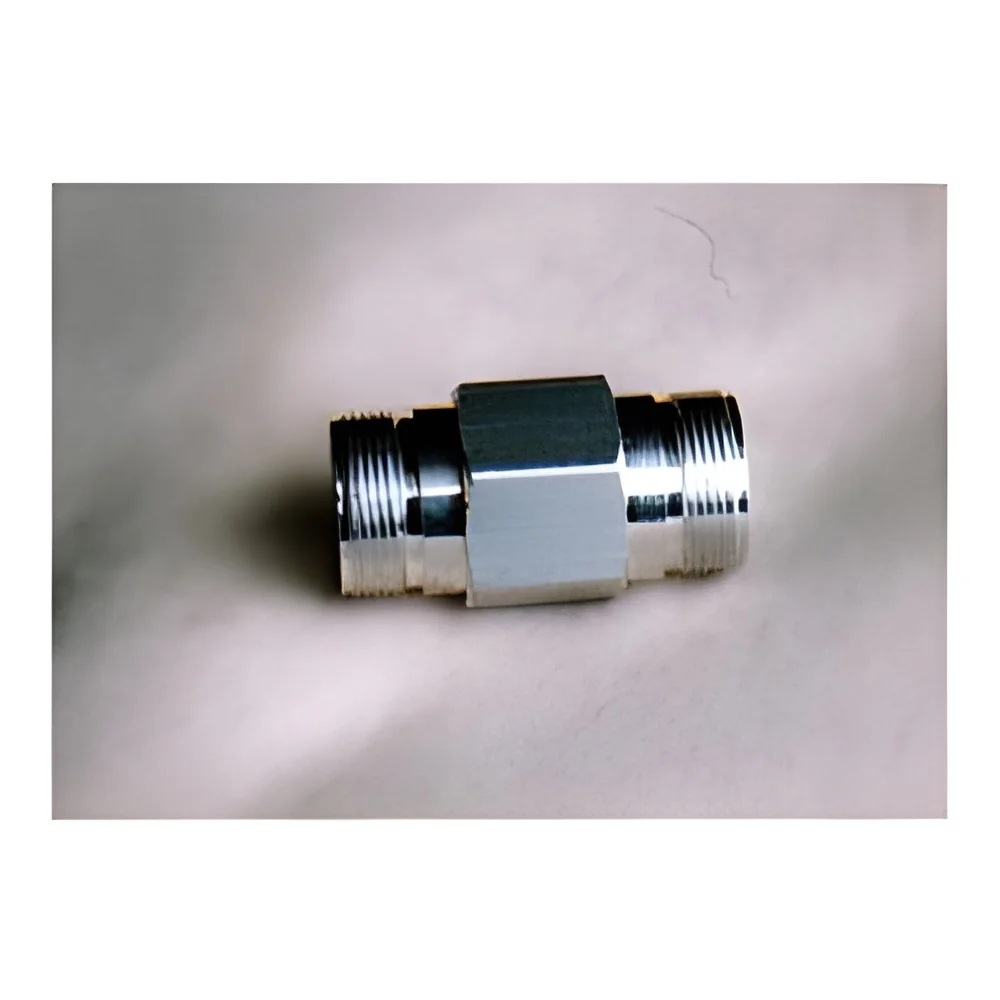
Our electroless nickel plating service delivers advanced surface treatment for aluminum components through an autocatalytic chemical process that deposits a uniform nickel-phosphorus alloy coating. Unlike traditional electroplating methods, this technique requires no electrical current, ensuring consistent coverage even on complex geometries, internal surfaces, and blind holes. The process creates a hard, protective layer that significantly enhances aluminum's natural properties, providing exceptional corrosion resistance, wear protection, and improved surface hardness. We maintain precise control over phosphorus content ranging from low to high percentages to achieve desired material characteristics including specific hardness levels, corrosion resistance properties, and solderability requirements for various industrial applications.

This sophisticated plating technology serves critical needs across multiple industries where aluminum components face demanding operational conditions. ...
Our electroless nickel plating service delivers advanced surface treatment for aluminum components through an autocatalytic chemical process that deposits a uniform nickel-phosphorus alloy coating. Unlike traditional electroplating methods, this technique requires no electrical current, ensuring consistent coverage even on complex geometries, internal surfaces, and blind holes. The process creates a hard, protective layer that significantly enhances aluminum's natural properties, providing exceptional corrosion resistance, wear protection, and improved surface hardness. We maintain precise control over phosphorus content ranging from low to high percentages to achieve desired material characteristics including specific hardness levels, corrosion resistance properties, and solderability requirements for various industrial applications.

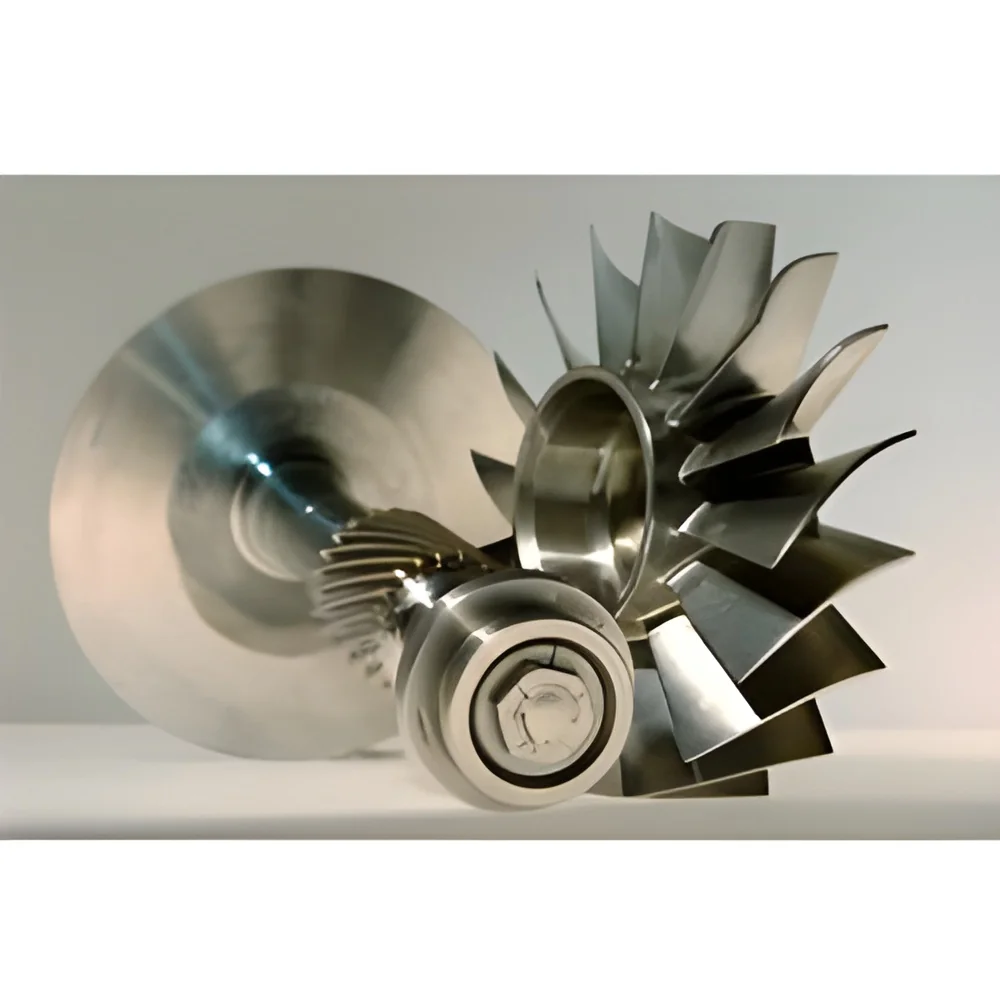
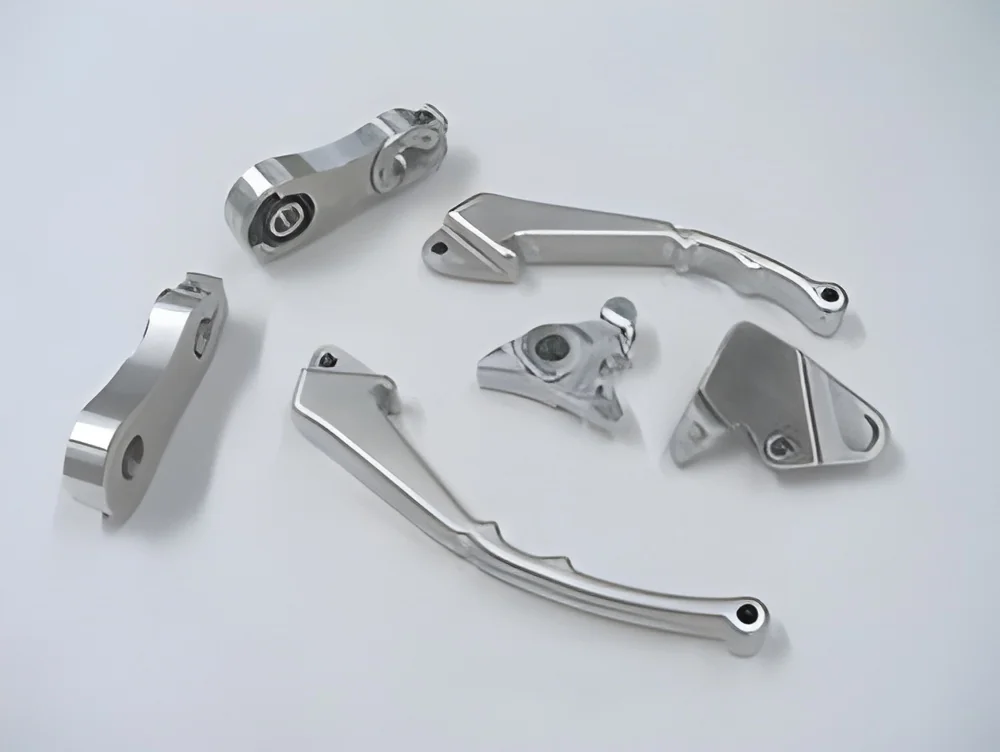
This sophisticated plating technology serves critical needs across multiple industries where aluminum components face demanding operational conditions. The aerospace industry utilizes electroless nickel plating for landing gear components, engine parts, and various actuators that require protection against corrosion and wear while maintaining precise tolerances. Automotive manufacturers specify this treatment for fuel system components, pistons, and brake parts that need enhanced lubricity and durability. Electronics manufacturers rely on these coatings for EMI/RFI shielding of enclosures and connectors, while the food processing industry benefits from the chemical resistance and non-stick properties for processing equipment. Military and defense applications demand these coatings for their reliability in extreme environments and consistent performance in critical systems.

The business value of our electroless nickel plating service lies in its ability to extend component lifespan, reduce maintenance costs, and improve operational reliability for manufacturing partners. We differentiate ourselves through consistent quality control, technical expertise, and flexible processing options that address specific application requirements. Our process ensures dimensional stability with minimal thickness variation, maintaining precise tolerances for engineered components. The reliability of our coatings translates to reduced downtime and lower total cost of ownership for equipment and systems. We maintain strict quality standards throughout the plating process, from surface preparation to final inspection, ensuring that every component meets specified performance criteria and delivers consistent results in field applications.

Key Features:
- Autocatalytic chemical deposition process requiring no electrical current
- Uniform coating thickness even on complex geometries and internal surfaces
- Customizable phosphorus content from low to high percentages
- Excellent corrosion and wear resistance properties
- Consistent coverage on blind holes and recessed areas

Benefits:
- Extended component lifespan through superior surface protection
- Reduced maintenance costs and operational downtime
- Improved reliability in demanding industrial environments
- Consistent performance across complex part geometries
- Enhanced product durability and operational efficiency
Specifications
| Additional Information | |
|---|---|
| Country of Origin | India |
Application
Electroless nickel plating creates a hard, uniform protective layer that significantly enhances aluminum component durability and performance. This autocatalytic chemical process deposits nickel-phosphorus alloy ensuring even coverage on complex geometries and internal surfaces without electrical currents, delivering excellent corrosion resistance, wear protection, and lubricity for demanding industrial environments.
This plating service is essential for aluminum parts requiring superior protection against harsh chemicals, abrasion, and high-temperature exposure. Industries benefit from improved product lifespan, reduced maintenance costs, and enhanced reliability in critical applications. The process offers various phosphorus content options to meet specific hardness, corrosion resistance, and solderability requirements for diverse operational needs.
- Aerospace components including landing gear parts, actuators, and engine components requiring high corrosion resistance
- Automotive fuel systems, pistons, and brake components needing wear resistance and lubricity
- Electronic enclosures and connectors requiring EMI/RFI shielding and corrosion protection
- Food processing equipment and hydraulic systems demanding chemical resistance and non-stick properties
- Military and defense equipment requiring durable, reliable coatings for extreme environments
Trade Details
| Available Stock | In Stock |
| Sample Availability | No |
Payment Terms
| Payment Terms |
|
Company Profile
A. K. Finishing Technologies, Tamil Nadu
 Tamil Nadu, India
Construction•Manufacturer•Distributor / Wholesaler•Importer / Exporter
Factory Details
Factory SizeBelow 1000 sqm
Annual Production Capacity0
Electroless Nickel Plating On Aluminum For Corrosion And Wear Resistance
Electroless nickel plating on aluminum provides superior corrosion and wear resistance without electricity. This uniform coating process protects precision components in aerospace, automotive, and industrial applications with reliable performance.
Min. Order Quantity: 1 unit
Shipping
Shipping fee and delivery date to be negotiated. Contact supplier now for more details.
A. K. Finishing Technologies
 Tamil Nadu, India
ConstructionManufacturer