IN
₹
Apparel & Fashion
Description
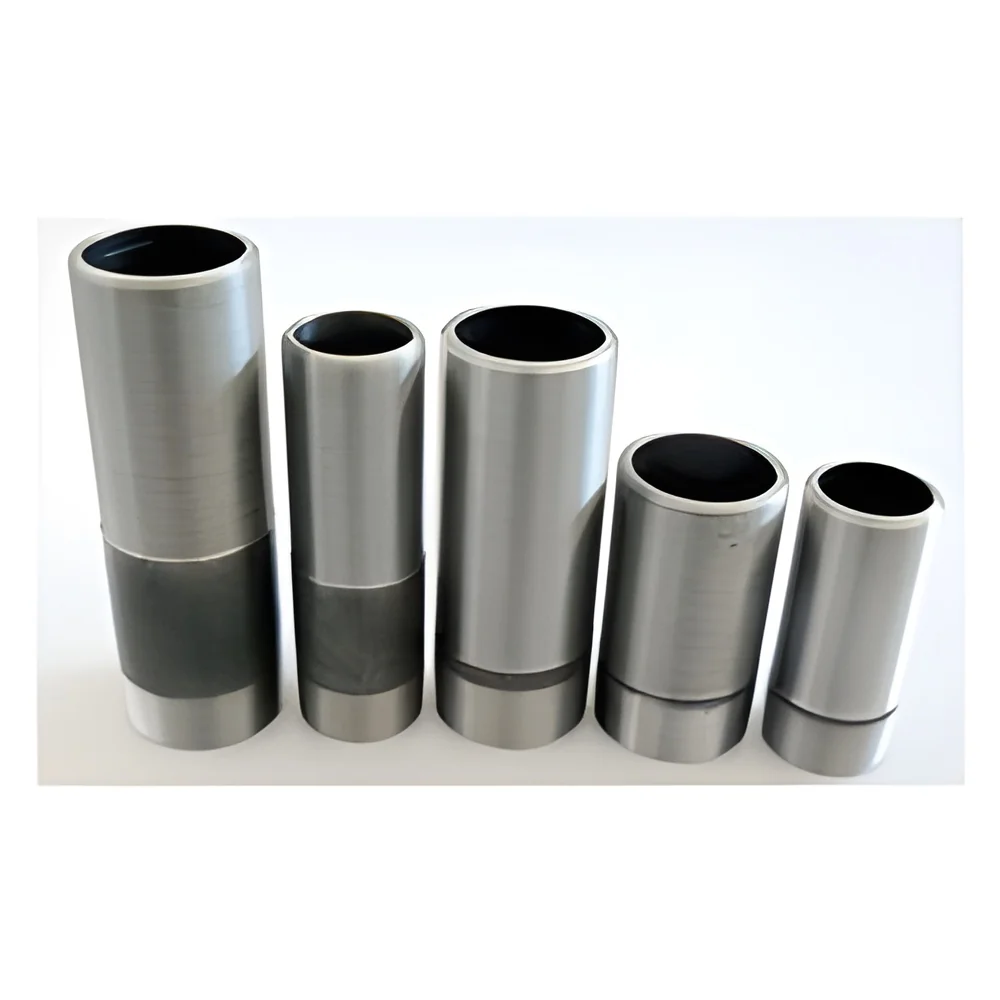
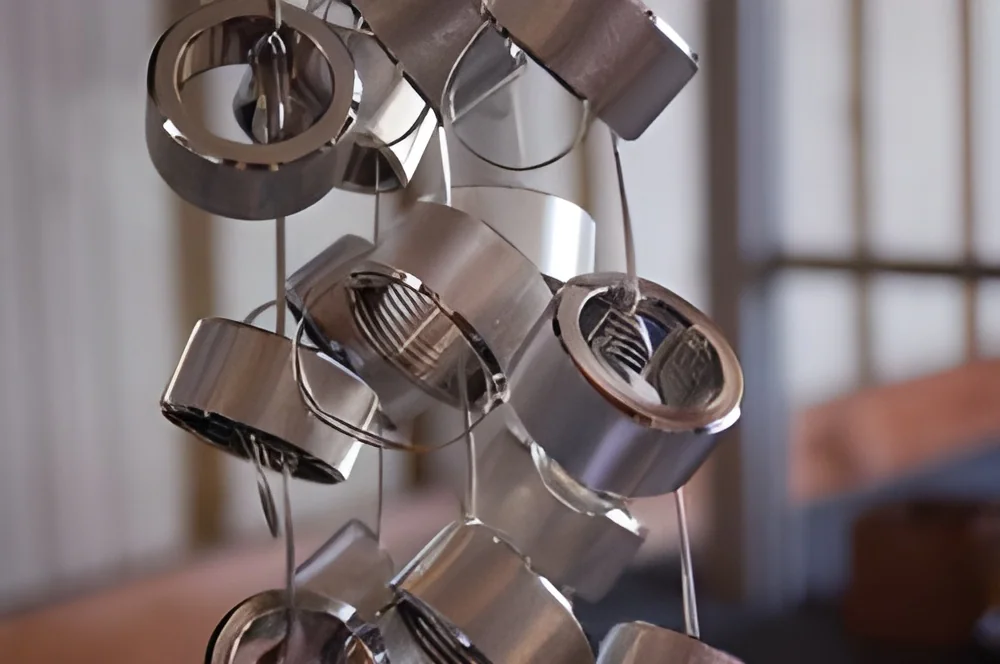
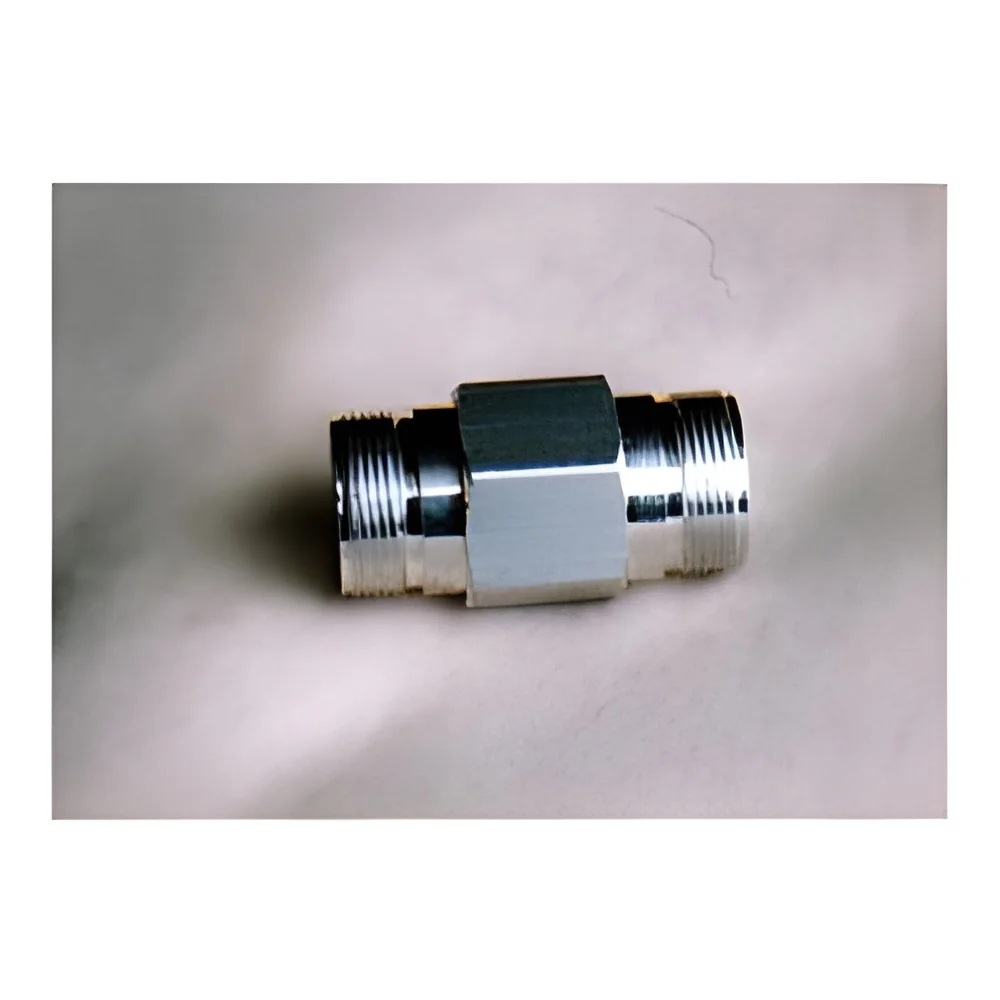
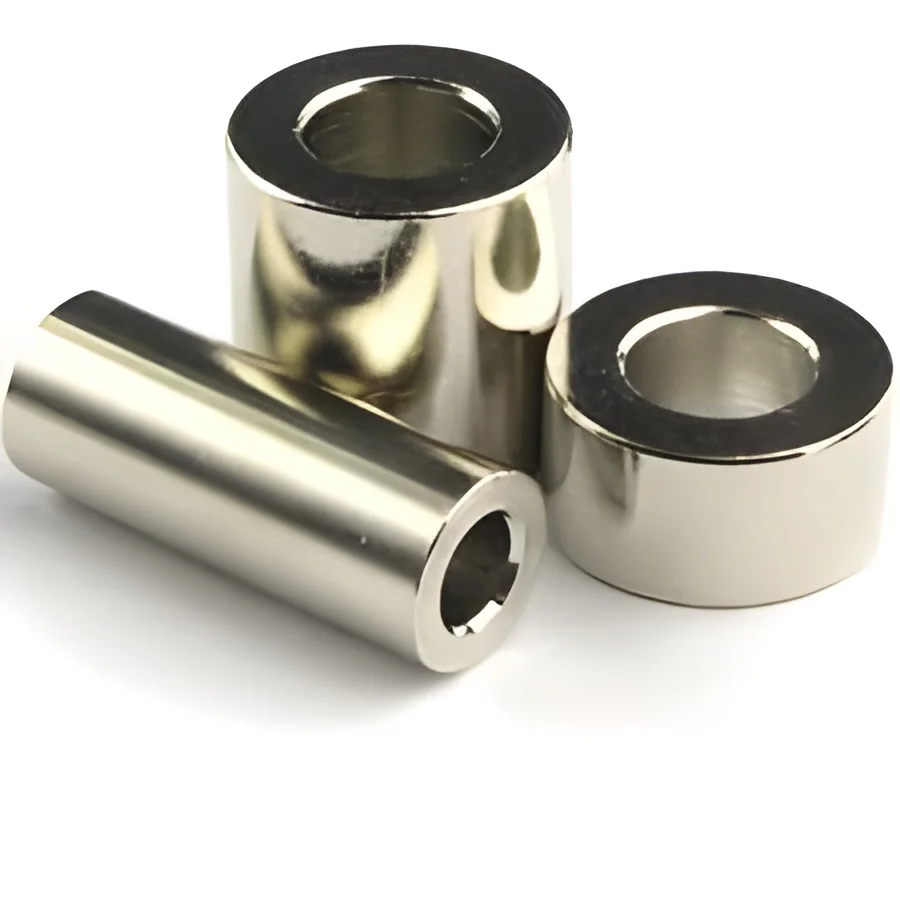
Electroless nickel coating represents an advanced chemical plating process that deposits a uniform nickel-phosphorus alloy without electrical current. This autocatalytic method creates consistent thickness across all surfaces, including complex geometries, internal passages, and threaded areas that traditional electroplating cannot reliably cover. The process involves carefully controlled chemical baths that reduce nickel ions onto prepared metal surfaces, resulting in a dense, non-porous coating that provides exceptional barrier protection. Unlike electrolytic methods, electroless nickel produces deposits that remain consistent regardless of part geometry, making it ideal for components with intricate designs or mixed sizes in batch processing. The coating can be engineered with varying phosphorus content to achieve specific hardness, corrosion resistance, and wear properties tailored to different industrial requirements.

This advanced coating technology serves critical functions acr...
Electroless nickel coating represents an advanced chemical plating process that deposits a uniform nickel-phosphorus alloy without electrical current. This autocatalytic method creates consistent thickness across all surfaces, including complex geometries, internal passages, and threaded areas that traditional electroplating cannot reliably cover. The process involves carefully controlled chemical baths that reduce nickel ions onto prepared metal surfaces, resulting in a dense, non-porous coating that provides exceptional barrier protection. Unlike electrolytic methods, electroless nickel produces deposits that remain consistent regardless of part geometry, making it ideal for components with intricate designs or mixed sizes in batch processing. The coating can be engineered with varying phosphorus content to achieve specific hardness, corrosion resistance, and wear properties tailored to different industrial requirements.

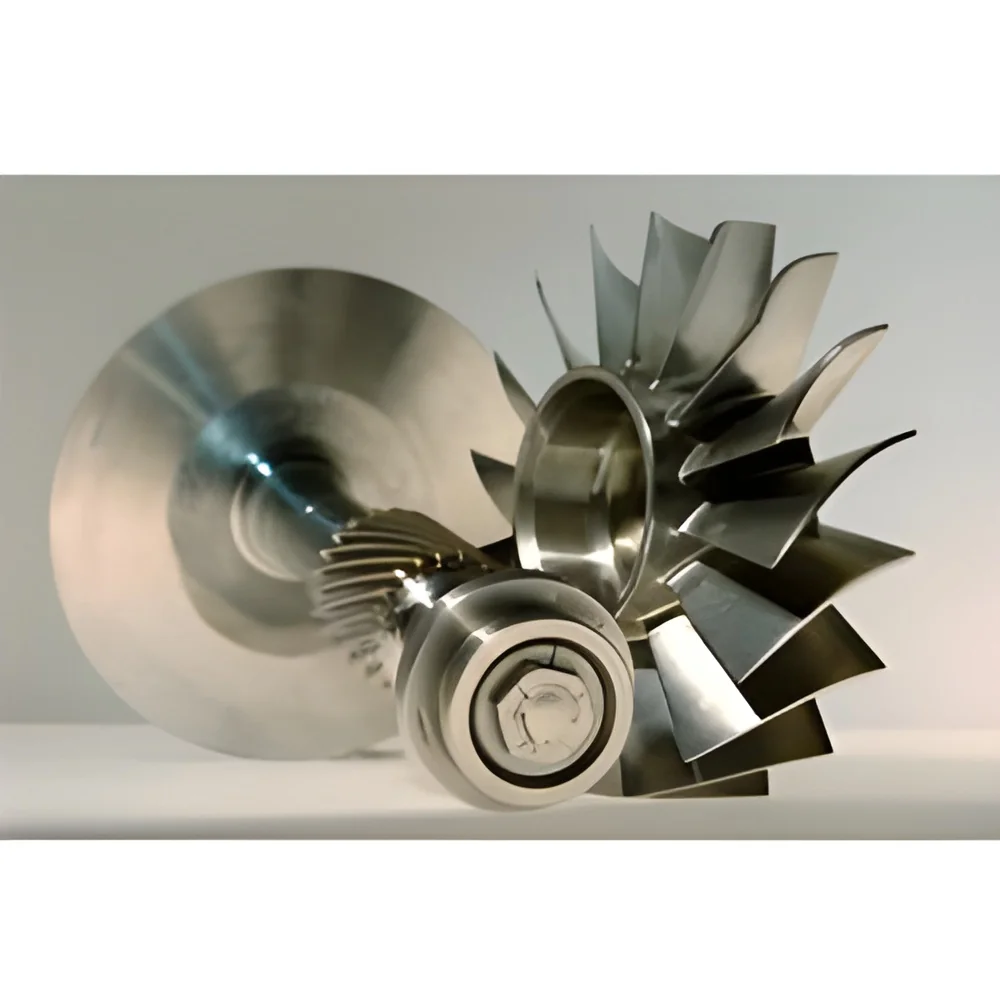
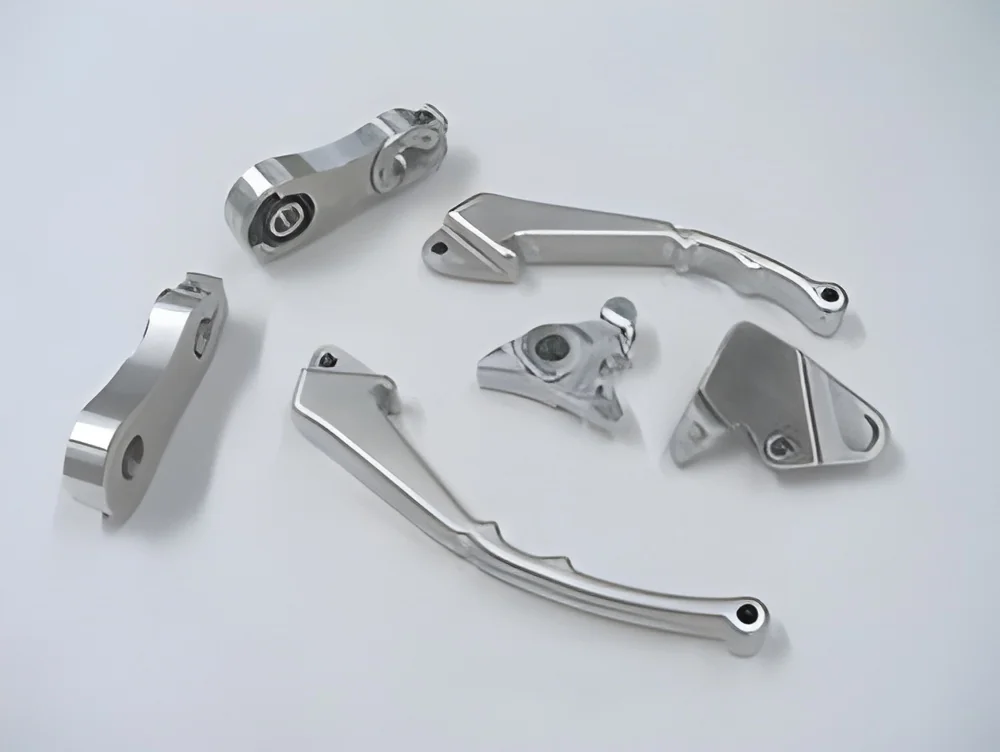
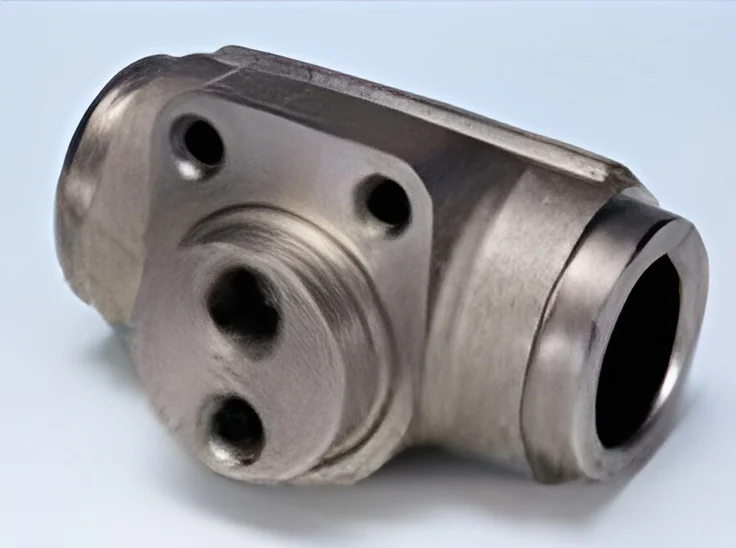
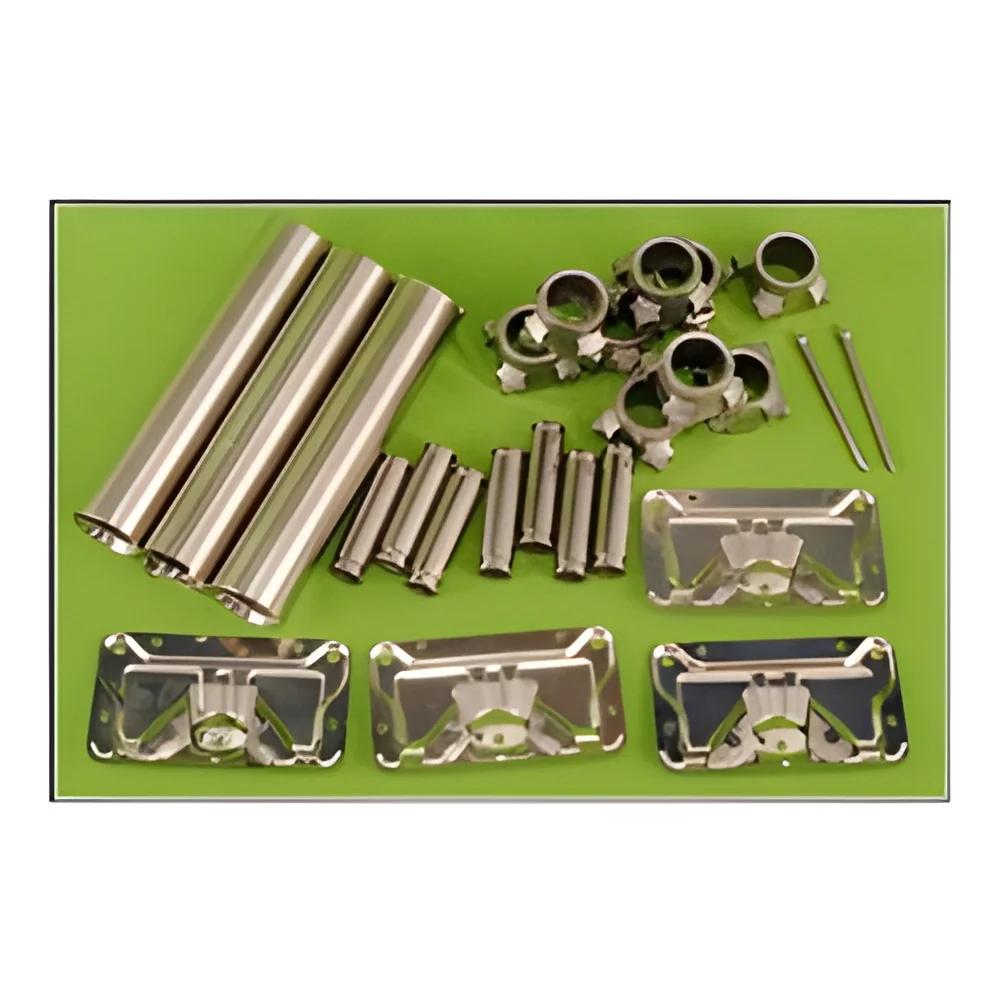
This advanced coating technology serves critical functions across multiple industries where component reliability is paramount. In automotive manufacturing, electroless nickel protects transmission components, pistons, and brake parts from wear and corrosion. Aerospace applications include coating landing gear components, turbine blades, and hydraulic systems that must perform in extreme conditions. The oil and gas industry utilizes these coatings for valves, pumps, and drilling equipment exposed to corrosive fluids and high pressures. Electronics manufacturers rely on electroless nickel for electromagnetic shielding and corrosion protection on connectors and enclosures. Medical device manufacturers choose this coating for surgical instruments and implants requiring biocompatibility and sterilization resistance.

The business value of electroless nickel coating lies in its ability to extend component lifespan while reducing maintenance costs and downtime. Companies investing in this service gain access to a proven surface treatment that enhances product performance and reliability. The coating's uniform thickness ensures consistent quality across production runs, reducing rejection rates and improving manufacturing efficiency. Unlike some competitive processes, electroless nickel coating maintains dimensional accuracy, eliminating the need for post-plating machining in most applications. The process is backed by rigorous quality control measures including thickness testing, adhesion checks, and corrosion validation to ensure every batch meets specified requirements. This reliability makes it suitable for high-volume production environments where consistency is critical.

Key Features:
- Uniform thickness deposition even on complex geometries and internal surfaces
- Excellent corrosion resistance protecting base materials from chemical attack
- High hardness ratings up to 60 HRC with heat treatment options available
- Consistent coating composition with controllable phosphorus content (3-12%)
- Superior adhesion strength preventing flaking or peeling under stress

Benefits:
- Extended component lifespan reducing replacement frequency and costs
- Reduced maintenance requirements and operational downtime
- Consistent quality across production runs minimizing rejection rates
- Enhanced product performance in demanding industrial environments
- Improved manufacturing efficiency through reliable surface treatment
Specifications
| Additional Information | |
|---|---|
| Country of Origin | India |
Application
Electroless nickel coating offers superior protection for metal components needing exceptional corrosion resistance and durability. This autocatalytic process creates uniform thickness on complex shapes, threaded parts, and deep recesses where electroplating fails. The result is a consistent, pore-free barrier that withstands harsh chemicals, high temperatures, and abrasive environments without compromising performance.
Industries depend on electroless nickel plating for critical components where reliability is essential. The coating provides excellent wear resistance, hardness, and lubricity while maintaining precise dimensional accuracy. This makes it ideal for precision parts in hydraulic systems, injection molds, and mechanical assemblies. The process works effectively on steel, aluminum, copper, and various alloys with proper pretreatment, ensuring broad application across manufacturing sectors.
- Automotive brake components and fuel injection systems requiring corrosion resistance
- Aerospace landing gear parts and turbine components needing wear protection
- Oil and gas valves, pumps, and drilling equipment exposed to corrosive fluids
- Medical instruments and surgical tools requiring biocompatible surfaces
- Electronics enclosures and connectors needing EMI/RFI shielding properties
Trade Details
| Available Stock | In Stock |
| Sample Availability | No |
Payment Terms
| Payment Terms |
|
Company Profile
A. K. Finishing Technologies, Tamil Nadu
 Tamil Nadu, India
Construction•Manufacturer•Distributor / Wholesaler•Importer / Exporter
Factory Details
Factory SizeBelow 1000 sqm
Annual Production Capacity0
Industrial Electroless Nickel Coating Services For Corrosion Protection
Industrial electroless nickel coating services provide uniform corrosion protection without electricity. This chemical plating method delivers pore-free coatings for complex geometries across automotive, aerospace, and industrial components requiring durability.
Min. Order Quantity: 1 unit
Shipping
Shipping fee and delivery date to be negotiated. Contact supplier now for more details.
A. K. Finishing Technologies
 Tamil Nadu, India
ConstructionManufacturer