IN
₹
Apparel & Fashion

Description
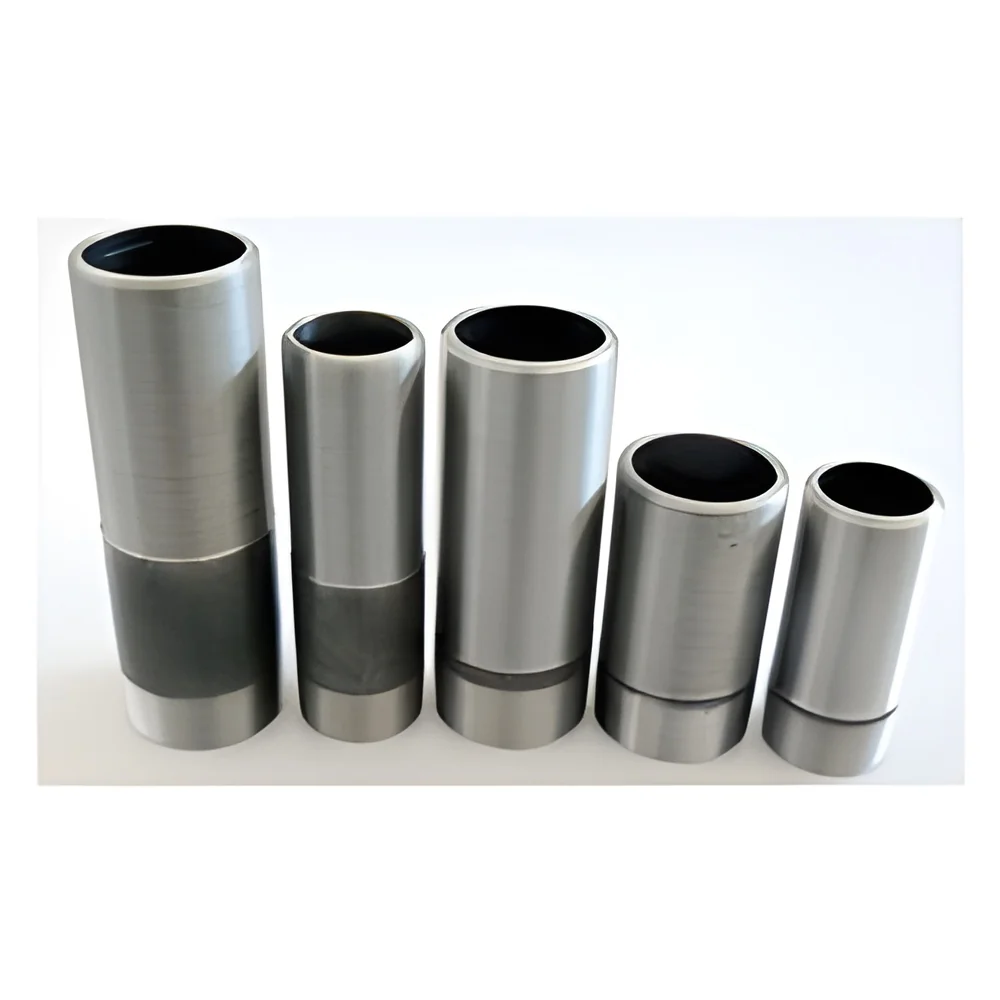
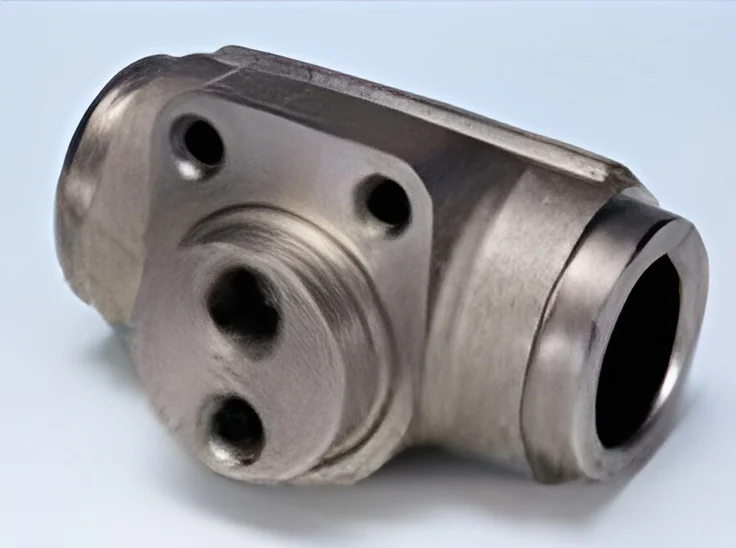
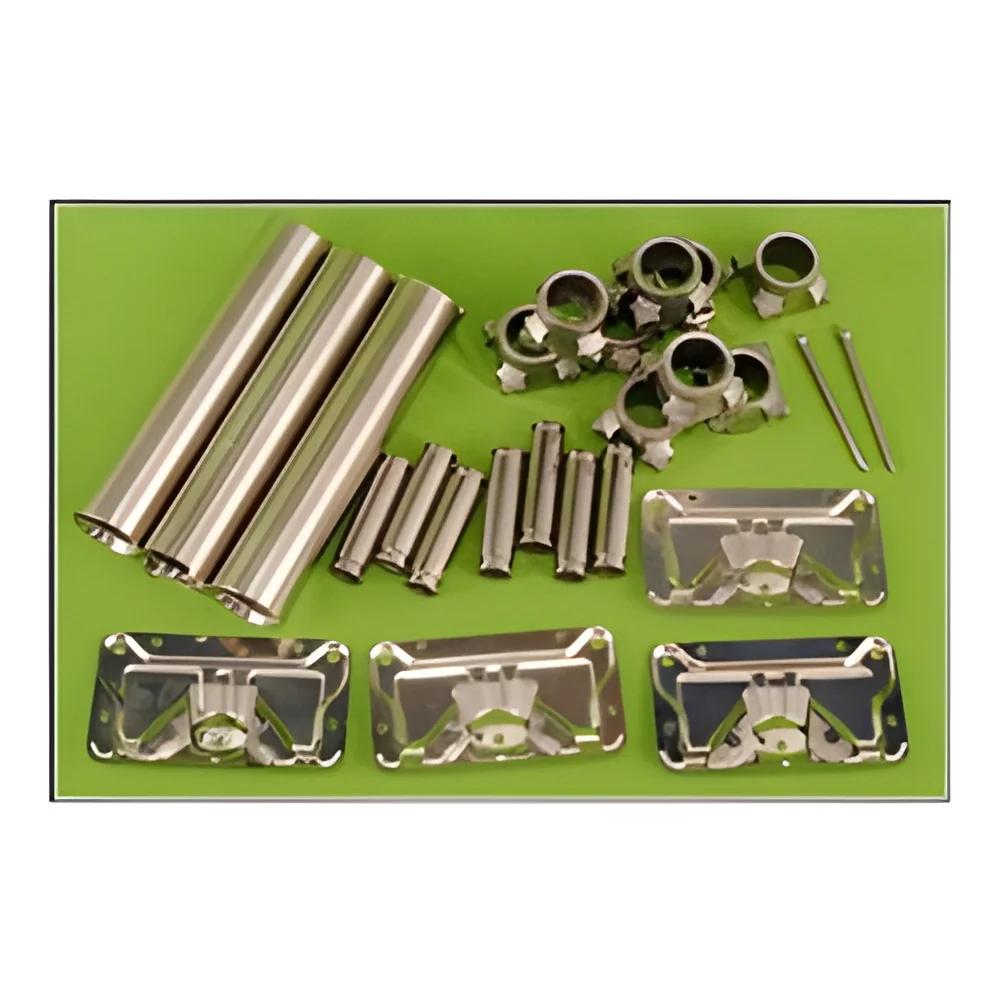
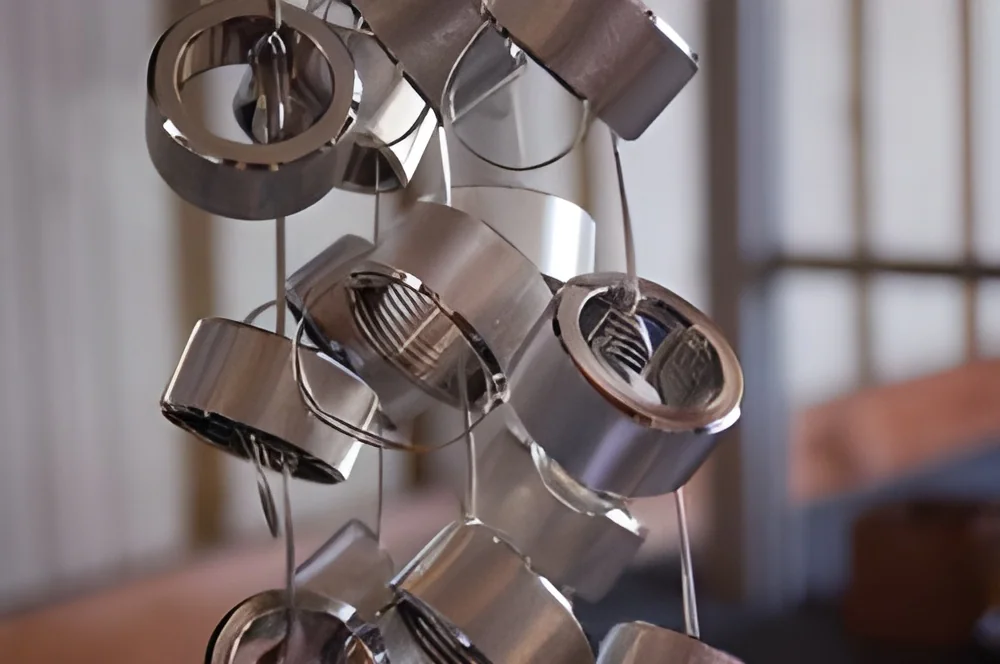
Electroless nickel coating represents an advanced autocatalytic plating technology that deposits a uniform nickel-phosphorus alloy without electrical current. This innovative process ensures consistent coverage across all surfaces, including complex geometries, internal passages, and non-conductive materials that challenge traditional electroplating methods. The coating provides exceptional corrosion resistance, superior wear protection, and consistent hardness throughout the component. Unlike conventional plating, this method eliminates issues of uneven deposition and poor coverage in recessed areas, delivering reliable performance across diverse industrial applications. The process accommodates various base materials including steel, aluminum, copper, and non-metallic substrates, making it a versatile solution for complex manufacturing requirements.

This coating technology serves critical functions across multiple industries where component reliability is paramount. In automotive ma...
Electroless nickel coating represents an advanced autocatalytic plating technology that deposits a uniform nickel-phosphorus alloy without electrical current. This innovative process ensures consistent coverage across all surfaces, including complex geometries, internal passages, and non-conductive materials that challenge traditional electroplating methods. The coating provides exceptional corrosion resistance, superior wear protection, and consistent hardness throughout the component. Unlike conventional plating, this method eliminates issues of uneven deposition and poor coverage in recessed areas, delivering reliable performance across diverse industrial applications. The process accommodates various base materials including steel, aluminum, copper, and non-metallic substrates, making it a versatile solution for complex manufacturing requirements.

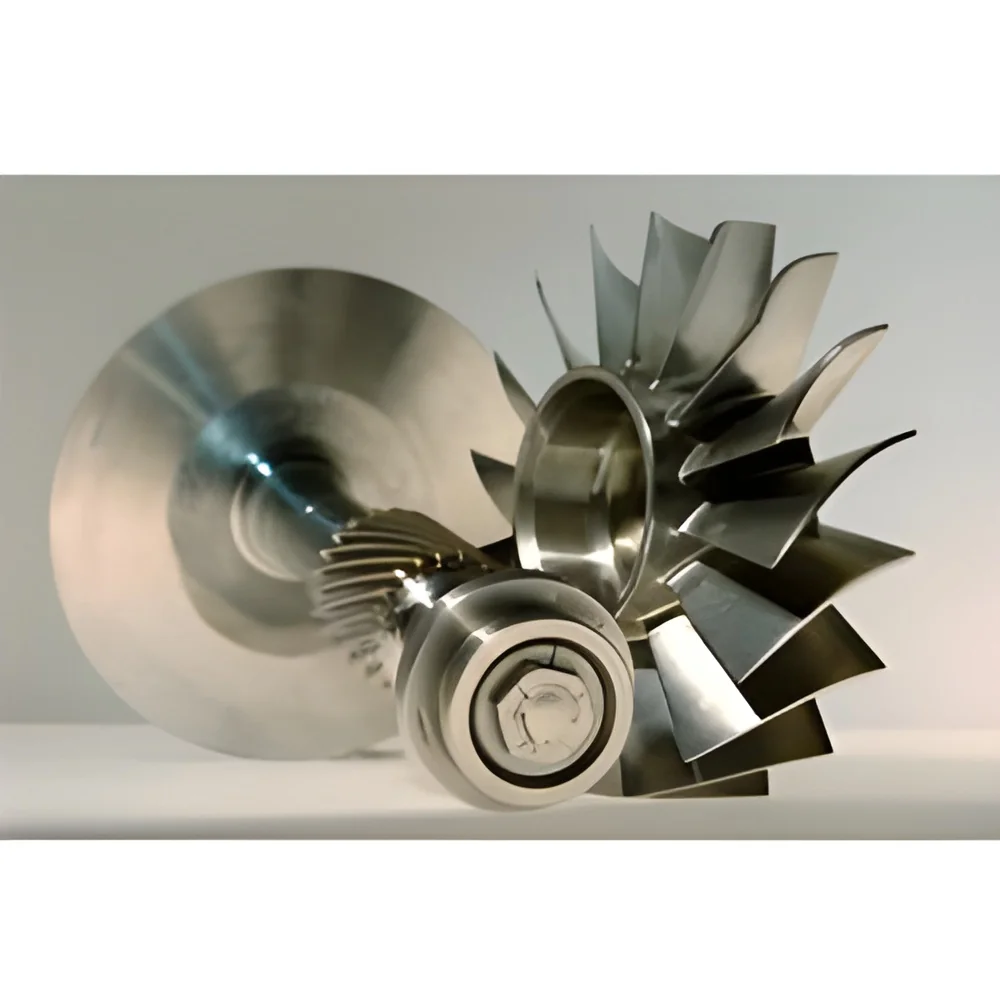
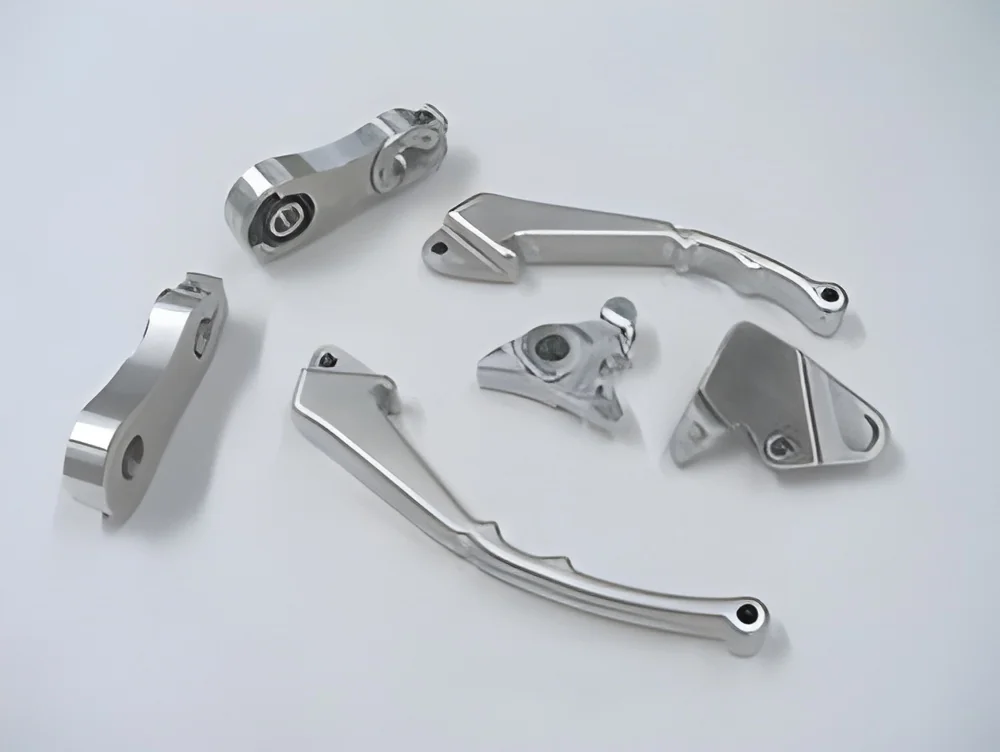
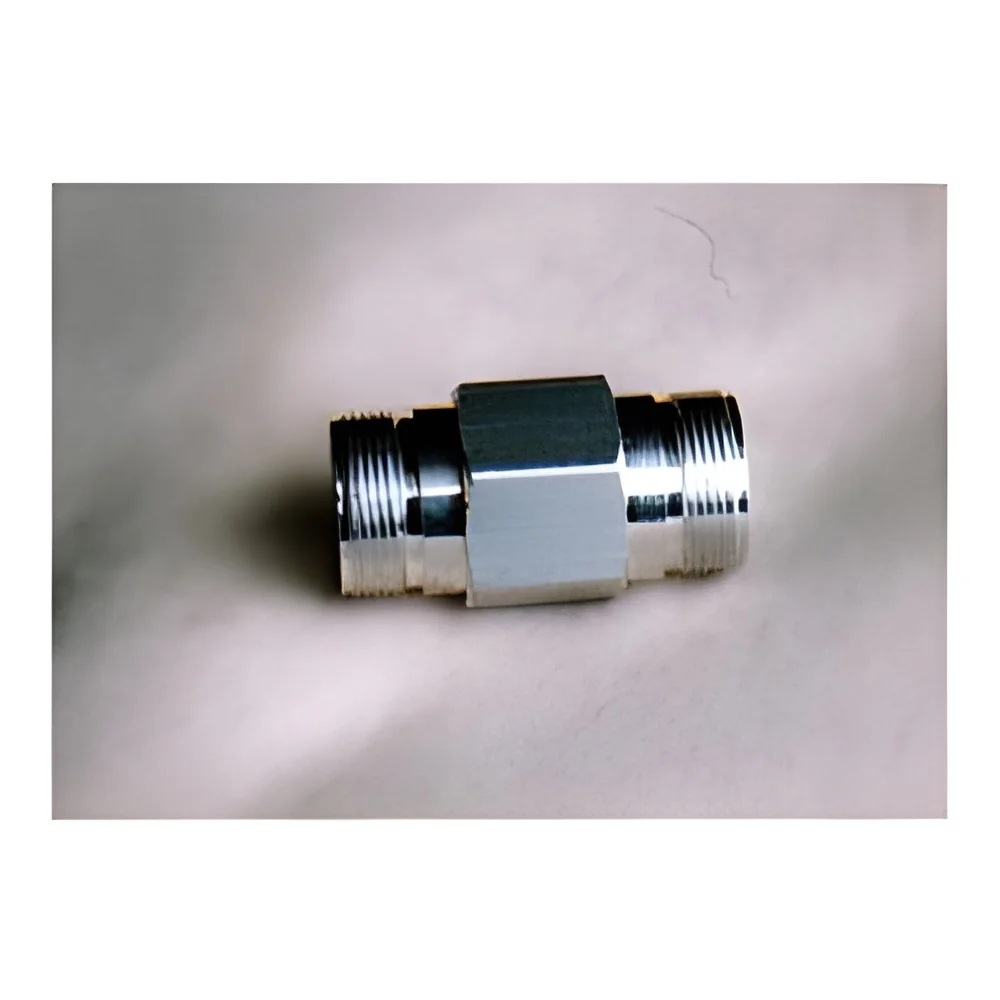
This coating technology serves critical functions across multiple industries where component reliability is paramount. In automotive manufacturing, it protects transmission components, brake systems, and engine parts from corrosion and wear while maintaining precise tolerances. Aerospace applications utilize the coating for landing gear, turbine components, and structural elements that must withstand extreme temperatures and environmental conditions. The electronics industry depends on it for connector housings and shielding applications where consistent conductivity and corrosion resistance are essential. Industrial equipment manufacturers specify electroless nickel for hydraulic systems, pump components, and valve assemblies operating in abrasive or corrosive environments. Medical device producers value the coating for surgical instruments and implantable devices requiring biocompatibility and sterilizability.

Businesses select electroless nickel coating for its demonstrated reliability, cost efficiency, and performance advantages in demanding applications. The technology extends component lifespan significantly, reducing maintenance costs and downtime while improving operational safety. The uniform deposition process eliminates weak spots and ensures consistent quality across production batches, providing predictable performance outcomes. This coating solution enables design engineers to utilize complex geometries and non-traditional materials without compromising protection requirements. The proven track record across industries makes it a trusted choice for applications where failure is not an option and consistent performance under challenging conditions is mandatory.

Key Features:
- Uniform coating thickness maintained across complex shapes and internal surfaces
- Electrical current-free process enabling plating on non-conductive materials
- Exceptional corrosion and wear resistance properties for extended component life
- Consistent hardness and adhesion performance suitable for high-stress applications
- Compatibility with various base materials including metals and engineered plastics

Benefits:
- Extended component service life reducing replacement frequency and maintenance costs
- Consistent performance across complex geometries and hard-to-reach areas
- Reduced downtime through enhanced corrosion and wear protection
- Design flexibility accommodating non-conductive materials and intricate parts
- Reliable batch-to-batch consistency meeting strict quality standards
Specifications
| Additional Information | |
|---|---|
| Country of Origin | India |
Application
Electroless nickel coating delivers consistent protection across complex geometries and internal surfaces where traditional plating methods fail. This autocatalytic process ensures uniform thickness without electrical current, making it ideal for components with intricate designs, blind holes, and non-conductive substrates like plastics and composites. The coating maintains reliability in demanding environments while accommodating various material types and complex part configurations.
Industries worldwide rely on this advanced coating solution for critical components exposed to harsh operating conditions. From automotive transmission systems to aerospace landing gear, the coating provides essential protection against corrosion, wear, and chemical exposure. Manufacturers choose this process for its consistent results, material versatility, and ability to meet stringent industry standards for performance and durability across diverse applications and sectors.
- Automotive brake components and fuel system parts for corrosion resistance and extended service life
- Aerospace turbine blades and landing gear components operating in extreme temperature conditions
- Electronic connectors and enclosures requiring EMI shielding and environmental protection
- Hydraulic cylinders and pump components in industrial machinery for wear resistance
- Medical device components and surgical instruments needing biocompatible surfaces
Trade Details
| Available Stock | In Stock |
| Sample Availability | No |
Payment Terms
| Payment Terms |
|
Company Profile
A. K. Finishing Technologies, Tamil Nadu
 Tamil Nadu, India
Construction•Manufacturer•Distributor / Wholesaler•Importer / Exporter
Factory Details
Factory SizeBelow 1000 sqm
Annual Production Capacity0
Electroless Nickel Coating For Corrosion And Wear Protection
Electroless nickel coating provides uniform corrosion and wear protection without electricity for automotive, aerospace, and industrial components with complex geometries and non-conductive surfaces.
Min. Order Quantity: 1 unit
Shipping
Shipping fee and delivery date to be negotiated. Contact supplier now for more details.
A. K. Finishing Technologies
 Tamil Nadu, India
ConstructionManufacturer