IN
IN₹
Apparel & Fashion
Loading subcategories...
View More
Description
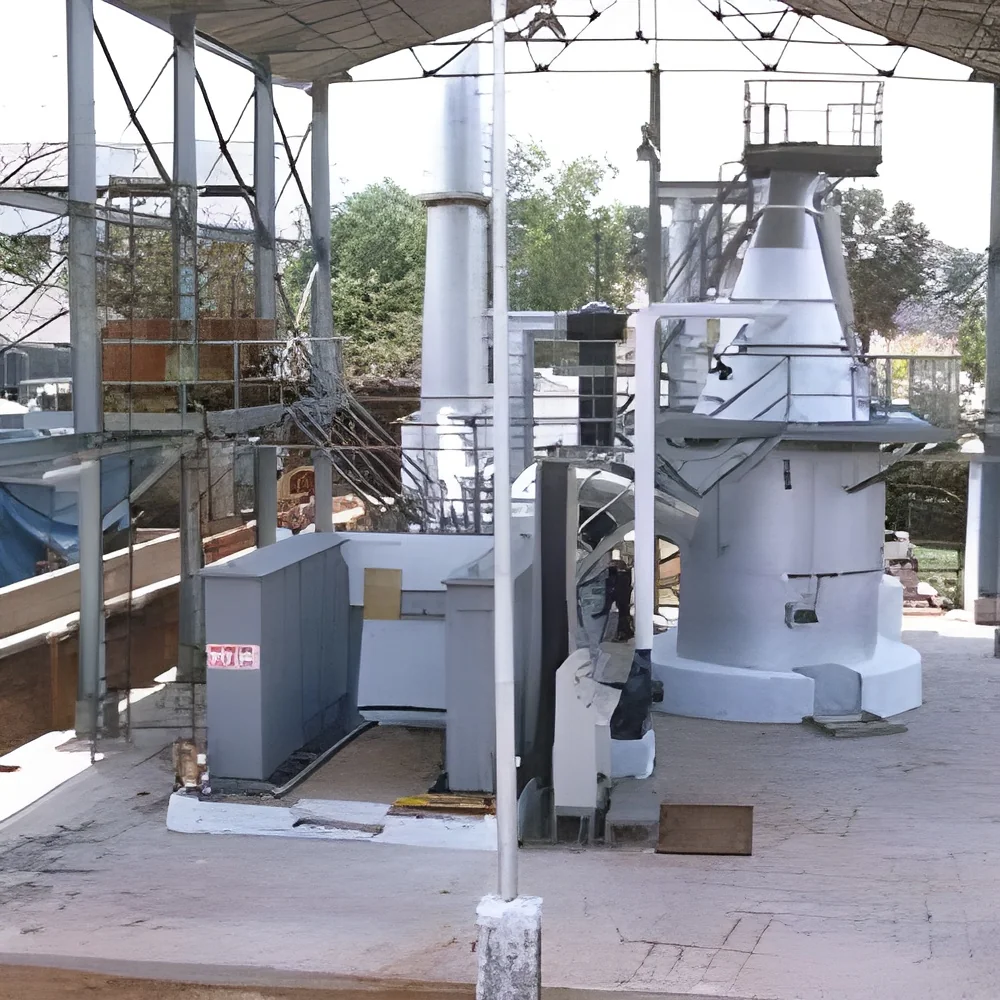
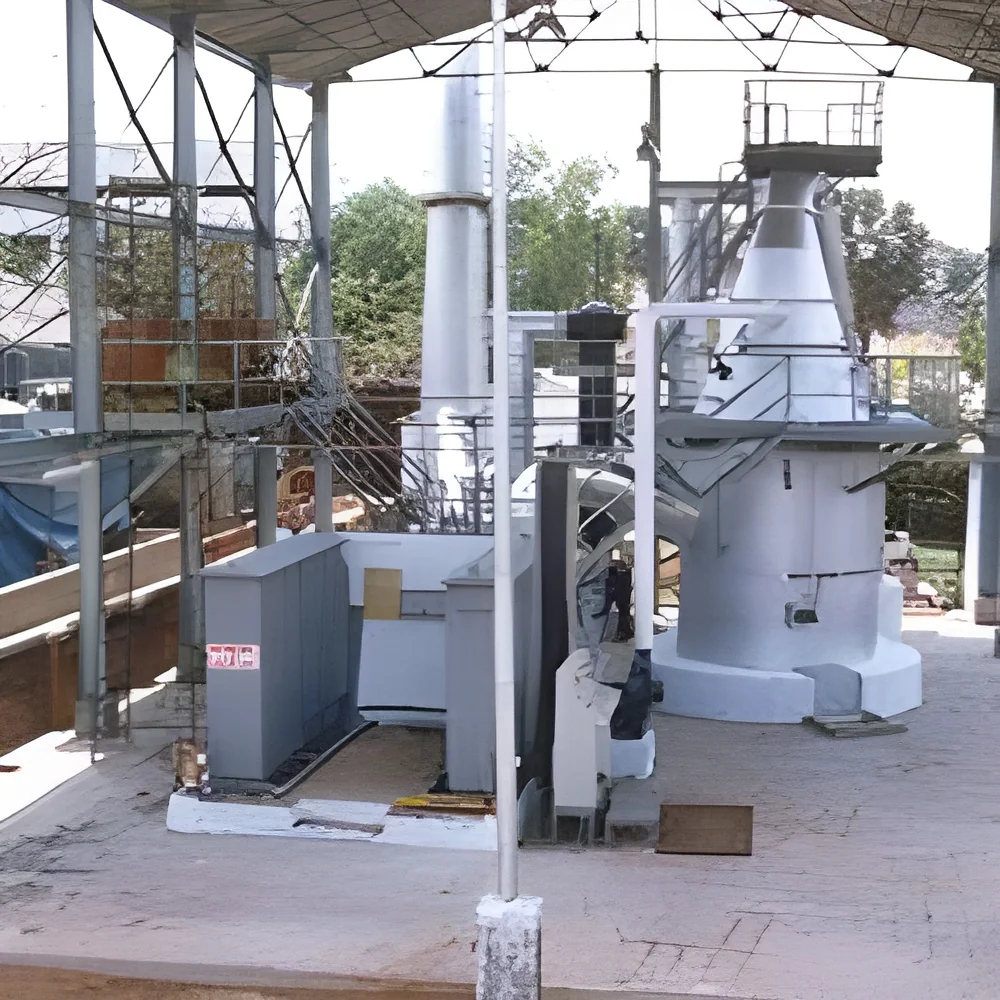
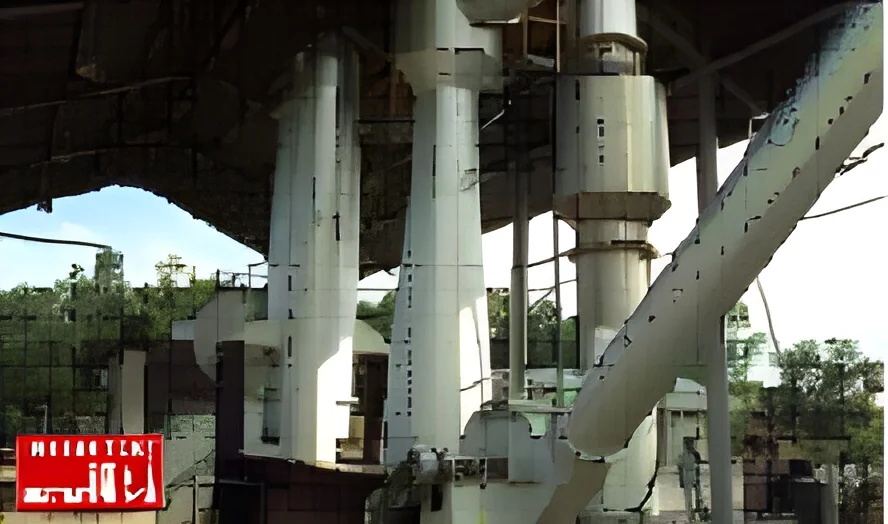
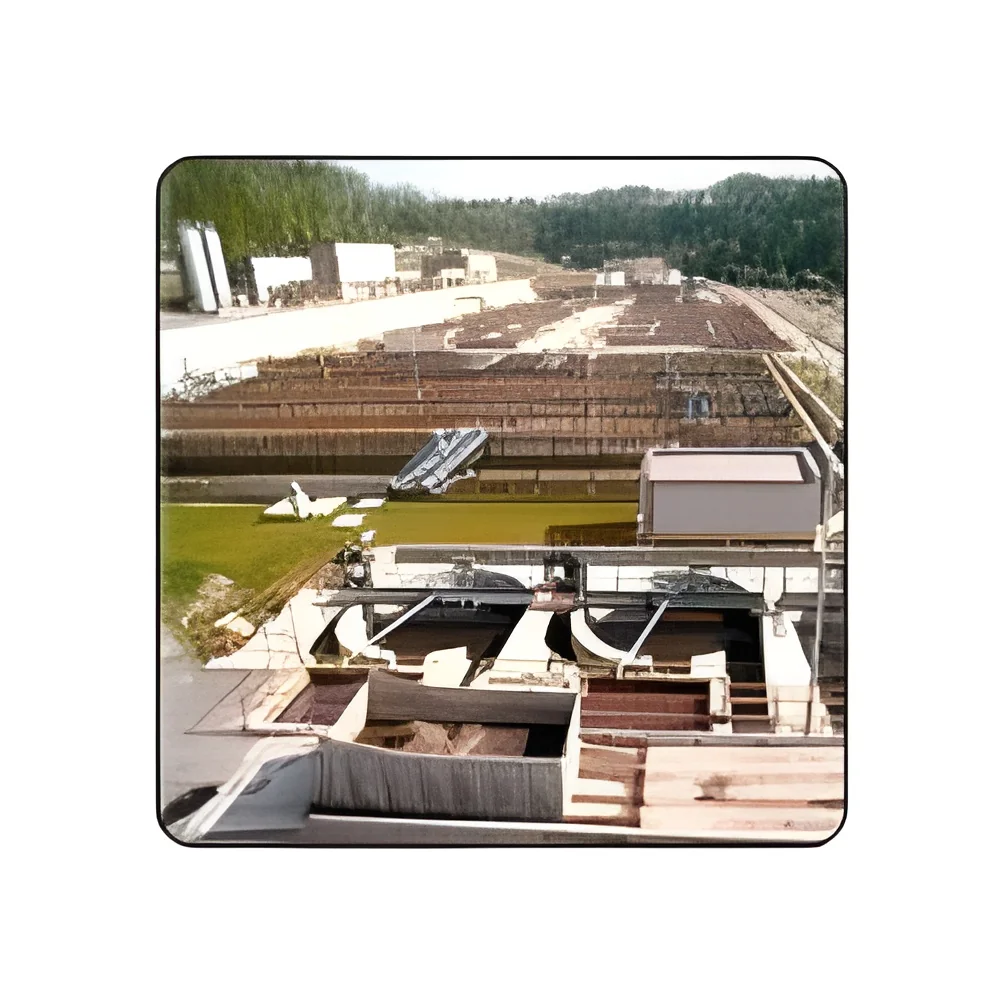
Our Effluent Treatment Plants (ETP) provide comprehensive wastewater management solutions for industrial applications. These systems range from basic neutralization units to advanced facilities incorporating biological, chemical, and physical processes. Designed for maximum resource utilization, they effectively treat effluent regardless of strength or volume, ensuring compliance with State Pollution Control Board norms. The plants are available in batch, semi-automatic, and fully automatic configurations tailored to specific pollutant characteristics and waste volumes. This adaptability makes our ETPs suitable for various industries seeking reliable and cost-effective pollution control solutions that maintain operational efficiency while meeting regulatory requirements.

Industries such as textiles, chemicals, oil refineries, paper mills, and food processing rely on our ETP systems to manage wastewater challenges effectively. Textile mills use them to treat dye-containing effluents, w...
Our Effluent Treatment Plants (ETP) provide comprehensive wastewater management solutions for industrial applications. These systems range from basic neutralization units to advanced facilities incorporating biological, chemical, and physical processes. Designed for maximum resource utilization, they effectively treat effluent regardless of strength or volume, ensuring compliance with State Pollution Control Board norms. The plants are available in batch, semi-automatic, and fully automatic configurations tailored to specific pollutant characteristics and waste volumes. This adaptability makes our ETPs suitable for various industries seeking reliable and cost-effective pollution control solutions that maintain operational efficiency while meeting regulatory requirements.

Industries such as textiles, chemicals, oil refineries, paper mills, and food processing rely on our ETP systems to manage wastewater challenges effectively. Textile mills use them to treat dye-containing effluents, while chemical plants neutralize hazardous substances through precise chemical dosing. Oil refineries and cold rolling mills benefit from specialized oil-water separation capabilities that remove petroleum products and heavy metals. Slaughterhouses and dairies utilize advanced biological processes for high organic load treatment, converting waste into manageable byproducts. Glass factories and metal processing industries also employ these plants to meet strict discharge standards while enabling treated water recycling for cooling systems or other non-potable applications.

Our ETPs deliver significant business value by reducing total operating costs through efficient resource utilization and recycled water reuse opportunities. They ensure operational reliability with robust construction materials and engineering that withstand demanding industrial environments while adhering to environmental norms, minimizing legal risks and enhancing corporate responsibility. Key differentiators include superior quality craftsmanship, proven performance across diverse industrial applications, and systems designed for long-term reliability with minimal maintenance requirements. These plants offer scalability to accommodate business growth, making them a prudent investment for companies focused on sustainable operations and regulatory compliance without compromising productivity or operational continuity.

Key Features:
- Multiple operation modes including batch, semi-automatic, and fully automatic configurations
- Integrated biological, physical, and chemical processes for comprehensive treatment
- Compliance with State Pollution Control Board norms and environmental standards
- Capability to handle effluents of varying strengths and volumes efficiently
- Water recycling and reuse options for gardening or cooling applications

Benefits:
- Reduced operating costs through efficient resource utilization and water recycling
- Environmental compliance and minimized legal risks with regulatory bodies
- Robust construction ensuring long-term reliability and minimal maintenance
- Scalable designs that accommodate business growth and changing needs
- Proven performance across diverse industrial applications and waste types
Specifications
| Additional Information | |
|---|---|
| Country of Origin | India |
| Customisable | No |
Application
Our effluent treatment plants are engineered for diverse industrial sectors requiring robust wastewater management. They handle varying pollutant loads and volumes, making them ideal for high-effluent industries like chemicals, textiles, and manufacturing. These systems ensure compliance with environmental standards while enabling water reuse for non-potable applications.
Industries such as oil refineries, paper mills, and food processing rely on our ETP solutions for consistent performance. The plants adapt to specific waste characteristics, offering scalable treatment from basic neutralization to advanced biological processes. This flexibility supports sectors with strict discharge regulations or those aiming for sustainable water recycling initiatives.
- Treating textile dyeing and printing wastewater to remove colors and chemicals before safe discharge.
- Managing slaughterhouse and dairy effluents with high organic loads through biological treatment processes.
- Processing chemical industry wastewater containing toxic substances using neutralization and advanced filtration.
- Handling paper mill effluents to reduce suspended solids and chemical oxygen demand (COD) levels.
- Treating oil refinery and cold rolling mill wastewater to separate oils and heavy metals for compliance.
Trade Details
| Available Stock | In Stock |
| Sample Availability | No |
Payment Terms
| Payment Terms |
|
Company Profile
Chintan Sales, Gujarat
 Gujarat, India
Gujarat, IndiaIndustrial Equipment & Machinery•Manufacturer•Distributor / Wholesaler•Importer / Exporter
Factory Details
Factory SizeBelow 1000 sqm
Annual Production Capacity0
Main Markets
South Asia
Industrial Effluent Treatment Plants For Wastewater Management
Industrial Effluent Treatment Plants by expert manufacturers neutralize, treat, and recycle wastewater to meet pollution norms, reduce costs, and ensure compliance for various industries.
Min. Order Quantity: 1 unit
Shipping
Shipping fee and delivery date to be negotiated. Contact supplier now for more details.
Chintan Sales
 Gujarat, India
Gujarat, IndiaIndustrial Equipment & MachineryManufacturer