IN
INundefined
Similar Products
Description
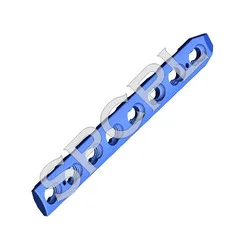
Orthopedic DCP small locking plates represent advanced implant technology specifically engineered for radius and ulna shaft fractures. Manufactured from medical-grade stainless ste...
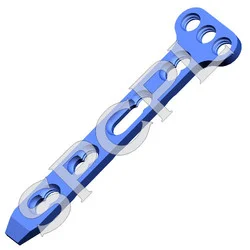
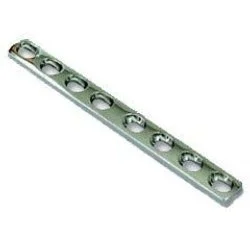
Orthopedic DCP small locking plates represent advanced implant technology specifically engineered for radius and ulna shaft fractures. Manufactured from medical-grade stainless steel or titanium, these plates provide reliable options for fracture stabilization with multiple hole configurations ranging from 3 to 12 holes. This versatility allows surgeons to customize surgical approaches based on fracture complexity and patient anatomy. The locking mechanism ensures angular stability, preventing screw loosening and maintaining fracture reduction throughout the healing process while facilitating optimal compression and alignment during procedures.

These plates serve critical roles across trauma centers, orthopedic specialty hospitals, and surgical clinics where diaphyseal forearm fractures require anatomical reduction and stable fixation. Orthopedic surgeons depend on them for both elective and emergency procedures involving forearm injuries. The stainless steel version offers exceptional strength and durability for most applications, while the titanium option provides superior biocompatibility and reduced interference in postoperative imaging, making both materials suitable for different clinical requirements and patient considerations.

The reliability and surgical versatility of these locking plates translate to reduced operation times and improved patient outcomes, delivering significant value to healthcare providers. Medical distributors and wholesalers can confidently supply these implants knowing they meet stringent quality standards and surgeon expectations. Their proven performance contributes to cost-effectiveness through lower complication rates and reduced need for revision surgeries, providing healthcare institutions with enhanced patient care quality and operational efficiency while supporting positive clinical results.

Key Features:
- Medical-grade stainless steel or titanium construction options
- Multiple hole configurations available from 3 to 12 holes
- Specifically designed for radius and ulna shaft fractures
- Locking mechanism for angular stability and secure screw fixation
- Precision engineering for anatomical fit and compression

Benefits:
- Provides stable fixation for optimal bone healing conditions
- Versatile application across various fracture patterns and surgical techniques
- Reduces risk of screw loosening and maintains fracture alignment
- Compatible with different patient needs and surgical preferences
- Supports improved clinical outcomes and functional recovery
Specifications
| Additional Information | |
|---|---|
| Country of Origin | India |
| Customisable | No |
Application
These specialized DCP small locking plates deliver stable fixation for radius and ulna shaft fractures, enabling proper bone alignment and compression to support optimal healing. Their design minimizes tissue disruption during implantation, accommodating various surgical approaches and patient anatomies for consistent clinical outcomes.

Medical professionals rely on these plates in hospital operating rooms and trauma centers where complex forearm fractures require secure stabilization. Available in stainless steel and titanium with multiple hole configurations (3-12), they adapt to diverse fracture patterns and surgical techniques while maintaining compatibility with different patient needs and procedural preferences.
- Open reduction and internal fixation procedures for forearm shaft fractures
- Trauma surgery for compound fractures from accidents or falls
- Orthopedic reconstruction following bone injury or pathological conditions
- Treatment of serious arm fractures in sports medicine
- Emergency surgical interventions in hospital trauma departments
Trade Details
| Available Stock | In stock |
| Sample Availability | No |
Payment Terms
| Payment Terms |
|
Company Profile

Bharucha Associates, Gujarat
 Gujarat, India
Gujarat, IndiaHealth & Personal Care•Distributor / WholesalerRetailerImporter / Exporter
Factory Details
Factory SizeBelow 1000 sqm
Annual Production Capacity0
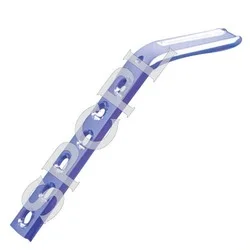
Orthopedic DCP Small Locking Plates for Radius Ulna Shaft Fractures
Orthopedic DCP small locking plates for radius ulna shaft fractures provide precise fixation with medical-grade stainless steel or titanium construction and multiple hole options (3-12) for reliable fracture stabilization trusted by surgeons worldwide.
Min. Order Quantity: 1 units
Shipping
Shipping fee and delivery date to be negotiated. Contact supplier now for more details.
Bharucha Associates Gujarat, India
Gujarat, IndiaHealth & Personal CareDistributor / Wholesaler