IN
IN₹
Apparel & Fashion
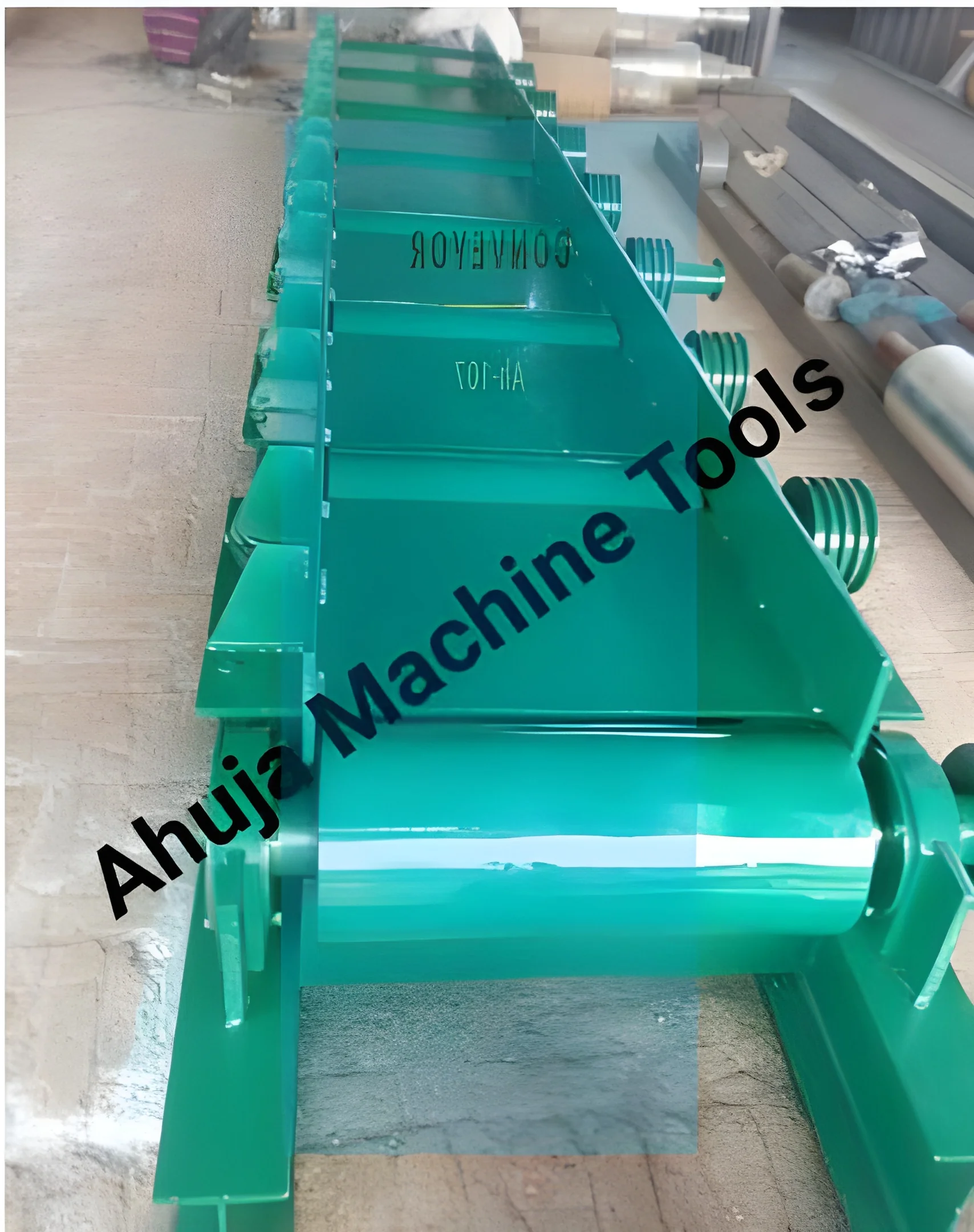
Description
Conveyor systems represent the backbone of modern material handling, providing automated transport solutions that streamline operations across numerous industries. These mechanical systems are engineered to move materials—from raw components to finished products—with precision and reliability. Available in various configurations including belt, roller, and chain-driven designs, conveyors eliminate manual handling bottlenecks while maintaining consistent workflow. Their robust construction ensures they withstand demanding environments, operating continuously under significant loads while minimizing downtime. By automating material transport, these systems directly contribute to enhanced productivity, reduced labor costs, and improved workplace safety through minimized manual intervention.

Industries ranging from automotive manufacturing to food processing rely on conveyor systems for their daily operations. In manufacturing facilities, they connect production stages, ensuring component...
Conveyor systems represent the backbone of modern material handling, providing automated transport solutions that streamline operations across numerous industries. These mechanical systems are engineered to move materials—from raw components to finished products—with precision and reliability. Available in various configurations including belt, roller, and chain-driven designs, conveyors eliminate manual handling bottlenecks while maintaining consistent workflow. Their robust construction ensures they withstand demanding environments, operating continuously under significant loads while minimizing downtime. By automating material transport, these systems directly contribute to enhanced productivity, reduced labor costs, and improved workplace safety through minimized manual intervention.

Industries ranging from automotive manufacturing to food processing rely on conveyor systems for their daily operations. In manufacturing facilities, they connect production stages, ensuring components flow seamlessly between workstations. Mining and aggregate operations utilize heavy-duty conveyors for bulk material transport over long distances. Packaging industries depend on them for moving products through labeling, sealing, and boxing processes without interruption. Logistics and distribution centers implement sophisticated conveyor networks for sorting, routing, and loading goods efficiently. Even airports and postal services utilize specialized conveyors for baggage handling and mail sorting, demonstrating the technology's universal applicability.

The business value of implementing a conveyor system extends beyond simple automation. These systems deliver measurable returns through increased throughput, reduced product damage from careful handling, and optimized floor space utilization. Their reliability translates to fewer operational interruptions and consistent output quality. With designs focused on durability and low maintenance, conveyors offer long-term operational savings. The mechanical simplicity of many systems ensures easy integration into existing workflows without complex programming. This combination of performance and practicality makes conveyors a strategic investment for businesses seeking to scale operations while controlling costs and maintaining quality standards.

Key Features:
- Durable construction for continuous operation under heavy industrial loads.
- Multiple configuration options including belt, roller, and chain-driven systems.
- Adaptable designs for horizontal, inclined, or specialized material transport.
- Engineered for smooth, consistent material flow with minimal vibration.
- Robust components that withstand demanding environmental conditions.

Benefits:
- Increases operational efficiency by automating material movement between processes.
- Reduces manual labor requirements and associated workplace injury risks.
- Maintains consistent workflow timing for improved production scheduling.
- Minimizes product damage through controlled, gentle handling during transport.
- Optimizes facility space utilization with efficient material routing pathways.
Specifications
| Additional Information | |
|---|---|
| Country of Origin | India |
Application
Conveyor systems are essential for automating material movement across diverse industrial environments. They handle everything from raw materials to finished products, replacing manual transport with consistent, reliable mechanical flow. This automation is critical for maintaining production timelines and reducing physical strain on workers while improving overall operational safety.
From assembly lines to distribution hubs, these systems adapt to various layouts and load requirements. They can be configured for horizontal transport, inclined movement, or specialized handling of delicate items. The versatility makes them suitable for both light-duty applications and heavy industrial settings where continuous operation is necessary for profitability and efficiency.
- Manufacturing plants for moving components between assembly stations efficiently.
- Packaging facilities for transporting products through labeling and sealing processes.
- Mining operations for handling bulk materials like ores and aggregates.
- Food processing units for sanitary movement of ingredients and packaged goods.
- Warehouse distribution centers for sorting and loading inventory systematically.
Trade Details
| Available Stock | In Stock |
| Sample Availability | No |
Payment Terms
| Payment Terms |
|
Company Profile

Ahuja Machine Tools, Punjab
 Punjab, India
Punjab, IndiaManufacturer•Retailer
Factory Details
Factory SizeBelow 1000 sqm
Conveyor
Conveyor systems transport materials efficiently in manufacturing, packaging, and industrial processes. Our reliable conveyors ensure smooth, continuous material flow with durable construction for demanding operations.
Min. Order Quantity: 1
Shipping
Shipping fee and delivery date to be negotiated. Contact supplier now for more details.
Ahuja Machine Tools
 Punjab, India
Punjab, IndiaManufacturer