IN
IN₹
Apparel & Fashion
Description
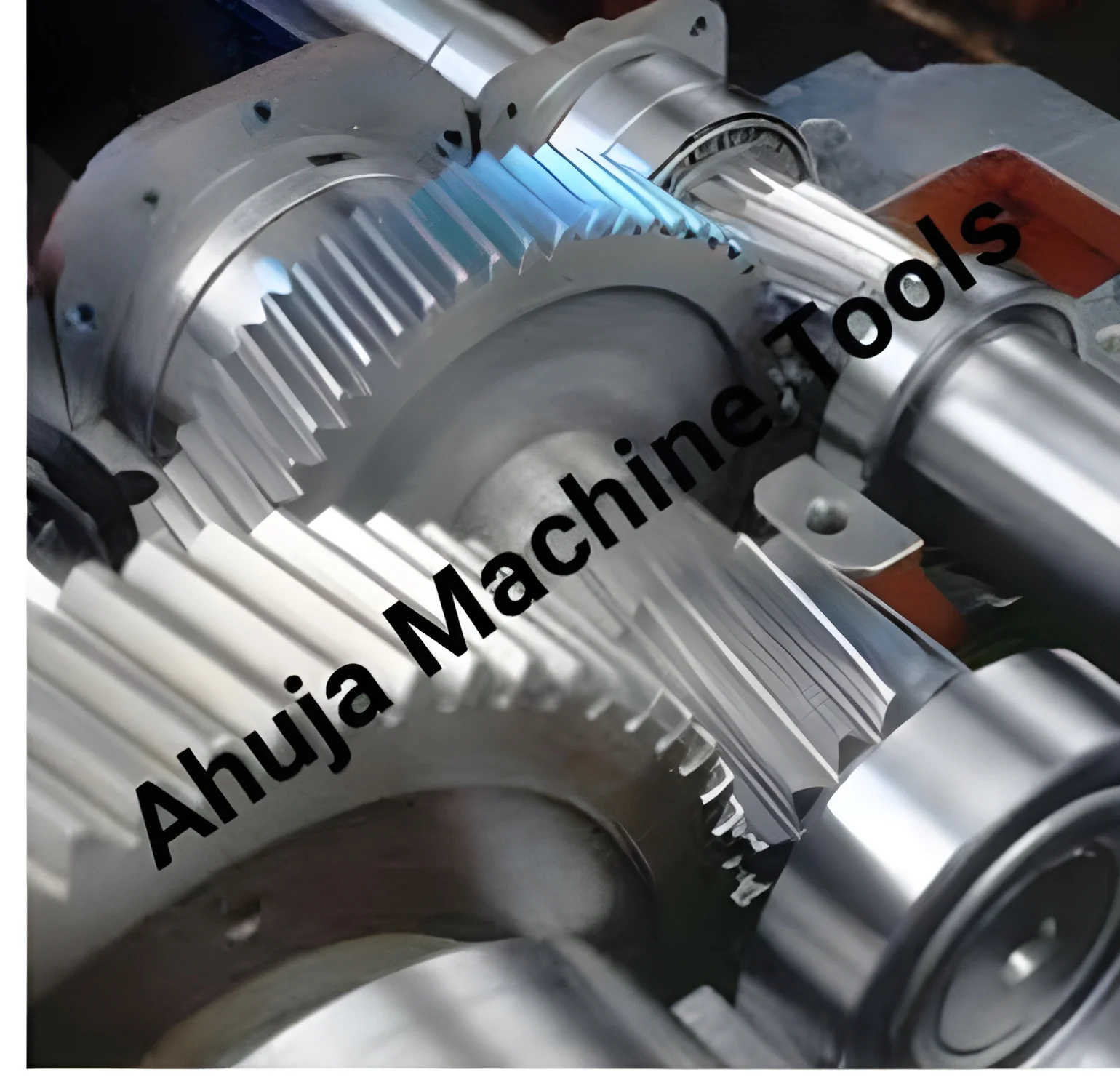
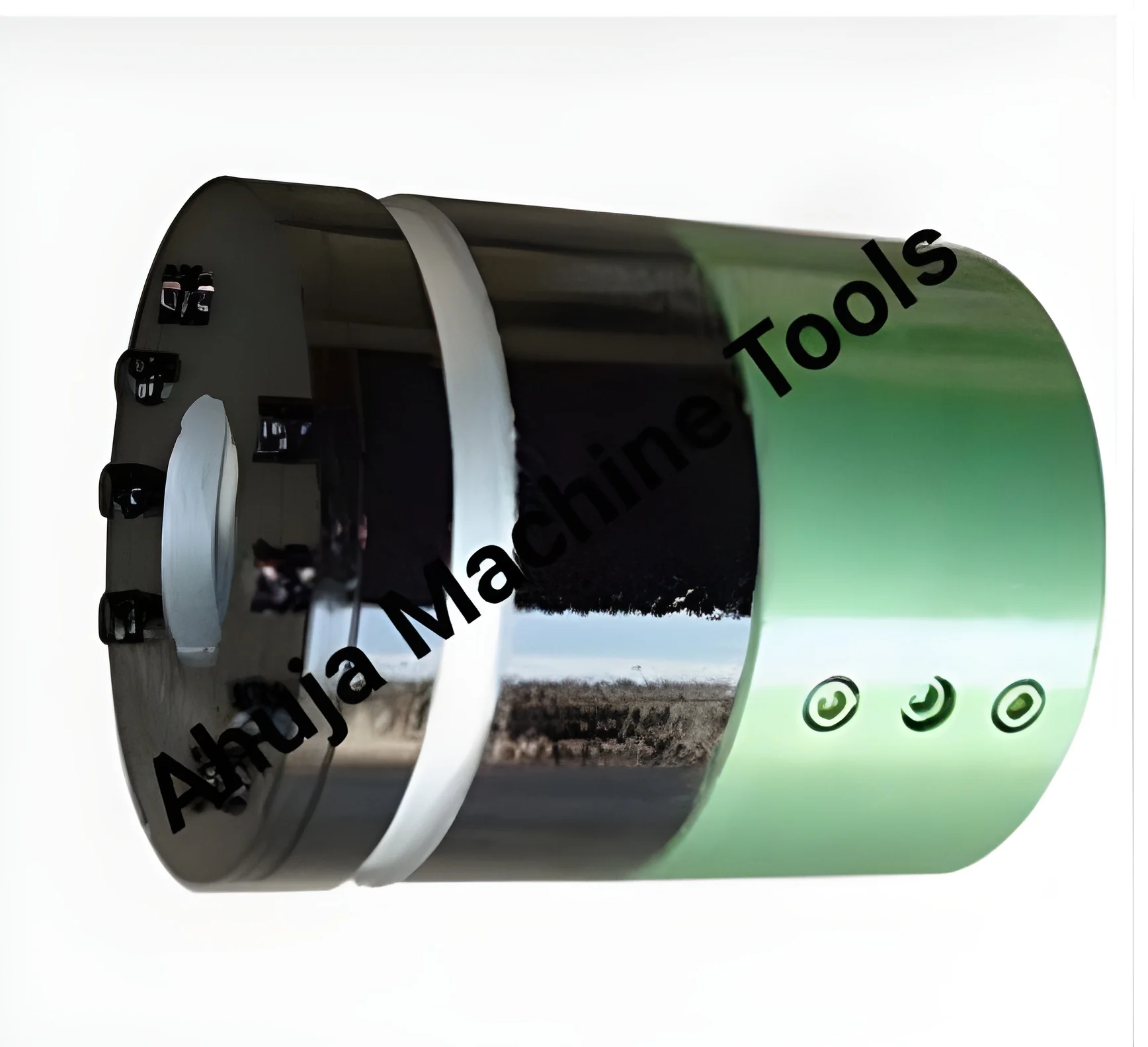
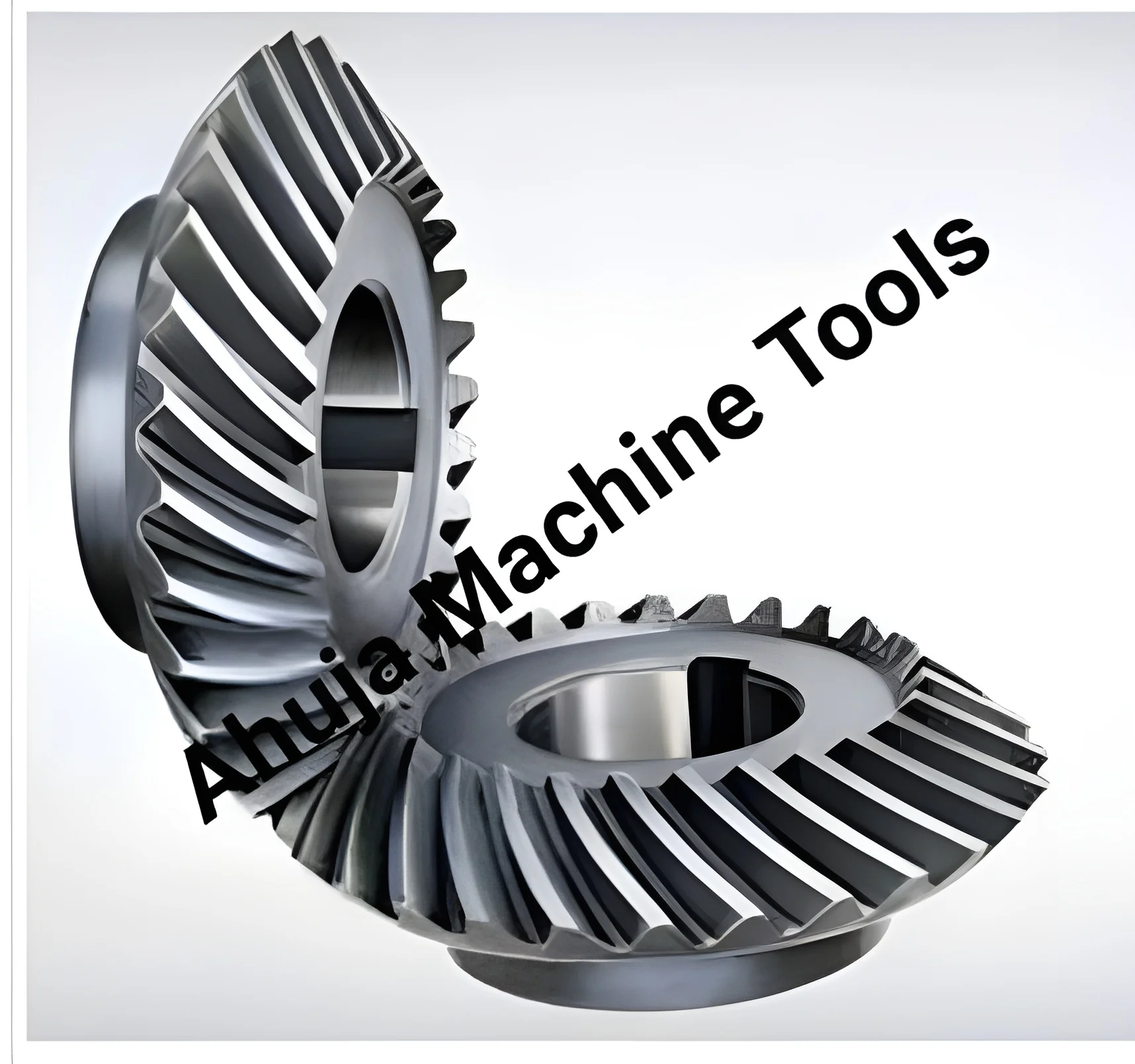
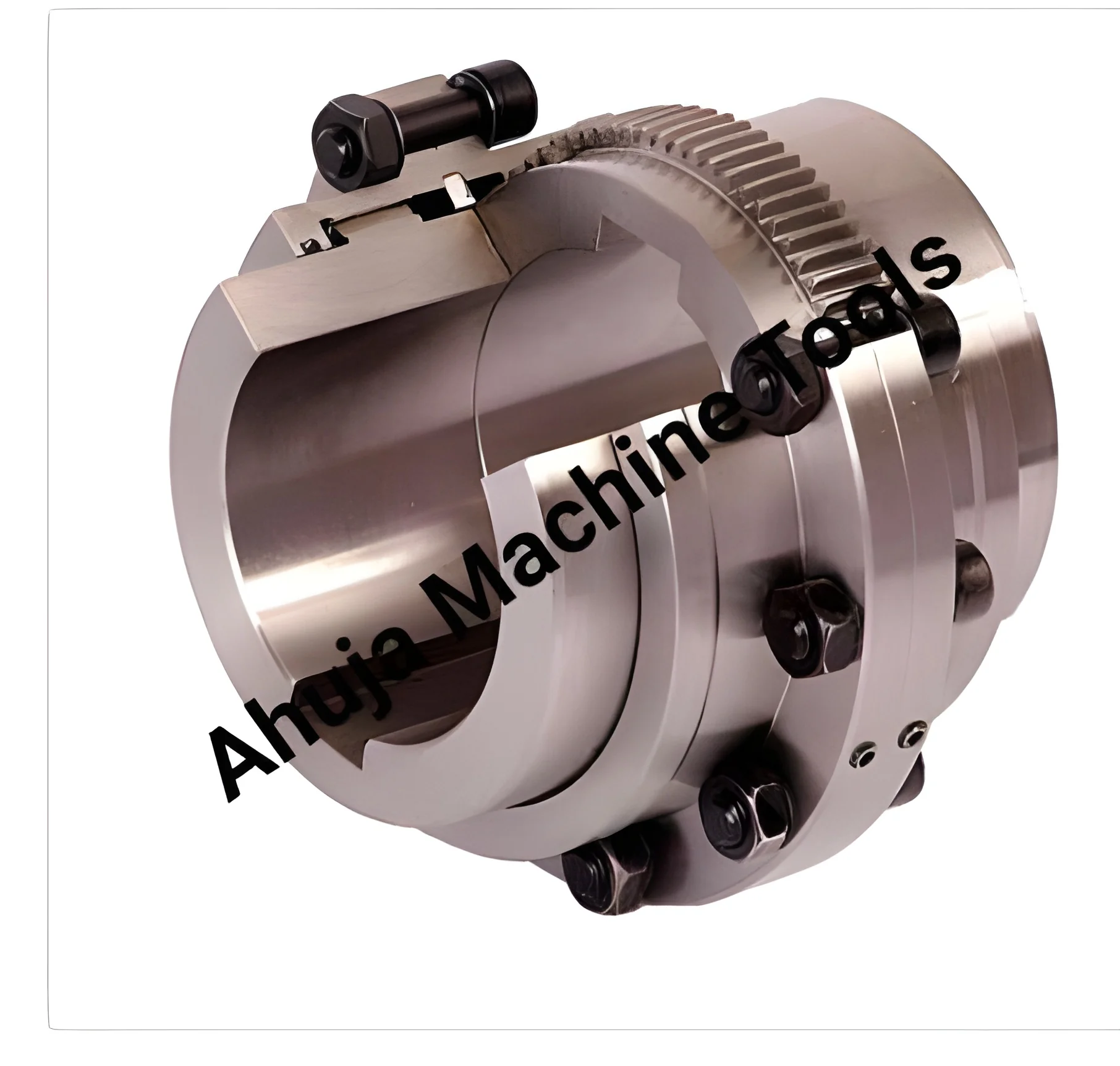
Gear couplings represent precision-engineered mechanical components designed to create reliable connections between rotating shafts in industrial power transmission systems. These couplings utilize interlocking gear teeth between two hubs and a connecting sleeve to transmit torque efficiently while accommodating various types of shaft misalignment. The design allows for angular, parallel, and axial displacement between connected shafts, preventing excessive bearing loads and reducing vibration transmission. Manufactured from high-strength alloy steels and subjected to precise machining and heat treatment processes, gear couplings deliver exceptional durability and performance consistency across demanding industrial applications. Their robust construction ensures minimal maintenance requirements while providing reliable service in environments where equipment reliability directly impacts operational continuity and productivity.

These couplings find extensive application across multiple...
Gear couplings represent precision-engineered mechanical components designed to create reliable connections between rotating shafts in industrial power transmission systems. These couplings utilize interlocking gear teeth between two hubs and a connecting sleeve to transmit torque efficiently while accommodating various types of shaft misalignment. The design allows for angular, parallel, and axial displacement between connected shafts, preventing excessive bearing loads and reducing vibration transmission. Manufactured from high-strength alloy steels and subjected to precise machining and heat treatment processes, gear couplings deliver exceptional durability and performance consistency across demanding industrial applications. Their robust construction ensures minimal maintenance requirements while providing reliable service in environments where equipment reliability directly impacts operational continuity and productivity.

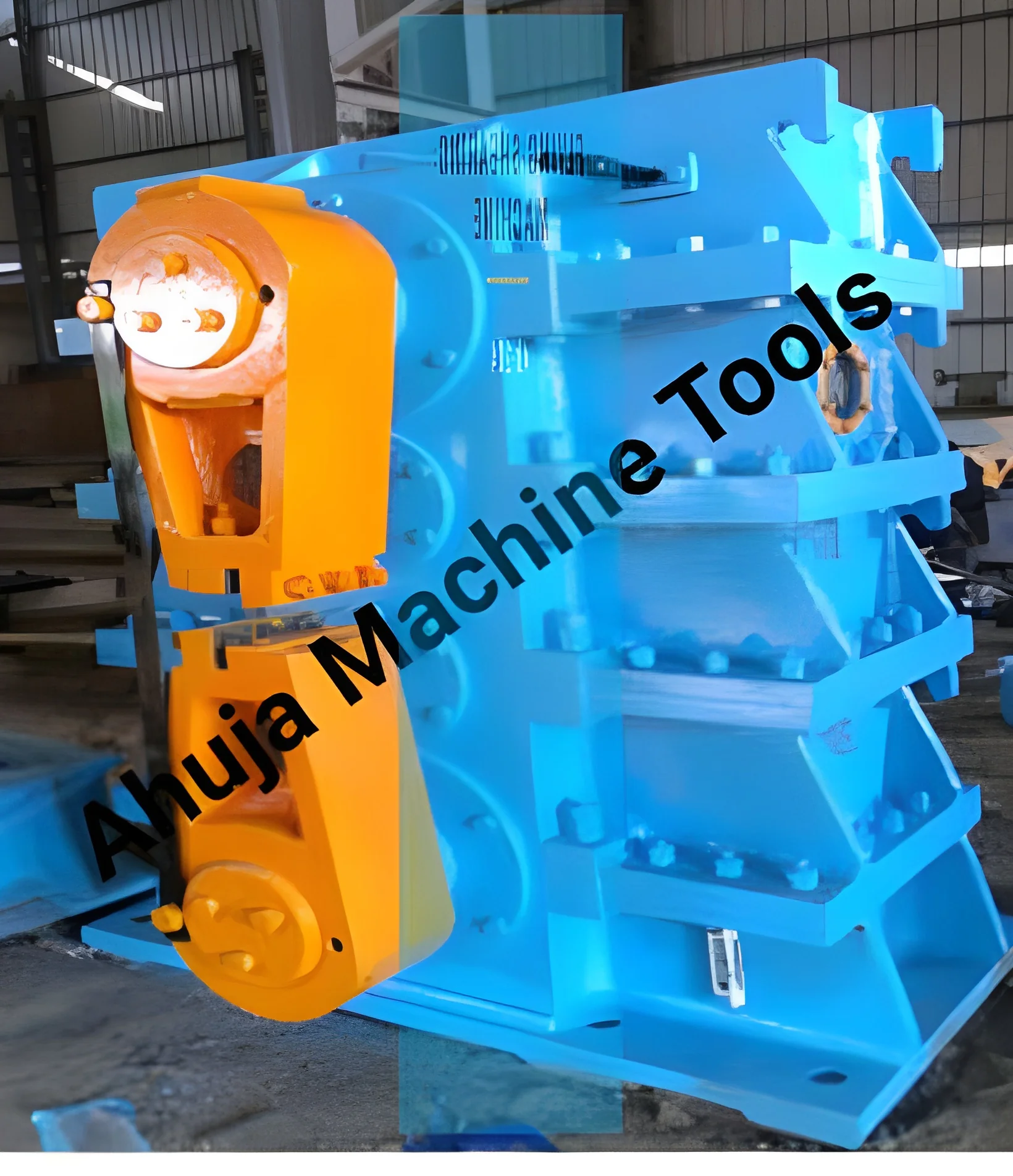
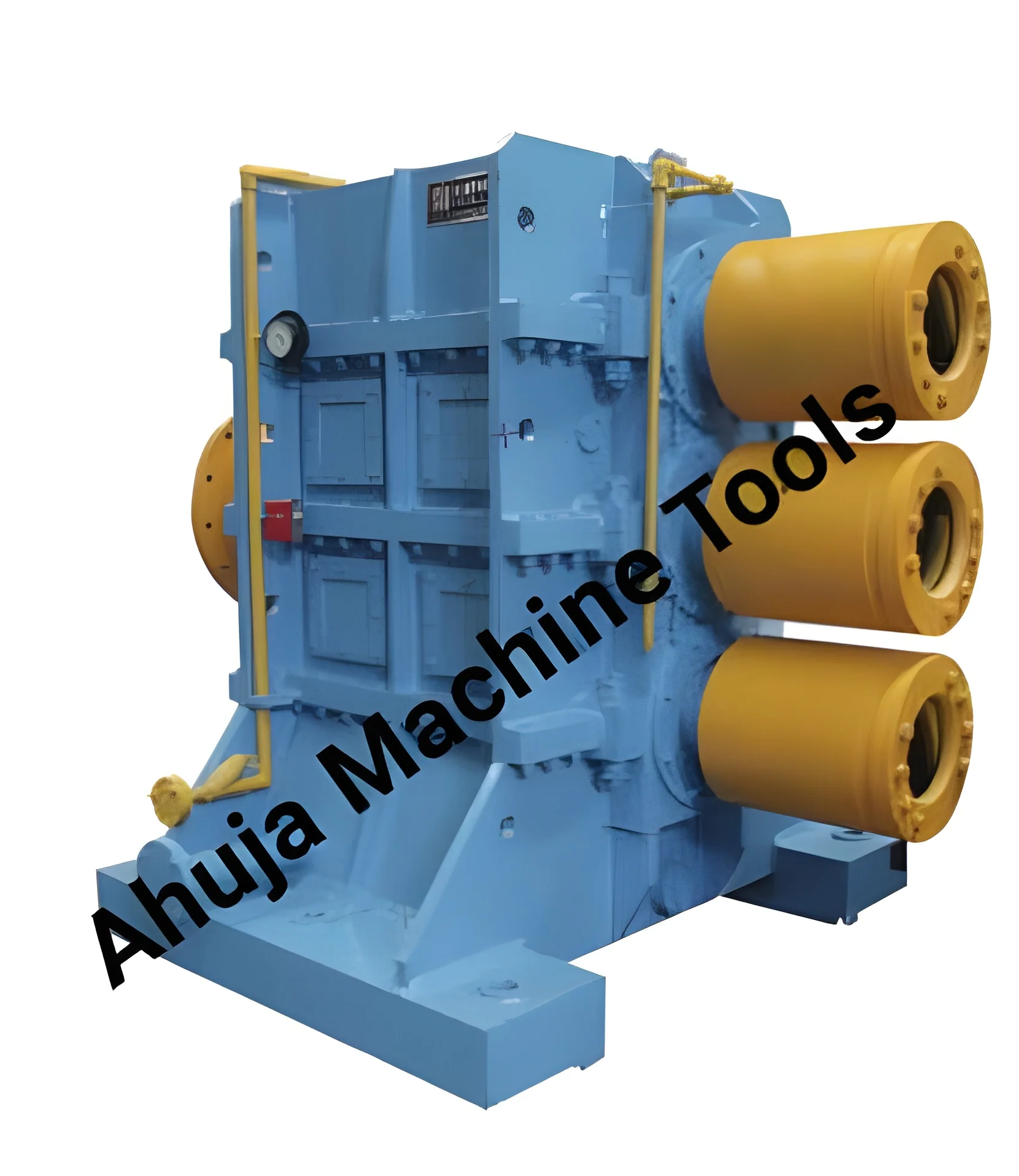
These couplings find extensive application across multiple industrial sectors where reliable power transmission is critical to operations. In steel manufacturing, they connect rolling mill drives and processing equipment, handling extreme torque loads while compensating for thermal expansion and operational misalignment. Processing industries utilize gear couplings in pump and compressor drives within chemical plants, refineries, and water treatment facilities where continuous operation is essential. Material handling systems in mining, logistics, and manufacturing rely on these couplings for conveyor drives and lifting equipment. Power generation facilities employ them in turbine-generator connections and auxiliary drives, while marine applications include propulsion systems and deck machinery where space constraints and reliability are paramount considerations.

The business value of gear couplings lies in their ability to enhance equipment reliability, reduce maintenance costs, and extend machinery service life. By effectively compensating for shaft misalignment, they prevent premature bearing failure, reduce vibration-induced damage, and minimize unplanned downtime in production systems. Their high torque density allows for compact designs that save valuable space in machinery layouts while maintaining power transmission efficiency. The robust construction and quality manufacturing ensure consistent performance under varying load conditions, from steady-state operations to sudden torque spikes. This reliability translates to reduced operational risks and improved return on investment for industrial equipment, making gear couplings a strategic component in maintaining production continuity and optimizing maintenance schedules across industrial operations.

Key Features:
- High torque transmission capacity with compact design dimensions
- Accommodates angular, parallel, and axial shaft misalignment
- Precision-machined gear teeth for smooth power transfer
- High-strength alloy steel construction with heat treatment
- Standardized dimensions for easy replacement and interchangeability

Benefits:
- Reduces bearing loads and extends connected equipment life
- Minimizes vibration transmission between connected machinery
- Provides reliable performance under varying load conditions
- Low maintenance requirements with long service intervals
- Enhances overall system reliability and operational continuity
Specifications
| Additional Information | |
|---|---|
| Country of Origin | India |
Application
Gear couplings serve as critical components in heavy-duty power transmission systems where reliable torque transfer is essential. Their ability to accommodate angular, parallel, and axial misalignment makes them indispensable in applications where perfect shaft alignment is challenging to maintain during operation, reducing stress on connected equipment and extending machinery life.
These robust couplings excel in environments with high torque demands and continuous operation cycles. Their compact design and high power density make them suitable for space-constrained installations while maintaining exceptional performance under varying load conditions, from steady-state operations to sudden torque spikes in industrial settings.
- Steel mills and rolling equipment requiring high torque transmission with misalignment compensation
- Industrial pumps, compressors, and blowers in processing plants and refineries
- Conveyor systems and material handling equipment in mining and manufacturing
- Power generation equipment including turbines and generator drives
- Marine propulsion systems and heavy machinery drives
Trade Details
| Available Stock | In Stock |
| Sample Availability | No |
Payment Terms
| Payment Terms |
|
Company Profile

Ahuja Machine Tools, Punjab
 Punjab, India
Punjab, IndiaManufacturer•Retailer
Factory Details
Factory SizeBelow 1000 sqm
Gear Coupling
Gear coupling is a high-torque mechanical connector for industrial power transmission systems, featuring interlocking gear teeth that compensate for shaft misalignment while ensuring reliable motion transfer in demanding applications.
Min. Order Quantity: 1
Shipping
Shipping fee and delivery date to be negotiated. Contact supplier now for more details.
Ahuja Machine Tools
 Punjab, India
Punjab, IndiaManufacturer