IN
IN₹
Description
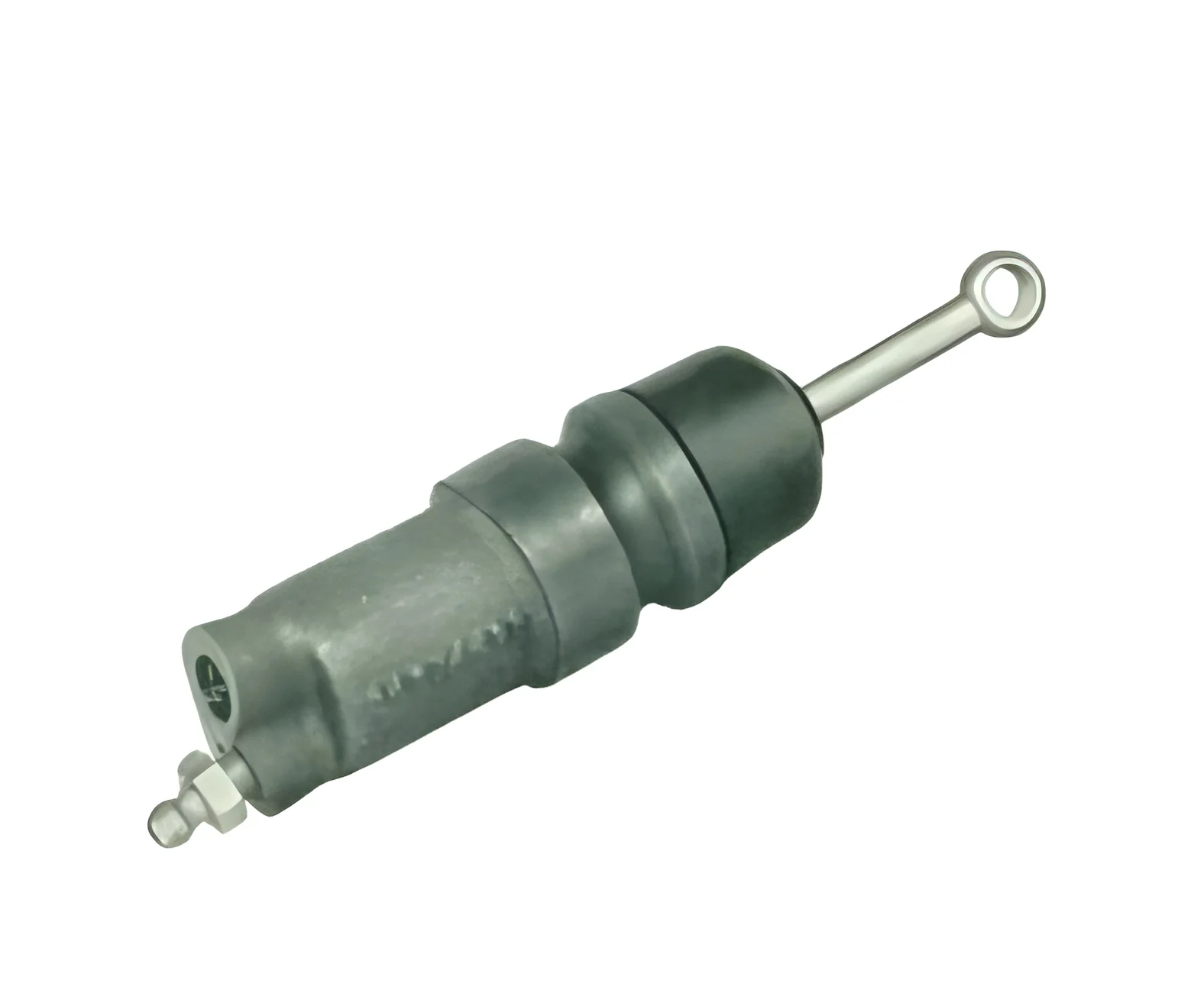
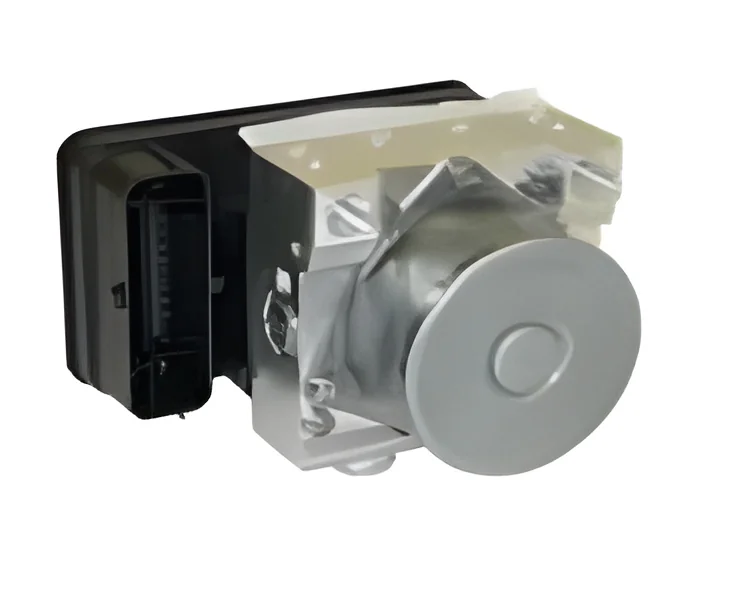
Automotive Slip Control Systems are sophisticated electronic stability components designed to actively enhance vehicle safety by preventing wheel slip. By continuously monitoring individual wheel speeds, these systems can instantly apply corrective braking force or modulate engine torque the moment a loss of traction is detected. This immediate intervention helps maintain the vehicle's intended path during acceleration, cornering, or braking, significantly improving overall stability and driver control. Manufactured with high precision, these units are built for reliable performance across diverse and challenging road conditions, from icy highways to wet city streets, providing a critical layer of safety for modern vehicles.

These systems are integral to the automotive manufacturing and aftermarket sectors, serving a broad spectrum of the industry. Original Equipment Manufacturers (OEMs) incorporate them into new passenger cars, SUVs, and light commercial vehicles to meet stringent gl...
Automotive Slip Control Systems are sophisticated electronic stability components designed to actively enhance vehicle safety by preventing wheel slip. By continuously monitoring individual wheel speeds, these systems can instantly apply corrective braking force or modulate engine torque the moment a loss of traction is detected. This immediate intervention helps maintain the vehicle's intended path during acceleration, cornering, or braking, significantly improving overall stability and driver control. Manufactured with high precision, these units are built for reliable performance across diverse and challenging road conditions, from icy highways to wet city streets, providing a critical layer of safety for modern vehicles.

These systems are integral to the automotive manufacturing and aftermarket sectors, serving a broad spectrum of the industry. Original Equipment Manufacturers (OEMs) incorporate them into new passenger cars, SUVs, and light commercial vehicles to meet stringent global safety standards and consumer expectations. Furthermore, the technology is vital for fleet operators managing logistics, delivery, and transport services, where vehicle and cargo safety are paramount. Specialty vehicle builders for sectors like emergency services and off-road applications also rely on these systems to ensure their vehicles can perform reliably in extreme and unpredictable operating environments.

The business value of integrating these slip control systems lies in their proven reliability and direct contribution to risk reduction. For vehicle manufacturers, they enhance product safety ratings and brand reputation. For commercial operators, they help prevent accidents, reduce wear on tires and brakes, and protect valuable cargo. The differentiator of these specific systems is their robust construction and consistent performance, backed by rigorous testing. This reliability translates into lower long-term ownership costs, fewer warranty claims, and greater trust from end-users who depend on their vehicles for daily operations and safety.

Key Features:
- High-precision electronic control unit for real-time wheel speed monitoring.
- Integrated functionality to work alongside Anti-lock Braking Systems (ABS) and Engine Control Units (ECU).
- Robust design built for reliable operation across varying temperatures and road conditions.
- Compact and durable housing suitable for demanding automotive environments.
- Standardized mounting and electrical interfaces for straightforward vehicle integration.

Benefits:
- Significantly enhances vehicle stability and driver control during acceleration and braking.
- Reduces the risk of skidding and loss of traction on wet, icy, or uneven road surfaces.
- Helps extend the operational life of tires and brake components by preventing wheel lock-up.
- Contributes to meeting and exceeding international automotive safety standards and protocols.
- Provides a trusted safety solution for manufacturers, fleets, and vehicle operators seeking proven reliability.
Specifications
| Additional Information | |
|---|---|
| Country of Origin | 106 |
Application
These high-precision slip control systems are engineered to integrate seamlessly with modern vehicle safety architectures. They provide critical intervention during loss of traction, ensuring consistent performance whether on wet roads, loose gravel, or during emergency maneuvers. This makes them a fundamental component for any manufacturer prioritizing active safety and driver confidence in their vehicles.
Beyond basic safety, these systems are designed for durability and consistent operation under the demanding conditions of daily use. They support a wide range of vehicle platforms, from urban commuter cars to utility vehicles, by actively managing wheel speed to prevent skidding and maintain directional control. Their robust design ensures long-term reliability, which is essential for fleet operators and manufacturers aiming to reduce operational risks and enhance vehicle uptime.
- Passenger Cars: Enhances driver control and safety during sudden stops or on slippery surfaces like rain-slicked roads.
- Commercial Fleets: Improves stability for trucks and vans, especially when carrying heavy loads or navigating uneven terrain.
- Utility & Off-road Vehicles: Provides essential traction control in low-grip environments such as mud, snow, or loose dirt.
- Public Transport Buses: Increases passenger safety by preventing wheel lock-up and skidding during frequent stops and starts.
- Emergency Service Vehicles: Ensures maximum stability and control is maintained during high-speed response driving in varied conditions.
Trade Details
| Available Stock | In Stock |
| Sample Availability | No |
Payment Terms
| Payment Terms |
|
Shipping & Logistics
| Port of Dispatch | Chennai |
Company Profile
Brakes India Pvt. Ltd, Tamil Nadu
 Tamil Nadu, India
Tamil Nadu, IndiaAutomotive & Transport•Manufacturer•Distributor / Wholesaler
Factory Details
Factory SizeBelow 1000 sqm
Brakes India Automotive Slip Control Systems For Vehicle Stability & Traction
Automotive Slip Control Systems by Brakes India enhance vehicle stability, improve traction, and reduce wheel slip during braking or acceleration for reliable performance across all road conditions.
Min. Order Quantity: 10 Unit
Shipping
Shipping fee and delivery date to be negotiated. Contact supplier now for more details.
Brakes India Pvt. Ltd
 Tamil Nadu, India
Tamil Nadu, IndiaAutomotive & TransportManufacturer