IN
₹
Apparel & Fashion
Description
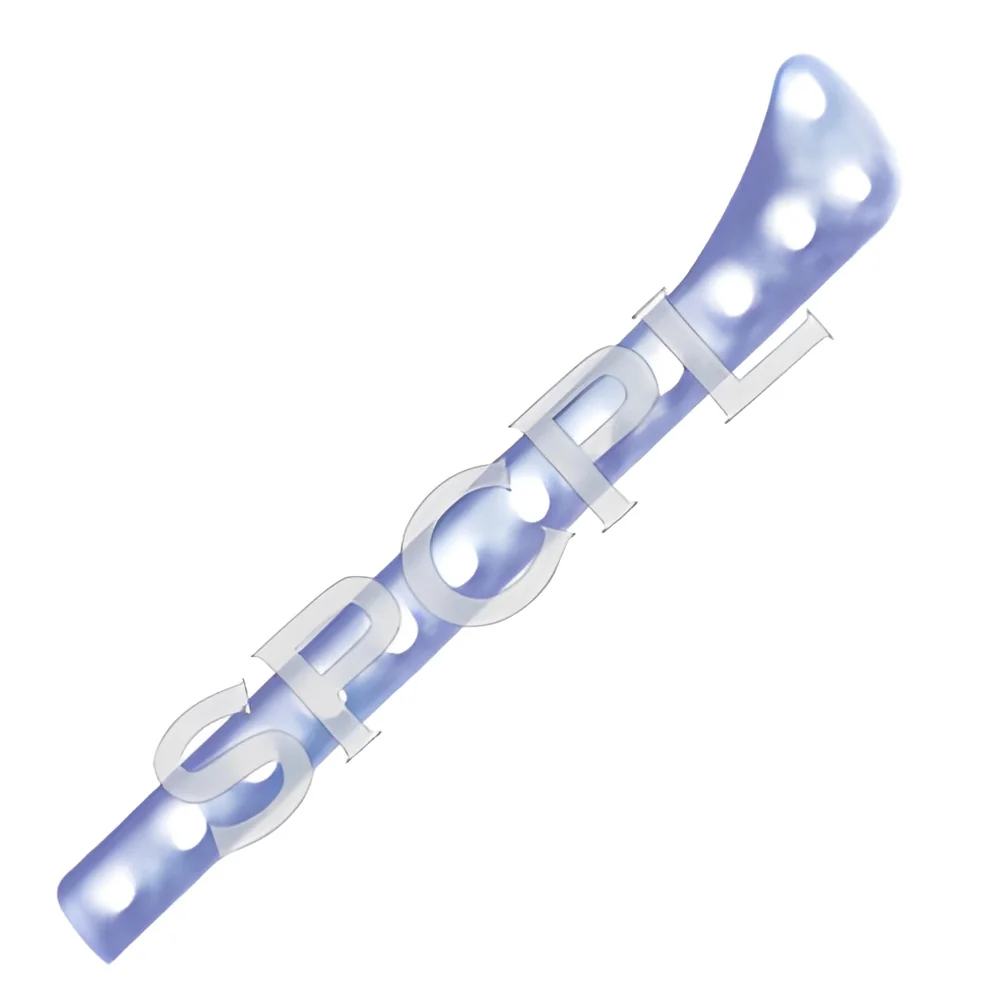
The anatomical proximal medial tibia plate represents advanced orthopedic implant technology specifically engineered for proximal tibia fracture management. This specialized medical device features precise anatomical contouring that mirrors the natural shape of the medial tibial plateau, ensuring optimal fit and stability during fracture fixation procedures. Available in both left and right configurations, the plate accommodates bilateral symmetry while providing surgeons with instrumentation-friendly design features. Manufactured from medical-grade stainless steel or titanium alloys, the implant delivers excellent biocompatibility and mechanical strength required for weight-bearing bone applications. The comprehensive hole system provides multiple options for screw placement, enabling customized fixation strategies based on individual patient anatomy and fracture patterns.

This specialized orthopedic implant serves multiple healthcare environments including trauma centers, orthopedic...
The anatomical proximal medial tibia plate represents advanced orthopedic implant technology specifically engineered for proximal tibia fracture management. This specialized medical device features precise anatomical contouring that mirrors the natural shape of the medial tibial plateau, ensuring optimal fit and stability during fracture fixation procedures. Available in both left and right configurations, the plate accommodates bilateral symmetry while providing surgeons with instrumentation-friendly design features. Manufactured from medical-grade stainless steel or titanium alloys, the implant delivers excellent biocompatibility and mechanical strength required for weight-bearing bone applications. The comprehensive hole system provides multiple options for screw placement, enabling customized fixation strategies based on individual patient anatomy and fracture patterns.

This specialized orthopedic implant serves multiple healthcare environments including trauma centers, orthopedic specialty hospitals, and multi-specialty surgical facilities. Orthopedic surgeons utilize these plates primarily in trauma surgery for managing complex proximal tibia fractures resulting from high-impact injuries, sports accidents, and age-related fractures. The device proves particularly valuable in teaching hospitals and research institutions where advanced fracture management techniques are practiced and refined. Veterinary orthopedic specialists have also adapted similar principles for large animal fracture management, especially in equine and canine orthopedic practices where tibial fractures require comparable stabilization approaches.

The anatomical proximal medial tibia plate delivers significant clinical value through reliable performance in challenging fracture scenarios. Its biomechanical design ensures stable fixation that supports early mobilization protocols, potentially reducing hospital stays and improving patient recovery outcomes. The availability in both stainless steel and titanium materials allows medical professionals to select based on patient-specific considerations including MRI compatibility requirements and long-term implantation needs. Manufacturers differentiate their products through precision engineering, rigorous quality control processes, and customization capabilities that meet specific surgical protocol requirements. These reliability factors establish the implant as a trusted choice for orthopedic professionals seeking predictable outcomes in complex fracture management.

Key Features:
- Anatomical design precisely contoured to medial tibial plateau anatomy
- Available in both left and right configurations for bilateral applications
- Manufactured from medical-grade stainless steel or titanium alloys
- Comprehensive hole configuration system with multiple placement options
- Engineered specifically for proximal tibia fracture fixation procedures

Benefits:
- Enhanced stability and support during fracture healing process
- Versatile application across various fracture patterns and patient types
- Biocompatible materials suitable for long-term implantation
- Flexible screw placement accommodating individual anatomical variations
- Reliable performance in complex trauma and revision scenarios
Specifications
| Additional Information | |
|---|---|
| Country of Origin | India |
Application
This anatomical proximal medial tibia plate is engineered for surgical management of complex proximal tibia fractures. Its contoured design matches natural medial tibial plateau anatomy, delivering optimal stability and support throughout the healing process while facilitating accurate reduction and fixation of metaphyseal and articular fractures.
Orthopedic specialists rely on this plate for treating diverse fracture patterns including Schatzker types I-VI, high-energy trauma cases, and osteoporotic fractures. The comprehensive hole configuration enables versatile screw placement accommodating different fracture geometries and bone quality requirements while maintaining biomechanical stability during rehabilitation.
- Surgical repair of complex proximal tibia fractures including bicondylar and plateau fractures
- Treatment of high-energy trauma cases from automotive accidents or falls from height
- Management of osteoporotic fractures in elderly patients requiring stable fixation
- Revision surgery cases where previous fixation methods have proven inadequate
- Sports medicine applications for athletes with tibial plateau fractures from impact injuries
Trade Details
| Available Stock | In Stock |
| Sample Availability | No |
Payment Terms
| Payment Terms |
|
Company Profile

Bharucha Associates, Gujarat
 Gujarat, India
Health & Personal Care•Distributor / Wholesaler•Retailer•Importer / Exporter
Factory Details
Factory SizeBelow 1000 sqm
Annual Production Capacity0
Orthopedic Surgery Anatomical Proximal Medial Tibia Plate Stainless Steel Titanium
Premium anatomical proximal medial tibia plate for orthopedic surgery, available in left/right configurations. Medical-grade stainless steel or titanium with multiple hole options for precise fracture fixation in proximal tibia procedures.
Min. Order Quantity: 1 unit
Shipping
Shipping fee and delivery date to be negotiated. Contact supplier now for more details.
Bharucha Associates
 Gujarat, India
Health & Personal CareDistributor / Wholesaler