IN
₹
Apparel & Fashion
Description
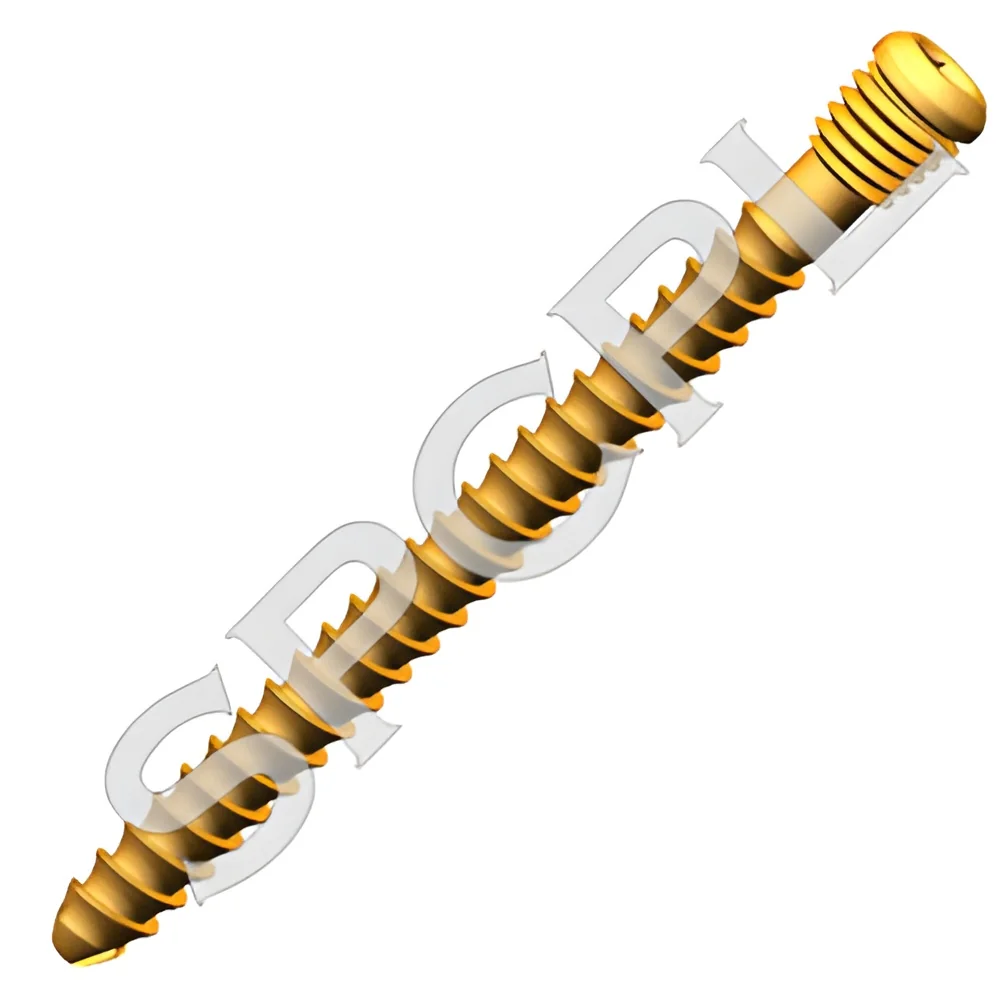
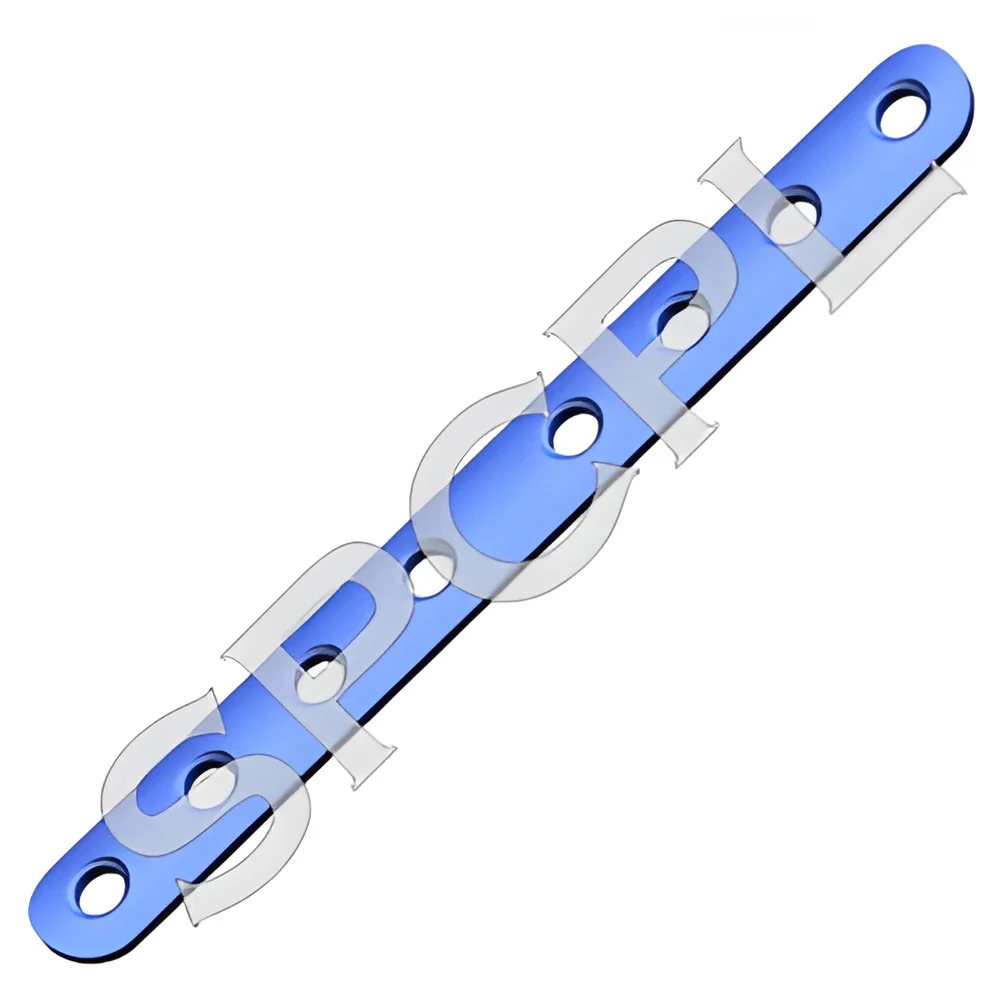
The Orthopedic Trauma Surgery 3rd Tubular Plate represents advanced implant technology specifically engineered for radius and ulna fracture management. This surgical plate delivers exceptional stability and support for bone healing processes, manufactured from either medical-grade stainless steel or premium titanium materials. Featuring multiple hole configurations ranging from 3 to 12 holes, surgeons can select the optimal size for each specific fracture pattern and patient anatomy. The tubular design ensures maximum strength without excessive bulk, while precision engineering guarantees perfect fit and functionality during surgical procedures. This implant facilitates anatomical reduction and maintains fracture alignment throughout the healing process, establishing itself as an essential tool in modern orthopedic trauma surgery with proven clinical effectiveness.

This orthopedic implant serves extensive applications across multiple healthcare environments including hospital operatin...
The Orthopedic Trauma Surgery 3rd Tubular Plate represents advanced implant technology specifically engineered for radius and ulna fracture management. This surgical plate delivers exceptional stability and support for bone healing processes, manufactured from either medical-grade stainless steel or premium titanium materials. Featuring multiple hole configurations ranging from 3 to 12 holes, surgeons can select the optimal size for each specific fracture pattern and patient anatomy. The tubular design ensures maximum strength without excessive bulk, while precision engineering guarantees perfect fit and functionality during surgical procedures. This implant facilitates anatomical reduction and maintains fracture alignment throughout the healing process, establishing itself as an essential tool in modern orthopedic trauma surgery with proven clinical effectiveness.

This orthopedic implant serves extensive applications across multiple healthcare environments including hospital operating rooms, trauma centers, and specialized orthopedic clinics. It proves particularly valuable in emergency trauma surgery where rapid and stable fracture fixation becomes critical for patient recovery outcomes. The plate is utilized by orthopedic surgeons, trauma specialists, and surgical teams managing patients with forearm fractures resulting from accidents, sports injuries, or age-related bone conditions. Medical device distributors supply these implants to both public healthcare institutions and private medical facilities, ensuring availability for urgent surgical interventions and planned orthopedic procedures while maintaining consistent quality standards across all healthcare delivery settings.

The 3rd tubular plate delivers significant value through its proven reliability and surgical effectiveness. Healthcare facilities benefit from reduced operation times and improved patient outcomes, leading to higher satisfaction rates and better resource utilization. The availability of both stainless steel and titanium options provides material selection flexibility while maintaining clinical excellence. Medical distributors and wholesalers can leverage the product's consistent quality and configuration options to build strong partnerships with healthcare providers. The implant's compatibility with standard surgical techniques and instruments ensures seamless integration into existing medical workflows, reducing training requirements and enhancing operational efficiency across healthcare organizations while supporting positive clinical results and patient recovery trajectories.

Key Features:
- Medical-grade stainless steel and titanium material options
- Multiple hole configurations from 3 to 12 holes
- Anatomical design contoured specifically for radius and ulna fractures
- Precision engineering ensuring perfect fit and stable fixation
- Tubular construction providing strength with minimal profile

Benefits:
- Enhanced surgical flexibility through multiple configuration options
- Reliable fracture fixation supporting optimal bone healing
- Material selection based on patient needs and compatibility requirements
- Reduced operation times through optimized surgical workflows
- Proven clinical effectiveness across diverse fracture patterns
Specifications
| Additional Information | |
|---|---|
| Country of Origin | India |
Application
The 3rd tubular plate is engineered for orthopedic trauma surgery, delivering stable fixation for radius and ulna fractures. Its anatomical design ensures optimal contouring to bone structures, making it suitable for both simple and complex fracture patterns requiring rigid internal fixation and accelerated healing support across diverse patient anatomies and clinical scenarios.
Manufactured from medical-grade stainless steel or titanium, this surgical implant offers material selection flexibility based on patient requirements and MRI compatibility needs. The available hole configurations from 3 to 12 holes enable customized surgical approaches, ensuring superior stability and compression across various fracture types while maintaining surgical precision and procedural efficiency in operating environments.
- Open reduction and internal fixation procedures for distal radius fractures
- Surgical management of both-bone forearm fractures requiring stable fixation
- Revision surgeries addressing previously failed fracture fixations
- Emergency orthopedic trauma cases in hospital operating theaters
- Elective orthopedic procedures including corrective osteotomies and non-union treatments
Trade Details
| Available Stock | In Stock |
| Sample Availability | No |
Payment Terms
| Payment Terms |
|
Company Profile

Bharucha Associates, Gujarat
 Gujarat, India
Health & Personal Care•Distributor / Wholesaler•Retailer•Importer / Exporter
Factory Details
Factory SizeBelow 1000 sqm
Annual Production Capacity0
Orthopedic Trauma Surgery 3rd Tubular Plate Radius Ulna Fracture Fixation
Orthopedic Trauma Surgery 3rd Tubular Plate for radius ulna fracture fixation. Available in stainless steel or titanium with 3-12 hole configurations. Trusted by medical professionals for reliable orthopedic support and surgical precision in fracture management.
Min. Order Quantity: 1 unit
Shipping
Shipping fee and delivery date to be negotiated. Contact supplier now for more details.
Bharucha Associates
 Gujarat, India
Health & Personal CareDistributor / Wholesaler