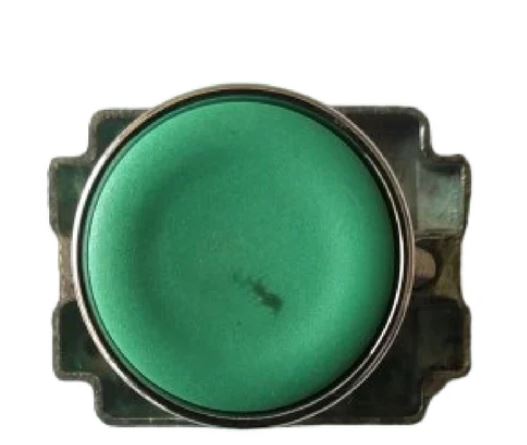
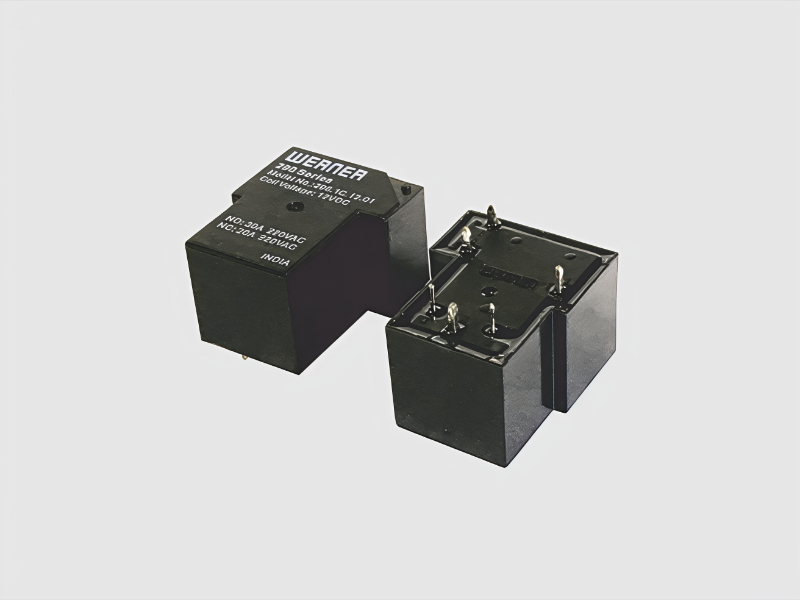
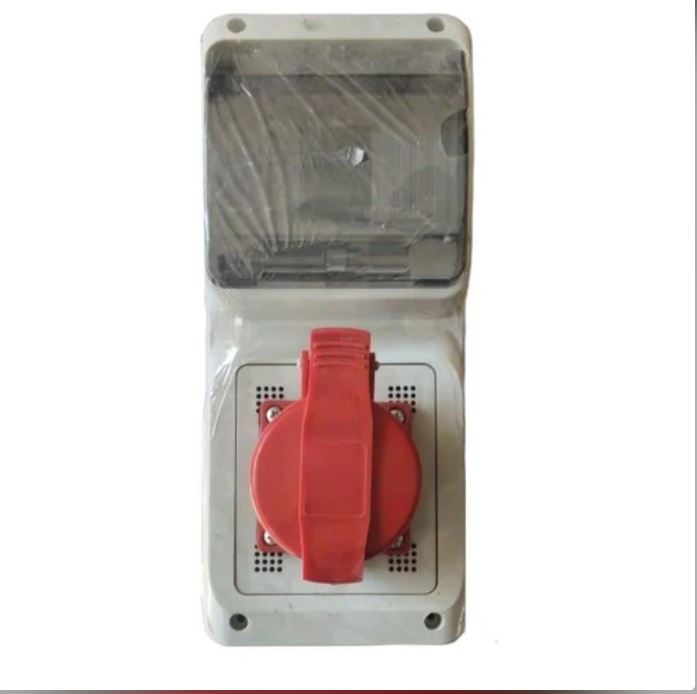
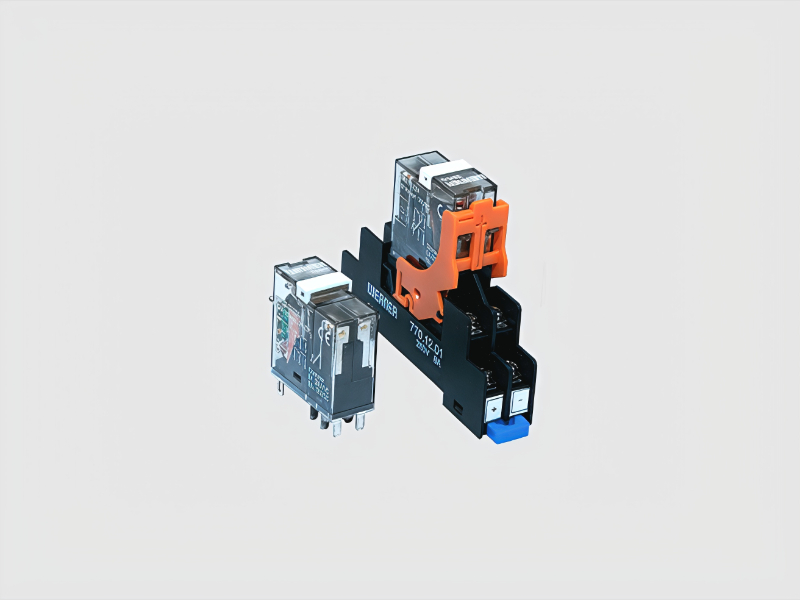
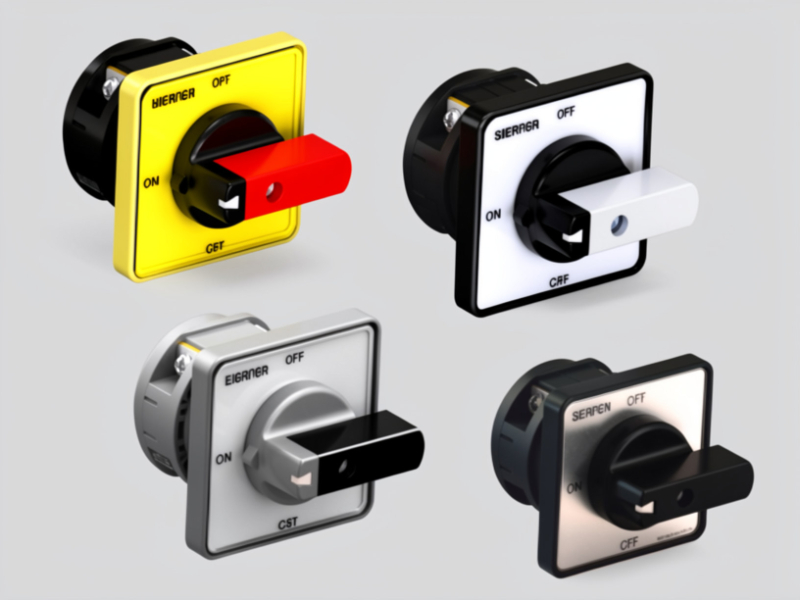
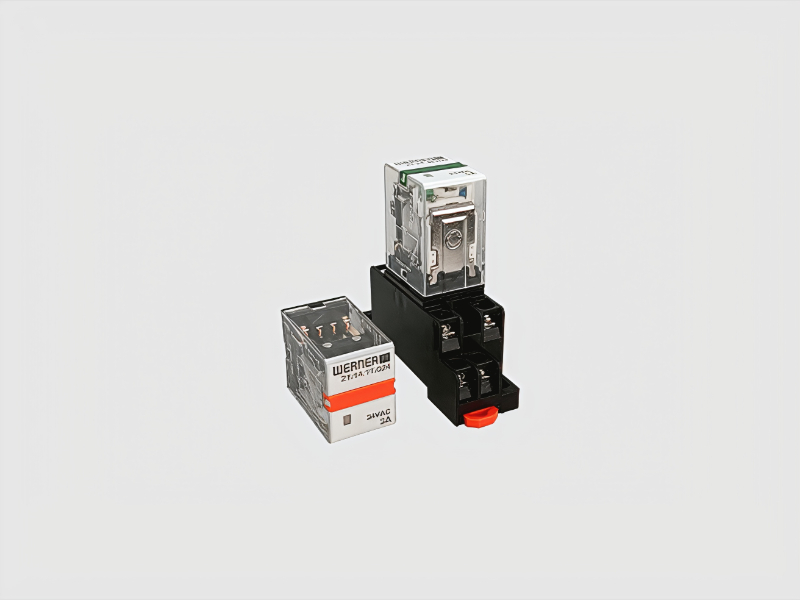
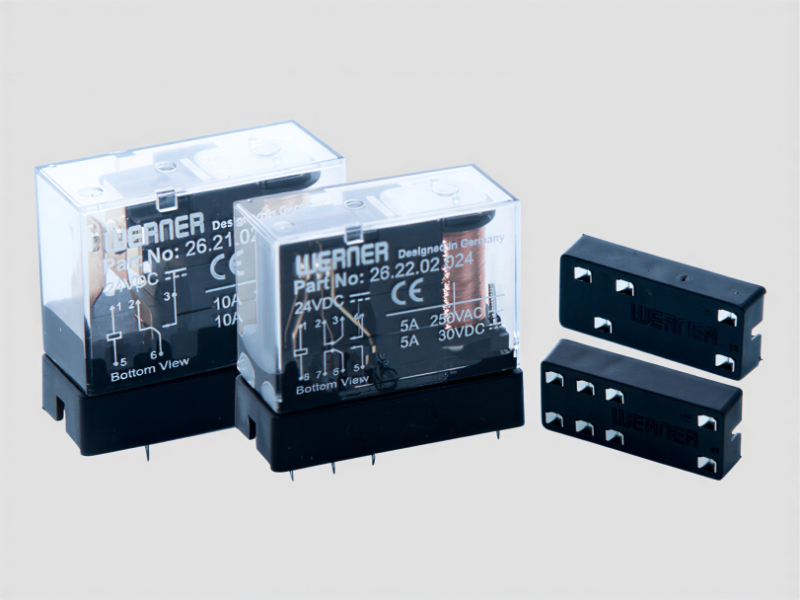
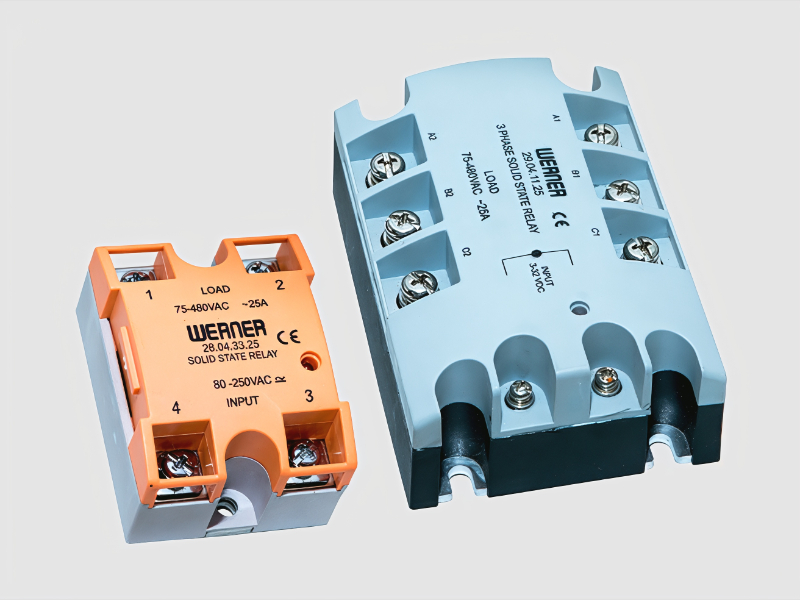
𝗪𝗵𝗮𝘁 𝗮𝗿𝗲 𝗦𝘄𝗶𝘁𝗰𝗵𝗲𝘀, 𝗦𝗼𝗰𝗸𝗲𝘁𝘀 & 𝗣𝗮𝗻𝗲𝗹𝘀?
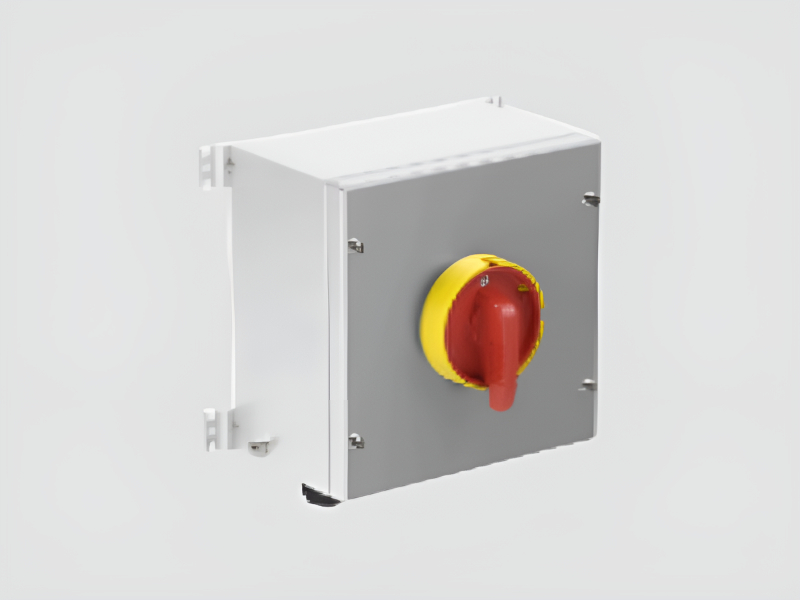
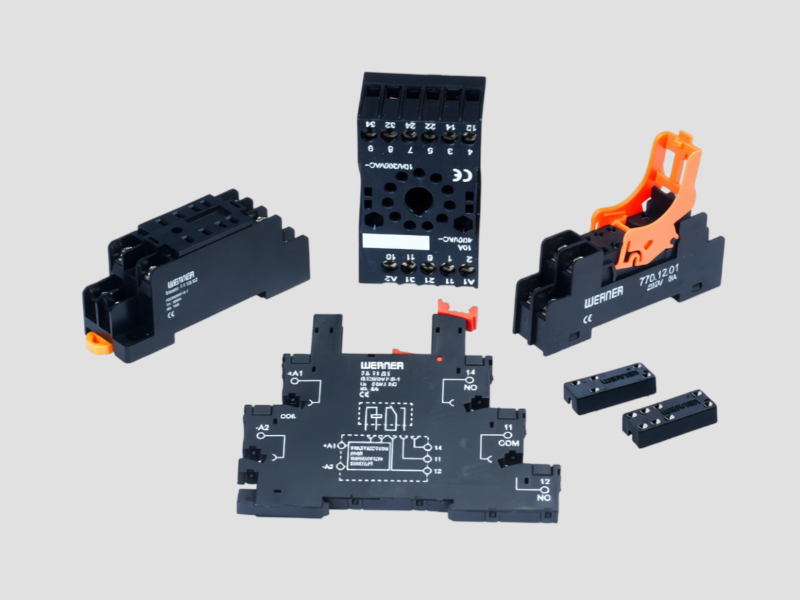
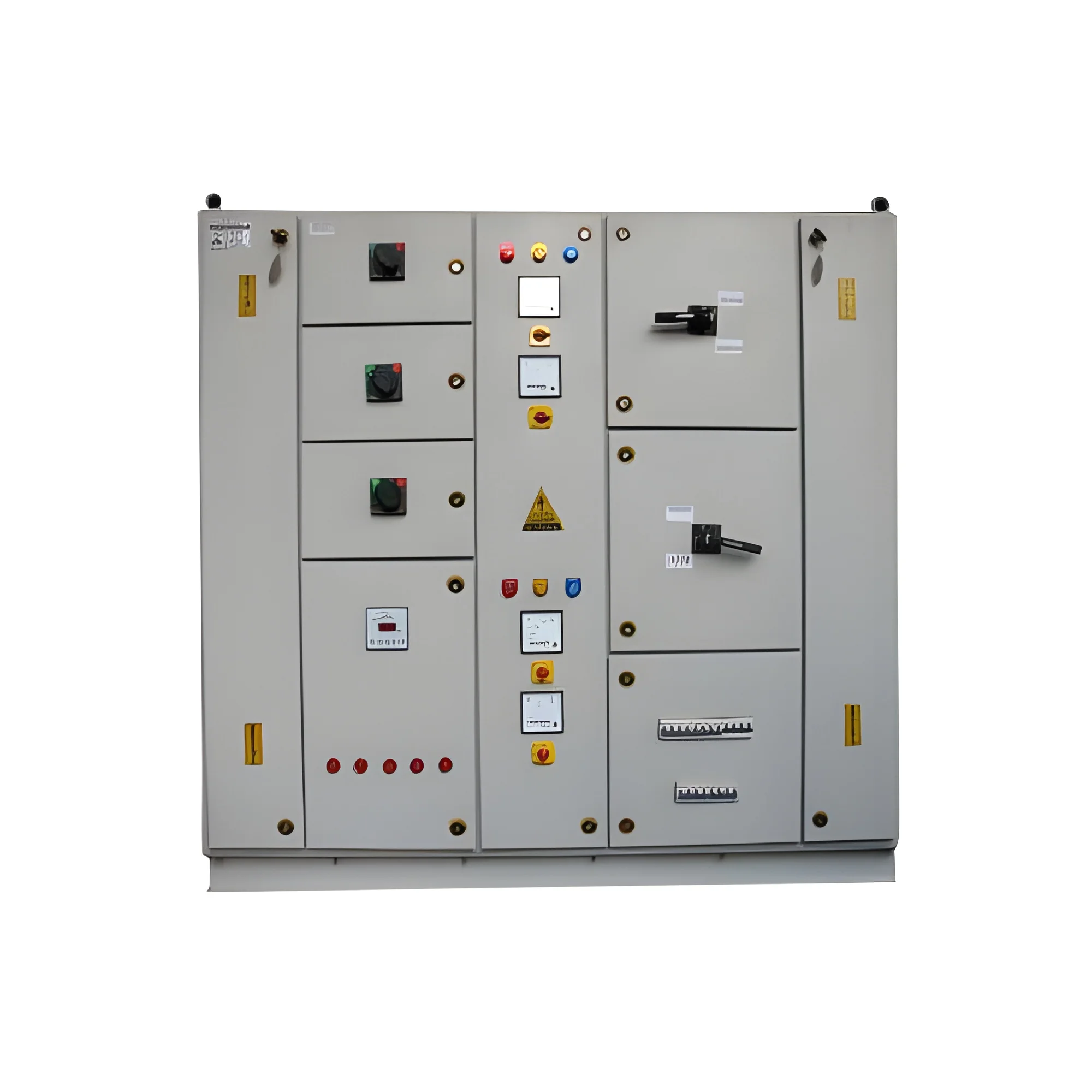
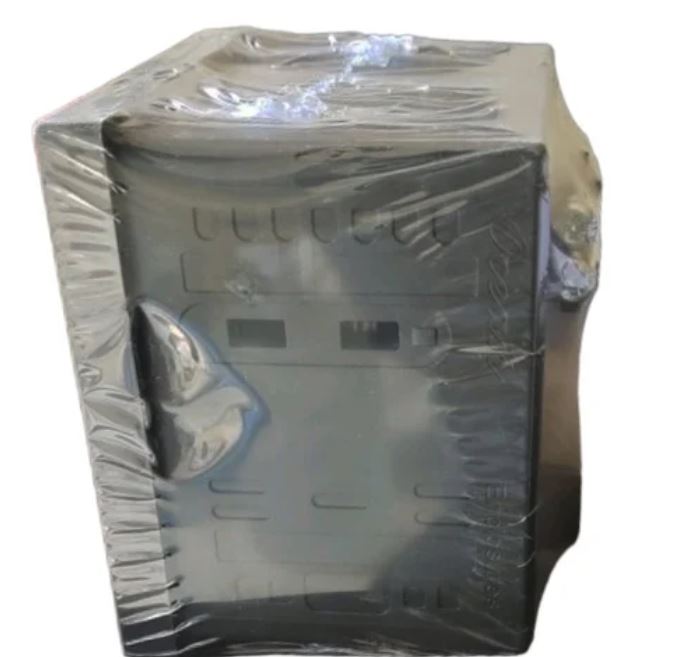
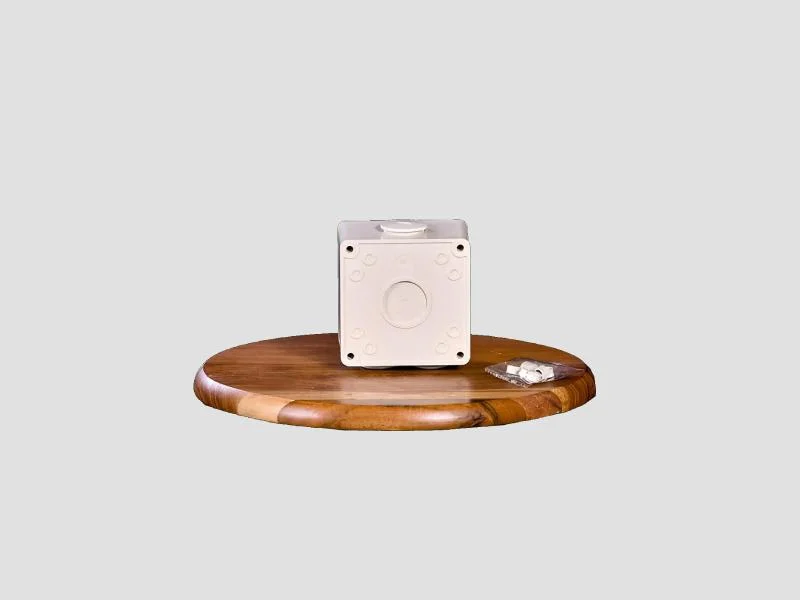
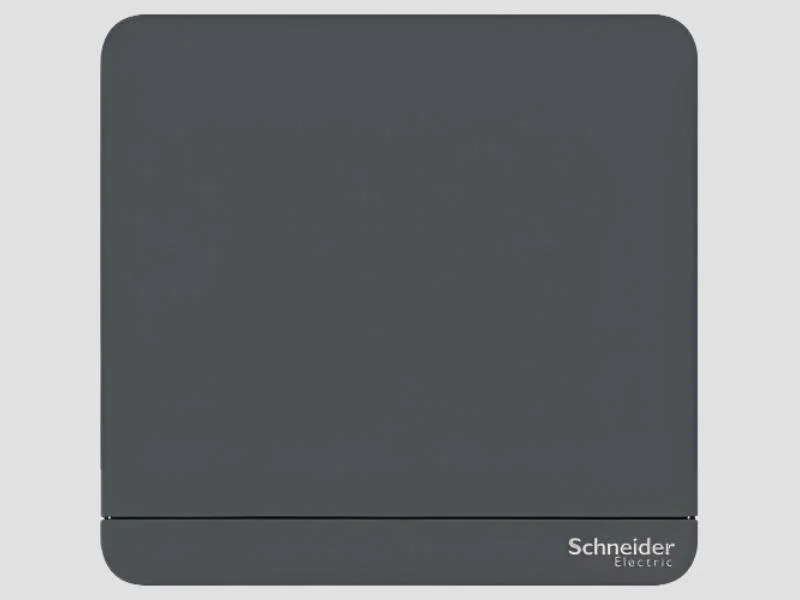
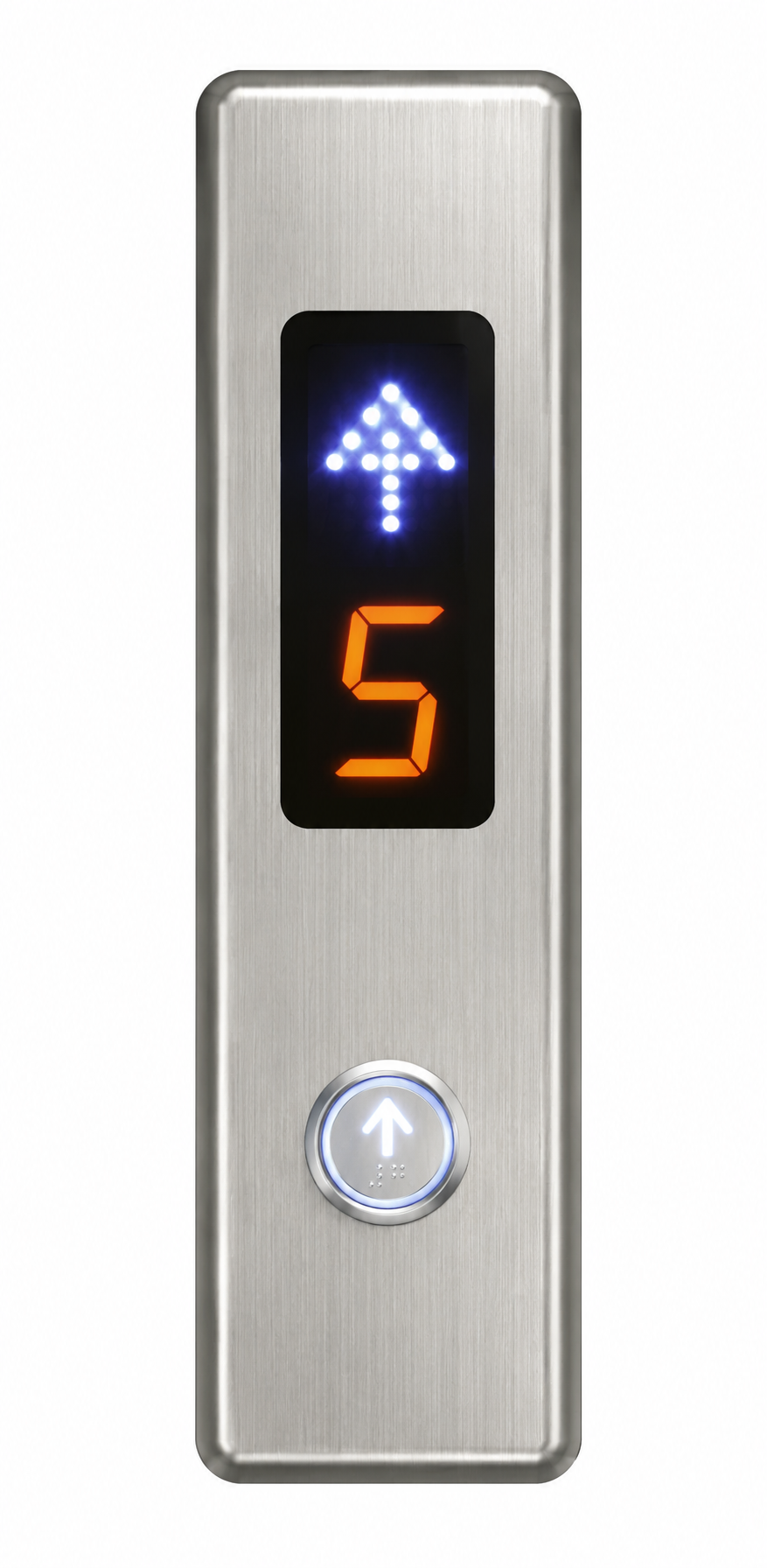
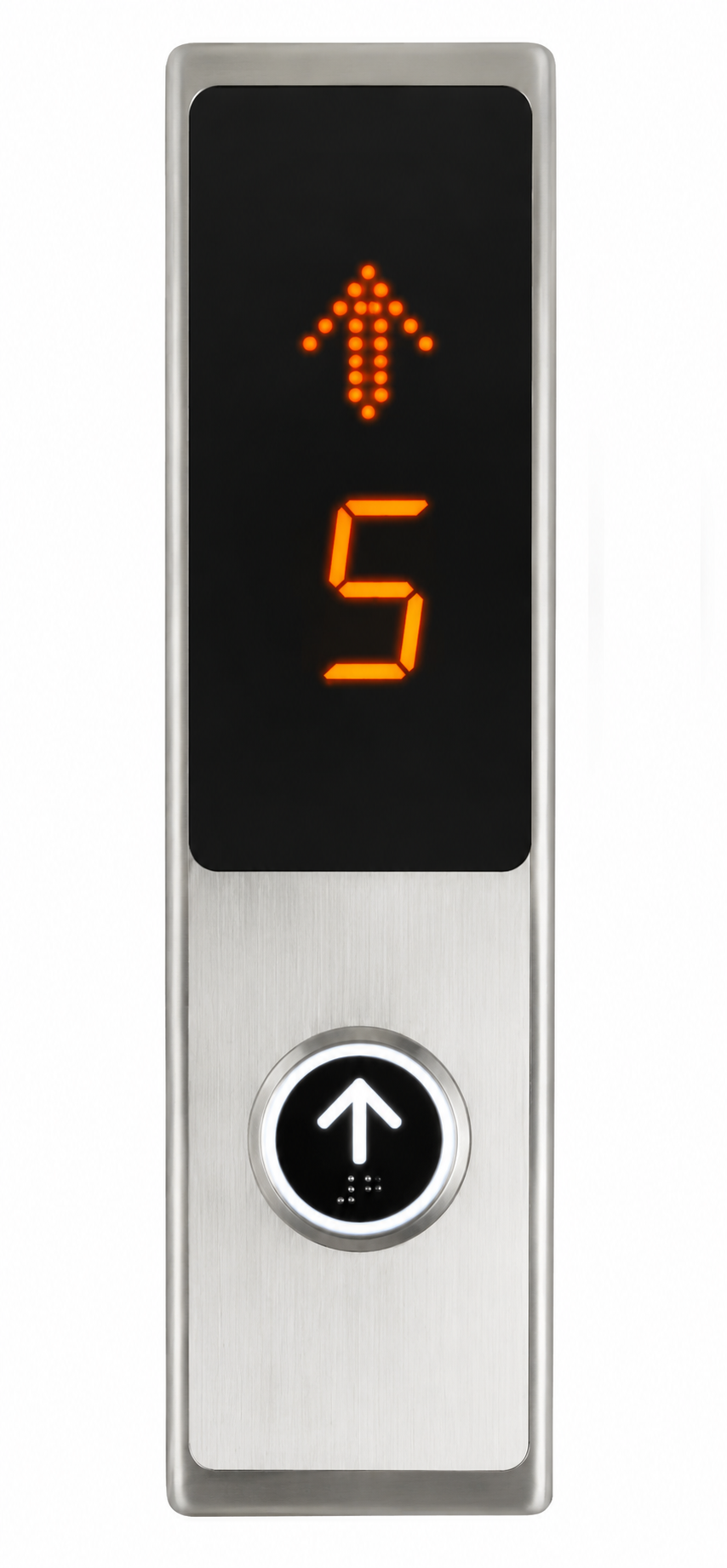
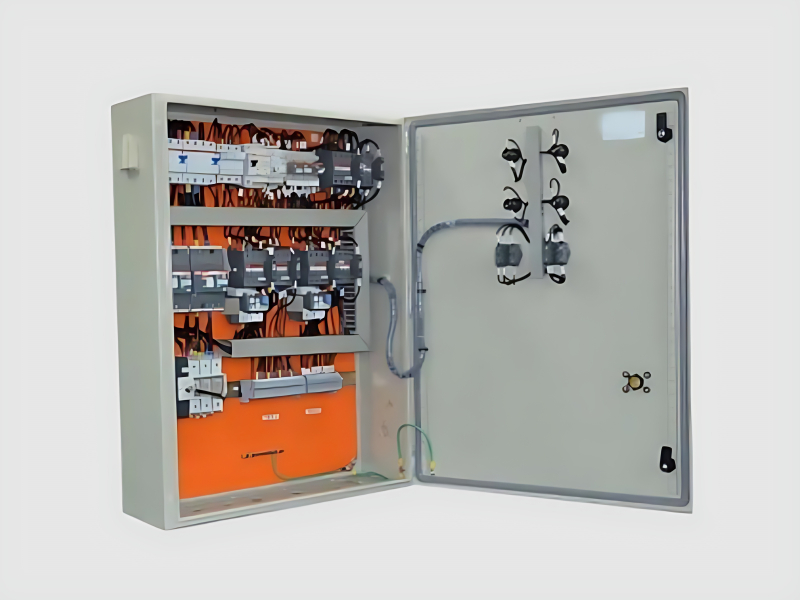
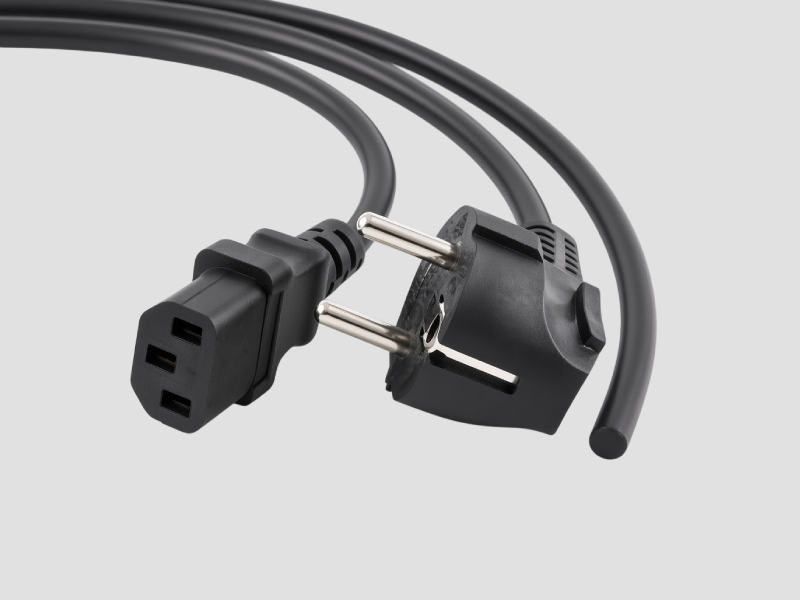
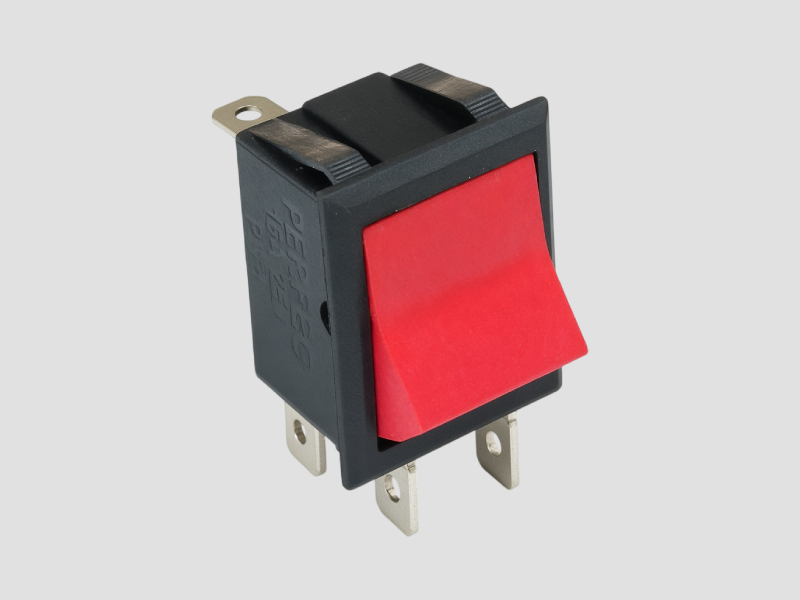
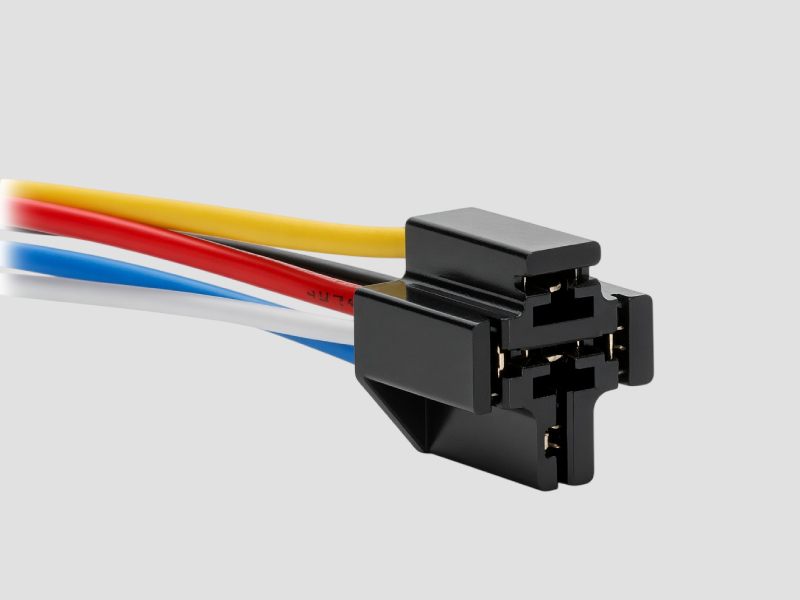
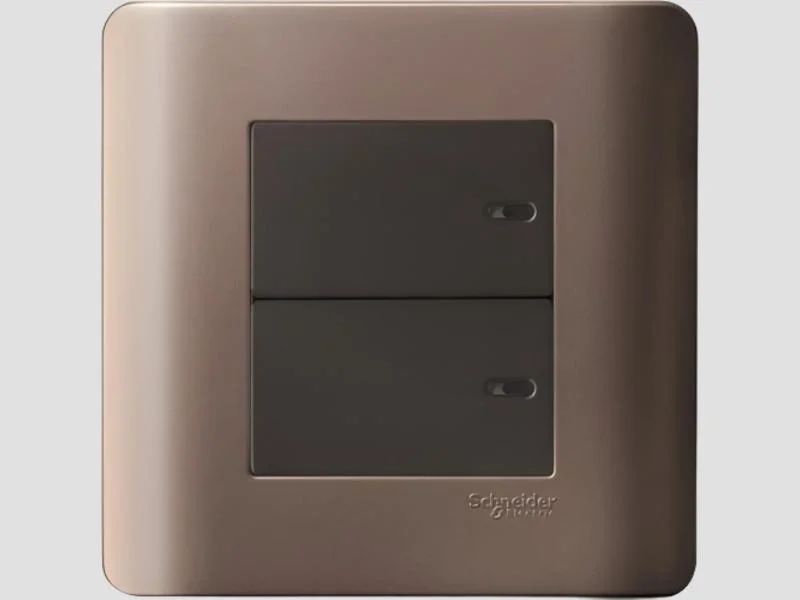
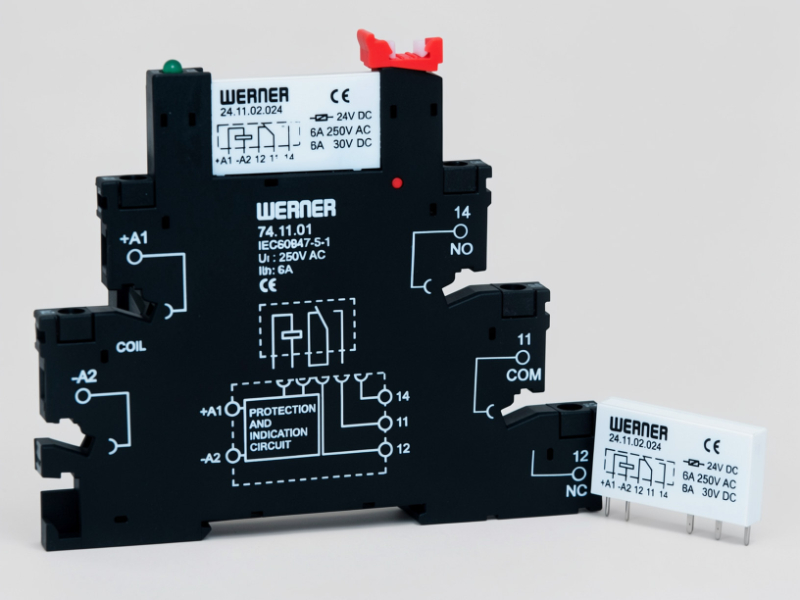
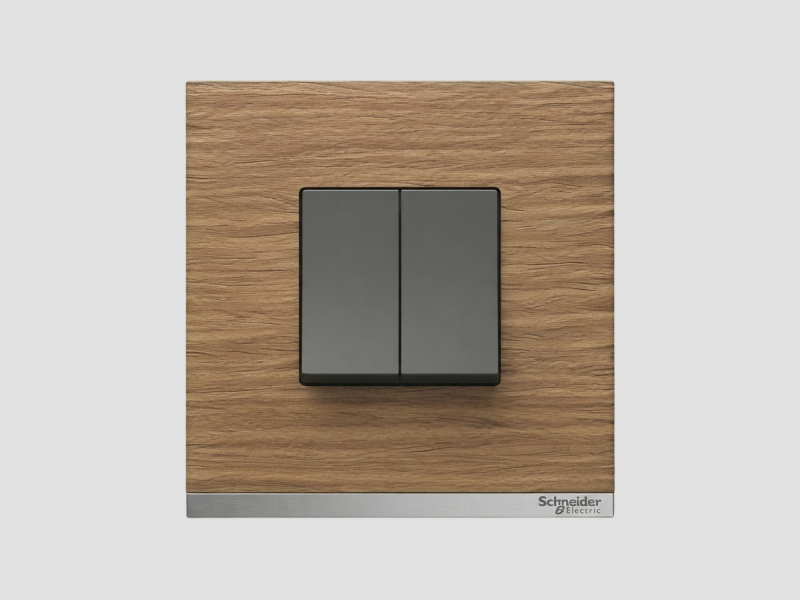
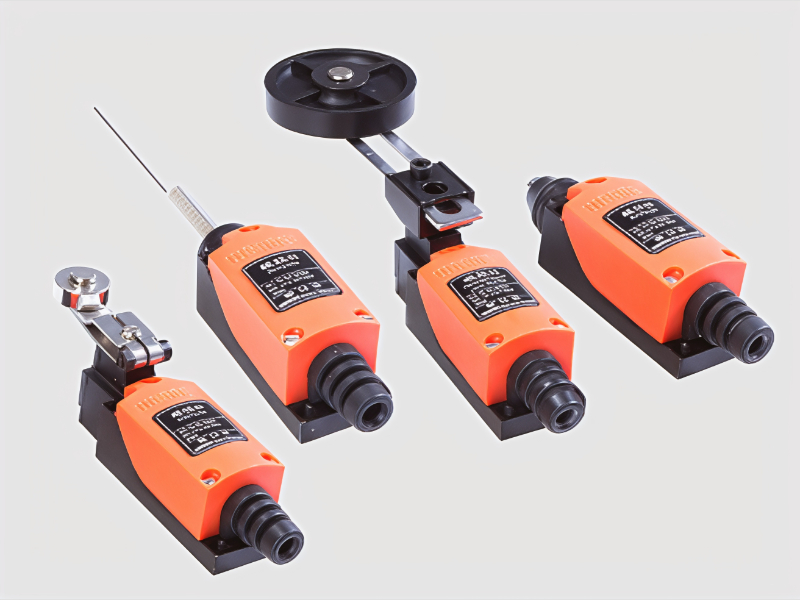
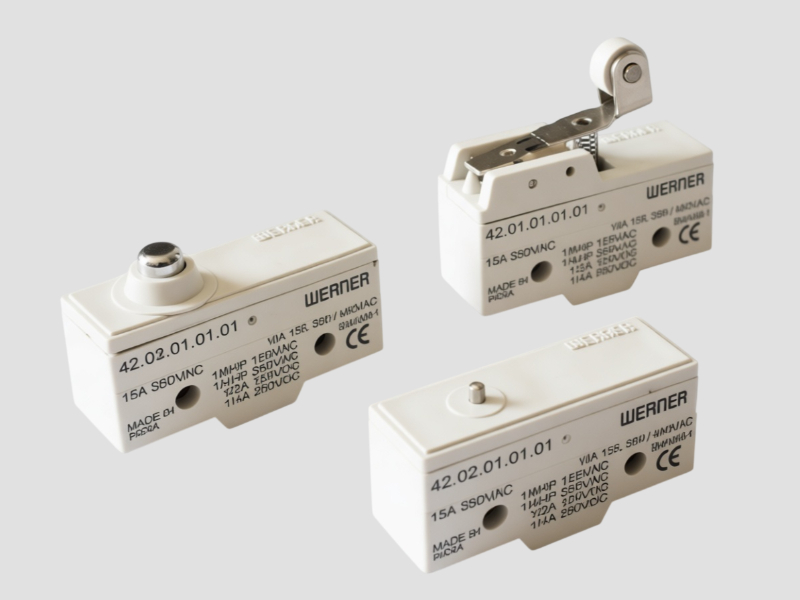
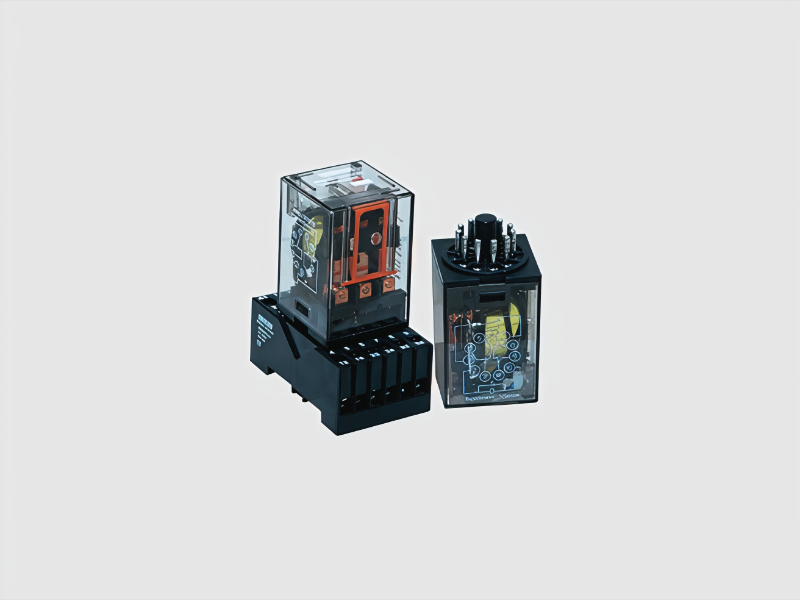
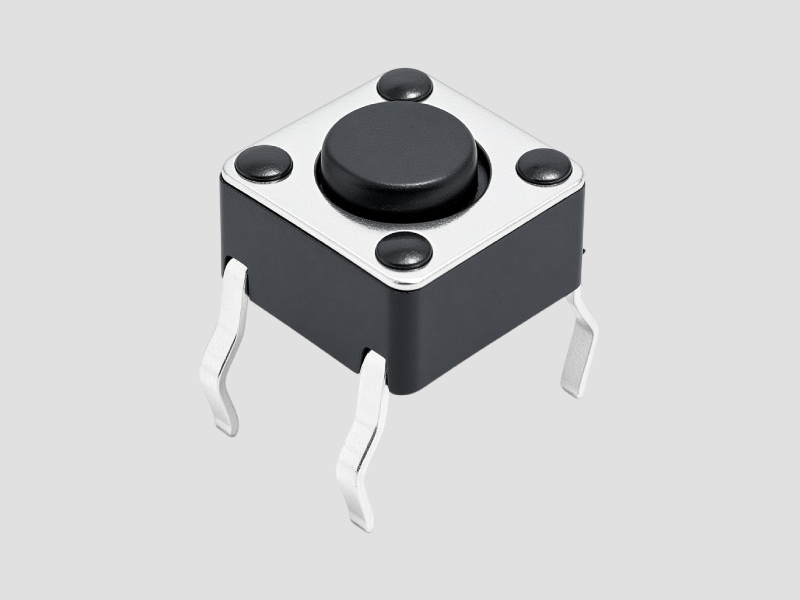
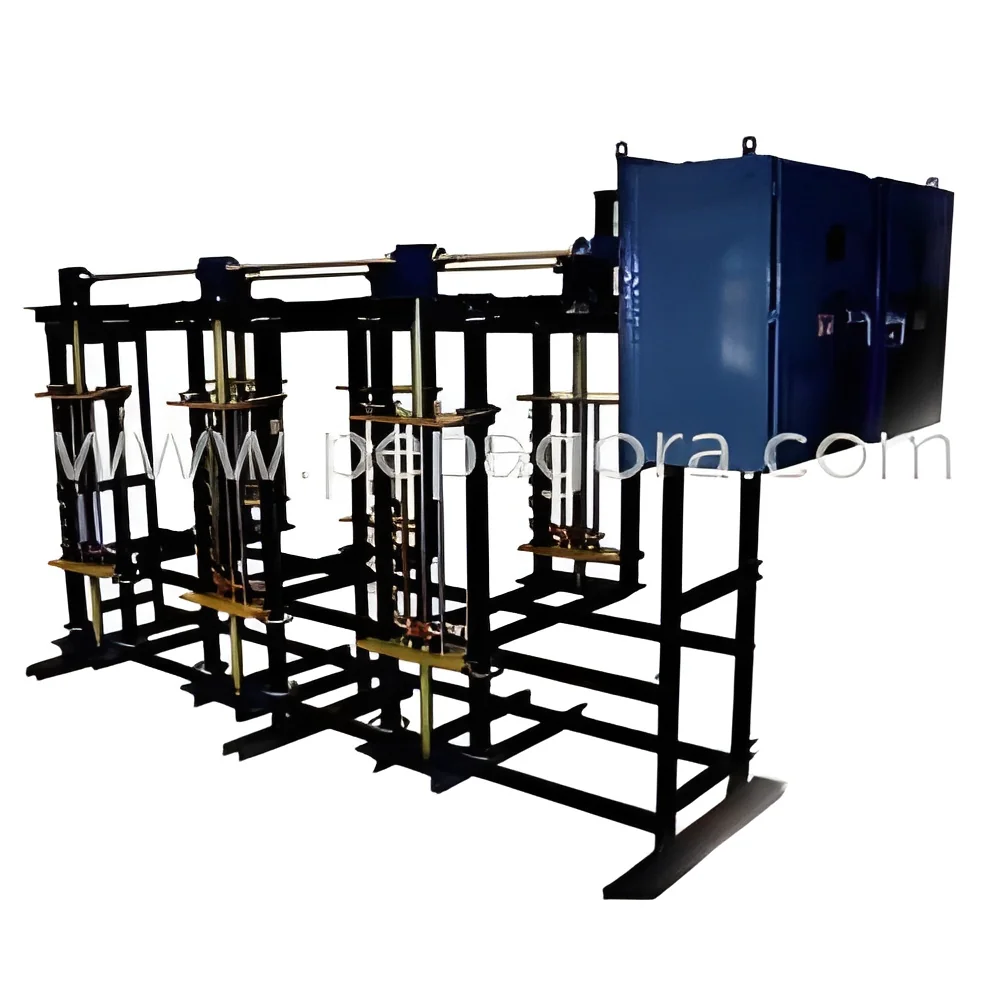
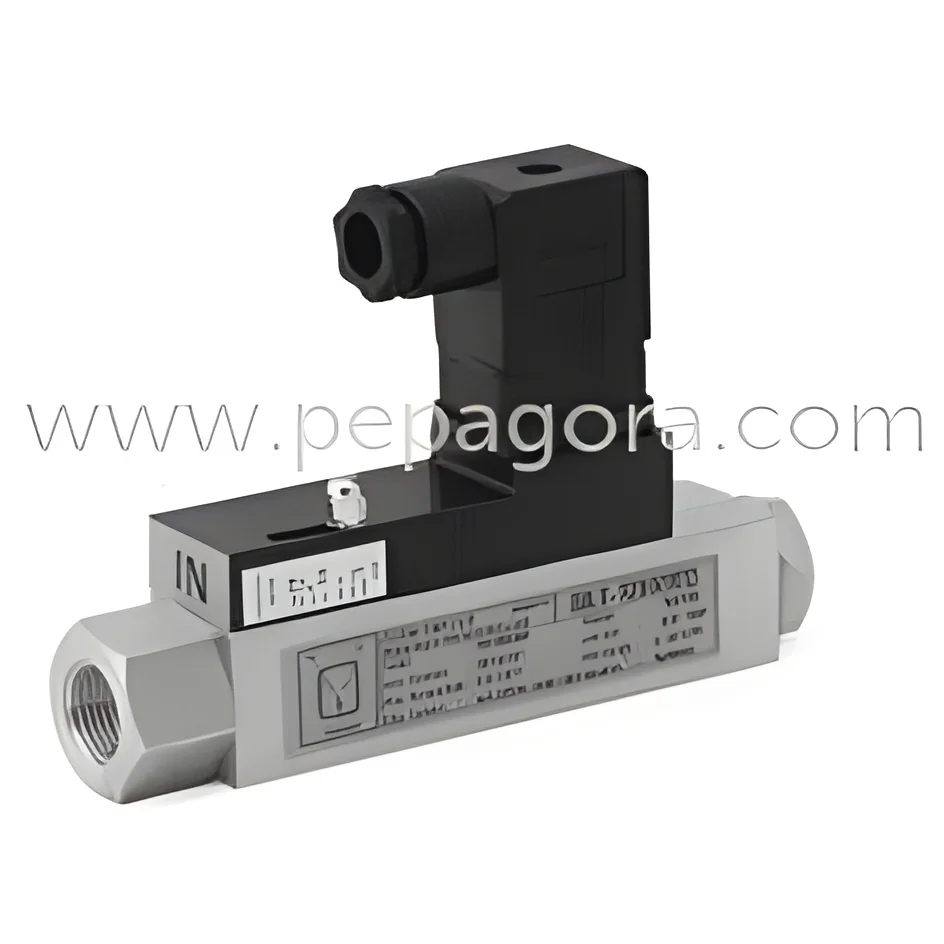
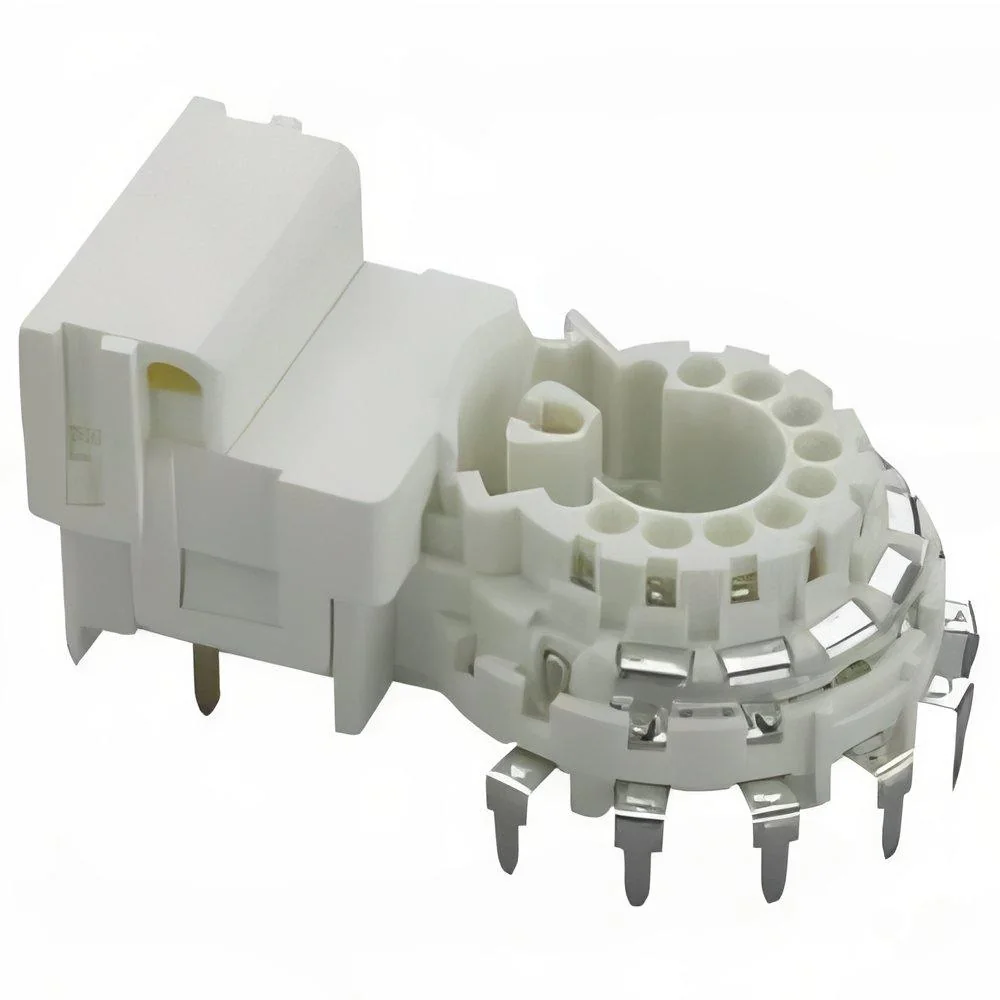
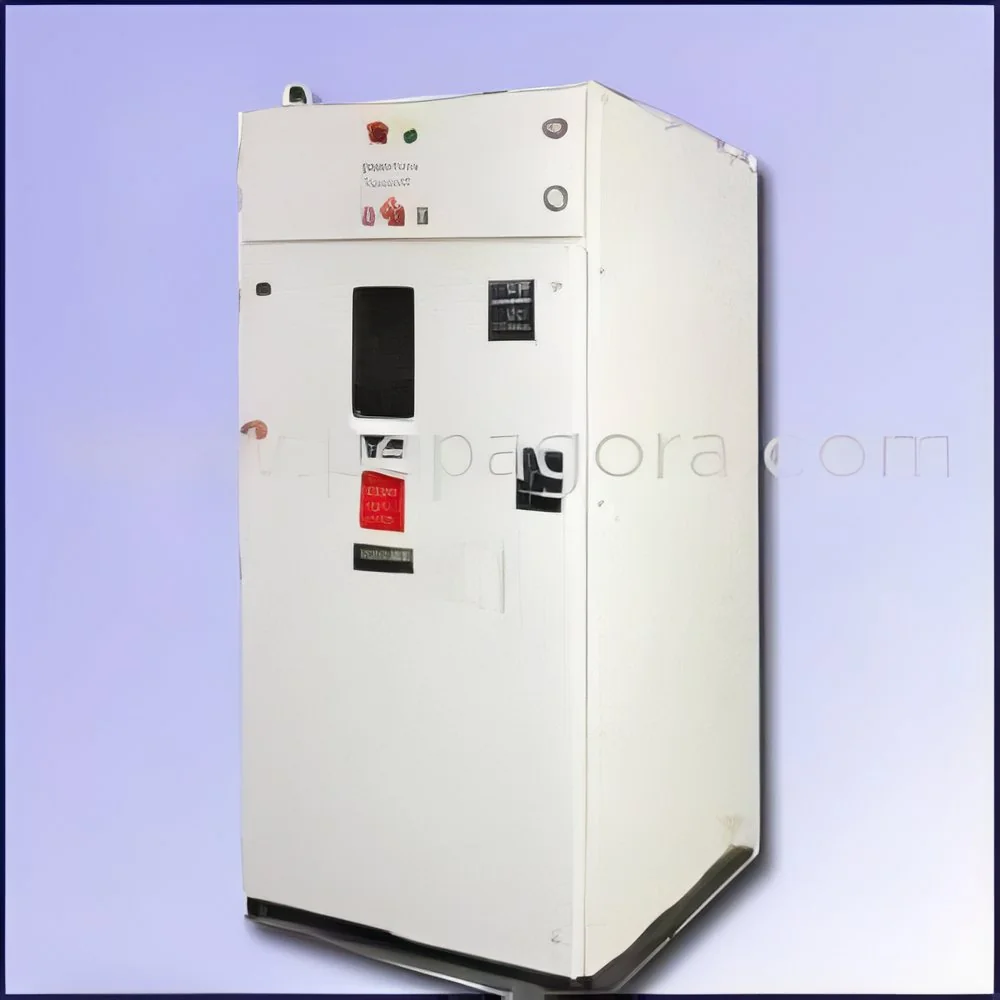
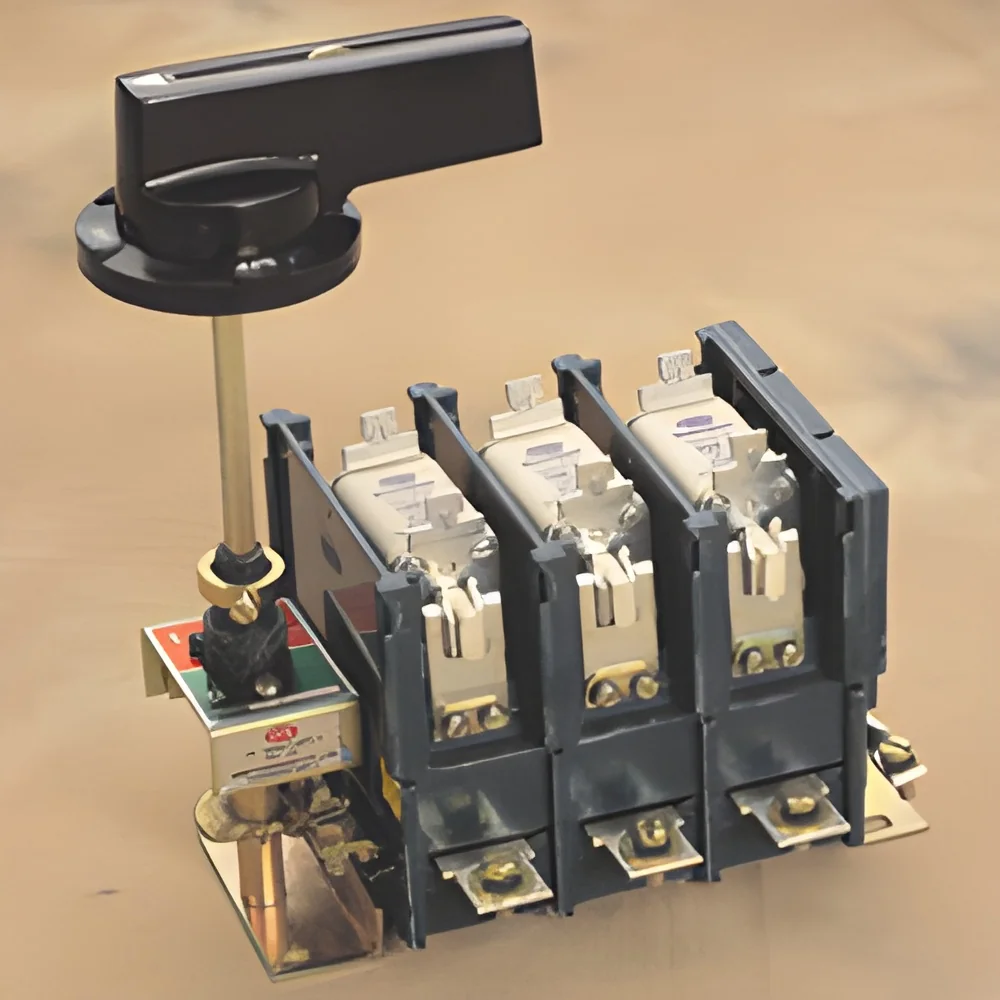
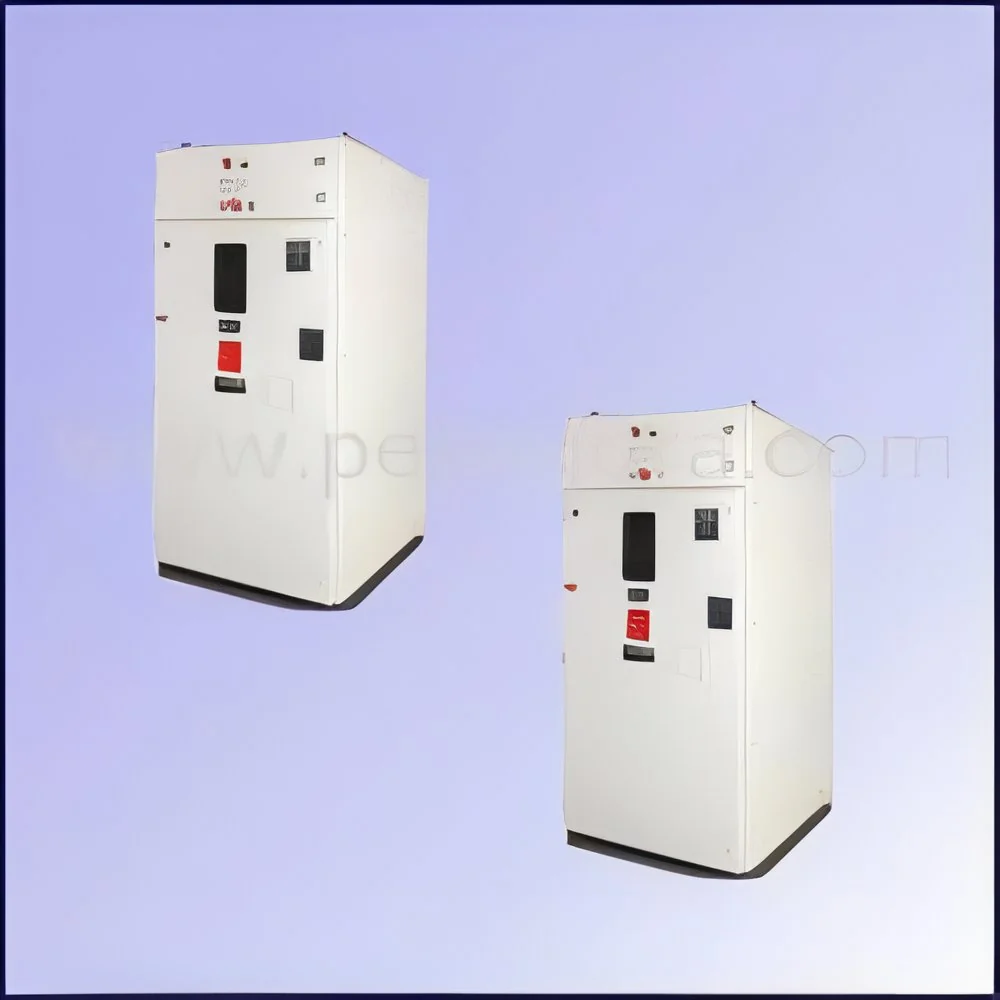
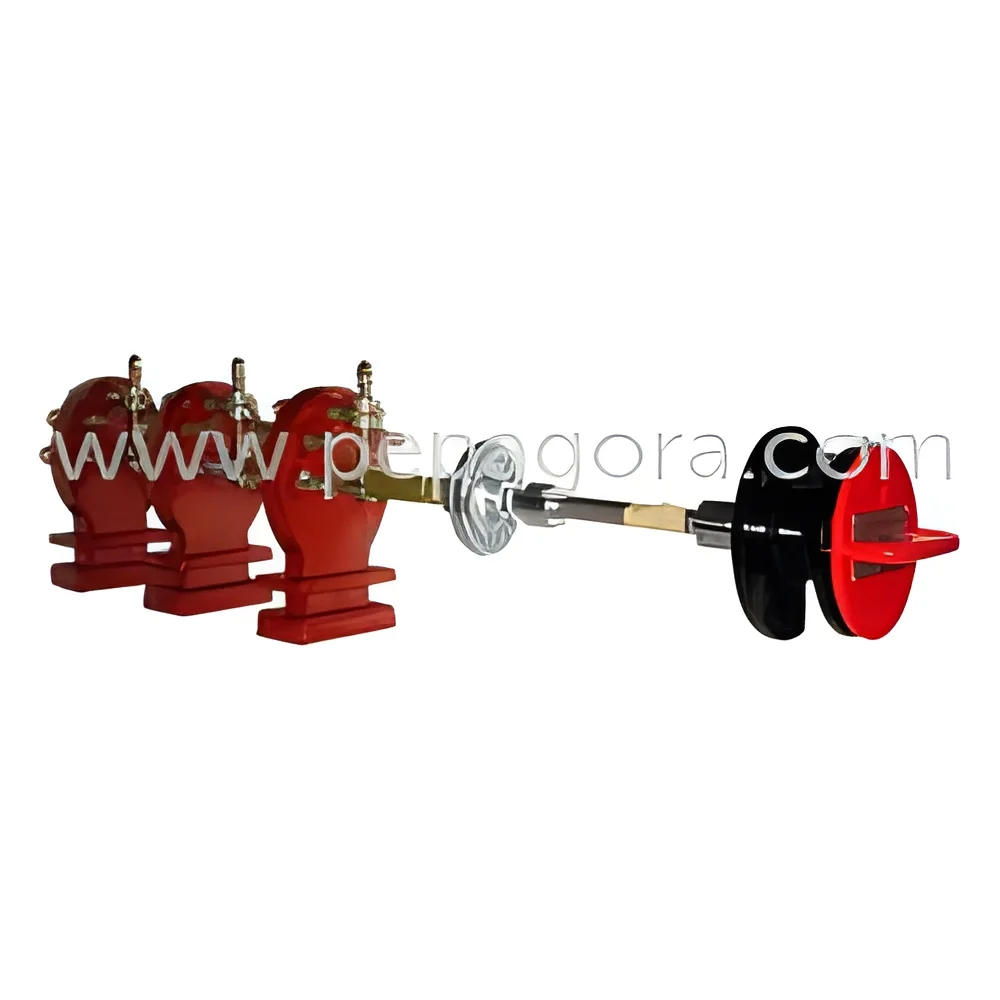
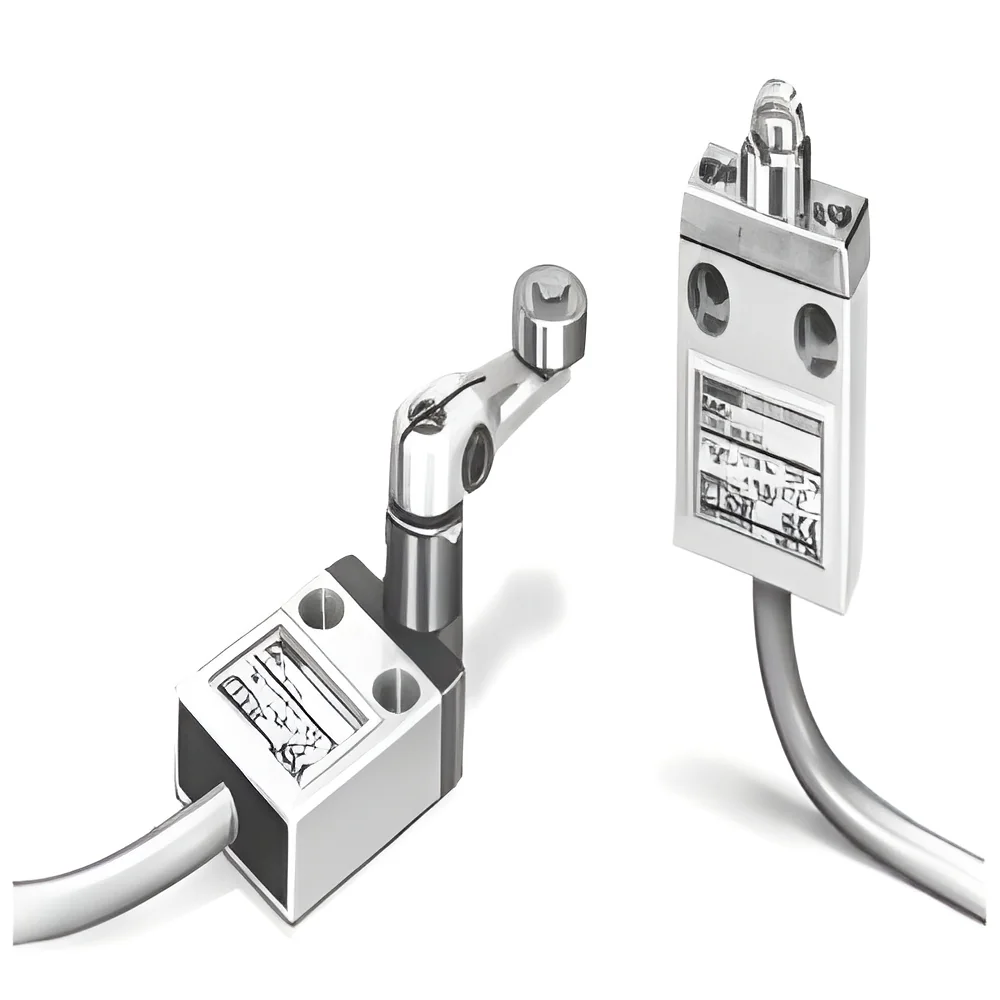
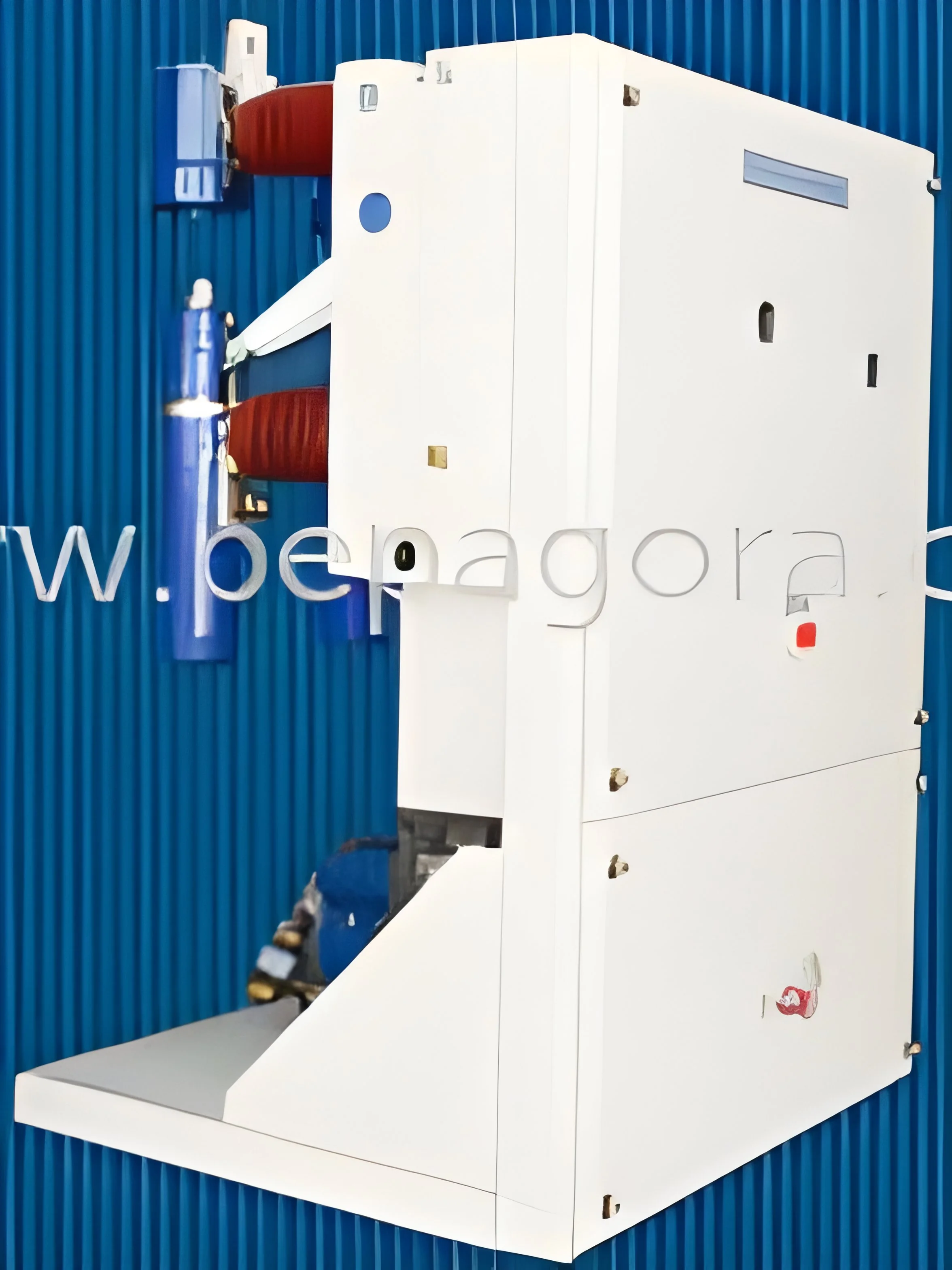
Switches, sockets, and panels are essential components in electrical systems used to control, distribute, and connect electrical power to various devices and appliances. Switches are used to turn electrical circuits on or off, allowing for control over electrical flow. Sockets provide a connection point for plugs from devices, enabling them to receive power. Panels serve as enclosures that house multiple switches and sockets, often providing additional functionality such as circuit protection and monitoring.
These components find applications across numerous industries, including manufacturing, construction, and commercial sectors. They are crucial for ensuring safe and efficient electrical installations in homes, offices, and industrial plants. In a rapidly evolving market, the demand for high-quality switches, sockets, and panels is increasing as businesses focus on safety, efficiency, and compliance with regulatory standards.
The relevance of switches, sockets, and panels in the industrial landscape cannot be overstated. With advancements in technology, these products are being integrated into smart systems, enhancing energy management and operational efficiency. As industries continue to adopt automation and smart technologies, the market for these electrical components is expected to grow significantly.
𝗞𝗲𝘆 𝗙𝗲𝗮𝘁𝘂𝗿𝗲𝘀 𝗮𝗻𝗱 𝗦𝗽𝗲𝗰𝗶𝗳𝗶𝗰𝗮𝘁𝗶𝗼𝗻𝘀
Switches, sockets, and panels possess several key features that enhance their functionality and usability. Understanding these specifications is crucial for businesses looking to invest in reliable electrical components.
Key specifications include:
1. Voltage Rating
- Indicates the maximum voltage the device can safely handle.
- Common ratings include 110V, 220V, and 480V.
2. Current Rating
- Refers to the maximum current the device can conduct without overheating.
- Typical ranges are from 10A to 63A.
3. Material
- Common materials include thermoplastics and metals, providing durability and resistance to wear.
- The choice of material affects both performance and safety.
4. IP Rating
- Defines the degree of protection against dust and water ingress.
- Ratings such as IP65 indicate suitability for outdoor or harsh environments.
5. Mounting Type
- Options include surface-mounted or flush-mounted, affecting installation methods.
- The choice depends on the application and aesthetic requirements.
6. Regulatory Compliance
- Ensures the products meet safety and performance standards set by authorities.
- Compliance with standards like CE ensures reliability and safety.
7. Operating Temperature Range
- Indicates the temperature limits within which the device can operate safely.
- Specific ranges depend on the product, often between -10°C to 60°C.
8. Design and Aesthetics
- Various designs are available to match different environments.
- Options include modern, traditional, and industrial styles.
In summary, choosing switches, sockets, and panels with the right specifications is essential for ensuring safety, reliability, and performance in electrical installations.
𝗖𝗼𝗺𝗺𝗼𝗻 𝗔𝗽𝗽𝗹𝗶𝗰𝗮𝘁𝗶𝗼𝗻𝘀 𝗮𝗻𝗱 𝗨𝘀𝗲 𝗖𝗮𝘀𝗲𝘀
Switches, sockets, and panels are versatile products applicable in multiple sectors.
1. Residential: These components are used extensively in homes for lighting control, appliance connectivity, and energy management systems.
2. Commercial: In office buildings, switches and sockets facilitate the operation of computers, lighting systems, and other equipment necessary for daily business functions.
3. Industrial: Factories and manufacturing facilities utilize robust panels and switches for machinery control, power distribution, and safety systems.
4. Construction: During construction projects, temporary power setups rely on durable sockets and switches to ensure worker safety and equipment functionality.
5. Healthcare: Hospitals use specialized sockets and panels to support medical devices, ensuring they are easily accessible and comply with stringent safety standards.
6. Hospitality: Hotels and restaurants implement these components for guest room controls, providing convenience and energy efficiency.
7. Educational Institutions: Schools and universities utilize switches and sockets for classroom technology, enhancing the learning environment.
𝗣𝗿𝗼𝗱𝘂𝗰𝘁 𝗩𝗮𝗿𝗶𝗮𝗻𝘁𝘀 𝗮𝗻𝗱 𝗦𝘂𝗯𝗰𝗮𝘁𝗲𝗴𝗼𝗿𝗶𝗲𝘀
Switches, sockets, and panels come in various forms to meet different needs and environments.
Wall Switches
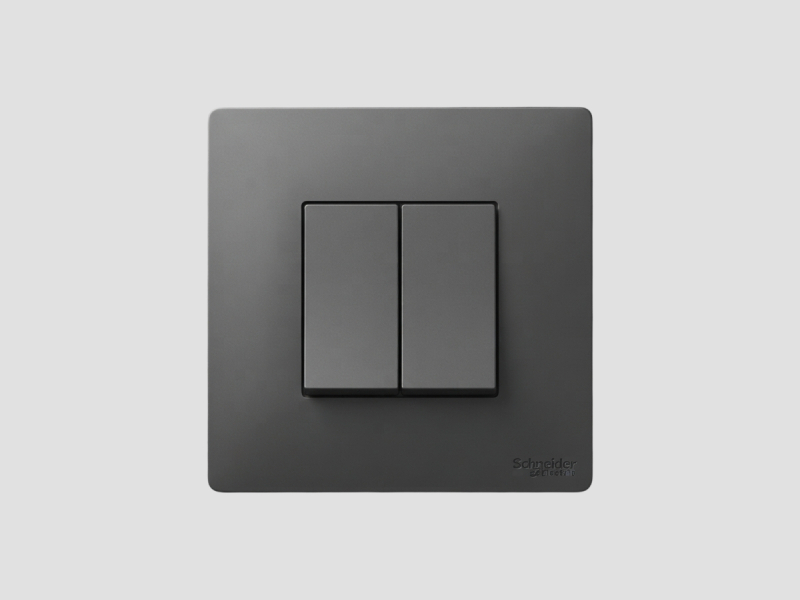
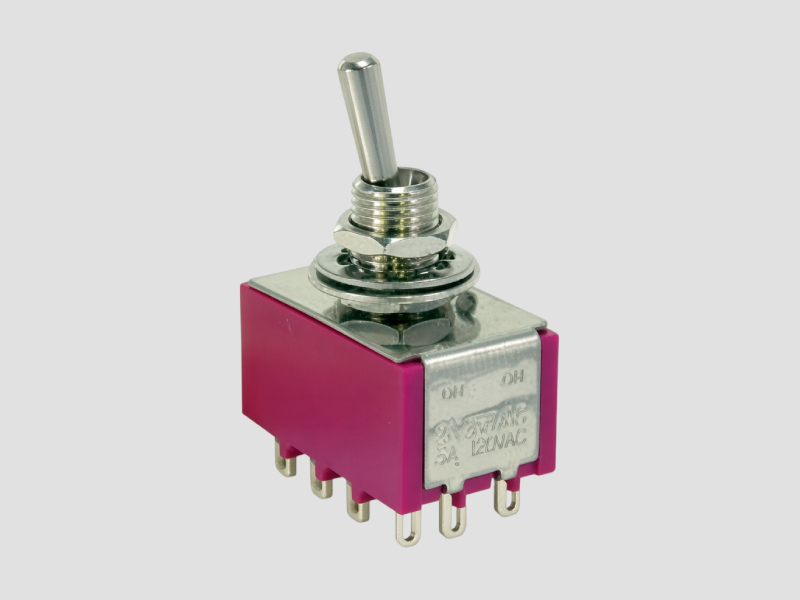
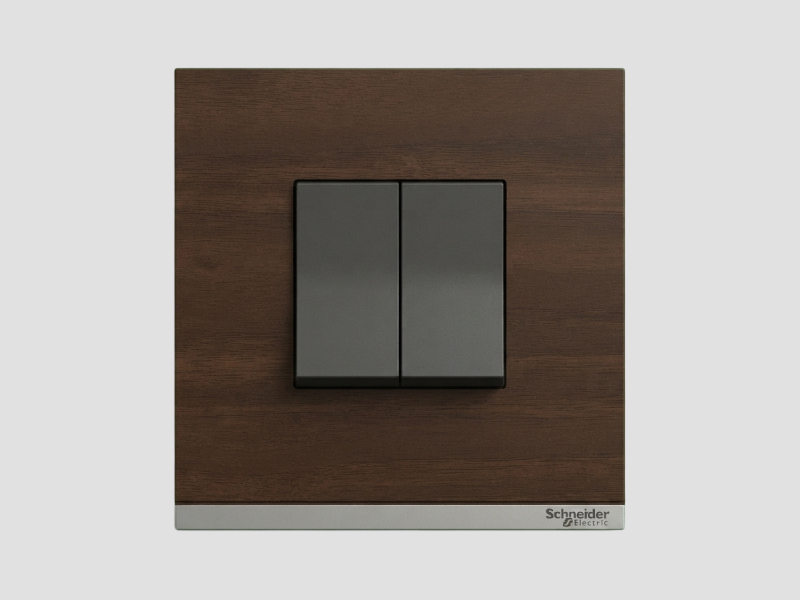
Wall switches are designed for easy access and control of lighting fixtures and other electrical devices. They can be toggle, rocker, or dimmer types, allowing for varied functionalities based on user preferences.
Power Sockets
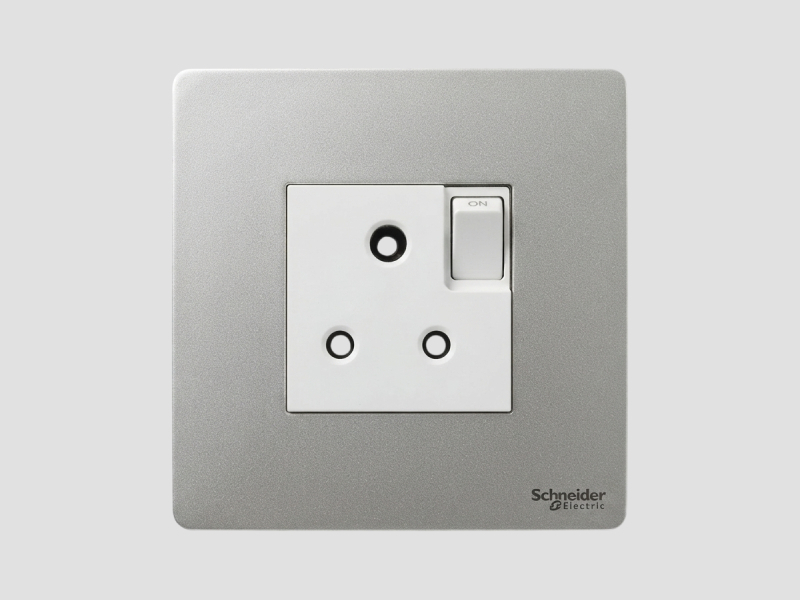
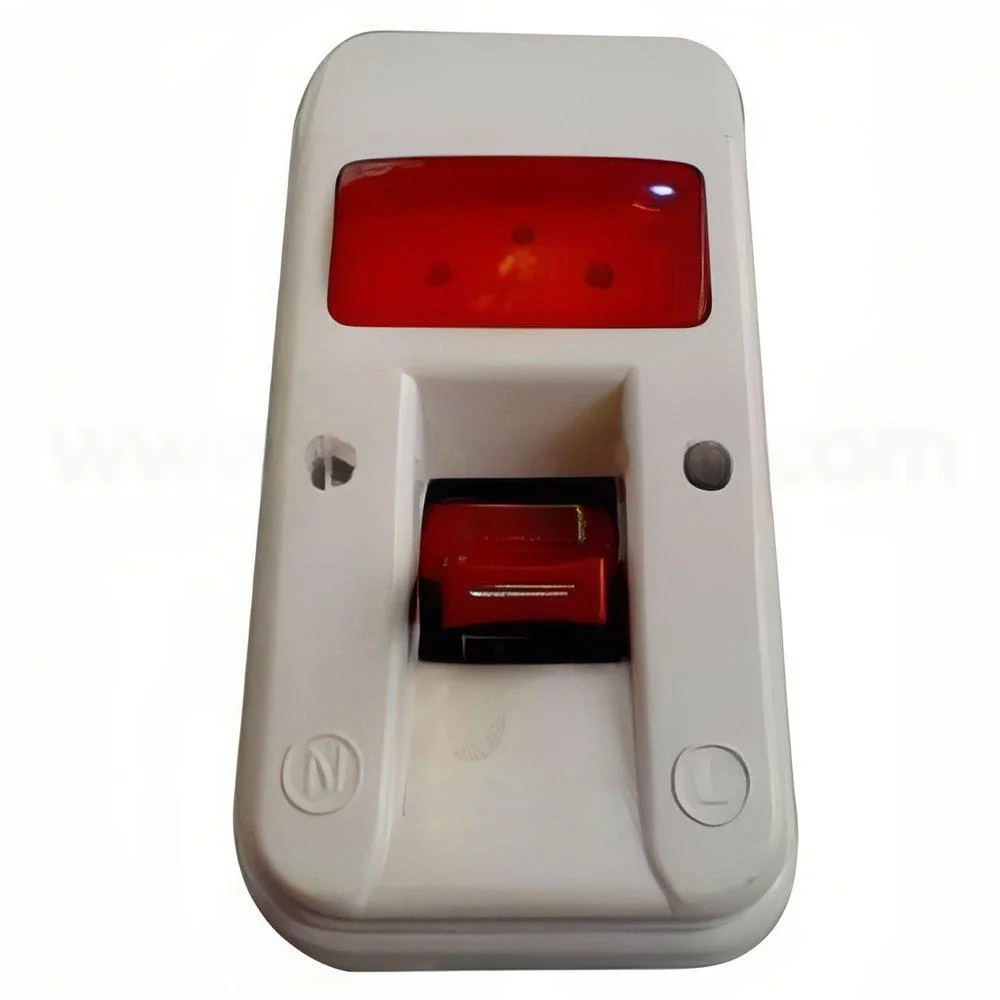
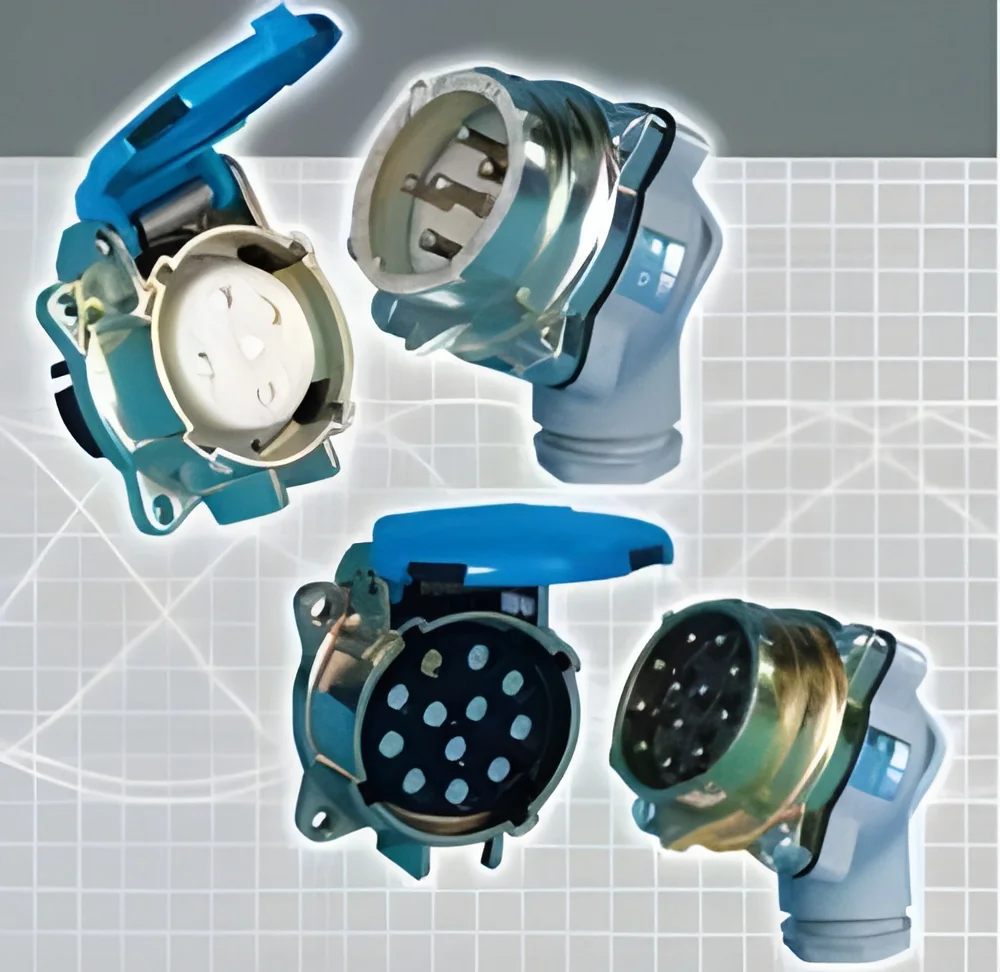
Power sockets accommodate plugs from various devices, providing a reliable power source. They are available in multiple configurations, including standard, USB-integrated, and heavy-duty options for industrial use.
Distribution Panels
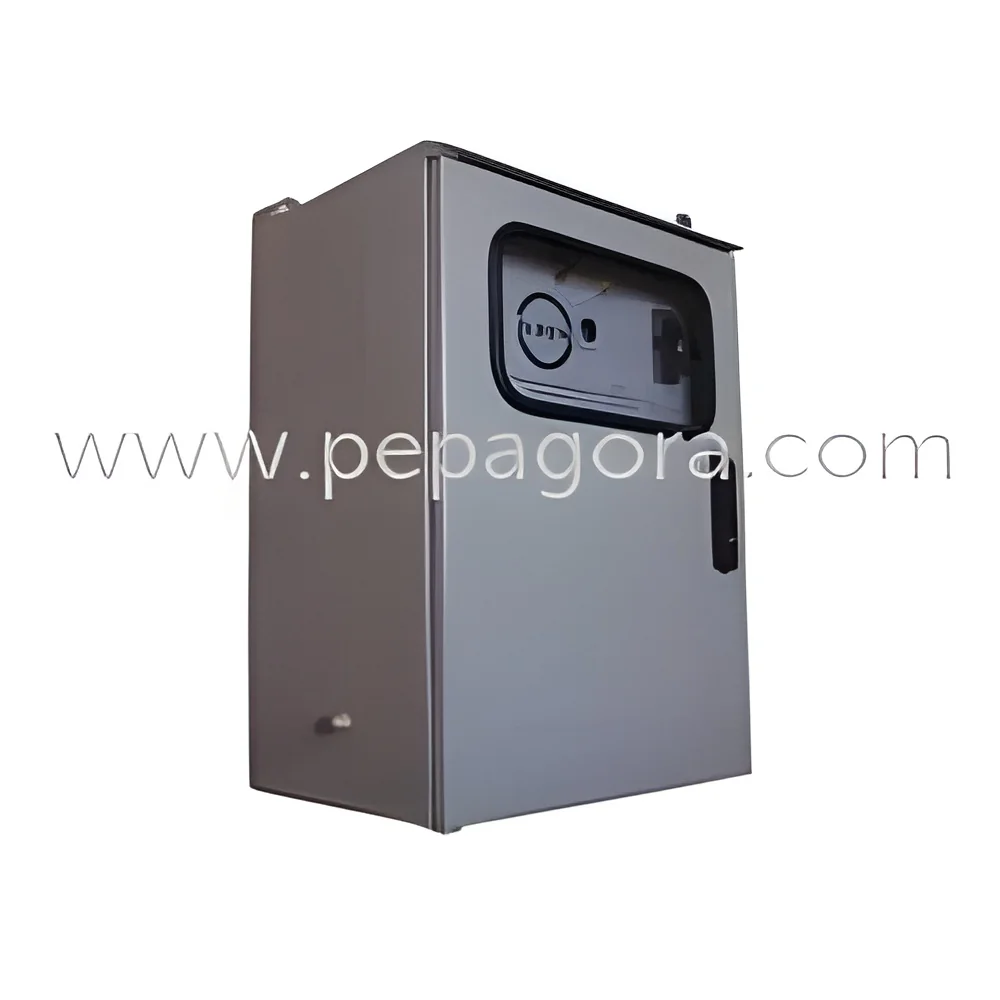
Distribution panels are critical for managing electrical circuits in residential and commercial buildings. They distribute power to different areas, providing circuit protection and monitoring capabilities.
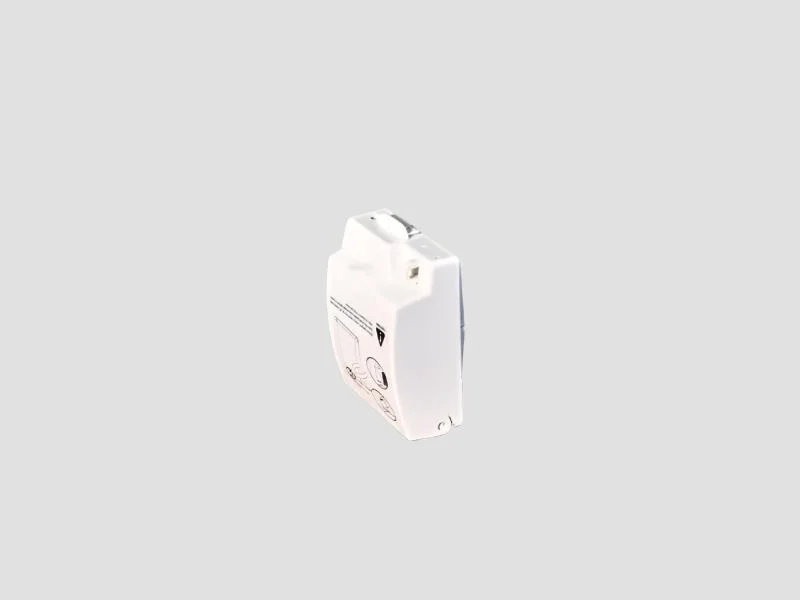
Smart Switches
Smart switches integrate with home automation systems, enabling remote control of lighting and appliances through smartphones or voice commands. They enhance convenience and energy efficiency.
𝗕𝗲𝗻𝗲𝗳𝗶𝘁𝘀 𝗮𝗻𝗱 𝗔𝗱𝘃𝗮𝗻𝘁𝗮𝗴𝗲𝘀
Switches, sockets, and panels offer numerous benefits that contribute to their widespread use.
1. Enhanced Safety: These components are designed to meet rigorous safety standards, reducing the risk of electrical hazards.
2. Improved Convenience: With user-friendly designs, they simplify the process of controlling electrical devices and appliances.
3. Energy Efficiency: Modern switches and sockets promote energy-saving practices, helping businesses reduce operational costs.
4. Versatile Applications: Their adaptability makes them suitable for various industries, from residential to industrial settings.
5. Regulatory Compliance: Sourcing compliant products ensures adherence to local regulations, promoting safety and reliability.
6. Customization Options: Many suppliers offer customizable solutions to meet specific application needs, allowing for tailored installations.
𝗕𝘂𝘆𝗶𝗻𝗴 𝗚𝘂𝗶𝗱𝗲 𝗳𝗼𝗿 𝗕𝟮𝗕 𝗕𝘂𝘆𝗲𝗿𝘀
When sourcing switches, sockets, and panels, businesses should consider several critical factors to ensure they make informed purchasing decisions.
1. Quality Assessment: Evaluate the materials and construction of the products. High-quality components often lead to improved durability and safety.
2. Supplier Verification: Vet potential suppliers by checking their credentials, reviews, and compliance with industry standards. A reputable supplier will provide reliable products and support.
3. Pricing and MOQ: Understand the pricing structure and minimum order quantities. Look for competitive pricing that aligns with your budget without compromising quality.
4. Delivery and Lead Times: Assess the supplier’s logistics capabilities to ensure timely delivery. Delays in receiving components can impact project timelines.
5. Compliance Requirements: Familiarize yourself with relevant regulatory standards applicable in your region. Ensure the products meet these requirements to avoid legal issues.
𝗖𝗼𝗺𝗽𝗹𝗶𝗮𝗻𝗰𝗲 𝗮𝗻𝗱 𝗖𝗲𝗿𝘁𝗶𝗳𝗶𝗰𝗮𝘁𝗶𝗼𝗻𝘀
Compliance with industry standards is crucial for switches, sockets, and panels to ensure safety and performance. Key quality standards include ISO 9001, which focuses on quality management systems, and CE certifications that indicate conformity with European health, safety, and environmental protection standards.
Safety and testing requirements are also vital. Products should undergo rigorous testing to confirm their performance and reliability under various conditions. It is essential to consider regional compliance as regulations can vary significantly based on location.
In summary, certification and compliance with established standards not only enhance product quality but also build trust with end-users, making it a critical factor for B2B buyers.
𝗪𝗵𝘆 𝗦𝗼𝘂𝗿𝗰𝗲 𝗦𝘄𝗶𝘁𝗰𝗵𝗲𝘀, 𝗦𝗼𝗰𝗸𝗲𝘁𝘀 & 𝗣𝗮𝗻𝗲𝗹𝘀 𝗳𝗿𝗼𝗺 𝗣𝗲𝗽𝗮𝗴𝗼𝗿𝗮?
Pepagora provides a trusted platform for sourcing switches, sockets, and panels, offering several key advantages to B2B buyers.
Verified Supplier Network: Pepagora has established a robust network of verified suppliers. This ensures that buyers have access to reliable manufacturers who meet stringent quality standards.
Streamlined RFQ Process: The platform simplifies the quotation process, allowing buyers to submit requests for quotations easily. This efficiency saves time and facilitates better decision-making.
Trade Assurance and Support: Pepagora offers trade assurance to protect buyers' investments. This support includes assistance with order tracking and dispute resolution, providing peace of mind throughout the purchasing process.
Regional Coverage: With a strong presence in India, the GCC, and Southeast Asia, Pepagora ensures that buyers can find suitable suppliers across various markets. This geographic reach enables businesses to tap into diverse sourcing opportunities.
In conclusion, sourcing switches, sockets, and panels from Pepagora not only provides access to quality products but also enhances the overall buying experience through reliable support and efficient processes.

 IN
IN