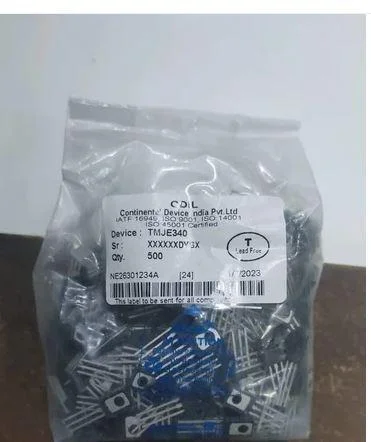
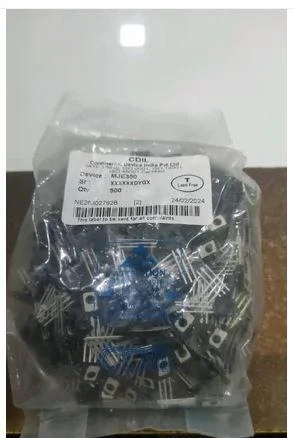
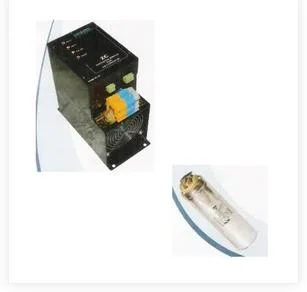
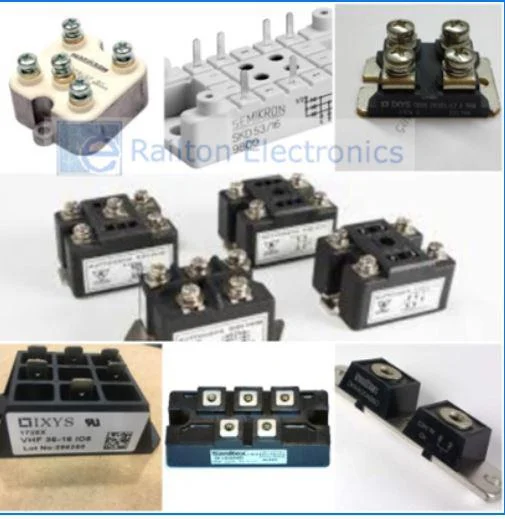
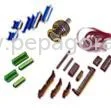
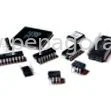
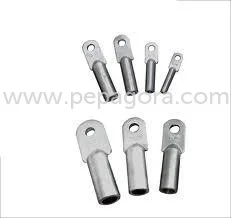
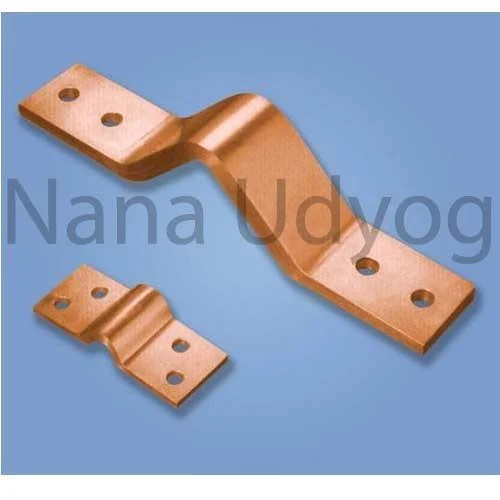
𝗪𝗵𝗮𝘁 𝗮𝗿𝗲 𝗣𝗖𝗕 & 𝗘𝗹𝗲𝗰𝘁𝗿𝗼𝗻𝗶𝗰 𝗖𝗼𝗺𝗽𝗼𝗻𝗲𝗻𝘁𝘀?
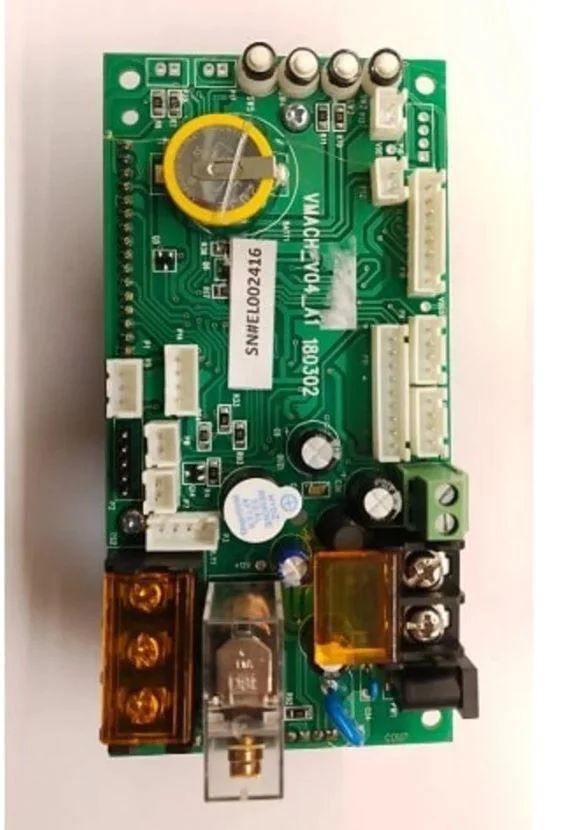
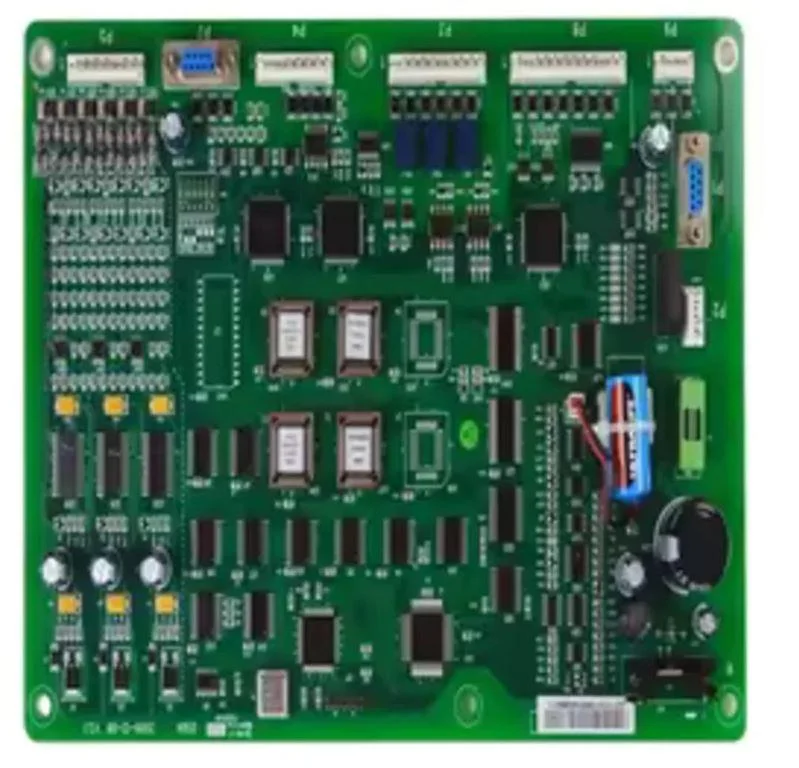
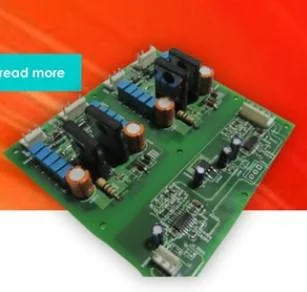
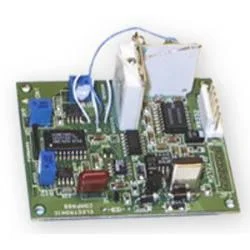
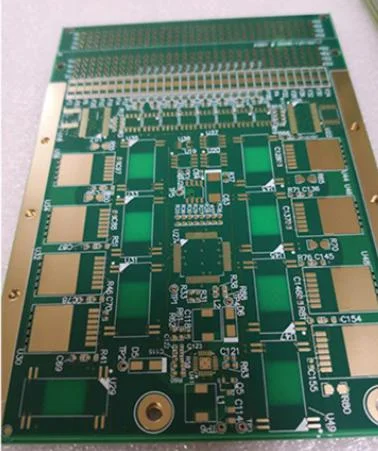
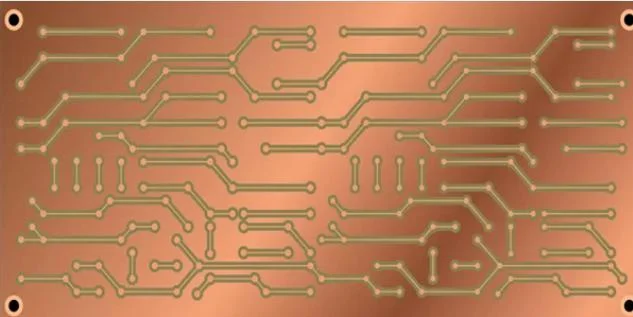
PCB (Printed Circuit Board) and electronic components are fundamental building blocks of electronic devices. PCBs serve as the backbone for electronic circuits, providing physical support and electrical connections for various components. These components include resistors, capacitors, diodes, and integrated circuits, all of which play critical roles in circuit functionality. The design and manufacture of PCBs require precision and adherence to strict industry standards to ensure reliability and performance.
These products are widely used across multiple sectors, including consumer electronics, automotive, telecommunications, and industrial machinery. Businesses rely on PCBs and electronic components for systems ranging from smartphones to complex industrial automation solutions. As technology advances, the demand for miniaturization and enhanced performance continues to grow, driving innovation in PCB design and manufacturing processes. In the current market context, the global electronics industry is rapidly evolving, creating significant opportunities for suppliers and manufacturers in the PCB sector.
𝗞𝗲𝘆 𝗙𝗲𝗮𝘁𝘂𝗿𝗲𝘀 𝗮𝗻𝗱 𝗦𝗽𝗲𝗰𝗶𝗳𝗶𝗰𝗮𝘁𝗶𝗼𝗻𝘀
PCB and electronic components come with various key features and specifications that cater to specific applications. Understanding these specifications is essential for selecting the right components for any project.
Key specifications include:
1. Material Composition
- PCBs are typically made from materials such as FR-4 or flexible substrates.
- These materials provide the necessary thermal and electrical properties.
2. Layer Count
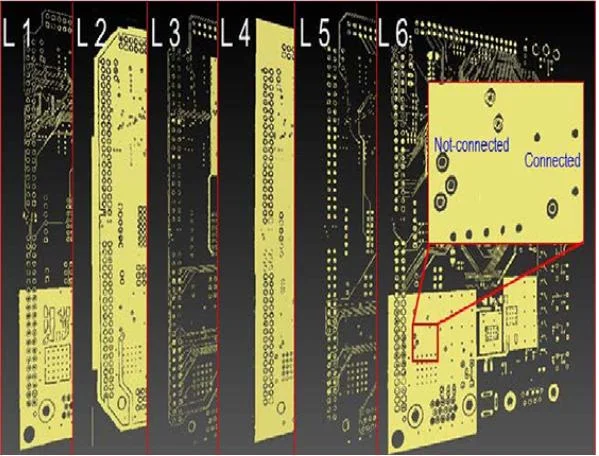
- PCBs can have single-layer to multi-layer structures.
- Layer count affects complexity and performance of the circuit.
3. Thickness
- Standard PCB thickness ranges from 0.2 mm to 3.2 mm.
- Thickness impacts strength and flexibility.
4. Surface Finish
- Common finishes include HASL, ENIG, and OSP.
- Each finish offers different levels of solderability and durability.
5. Trace Width
- Trace width typically ranges from 3 mils to 20 mils.
- Width affects current-carrying capacity and resistance.
6. Via Types
- Options include through-hole, blind, and buried vias.
- Different types provide various routing solutions.
7. Tolerance Specifications
- Standard tolerances range from ±5% to ±10%.
- Tolerance impacts manufacturing precision and reliability.
8. Operating Temperature Range
- Common operating temperatures are -40°C to +85°C.
- Range ensures performance under different environmental conditions.
Understanding these specifications helps businesses make informed decisions when selecting PCB and electronic components.
𝗖𝗼𝗺𝗺𝗼𝗻 𝗔𝗽𝗽𝗹𝗶𝗰𝗮𝘁𝗶𝗼𝗻𝘀 𝗮𝗻𝗱 𝗨𝘀𝗲 𝗖𝗮𝘀𝗲𝘀
PCB and electronic components are integral to various industries, facilitating numerous applications.
1. Consumer Electronics: PCBs are found in devices such as smartphones, laptops, and televisions, enabling their functionality and connectivity.
2. Automotive: Modern vehicles utilize PCBs for control systems, infotainment, and safety features, enhancing performance and user experience.
3. Telecommunications: PCBs support communication devices, routers, and switches, ensuring reliable data transmission and connectivity.
4. Industrial Automation: PCBs are crucial in manufacturing equipment and robotics, providing control and monitoring capabilities.
5. Medical Devices: PCBs are used in diagnostic equipment, monitoring systems, and imaging devices, ensuring accuracy and reliability in healthcare applications.
6. Aerospace: PCBs are employed in navigation systems and avionics, meeting stringent safety and performance standards.
7. Renewable Energy: PCBs play a role in solar inverters and energy storage systems, contributing to efficient energy management.
𝗣𝗿𝗼𝗱𝘂𝗰𝘁 𝗩𝗮𝗿𝗶𝗮𝗻𝘁𝘀 𝗮𝗻𝗱 𝗦𝘂𝗯𝗰𝗮𝘁𝗲𝗴𝗼𝗿𝗶𝗲𝘀
The diversity of PCB and electronic components allows for tailored solutions to meet specific needs.
Standard PCB
These are widely used for various electronic devices, featuring a conventional design suitable for mass production. They offer reliable performance and cost-effectiveness.
Flexible PCB
Flexible PCBs are designed to bend and fit into compact spaces. They are ideal for applications requiring lightweight and adaptable circuitry, such as wearable devices.
High-Frequency PCB
These are engineered for high-speed applications, such as telecommunications and RF devices. They ensure signal integrity and minimize loss during transmission.
Multilayer PCB
Multilayer PCBs contain multiple layers of circuitry, enabling complex designs and enhanced functionality. They are commonly used in advanced electronic devices where space is limited.
𝗕𝗲𝗻𝗲𝗳𝗶𝘁𝘀 𝗮𝗻𝗱 𝗔𝗱𝘃𝗮𝗻𝘁𝗮𝗴𝗲𝘀
Choosing PCB and electronic components offers several advantages to businesses.
1. Reliability: High-quality components ensure consistent performance, reducing the risk of failures in critical applications.
2. Customization: Many suppliers offer tailored solutions to meet specific project requirements, enhancing functionality.
3. Scalability: PCBs can be produced in various quantities, accommodating both small-scale prototypes and large-scale production.
4. Cost-Effectiveness: Competitive pricing and availability of components make them accessible for diverse budgets.
5. Technological Advancement: Continuous innovation in PCB design leads to improved performance and new capabilities.
6. Industry Compliance: Many components meet international quality standards, ensuring safety and reliability for end-users.
𝗕𝘂𝘆𝗶𝗻𝗴 𝗚𝘂𝗶𝗱𝗲 𝗳𝗼𝗿 𝗕𝟮𝗕 𝗕𝘂𝘆𝗲𝗿𝘀
When sourcing PCB and electronic components, several factors should be taken into account to ensure optimal selection and procurement.
1. Quality Assessment: Evaluate the quality of components based on industry standards and certifications. Look for products that adhere to recognized quality benchmarks.
2. Supplier Verification: Vet suppliers thoroughly to ensure reliability. Check for customer reviews, certifications, and their track record in delivering quality products.
3. Pricing and MOQ: Consider the pricing structure and minimum order quantities. Assess whether costs align with your budget and project needs.
4. Delivery and Lead Times: Understand logistics and lead times for delivery. Timely availability of components is crucial for project success.
5. Compliance Requirements: Ensure that components meet regulatory and compliance standards relevant to your industry. This is essential for safety and performance.
𝗖𝗼𝗺𝗽𝗹𝗶𝗮𝗻𝗰𝗲 𝗮𝗻𝗱 𝗖𝗲𝗿𝘁𝗶𝗳𝗶𝗰𝗮𝘁𝗶𝗼𝗻𝘀
Compliance and certifications are critical aspects of PCB and electronic components.
Many products adhere to quality standards such as ISO 9001, which ensures consistent quality management systems. This standard is essential for maintaining reliability in manufacturing processes.
Additionally, industry certifications such as CE signify that products meet safety and performance requirements set by regulatory bodies. These certifications are crucial for gaining market acceptance and ensuring compliance with international regulations.
Safety and testing requirements also play a significant role in the manufacturing of PCBs. Products must undergo rigorous testing to ensure they can withstand environmental conditions and operate safely.
Regional compliance considerations should also be addressed, as different regions may have specific regulations. Understanding these requirements is vital for businesses operating in multiple markets.
𝗪𝗵𝘆 𝗦𝗼𝘂𝗿𝗰𝗲 𝗣𝗖𝗕 & 𝗘𝗹𝗲𝗰𝘁𝗿𝗼𝗻𝗶𝗰 𝗖𝗼𝗺𝗽𝗼𝗻𝗲𝗻𝘁𝘀 𝗳𝗿𝗼𝗺 𝗣𝗲𝗽𝗮𝗴𝗼𝗿𝗮?
Pepagora provides a trusted platform for sourcing PCB and electronic components with several key advantages that cater to B2B buyers.
Verified Supplier Network: Pepagora boasts a comprehensive network of verified suppliers, ensuring that businesses can confidently source high-quality components. This network is crucial for maintaining industry standards and reliability.
Streamlined RFQ Process: The platform simplifies the request for quotation (RFQ) process, allowing buyers to efficiently compare options and select the best suppliers. This feature saves time and enhances decision-making.
Trade Assurance and Support: Pepagora offers trade assurance, providing buyers with protection and support throughout the procurement process. This assurance fosters trust and encourages long-term partnerships.
Regional Coverage: With a strong presence in regions like India, the GCC, and Southeast Asia, Pepagora enables businesses to connect with local suppliers. This geographic reach enhances accessibility and facilitates smooth transactions.
By choosing Pepagora, businesses can benefit from a reliable sourcing experience that meets their PCB and electronic component needs effectively.

 IN
IN

 IN
IN