IN
INundefined
Rigid-Flex PCBs
2 products available
𝗪𝗵𝗮𝘁 𝗮𝗿𝗲 𝗥𝗶𝗴𝗶𝗱-𝗙𝗹𝗲𝘅 𝗣𝗖𝗕𝘀?
Rigid-Flex PCBs are a hybrid circuit board technology that combines the durability of rigid printed circuit boards with the flexibility of flexible PCBs. This unique combination allows for intricate designs that can fit complex shapes and spaces, making them ideal for a wide range of applications. Rigid-Flex PCBs are typically constructed with layers of both rigid and flexible materials, enabling them to bend without breaking while maintaining structural integrity.
These circuit boards are primarily used in industries that require compact, lightweight, and versatile electronic solutions. Common applications include smartphones, medical devices, aerospace systems, and automotive electronics. The trend toward miniaturization in technology has increased the demand for Rigid-Flex PCBs, as they enable manufacturers to design smaller, more efficient products without compromising performance. The global market for Rigid-Flex PCBs is expanding rapidly, driven by advancements in electronic technology and increased adoption across various sectors.
𝗞𝗲𝘆 𝗙𝗲𝗮𝘁𝘂𝗿𝗲𝘀 𝗮𝗻𝗱 𝗦𝗽𝗲𝗰𝗶𝗳𝗶𝗰𝗮𝘁𝗶𝗼𝗻𝘀
Rigid-Flex PCBs are characterized by a range of features that enhance their performance and usability. These boards are designed to meet specific technical requirements, making them suitable for various applications.
Key specifications include:
1. Layer Count
- Rigid-Flex PCBs can have multiple layers, typically ranging from 2 to 12.
- This allows for complex circuit designs while maintaining a compact footprint.
2. Material Composition
- They are usually made from a combination of FR-4 for the rigid sections and polyimide for the flexible parts.
- This dual-material approach provides a balance of durability and flexibility.
3. Minimum Trace Width
- The minimum trace width can be as low as 0.1 mm, allowing for dense circuit layouts.
- This precision is crucial for high-performance electronic applications.
4. Surface Finish
- Common surface finishes include ENIG (Electroless Nickel Immersion Gold) and HASL (Hot Air Solder Leveling).
- These finishes enhance solderability and protect against oxidation.
5. Bend Radius
- The minimum bend radius typically ranges from 3 to 5 mm.
- This specification is critical for ensuring the longevity of the flexible areas.
6. Thermal Management
- Rigid-Flex PCBs can be designed with thermal vias and heat sinks to manage heat dissipation.
- Effective thermal management is essential for high-power applications.
7. Impedance Control
- Controlled impedance can be maintained, especially for RF applications.
- This is vital for signal integrity in high-frequency circuits.
8. Testing Standards
- Rigid-Flex PCBs are often tested against IPC standards for quality assurance.
- Compliance with these standards ensures reliability in critical applications.
In summary, the specifications of Rigid-Flex PCBs are tailored to meet the demands of modern electronics, offering flexibility, durability, and performance.
𝗖𝗼𝗺𝗺𝗼𝗻 𝗔𝗽𝗽𝗹𝗶𝗰𝗮𝘁𝗶𝗼𝗻𝘀 𝗮𝗻𝗱 𝗨𝘀𝗲 𝗖𝗮𝘀𝗲𝘀
Rigid-Flex PCBs are utilized across various industries, showcasing their versatility and functionality.
1. Consumer Electronics: Rigid-Flex PCBs are widely used in smartphones and tablets, allowing for compact designs that fit into tight spaces while ensuring reliable performance.
2. Medical Devices: In the healthcare sector, these PCBs are found in portable diagnostic equipment and wearable health monitors, where size and reliability are paramount.
3. Aerospace: Rigid-Flex PCBs are essential in avionics systems, where they contribute to lightweight construction and complex circuit integration.
4. Automotive: Modern vehicles use Rigid-Flex PCBs in advanced driver assistance systems (ADAS) and infotainment systems, where flexibility and durability are crucial.
5. Industrial Equipment: These PCBs are used in robotics and automation systems, enabling high-density connections in a compact form factor.
6. Telecommunications: Rigid-Flex PCBs support high-speed data transmission in networking equipment, ensuring signal integrity and performance.
7. Defense: In military applications, Rigid-Flex PCBs are employed in communication systems and navigational equipment, where reliability is critical.
𝗣𝗿𝗼𝗱𝘂𝗰𝘁 𝗩𝗮𝗿𝗶𝗮𝗻𝘁𝘀 𝗮𝗻𝗱 𝗦𝘂𝗯𝗰𝗮𝘁𝗲𝗴𝗼𝗿𝗶𝗲𝘀
Rigid-Flex PCBs come in various configurations to meet specific needs across different industries.
Standard Rigid-Flex PCB
This variant combines rigid and flexible materials in a single board, ideal for applications requiring both durability and flexibility. It is commonly used in consumer electronics and medical devices.
High-Density Interconnector (HDI) Rigid-Flex PCB
HDI variants feature finer traces and smaller vias for more compact designs. They are suitable for high-performance applications in telecommunications and aerospace.
Custom Rigid-Flex PCB
Manufacturers can tailor these boards to specific requirements, including unique dimensions and layer configurations. This customization is beneficial for specialized devices in various sectors.
𝗕𝗲𝗻𝗲𝗳𝗶𝘁𝘀 𝗮𝗻𝗱 𝗔𝗱𝘃𝗮𝗻𝘁𝗮𝗴𝗲𝘀
Choosing Rigid-Flex PCBs offers several advantages for manufacturers and product developers.
Key benefits include:
1. Space Efficiency: Rigid-Flex PCBs can significantly reduce the size and weight of electronic assemblies, making them ideal for compact devices.
2. Improved Reliability: The integration of rigid and flexible components reduces the number of interconnections, minimizing potential failure points.
3. Enhanced Design Flexibility: Designers can create complex shapes and layouts that traditional PCBs cannot accommodate, leading to innovative product designs.
4. Increased Durability: Rigid-Flex PCBs can withstand bending and flexing without compromising structural integrity, making them suitable for dynamic applications.
5. Cost-Effectiveness: Although initial costs may be higher, the long-term savings from reduced assembly time and lower failure rates can be substantial.
6. Better Performance: With controlled impedance and thermal management capabilities, Rigid-Flex PCBs can deliver superior performance in high-frequency and high-power applications.
𝗕𝘂𝘆𝗶𝗻𝗴 𝗚𝘂𝗶𝗱𝗲 𝗳𝗼𝗿 𝗕𝟮𝗕 𝗕𝘂𝘆𝗲𝗿𝘀
When sourcing Rigid-Flex PCBs, it is essential to consider several factors to ensure a successful procurement process.
1. Quality Assessment: Look for suppliers that adhere to industry standards and quality certifications. Evaluate their manufacturing processes and testing protocols to ensure reliability.
2. Supplier Verification: Conduct thorough research on potential suppliers. Check reviews, ask for references, and verify their experience in producing Rigid-Flex PCBs.
3. Pricing and MOQ: Understand the pricing structure and minimum order quantities (MOQ). Compare quotes from multiple suppliers to ensure competitive pricing without compromising quality.
4. Delivery and Lead Times: Discuss delivery timelines with suppliers to align with your project schedules. Ensure they can meet your deadlines without delays.
5. Compliance Requirements: Verify that the PCBs meet relevant compliance and regulatory standards for your industry, including safety and environmental considerations.
𝗖𝗼𝗺𝗽𝗹𝗶𝗮𝗻𝗰𝗲 𝗮𝗻𝗱 𝗖𝗲𝗿𝘁𝗶𝗳𝗶𝗰𝗮𝘁𝗶𝗼𝗻𝘀
Compliance and certifications are critical for ensuring the quality and safety of Rigid-Flex PCBs.
Manufacturers should adhere to relevant quality standards such as ISO 9001, which outlines requirements for quality management systems. This certification ensures that suppliers maintain high production standards and continuous improvement.
Industry certifications like CE are also important, particularly for products destined for markets in Europe. CE marking signifies compliance with European safety regulations, ensuring that products meet essential health and safety requirements.
Additionally, safety and testing requirements must be met to guarantee that Rigid-Flex PCBs perform reliably in their intended applications. This includes electrical testing, thermal cycling, and mechanical stress tests.
Regional compliance considerations may vary, so it is vital to be aware of specific regulations in your target markets. This ensures that the products meet local standards and can be sold without legal hurdles.
𝗪𝗵𝘆 𝗦𝗼𝘂𝗿𝗰𝗲 𝗥𝗶𝗴𝗶𝗱-𝗙𝗹𝗲𝘅 𝗣𝗖𝗕𝘀 𝗳𝗿𝗼𝗺 𝗣𝗲𝗽𝗮𝗴𝗼𝗿𝗮?
Pepagora offers a reliable platform for sourcing Rigid-Flex PCBs, providing numerous advantages for businesses.
Verified Supplier Network: Pepagora has established a network of verified suppliers, ensuring that buyers can access high-quality Rigid-Flex PCBs. This network is built on trust and proven performance, giving buyers peace of mind.
Streamlined RFQ Process: The request for quotation (RFQ) process on Pepagora is designed to be efficient. Buyers can quickly submit their requirements and receive competitive quotes from multiple suppliers, simplifying the procurement process.
Trade Assurance and Support: Pepagora provides trade assurance that protects buyers throughout the transaction. This includes support for any disputes or issues that may arise, ensuring a secure purchasing experience.
Regional Coverage: With a strong presence in India, the GCC, and Southeast Asia, Pepagora covers key markets for Rigid-Flex PCBs. This regional reach allows businesses to source locally while accessing a diverse range of suppliers and products.
Newly Added


Recently Added
Balaji Traders
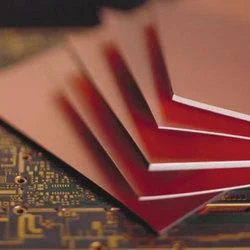
PCB Manufacturing Paper Based Copper Laminates Phenolic Kraft Punchable
Premium Composite Copper Clad Laminates For PCBs With Moisture Resistance
XPC Copper Clad Laminate For PCB High Frequency Applications
Why Businesses Trust Pepagora
Thousands of companies trust Pepagora to source smarter and sell faster
Expand Your Sales Globally
25000+Products listed.Get discovered by global buyers
Tools to boost visibility
Build your own catalog

Source Smarter,Grow Faster
4000+Active RFQs
100+ Countries served
Easy Sourcing Tools