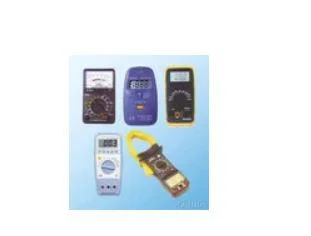
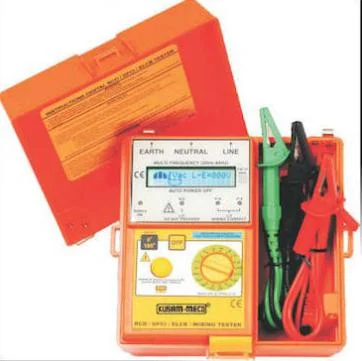
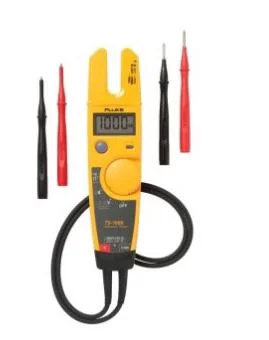
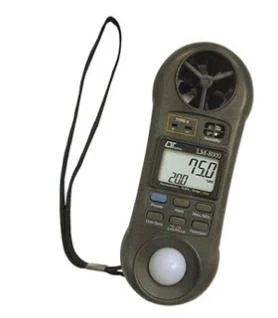
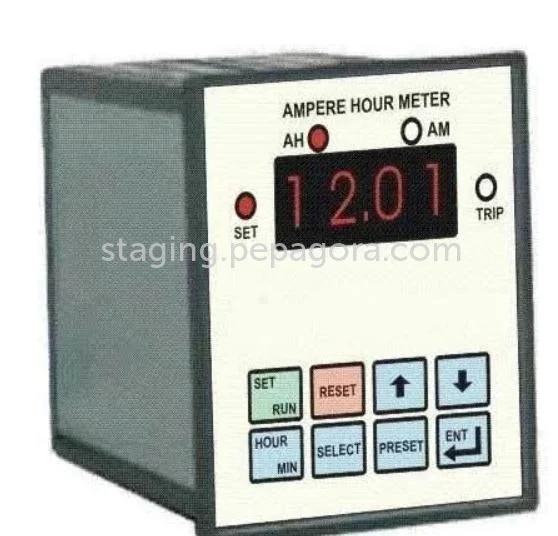
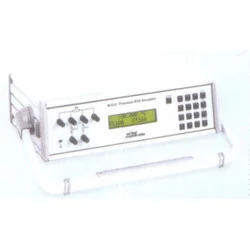
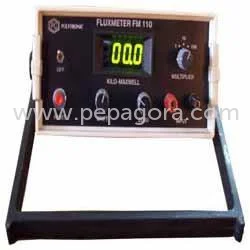
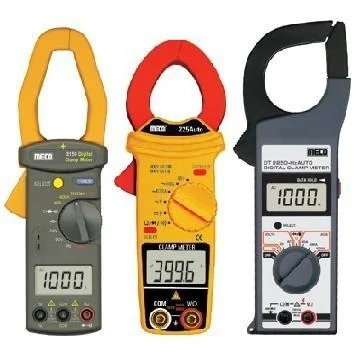
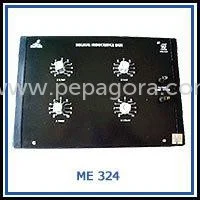
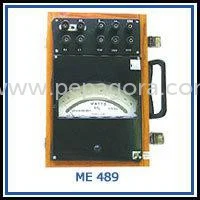
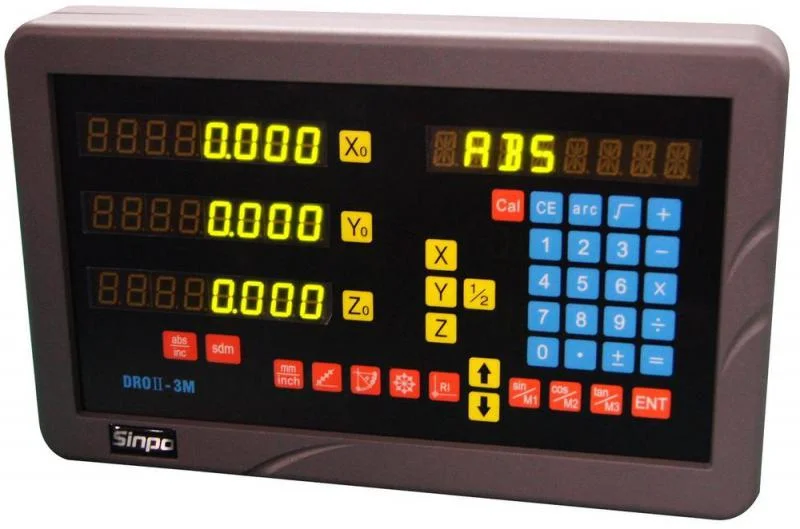
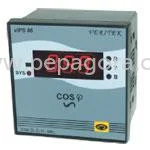
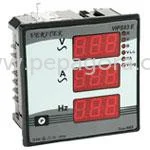
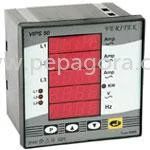
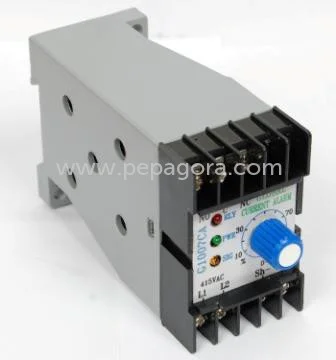
𝗪𝗵𝗮𝘁 𝗮𝗿𝗲 𝗘𝗹𝗲𝗰𝘁𝗿𝗼𝗻𝗶𝗰 𝗧𝗲𝘀𝘁𝗶𝗻𝗴 & 𝗠𝗲𝗮𝘀𝘂𝗿𝗶𝗻𝗴 𝗜𝗻𝘀𝘁𝗿𝘂𝗺𝗲𝗻𝘁𝘀?
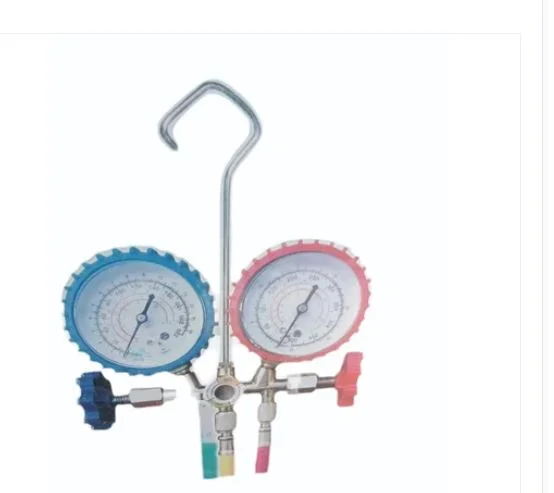
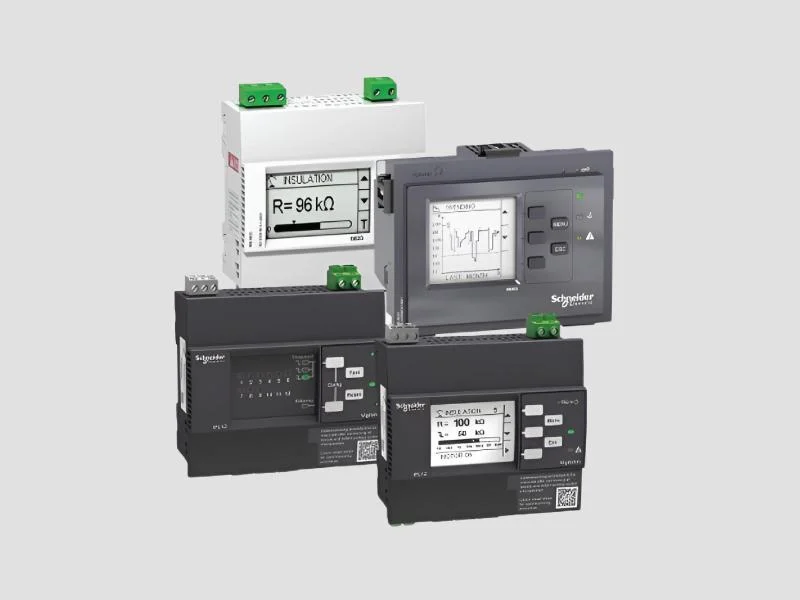
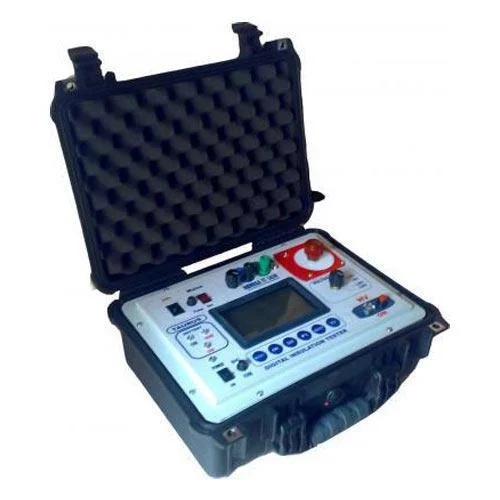
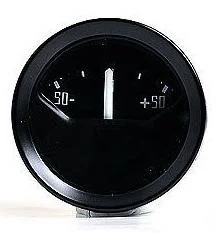
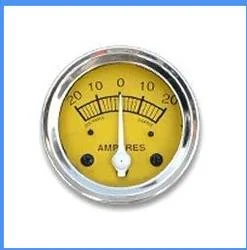
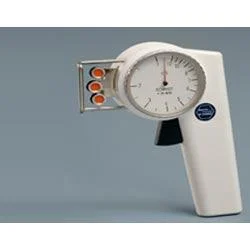
Electronic Testing and Measuring Instruments are essential tools used to assess and quantify various electrical and electronic parameters. These instruments are designed to measure voltage, current, resistance, frequency, and other electrical properties accurately. Their primary function is to ensure that electronic devices operate efficiently and safely, making them indispensable in both industrial and laboratory settings.
These instruments find their primary applications in quality assurance, product testing, and research and development. Industries such as electronics manufacturing, telecommunications, automotive, and aerospace use these tools to verify compliance with specifications and industry standards. They play a critical role in troubleshooting, maintenance, and the overall quality control processes in manufacturing environments, ensuring that products meet rigorous performance criteria.
The relevance of Electronic Testing and Measuring Instruments in today’s market cannot be overstated. As technology continues to advance, the demand for precise and reliable testing solutions grows. Companies are increasingly integrating these instruments into their processes to enhance productivity, minimize errors, and ensure compliance with ever-evolving regulatory standards.
𝗞𝗲𝘆 𝗙𝗲𝗮𝘁𝘂𝗿𝗲𝘀 𝗮𝗻𝗱 𝗦𝗽𝗲𝗰𝗶𝗳𝗶𝗰𝗮𝘁𝗶𝗼𝗻𝘀
Electronic Testing and Measuring Instruments come with a variety of features and specifications that cater to different testing needs. Understanding these specifications is crucial for selecting the right instruments for your applications.
Key specifications include:
1. Measurement Range
- Defines the minimum and maximum values the instrument can measure.
- Typical ranges can vary significantly depending on the type of instrument.
2. Accuracy
- Indicates how close the measurement is to the true value.
- Expressed as a percentage of reading or full scale.
3. Resolution
- The smallest change in measurement that can be detected.
- Higher resolution allows for more precise measurements.
4. Input Impedance
- Affects how much the instrument influences the circuit being tested.
- Higher input impedance is preferable to minimize loading effects.
5. Display Type
- Refers to the type of screen (analog or digital) used to show readings.
- Digital displays often provide enhanced readability.
6. Battery Life and Power Options
- Important for portable instruments.
- Longer battery life allows for extended use in the field.
7. Size and Weight
- Considerations for portability and ease of use in different environments.
- Compact designs are favored for field applications.
8. Connectivity Features
- Options for data transfer and integration with software systems.
- Some instruments offer USB or Bluetooth connectivity for enhanced functionality.
In summary, understanding the key features and specifications of Electronic Testing and Measuring Instruments is essential for making informed purchasing decisions that align with specific testing requirements.
𝗖𝗼𝗺𝗺𝗼𝗻 𝗔𝗽𝗽𝗹𝗶𝗰𝗮𝘁𝗶𝗼𝗻𝘀 𝗮𝗻𝗱 𝗨𝘀𝗲 𝗖𝗮𝘀𝗲𝘀
Electronic Testing and Measuring Instruments are utilized across various industries for specific applications.
1. Electronics Manufacturing: These instruments are used to test circuit boards, verify component values, and ensure proper functionality in electronic devices.
2. Telecommunications: They are essential for measuring signal strength, frequency response, and network performance in communication systems.
3. Automotive: Used in the testing of electronic control units, sensors, and other automotive electronics to ensure compliance with safety and performance standards.
4. Aerospace: Instruments measure various parameters in aircraft systems, ensuring reliability and safety in critical applications.
5. Medical Devices: Testing instruments verify the performance and safety of medical equipment, ensuring compliance with regulatory standards.
6. Research and Development: They play a vital role in experimental setups, providing accurate data for analysis and development of new technologies.
7. Industrial Automation: Used to monitor and troubleshoot automated systems, ensuring optimal performance and minimal downtime.
𝗣𝗿𝗼𝗱𝘂𝗰𝘁 𝗩𝗮𝗿𝗶𝗮𝗻𝘁𝘀 𝗮𝗻𝗱 𝗦𝘂𝗯𝗰𝗮𝘁𝗲𝗴𝗼𝗿𝗶𝗲𝘀
Electronic Testing and Measuring Instruments offer a diverse range of products to meet different requirements.
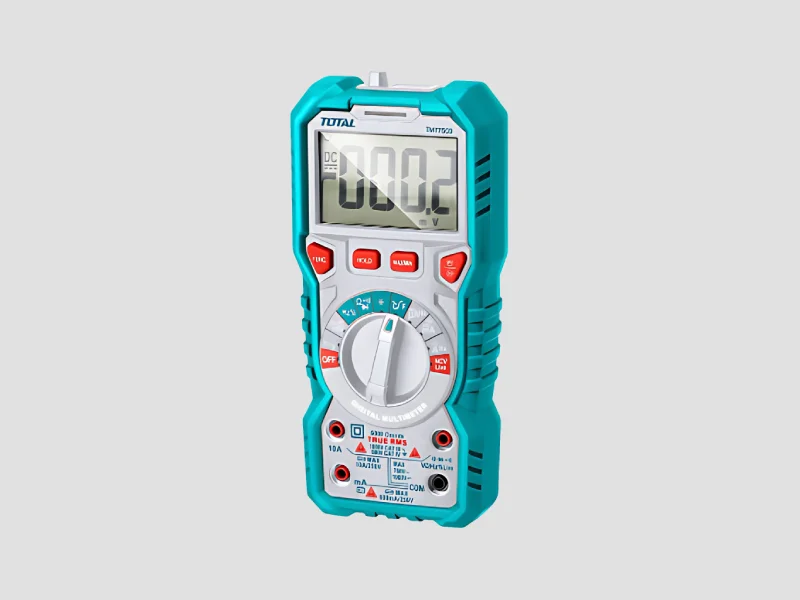
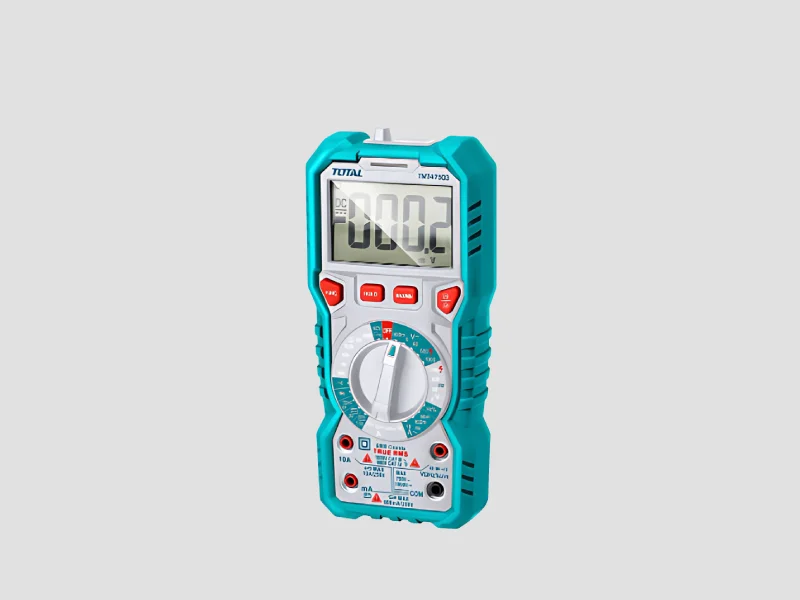
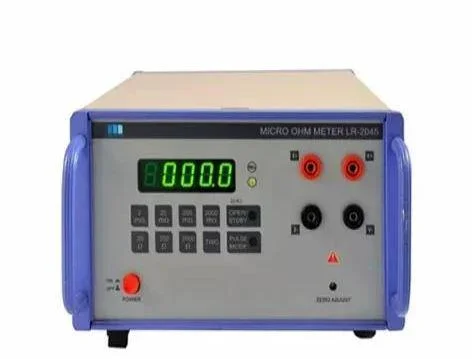
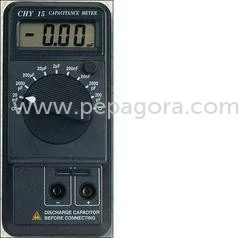
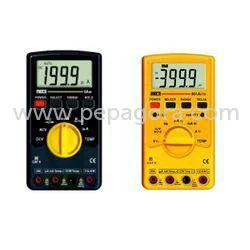
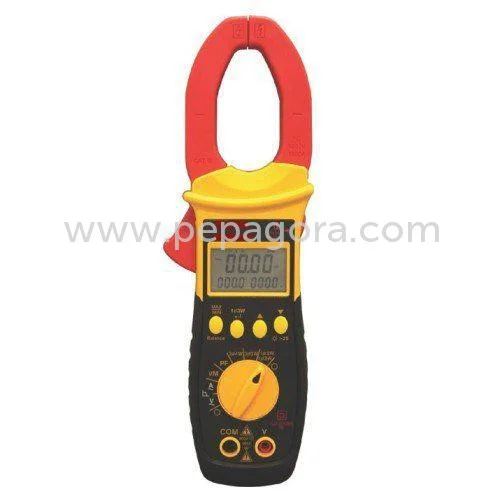
Digital Multimeters: These versatile instruments measure voltage, current, and resistance. They often come with additional functions such as frequency and capacitance measurements, making them suitable for a wide range of applications.
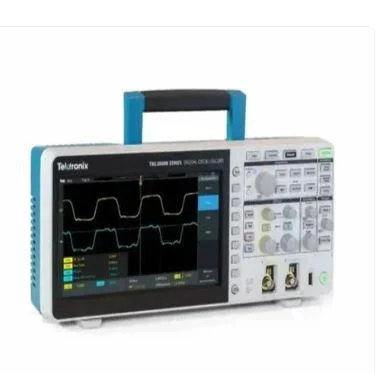
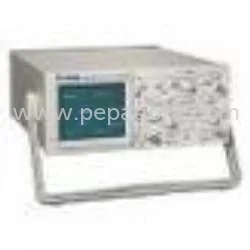
Oscilloscopes: Used to visualize electrical signals over time. They are essential in analyzing waveforms and troubleshooting complex electronic circuits.
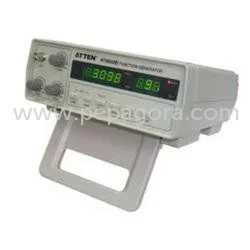
Function Generators: These devices produce various waveforms, which can be used in testing and simulating electronic circuits.
Spectrum Analyzers: Designed for analyzing the frequency spectrum of signals, they are crucial in telecommunications and broadcasting applications.
𝗕𝗲𝗻𝗲𝗳𝗶𝘁𝘀 𝗮𝗻𝗱 𝗔𝗱𝘃𝗮𝗻𝘁𝗮𝗴𝗲𝘀
Choosing Electronic Testing and Measuring Instruments offers numerous benefits that enhance operational efficiency.
1. Precision Measurement: These instruments provide highly accurate readings, reducing the risk of errors in testing and diagnostics.
2. Enhanced Productivity: By ensuring proper functionality and performance of devices, they help minimize downtime and improve workflow.
3. Compliance Assurance: Instruments help businesses meet industry standards and regulatory requirements, ensuring product safety and reliability.
4. Versatile Applications: They can be used across various industries and applications, making them a valuable asset for any organization.
5. Improved Troubleshooting: Quick and accurate measurements facilitate faster identification of issues, allowing for timely repairs and maintenance.
6. Cost-Effectiveness: Investing in quality testing instruments can lead to long-term savings by preventing costly failures and ensuring efficient operations.
𝗕𝘂𝘆𝗶𝗻𝗴 𝗚𝘂𝗶𝗱𝗲 𝗳𝗼𝗿 𝗕𝟮𝗕 𝗕𝘂𝘆𝗲𝗿𝘀
When sourcing Electronic Testing and Measuring Instruments, several factors should be considered to ensure the best purchase decision.
1. Quality Assessment: Look for instruments that adhere to industry standards. Check for certifications and customer reviews to gauge reliability and performance.
2. Supplier Verification: Vet potential suppliers by evaluating their reputation, experience, and customer service. A reliable supplier can provide valuable support and guidance.
3. Pricing and MOQ: Understand the pricing structure and minimum order quantities. Compare prices across different suppliers to find the best deal.
4. Delivery and Lead Times: Consider logistics and the expected delivery times. Timely delivery is essential for maintaining operational efficiency.
5. Compliance Requirements: Ensure that the instruments meet any relevant regulatory standards for your industry. Compliance is critical for safety and legal operations.
𝗖𝗼𝗺𝗽𝗹𝗶𝗮𝗻𝗰𝗲 𝗮𝗻𝗱 𝗖𝗲𝗿𝘁𝗶𝗳𝗶𝗰𝗮𝘁𝗶𝗼𝗻𝘀
Electronic Testing and Measuring Instruments must adhere to various quality standards and certifications to ensure their reliability and safety.
ISO 9001 is a widely recognized quality management standard that many manufacturers follow to ensure consistent quality in their products. Adherence to this standard reflects a commitment to quality and customer satisfaction.
CE certification indicates that a product meets European health, safety, and environmental protection standards. This certification is crucial for products sold in European markets.
Safety and testing requirements vary by industry, but they often include rigorous testing for performance and reliability. Compliance with these standards is essential to ensure that instruments operate safely and effectively in their intended applications.
Regional compliance considerations may also come into play, depending on the market and regulatory environment. Understanding these requirements is essential for businesses operating in multiple regions.
𝗪𝗵𝘆 𝗦𝗼𝘂𝗿𝗰𝗲 𝗘𝗹𝗲𝗰𝘁𝗿𝗼𝗻𝗶𝗰 𝗧𝗲𝘀𝘁𝗶𝗻𝗴 & 𝗠𝗲𝗮𝘀𝘂𝗿𝗶𝗻𝗴 𝗜𝗻𝘀𝘁𝗿𝘂𝗺𝗲𝗻𝘁𝘀 𝗳𝗿𝗼𝗺 𝗣𝗲𝗽𝗮𝗴𝗼𝗿𝗮?
Pepagora is a trusted platform for sourcing Electronic Testing and Measuring Instruments, offering several key advantages to business buyers.
Verified Supplier Network: Pepagora carefully vets its suppliers to ensure that only reliable and reputable manufacturers are part of the network. This verification process helps buyers feel confident in their purchasing decisions.
Streamlined RFQ Process: The platform simplifies the request for quotation process, allowing buyers to easily compare prices and specifications from multiple suppliers. This efficiency saves time and aids in making informed decisions.
Trade Assurance and Support: Pepagora provides buyer protection through trade assurance, ensuring that transactions are secure. Additionally, the platform offers support throughout the purchasing process, helping buyers navigate any challenges.
Regional Coverage: With a strong presence in India, the GCC, and Southeast Asia, Pepagora offers extensive regional coverage. This geographic reach enables buyers to access a wide range of products and suppliers tailored to their specific market needs.

 IN
IN