
 IN
Wearable Devices & Smartwatches
51 products available
𝗪𝗵𝗮𝘁 𝗮𝗿𝗲 𝗪𝗲𝗮𝗿𝗮𝗯𝗹𝗲 𝗗𝗲𝘃𝗶𝗰𝗲𝘀 & 𝗦𝗺𝗮𝗿𝘁𝘄𝗮𝘁𝗰𝗵𝗲𝘀?
Wearable devices and smartwatches are innovative electronic devices designed to be worn on the body, offering a range of functionalities that enhance daily activities and health management. These devices typically integrate advanced technology, allowing users to monitor various metrics such as physical activity, health statistics, and notifications from smartphones. They are equipped with sensors that track movements, heart rate, and other vital signs, making them an essential tool for personal and professional use.
The primary applications of wearable devices and smartwatches extend beyond individual fitness tracking. In business contexts, these devices can optimize workforce management, enhance productivity, and improve employee health and safety. Industries such as healthcare, logistics, and manufacturing utilize wearables to monitor worker performance and health, ensuring compliance with safety standards and promoting a healthier work environment. The market for these devices is continually growing, driven by technological advancements and increasing consumer demand for connected solutions.
𝗞𝗲𝘆 𝗙𝗲𝗮𝘁𝘂𝗿𝗲𝘀 𝗮𝗻𝗱 𝗦𝗽𝗲𝗰𝗶𝗳𝗶𝗰𝗮𝘁𝗶𝗼𝗻𝘀
Wearable devices and smartwatches come equipped with a variety of features that cater to different user needs. These devices are characterized by their ability to connect with smartphones and other devices, as well as their range of health and fitness monitoring capabilities.
Key specifications include:
1. Health Monitoring
- Continuous heart rate monitoring
- Sleep tracking and analysis
2. Connectivity
- Bluetooth and Wi-Fi capabilities
- Compatibility with various operating systems
3. Battery Life
- Average battery life ranging from 1 to 7 days
- Quick charge options
4. Display
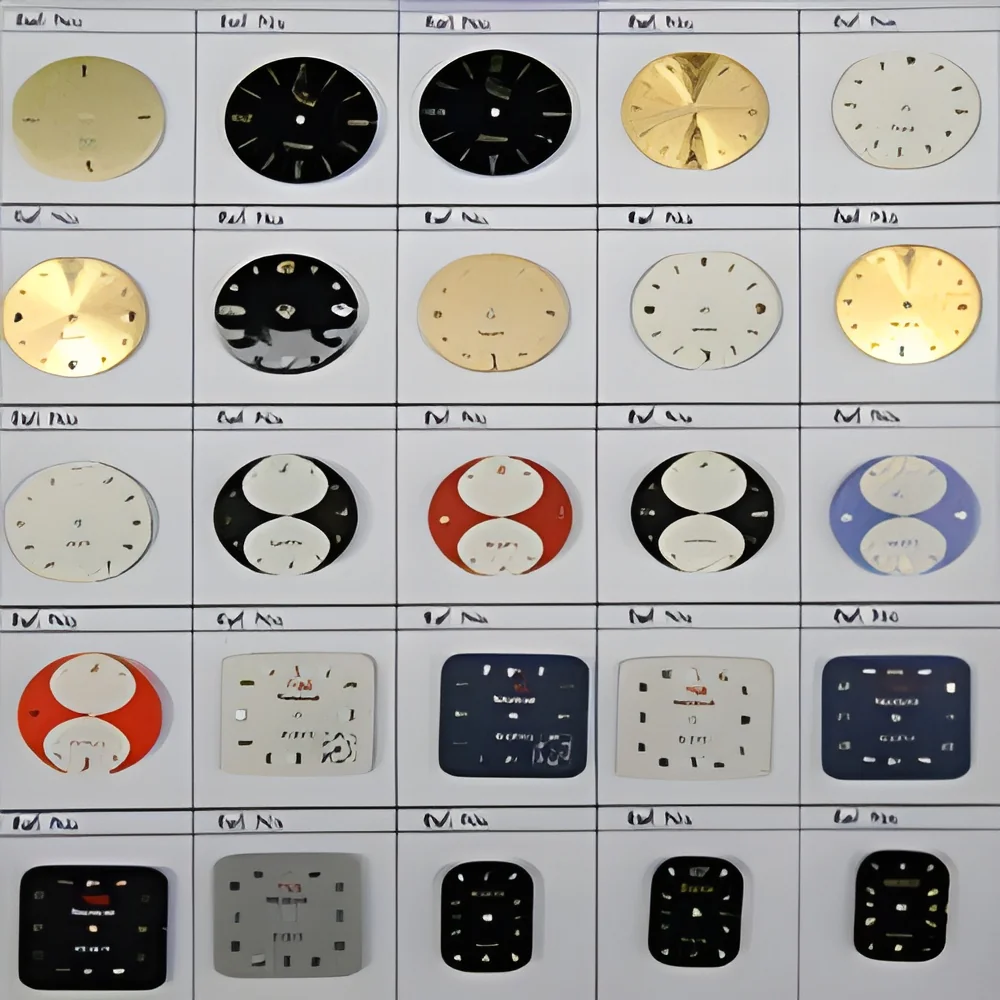
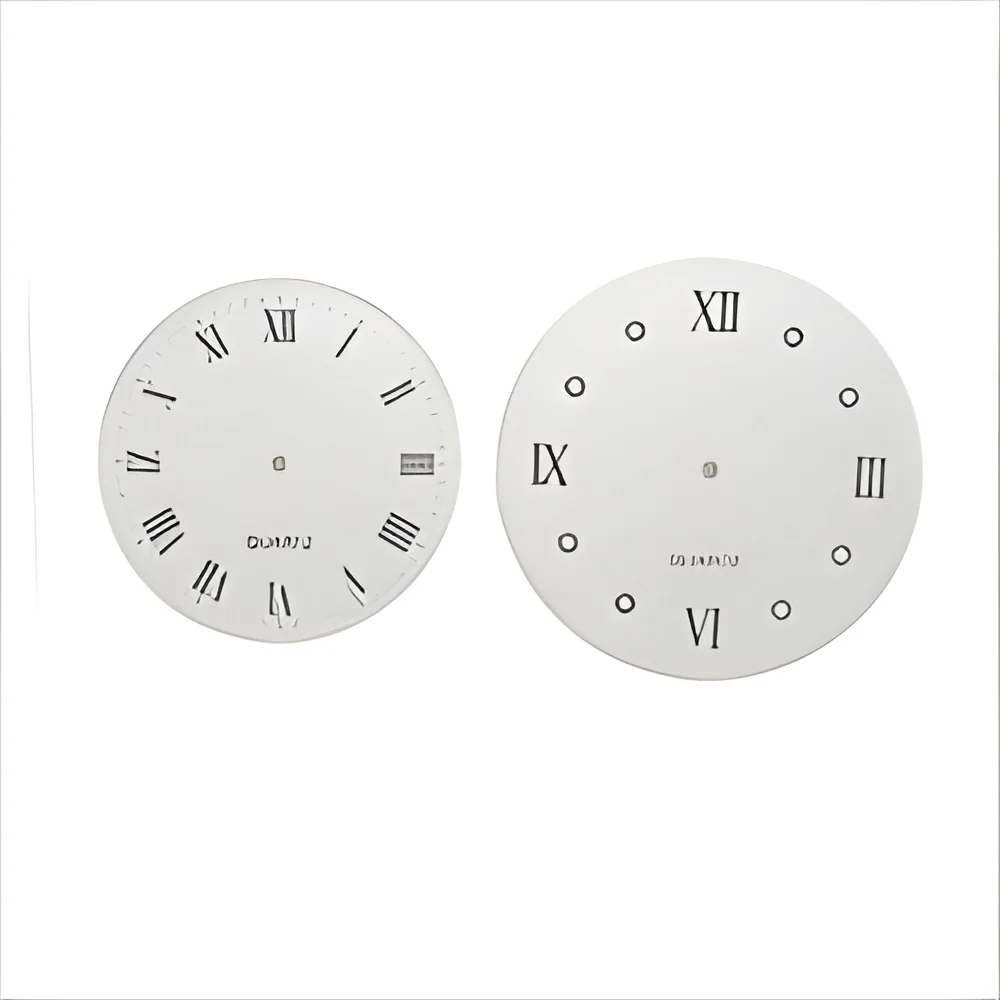
- Touchscreen interface with customizable watch faces
- Size ranges typically from 1.2 to 2 inches in diameter
5. Durability
- Water-resistant ratings (IP68 or similar)
- Scratch-resistant materials
6. Notifications
- Alerts for calls, messages, and calendar events
- Customizable notification settings
7. GPS Functionality
- Built-in GPS for tracking outdoor activities
- Route mapping and navigation support
8. Customization
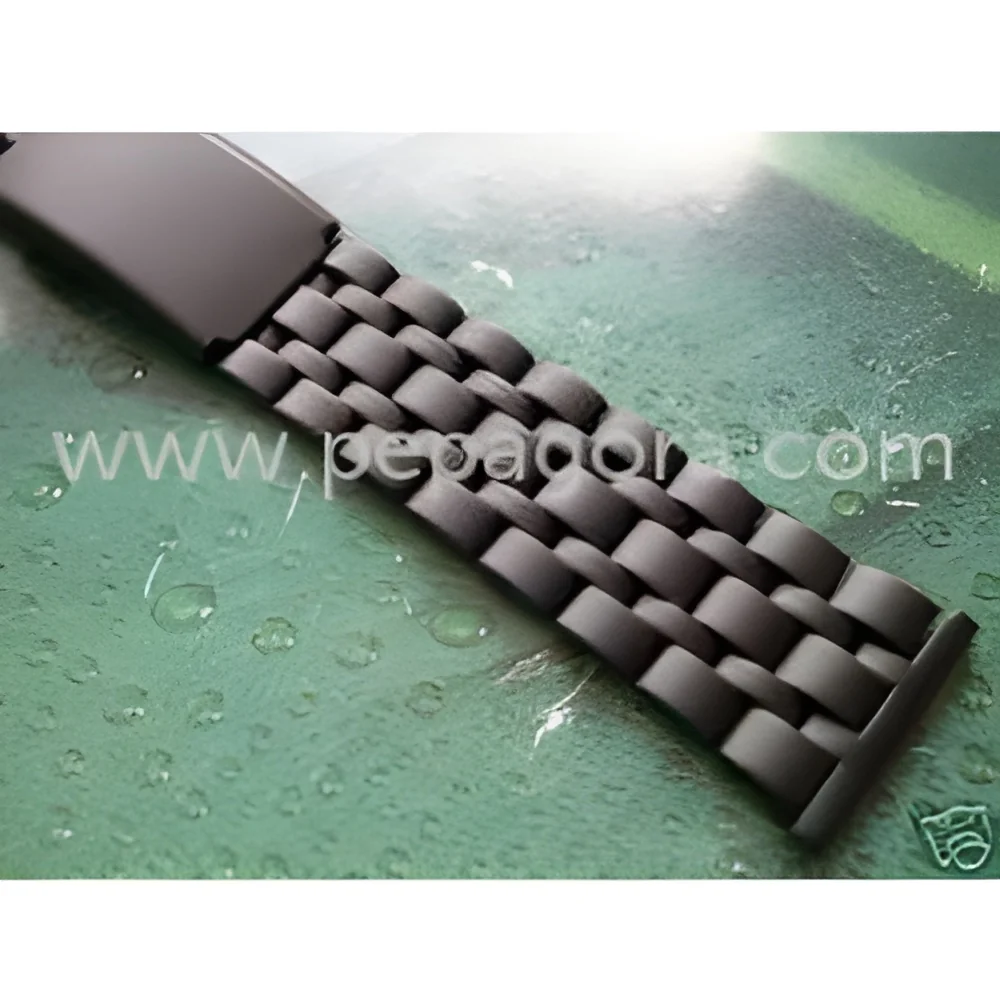
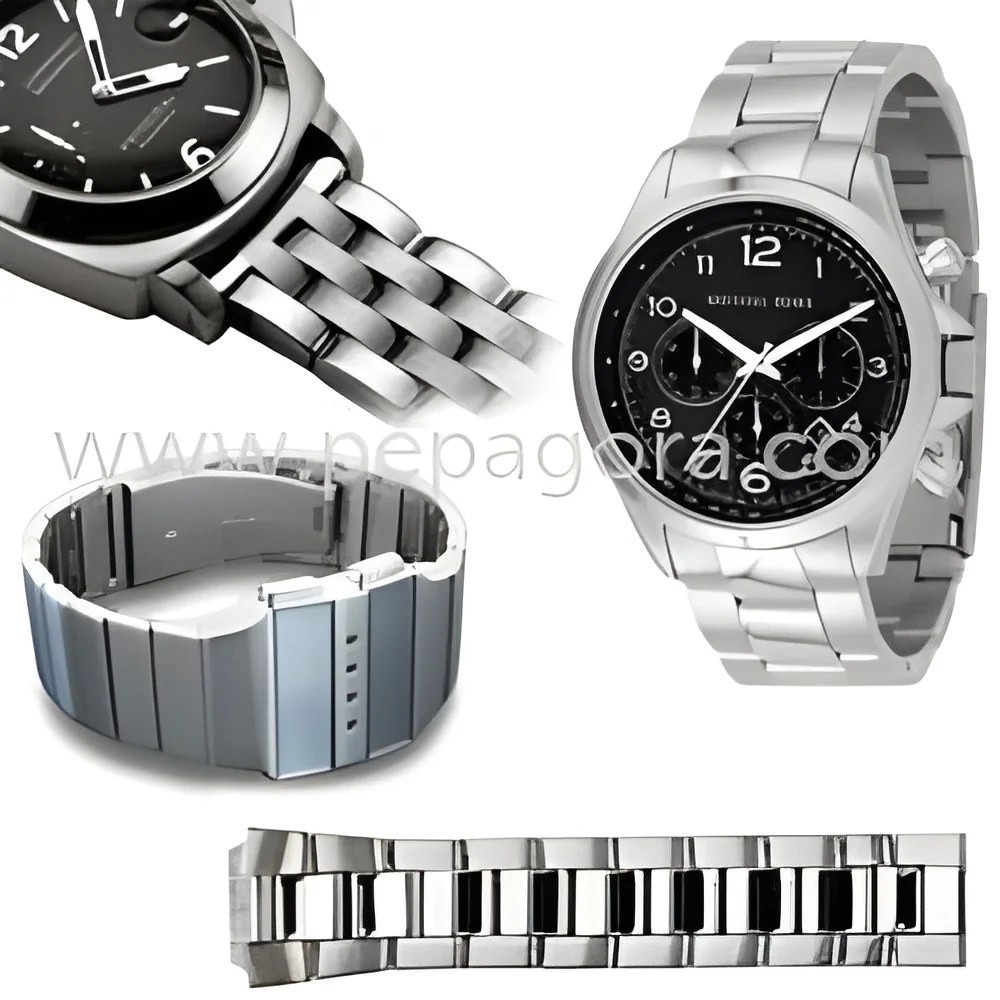
- Interchangeable straps and bands
- Personalized app interfaces
These features make wearable devices and smartwatches versatile tools for both personal use and professional applications.
𝗖𝗼𝗺𝗺𝗼𝗻 𝗔𝗽𝗽𝗹𝗶𝗰𝗮𝘁𝗶𝗼𝗻𝘀 𝗮𝗻𝗱 𝗨𝘀𝗲 𝗖𝗮𝘀𝗲𝘀
Wearable devices and smartwatches serve a diverse range of industries and applications.
1. Healthcare: These devices are used for patient monitoring, enabling healthcare providers to track vital signs and health metrics remotely.
2. Fitness and Wellness: Fitness enthusiasts utilize wearables to track workouts, set fitness goals, and monitor progress over time.
3. Manufacturing: Companies employ wearables for safety compliance, allowing workers to monitor their health and activity levels in real-time.
4. Retail: Retail businesses leverage smartwatches for inventory management and customer engagement through personalized notifications.
5. Logistics: Wearable devices assist in tracking shipments and enhancing communication among team members in fast-paced environments.
6. Education: Institutions use wearables to monitor student health and engagement levels during activities.
7. Corporate Wellness Programs: Organizations implement smartwatches as part of wellness initiatives to encourage healthy habits among employees.
𝗣𝗿𝗼𝗱𝘂𝗰𝘁 𝗩𝗮𝗿𝗶𝗮𝗻𝘁𝘀 𝗮𝗻𝗱 𝗦𝘂𝗯𝗰𝗮𝘁𝗲𝗴𝗼𝗿𝗶𝗲𝘀
Wearable devices and smartwatches come in various forms, each designed to meet specific user needs. This diversity allows businesses to select devices that best fit their operational requirements.
Fitness Trackers: These compact devices focus primarily on health and fitness monitoring. They track steps, heart rate, and calories burned, making them ideal for fitness enthusiasts and health-conscious individuals.
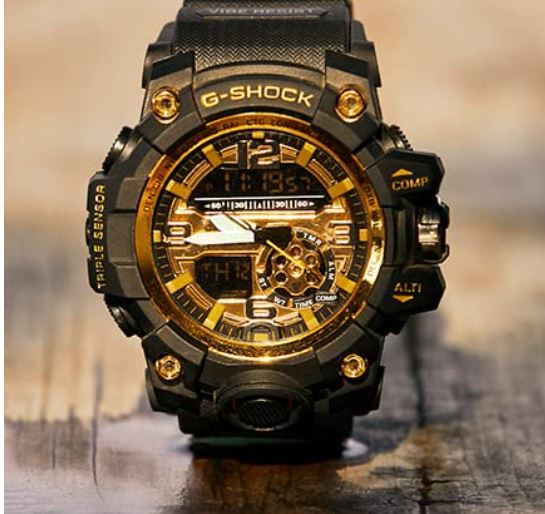
Smartwatches: These multifunctional devices offer advanced features like messaging, calling, and app integration. They serve as a central hub for notifications and health tracking.
Health Monitors: Specialized devices that focus on specific health metrics, such as glucose monitoring for diabetics or heart rate variability for athletes, providing detailed insights into user health.
𝗕𝗲𝗻𝗲𝗳𝗶𝘁𝘀 𝗮𝗻𝗱 𝗔𝗱𝘃𝗮𝗻𝘁𝗮𝗴𝗲𝘀
Wearable devices and smartwatches provide numerous benefits that enhance user experience and operational efficiency.
1. Enhanced Health Monitoring: Continuous tracking of health metrics helps users stay informed about their wellbeing, enabling proactive health management.
2. Increased Productivity: By integrating with smartphones, smartwatches facilitate quick access to important notifications, allowing users to remain focused on tasks.
3. Customization Options: Users can personalize their devices through interchangeable bands and watch faces, ensuring that the device meets their aesthetic preferences.
4. Real-Time Data Access: Businesses can leverage data collected from wearables for informed decision-making and improved operational strategies.
5. Improved Safety: In industries like manufacturing, wearable devices monitor worker health and safety, reducing the risk of accidents and promoting a safer work environment.
6. Cost-Effective Solutions: Investing in wearable technology can lead to long-term savings by improving efficiency and reducing healthcare costs.
𝗕𝘂𝘆𝗶𝗻𝗴 𝗚𝘂𝗶𝗱𝗲 𝗳𝗼𝗿 𝗕𝟮𝗕 𝗕𝘂𝘆𝗲𝗿𝘀
When sourcing wearable devices and smartwatches, it is essential for B2B buyers to consider several factors to ensure the right fit for their needs.
1. Quality Assessment: Evaluate the quality of devices by reviewing user feedback, product reliability, and manufacturer reputation to ensure a positive return on investment.
2. Supplier Verification: Vet potential suppliers by checking their credentials, certifications, and track record in the industry to avoid potential issues.
3. Pricing and MOQ: Understand the pricing structure and minimum order quantities (MOQ) to align with budget constraints and procurement strategies.
4. Delivery and Lead Times: Discuss logistics with suppliers to ascertain delivery timelines and ensure timely project implementation.
5. Compliance Requirements: Familiarize yourself with regulatory compliance standards relevant to your industry and ensure that suppliers meet these requirements to avoid legal complications.
𝗖𝗼𝗺𝗽𝗹𝗶𝗮𝗻𝗰𝗲 𝗮𝗻𝗱 𝗖𝗲𝗿𝘁𝗶𝗳𝗶𝗰𝗮𝘁𝗶𝗼𝗻𝘀
Wearable devices and smartwatches must adhere to specific quality and safety standards to ensure reliability and user safety. Common standards include ISO 9001, which outlines quality management systems, and HACCP, which focuses on food safety in related applications.
Additionally, industry certifications such as CE indicate that the devices meet European safety and health standards. These certifications are crucial for gaining market acceptance and ensuring product safety.
Safety and testing requirements are also integral to the production process. Manufacturers must conduct rigorous testing to ensure that devices operate correctly and safely under various conditions. Furthermore, regional compliance considerations may vary, necessitating a thorough understanding of local regulations for successful market entry.
𝗪𝗵𝘆 𝗦𝗼𝘂𝗿𝗰𝗲 𝗪𝗲𝗮𝗿𝗮𝗯𝗹𝗲 𝗗𝗲𝘃𝗶𝗰𝗲𝘀 & 𝗦𝗺𝗮𝗿𝘁𝘄𝗮𝘁𝗰𝗵𝗲𝘀 𝗳𝗿𝗼𝗺 𝗣𝗲𝗽𝗮𝗴𝗼𝗿𝗮?
Pepagora offers a reliable platform for sourcing wearable devices and smartwatches, providing several key advantages for B2B buyers.
Verified Supplier Network: All suppliers on the Pepagora platform undergo thorough verification, ensuring that buyers have access to reputable manufacturers that meet industry standards.
Streamlined RFQ Process: The request for quotation (RFQ) system simplifies the sourcing process, allowing buyers to receive tailored quotes from multiple suppliers efficiently.
Trade Assurance and Support: Buyers benefit from trade assurance programs that protect their investments, providing support throughout the purchasing process to ensure satisfaction.
Regional Coverage: Pepagora has a strong presence in regions such as India, the GCC, and Southeast Asia, allowing businesses to connect with local suppliers for faster service and support.

 India
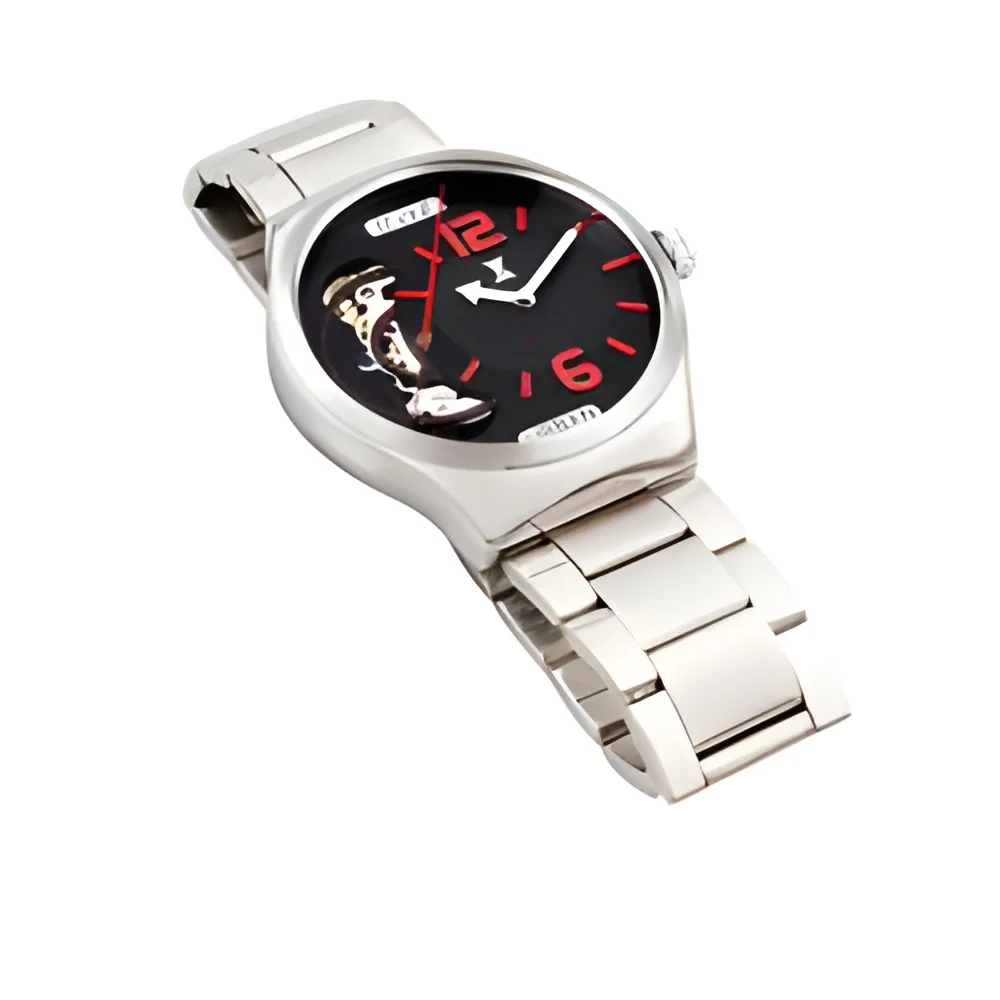
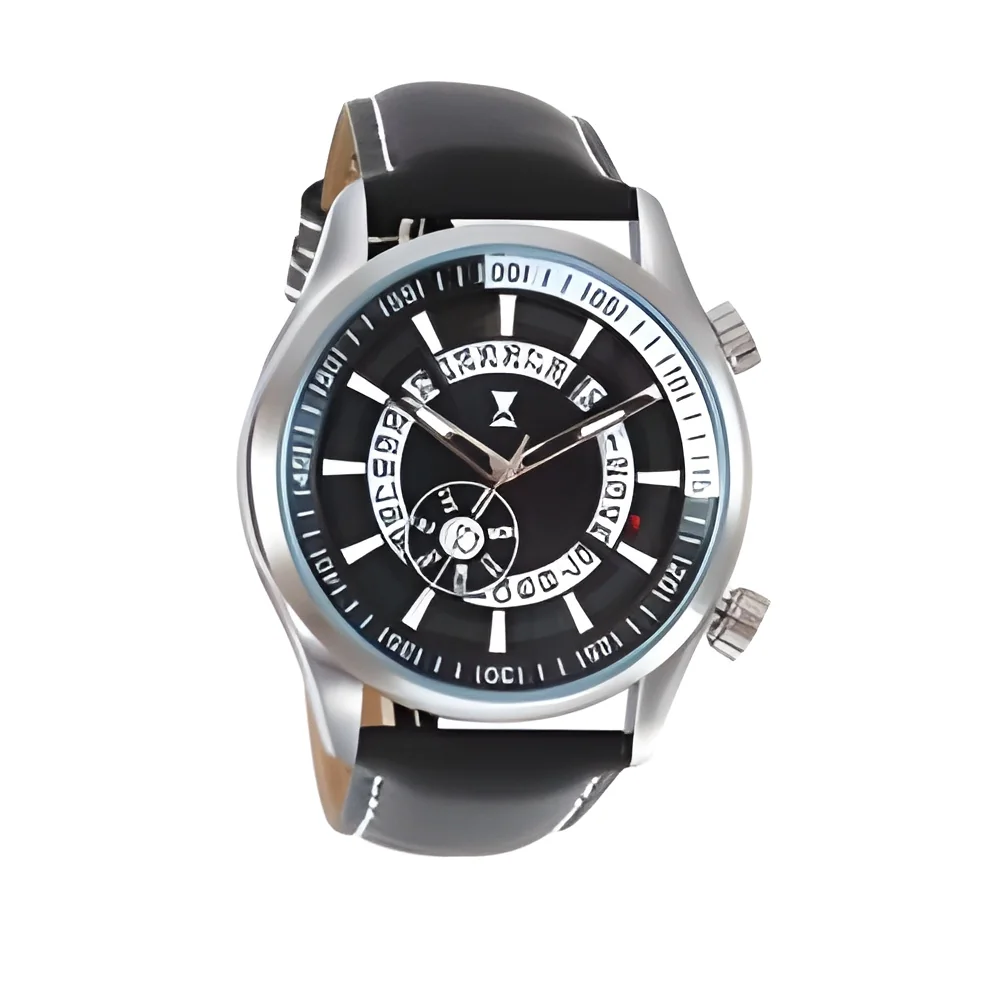
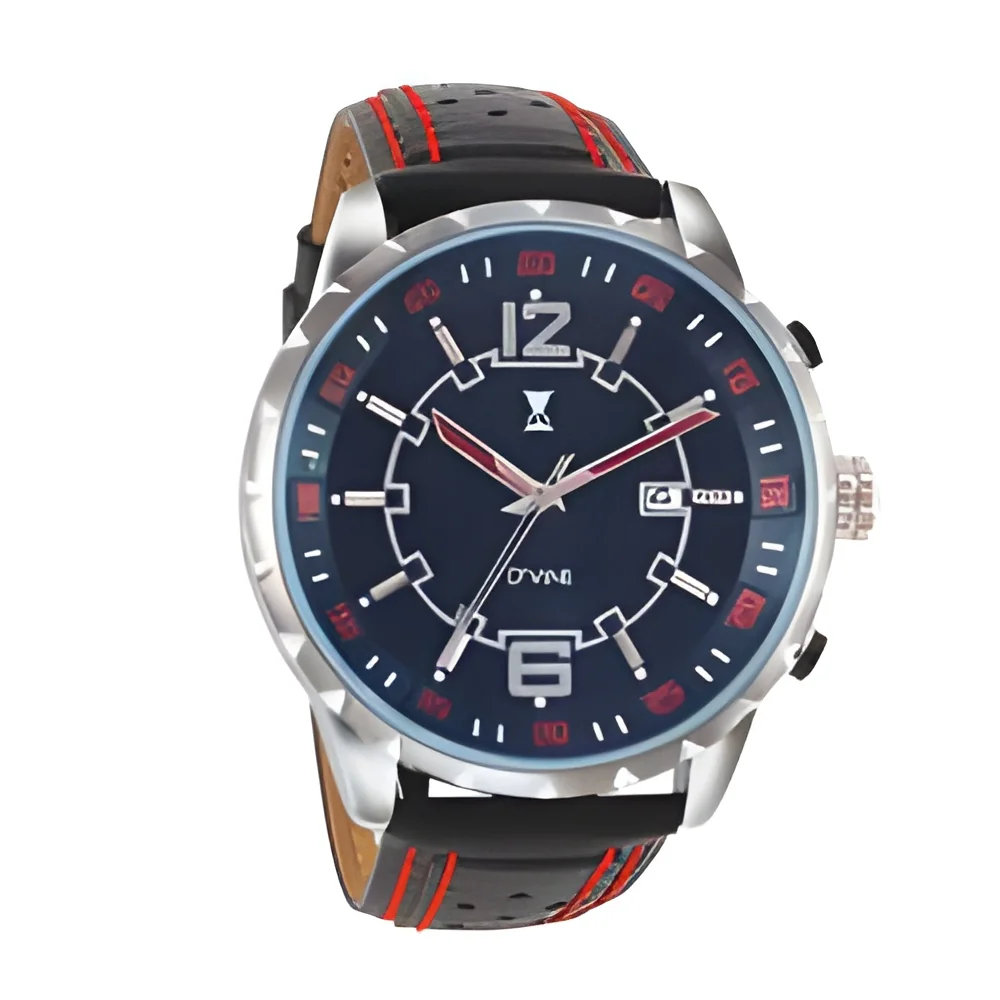 India
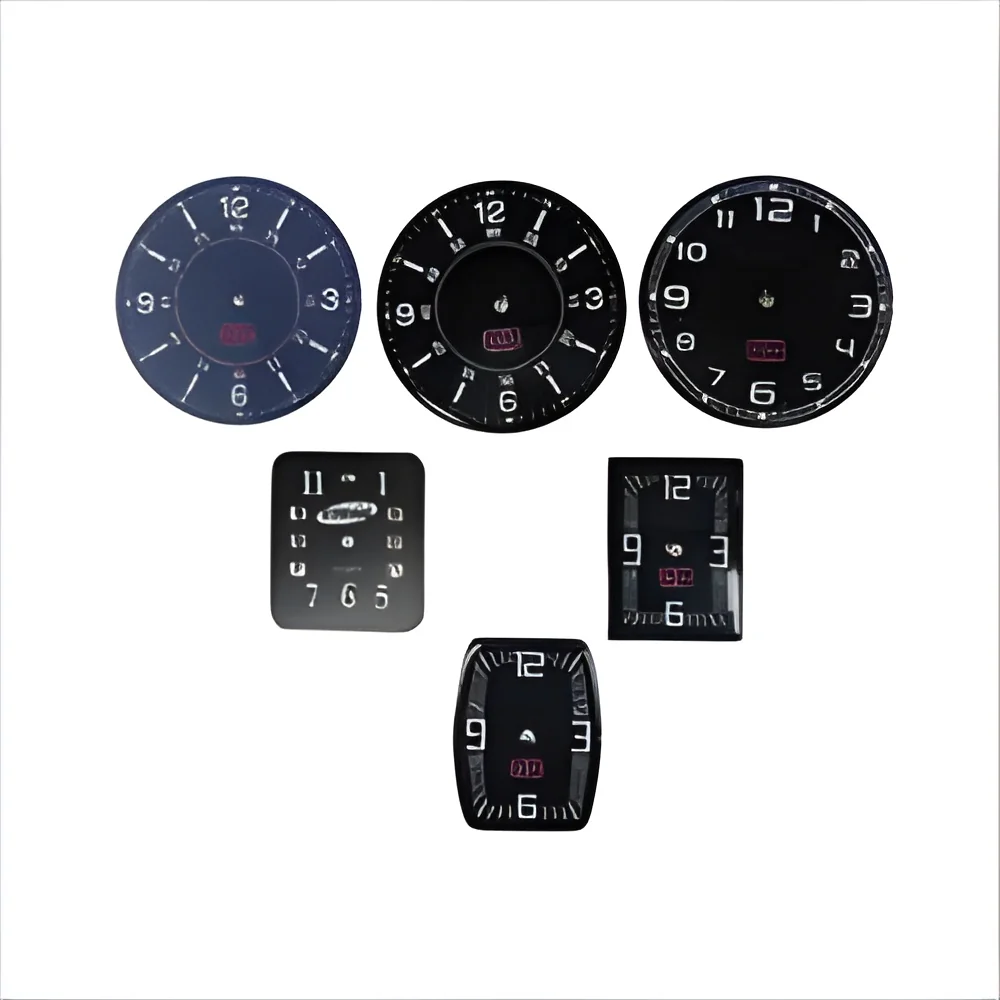
 India
 India
 India
 India
 India
 India
 India
 India
 India
Frequently Asked Questions
What are Wearable Devices & Smartwatches?
Wearable devices and smartwatches are electronic devices that can be worn on the body, typically as accessories, and are designed to track data related to fitness, health, and daily activities. These devices often connect to smartphones or other networks to provide notifications, apps, and more.
What are the different types of Wearable Devices & Smartwatches?
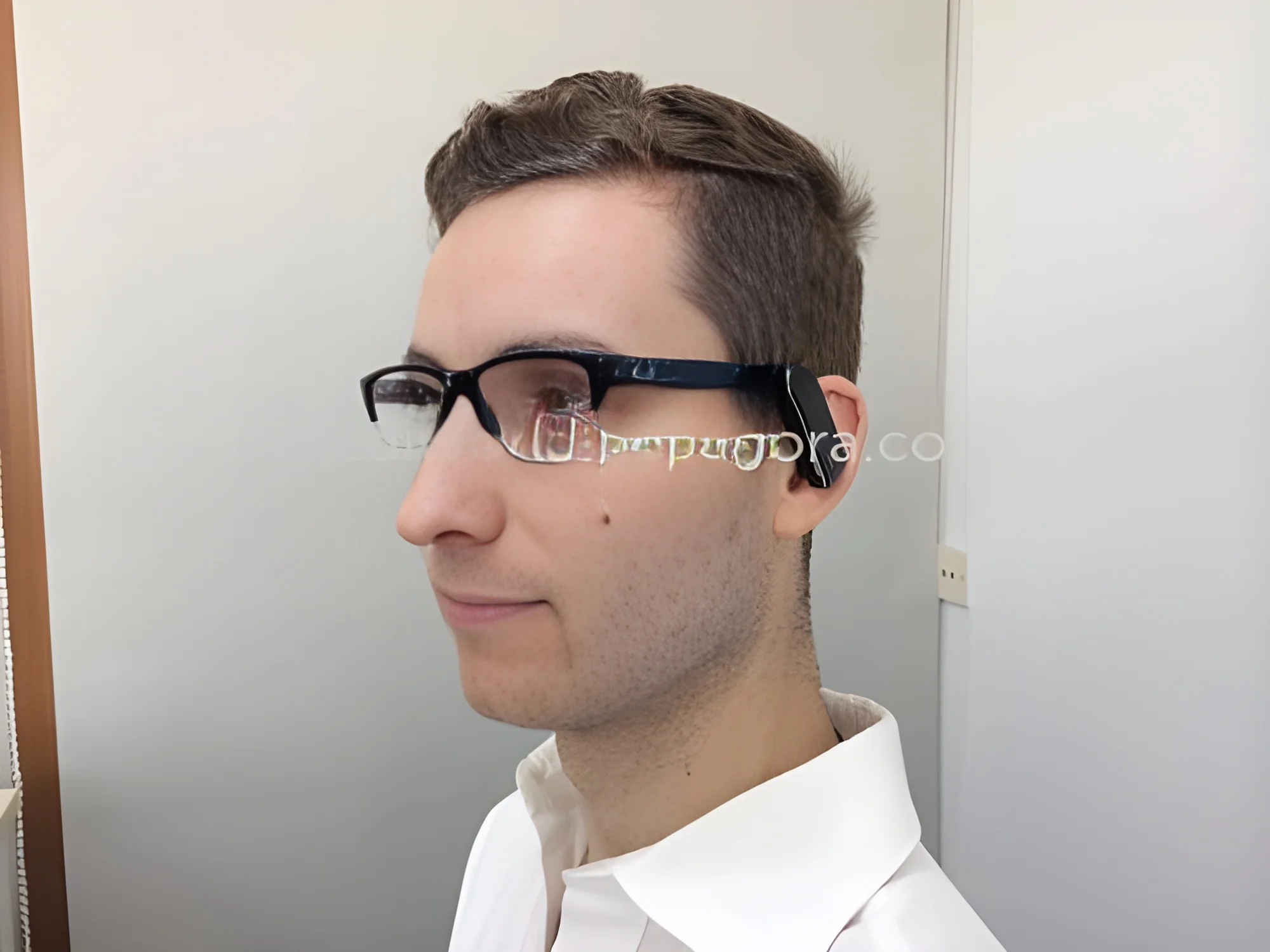
The main types of wearable devices include fitness trackers, smartwatches, smart glasses, and health monitoring devices. Each type serves different purposes, such as tracking physical activity, providing notifications, or monitoring vital signs.
How do I choose the right Wearable Devices & Smartwatches?
Choosing the right wearable device or smartwatch depends on your specific needs and preferences, such as fitness tracking features, battery life, compatibility with smartphones, and design. It is important to consider the device's functionality and how it aligns with your lifestyle.
What are the standard specifications for Wearable Devices & Smartwatches?
Standard specifications for wearable devices and smartwatches often include features like a heart rate monitor, GPS, water resistance, battery life, and connectivity options such as Bluetooth and Wi-Fi. Additional specifications may include display type, compatibility with apps, and storage capacity.
What is the price range for Wearable Devices & Smartwatches?
The price range for wearable devices and smartwatches can vary significantly based on brand, features, and technology, typically ranging from $20 to over $1,000. Budget options generally offer basic functionalities, while premium models provide advanced features and integrations.
What quality standards apply to Wearable Devices & Smartwatches?
Quality standards for wearable devices and smartwatches often include compliance with regulatory requirements such as CE, FCC, and RoHS certifications. Manufacturers may also adhere to specific industry standards for durability, safety, and performance.
Where can I find Wearable Devices & Smartwatches suppliers in India?
You can find suppliers of wearable devices and smartwatches in India through B2B marketplaces like Pepagora.com, trade shows, and industry directories. It's advisable to evaluate suppliers based on their product offerings, reputation, and customer reviews.
Can Wearable Devices & Smartwatches be customized?
Yes, many manufacturers offer customization options for wearable devices and smartwatches, including personalized branding, color choices, and feature modifications. Customization can help businesses meet specific market demands and enhance brand visibility.
What is the typical minimum order quantity for Wearable Devices & Smartwatches?
The typical minimum order quantity (MOQ) for wearable devices and smartwatches can vary by supplier but usually ranges from 50 to 500 units. It's important to confirm MOQs directly with the supplier as it can depend on product type and customization requests.
What is the typical lead time for Wearable Devices & Smartwatches?
The typical lead time for wearable devices and smartwatches can vary based on factors like manufacturing processes, order size, and customization. Generally, lead times can range from 2 to 6 weeks after order confirmation, but it's advisable to check with the supplier for specific timelines.
Why Businesses Trust Pepagora
Thousands of companies trust Pepagora to source smarter and sell faster
Expand Your Sales Globally

Source Smarter,Grow Faster
