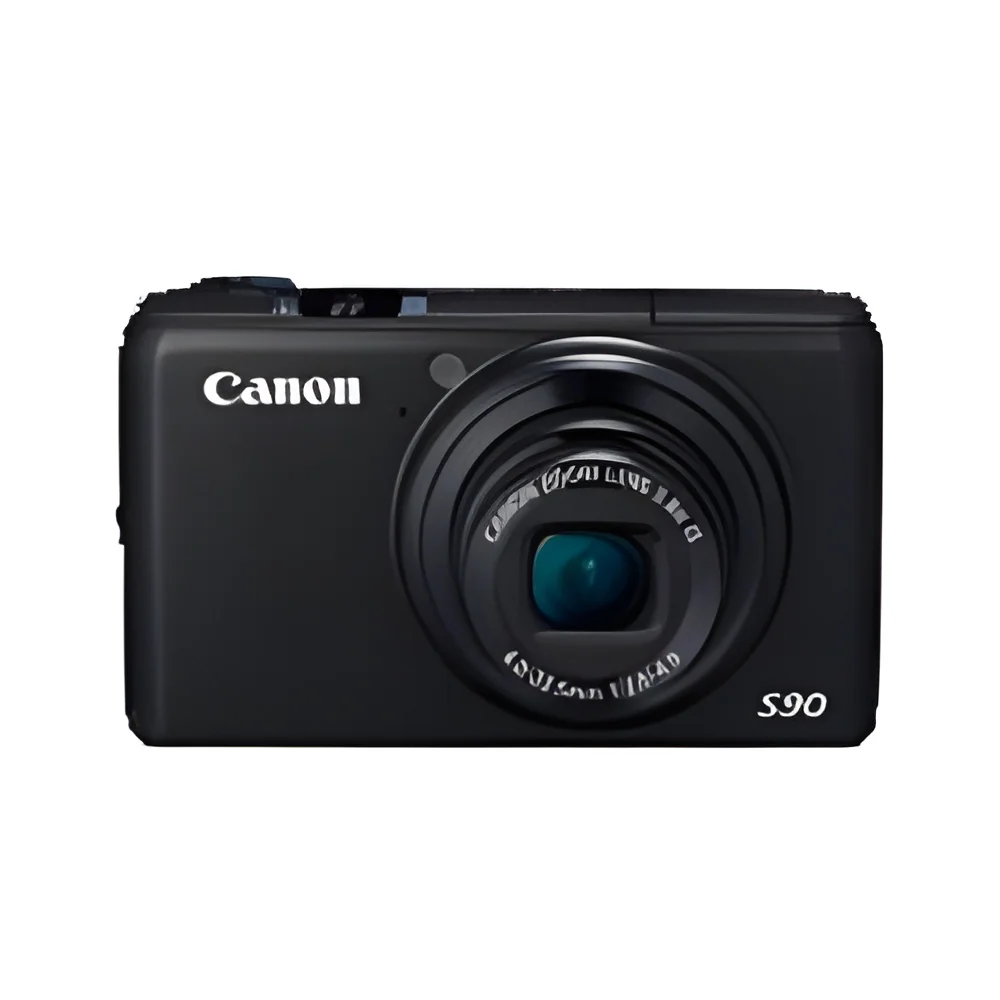
What are Wearable Cameras?
Wearable cameras are compact, portable devices designed to capture video and images from the user's perspective. These cameras are typically lightweight and can be mounted on clothing, helmets, or other accessories, allowing for hands-free operation. They are equipped with advanced features such as high-definition video recording, image stabilization, and often built-in Wi-Fi for easy sharing and streaming. The design focuses on durability and ease of use, making them ideal for various professional environments.
Wearable cameras find primary applications in fields such as law enforcement, healthcare, and industrial safety. In law enforcement, they are used by officers to document encounters, enhancing accountability and transparency. In healthcare, medical professionals utilize these devices to record surgeries or procedures, improving training and patient care. The industrial sector employs wearable cameras for safety monitoring and training, allowing companies to enhance workplace safety and efficiency. As the demand for accountability and real-time data increases, the market for wearable cameras continues to grow across multiple industries.
Key Features and Specifications
Wearable cameras come with a range of features that enhance their usability and performance in various settings. Understanding these specifications helps businesses select the right device for their needs.
Key specifications include:
1. Video Resolution
- Commonly supports resolutions up to 4K
- Frame rates can vary, typically from 30 to 60 fps
2. Battery Life
- Generally lasts between 2 to 8 hours depending on usage
- Some models offer interchangeable batteries for extended use
3. Storage Capacity
- Supports memory cards ranging from 32GB to 256GB
- Some models include cloud storage options
4. Connectivity Options
- Features Wi-Fi and Bluetooth for easy data transfer
- Some devices support live streaming capabilities
5. Durability
- Often designed to be water-resistant and shockproof
- Compliant with military-grade specifications for rugged use
6. Field of View
- Typically offers a wide-angle lens with a field of view between 120 to 170 degrees
- Ideal for capturing a broad perspective in various environments
7. Audio Recording
- Equipped with built-in microphones for clear audio capture
- Some models offer external microphone compatibility
8. User Interface
- Often features touchscreen controls for easy navigation
- Includes mobile app integration for remote control and settings adjustment
In summary, the features and specifications of wearable cameras are integral to their functionality and suitability for different applications. Selecting a model that aligns with specific operational needs is crucial for maximizing effectiveness.
Common Applications and Use Cases
Wearable cameras are utilized across a variety of industries, each leveraging their unique capabilities for enhanced efficiency and safety.
1. Law Enforcement: Officers use wearable cameras to document interactions with the public, providing an accurate account of events while enhancing transparency and accountability.
2. Healthcare: Medical professionals wear cameras during surgeries to document procedures, providing valuable training materials and improving patient care through detailed records.
3. Industrial Safety: In manufacturing and construction, wearable cameras monitor worker safety and compliance with regulations, helping to minimize accidents and improve training programs.
4. Sports and Recreation: Athletes and coaches use wearable cameras to analyze performance and strategies during training, allowing for real-time feedback and improvement.
5. Education and Training: In academic settings, instructors utilize wearable cameras to create instructional videos, enhancing learning experiences through practical demonstrations.
6. Research and Development: Scientists and researchers wear cameras during field studies to document findings, offering visual data that complements written reports.
7. Security and Surveillance: Businesses implement wearable cameras for security personnel to document activities and incidents, providing a reliable record for investigations.
Product Variants and Subcategories
Wearable cameras come in various models, each tailored to specific use cases and requirements.
Action Cameras
These cameras are designed for high-impact activities and are often waterproof and shockproof. They are ideal for sports enthusiasts and outdoor adventures, capturing high-quality footage in challenging environments.
Body Cameras
Commonly used by law enforcement and security personnel, body cameras provide a first-person perspective of interactions. They typically include features such as night vision and extended storage for long-duration recordings.
Helmet Cameras
Helmet-mounted cameras are popular in industries such as construction and firefighting. They offer a hands-free recording solution while ensuring safety and compliance during critical operations.
Benefits and Advantages
Wearable cameras offer numerous benefits that enhance their value for businesses and organizations.
1. Improved Accountability: Wearable cameras provide a reliable record of interactions and events, fostering transparency in various fields such as law enforcement and healthcare.
2. Enhanced Training: These devices allow organizations to create detailed training materials, enabling employees to learn from real-life scenarios and improve their skills.
3. Increased Safety: By monitoring activities in high-risk environments, wearable cameras help identify potential hazards, contributing to a safer workplace.
4. Real-Time Documentation: Wearable cameras enable users to capture and share live footage, facilitating immediate feedback and decision-making in critical situations.
5. Cost-Effectiveness: With advancements in technology, wearable cameras have become more affordable, providing an efficient solution for various operational needs without significant investment.
6. Versatility: The ability to record in different environments makes wearable cameras suitable for a wide range of applications, from industrial settings to recreational activities.
Buying Guide for B2B Buyers
When sourcing wearable cameras, it is essential for B2B buyers to consider several important factors.
1. Quality Assessment: Evaluate the camera's build quality, image resolution, and battery life. Look for products that meet industry standards and have a proven track record of performance.
2. Supplier Verification: Research potential suppliers to ensure they have a solid reputation and offer reliable after-sales support. Verify their certifications and compliance with relevant regulations.
3. Pricing and MOQ: Consider the overall cost, including potential bulk purchase discounts. Be aware of the minimum order quantity (MOQ) requirements, as this can affect budgeting and procurement strategies.
4. Delivery and Lead Times: Assess suppliers' logistics capabilities to ensure timely delivery of products. Understand their lead times and any potential delays that could impact operations.
5. Compliance Requirements: Ensure that the wearable cameras meet necessary compliance standards and industry regulations. This may include certifications like CE and adherence to safety guidelines.
Compliance and Certifications
Wearable cameras must adhere to specific quality standards and regulations to ensure safety and reliability. Common quality standards include ISO 9001, which focuses on quality management systems, and HACCP for food safety where applicable. Additionally, CE certification is important for indicating compliance with European health and safety requirements.
Safety and testing requirements are critical for wearable cameras used in high-risk environments. These devices are often subjected to rigorous testing to ensure they can withstand challenging conditions, including impact resistance and weatherproofing.
Regional compliance considerations should also be taken into account, as different markets may have specific regulations that affect the design and functionality of wearable cameras. Understanding these compliance needs helps businesses make informed procurement decisions.
Why Source Wearable Cameras from Pepagora?
Pepagora serves as a trusted platform for sourcing wearable cameras, offering numerous advantages for B2B buyers.
Verified Supplier Network: Pepagora connects buyers with a network of verified suppliers, ensuring that each provider meets high standards of quality and reliability. This helps mitigate risks associated with procurement.
Streamlined RFQ Process: The platform simplifies the quotation process, allowing businesses to easily request and compare quotes from multiple suppliers. This streamlining saves time and enables quicker decision-making.
Trade Assurance and Support: Pepagora offers trade assurance, providing buyers with protection against potential issues related to product quality and delivery. This support fosters a secure purchasing environment.
Regional Coverage: With a presence across India, the GCC, and Southeast Asia, Pepagora enables businesses to source wearable cameras from various regions, catering to diverse market needs and preferences.
By leveraging the advantages of sourcing through Pepagora, businesses can confidently invest in wearable cameras that enhance operational efficiency and safety.

 IN
IN