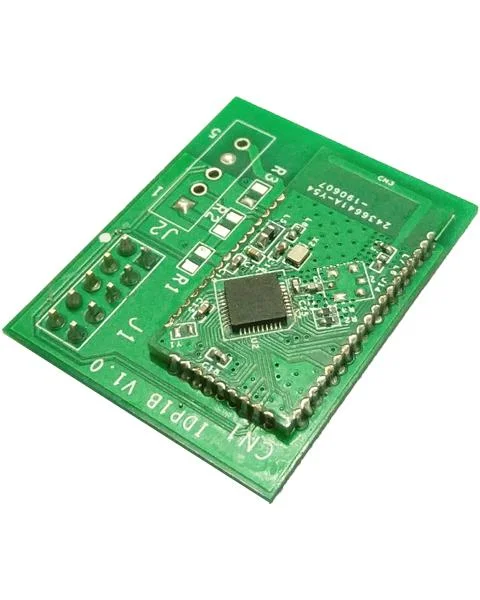
What are Medical Wearables & Health Sensors?
Medical wearables and health sensors are devices designed to monitor various health metrics in real-time. These gadgets are often worn on the body, such as wristbands, patches, or clothing, and can track vital signs like heart rate, blood pressure, and oxygen levels. They use advanced technology to provide continuous health monitoring, which benefits both patients and healthcare providers.
The primary applications of medical wearables and health sensors include chronic disease management, fitness tracking, and post-operative care. For businesses, these devices can improve patient outcomes, reduce hospital readmissions, and enhance the efficiency of healthcare services. The growing demand for remote patient monitoring solutions makes these products increasingly relevant in today's healthcare landscape.
In terms of market context, the medical wearables and health sensor industry is expanding rapidly due to technological advancements and the increasing emphasis on preventive healthcare. As healthcare moves towards more personalized and data-driven approaches, these devices play a crucial role in transforming how medical professionals interact with patients.
Key Features and Specifications
Medical wearables and health sensors come equipped with various features designed to enhance user experience and accuracy. They employ innovative technology to ensure reliable health monitoring while being user-friendly.
Key specifications include:
1. Monitoring Capabilities
- Heart rate, blood pressure, and oxygen saturation levels
- Continuous or on-demand monitoring options
2. Connectivity
- Bluetooth and Wi-Fi capabilities for data transmission
- Compatibility with mobile devices and healthcare applications
3. Battery Life
- Long-lasting batteries to support continuous monitoring
- Rechargeable or replaceable battery options
4. Data Storage
- Internal memory for storing health data
- Cloud storage options for long-term access
5. Design and Comfort
- Lightweight materials for ease of wear
- Adjustable fit for various body types
6. User Interface
- Intuitive displays for easy data interpretation
- Mobile app integration for real-time tracking
7. Durability
- Water-resistant or waterproof designs
- Resistance to wear and tear for long-term use
8. Safety Features
- Alerts for abnormal readings
- Compliance with health regulations
In summary, these specifications ensure that medical wearables and health sensors provide accurate, reliable, and convenient health monitoring.
Common Applications and Use Cases
Medical wearables and health sensors are utilized across various industries, each with specific applications.
1. Healthcare: They are used for remote patient monitoring, allowing healthcare professionals to track patients' vital signs in real-time, especially those with chronic illnesses.
2. Fitness: Fitness enthusiasts use these devices for tracking workouts, heart rates, and overall health metrics, helping them achieve their fitness goals.
3. Elderly Care: Caregivers leverage wearables to monitor the health of elderly individuals, ensuring timely intervention in case of health issues.
4. Sports: Athletes use advanced sensors to analyze performance metrics, aiding in training and recovery processes.
5. Corporate Wellness: Companies implement wearables to promote employee health and wellness programs, enhancing productivity and reducing healthcare costs.
6. Research: Researchers utilize health sensors to collect data for clinical trials or studies related to health trends and disease prevention.
7. Home Healthcare: Patients use wearables for managing their health at home, reducing the need for frequent hospital visits.
Product Variants and Subcategories
Medical wearables and health sensors come in various forms, catering to different needs and preferences.
Smartwatches
These devices offer health monitoring alongside traditional smartwatch features. They can track fitness metrics and provide notifications, making them versatile for everyday use.
Health Patches
These are adhesive sensors that can be placed on the skin to monitor vital signs continuously. They are discreet and often used in clinical settings for long-term monitoring.
Fitness Bands
Designed primarily for fitness enthusiasts, these bands track physical activity, sleep patterns, and heart rate, promoting healthier lifestyles.
Wearable ECG Monitors
These devices focus on heart health, providing detailed electrocardiogram readings to help detect potential cardiac issues.
Benefits and Advantages
Medical wearables and health sensors offer numerous benefits to users and healthcare providers alike.
1. Enhanced Monitoring: These devices provide continuous health tracking, enabling timely interventions for any irregularities in health metrics.
2. Increased Patient Engagement: Users can take an active role in managing their health, leading to better adherence to treatment plans.
3. Reduced Healthcare Costs: By facilitating early detection of health issues, these wearables can help reduce hospital visits and associated costs.
4. Data-Driven Insights: Real-time data collection allows healthcare providers to make informed decisions based on accurate health information.
5. Improved Quality of Life: Patients benefit from increased autonomy and peace of mind, knowing they can monitor their health regularly.
6. Accessibility: Many wearables are user-friendly and designed for individuals of all ages, making health monitoring accessible to a broader audience.
Buying Guide for B2B Buyers
When considering the purchase of Medical Wearables and Health Sensors, several factors should be prioritized to ensure the best decision.
1. Quality Assessment: Evaluate the build quality and reliability of the devices. Look for reviews and case studies that demonstrate their effectiveness in real-world settings.
2. Supplier Verification: It is crucial to vet suppliers for credibility and compliance with industry standards. Check for certifications and customer feedback to ensure reliability.
3. Pricing and MOQ: Understand the pricing structure and minimum order quantities. Compare different suppliers to find the best value without compromising on quality.
4. Delivery and Lead Times: Assess delivery capabilities and lead times to ensure timely availability of products for your needs.
5. Compliance Requirements: Familiarize yourself with regulatory requirements for medical devices in your region. Ensure that the products you consider meet these standards to avoid legal complications.
Compliance and Certifications
Compliance and certifications are critical aspects of the medical wearables and health sensors industry. Key quality standards include ISO 9001, which focuses on quality management systems, and HACCP, which is essential for ensuring food safety in health-related applications.
Industry certifications such as CE mark indicate that the products meet European safety, health, and environmental protection standards. Adherence to safety and testing requirements ensures that devices are reliable and safe for consumer use.
Additionally, regional compliance considerations vary widely. Understanding these regulations is essential for manufacturers and suppliers to ensure that their products can be sold and used in specific markets.
Why Source Medical Wearables & Health Sensors from Pepagora?
Pepagora offers a reliable platform for sourcing Medical Wearables and Health Sensors, providing several advantages for B2B buyers.
Verified Supplier Network: Pepagora has a robust network of verified suppliers, ensuring that buyers can trust the quality and reliability of the products they are purchasing.
Streamlined RFQ Process: The platform features an efficient request for quotation (RFQ) system, allowing buyers to receive competitive quotes quickly and easily.
Trade Assurance and Support: Buyers are protected through trade assurance policies, ensuring that their purchases are secure and that they receive support throughout the buying process.
Regional Coverage: Pepagora operates across India, the GCC, and Southeast Asia, providing buyers access to a diverse range of suppliers and products tailored to their regional needs.

 IN
IN