
 IN
Skin Care Products
221 products available
𝗪𝗵𝗮𝘁 𝗮𝗿𝗲 𝗦𝗸𝗶𝗻 𝗖𝗮𝗿𝗲 𝗣𝗿𝗼𝗱𝘂𝗰𝘁𝘀?
Skin care products refer to a range of formulations designed to improve the appearance and health of the skin. These products can include creams, lotions, gels, serums, and cleansers, each formulated with specific ingredients aimed at addressing various skin concerns. Typically, skin care products are categorized based on their function, such as moisturizing, exfoliating, or protecting the skin.
The primary uses of skin care products in a business context are for personal care, cosmetic applications, and therapeutic purposes. Industries such as beauty, health, and wellness utilize these products for both consumer retail and professional use in spas and salons. The market for skin care products is growing rapidly, driven by increasing consumer awareness about skin health and the demand for high-quality formulations that provide visible results.
In the current market context, skin care products are relevant not only for their cosmetic benefits but also for their role in promoting overall skin health. With a diverse range of formulations available, companies are able to target specific demographics and skin concerns, making this sector a vital part of the beauty and personal care industry.
𝗞𝗲𝘆 𝗙𝗲𝗮𝘁𝘂𝗿𝗲𝘀 𝗮𝗻𝗱 𝗦𝗽𝗲𝗰𝗶𝗳𝗶𝗰𝗮𝘁𝗶𝗼𝗻𝘀
Skin care products come with a variety of features and specifications that cater to different skin types and concerns. Understanding these specifications is essential for manufacturers and retailers in the B2B space.
Key specifications include:
1. Formulation Type
- Creams, lotions, gels, and serums.
- Each type has unique textures and absorption rates.
2. Active Ingredients
- Common ingredients include hyaluronic acid, retinol, and antioxidants.
- These ingredients address specific skin issues such as hydration and aging.
3. pH Levels
- Typically range from 4.5 to 7.5 for skin compatibility.
- Maintaining pH balance is crucial for skin health.
4. Packaging Options
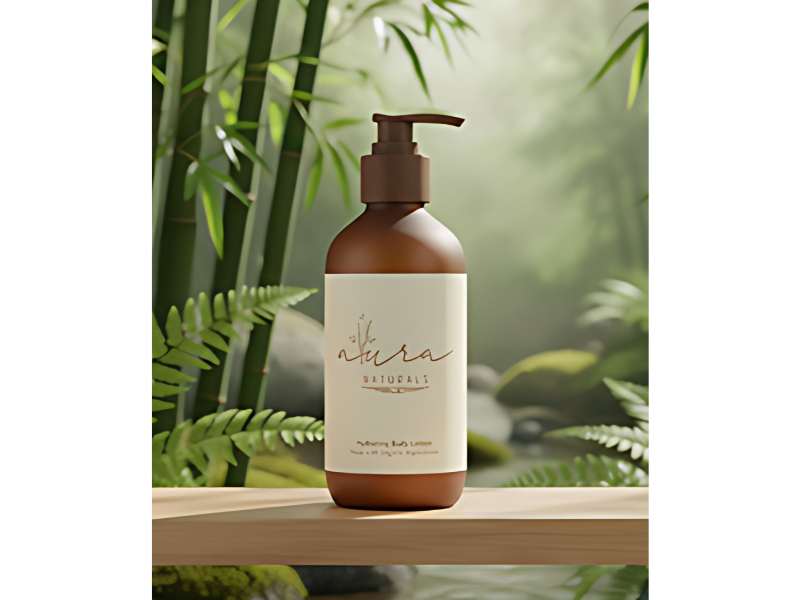
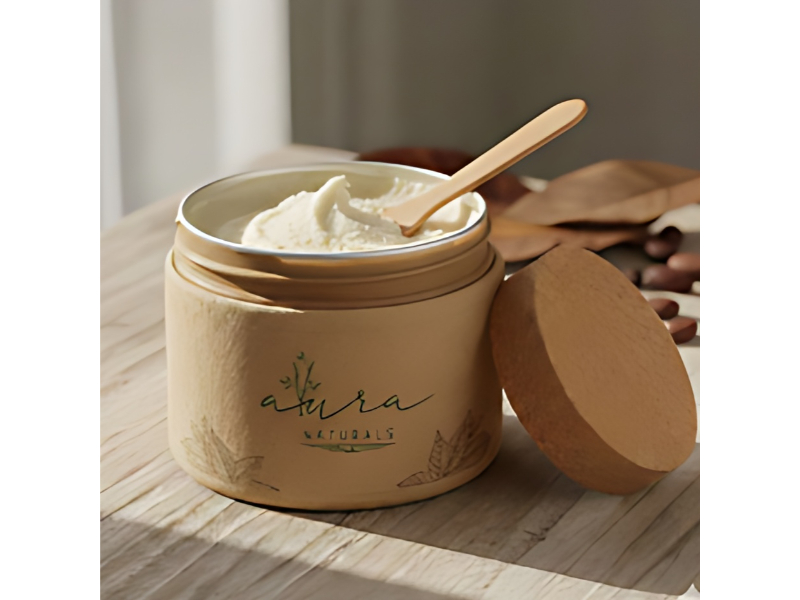
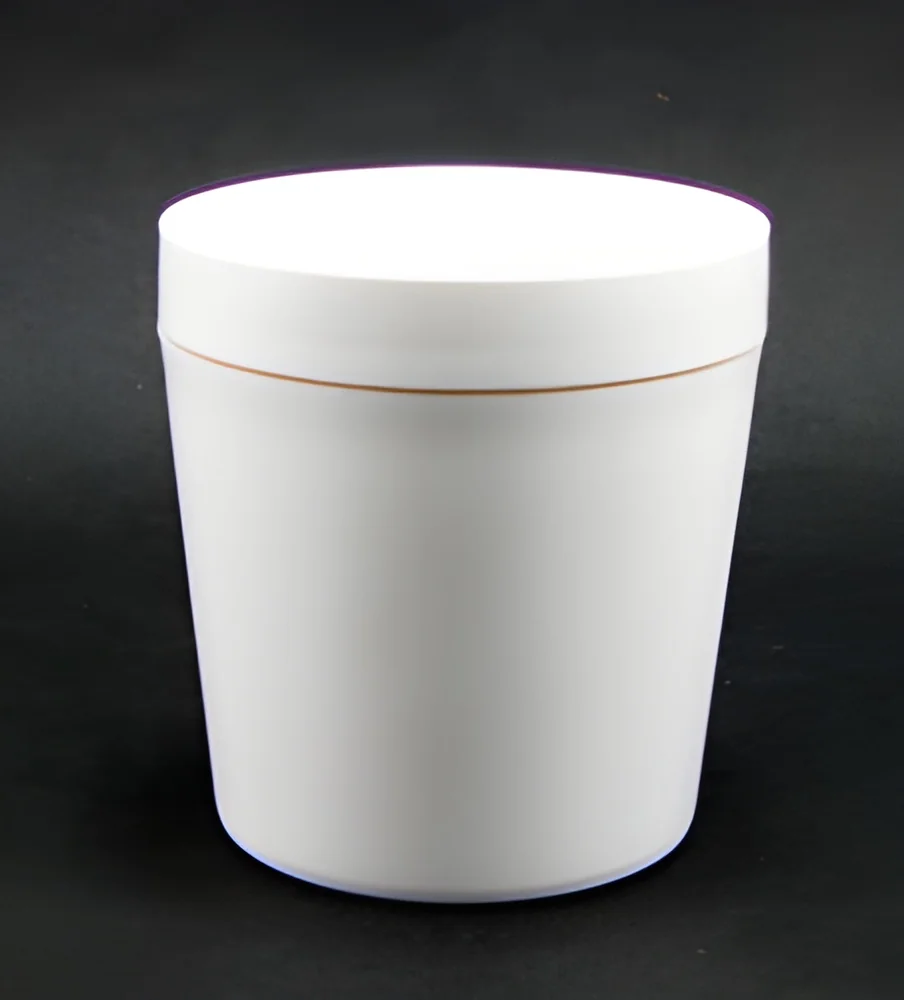
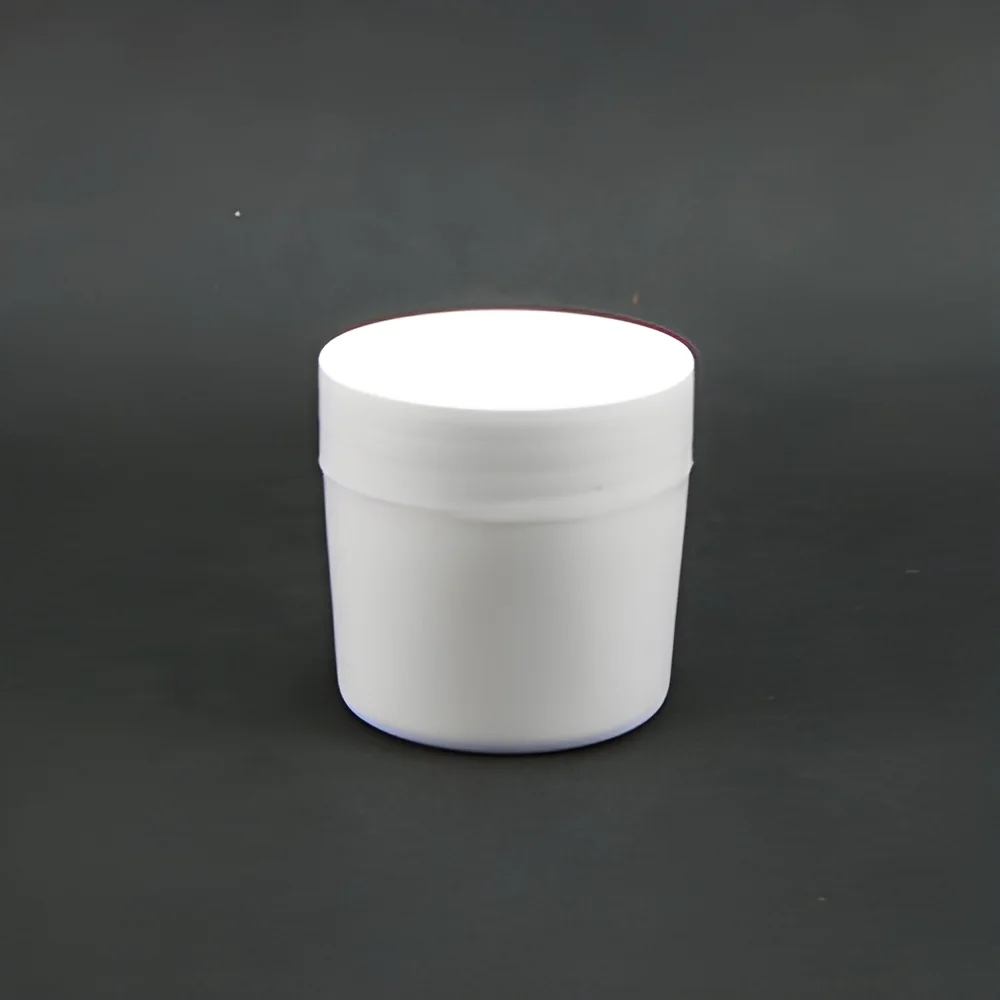
- Available in tubes, jars, and pump bottles.
- Packaging affects product stability and user experience.
5. Shelf Life
- Usually ranges from 12 to 36 months.
- Shelf life is critical for inventory management.
6. Dermatological Testing
- Products may be dermatologically tested for safety.
- Testing ensures products do not cause adverse skin reactions.
7. Cruelty-Free Certification
- Indicates that products are not tested on animals.
- An important consideration for ethical consumers.
8. Environmental Impact
- Packaging and formulation sustainability are increasingly important.
- Eco-friendly products appeal to environmentally conscious buyers.
In summary, having a clear understanding of the features and specifications of skin care products can help businesses make informed decisions and effectively meet consumer demands.
𝗖𝗼𝗺𝗺𝗼𝗻 𝗔𝗽𝗽𝗹𝗶𝗰𝗮𝘁𝗶𝗼𝗻𝘀 𝗮𝗻𝗱 𝗨𝘀𝗲 𝗖𝗮𝘀𝗲𝘀
Skin care products have a wide range of applications across various industries.
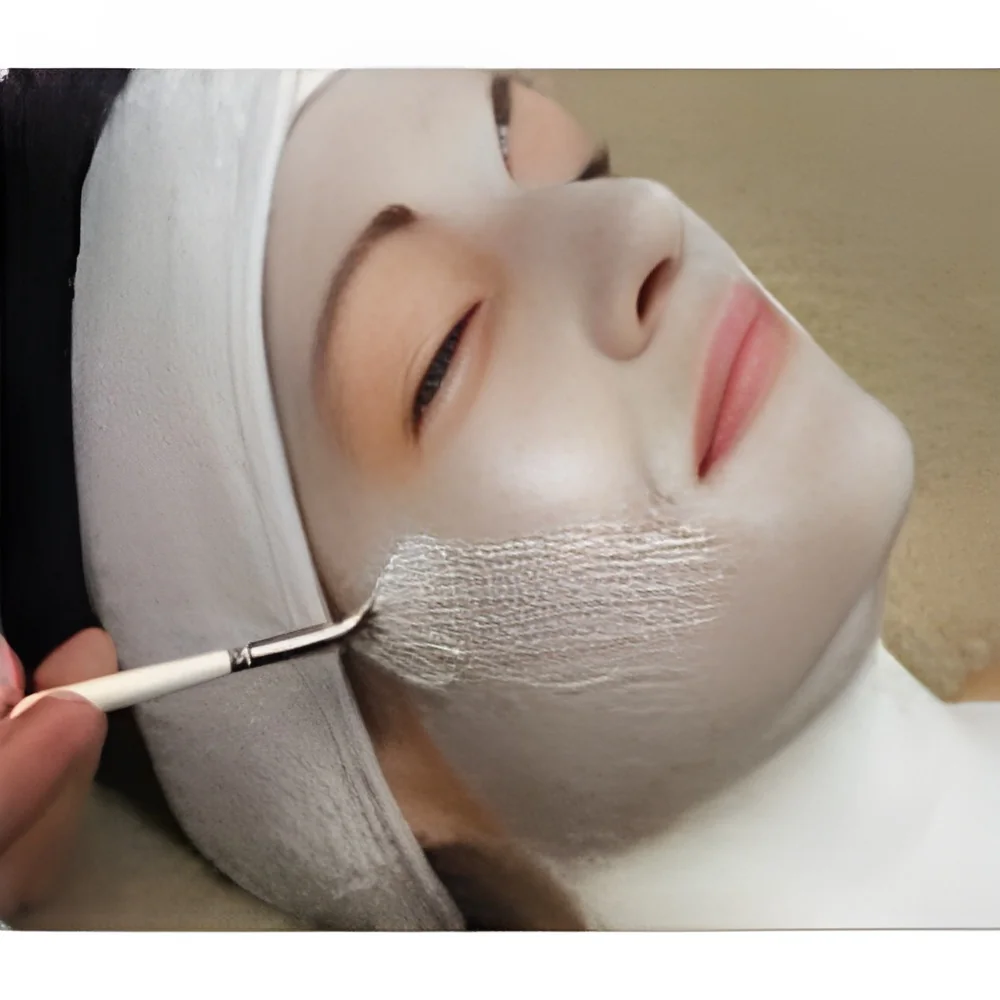
1. Beauty Industry: Skin care products are essential in beauty salons and spas, where they are used for treatments and facials. Professionals often use specialized products tailored to client needs.
2. Health and Wellness Sector: These products are employed in wellness centers and dermatology clinics for therapeutic treatments. They are vital for addressing skin conditions such as acne or eczema.
3. Retail and E-commerce: Many brands offer skin care products directly to consumers through retail stores and online platforms. The rise of e-commerce has expanded access to a broader market.
4. Hospitality Industry: Hotels and resorts often provide premium skin care products as part of their guest amenities, enhancing the luxury experience.
5. Pharmaceutical Sector: Certain skin care products are formulated to deliver medicinal benefits, such as treating skin infections or conditions under medical supervision.
6. Personal Care Products: These are used in everyday personal hygiene routines by consumers, promoting skin health and beauty.
7. Cosmetic Development: Companies involved in cosmetic formulation often utilize skin care products as a base for makeup, ensuring skin compatibility.
𝗣𝗿𝗼𝗱𝘂𝗰𝘁 𝗩𝗮𝗿𝗶𝗮𝗻𝘁𝘀 𝗮𝗻𝗱 𝗦𝘂𝗯𝗰𝗮𝘁𝗲𝗴𝗼𝗿𝗶𝗲𝘀
Skin care products are diverse, offering a variety of formulations to cater to different needs and preferences.
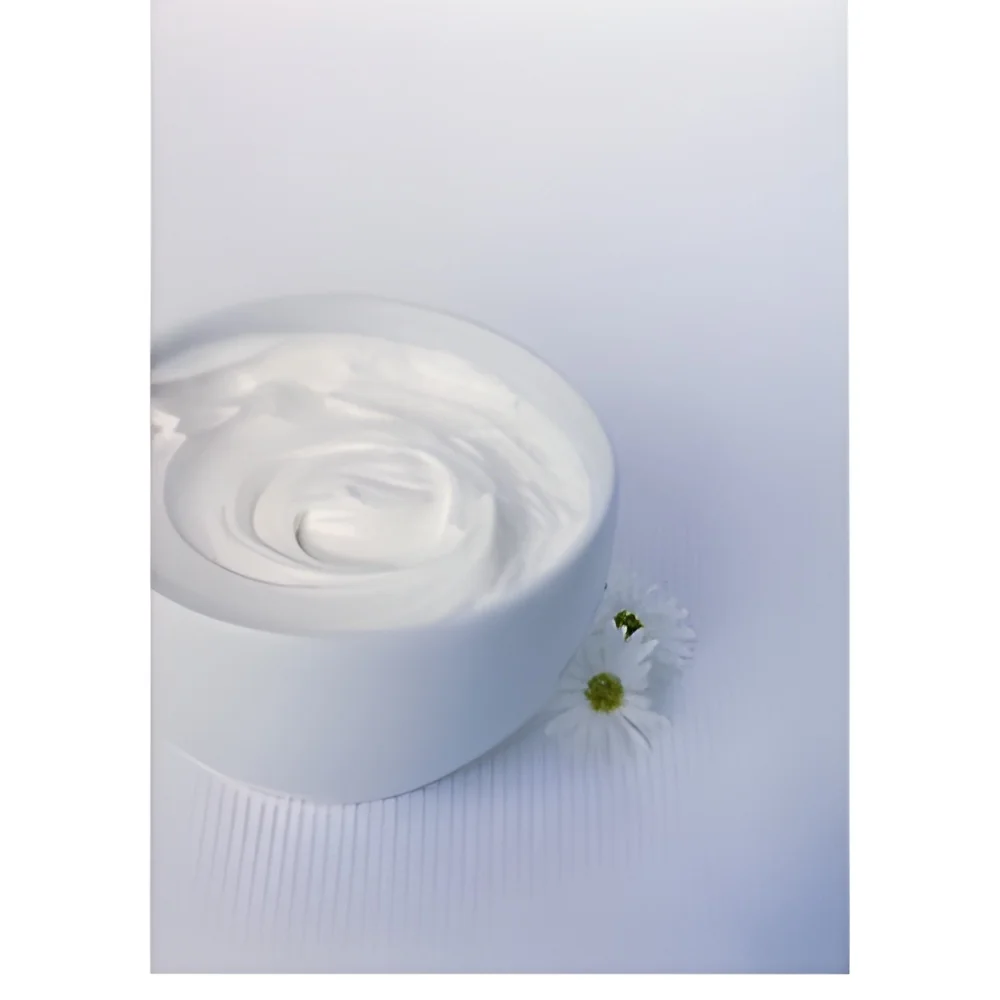
Moisturizers: These products hydrate the skin and are available in various forms, including creams and gels. They help maintain skin elasticity and combat dryness.
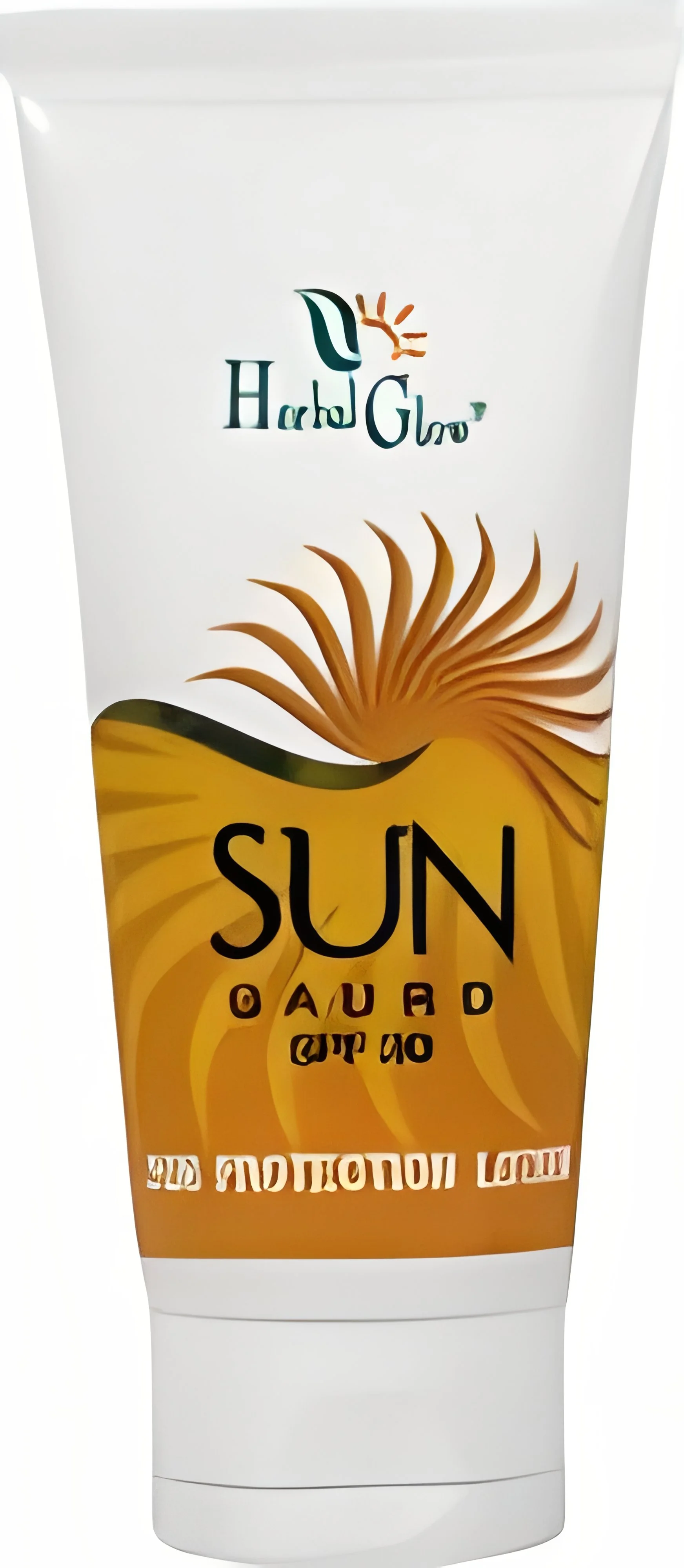
Sunscreens: Formulated to protect the skin from harmful UV rays, these products are essential for daily use. They often come in lotions or sprays with different SPF levels.
Cleansers: These products remove impurities and makeup from the skin. They are available in forms such as foams, gels, and micellar waters.
Exfoliants: Designed to remove dead skin cells, these products improve skin texture. They can be physical (scrubs) or chemical (acid-based).
Serums: Concentrated formulations that target specific skin concerns, serums often contain active ingredients for targeted treatment.
Eye Creams: These specialized products address issues like puffiness and dark circles around the eyes, catering to delicate skin.
𝗕𝗲𝗻𝗲𝗳𝗶𝘁𝘀 𝗮𝗻𝗱 𝗔𝗱𝘃𝗮𝗻𝘁𝗮𝗴𝗲𝘀
Skin care products offer several key benefits that enhance both personal care and business opportunities.
1. Improved Skin Health: Regular use of skin care products can lead to healthier skin by addressing specific concerns such as dryness, aging, and acne.
2. Enhanced Aesthetic Appeal: These products help individuals achieve a more youthful and radiant appearance, boosting confidence and self-esteem.
3. Market Differentiation: Businesses offering a diverse range of skin care products can stand out in a competitive market, attracting a broader customer base.
4. Brand Loyalty: Quality skin care products foster customer loyalty, as satisfied users are more likely to repurchase and recommend products to others.
5. Innovation Opportunities: The skin care industry is ripe for innovation, allowing companies to introduce new formulations and technologies that can capture consumer interest.
6. Environmental Considerations: Brands that focus on eco-friendly formulations and sustainable packaging can attract environmentally conscious consumers, enhancing their market position.
𝗕𝘂𝘆𝗶𝗻𝗴 𝗚𝘂𝗶𝗱𝗲 𝗳𝗼𝗿 𝗕𝟮𝗕 𝗕𝘂𝘆𝗲𝗿𝘀
When sourcing skin care products, B2B buyers should consider several critical factors to ensure they make informed purchasing decisions.
1. Quality Assessment: Evaluate the quality of skin care products by reviewing ingredient lists, manufacturing processes, and any available test results. High-quality products will have fewer harmful chemicals and more effective active ingredients.
2. Supplier Verification: Conduct thorough research on potential suppliers to verify their credibility. Look for certifications, references, and customer reviews to ensure reliability.
3. Pricing and MOQ: Understand the pricing structure, including minimum order quantities (MOQ). Compare prices across suppliers while considering quality to find the best value.
4. Delivery and Lead Times: Check the supplier's ability to meet delivery schedules. Timely delivery is essential for maintaining stock levels and customer satisfaction.
5. Compliance Requirements: Ensure that the products meet industry regulations and standards. This includes checking for necessary certifications and adherence to safety guidelines specific to the region.
𝗖𝗼𝗺𝗽𝗹𝗶𝗮𝗻𝗰𝗲 𝗮𝗻𝗱 𝗖𝗲𝗿𝘁𝗶𝗳𝗶𝗰𝗮𝘁𝗶𝗼𝗻𝘀
Compliance and certifications play a crucial role in the skin care product industry, ensuring that products meet established safety and quality standards.
Relevant quality standards include ISO 9001, which focuses on quality management systems, and HACCP, which emphasizes food safety, particularly for products with ingested components. GDP standards may also apply for logistics and distribution.
In addition to quality standards, industry certifications such as CE mark are essential for demonstrating compliance with European health, safety, and environmental protection standards. Skin care products may also be subjected to safety and testing requirements to ensure they do not cause harm to users.
Regional compliance considerations are critical, as different markets have varying regulations. Understanding these requirements can help manufacturers and suppliers navigate the complexities of international trade and ensure their products are market-ready.
𝗪𝗵𝘆 𝗦𝗼𝘂𝗿𝗰𝗲 𝗦𝗸𝗶𝗻 𝗖𝗮𝗿𝗲 𝗣𝗿𝗼𝗱𝘂𝗰𝘁𝘀 𝗳𝗿𝗼𝗺 𝗣𝗲𝗽𝗮𝗴𝗼𝗿𝗮?
Pepagora offers a trusted platform for sourcing skin care products with several key advantages for businesses.
Verified Supplier Network: Pepagora ensures that all suppliers in its network have been thoroughly vetted for quality and reliability. This adds a layer of assurance for buyers seeking high-quality products.
Streamlined RFQ Process: The platform’s Request for Quotation (RFQ) process simplifies obtaining price quotes from multiple suppliers. This efficiency allows buyers to make quicker decisions and secure better deals.
Trade Assurance and Support: Pepagora provides trade assurance to protect buyers during transactions. This support includes assistance with disputes and ensuring that product specifications are met.
Regional Coverage: With a strong presence in India, the GCC, and Southeast Asia, Pepagora connects buyers with suppliers across key markets. This regional coverage enhances accessibility to diverse skin care products tailored to various consumer needs.

 India


 India
 India
 India
 India
 India
 India
 India
 India
 India

 India

 India
 India


 India
 India
 India
 India

 India



 India
 India

 India
 India
 India
 India


 India
 India

 India
 India
 India

 India

 India

 India


 India
 India
 India

 India
 India


 India
 India

 India



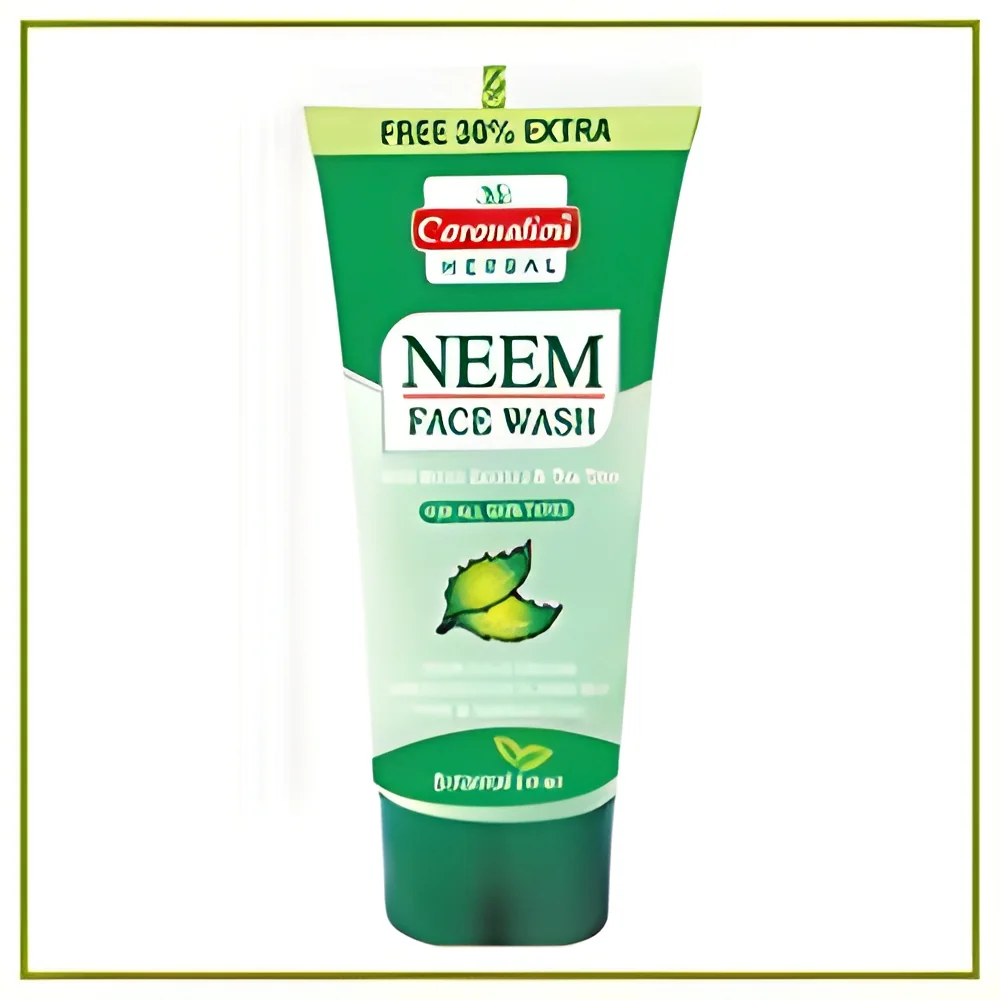 India

 India



Frequently Asked Questions
What are Skin Care Products?
Skin care products are formulations designed to enhance the appearance and health of the skin. They include a variety of items such as moisturizers, cleansers, exfoliants, serums, and sunscreens, each serving specific functions to protect and improve skin quality.
What are the different types of Skin Care Products?
The different types of skin care products include cleansers, toners, exfoliators, moisturizers, sunscreens, serums, face masks, and treatments for specific conditions like acne or aging. Each type targets various skin concerns and is formulated to suit different skin types.
How do I choose the right Skin Care Products?
Choosing the right skin care products involves identifying your skin type and specific concerns, such as dryness, acne, or sensitivity. It is essential to read product labels, consider ingredients, and, if necessary, consult a dermatologist for personalized recommendations.
What are the standard specifications for Skin Care Products?
Standard specifications for skin care products often include ingredient safety, pH balance, and packaging requirements. Manufacturers must adhere to regulations set by health authorities to ensure efficacy and safety for consumer use.
What is the price range for Skin Care Products?
The price range for skin care products can vary widely based on brand, ingredients, and packaging. Generally, prices can range from a few hundred to several thousand Indian Rupees depending on the product type and formulation.
What quality standards apply to Skin Care Products?
Skin care products must meet quality standards set by regulatory bodies, such as the Bureau of Indian Standards (BIS) in India. Compliance with safety, efficacy, and labeling regulations is essential for ensuring consumer safety and product reliability.
Where can I find Skin Care Products suppliers in India?
You can find skin care products suppliers in India through B2B marketplaces like Pepagora, trade shows, and industry directories. It's advisable to research suppliers, read reviews, and compare product offerings before making a decision.
Can Skin Care Products be customized?
Yes, many manufacturers offer the option to customize skin care products based on specific needs and formulations. Customization can include changes in ingredients, packaging, and branding to meet unique customer requirements.
What is the typical minimum order quantity for Skin Care Products?
The typical minimum order quantity (MOQ) for skin care products can vary by supplier but often ranges from 100 to 1,000 units. It's important to check with individual suppliers as they may have different MOQs based on product type and customization.
What is the typical lead time for Skin Care Products?
The typical lead time for skin care products can range from a few days to several weeks, depending on the order size and complexity of the products. It's advisable to discuss lead times with suppliers during the ordering process to ensure timely delivery.
Why Businesses Trust Pepagora
Thousands of companies trust Pepagora to source smarter and sell faster
Expand Your Sales Globally

Source Smarter,Grow Faster
