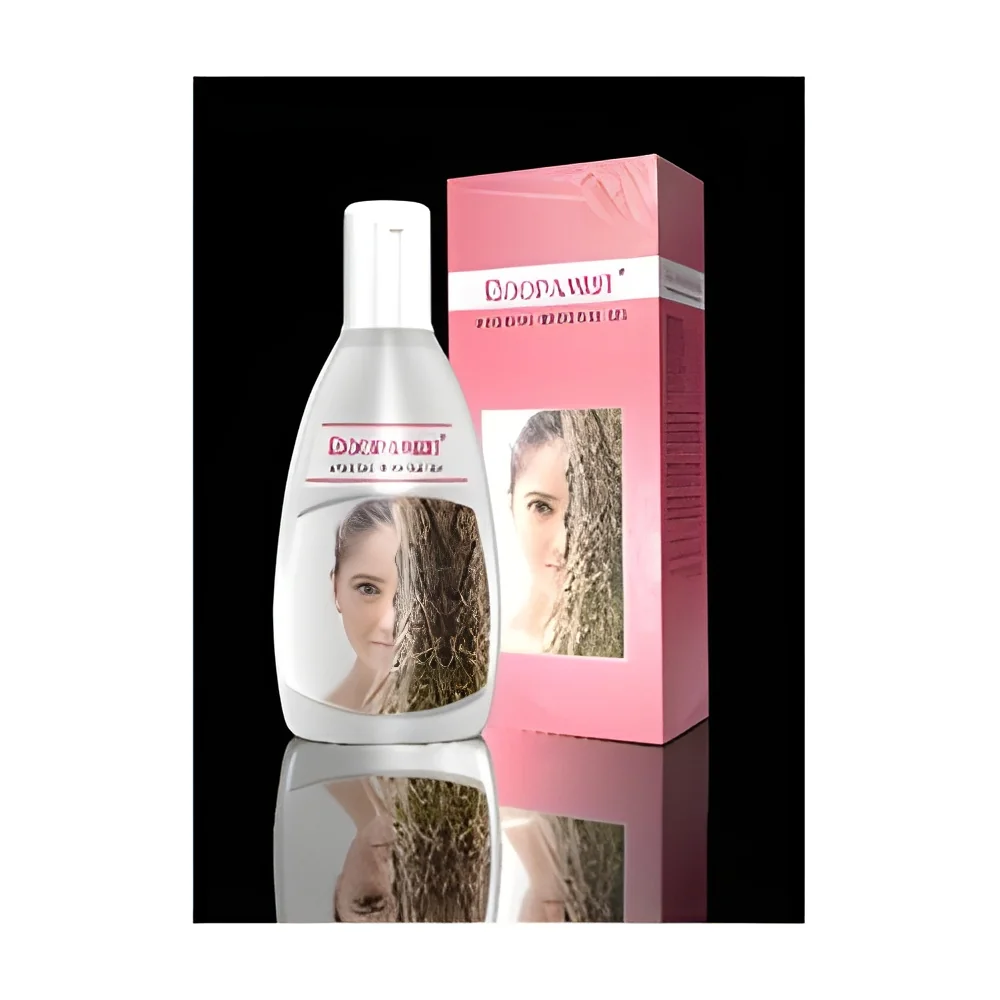
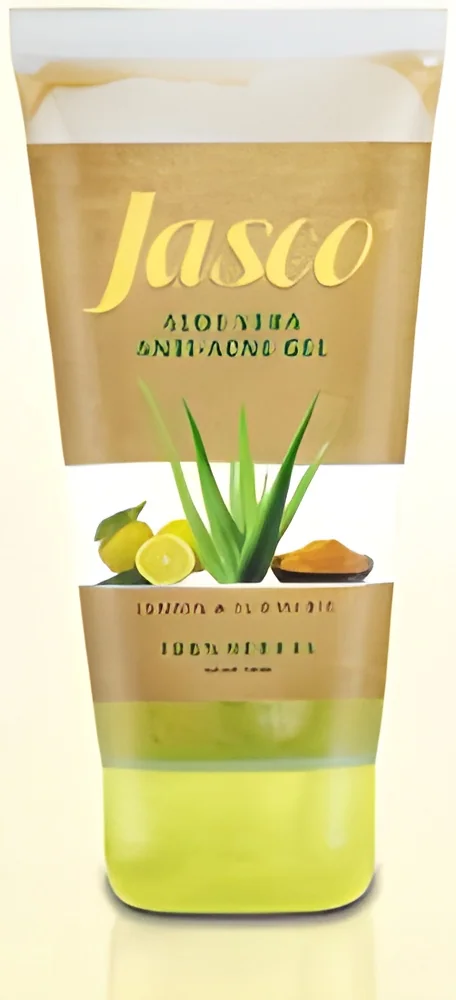
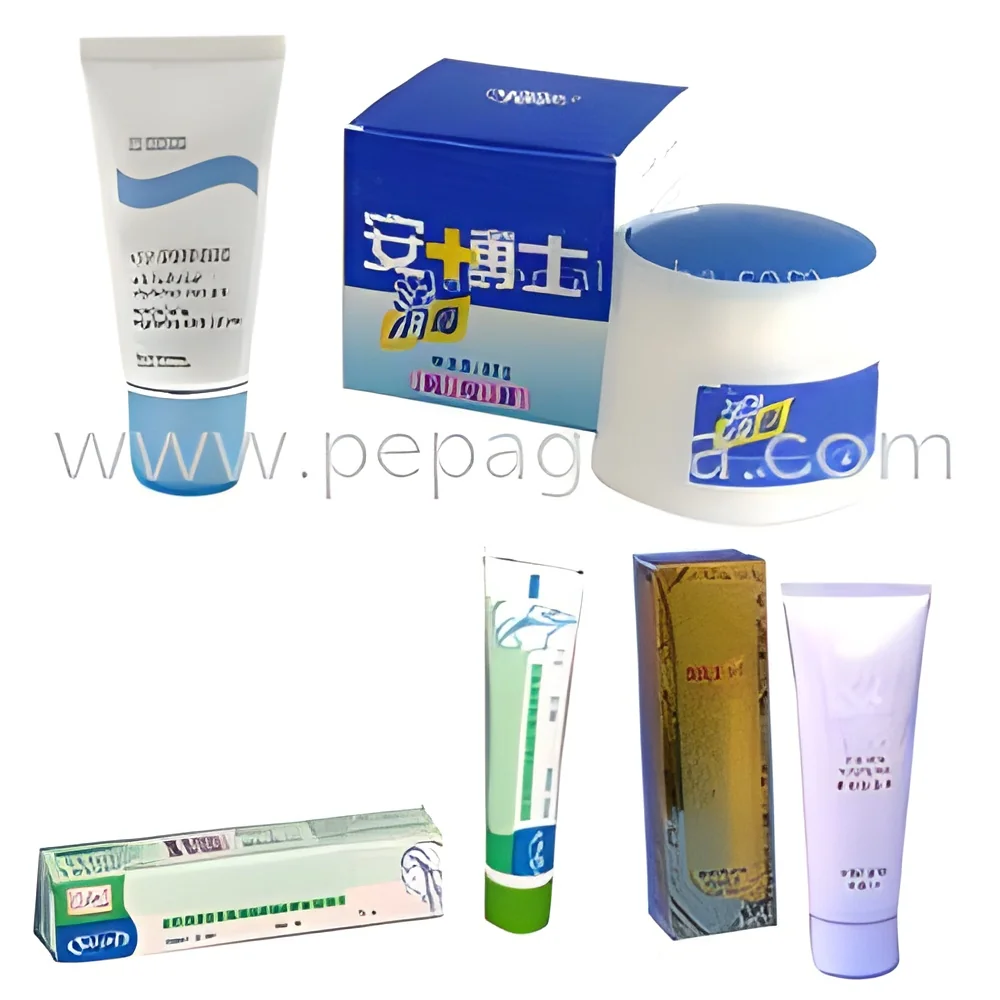
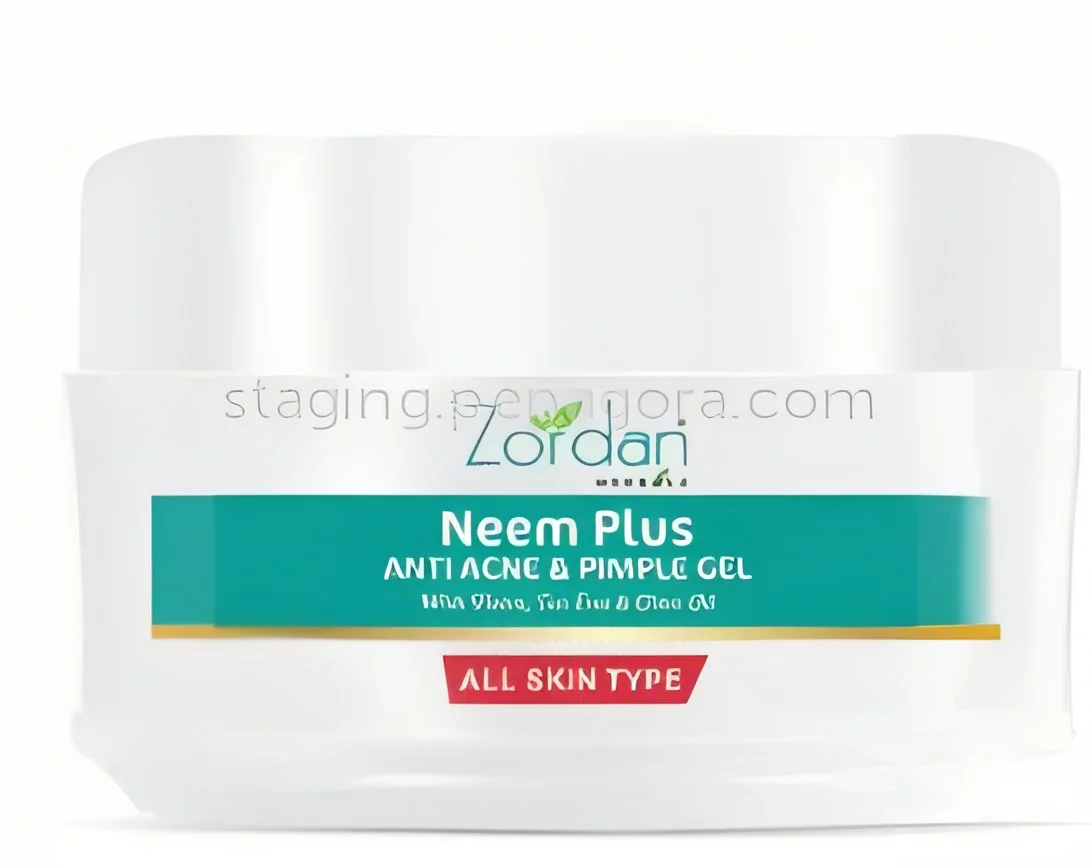
𝗪𝗵𝗮𝘁 𝗮𝗿𝗲 𝗔𝗰𝗻𝗲 𝗧𝗿𝗲𝗮𝘁𝗺𝗲𝗻𝘁 𝗚𝗲𝗹𝘀?
Acne treatment gels are specialized formulations designed to address and manage acne. These gels typically contain active ingredients that target the causes of acne, such as excess oil production, clogged pores, and bacteria. They are often lightweight, fast-absorbing, and easy to apply, making them suitable for various skin types. The primary goal of these products is to reduce inflammation, prevent new breakouts, and promote clearer skin.
In the B2B landscape, acne treatment gels are commonly utilized by dermatology clinics, skincare brands, and pharmacies. These products can be integrated into treatment plans for patients suffering from acne or sold as part of a skincare line. Businesses benefit from offering effective solutions that meet consumer demand for acne management, thus enhancing customer satisfaction and loyalty.
The global market for acne treatment products continues to grow, driven by increasing awareness of skincare and the prevalence of acne among different age groups. As consumer preferences shift toward effective and convenient treatments, acne treatment gels remain relevant in the ever-evolving beauty and healthcare industries.
𝗞𝗲𝘆 𝗙𝗲𝗮𝘁𝘂𝗿𝗲𝘀 𝗮𝗻𝗱 𝗦𝗽𝗲𝗰𝗶𝗳𝗶𝗰𝗮𝘁𝗶𝗼𝗻𝘀
Acne treatment gels come with a range of features and specifications that cater to different consumer needs. The following are some key specifications to consider when evaluating these products.
1. Active Ingredients
- Common active ingredients include benzoyl peroxide, salicylic acid, and tea tree oil.
- Concentrations can vary from 0.5% to 10%, depending on the formulation.
2. Formulation Type
- Gels are typically water-based, providing a lightweight feel.
- They may be oil-free or non-comedogenic to minimize pore clogging.
3. Packaging Options
- Available in tubes, pumps, or jars, allowing for easy application.
- Packaging is often designed to be hygienic and preserve the product's efficacy.
4. Shelf Life
- Typical shelf life ranges from 12 to 24 months when stored properly.
- Stability testing is crucial to ensure product effectiveness over time.
5. pH Level
- Formulations usually maintain a pH level between 4.0 and 5.5 for skin compatibility.
- pH adjustments can enhance the stability of active ingredients.
6. Dermatological Testing
- Many products undergo clinical testing for safety and efficacy.
- Hypoallergenic and non-irritating claims are common in marketing.
7. Cruelty-Free Certification
- Many brands seek cruelty-free certifications to appeal to ethical consumers.
- This can influence purchasing decisions in the B2B market.
8. Customization Options
- Some suppliers may offer formulation customization to meet specific brand needs.
- Customization can include variations in scent, texture, and active ingredients.
In summary, understanding the features and specifications of acne treatment gels is essential for businesses looking to source effective products that meet consumer needs.
𝗖𝗼𝗺𝗺𝗼𝗻 𝗔𝗽𝗽𝗹𝗶𝗰𝗮𝘁𝗶𝗼𝗻𝘀 𝗮𝗻𝗱 𝗨𝘀𝗲 𝗖𝗮𝘀𝗲𝘀
Acne treatment gels serve various industries and applications.
1. Dermatology Clinics: Dermatologists use these gels as part of treatment plans for patients with acne. They may recommend specific formulations based on skin type and severity of acne.
2. Skincare Brands: Many skincare companies incorporate acne treatment gels into their product lines. These gels are marketed to consumers seeking targeted solutions for acne management.
3. Pharmacies: Retail pharmacies stock acne treatment gels as over-the-counter solutions for consumers. This provides easy access to effective treatments for mild to moderate acne.
4. Aesthetic Medicine: Professionals in aesthetic medicine may use these gels in conjunction with other treatments, such as chemical peels or laser therapy, to enhance results.
5. E-commerce Platforms: Online retailers offer a wide range of acne treatment gels, allowing consumers to compare products and read reviews before making a purchase.
6. Health and Wellness Clinics: Clinics focusing on holistic health may incorporate acne treatment gels into their services, emphasizing natural ingredients and skin health.
7. Cosmetic Manufacturers: Companies developing cosmetics may use acne treatment gels as a base for makeup products that also address acne concerns.
𝗣𝗿𝗼𝗱𝘂𝗰𝘁 𝗩𝗮𝗿𝗶𝗮𝗻𝘁𝘀 𝗮𝗻𝗱 𝗦𝘂𝗯𝗰𝗮𝘁𝗲𝗴𝗼𝗿𝗶𝗲𝘀
The diversity of acne treatment gels allows businesses to choose products tailored to specific needs and preferences.
Benzoyl Peroxide Gel
This variant contains benzoyl peroxide, known for its antibacterial properties. It effectively reduces acne-causing bacteria and helps prevent new breakouts. It is often recommended for moderate to severe acne.
Salicylic Acid Gel
Salicylic acid is a beta hydroxy acid that aids in exfoliation and unclogging pores. This gel variant is suitable for individuals with oily skin and is effective in treating mild to moderate acne.
Tea Tree Oil Gel
Utilizing the natural antibacterial properties of tea tree oil, this gel is favored for its gentle and soothing qualities. It is popular among consumers looking for natural alternatives to traditional treatments.
Oil-Free Gel
Designed for oily and acne-prone skin, this variant is formulated to minimize excess oil while providing effective acne treatment. It is often marketed as non-comedogenic.
Moisturizing Gel
Combining acne treatment with hydration, this gel variant caters to individuals with dry or sensitive skin. It reduces acne while preventing dryness and irritation.
𝗕𝗲𝗻𝗲𝗳𝗶𝘁𝘀 𝗮𝗻𝗱 𝗔𝗱𝘃𝗮𝗻𝘁𝗮𝗴𝗲𝘀
Acne treatment gels offer several benefits that contribute to their popularity in the market.
1. Targeted Treatment: These gels deliver active ingredients directly to affected areas, providing effective results for acne management.
2. Quick Absorption: The lightweight formulation allows for rapid absorption, making them convenient for daily use.
3. Reduced Inflammation: Many gels contain ingredients that help soothe redness and swelling associated with acne breakouts.
4. Versatile Use: Acne treatment gels can be used in conjunction with other skincare products, enhancing overall skincare routines.
5. Customizable Formulations: Businesses can source gels with specific active ingredients or formulations to meet consumer demands.
6. Accessibility: Available over-the-counter, these gels provide consumers with easy access to effective acne treatments without the need for prescriptions.
𝗕𝘂𝘆𝗶𝗻𝗴 𝗚𝘂𝗶𝗱𝗲 𝗳𝗼𝗿 𝗕𝟮𝗕 𝗕𝘂𝘆𝗲𝗿𝘀
When sourcing acne treatment gels, businesses should consider several factors to ensure they select the right products for their needs.
1. Quality Assessment: Evaluate the quality of the gels by reviewing ingredient lists, clinical testing results, and customer feedback. It is essential to choose products that meet high standards for safety and efficacy.
2. Supplier Verification: Conduct thorough research to verify the credibility of suppliers. Check for certifications, client testimonials, and industry reputation to ensure reliability.
3. Pricing and MOQ: Understand the pricing structure and minimum order quantities (MOQ) set by suppliers. Compare costs across different suppliers to find competitive pricing.
4. Delivery and Lead Times: Assess the logistics of suppliers, including delivery options and estimated lead times. Ensure that suppliers can meet your business's operational needs.
5. Compliance Requirements: Familiarize yourself with relevant regulatory standards and compliance requirements for acne treatment gels. Ensure that the products sourced meet all necessary safety and testing criteria.
𝗖𝗼𝗺𝗽𝗹𝗶𝗮𝗻𝗰𝗲 𝗮𝗻𝗱 𝗖𝗲𝗿𝘁𝗶𝗳𝗶𝗰𝗮𝘁𝗶𝗼𝗻𝘀
Compliance and certifications are critical components for acne treatment gels in the B2B market.
Many suppliers adhere to quality standards such as ISO 9001, which focuses on quality management systems. This certification demonstrates a commitment to consistent product quality and customer satisfaction.
HACCP (Hazard Analysis and Critical Control Points) may also be relevant for suppliers involved in the manufacturing and handling of these products. This standard ensures that potential hazards are identified and managed throughout the production process.
Additionally, acne treatment gels often carry CE certification, indicating compliance with health, safety, and environmental protection standards in the European market.
Safety and testing requirements include dermatological testing to confirm that the products are safe for use on the skin. This testing is crucial for minimizing adverse reactions and ensuring consumer safety.
Regional compliance considerations vary, so it is essential for businesses to understand the regulations specific to their operating markets. This knowledge helps ensure that all sourced products meet local compliance standards.
𝗪𝗵𝘆 𝗦𝗼𝘂𝗿𝗰𝗲 𝗔𝗰𝗻𝗲 𝗧𝗿𝗲𝗮𝘁𝗺𝗲𝗻𝘁 𝗚𝗲𝗹𝘀 𝗳𝗿𝗼𝗺 𝗣𝗲𝗽𝗮𝗴𝗼𝗿𝗮?
Pepagora provides a trusted platform for sourcing acne treatment gels with several key advantages.
Verified Supplier Network: Pepagora offers access to a network of verified suppliers who meet stringent quality and safety standards. This verification process ensures that businesses can source reliable products.
Streamlined RFQ Process: The request for quotation (RFQ) system simplifies the procurement process. Businesses can easily submit inquiries and receive competitive pricing from multiple suppliers.
Trade Assurance and Support: Pepagora prioritizes buyer protection through trade assurance policies. This support helps businesses feel confident in their purchases and supplier relationships.
Regional Coverage: With a presence in India, the Gulf Cooperation Council (GCC), and Southeast Asia, Pepagora provides broad geographic reach. This allows businesses to source products efficiently across multiple regions, ensuring they meet local market demands.

 IN
IN