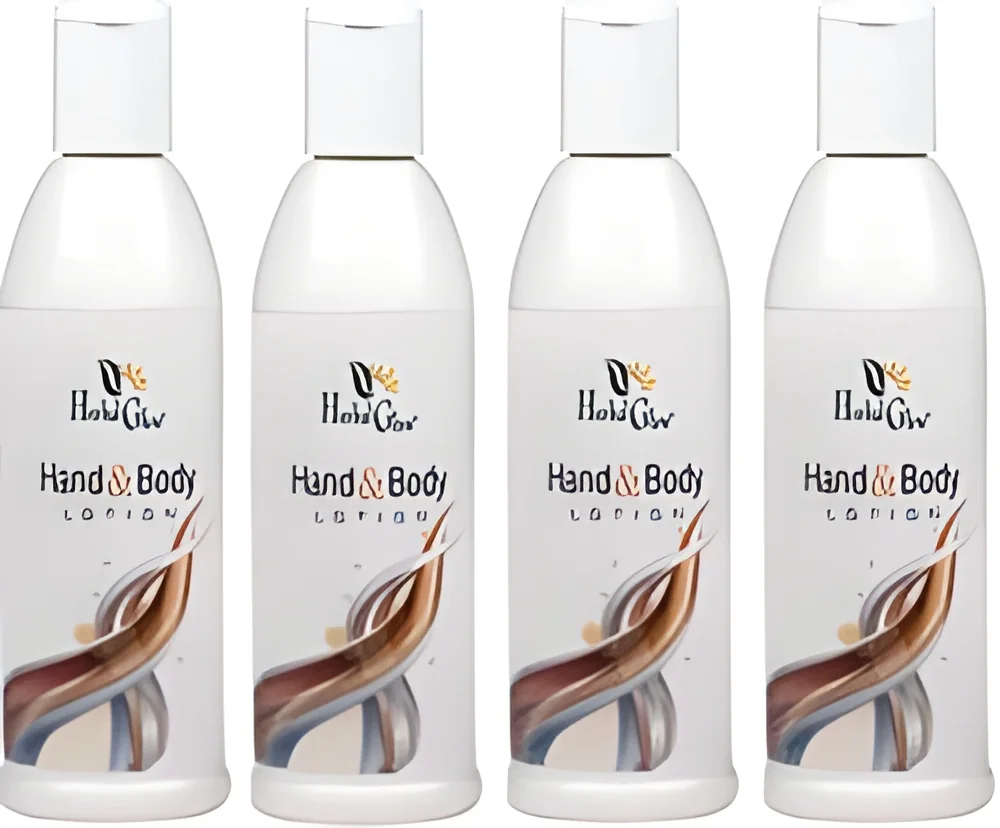
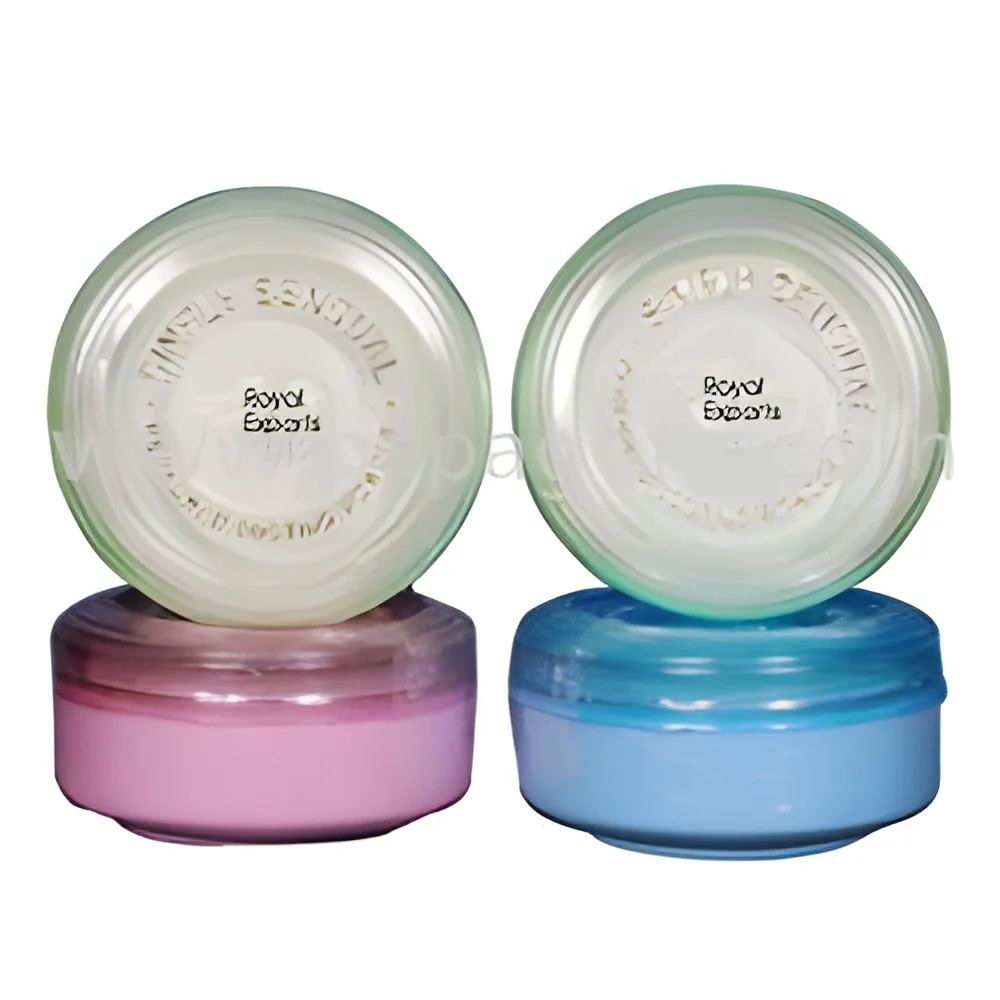
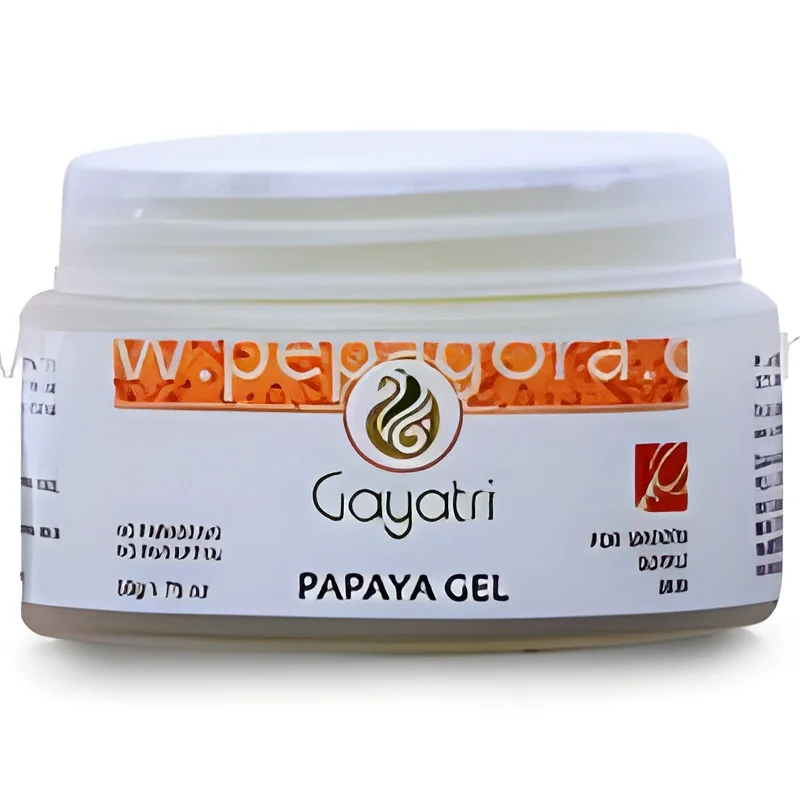
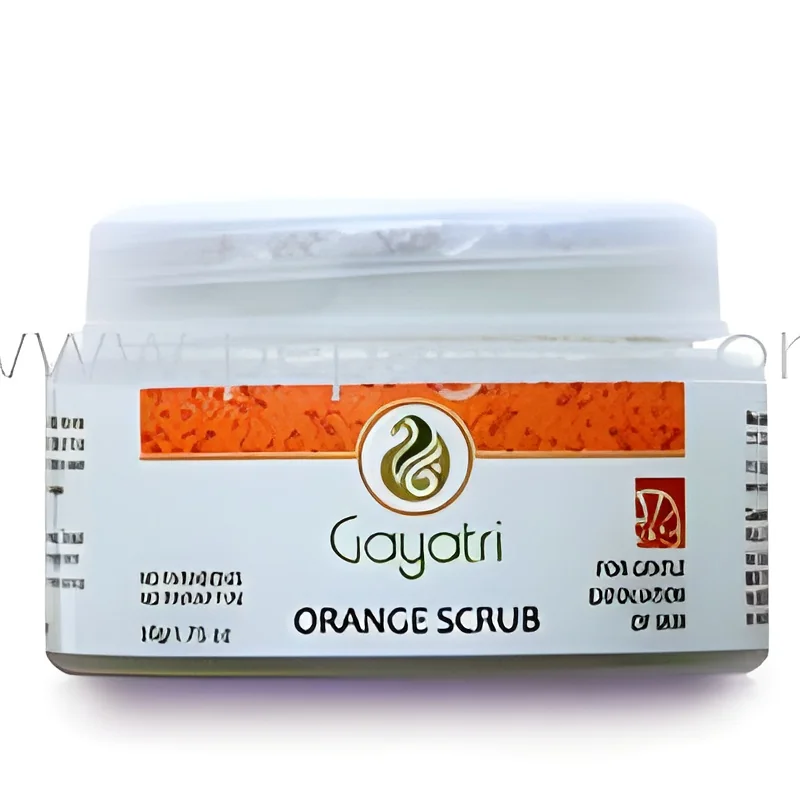
What are Moisturizing Creams & Lotions?
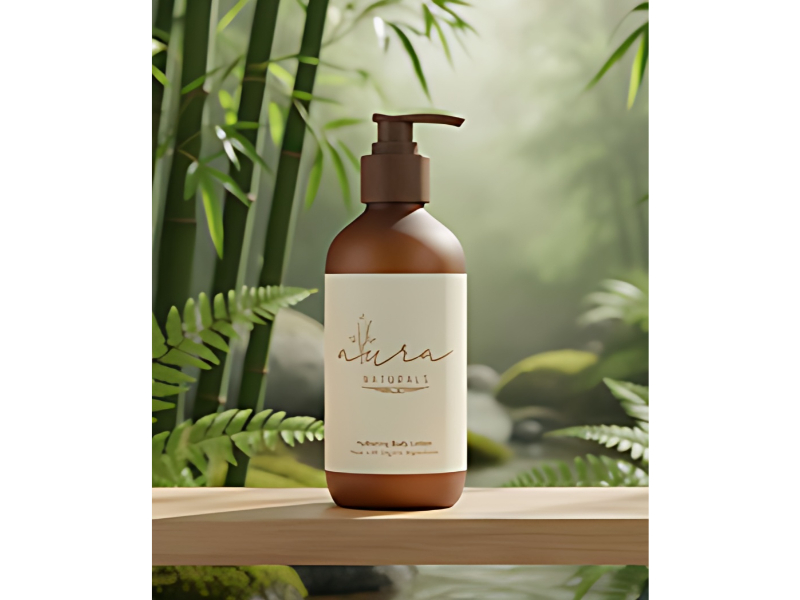
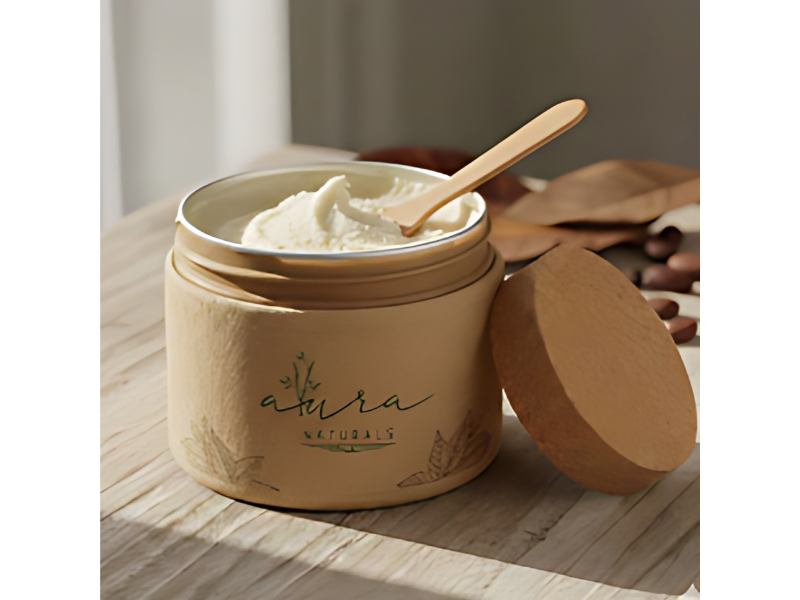
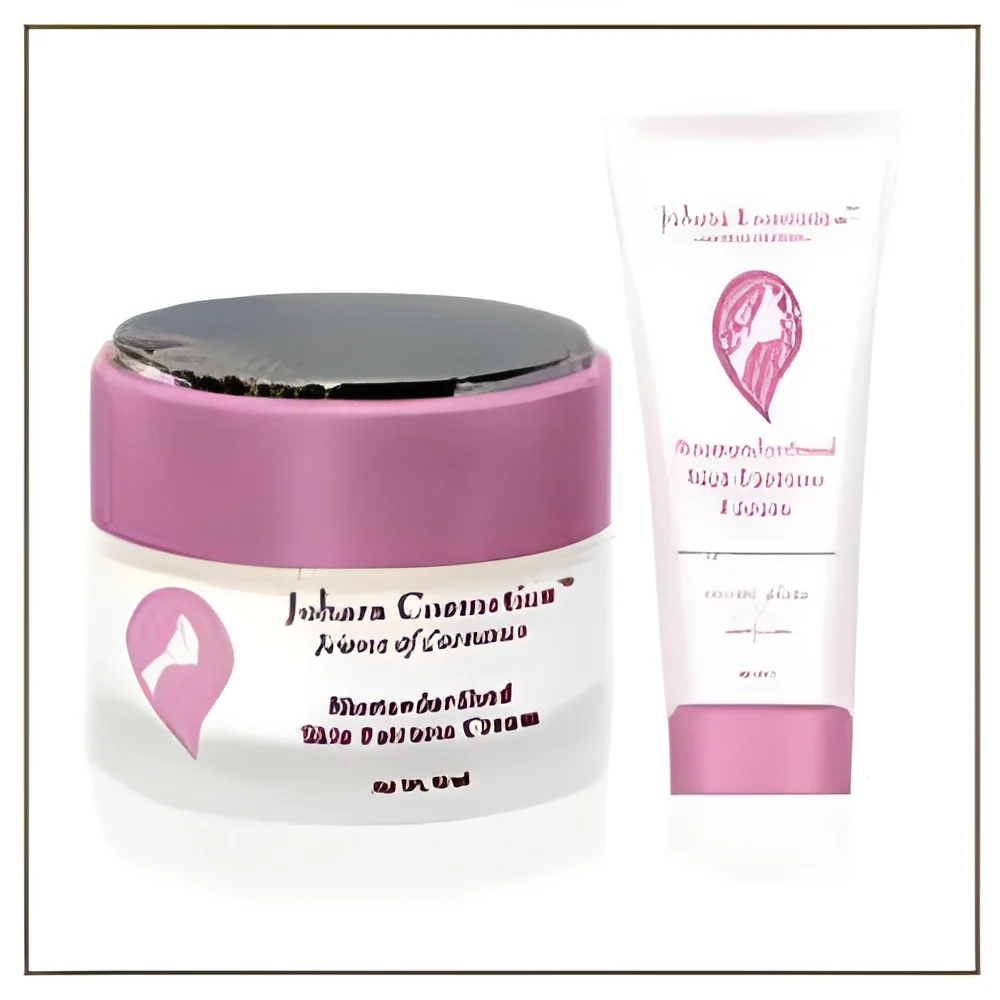
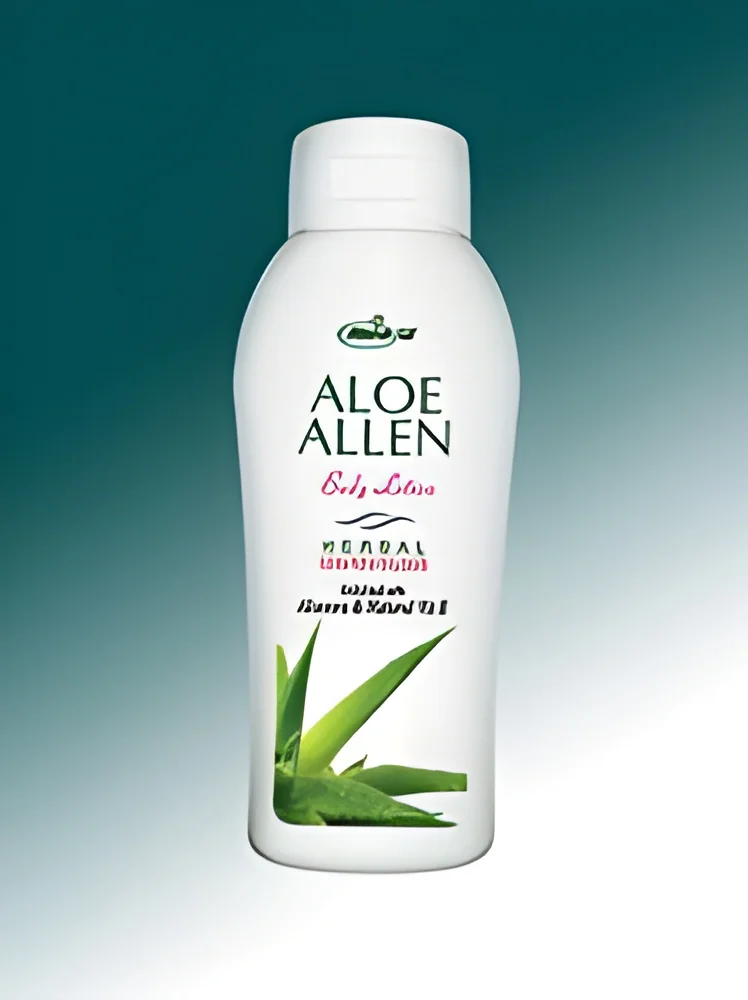
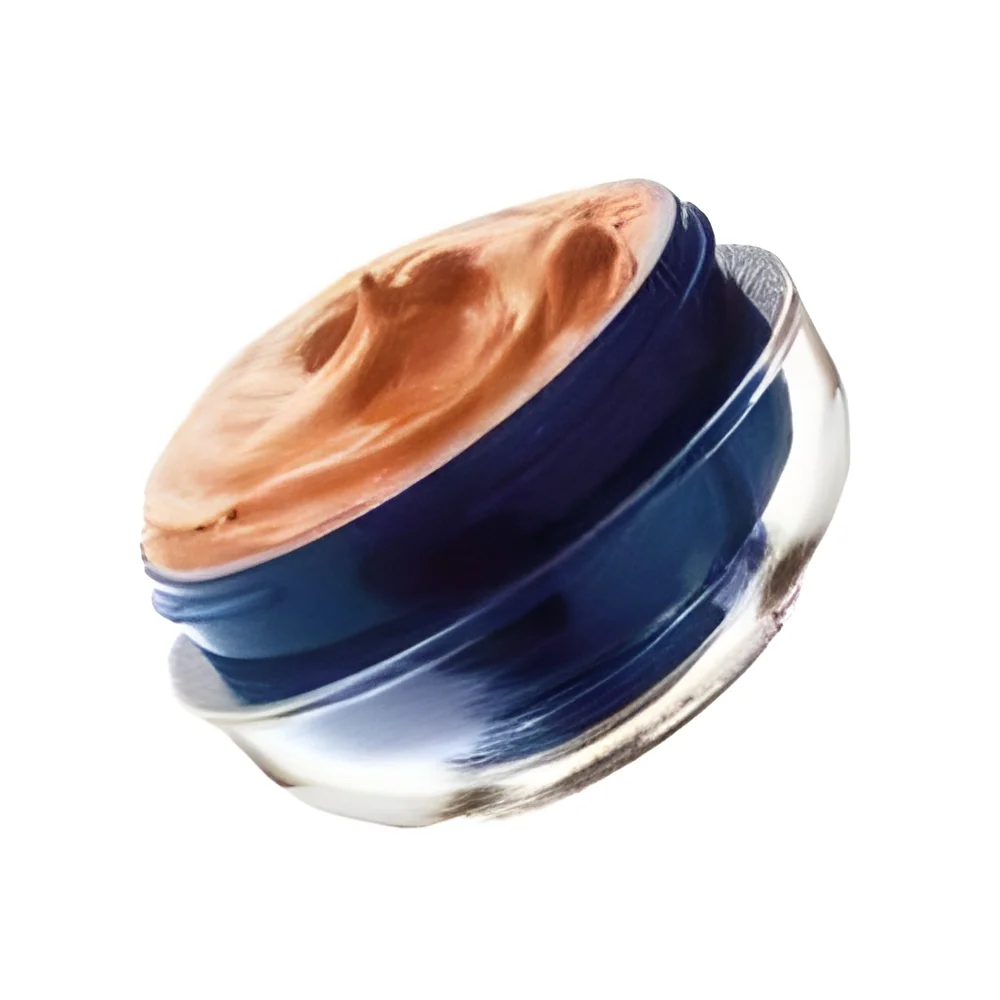
Moisturizing creams and lotions are topical formulations designed to hydrate and protect the skin by forming a barrier that locks in moisture. These products may come in various textures and consistencies which influence their absorption and efficacy. Creams typically have a thicker consistency, often containing higher oil content, while lotions are generally lighter and more fluid, making them easier to apply and absorb quickly.
These products are primarily used in personal care and cosmetic industries, catering to both individual consumers and professional settings such as salons and spas. Businesses may use moisturizing creams and lotions for retail sales, spa treatments, or as part of skincare regimens. The increasing awareness of skin health and the rise in demand for skincare products have made moisturizing creams and lotions highly relevant in today's market, with numerous brands and formulations available.
Key Features and Specifications
Moisturizing creams and lotions come with various features that cater to different skin types and needs. Their formulations often include active ingredients tailored to enhance skin hydration and health. The following specifications outline the key aspects to consider when evaluating these products.
Key specifications include:
1. Active Ingredients
- Common ingredients include hyaluronic acid, glycerin, and natural oils.
- These components are chosen for their moisturizing and skin-repairing properties.
2. Packaging Options
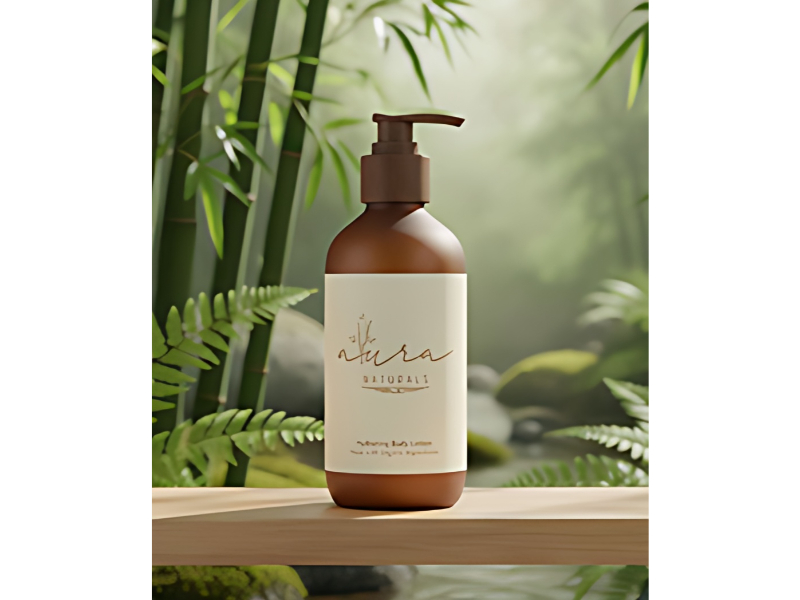
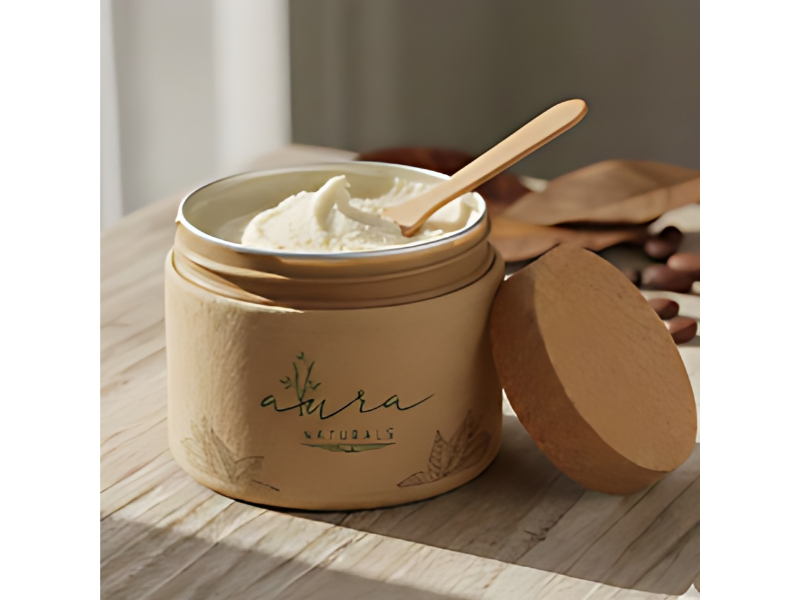
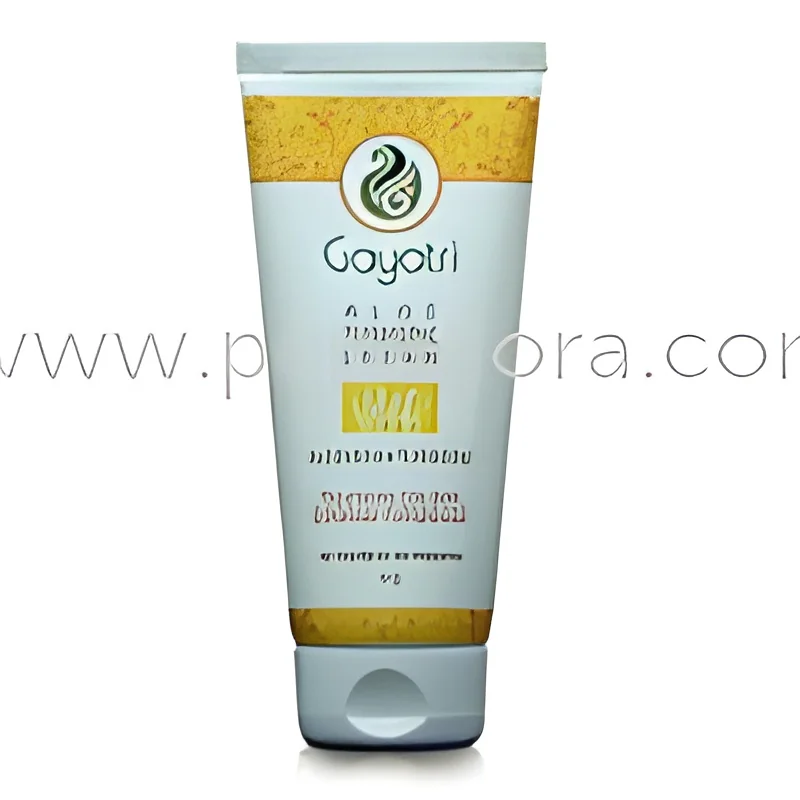
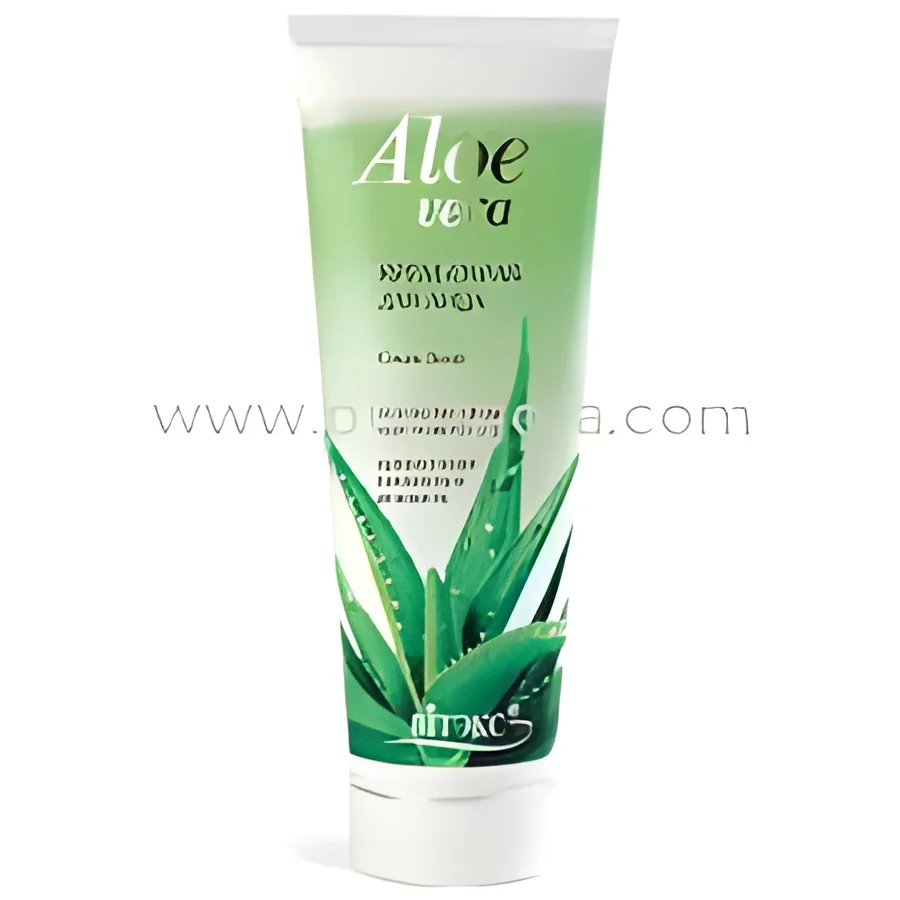
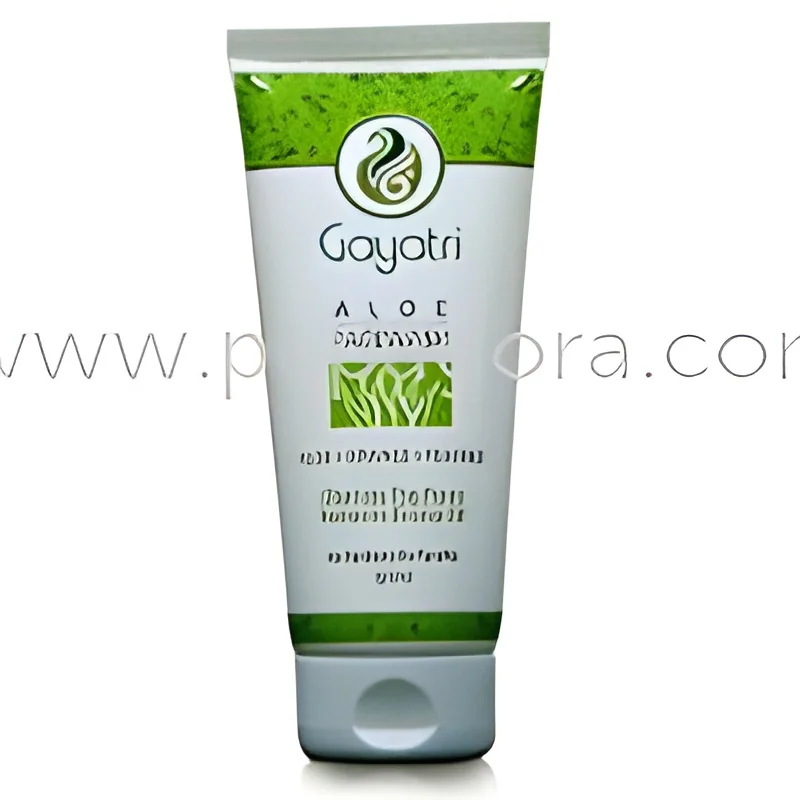
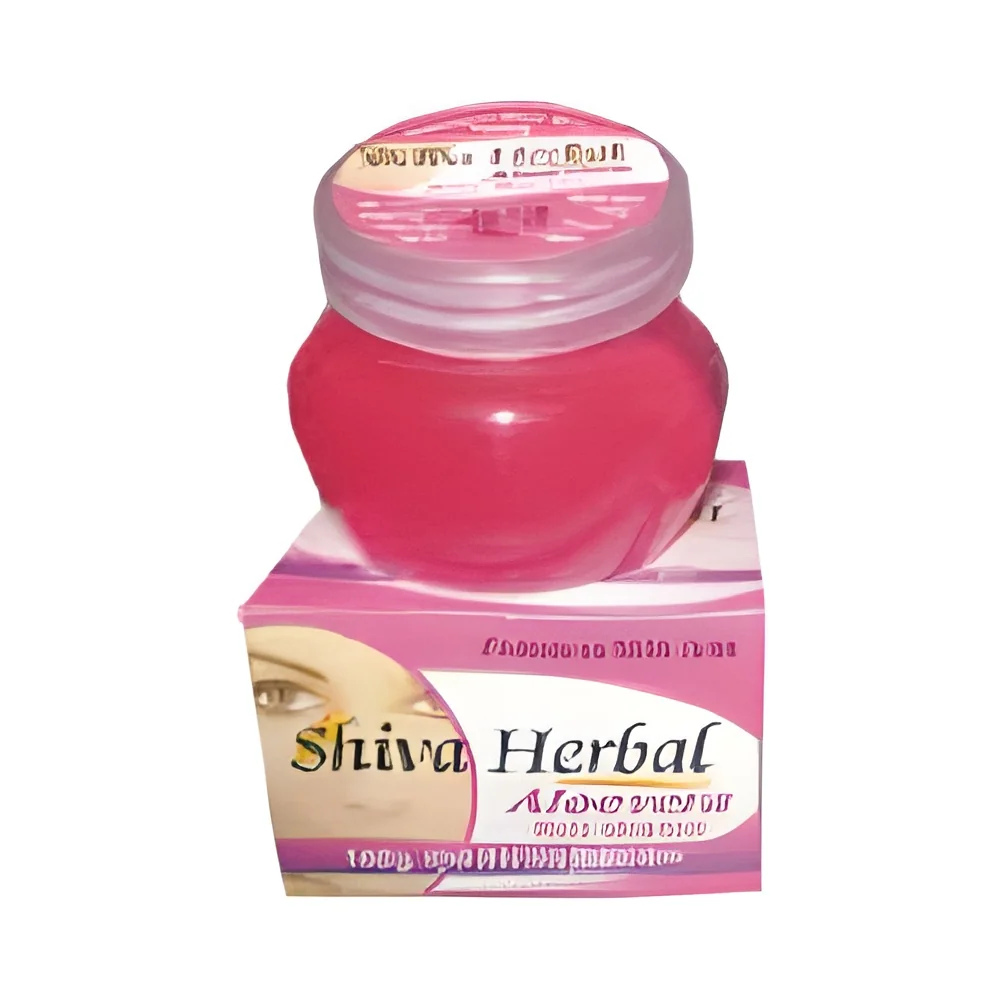
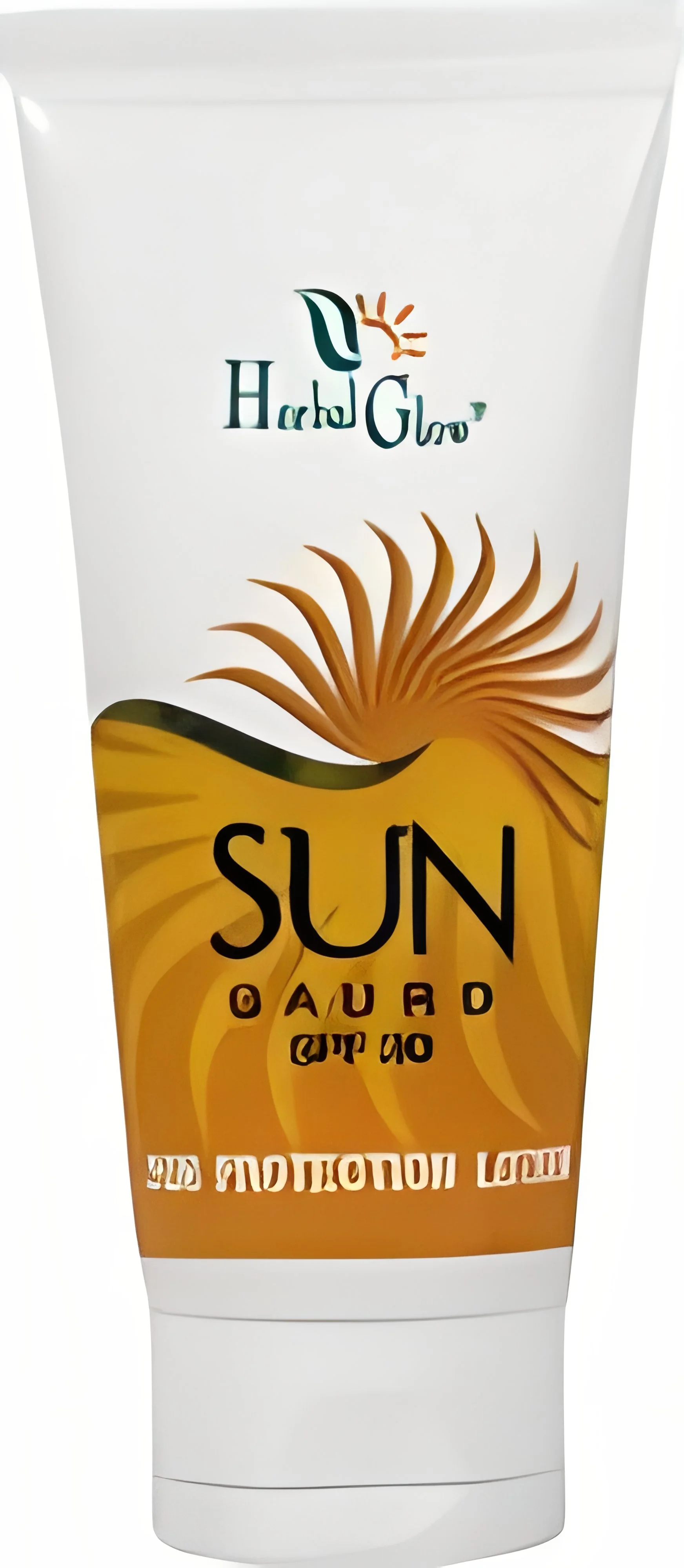
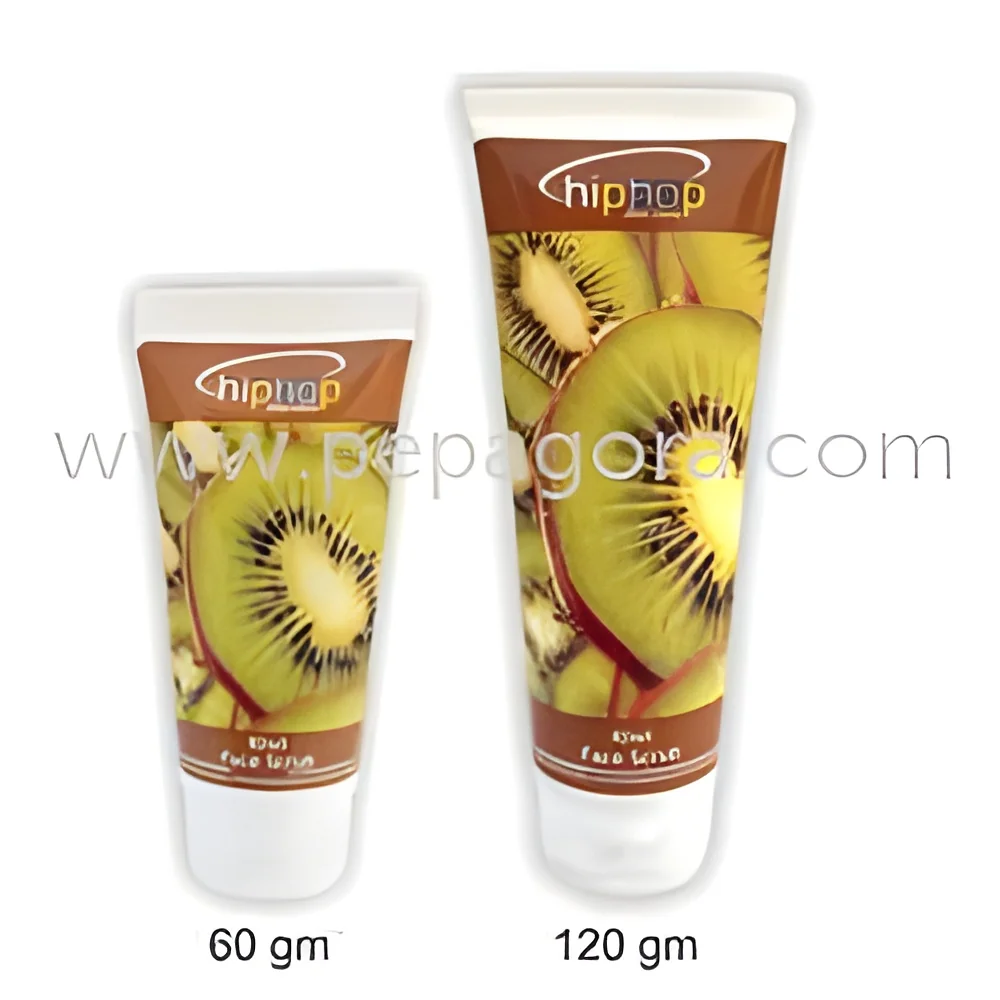
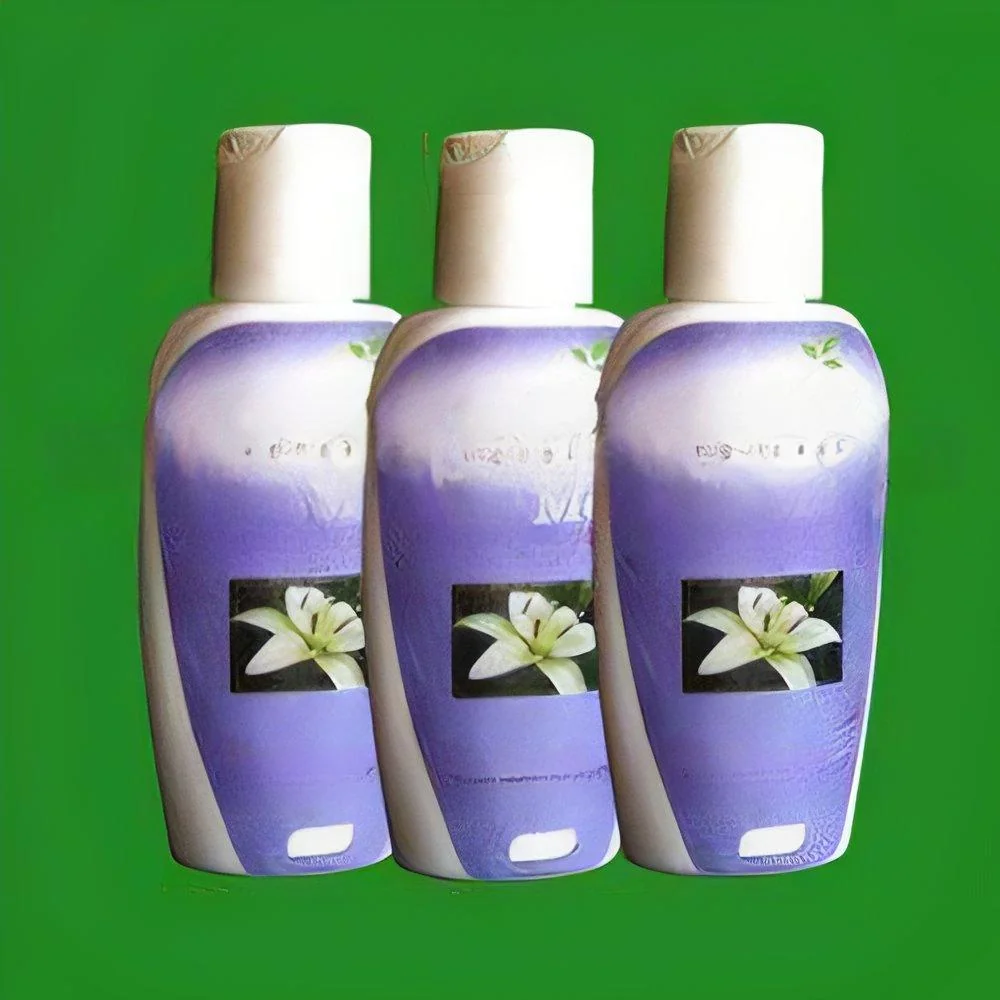
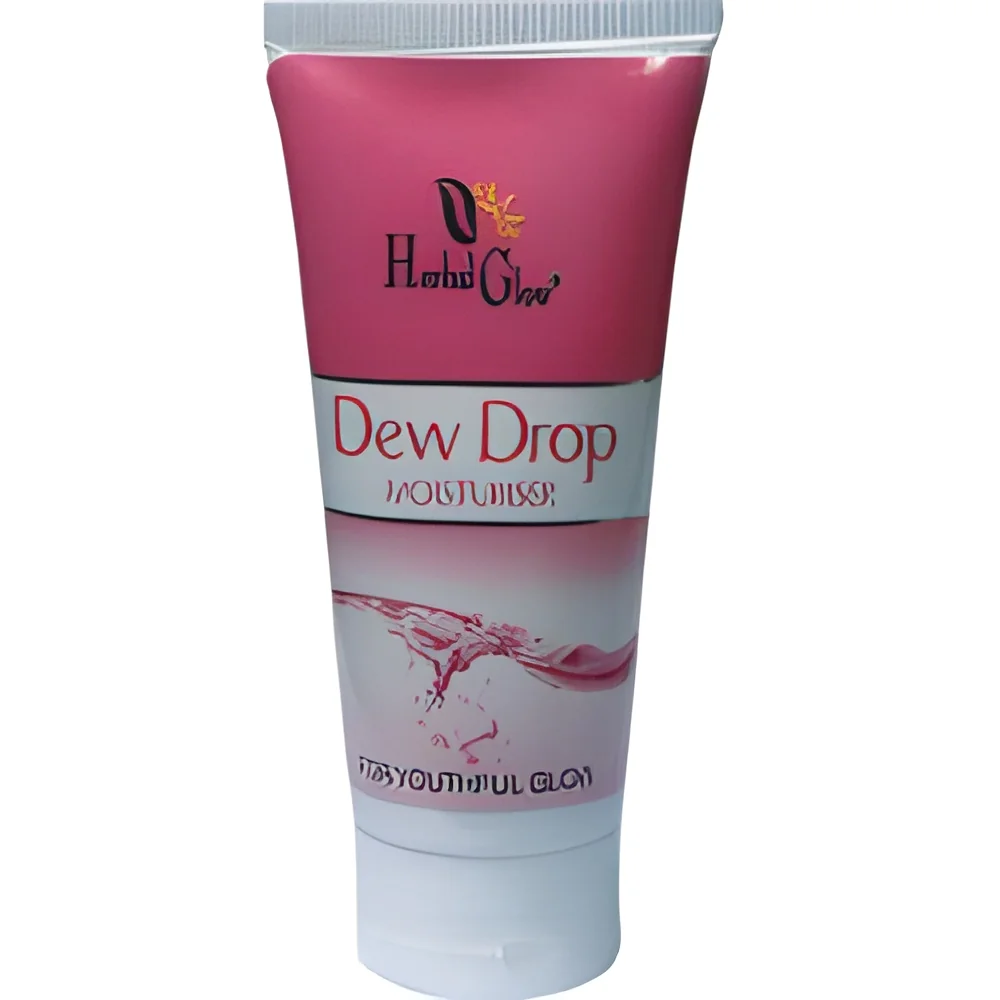
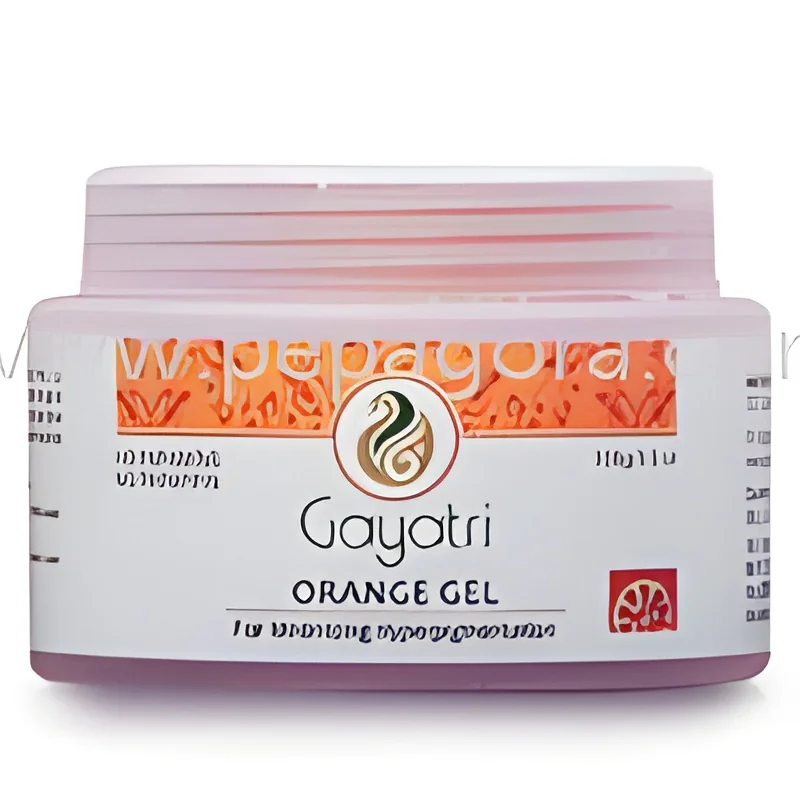
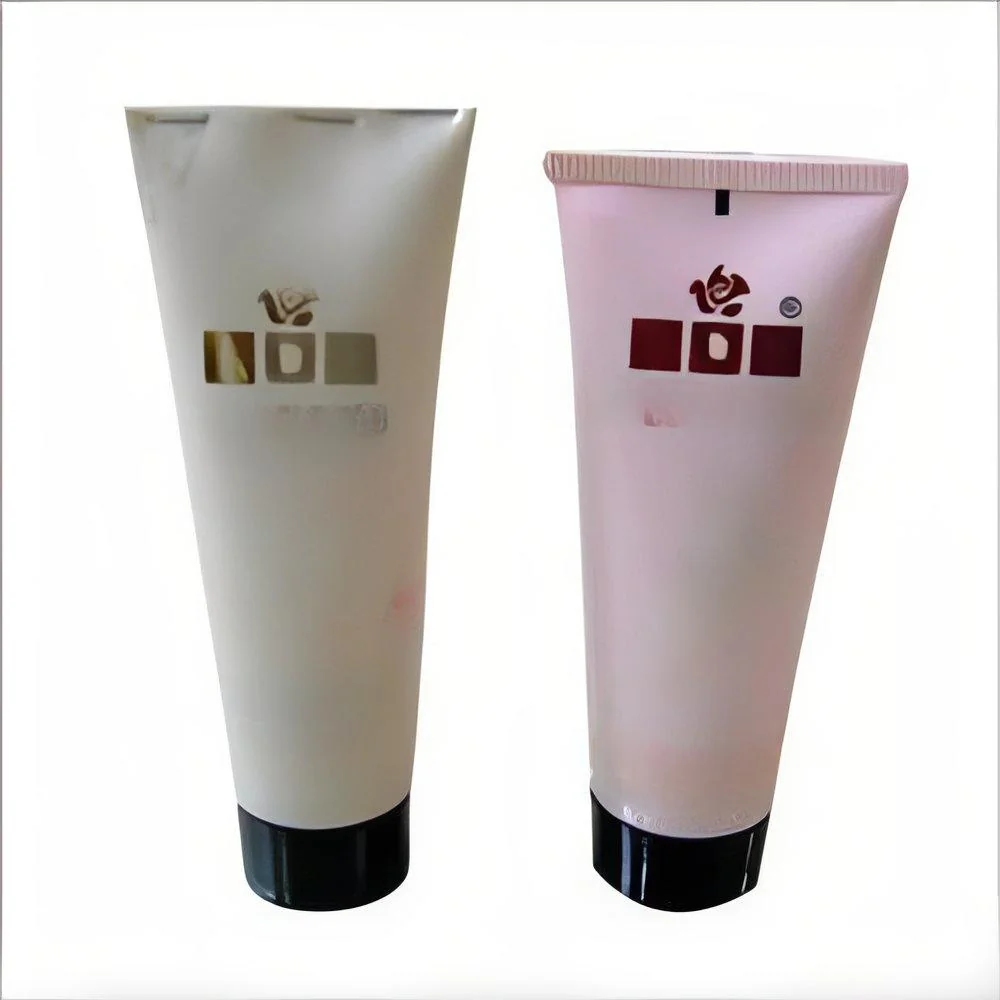
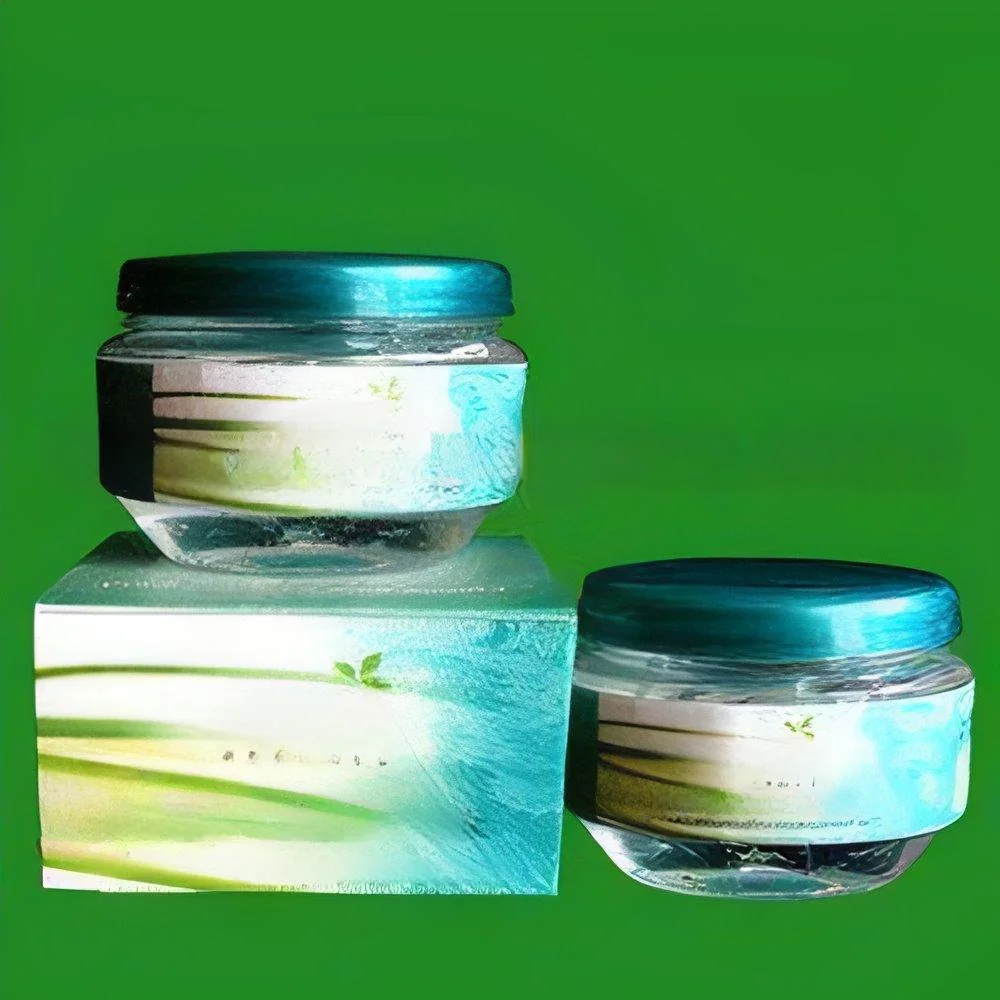
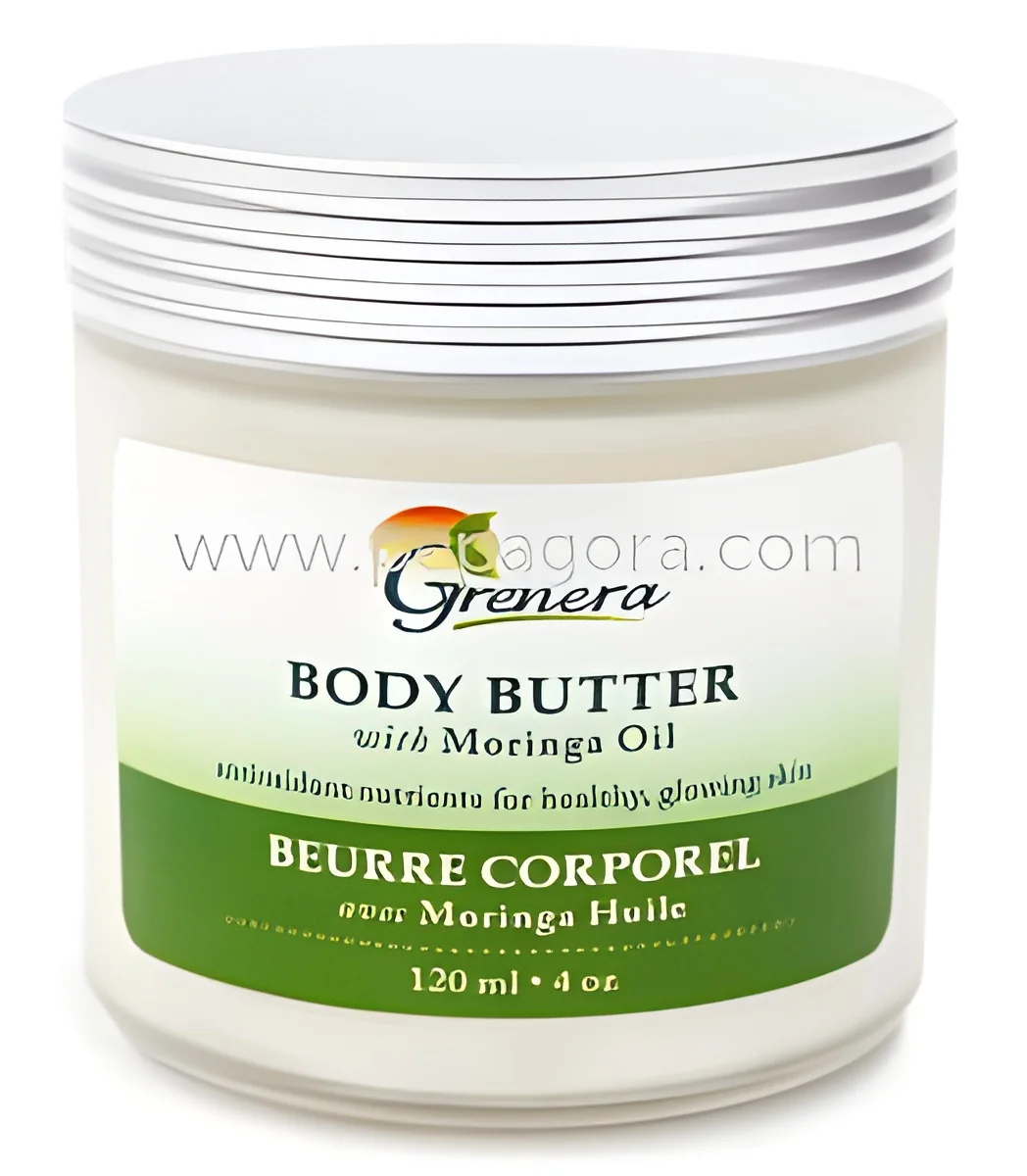
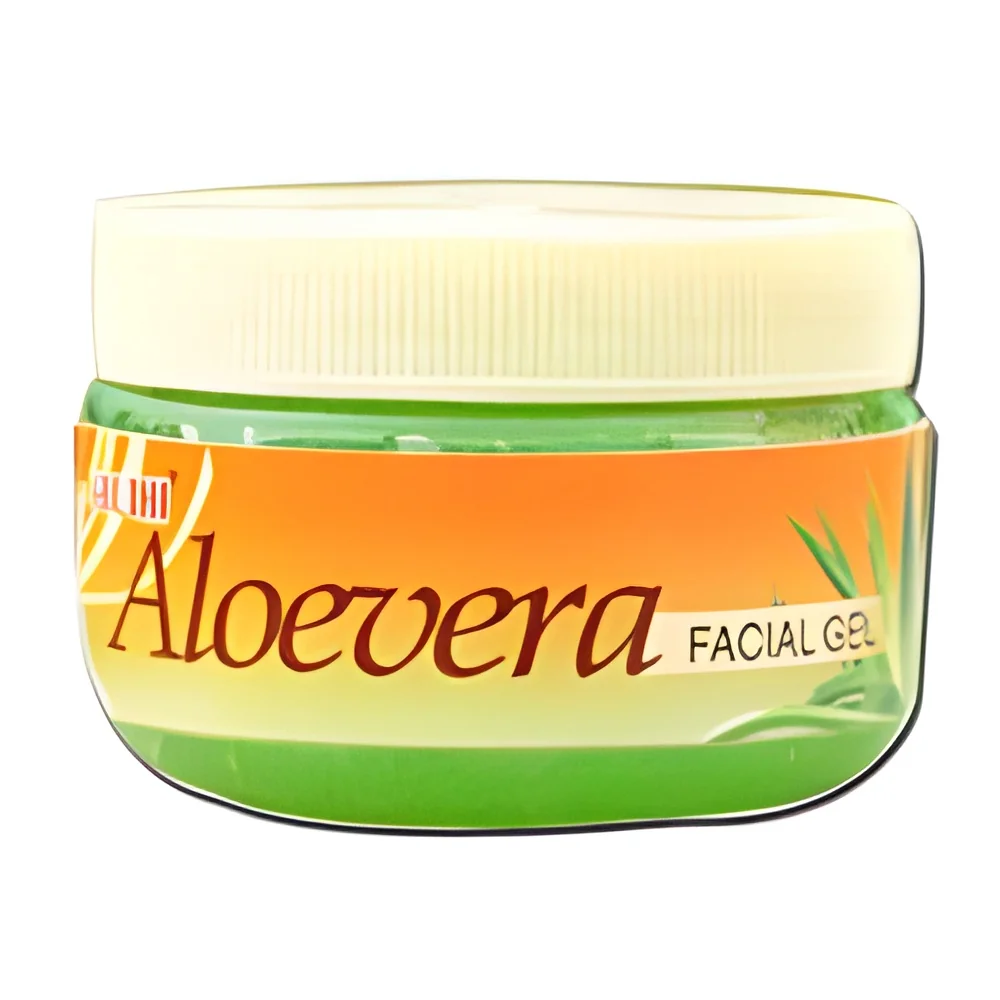
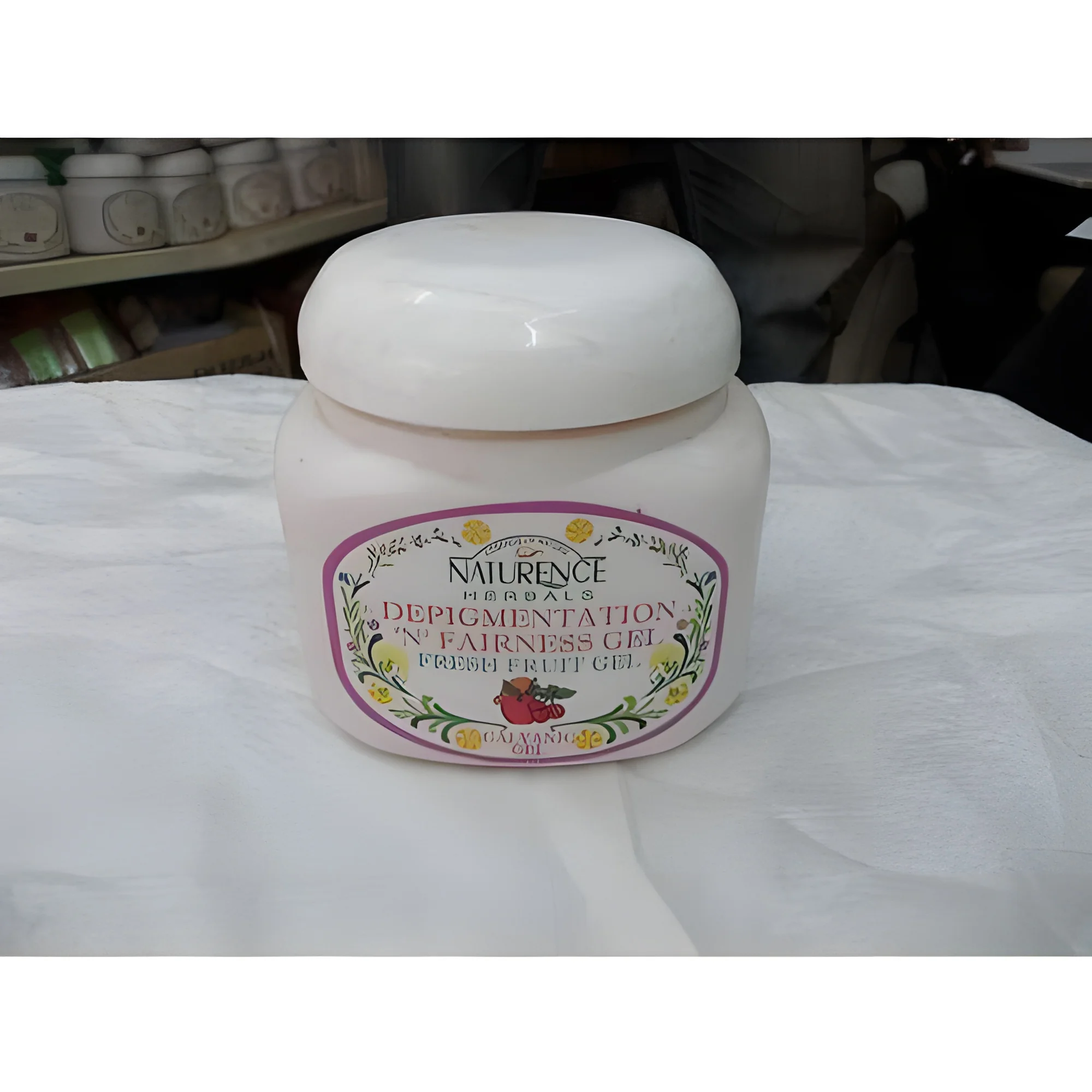
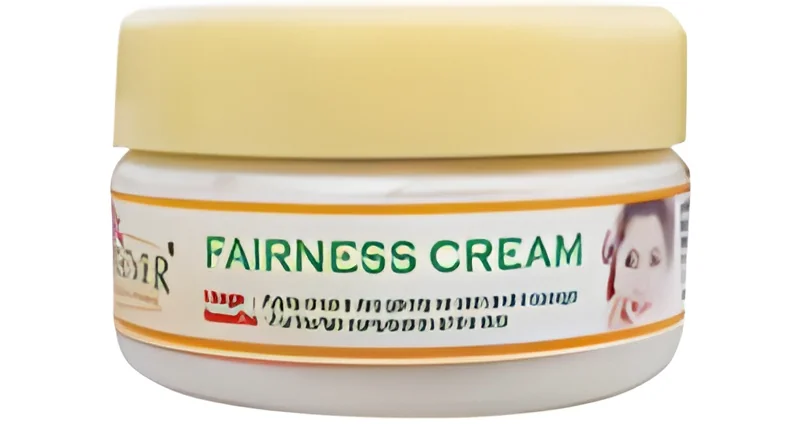
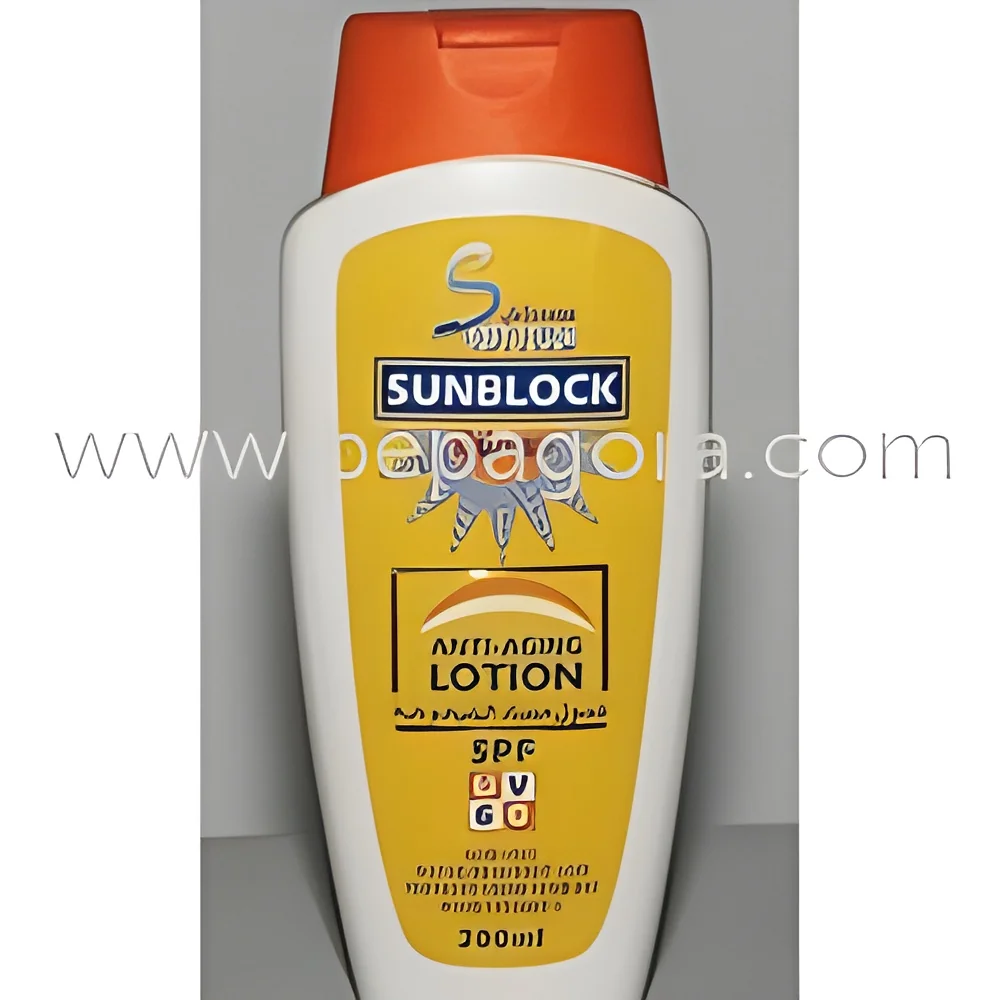
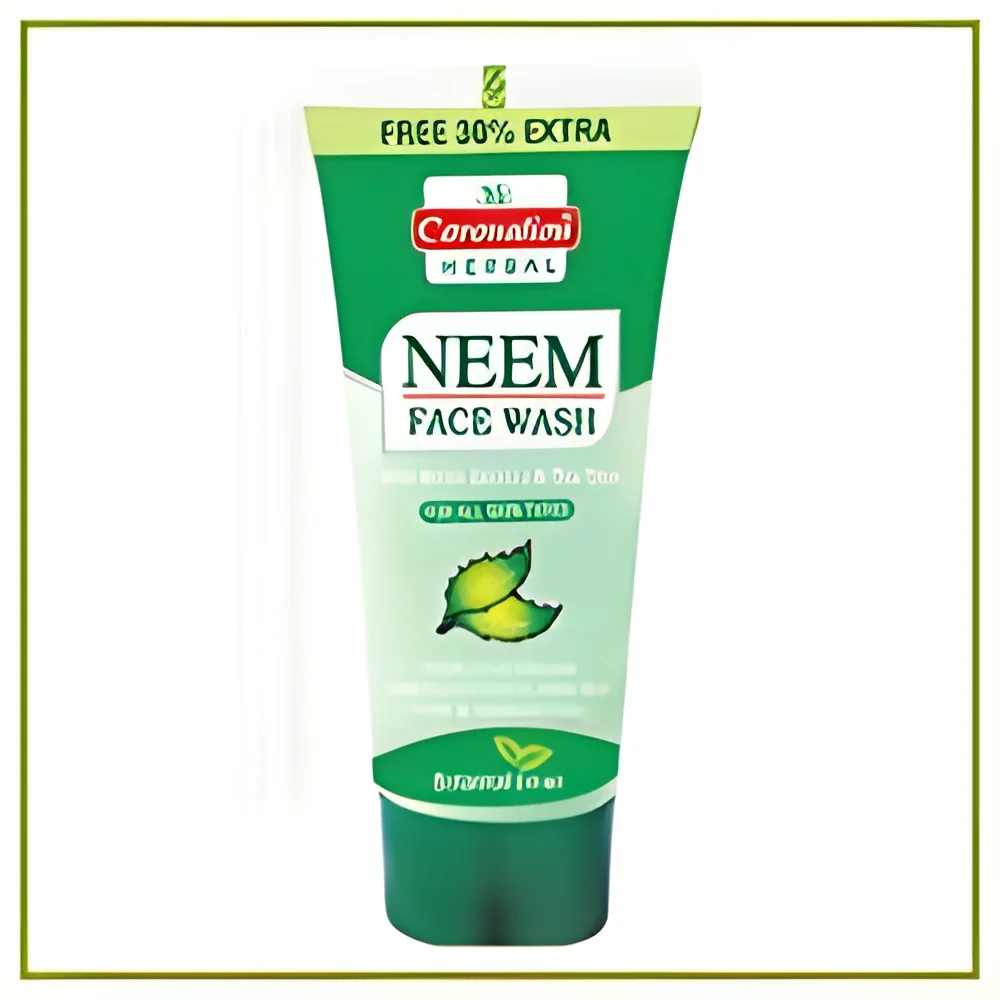
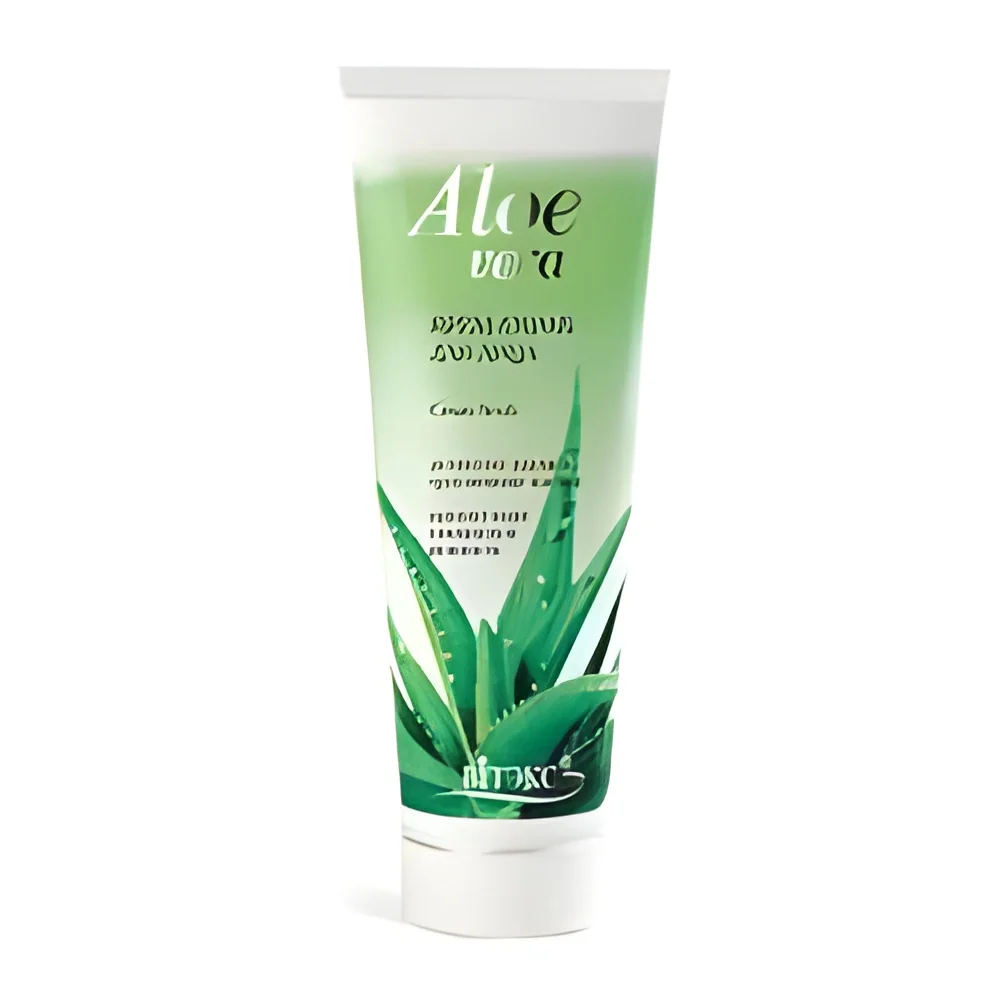
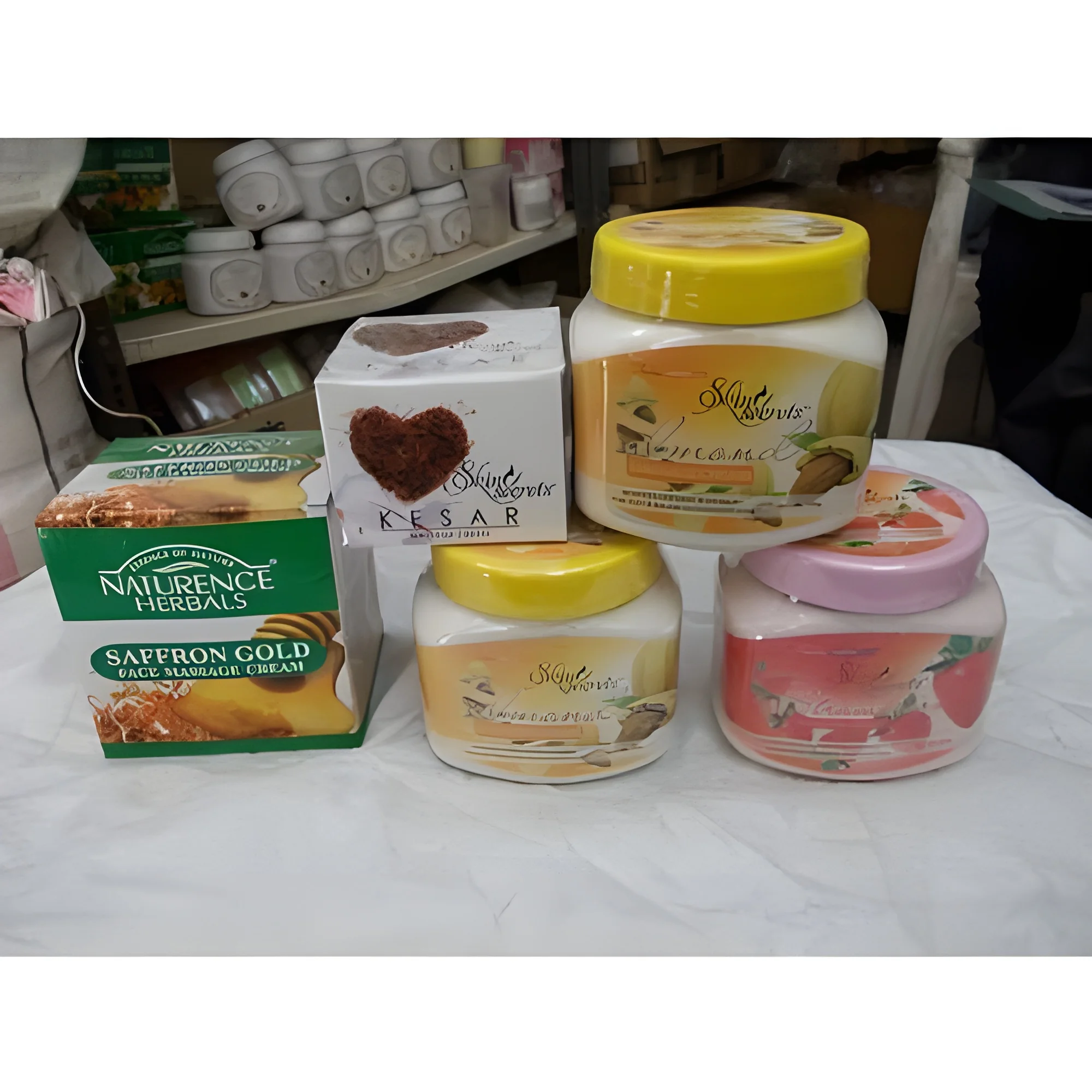
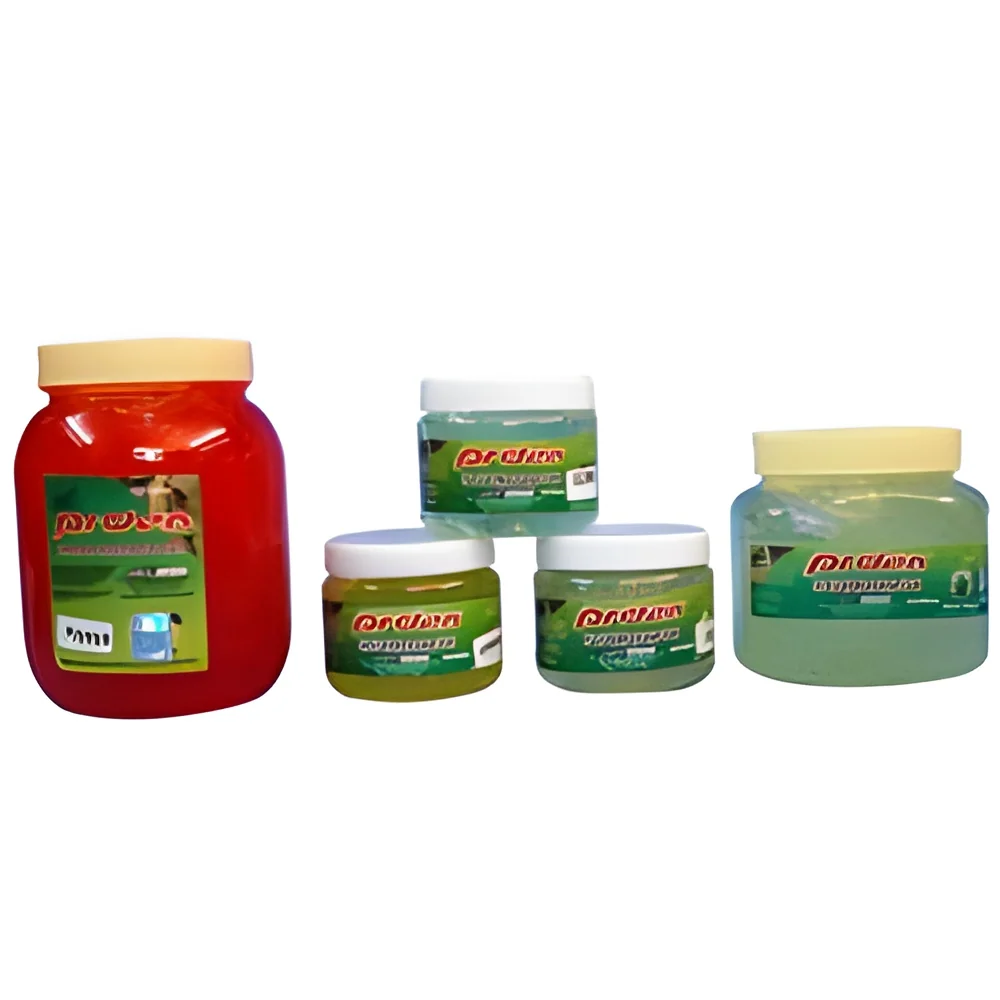
- Available in tubes, jars, and pumps.
- Each packaging type affects usability and product preservation.
3. Texture and Consistency
- Creams are thicker, while lotions are lighter.
- The choice depends on skin type and personal preference.
4. Absorption Rate
- Varies based on formulation; some absorb quickly, while others may leave a residue.
- Important for user experience and skin feel.
5. Shelf Life
- Typically ranges from 12 to 24 months.
- Affects inventory management and product turnover.
6. pH Level
- Most formulations are designed to be skin-friendly, typically between 4.5 and 6.5.
- Ensures compatibility with skin for optimal effectiveness.
7. Hypoallergenic Options
- Some products are formulated to minimize allergic reactions.
- Important for consumers with sensitive skin.
8. Fragrance and Additives
- Available in both scented and unscented variants.
- Scented options may enhance user experience, while unscented are better for sensitive users.
In summary, understanding the specifications of moisturizing creams and lotions allows businesses to choose the right products that meet their customers' needs.
Common Applications and Use Cases
Moisturizing creams and lotions are versatile products used across multiple industries. They serve various applications based on customer requirements.
1. Personal Care: Widely used in everyday skincare routines, moisturizing creams and lotions help maintain skin hydration and health.
2. Salons and Spas: Often used in professional treatments, these products enhance client experiences during facials and massages.
3. Retail: Available in beauty stores and online, they cater to consumers seeking effective skincare solutions.
4. Healthcare: Recommended for patients with dry skin conditions, they provide therapeutic benefits.
5. Hospitality: Hotels and resorts may offer these products in guest rooms for added comfort.
6. Fitness Centers: Gyms and fitness studios may provide lotions for post-workout skin care.
7. Cosmetics Manufacturing: Used as base ingredients in makeup products, contributing to skin hydration.
Product Variants and Subcategories
Moisturizing creams and lotions come in various formulations to meet diverse consumer needs. The following are notable variants.
Hydrating Creams
These creams are formulated with high concentrations of humectants, making them ideal for dry or dehydrated skin. They provide intense moisture and are typically thicker in consistency, offering long-lasting hydration.
Lightweight Lotions
Designed for quick absorption, lightweight lotions are perfect for everyday use. They are ideal for normal to oily skin types and provide hydration without feeling heavy or greasy.
Non-Comedogenic Formulations
These products are specially formulated to avoid clogging pores, making them suitable for acne-prone skin. They offer moisture without contributing to breakouts.
Fragrance-Free Options
Targeted towards sensitive skin, fragrance-free creams and lotions minimize irritation while providing essential hydration. They cater to users seeking gentle, effective skincare.
Benefits and Advantages
Moisturizing creams and lotions offer multiple benefits tailored to user needs.
Key benefits include:
1. Enhanced Skin Hydration: These products effectively lock in moisture, preventing dryness and promoting healthy skin.
2. Protection Against Environmental Stressors: They create a barrier against pollutants and harsh weather conditions, safeguarding the skin.
3. Improved Skin Texture: Regular use can lead to smoother, softer skin by promoting elasticity and reducing roughness.
4. Versatility: Suitable for various skin types, they cater to a broad audience, from those with dry skin to those needing lightweight hydration.
5. Therapeutic Benefits: Many formulations include ingredients that soothe irritation and support skin healing.
6. Convenience: Available in various packaging options, these products are easy to apply and integrate into daily routines.
Buying Guide for B2B Buyers
When sourcing moisturizing creams and lotions, it is essential to consider several factors to ensure quality and suitability for your needs.
1. Quality Assessment: Look for products that meet established quality standards. Ingredients should be clearly listed, and formulations should undergo rigorous testing for safety and effectiveness.
2. Supplier Verification: Vet suppliers thoroughly to ensure they provide high-quality products. Check for reviews, certifications, and their track record in the industry.
3. Pricing and MOQ: Understand pricing structures and minimum order quantities to make informed purchasing decisions. Compare costs across various suppliers to find competitive rates.
4. Delivery and Lead Times: Assess logistics capabilities to understand delivery timelines. Efficient supply chain management is crucial for maintaining stock levels.
5. Compliance Requirements: Ensure that products meet regional regulations and industry standards. This includes safety certifications and labeling requirements.
Compliance and Certifications
Compliance and certifications are critical in the manufacturing and distribution of moisturizing creams and lotions. Key quality standards include ISO 9001, which ensures consistent quality management processes. Additionally, HACCP principles may apply, particularly in products that claim therapeutic benefits.
Industry certifications, such as CE marking, indicate that products meet European health, safety, and environmental protection standards. It is essential for manufacturers to adhere to safety and testing requirements, ensuring that all ingredients are safe for consumer use.
Regional compliance considerations also play a significant role. Different countries and regions may have unique regulations governing cosmetic products, including labeling requirements and ingredient restrictions. Staying informed about these regulations is crucial for businesses operating in the global market.
Why Source Moisturizing Creams & Lotions from Pepagora?
Pepagora provides a trusted platform for sourcing moisturizing creams and lotions, offering several key advantages to B2B buyers.
Verified Supplier Network: The platform features a robust network of verified suppliers, ensuring that buyers can access high-quality products from reputable manufacturers.
Streamlined RFQ Process: Pepagora simplifies the request for quotation process, allowing buyers to compare offers from multiple suppliers quickly. This efficiency saves time and enhances decision-making.
Trade Assurance and Support: Buyers benefit from trade assurance programs that protect their purchases. Pepagora's dedicated support team is available to assist with any inquiries throughout the sourcing process.
Regional Coverage: With a strong presence in India, the GCC, and Southeast Asia, Pepagora serves buyers across diverse markets, facilitating access to a wide range of moisturizing creams and lotions tailored to regional preferences.

 IN
IN