𝗪𝗵𝗮𝘁 𝗮𝗿𝗲 𝗦𝗲𝗰𝘂𝗿𝗶𝘁𝘆 & 𝗧𝗮𝗺𝗽𝗲𝗿-𝗣𝗿𝗼𝗼𝗳 𝗣𝗮𝗰𝗸𝗮𝗴𝗶𝗻𝗴?
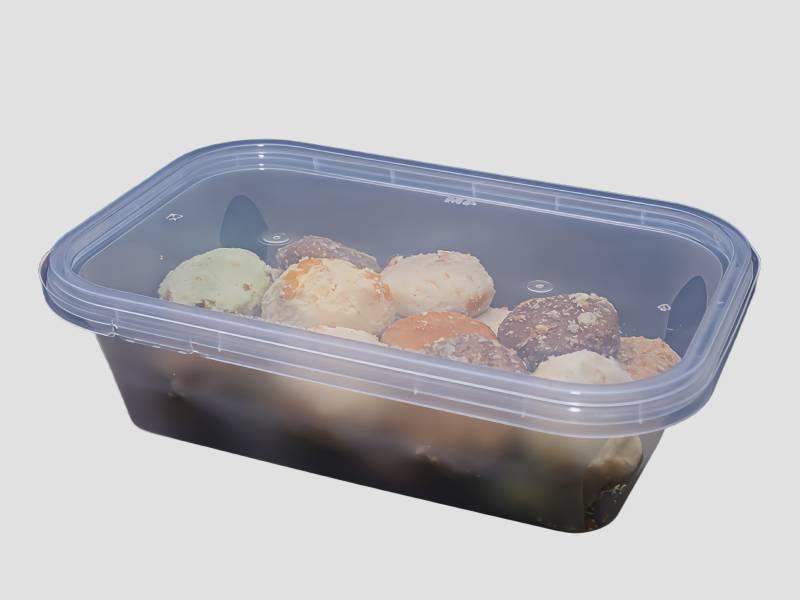
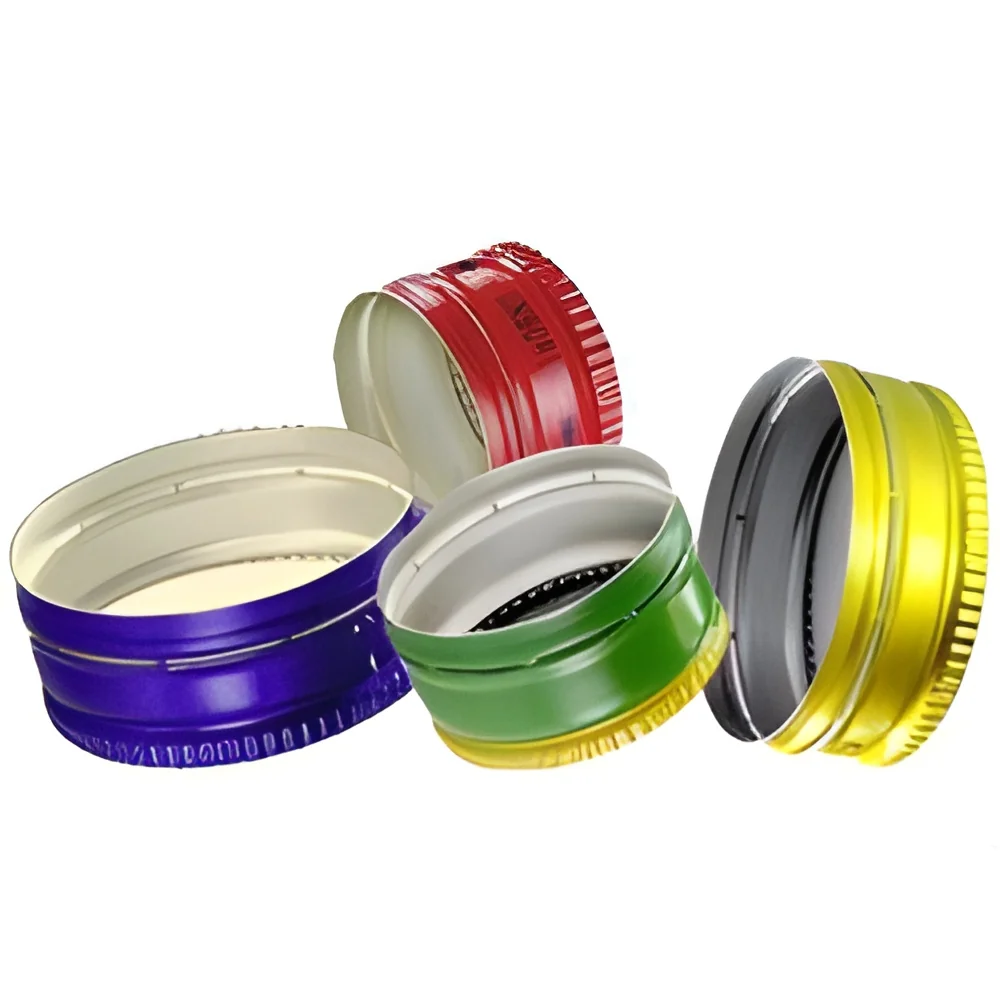
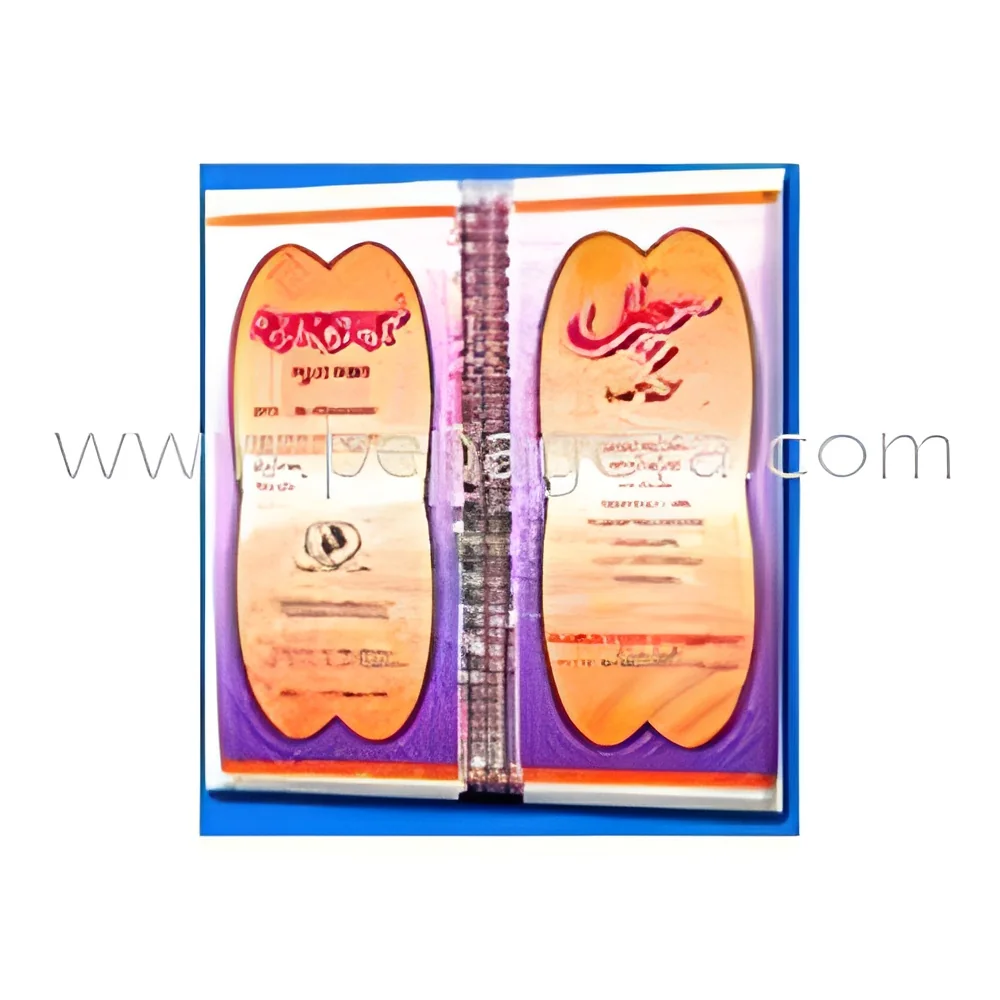
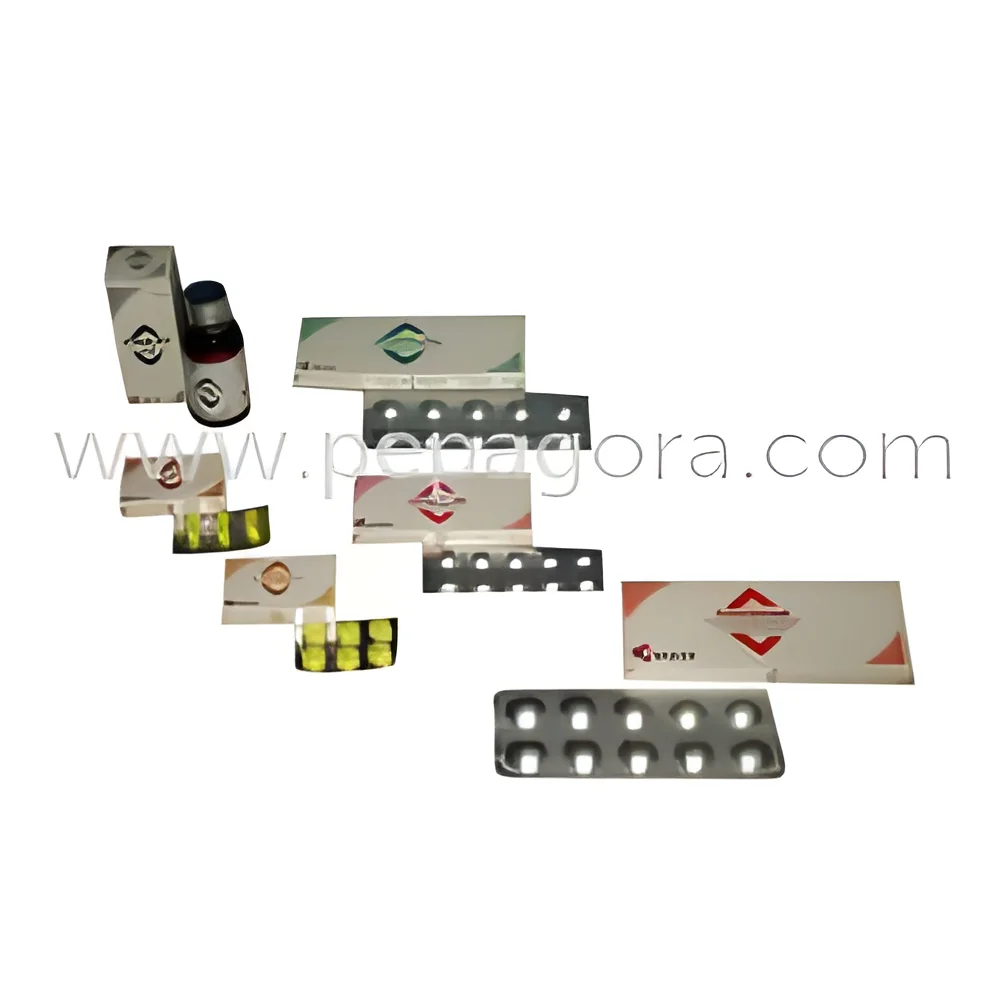
Security and tamper-proof packaging is designed to protect products from unauthorized access, damage, or contamination. This type of packaging incorporates features that deter tampering and ensure that the contents remain secure until they reach the end user. It is essential for maintaining the integrity of products, especially in industries where safety and quality are paramount.
Primary uses of security and tamper-proof packaging include pharmaceuticals, electronics, food and beverage, and high-value consumer goods. Businesses in these sectors rely on this packaging to instill confidence in their customers that products have not been compromised. The growing awareness of security in supply chains and the rise in counterfeit products have further accelerated the demand for such packaging solutions.
In a rapidly evolving market, security and tamper-proof packaging has become increasingly relevant. Manufacturers are continually innovating to meet stringent regulatory requirements and consumer expectations. This trend reflects the broader market context where businesses prioritize safety and quality assurance in their operations.
𝗞𝗲𝘆 𝗙𝗲𝗮𝘁𝘂𝗿𝗲𝘀 𝗮𝗻𝗱 𝗦𝗽𝗲𝗰𝗶𝗳𝗶𝗰𝗮𝘁𝗶𝗼𝗻𝘀
Security and tamper-proof packaging comes with various features designed to enhance product protection. These features ensure that packages cannot be easily opened or altered without visible signs of tampering.
Key specifications include:
1. Material Strength
- High durability materials that resist puncturing and tearing
- Options like plastic, cardboard, and composite materials
2. Seal Integrity
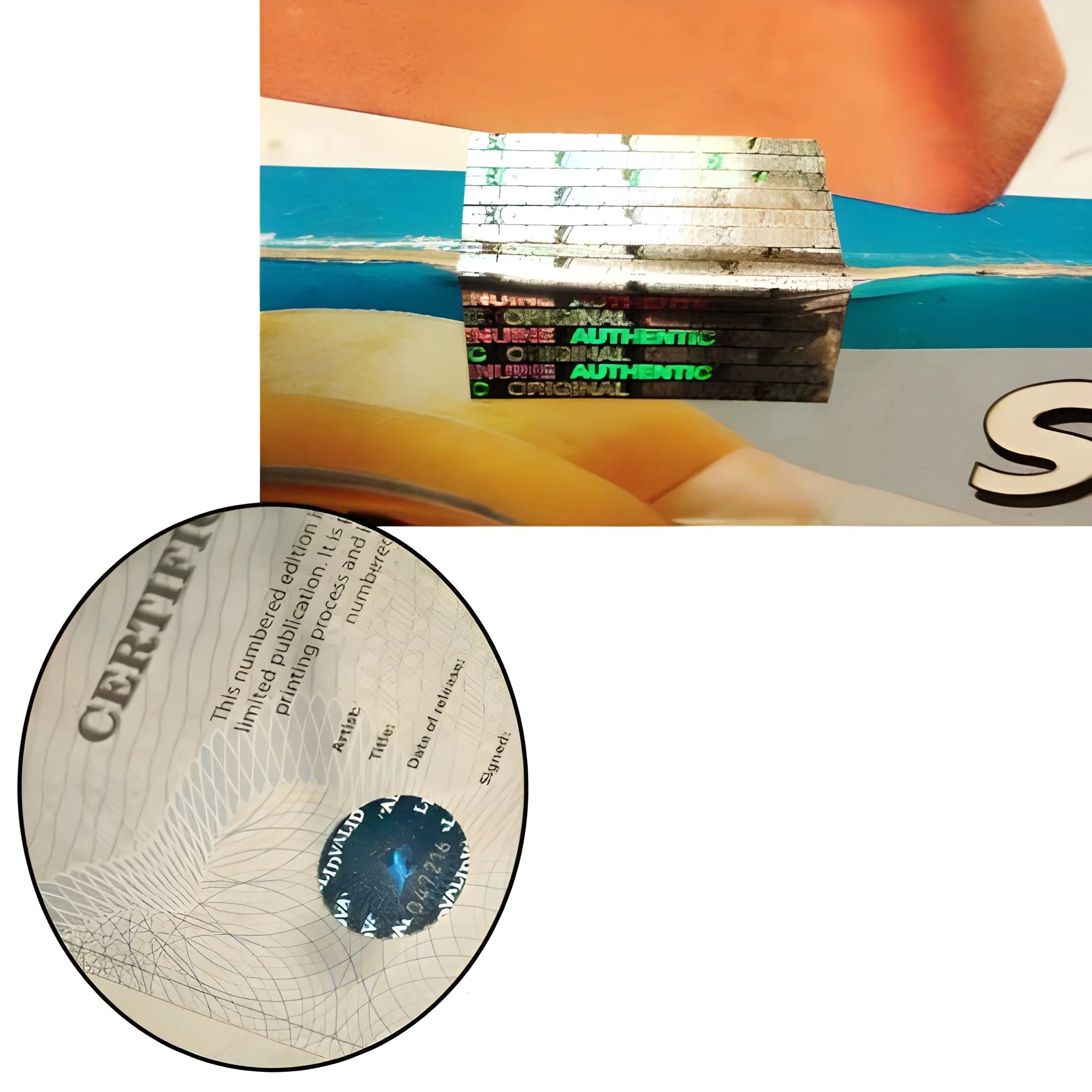
- Specialized seals that show visible signs of tampering
- Adhesive properties that ensure packages remain securely closed
3. Traceability
- Serialization and barcoding for tracking and verification
- Integration with supply chain management systems
4. Environmental Resistance
- Packaging that can withstand various environmental factors
- Options for moisture and temperature resistance
5. Customization Options
- Ability to tailor packaging to specific product dimensions
- Options for branding and labeling
6. Compliance Standards
- Adherence to industry regulations and safety standards
- Certifications such as CE for quality assurance
7. User-Friendliness
- Easy-to-open designs for consumers
- Clear instructions and labeling for usage
8. Cost Efficiency
- Competitive pricing structures to meet budget needs
- Options for bulk purchasing to reduce overall costs
These specifications enhance the overall effectiveness of security and tamper-proof packaging, ensuring that businesses can meet their operational and safety requirements.
𝗖𝗼𝗺𝗺𝗼𝗻 𝗔𝗽𝗽𝗹𝗶𝗰𝗮𝘁𝗶𝗼𝗻𝘀 𝗮𝗻𝗱 𝗨𝘀𝗲 𝗖𝗮𝘀𝗲𝘀
Security and tamper-proof packaging finds application in various industries, ensuring product safety and integrity across the supply chain.
1. Pharmaceuticals: Packaging for drugs often includes tamper-evident features to prevent unauthorized access and ensure patient safety.
2. Electronics: High-value electronic components require secure packaging to protect against theft and damage during transportation.
3. Food and Beverage: This packaging is crucial for maintaining food safety and quality, preventing contamination from external sources.
4. Cosmetics: Tamper-proof packaging is essential in the cosmetics industry to guarantee that products have not been altered before purchase.
5. Luxury Goods: High-end products often utilize this packaging to enhance brand security and customer trust.
6. Automotive Parts: Secure packaging for automotive components ensures that they remain intact and unaltered during shipping.
7. E-commerce: As online shopping grows, secure packaging protects goods during transit and reassures customers about product integrity.
𝗣𝗿𝗼𝗱𝘂𝗰𝘁 𝗩𝗮𝗿𝗶𝗮𝗻𝘁𝘀 𝗮𝗻𝗱 𝗦𝘂𝗯𝗰𝗮𝘁𝗲𝗴𝗼𝗿𝗶𝗲𝘀
The diversity of security and tamper-proof packaging allows businesses to select options that best fit their needs.
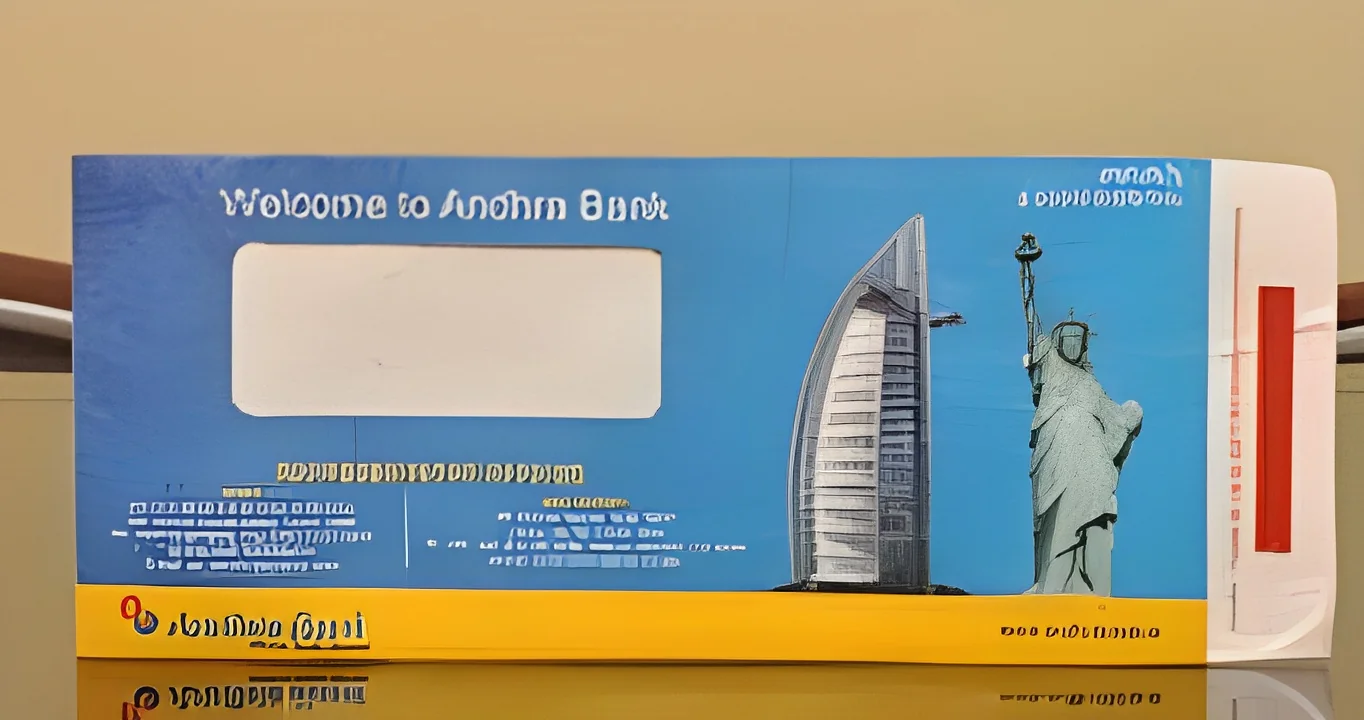
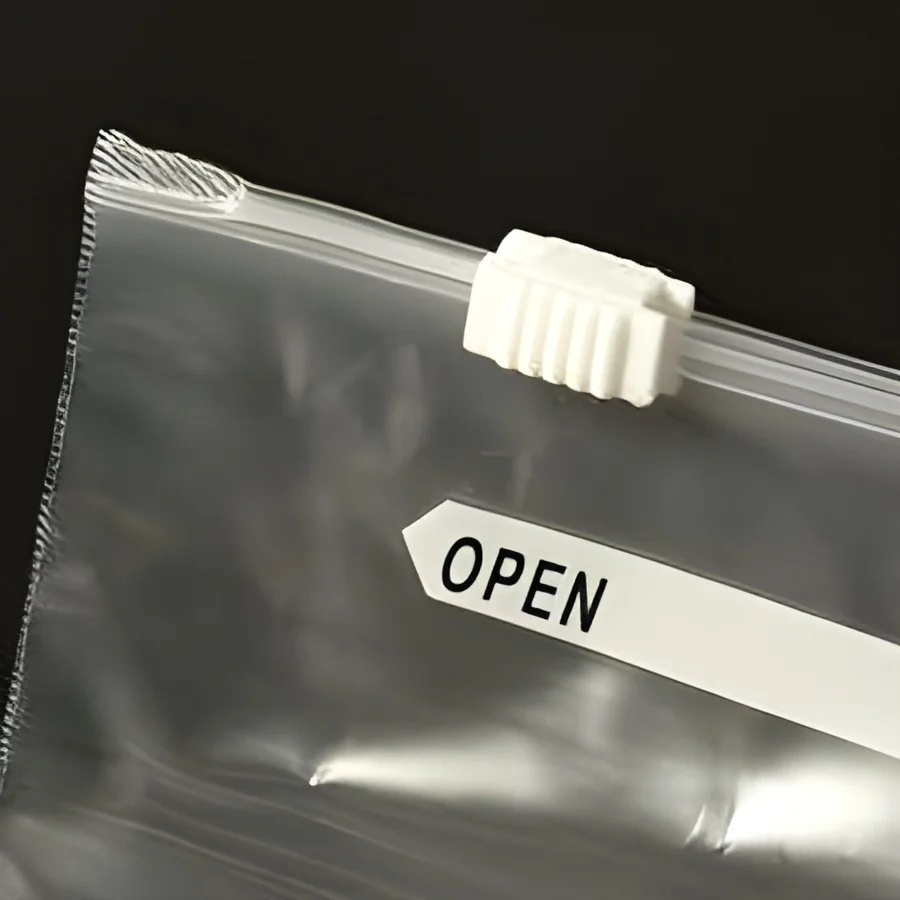
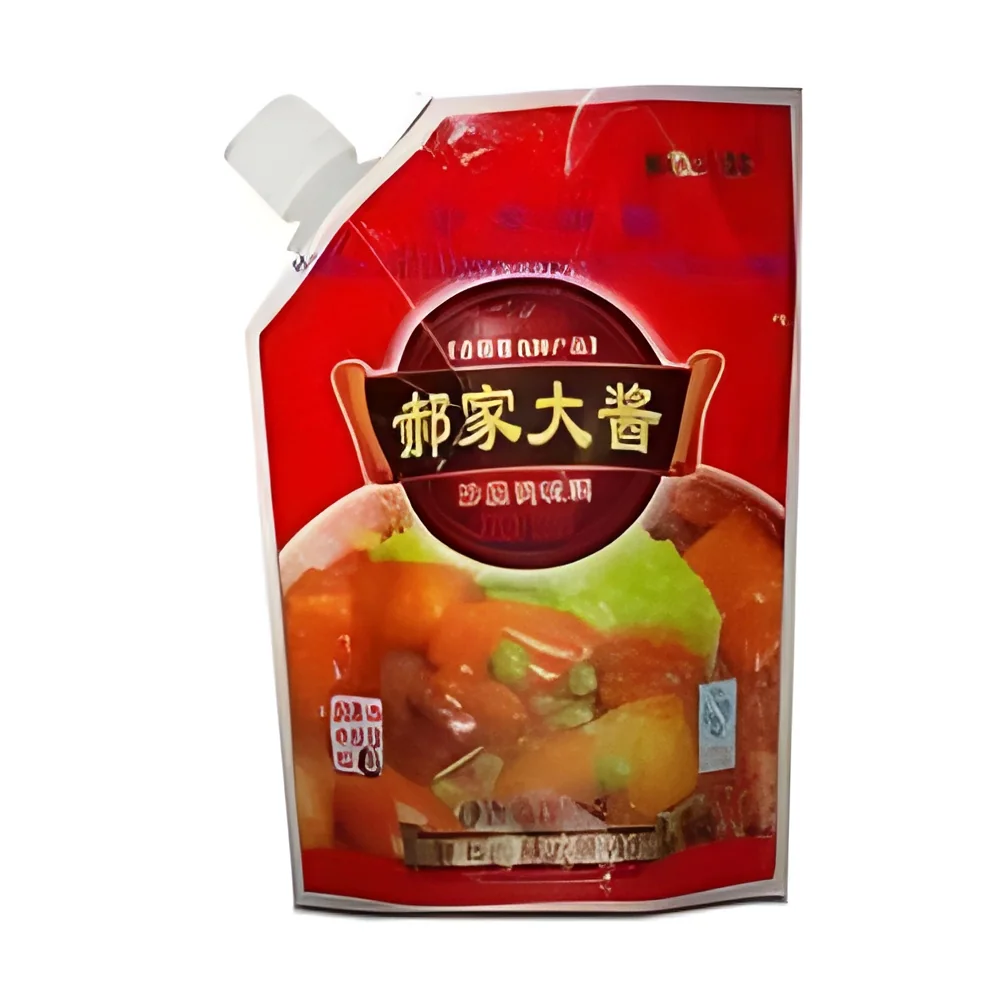
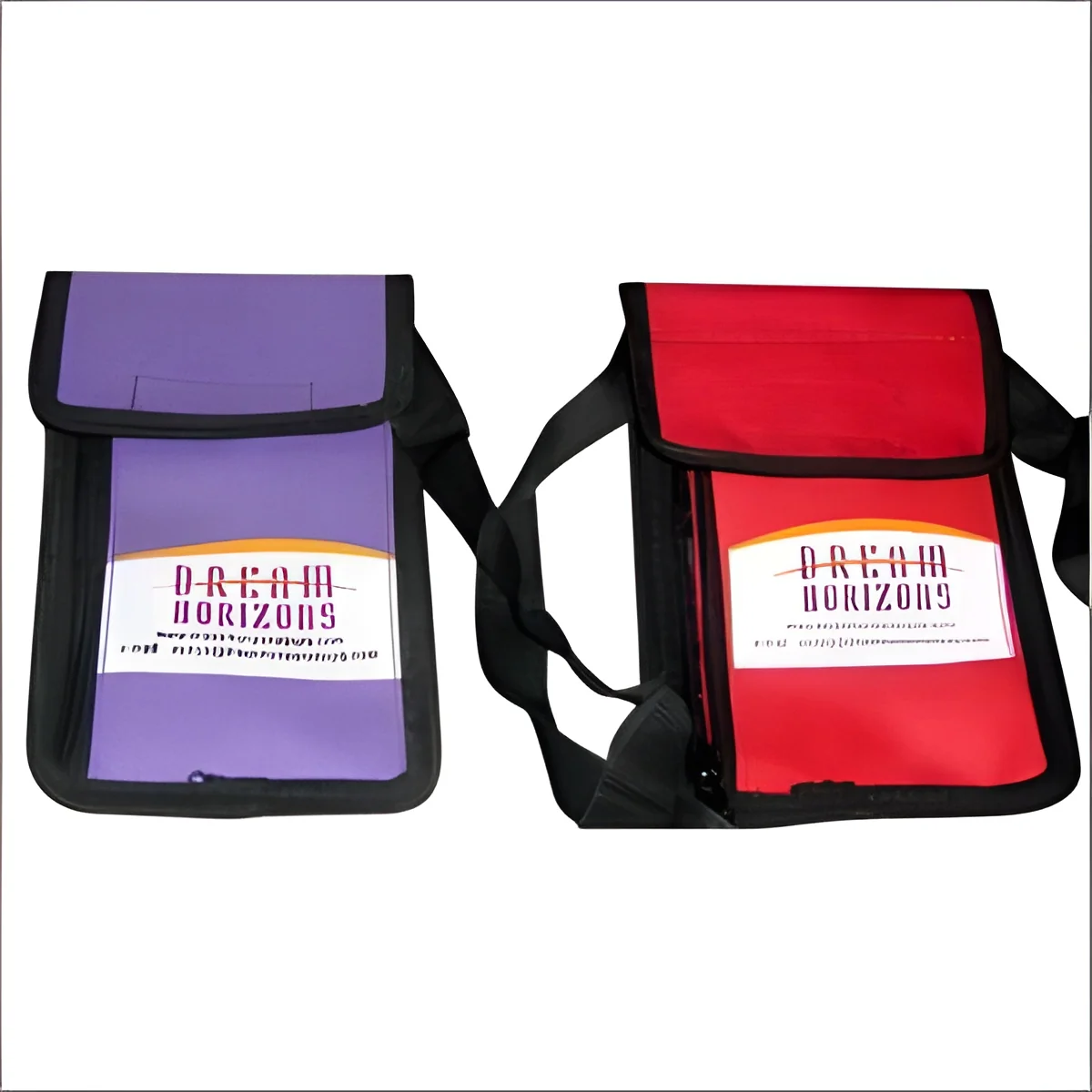
Tamper-Evident Bags: These bags feature seals that indicate if they have been opened. They are commonly used for food and pharmaceutical products.
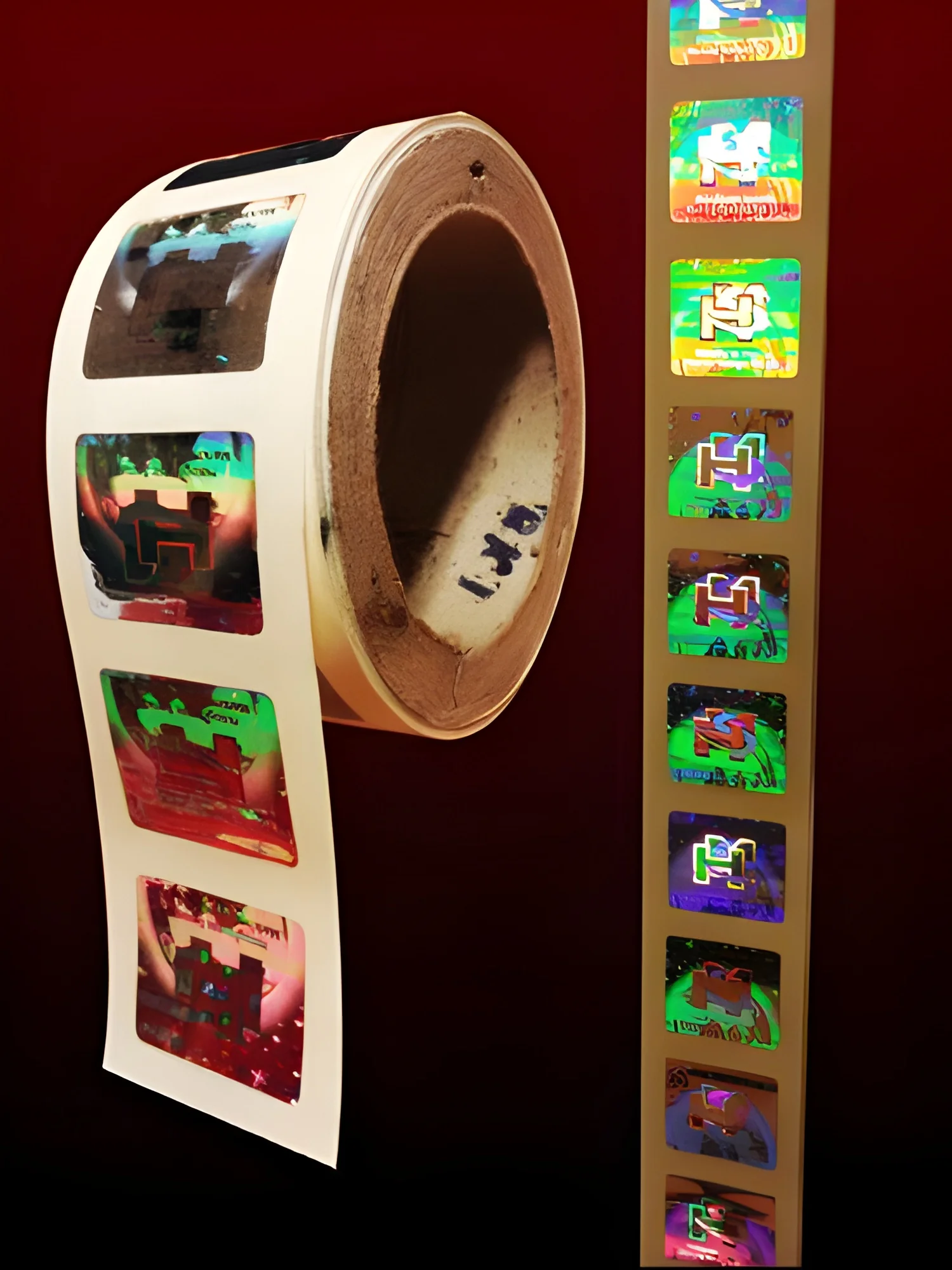
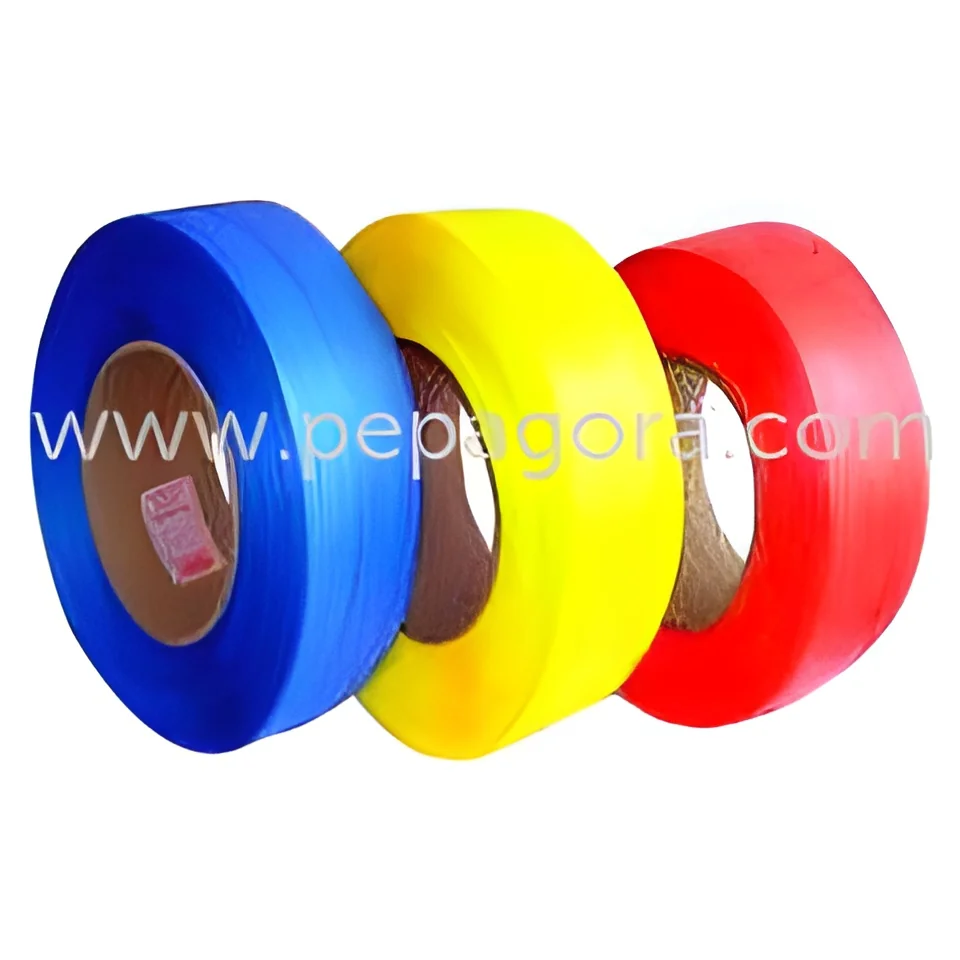
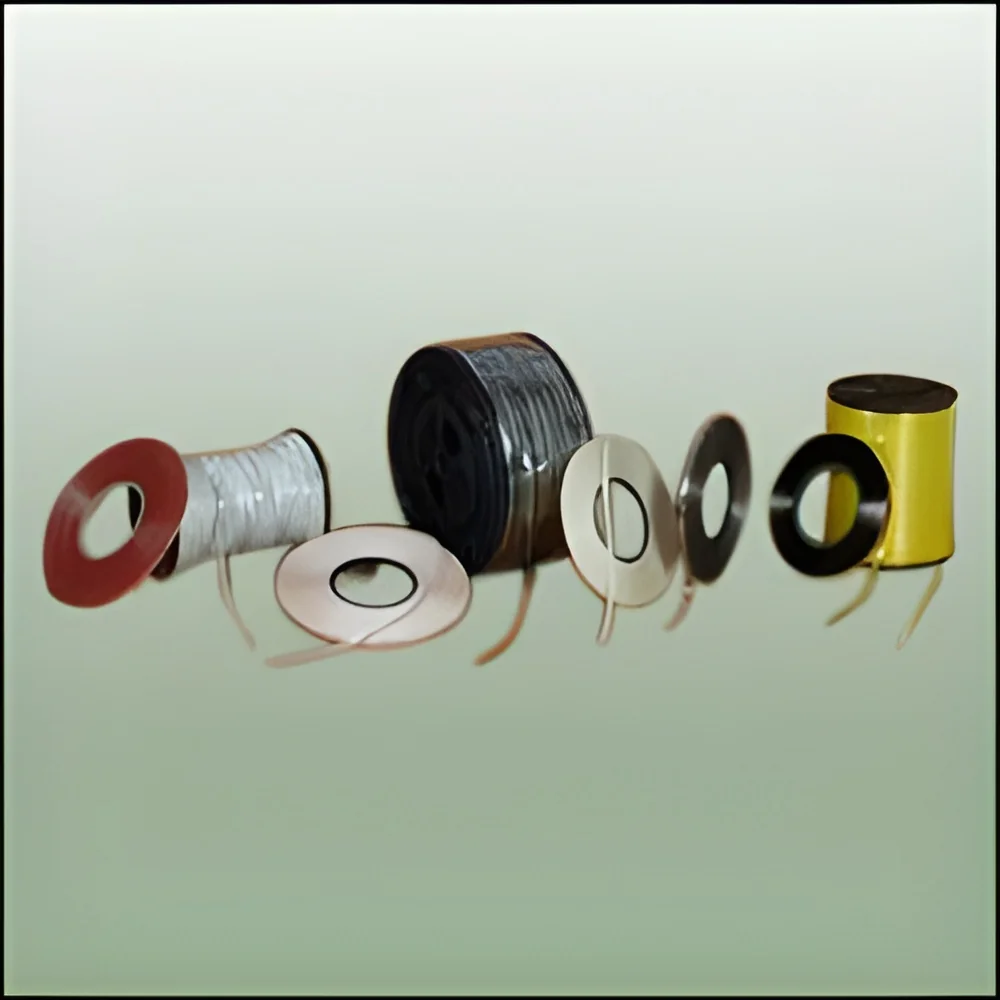
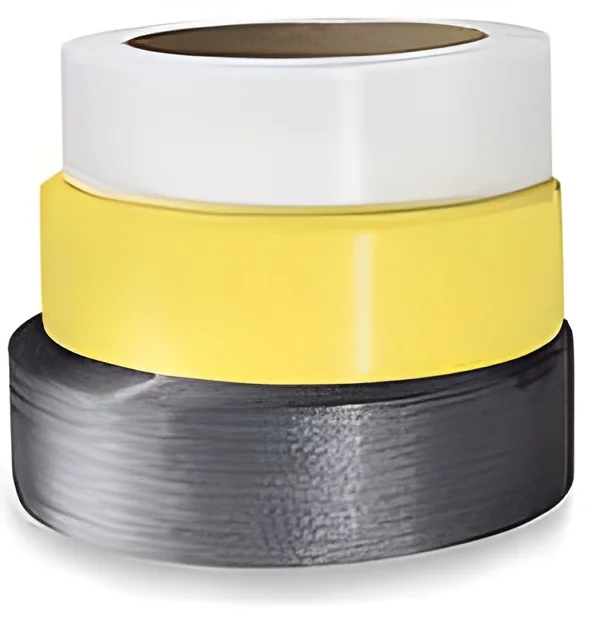
Security Tapes: These tapes provide a clear indication of tampering when applied to boxes and containers. They are widely used in shipping and logistics.
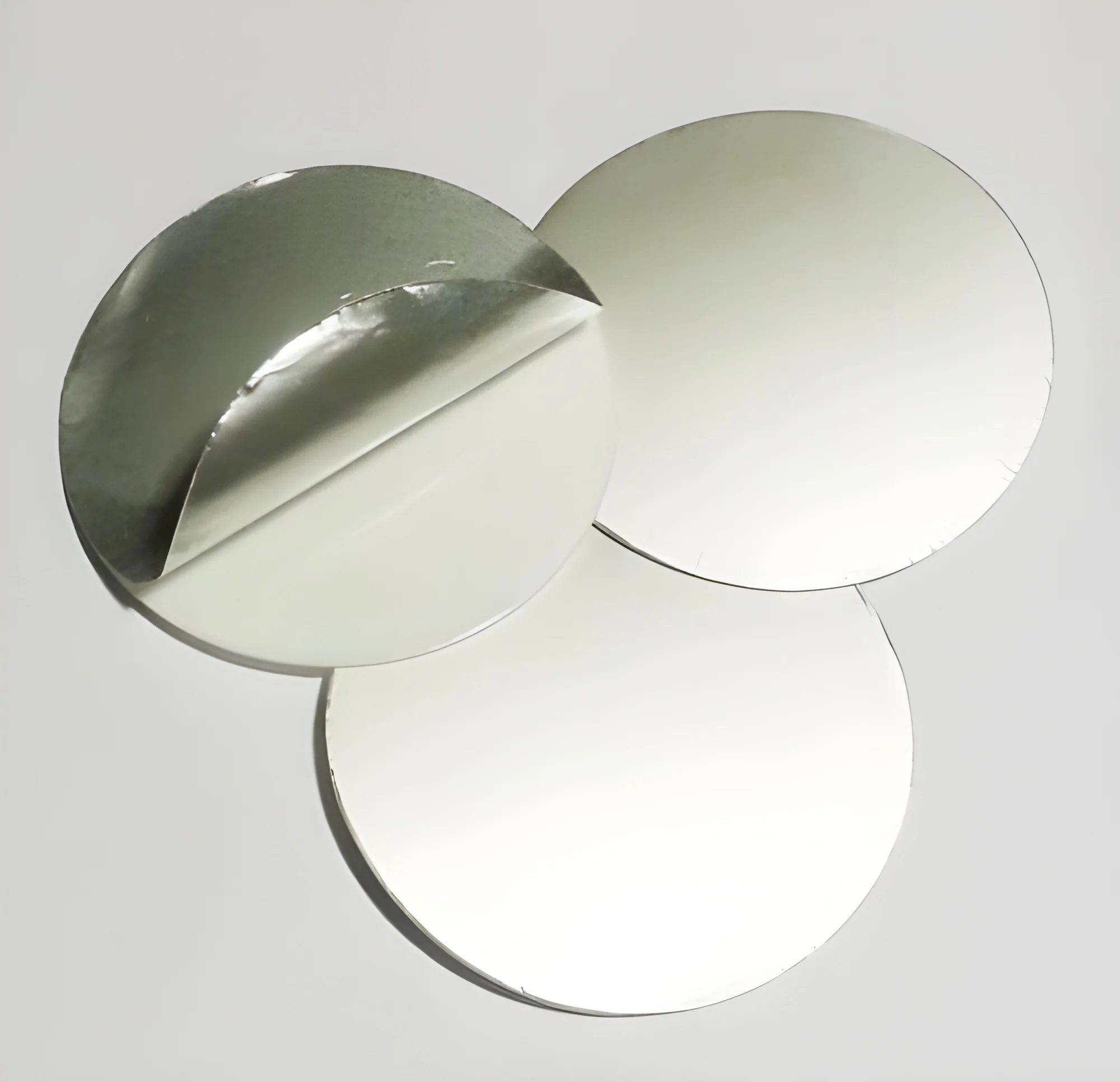
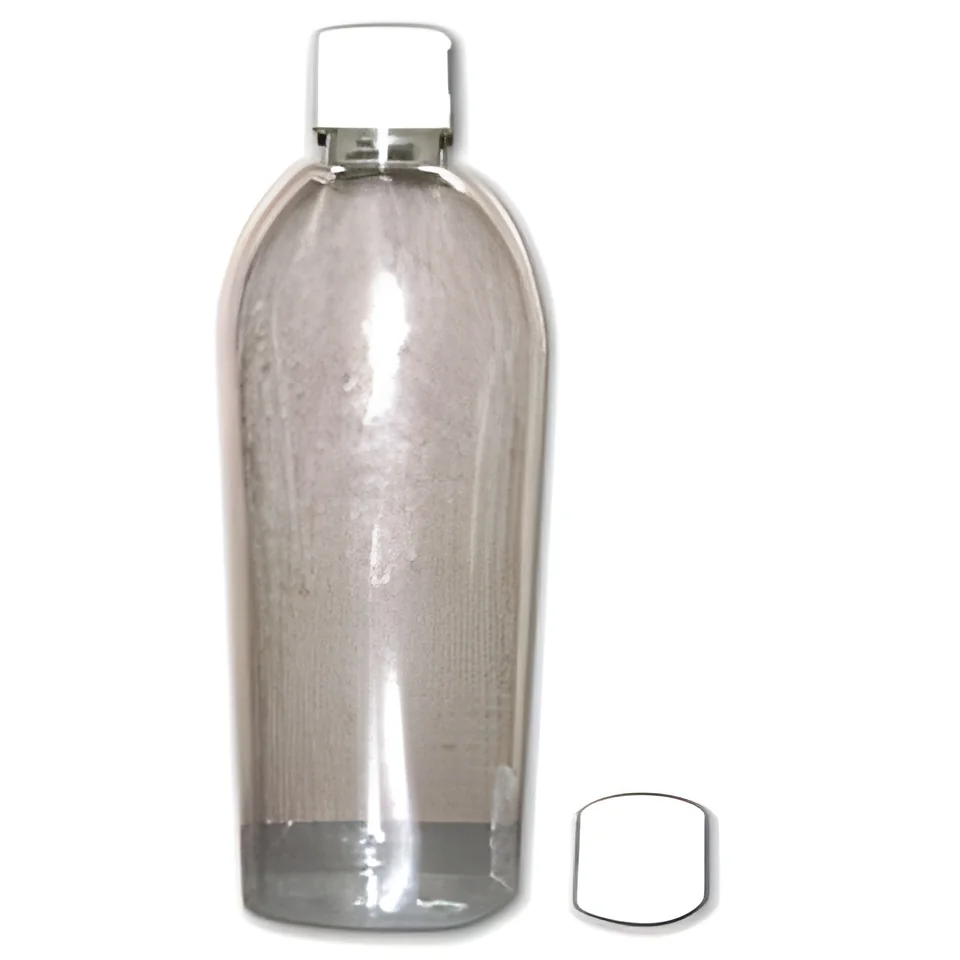
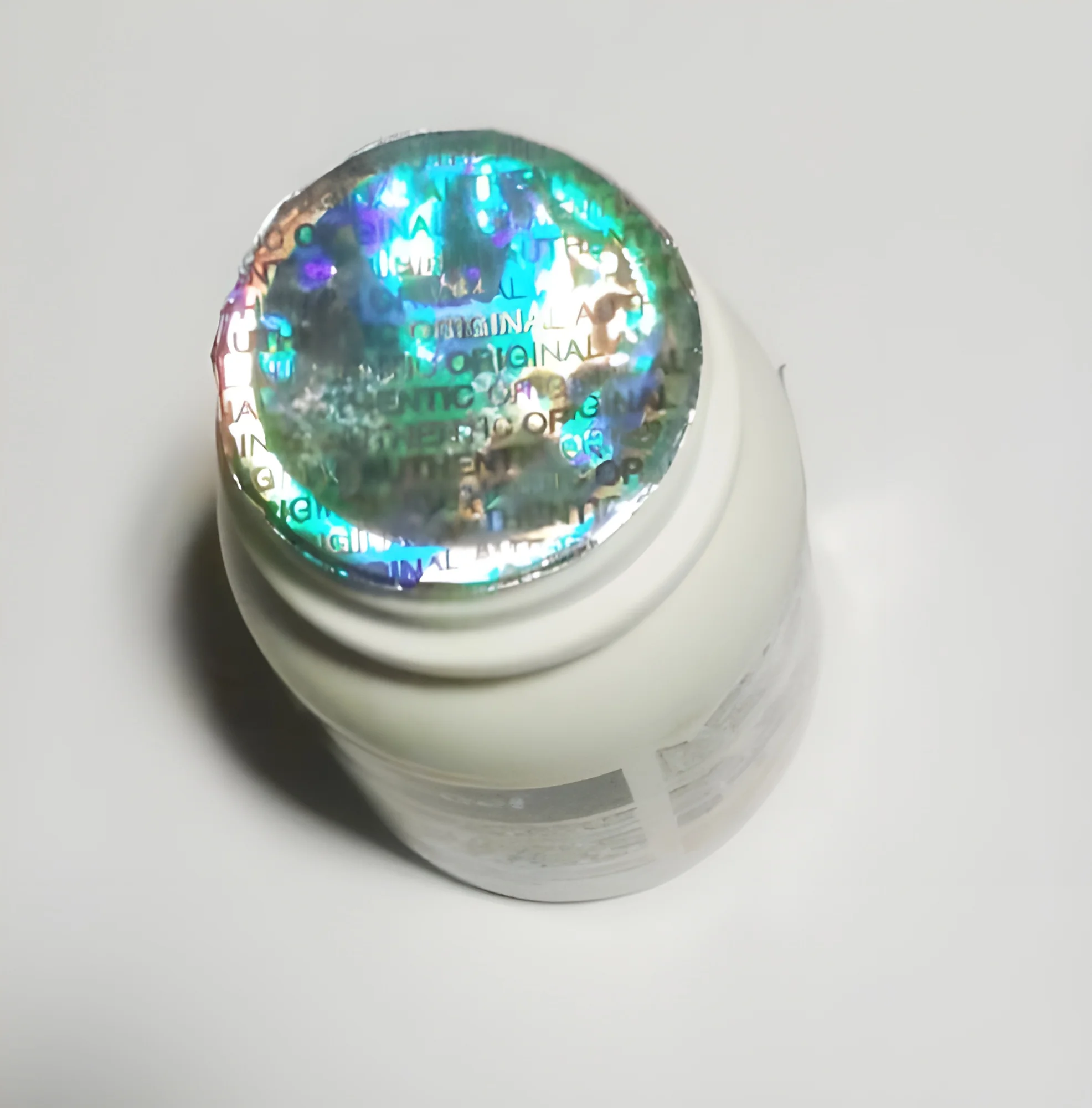
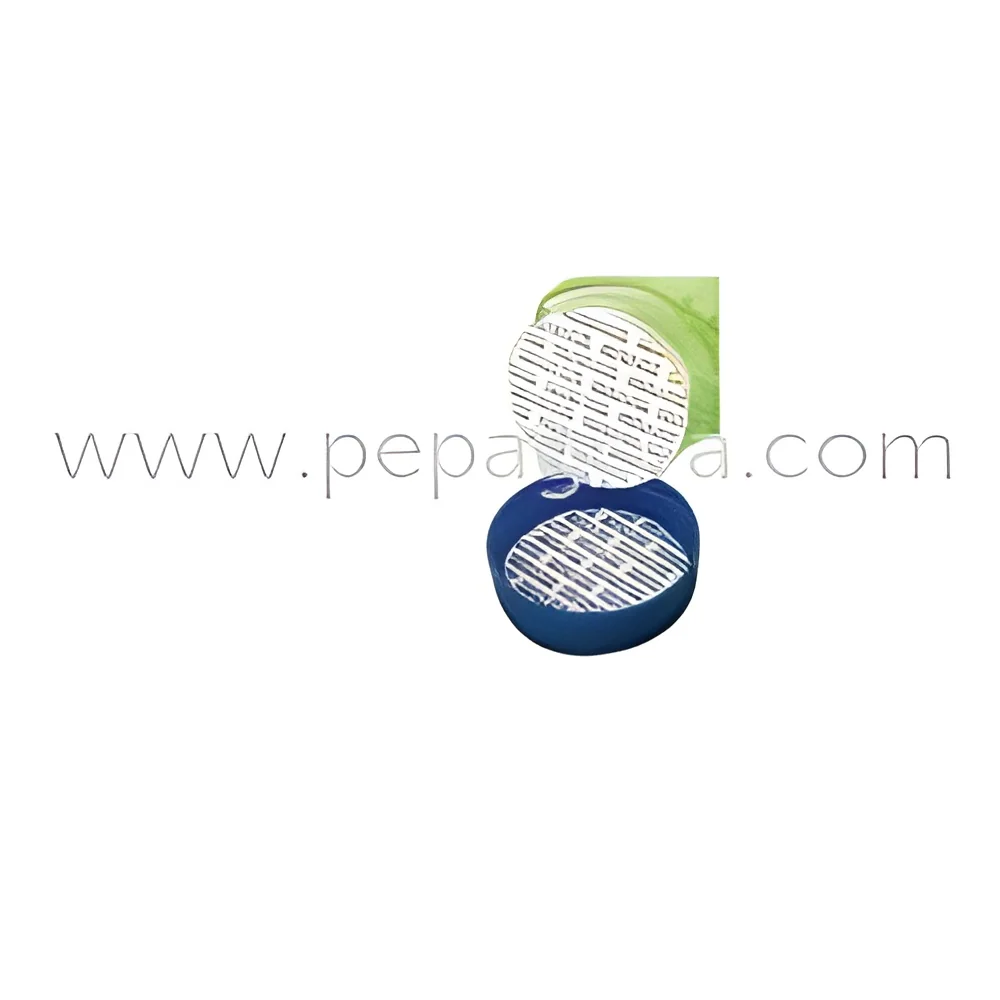
Induction Seals: Used primarily in food and beverage packaging, induction seals provide an airtight seal that indicates if the product has been tampered with.
Shrink Sleeves: These provide full coverage of the product and shrink tightly around the container, offering tamper-proof features along with branding opportunities.
𝗕𝗲𝗻𝗲𝗳𝗶𝘁𝘀 𝗮𝗻𝗱 𝗔𝗱𝘃𝗮𝗻𝘁𝗮𝗴𝗲𝘀
Investing in security and tamper-proof packaging offers numerous benefits for businesses.
1. Enhanced Product Safety: Protects products from tampering, ensuring the safety and integrity of the contents.
2. Increased Customer Trust: Visible tamper-evidence reassures customers about the authenticity of the product.
3. Regulatory Compliance: Helps companies meet industry regulations and standards, reducing the risk of legal issues.
4. Brand Protection: Prevents counterfeit products from entering the market, safeguarding brand reputation.
5. Cost Savings: Reduces losses associated with product recalls and customer returns due to compromised packaging.
6. Improved Supply Chain Security: Enhances traceability and monitoring within the supply chain, minimizing risks of theft or fraud.
𝗕𝘂𝘆𝗶𝗻𝗴 𝗚𝘂𝗶𝗱𝗲 𝗳𝗼𝗿 𝗕𝟮𝗕 𝗕𝘂𝘆𝗲𝗿𝘀
When sourcing security and tamper-proof packaging, B2B buyers should consider several key factors.
1. Quality Assessment: Evaluate the materials and construction of the packaging to ensure it meets safety standards and durability requirements.
2. Supplier Verification: Conduct thorough background checks on suppliers to ensure they have a proven track record in producing reliable packaging solutions.
3. Pricing and MOQ: Compare pricing structures from different suppliers and consider minimum order quantities to align with budget constraints.
4. Delivery and Lead Times: Assess logistics and delivery timelines to ensure that packaging can be obtained in a timely manner for production needs.
5. Compliance Requirements: Verify that the packaging meets relevant regulatory standards and certifications necessary for your industry.
𝗖𝗼𝗺𝗽𝗹𝗶𝗮𝗻𝗰𝗲 𝗮𝗻𝗱 𝗖𝗲𝗿𝘁𝗶𝗳𝗶𝗰𝗮𝘁𝗶𝗼𝗻𝘀
Compliance with quality standards is crucial for security and tamper-proof packaging. Common standards include ISO 9001, which ensures consistent quality management practices, and HACCP for food safety. Compliance with Good Distribution Practices (GDP) is also essential, particularly in the pharmaceutical industry.
Certifications such as CE indicate that the products meet European safety standards, adding credibility to the packaging solutions.
Additionally, safety and testing requirements are fundamental in the production of this packaging. Manufacturers must adhere to regional compliance considerations, which can vary significantly across different markets. This ensures that the packaging not only protects products but also aligns with local regulations.
𝗪𝗵𝘆 𝗦𝗼𝘂𝗿𝗰𝗲 𝗦𝗲𝗰𝘂𝗿𝗶𝘁𝘆 & 𝗧𝗮𝗺𝗽𝗲𝗿-𝗣𝗿𝗼𝗼𝗳 𝗣𝗮𝗰𝗸𝗮𝗴𝗶𝗻𝗴 𝗳𝗿𝗼𝗺 𝗣𝗲𝗽𝗮𝗴𝗼𝗿𝗮?
Pepagora provides a trusted platform for sourcing security and tamper-proof packaging with several key advantages.
Verified Supplier Network: The platform connects buyers with suppliers who have been thoroughly vetted, ensuring reliability and quality in sourcing.
Streamlined RFQ Process: Pepagora offers a straightforward request for quotation system, allowing buyers to easily compare options and make informed decisions.
Trade Assurance and Support: The platform provides buyer protection measures, ensuring that transactions are secure and that buyers receive the products as expected.
Regional Coverage: Pepagora caters to a broad geographic area, including India, the GCC, and Southeast Asia, allowing businesses to access reliable packaging solutions in various markets.
By choosing Pepagora, businesses can enhance their supply chain security and ensure that their products are properly protected.

 IN
IN