What are Induction Sealing Wads?
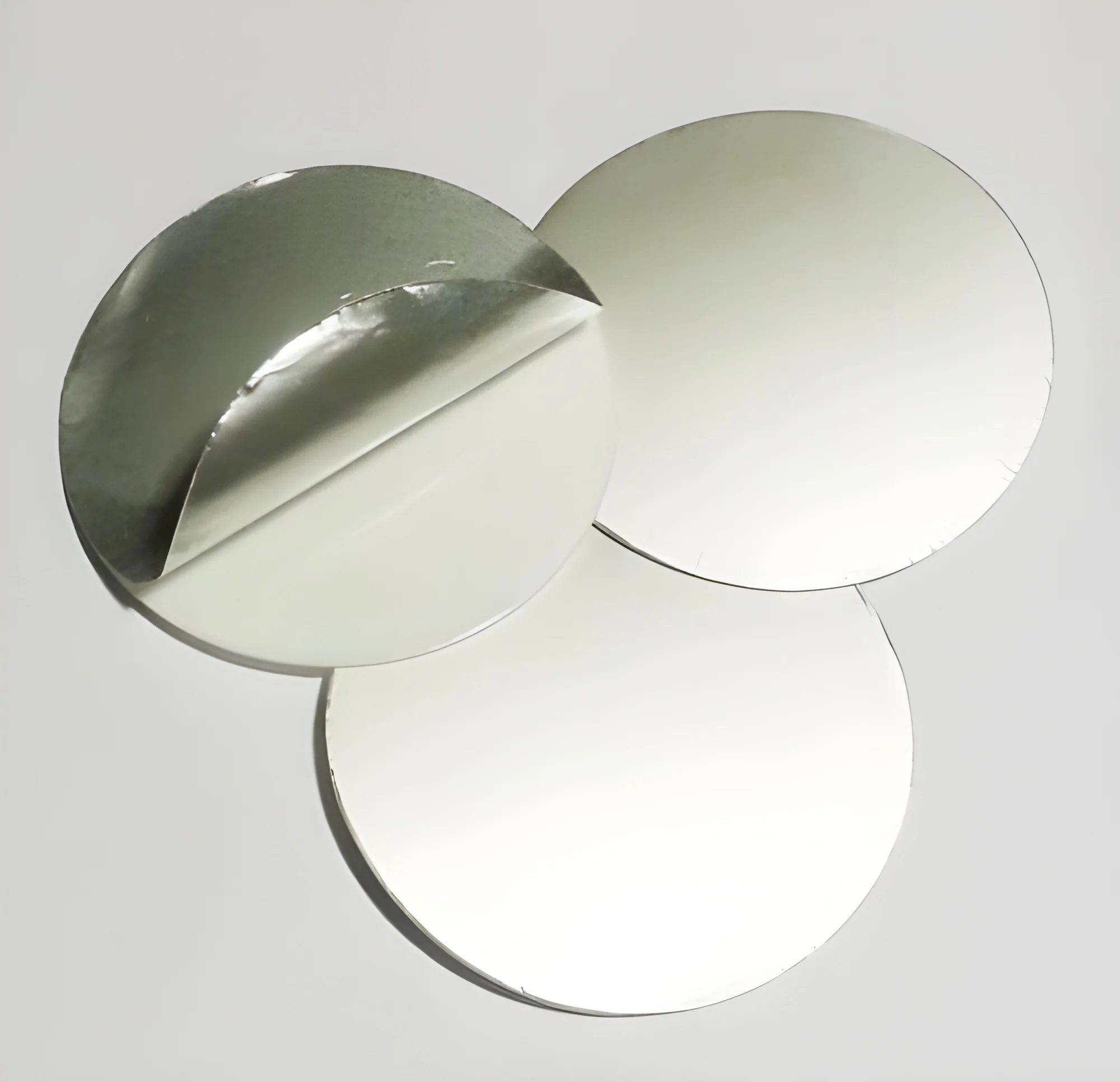
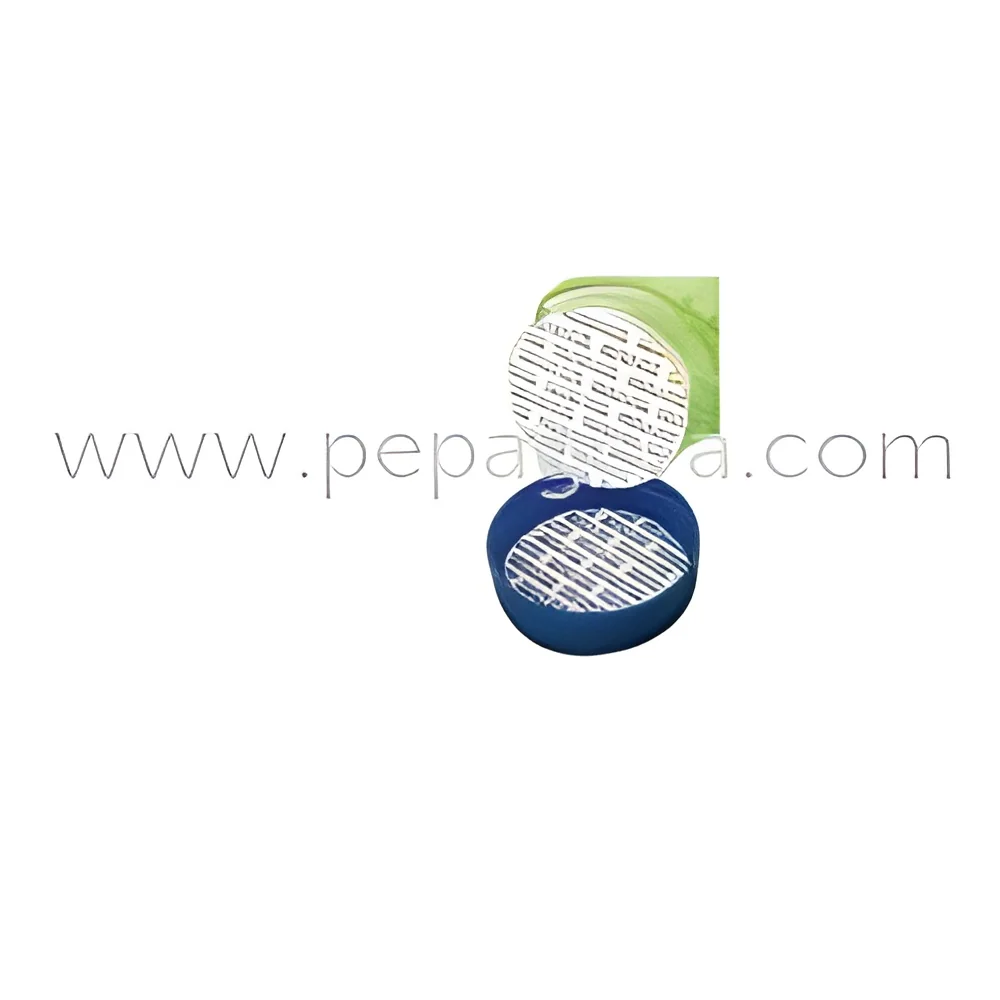
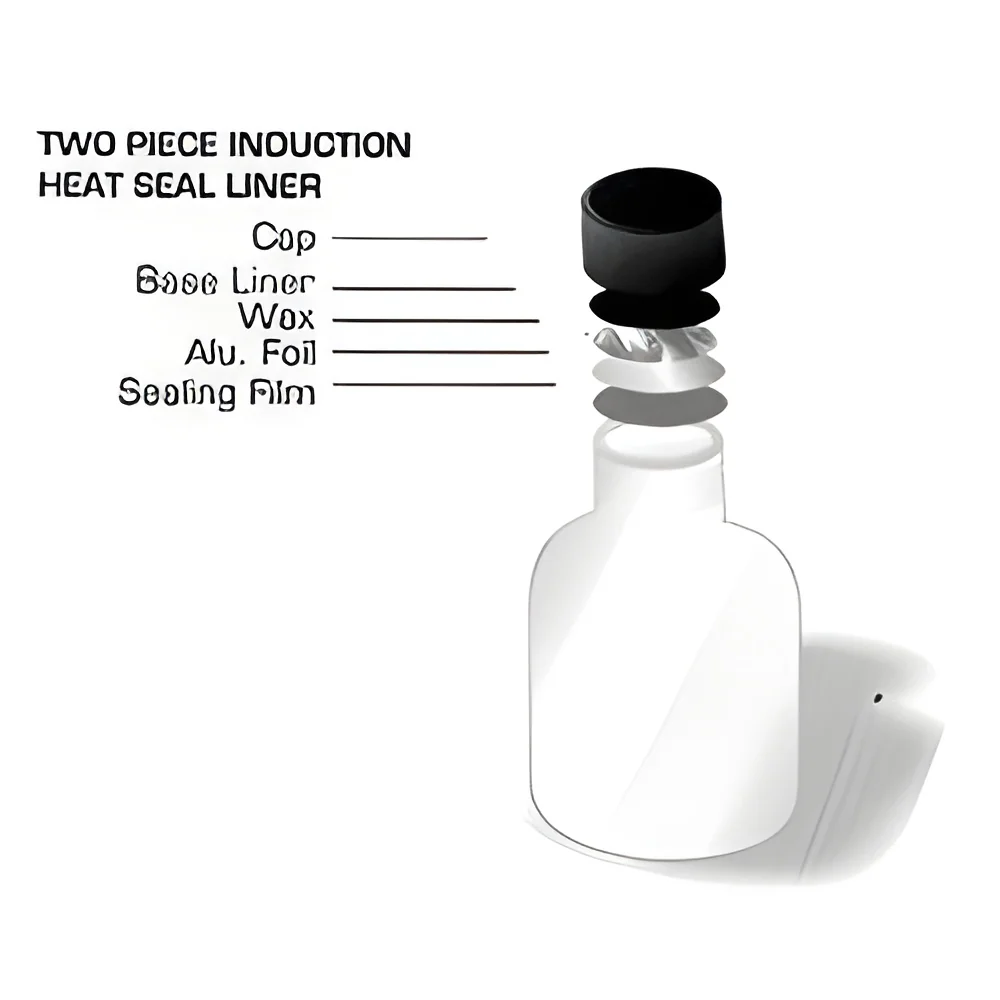
Induction sealing wads are specialized sealing materials used primarily for packaging in various industries. These wads are designed to create an airtight seal between a container and its lid through a process called induction sealing. During this process, an electromagnetic field heats the sealing material, causing it to bond tightly to the container. This results in a secure closure that maintains product integrity and extends shelf life.
Induction sealing wads are widely utilized in industries such as food and beverage, pharmaceuticals, cosmetics, and chemicals. They help protect products from contamination, spillage, and environmental factors. Businesses that prioritize product safety and quality often rely on induction sealing wads to enhance their packaging processes. The growing demand for tamper-evident and leak-proof packaging solutions has further emphasized the importance of these sealing wads in the market.
With the rise in consumer safety regulations and the need for effective packaging solutions, induction sealing wads have become increasingly relevant in various sectors. Companies are seeking reliable sealing solutions to ensure compliance with industry standards while also improving their product packaging efficiency.
Key Features and Specifications
Induction sealing wads come with several features that make them suitable for a variety of applications. Their design and functionality are tailored to meet specific industry requirements.
Key specifications include:
1. Material Composition
- Typically made from aluminum foil or other heat-sensitive materials
- Ensures effective sealing and compatibility with various container types
2. Seal Integrity
- Provides a tamper-evident seal that enhances product security
- Ensures a leak-proof closure to maintain product quality
3. Diameter Options
- Available in various diameters to fit different container openings
- Common sizes range from 20 mm to 120 mm
4. Heat Activation Temperature
- Requires specific temperature settings for optimal sealing
- Generally ranges from 180°C to 220°C depending on material
5. Humidity Resistance
- Offers protection against moisture and humidity
- Essential for preserving the quality of sensitive products
6. Compatibility
- Can be used with a wide range of containers, including glass, plastic, and metal
- Versatile for both consumer and industrial packaging needs
7. Customization Options
- Available for branding and labeling purposes
- Can be tailored to meet specific client requirements
In summary, induction sealing wads are designed to provide reliable sealing solutions that cater to various industry needs while ensuring product safety and longevity.
Common Applications and Use Cases
Induction sealing wads are utilized across multiple industries due to their sealing effectiveness and reliability.
1. Food and Beverage: These wads are commonly used for sealing jars, bottles, and cartons to ensure freshness and prevent contamination. They are especially important for products like sauces, dressings, and beverages.
2. Pharmaceuticals: Induction sealing wads are critical in pharmaceutical packaging to maintain the integrity of medications. They provide tamper-proof seals that protect against unauthorized access and ensure product safety.
3. Cosmetics: In the cosmetic industry, these wads are used to seal products such as lotions, creams, and serums. They help ensure that products remain uncontaminated and preserve their quality during storage.
4. Chemicals: Induction sealing wads are essential for sealing chemical containers, providing a secure closure that prevents leaks and spills. They are widely used in the packaging of industrial chemicals and cleaning supplies.
5. Nutraceuticals: These wads are increasingly being used in the nutraceutical industry to seal dietary supplements and health products, ensuring that they remain effective and safe for consumer use.
6. Household Products: Induction sealing is also common in packaging household items, such as cleaning agents and air fresheners, protecting the contents from exposure and contamination.
7. Automotive: In the automotive sector, sealing wads are used for packaging oils and lubricants, ensuring that products remain sealed and uncontaminated until use.
Product Variants and Subcategories
Induction sealing wads come in various types to meet different application needs.
Standard Induction Sealing Wads: These are the most common type, designed for general-purpose sealing across industries. They offer reliable performance and are compatible with a wide range of containers.
Custom Induction Sealing Wads: Tailored to meet specific customer requirements, these wads can be customized in size, material, and features to suit unique applications.
Specialized Induction Sealing Wads: These wads are designed for specific industries, such as pharmaceuticals or food processing, offering enhanced properties like moisture resistance or specific sealing temperatures.
Benefits and Advantages
Induction sealing wads offer numerous benefits that enhance packaging efficiency and product safety.
1. Enhanced Product Protection: These wads create a strong barrier against contamination, ensuring that products remain fresh and safe for consumption.
2. Tamper-Evident Sealing: The seals provide a clear indication of whether a product has been tampered with, increasing consumer trust and safety.
3. Extended Shelf Life: By preventing air and moisture from entering, induction sealing wads help extend the shelf life of products, reducing waste and improving profitability.
4. Versatile Applications: These wads can be used across a wide range of industries, making them a flexible solution for various packaging needs.
5. Customization Opportunities: Companies can tailor sealing wads to match branding and specific functional requirements.
6. Compliance with Regulations: Induction sealing wads help businesses meet various regulatory requirements for packaging safety and integrity.
Buying Guide for B2B Buyers
When sourcing induction sealing wads, B2B buyers should consider several key factors to ensure they choose the right product.
1. Quality Assessment: Evaluate the quality of sealing wads by checking for certifications and quality standards. Look for products that meet industry requirements to ensure reliability.
2. Supplier Verification: Vet potential suppliers by reviewing their reputation, customer feedback, and industry experience. Reliable suppliers should have a track record of providing high-quality products.
3. Pricing and MOQ: Understand the pricing structure and minimum order quantities (MOQ) before making a purchase. Compare offers from multiple suppliers to find the best value.
4. Delivery and Lead Times: Discuss delivery schedules and lead times with suppliers to ensure timely receipt of products. Efficient logistics are critical for maintaining production schedules.
5. Compliance Requirements: Be aware of any regulatory compliance needs for the specific industry. Ensure that the sealing wads meet all applicable standards and certifications.
Compliance and Certifications
Induction sealing wads are subject to various quality standards and certifications that ensure their safety and effectiveness. Some of the relevant quality standards include ISO 9001, which outlines requirements for quality management systems, and HACCP, which focuses on food safety management. Compliance with these standards is crucial for manufacturers to guarantee the integrity of their products.
Additionally, industry certifications such as CE mark provide assurance that the sealing wads meet European safety and health standards. These certifications are critical for companies looking to sell their products in regulated markets.
Safety and testing requirements are also essential for induction sealing wads. They must undergo rigorous testing to ensure that they perform effectively under various conditions. Regional compliance considerations may vary, so it is essential to stay informed about local regulations that may affect product usage and acceptance.
Why Source Induction Sealing Wads from Pepagora?
Pepagora provides a trusted platform for sourcing induction sealing wads, offering several key advantages to B2B buyers.
Verified Supplier Network: Pepagora connects buyers with a network of verified suppliers. This ensures that businesses engage with reputable manufacturers who meet necessary quality standards.
Streamlined RFQ Process: The platform simplifies the request for quotation (RFQ) process, allowing buyers to easily compare offers from multiple suppliers. This efficiency helps in making informed purchasing decisions.
Trade Assurance and Support: Pepagora offers trade assurance, providing buyers with a level of protection throughout the purchasing process. This support helps build confidence in the transaction.
Regional Coverage: With a focus on markets in India, the GCC, and Southeast Asia, Pepagora extends its reach to various regions, ensuring that businesses can find suitable suppliers tailored to their geographic needs.

 IN
IN