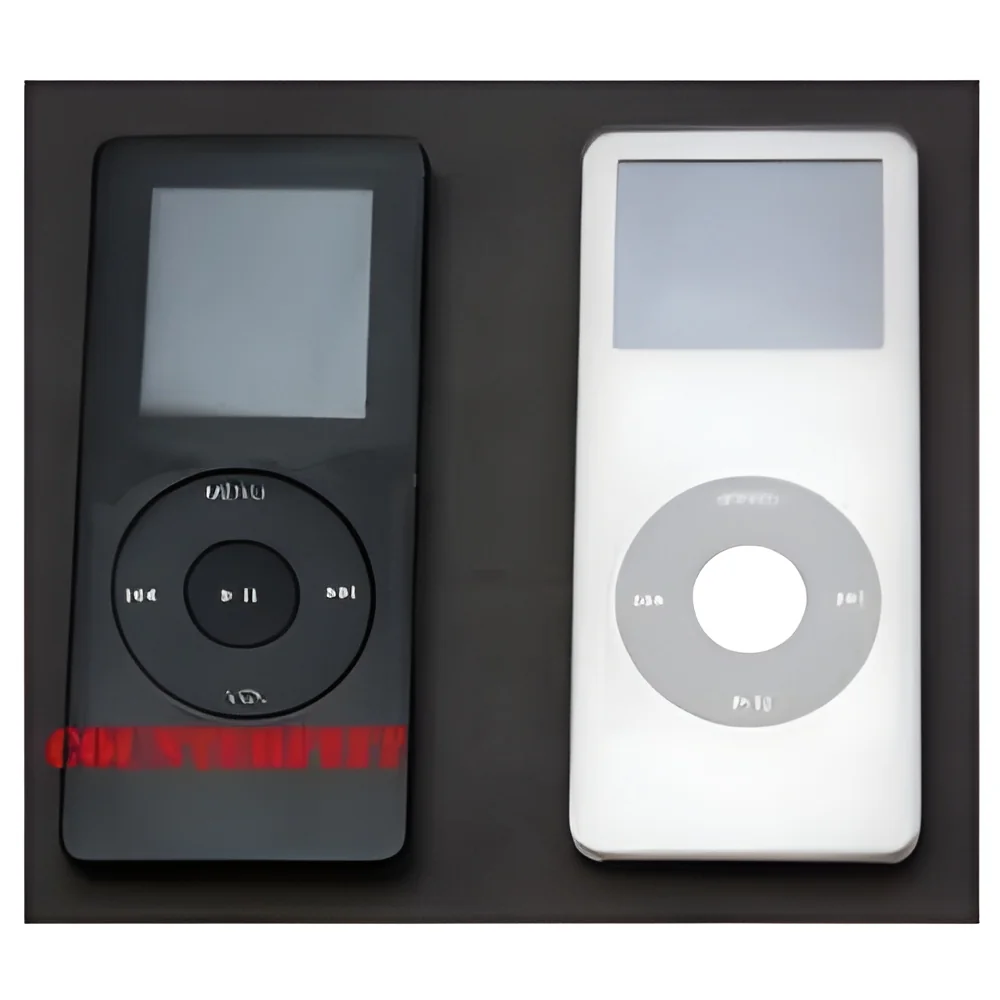
What are Anti-Counterfeit Labels?
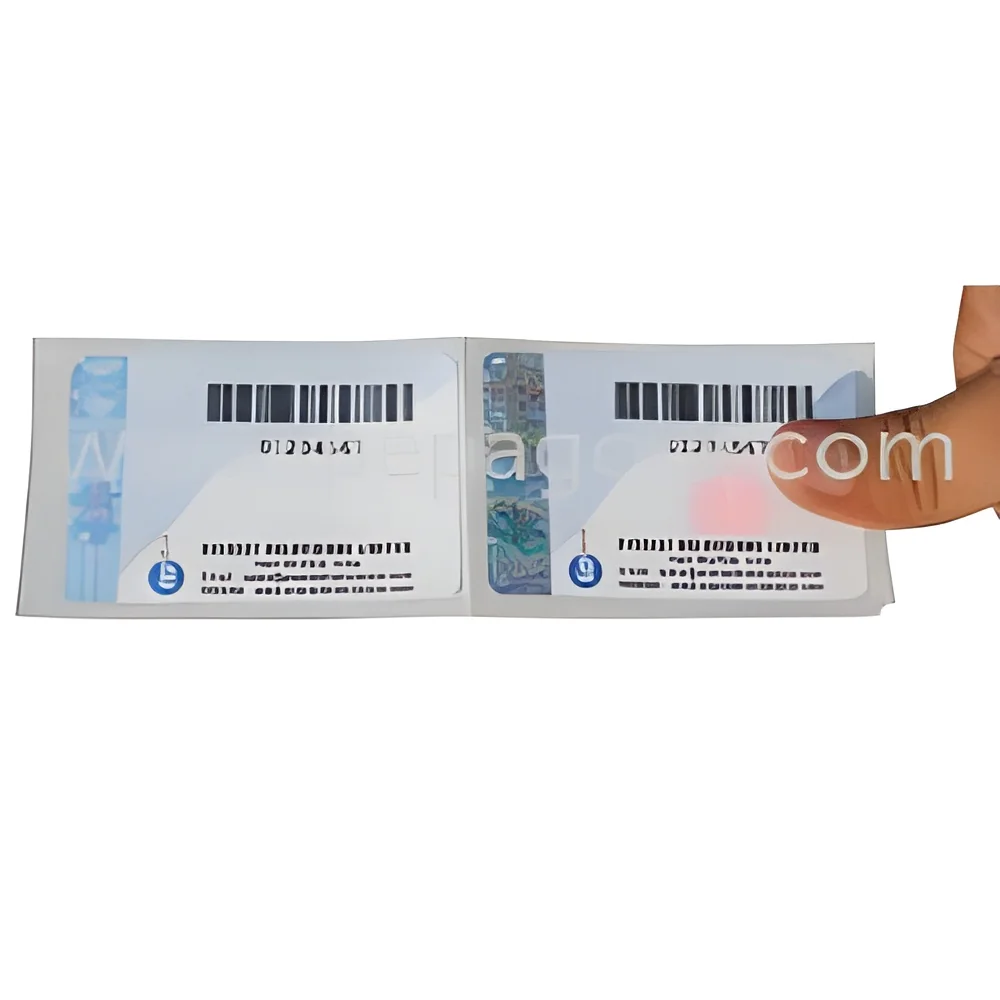
Anti-Counterfeit Labels are specialized labels designed to prevent the unauthorized duplication or reproduction of products. These labels incorporate advanced technologies such as holograms, QR codes, or other secure elements that can be verified by consumers or businesses. The main purpose of these labels is to protect brands from counterfeiters, ensuring that customers receive genuine products and that brand integrity is maintained.
The primary uses of Anti-Counterfeit Labels span various industries, including pharmaceuticals, electronics, and luxury goods. Businesses utilize these labels to safeguard their products against imitation, which can lead to significant financial losses and damage to reputation. By employing Anti-Counterfeit Labels, companies can enhance consumer trust and compliance with industry regulations, especially in sectors where product authenticity is crucial.
In the current market context, the demand for Anti-Counterfeit Labels is increasing due to the rise in counterfeit products globally. As e-commerce expands, so does the risk of counterfeit goods infiltrating supply chains. This trend highlights the relevance of Anti-Counterfeit Labels across industries, making them a necessary investment for businesses aiming to secure their products and maintain customer confidence.
Key Features and Specifications
Anti-Counterfeit Labels come with numerous features that make them effective in combating counterfeiting. Businesses should consider these specifications when selecting the right labels for their products.
Key specifications include:
1. Security Features
- Incorporation of holograms, QR codes, or digital watermarks
- Unique identifiers for each label to ensure traceability
2. Durability
- Resistance to tampering, tearing, and environmental factors
- Long-lasting adhesion to various surfaces
3. Customization Options
- Ability to print logos, serial numbers, or other brand-specific information
- Flexible sizing and design to accommodate different product types
4. Technology Integration
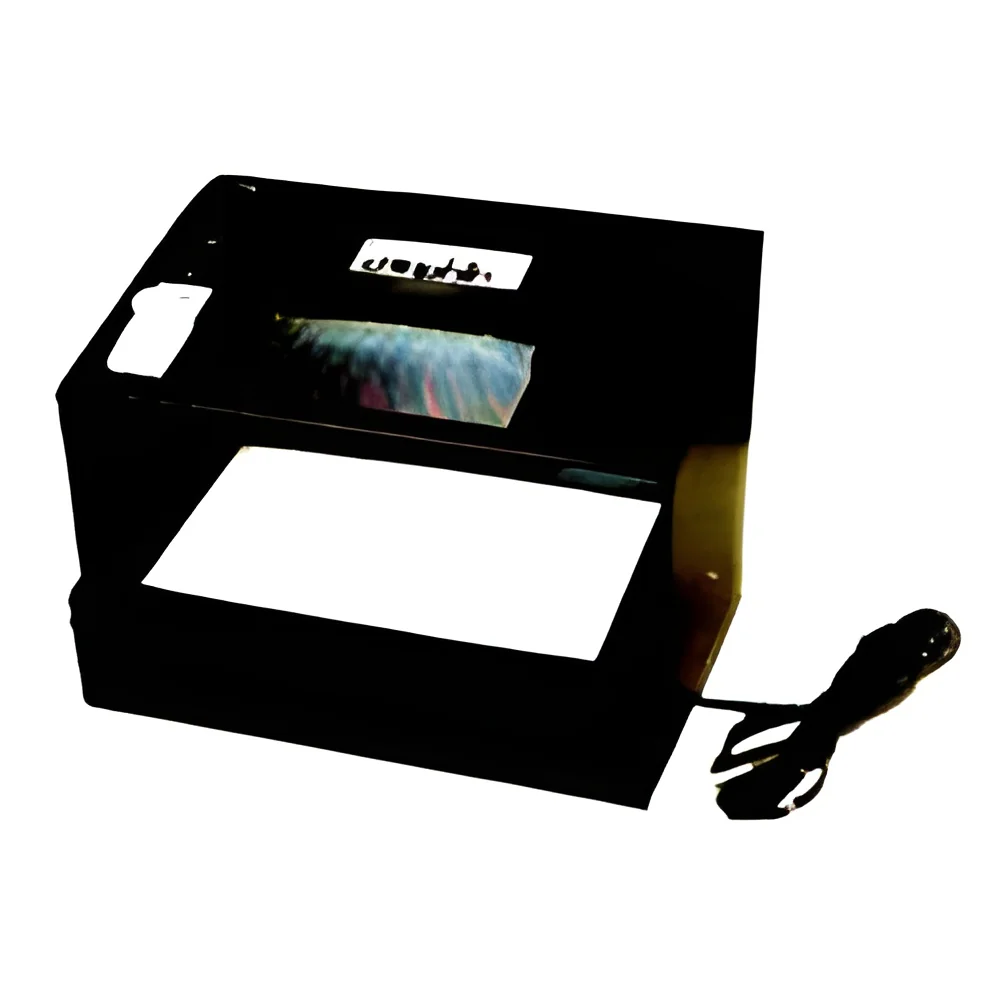
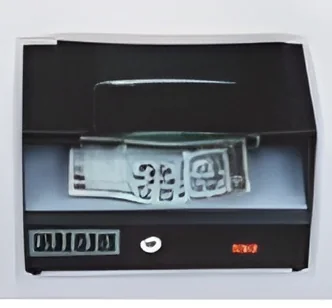
- Compatibility with scanning devices for easy verification
- Provision for database linking to enhance tracking capabilities
5. Compliance Standards
- Adherence to relevant industry regulations
- Certification, such as CE, for quality assurance
6. Application Method
- Options for self-adhesive or heat-activated labels
- Suitable for manual or automated application processes
7. Visual Elements
- High-resolution printing for clear graphics and text
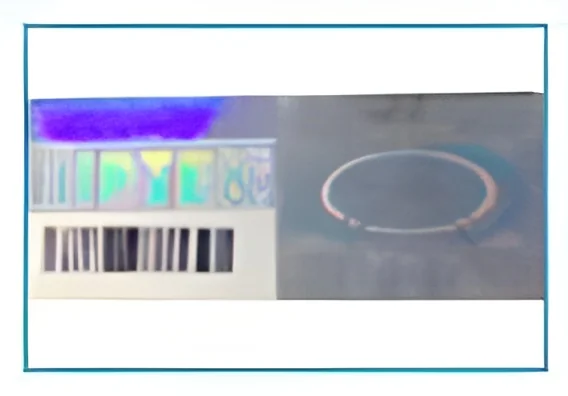
- Use of color-changing inks or UV features for added security
8. Cost Considerations
- Varied pricing based on features and customization
- Minimum order quantities to meet business needs
In summary, the choice of Anti-Counterfeit Labels should be informed by their features and specifications. Understanding these details helps businesses select the most appropriate labels to protect their products effectively.
Common Applications and Use Cases
Anti-Counterfeit Labels find applications in a variety of industries, enhancing product security and consumer trust.
1. Pharmaceuticals: In the pharmaceutical sector, Anti-Counterfeit Labels are crucial for verifying the authenticity of medications. This helps prevent the distribution of counterfeit drugs, which can pose serious health risks.
2. Electronics: For electronics manufacturers, these labels ensure that their products are genuine and not replicas. This is particularly important for high-value items, where counterfeit versions can lead to customer dissatisfaction and safety hazards.
3. Luxury Goods: In the luxury market, Anti-Counterfeit Labels protect brands from imitation products. They help maintain brand prestige and assure consumers that they are purchasing authentic items.
4. Food and Beverage: In the food industry, these labels can help verify the authenticity of premium products. They serve as a means to assure consumers about the quality and origin of their food.
5. Automotive Parts: Manufacturers of automotive parts use Anti-Counterfeit Labels to prevent the sale of counterfeit components, ensuring safety and reliability for consumers.
6. Cosmetics: In the cosmetics industry, these labels help protect brands from counterfeit products that could harm consumers. They ensure that customers receive genuine, safe products.
7. Tobacco Products: Anti-Counterfeit Labels are employed to combat the sale of illicit tobacco, ensuring compliance with government regulations and protecting brand integrity.
Product Variants and Subcategories
The diversity of Anti-Counterfeit Labels allows businesses to choose the most suitable options for their specific needs.
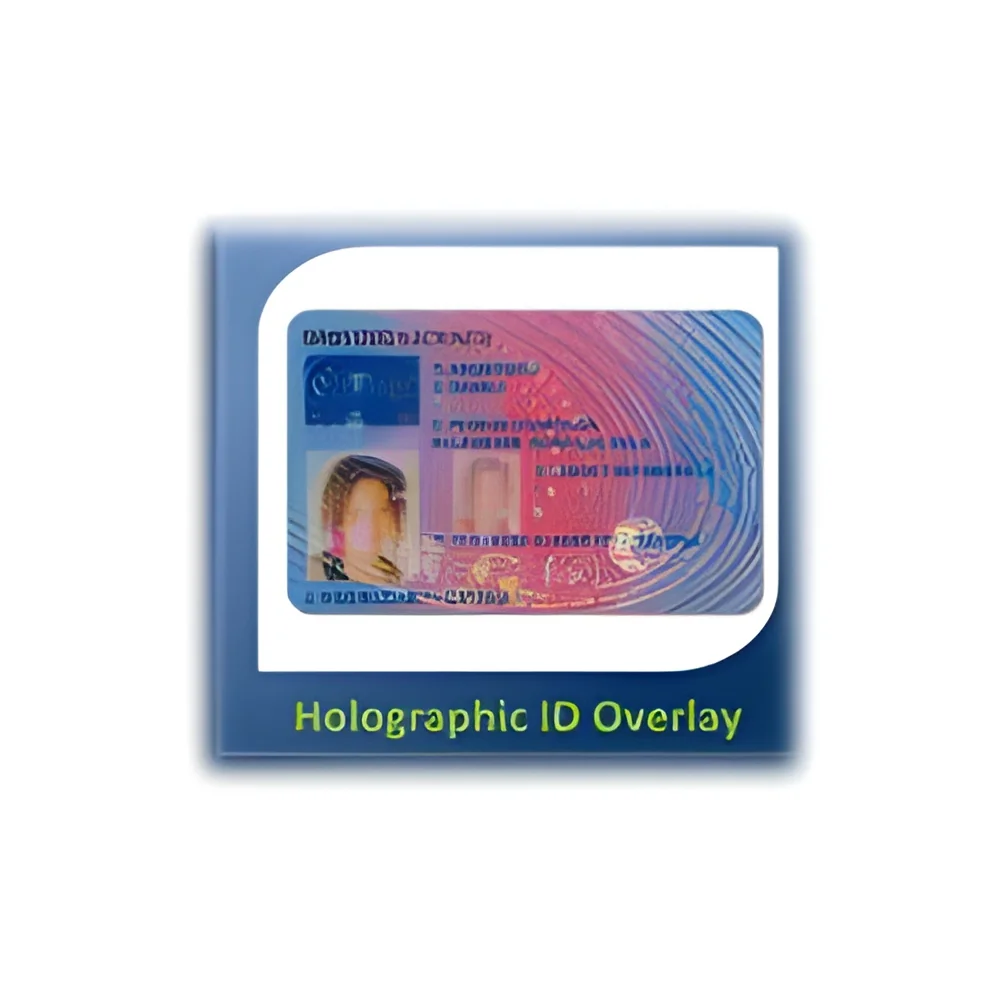
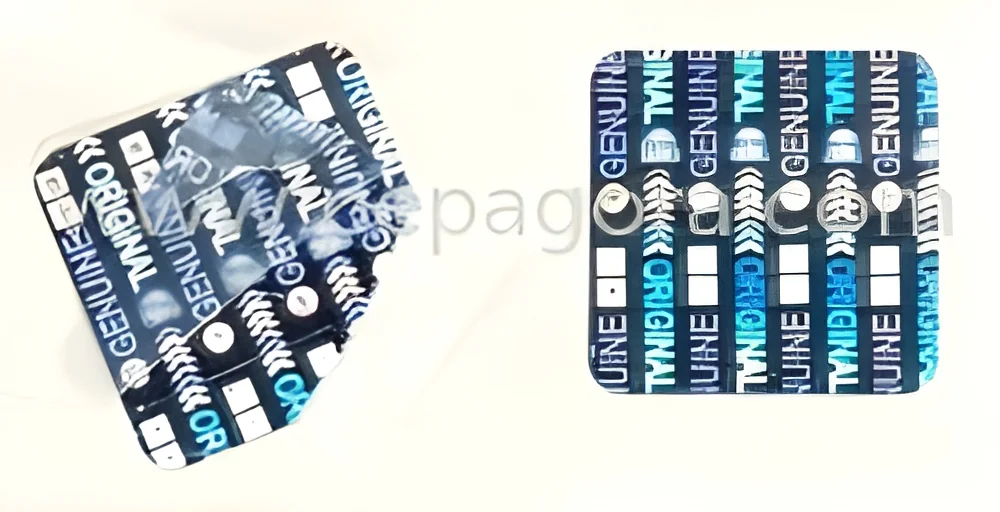
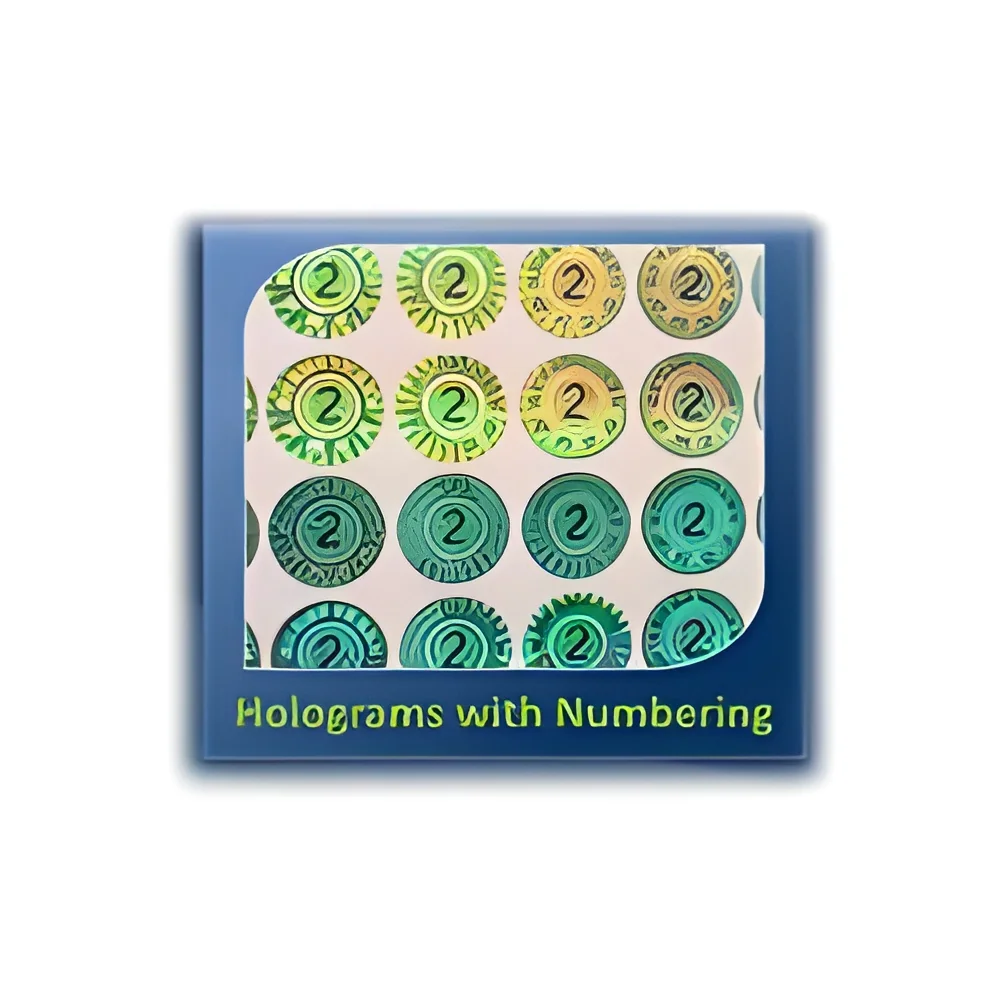
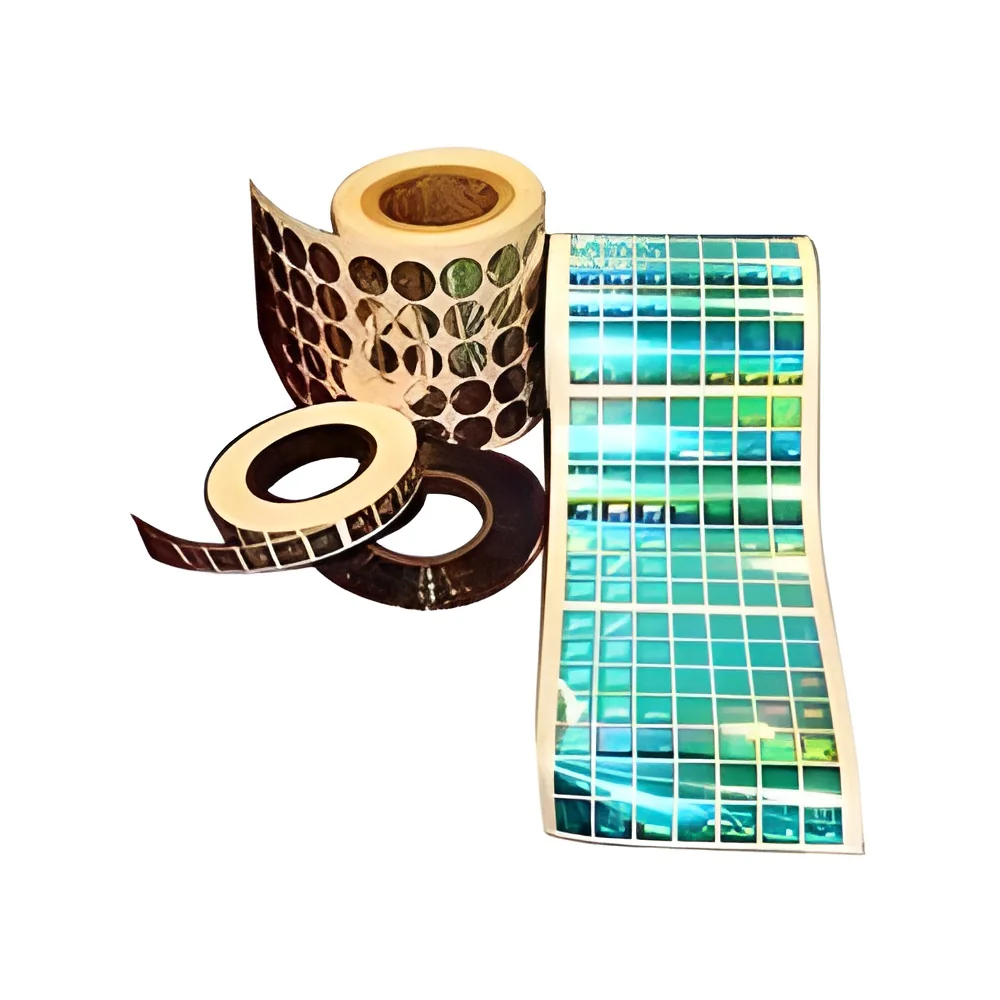
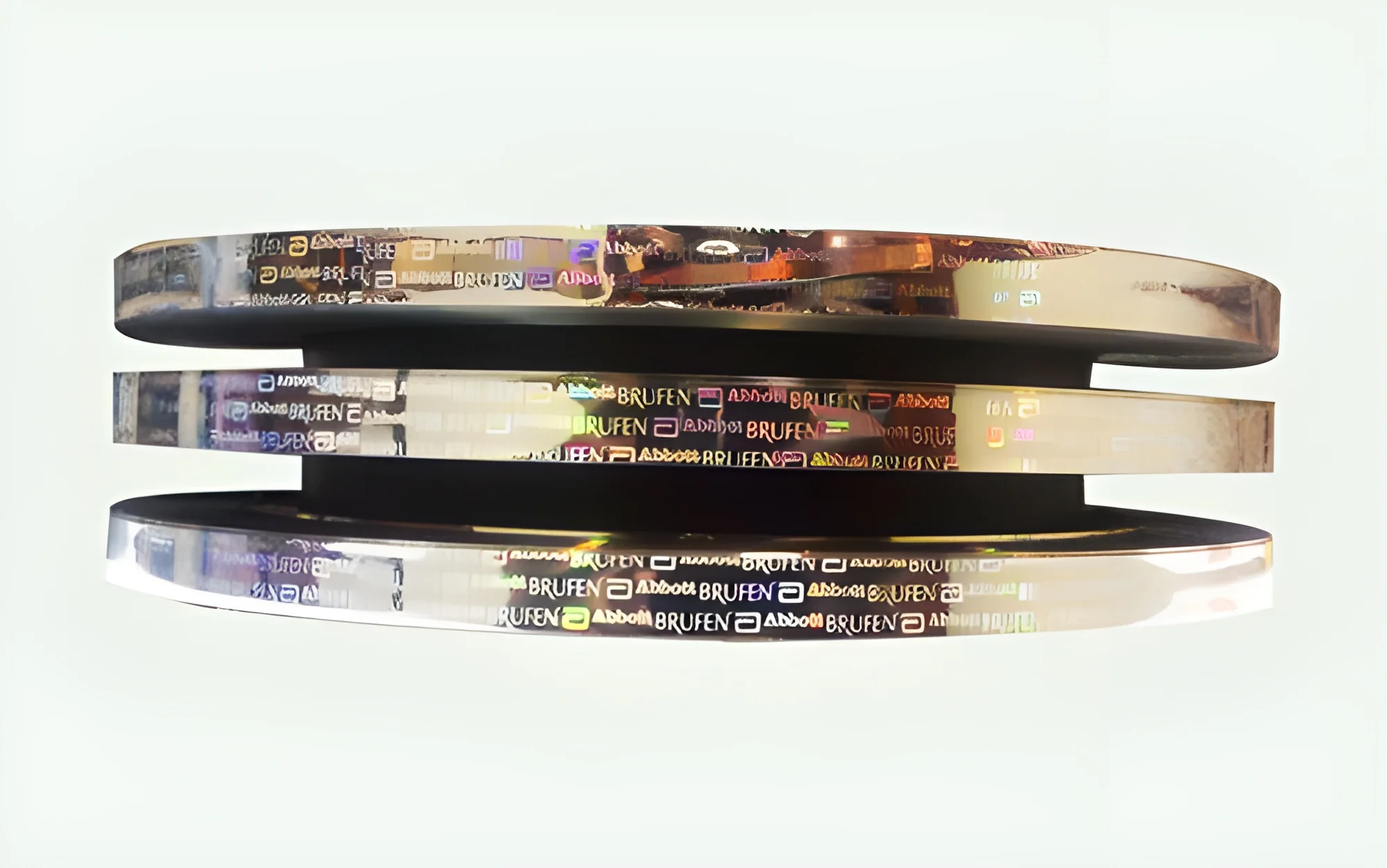
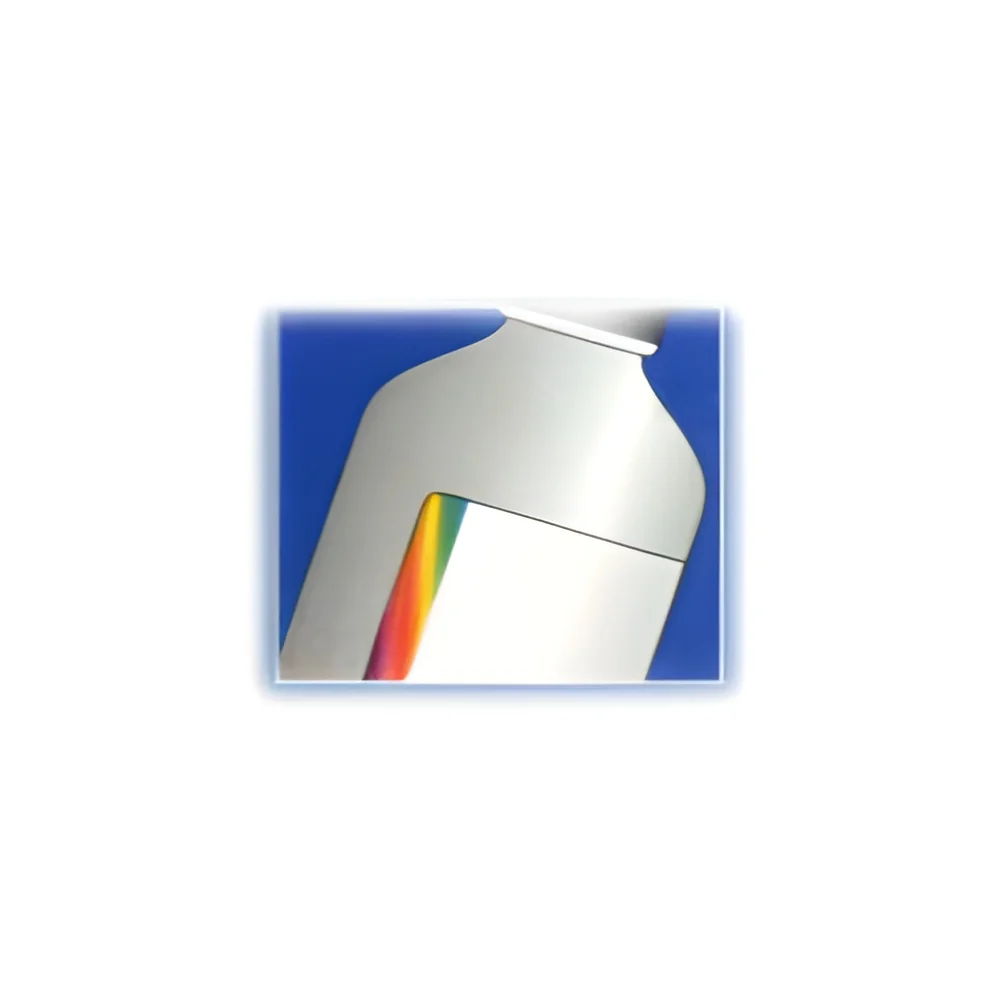
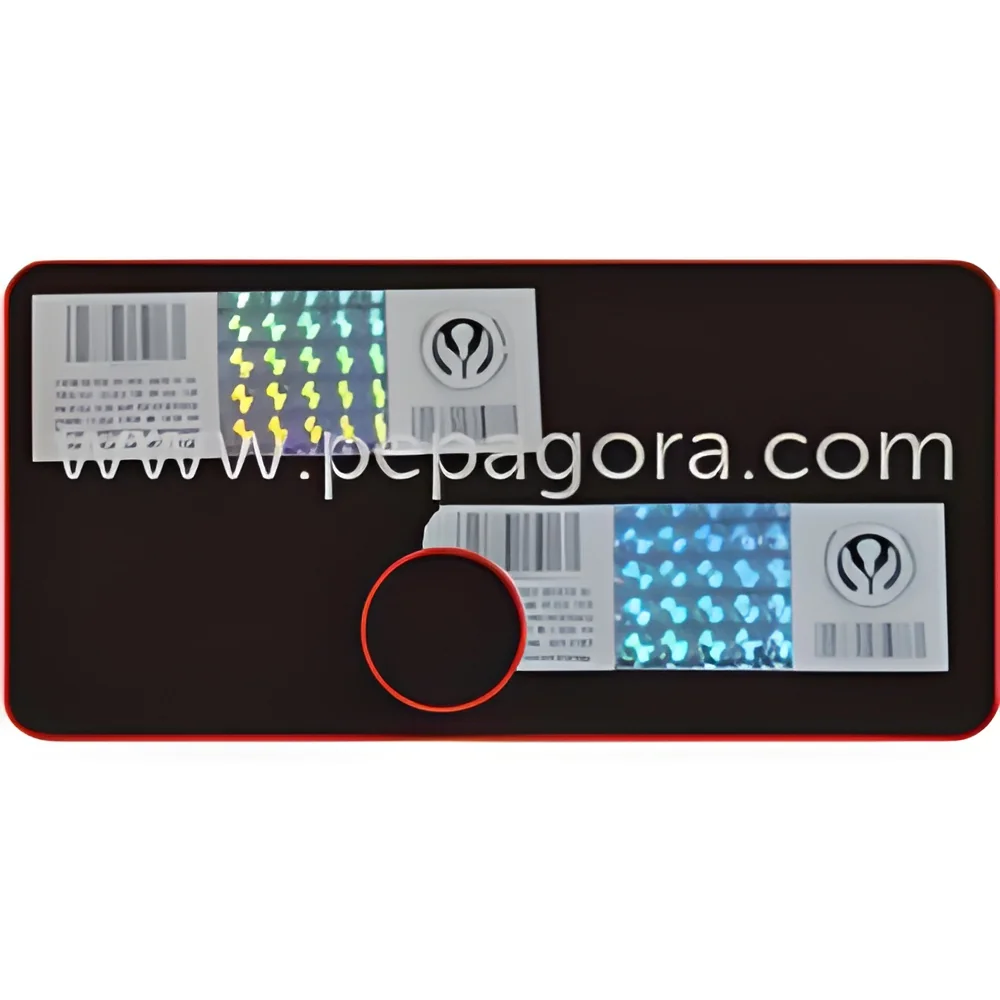
Holographic Labels: These labels use holographic images that change appearance when viewed from different angles. They are highly effective in deterring counterfeiters and are often used in luxury goods and pharmaceuticals.
QR Code Labels: Incorporating QR codes allows for easy scanning and verification of product authenticity. These labels can be linked to a database that provides consumers with information about the product's origin and traceability.
Tamper-Evident Labels: Designed to show visible signs of tampering, these labels prevent unauthorized access to products. They are widely used in packaging for food and pharmaceuticals.
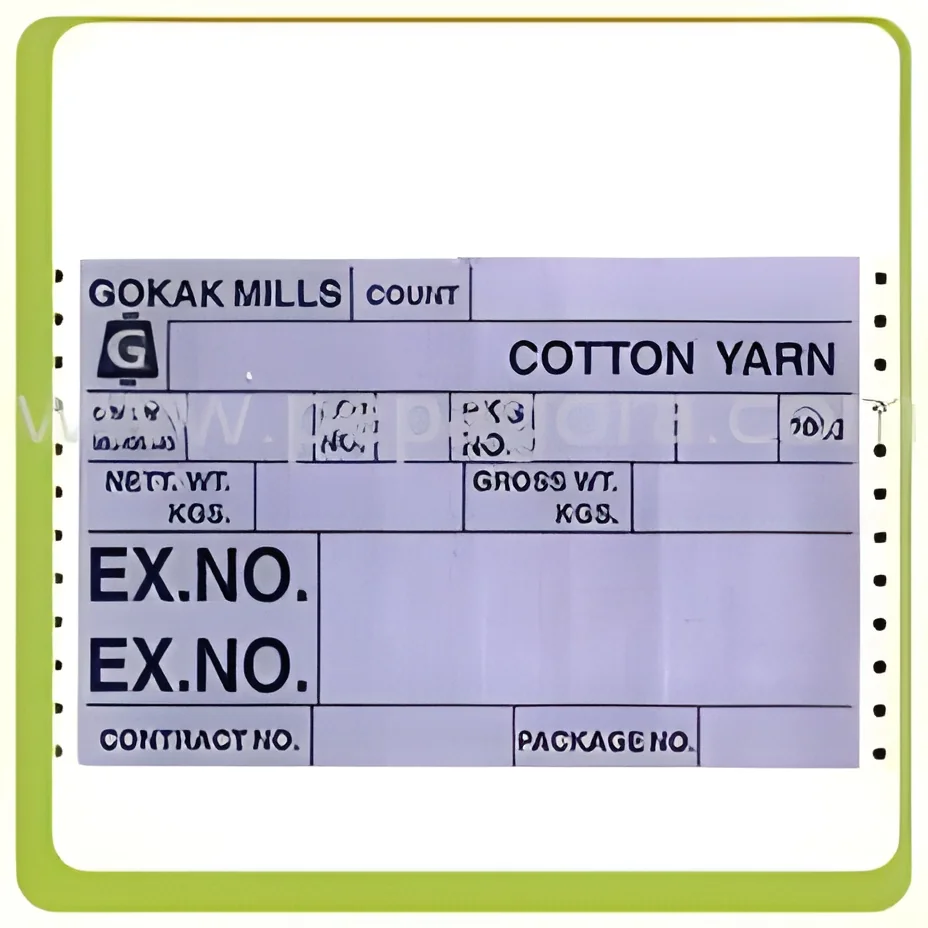
Custom Printed Labels: These labels can be personalized with branding elements and specific security features. They are adaptable to various industries, ensuring brand protection while enhancing visibility.
Benefits and Advantages
Investing in Anti-Counterfeit Labels offers numerous benefits for businesses aiming to protect their products and enhance customer trust.
Key benefits include:
1. Brand Protection: Anti-Counterfeit Labels help maintain the integrity of a brand by preventing unauthorized reproductions, safeguarding reputation and market position.
2. Consumer Trust: With visible security features, these labels reassure customers that they are purchasing genuine products, fostering loyalty and repeat business.
3. Compliance Assurance: Utilizing Anti-Counterfeit Labels helps businesses comply with industry regulations, reducing the risk of penalties and legal issues.
4. Loss Prevention: By deterring counterfeiters, these labels help reduce financial losses associated with counterfeit goods, improving overall profitability.
5. Enhanced Tracking: Many Anti-Counterfeit Labels offer tracking capabilities, allowing businesses to monitor their products throughout the supply chain.
6. Customizability: Businesses can tailor labels to their specific needs, incorporating unique designs and security features that align with their brand identity.
Buying Guide for B2B Buyers
When sourcing Anti-Counterfeit Labels, businesses should consider several critical factors to ensure they select the best options for their needs.
1. Quality Assessment: Evaluate the quality of materials and security features offered by the labels. Look for certifications and testing results to confirm the effectiveness of the labels against counterfeiting.
2. Supplier Verification: Vet potential suppliers to ensure they have a good reputation and can deliver high-quality products. Request samples and references to assess their reliability.
3. Pricing and MOQ: Understand the pricing structure and minimum order quantities. Compare multiple suppliers to find the best balance between cost and quality.
4. Delivery and Lead Times: Confirm the delivery schedules and lead times offered by suppliers. Timely delivery is crucial to ensure product availability and business continuity.
5. Compliance Requirements: Ensure that the Anti-Counterfeit Labels meet all relevant industry regulations and standards. This will help prevent compliance issues down the line.
Compliance and Certifications
Anti-Counterfeit Labels must adhere to various quality standards to ensure their effectiveness and reliability. Compliance with ISO 9001 standards is essential for maintaining consistent quality in manufacturing processes. Additionally, certifications such as CE indicate that the labels meet European safety and health requirements.
Safety and testing requirements are also critical, as they ensure that the labels perform effectively in their intended applications. Businesses should also consider regional compliance factors, as different regions may have specific regulations governing product labeling and anti-counterfeiting measures.
Ensuring compliance with these standards not only enhances product credibility but also protects businesses from legal ramifications associated with non-compliance.
Why Source Anti-Counterfeit Labels from Pepagora?
Pepagora offers a reliable platform for sourcing Anti-Counterfeit Labels, providing several key advantages for B2B buyers.
Verified Supplier Network: Pepagora maintains a network of verified suppliers, ensuring that businesses can access high-quality Anti-Counterfeit Labels from trusted sources. This network reduces the risk of purchasing substandard products.
Streamlined RFQ Process: The platform provides a streamlined request for quotation process, allowing buyers to easily compare options from multiple suppliers. This efficiency saves time and helps make informed purchasing decisions.
Trade Assurance and Support: Pepagora offers trade assurance to protect buyers, ensuring that their transactions are secure. The support provided helps businesses navigate the sourcing process with confidence.
Regional Coverage: With a focus on regions such as India, the GCC, and Southeast Asia, Pepagora provides extensive geographic reach. This allows businesses to find suitable suppliers that are conveniently located, facilitating smoother logistics and communication.

 IN
IN