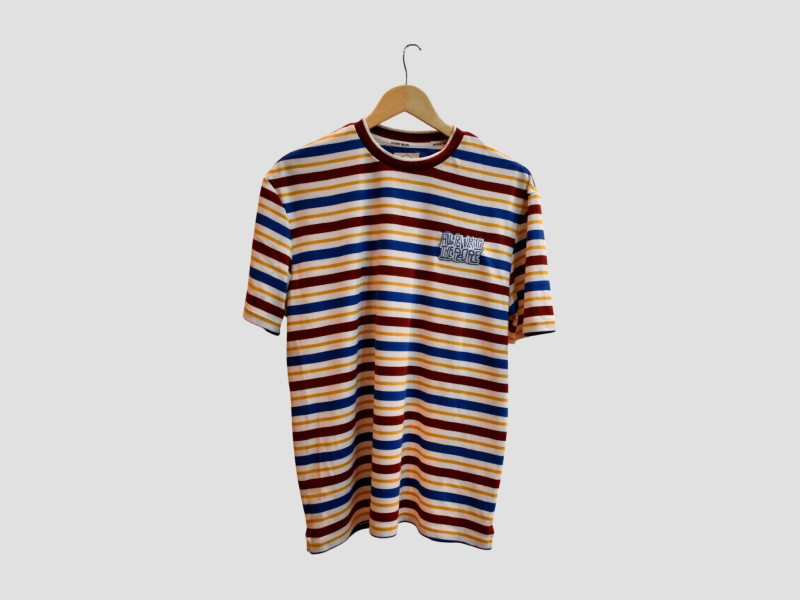
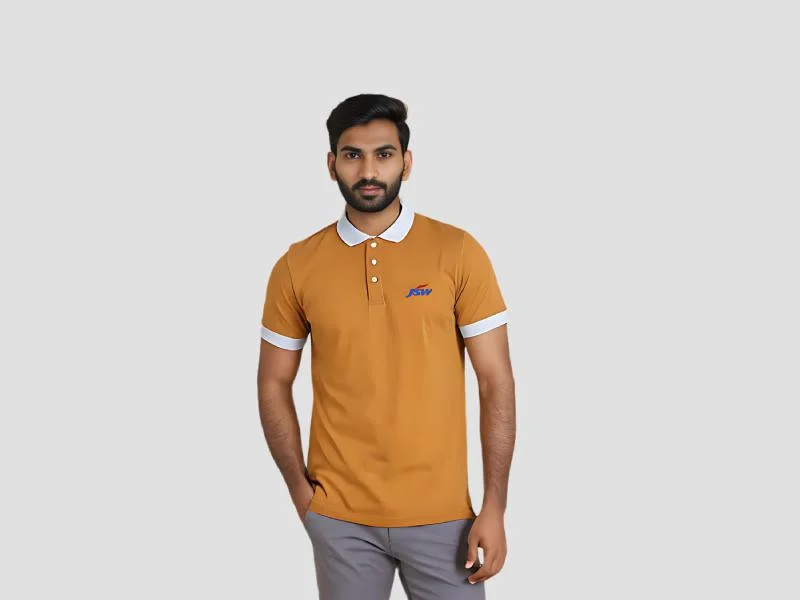
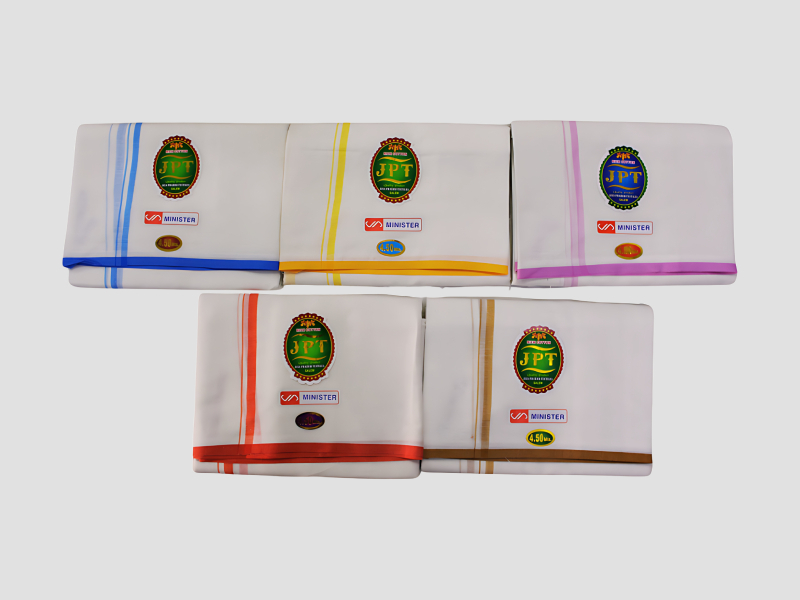
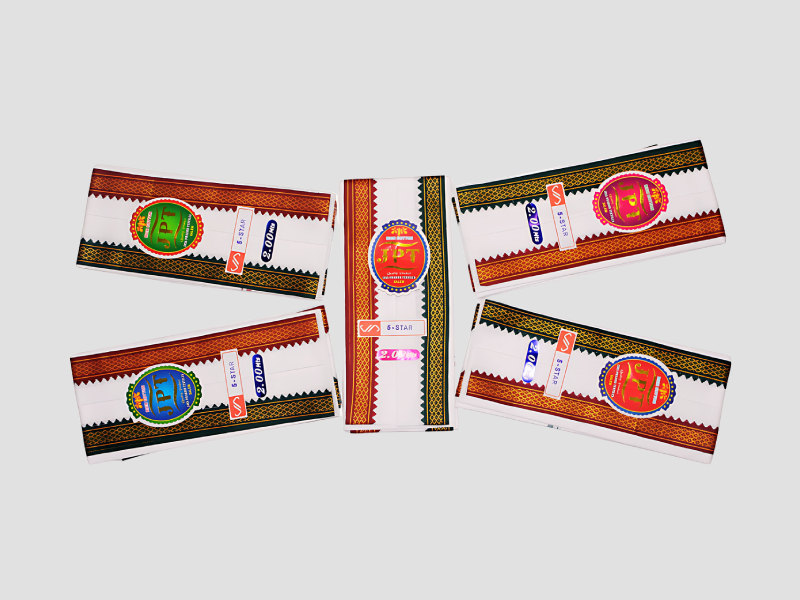
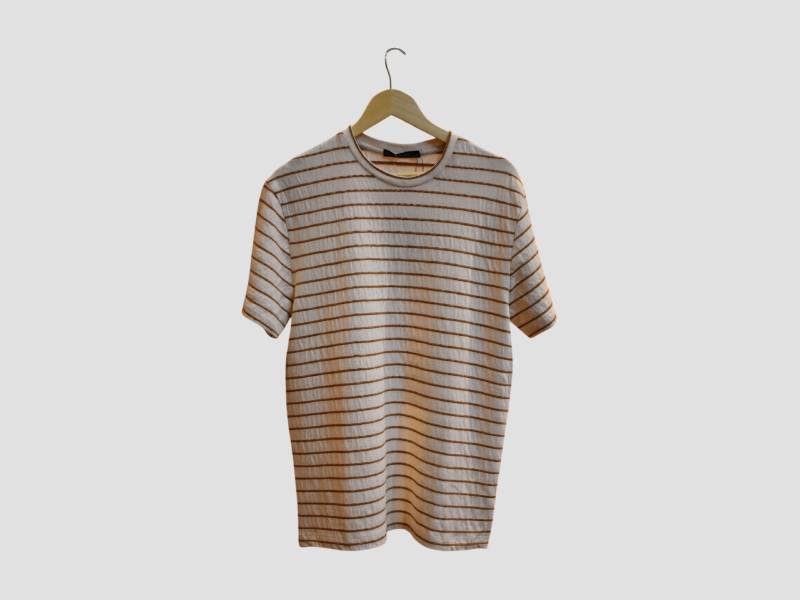
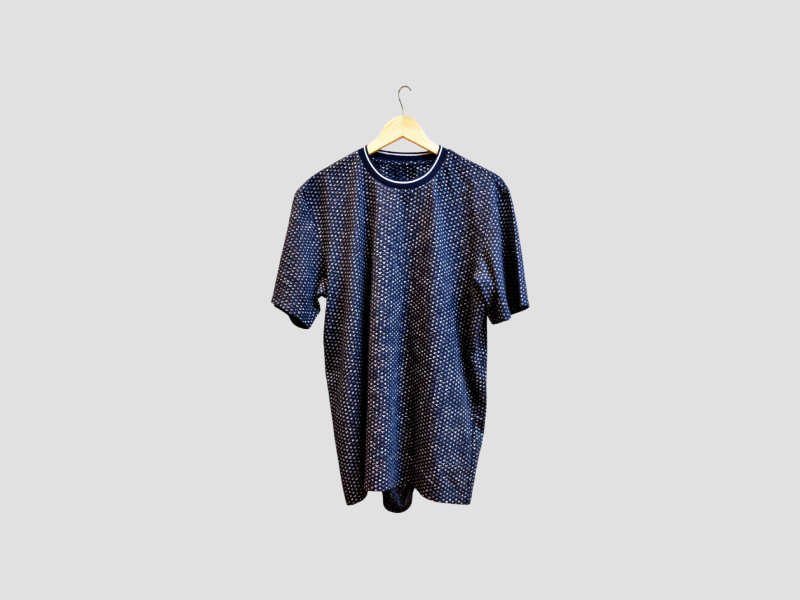
𝗪𝗵𝗮𝘁 𝗮𝗿𝗲 𝗠𝗲𝗻'𝘀 𝗪𝗲𝗮𝗿?
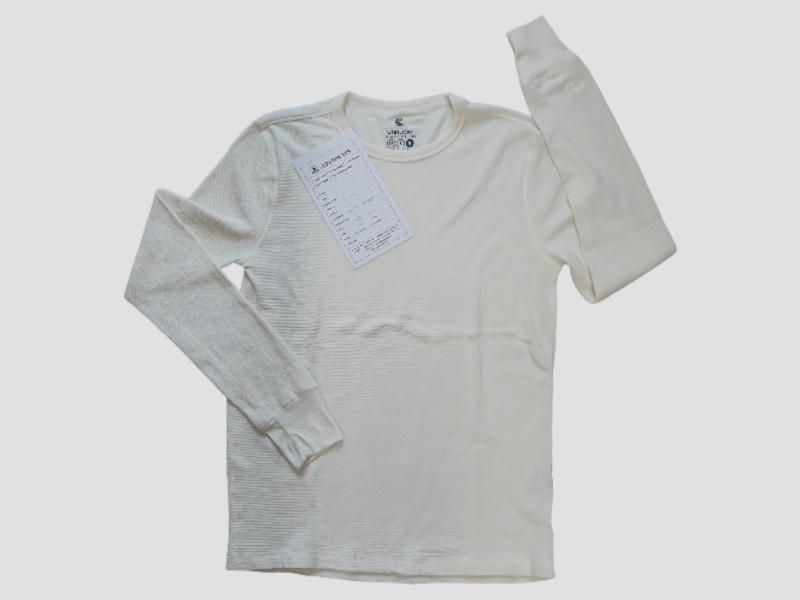
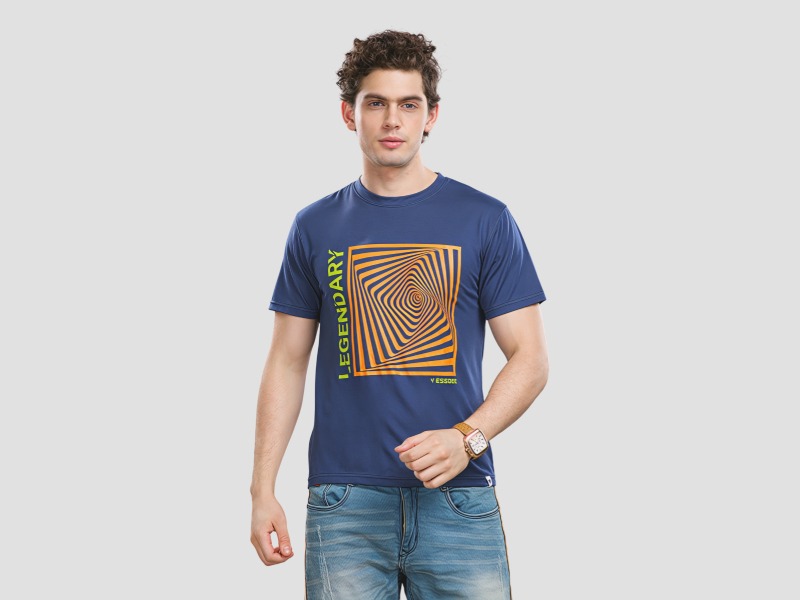
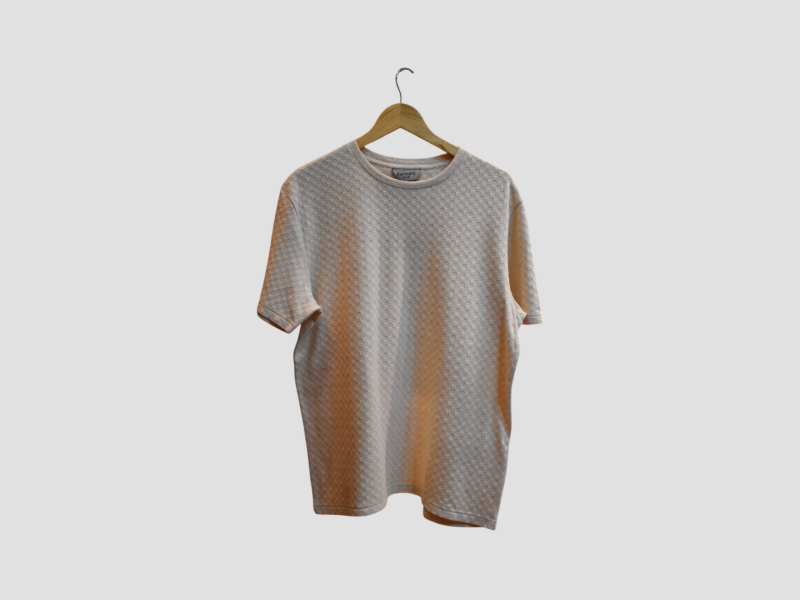
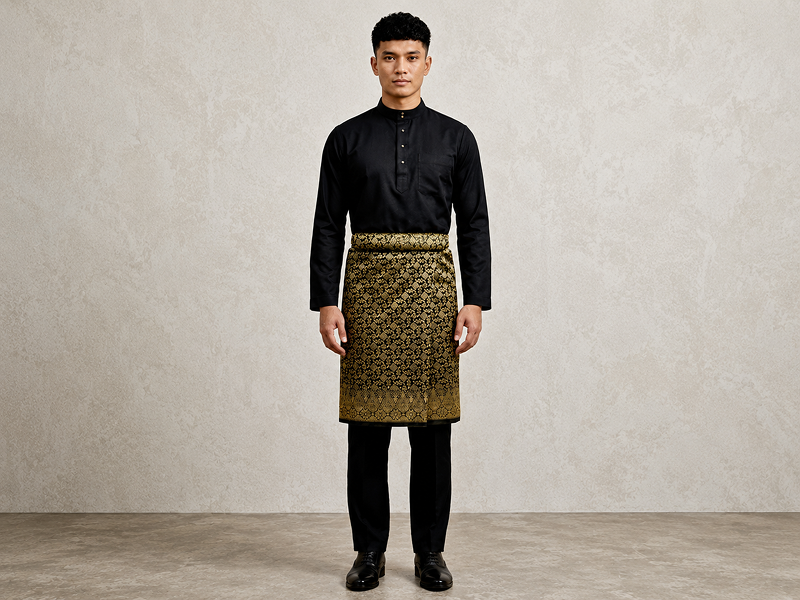
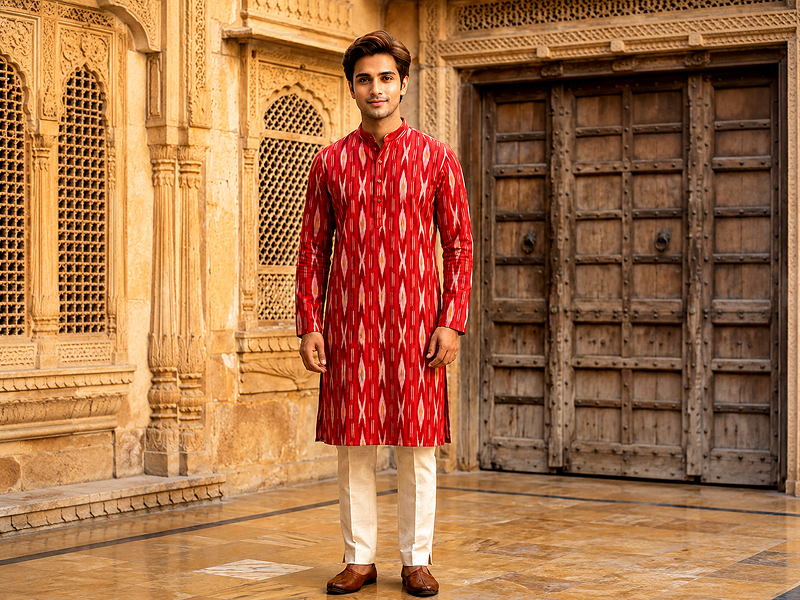
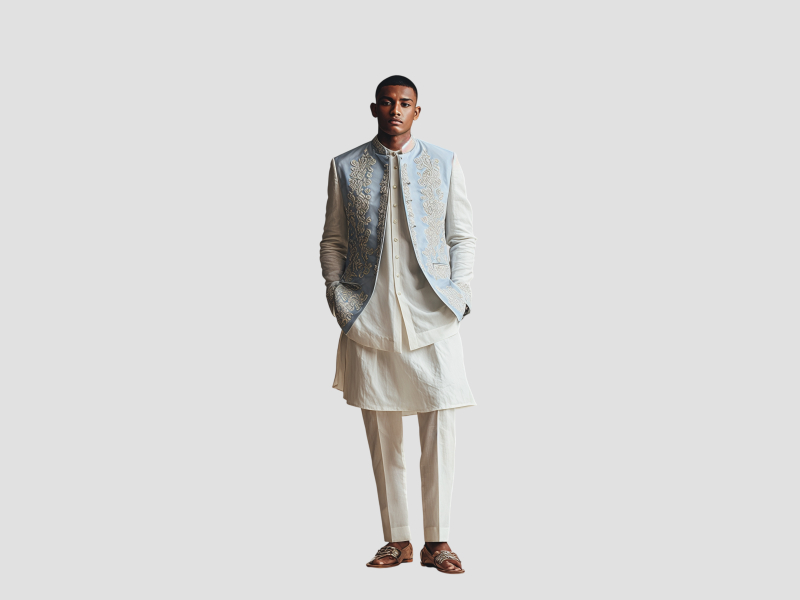
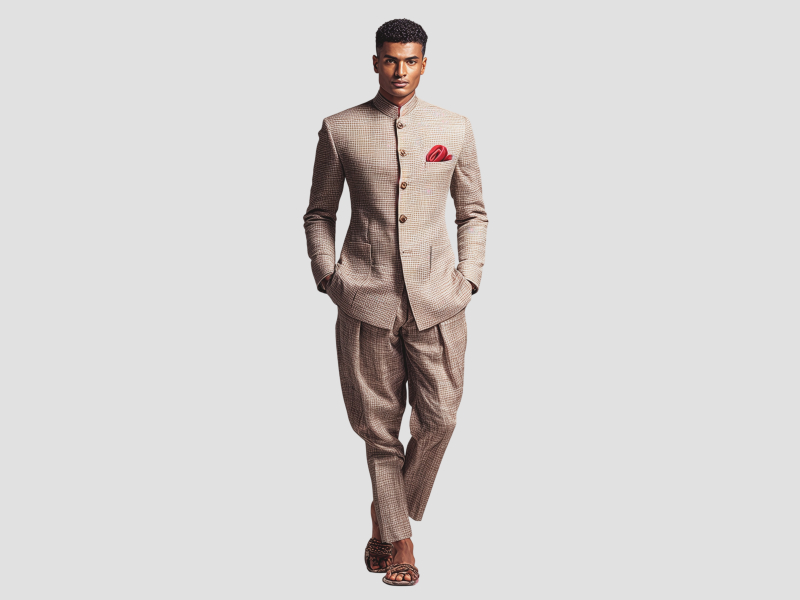
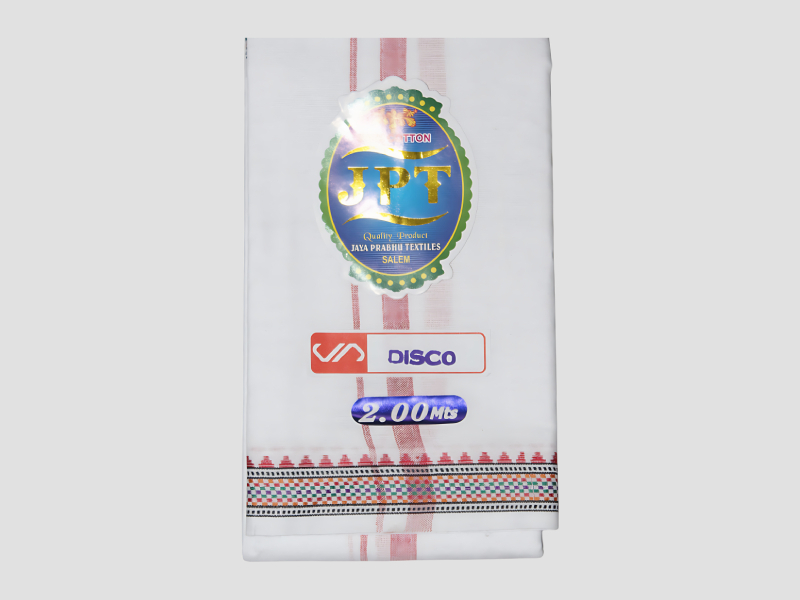
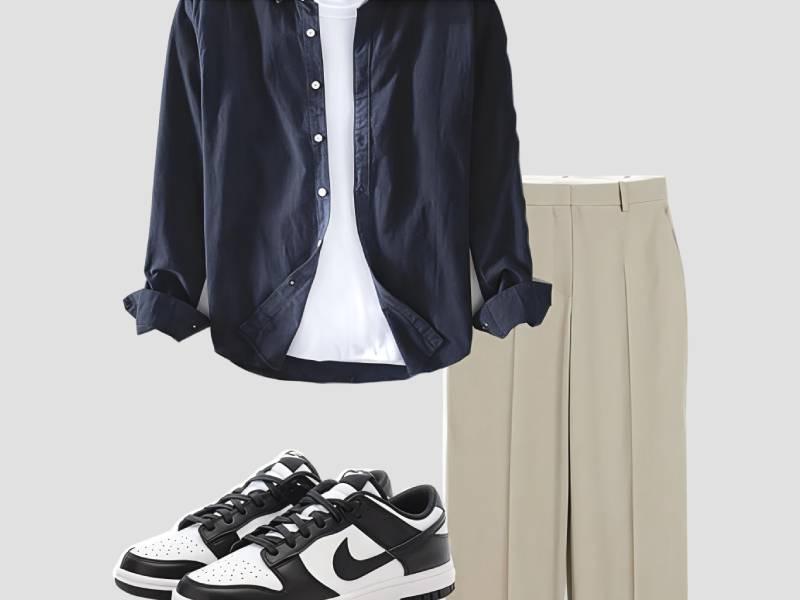
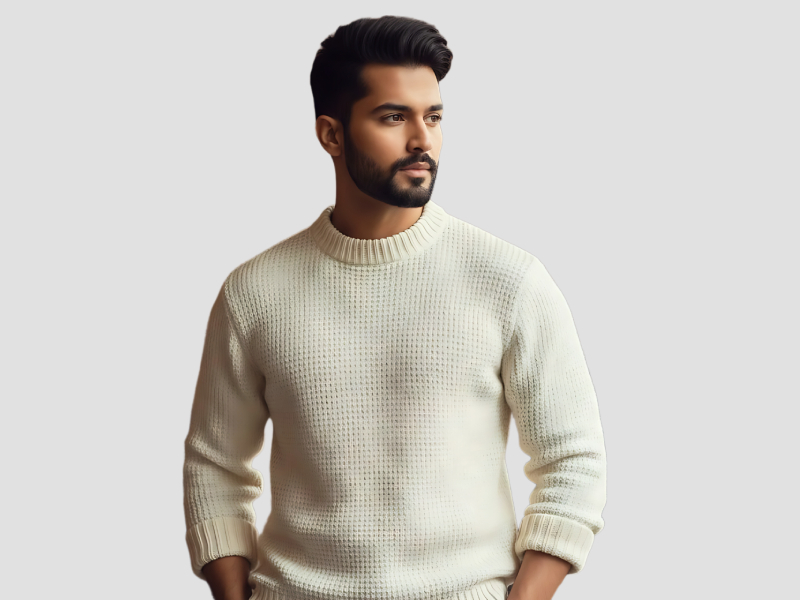
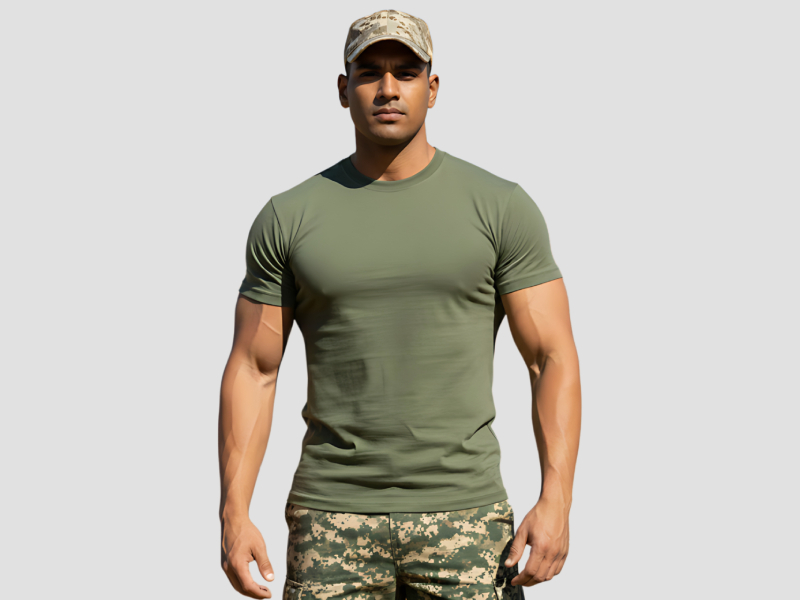
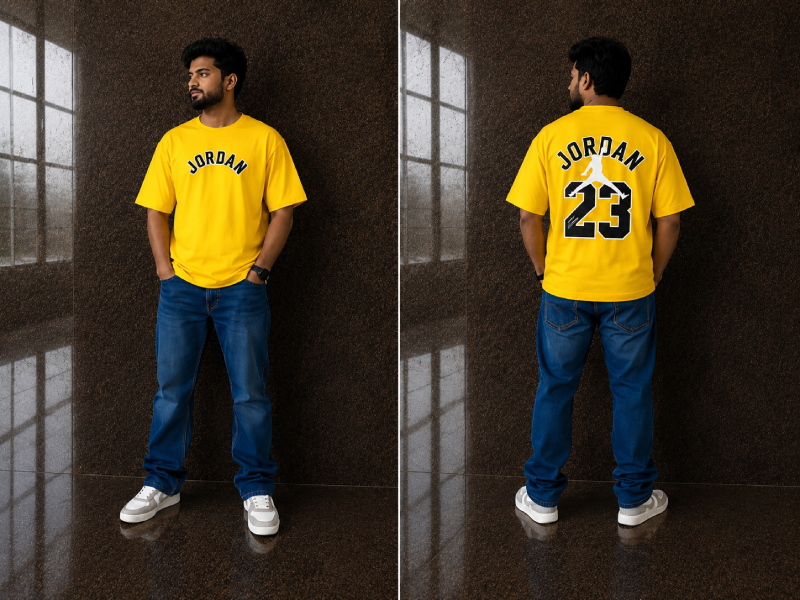
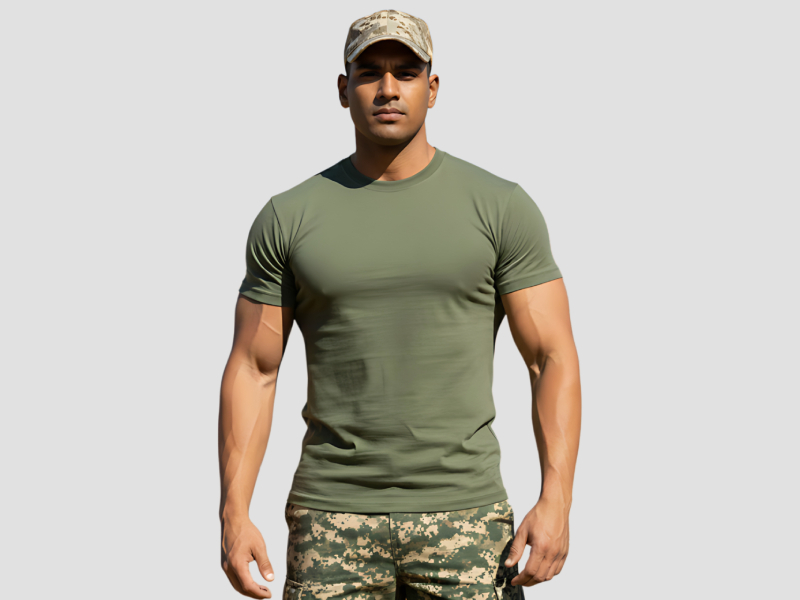
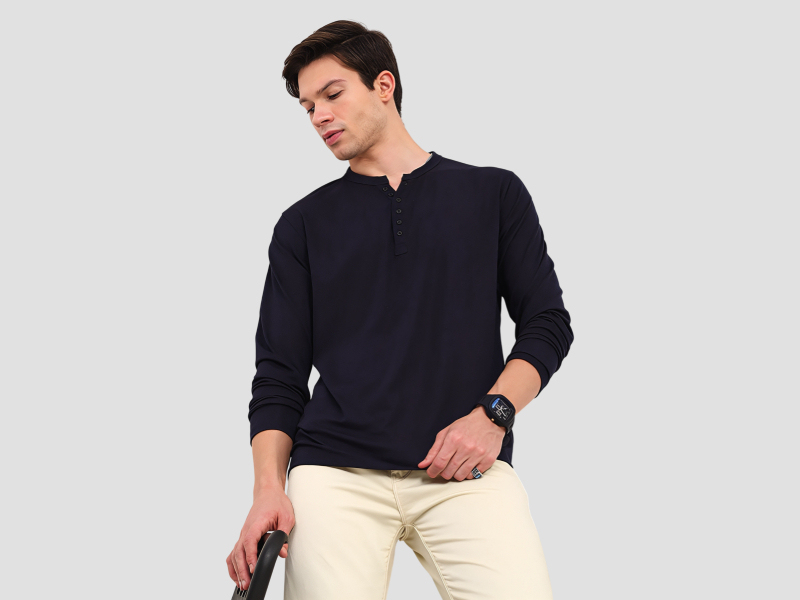
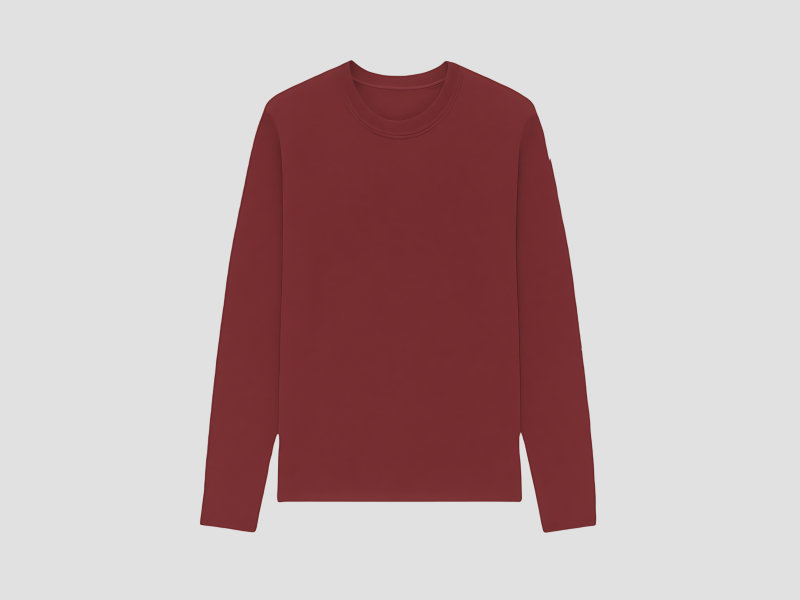
Men's wear refers to a broad category of clothing specifically designed for men. This includes various types of garments such as suits, shirts, trousers, jackets, and activewear. Men's wear is crafted to meet both functional and aesthetic needs, providing comfort, style, and practicality for various occasions. The design and material choices often vary based on market trends, cultural influences, and the specific requirements of different industries.
The primary uses of men's wear extend across multiple sectors, from corporate environments to casual settings. Businesses often purchase men's wear for their employees, ensuring a cohesive and professional appearance. Additionally, men’s garments are essential in sectors like hospitality and service industries where staff uniforms play a critical role in brand representation. The market for men's wear is dynamic, with continuous innovations in fabric technology and design, making it relevant to both consumers and manufacturers.
The men's wear industry is a significant segment of the global apparel market, reflecting changing fashion trends and consumer preferences. With growing attention to sustainability and ethical sourcing, manufacturers are increasingly focusing on producing high-quality, environmentally friendly products. This shift not only helps in maintaining market relevance but also addresses the evolving demands of conscious consumers.
𝗞𝗲𝘆 𝗙𝗲𝗮𝘁𝘂𝗿𝗲𝘀 𝗮𝗻𝗱 𝗦𝗽𝗲𝗰𝗶𝗳𝗶𝗰𝗮𝘁𝗶𝗼𝗻𝘀
Men's wear is characterized by a variety of features and specifications that cater to different needs and preferences. The following specifications highlight essential elements to consider when evaluating products in this category.
Key specifications include:
1. Fabric Type
- Common materials include cotton, polyester, wool, and blends.
- Different fabrics offer varying levels of breathability, durability, and comfort.
2. Size Range
- Available sizes typically include small to XXXL.
- Proper sizing ensures a good fit, enhancing both comfort and appearance.
3. Style Options
- Includes formal, casual, and sportswear variations.
- Different styles cater to various occasions and personal preferences.
4. Color Variations
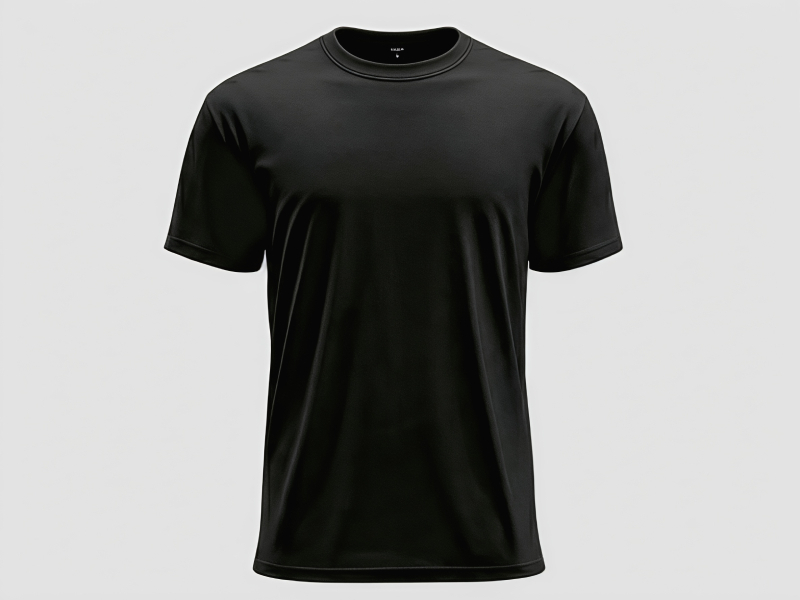
- A wide range of colors is available, from classic neutrals to vibrant hues.
- Color choices can impact brand identity and personal expression.
5. Care Instructions
- Fabrics may require specific washing and ironing methods.
- Proper care extends the life of the garments.
6. Customization Options
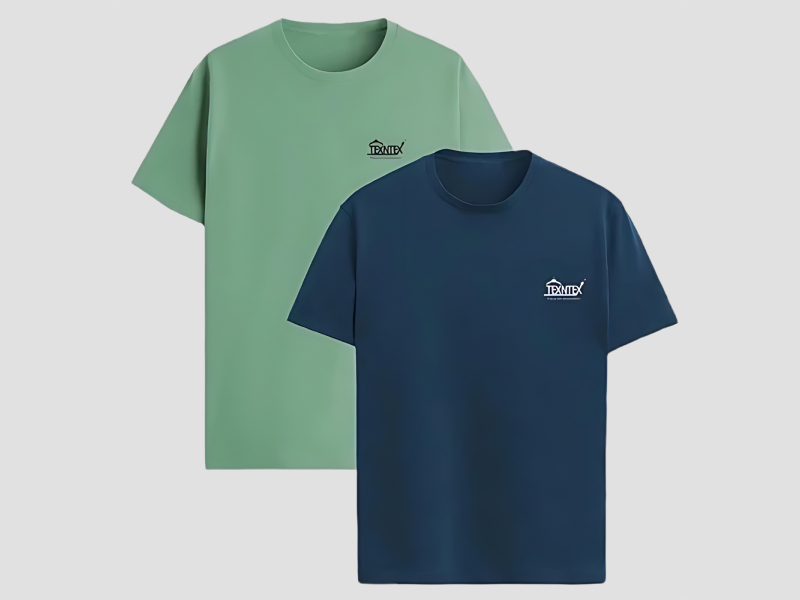
- Some suppliers offer customization for logos and design features.
- Custom garments can strengthen brand visibility and promote unity in teams.
7. Certifications
- Compliance with standards such as CE ensures quality and safety.
- Certifications can enhance product credibility and marketability.
8. Price Points
- Prices vary widely based on material, design, and brand.
- Understanding price ranges is essential for budgeting and procurement.
In summary, men's wear encompasses a variety of features that cater to different business needs. Understanding these specifications helps buyers make informed purchasing decisions.
𝗖𝗼𝗺𝗺𝗼𝗻 𝗔𝗽𝗽𝗹𝗶𝗰𝗮𝘁𝗶𝗼𝗻𝘀 𝗮𝗻𝗱 𝗨𝘀𝗲 𝗖𝗮𝘀𝗲𝘀
Men's wear serves various industries, each with unique applications suited to their specific requirements.
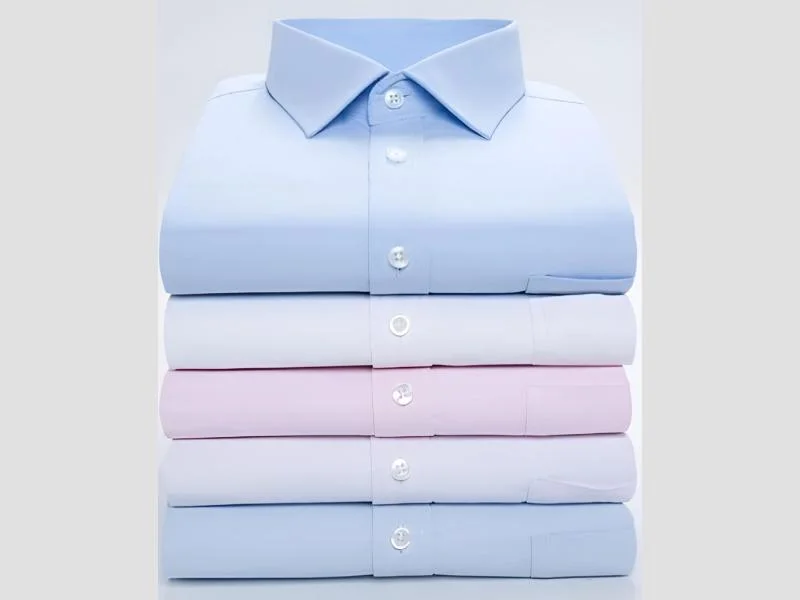
1. Corporate Sector: Many companies require formal attire for employees. This includes suits and dress shirts that project professionalism and enhance brand image.
2. Hospitality Industry: Hotels and restaurants often use men's wear for staff uniforms. These garments must be both functional and visually appealing to create a positive guest experience.
3. Retail Sector: Clothing stores often require staff uniforms that align with their brand's aesthetic. This ensures a cohesive look that resonates with customers.
4. Healthcare: Healthcare professionals may require specific types of men's wear, such as scrubs or lab coats, that provide comfort and ease of movement.
5. Sports and Recreation: Activewear designed for sports offers functionality and style, catering to both amateur and professional athletes.
6. Education: Schools may implement uniform policies that include men's wear for teachers and students, promoting equality and discipline.
7. Construction and Trade: Durable workwear is essential in these sectors, providing safety and comfort for male workers on-site.
𝗣𝗿𝗼𝗱𝘂𝗰𝘁 𝗩𝗮𝗿𝗶𝗮𝗻𝘁𝘀 𝗮𝗻𝗱 𝗦𝘂𝗯𝗰𝗮𝘁𝗲𝗴𝗼𝗿𝗶𝗲𝘀
Men's wear is diverse, offering various options to meet different needs and preferences.
Business Attire
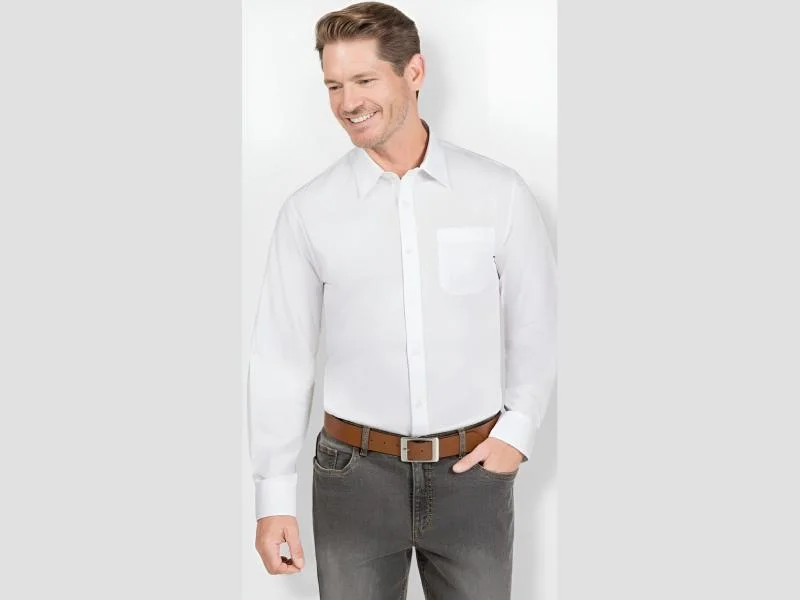
This category includes suits, dress shirts, and ties, designed for formal settings. These garments often feature high-quality fabrics and tailored fits to ensure a professional appearance.
Casual Wear
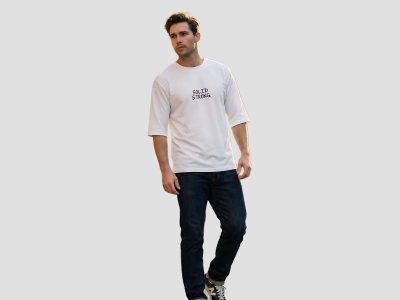
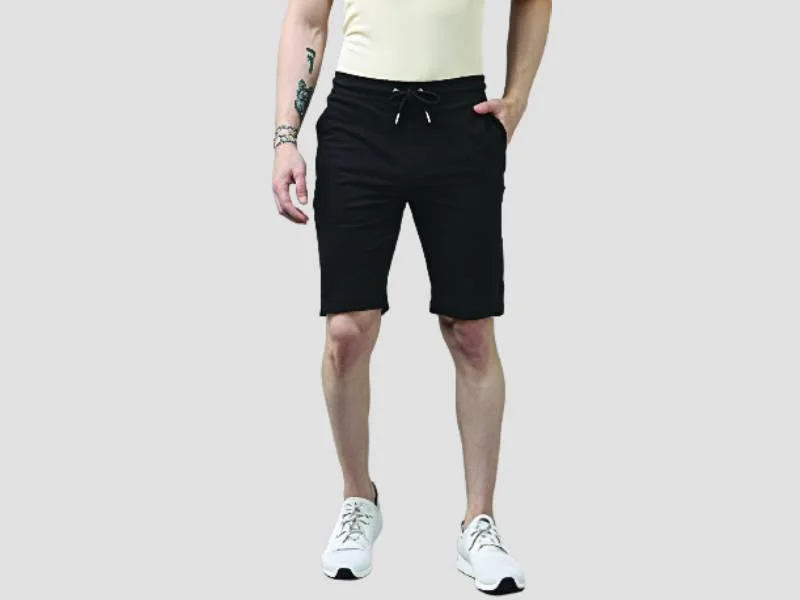
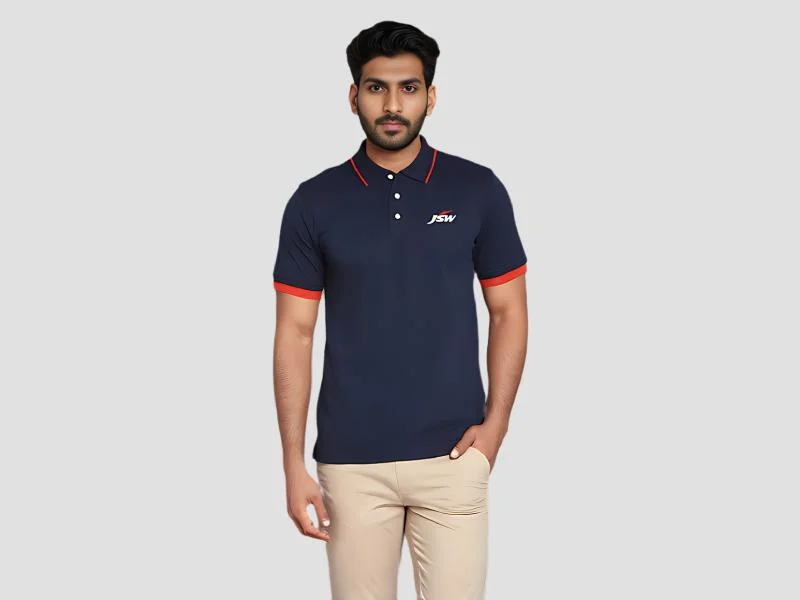
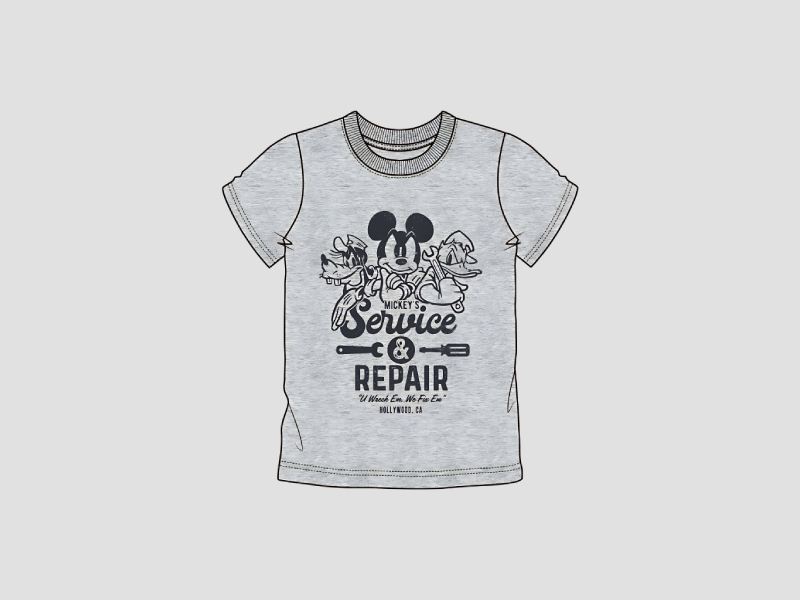
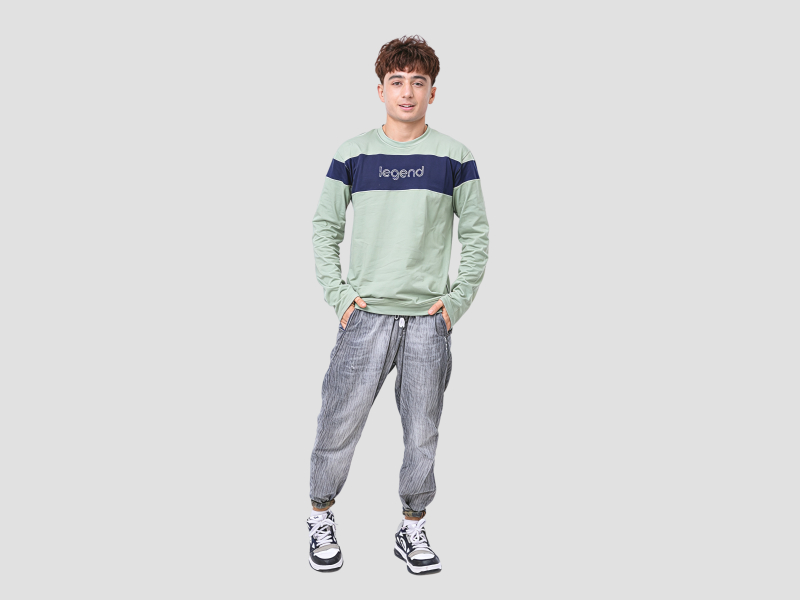
Casual men's wear includes polo shirts, jeans, and shorts. These items are designed for comfort and versatility, suitable for both leisure and informal business settings.
Activewear
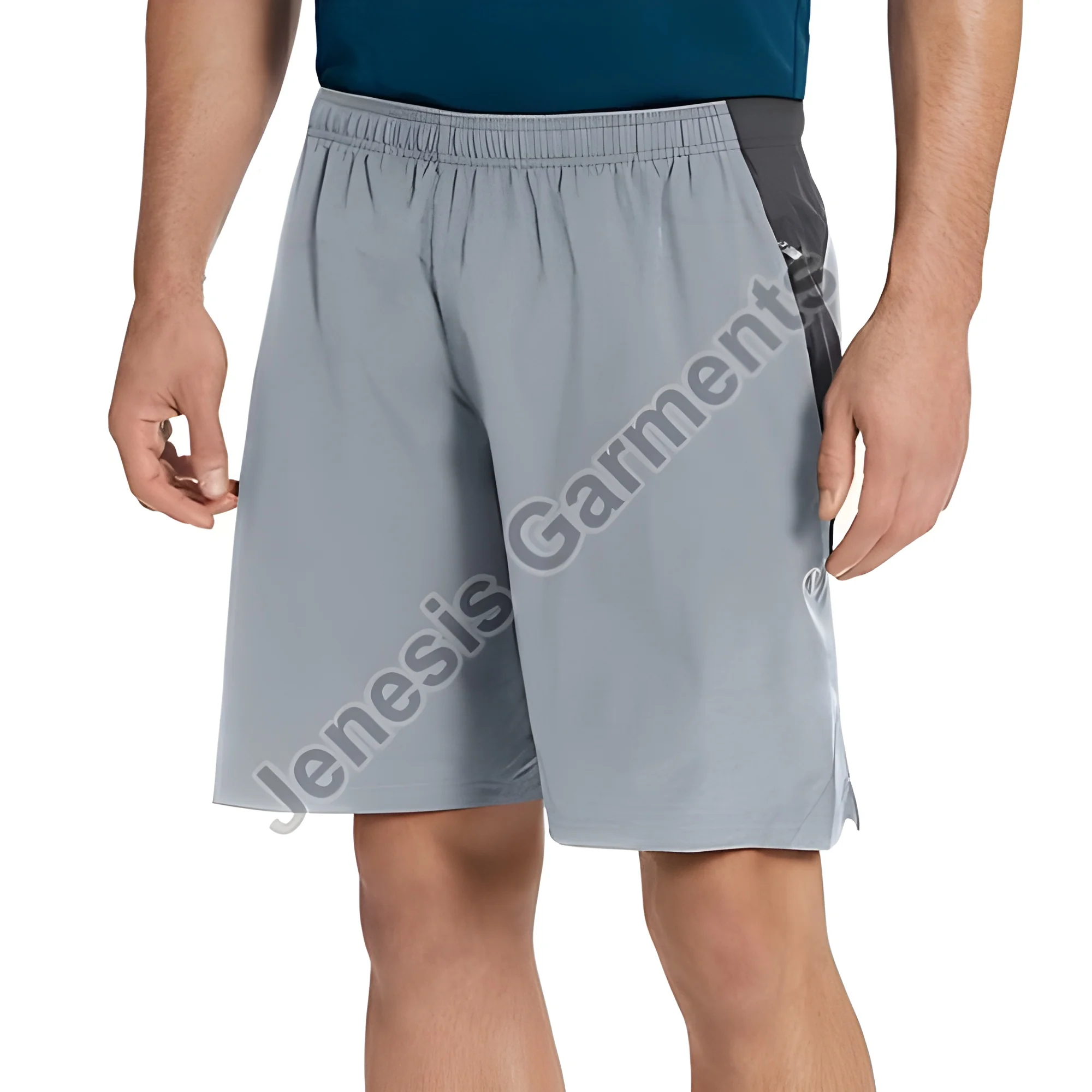
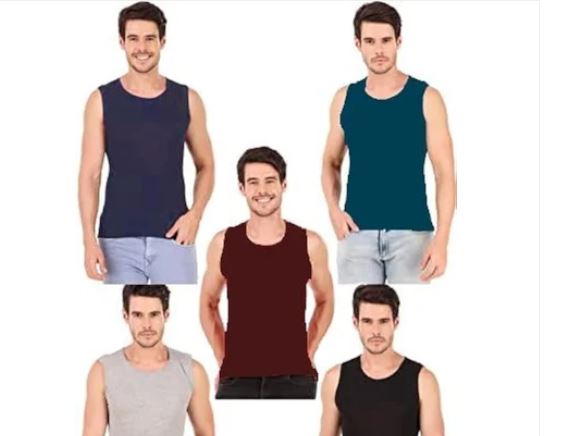
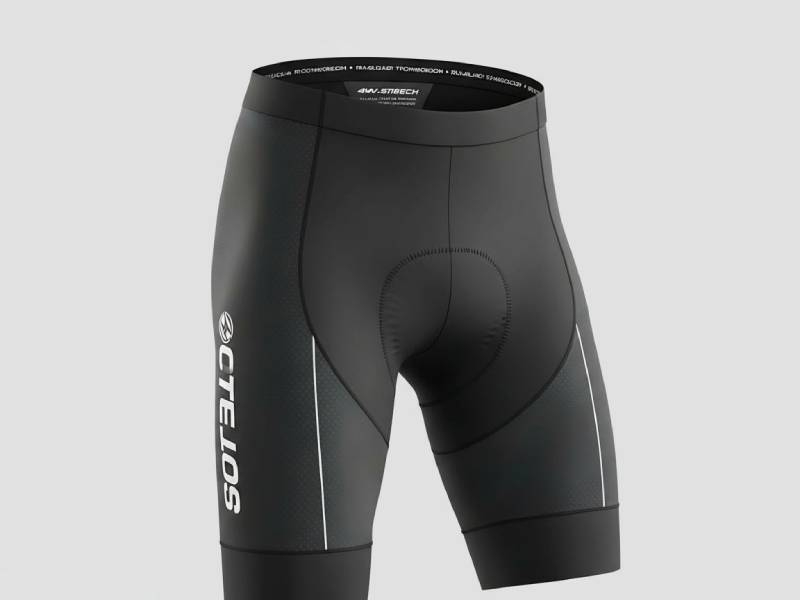
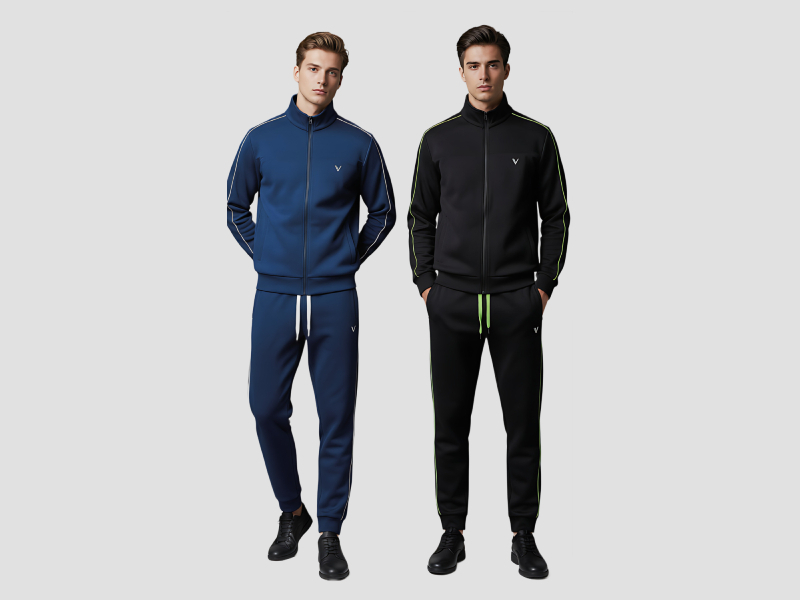
Activewear for men includes sports shorts, moisture-wicking shirts, and tracksuits. This variant is designed to provide comfort and performance during physical activities.
Outerwear
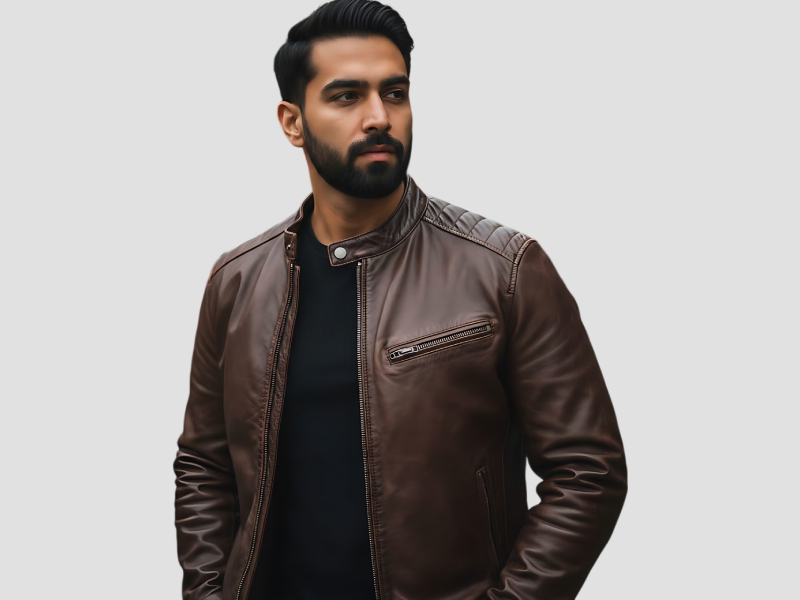
Outerwear includes jackets, coats, and blazers. These garments provide warmth and protection from the elements while maintaining style.
𝗕𝗲𝗻𝗲𝗳𝗶𝘁𝘀 𝗮𝗻𝗱 𝗔𝗱𝘃𝗮𝗻𝘁𝗮𝗴𝗲𝘀
Sourcing men's wear offers several advantages for businesses and organizations.
1. Professional Appearance: Quality men's wear enhances the professional image of employees, fostering a positive first impression.
2. Comfort and Durability: Well-designed garments provide comfort for daily wear and are often made to withstand regular use.
3. Brand Consistency: Uniforms help in creating a consistent brand identity, reinforcing company values and culture.
4. Versatility: A variety of styles ensures that men’s wear can be appropriate for multiple settings, from formal to casual.
5. Customization Potential: Options for customization allow businesses to incorporate company logos and colors, promoting brand awareness.
6. Cost-Effectiveness: Bulk purchasing can lead to significant savings, making it an economical choice for companies.
𝗕𝘂𝘆𝗶𝗻𝗴 𝗚𝘂𝗶𝗱𝗲 𝗳𝗼𝗿 𝗕𝟮𝗕 𝗕𝘂𝘆𝗲𝗿𝘀
When sourcing men's wear, several factors should be considered to ensure a successful purchase.
1. Quality Assessment: Evaluate the materials used and the craftsmanship of the garments. High-quality clothing lasts longer and maintains its appearance over time.
2. Supplier Verification: Research potential suppliers to ensure they have a good reputation. Verify their experience, quality control processes, and customer reviews.
3. Pricing and MOQ: Understand the pricing structure and minimum order quantities (MOQ) set by suppliers. This helps in budgeting and negotiating better deals.
4. Delivery and Lead Times: Consider logistics and the time it takes for orders to be fulfilled. Timely delivery is crucial for meeting business needs.
5. Compliance Requirements: Be aware of any industry regulations or standards that may apply to the garments. Compliance ensures safety and quality.
𝗖𝗼𝗺𝗽𝗹𝗶𝗮𝗻𝗰𝗲 𝗮𝗻𝗱 𝗖𝗲𝗿𝘁𝗶𝗳𝗶𝗰𝗮𝘁𝗶𝗼𝗻𝘀
Compliance and certifications are essential in the men's wear industry, ensuring that products meet quality and safety standards. Key quality standards, such as ISO 9001, focus on maintaining effective quality management systems. These standards help manufacturers develop processes that consistently produce high-quality products.
Industry certifications like CE indicate compliance with European health, safety, and environmental protection legislation. This adds credibility to products and assures buyers of their safety and reliability.
Safety and testing requirements are also critical, particularly in sectors like healthcare and construction. Ensuring that garments meet specific safety standards can prevent workplace accidents and promote employee well-being.
Regional compliance considerations are important as different markets may have unique regulations. Understanding these requirements is essential for manufacturers and suppliers aiming to succeed in diverse markets.
𝗪𝗵𝘆 𝗦𝗼𝘂𝗿𝗰𝗲 𝗠𝗲𝗻'𝘀 𝗪𝗲𝗮𝗿 𝗳𝗿𝗼𝗺 𝗣𝗲𝗽𝗮𝗴𝗼𝗿𝗮?
Pepagora provides a trusted platform for sourcing men's wear, offering several key advantages that benefit B2B buyers.
Verified Supplier Network: Pepagora features a network of verified suppliers, ensuring that buyers have access to reputable manufacturers. This verification process minimizes risks associated with sourcing.
Streamlined RFQ Process: The platform allows buyers to easily request quotations from multiple suppliers. This simplifies the procurement process, saving time and effort.
Trade Assurance and Support: Pepagora offers trade assurance, providing buyers with protection throughout their purchasing journey. This includes support for resolving disputes and ensuring satisfaction.
Regional Coverage: With a strong presence in India, the GCC, and Southeast Asia, Pepagora supports businesses looking to source men's wear across various regions. This geographic reach enables buyers to connect with local suppliers while accessing a broader market.

 IN
IN