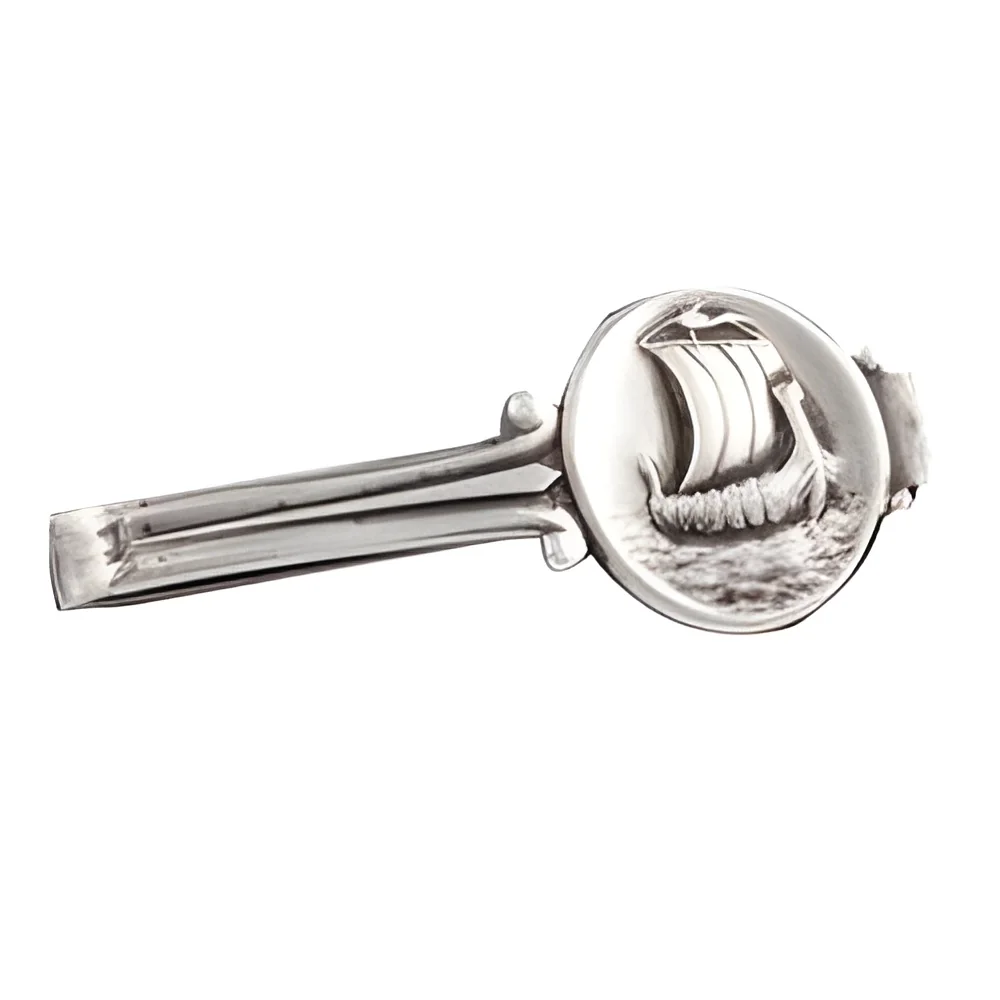
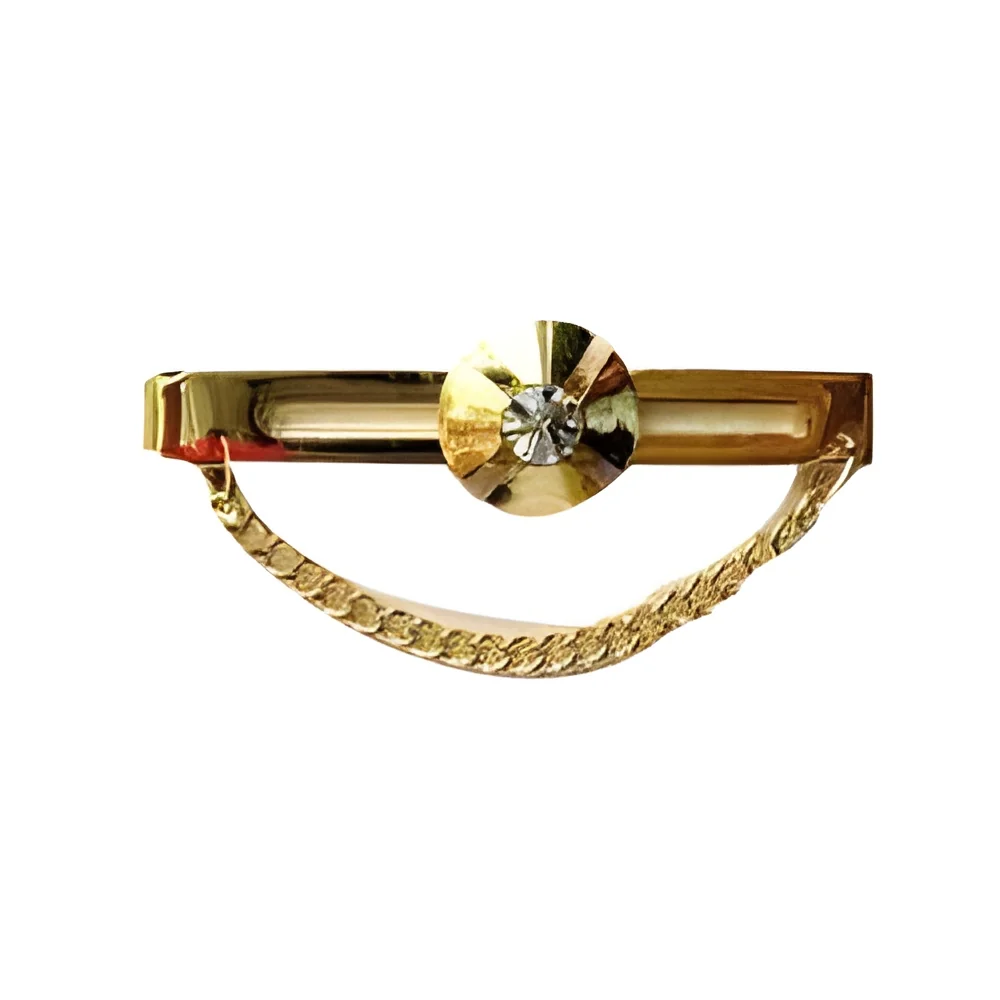
What are Men's Ties?
Men's ties are essential fashion accessories that enhance formal and business attire. They come in various styles, colors, and patterns, providing a means for individuals to express their personal style while adhering to professional dress codes. Typically made from fabrics such as silk, polyester, or cotton, ties are designed to complement a wide range of shirts and suits.
The primary use of men's ties is in professional settings, including offices, business meetings, and formal events. They help to create a polished appearance, making them a staple in many men's wardrobes. Beyond the corporate world, ties also play a role in weddings, parties, and other social gatherings, serving as a means to elevate an outfit. The market for men's ties is robust, with demand driven by both fashion trends and the need for dress codes across various industries.
In terms of industry relevance, men's ties are often associated with the fashion, retail, and corporate sectors. The growing popularity of business casual attire has also led to innovative designs that appeal to a younger demographic. This trend highlights the versatility of ties as they adapt to changing fashion preferences while remaining a classic choice for many occasions.
Key Features and Specifications
Men's ties are characterized by several key features that enhance their functionality and appeal. Understanding these specifications is crucial for B2B buyers when selecting ties for corporate use or resale.
Key specifications include:
1. Fabric Type
- Common materials include silk, polyester, and cotton
- Each fabric offers a distinct look and feel, impacting durability and comfort
2. Width
- Standard tie widths range from 2.5 to 3.5 inches
- Wider ties provide a bold statement, while narrower ties offer a modern touch
3. Length
- Typical lengths are between 56 to 60 inches
- Longer ties cater to taller individuals or specific knot styles
4. Pattern and Color
- Available in solid, striped, polka dot, and printed designs
- Color options vary widely, allowing for customization based on brand identity
5. Stitching Quality
- High-quality ties feature hand-stitched elements
- Stitching impacts durability and overall aesthetic
6. Care Instructions
- Many ties are dry clean only, while others are machine washable
- Care instructions should be clearly provided to maintain product quality
7. Packaging
- Ties are often packaged in boxes or pouches for protection
- Professional packaging enhances the presentation for retail buyers
8. Customization Options
- Some suppliers offer personalized designs and branding
- Customization can include logo printing or unique patterns
In summary, understanding these key features and specifications enables buyers to make informed decisions tailored to their specific needs and market demands.
Common Applications and Use Cases
Men's ties serve various industries with distinct applications that highlight their versatility.
1. Corporate Sector: Ties are essential in the corporate world, where they contribute to a professional appearance in meetings, conferences, and daily office wear.
2. Retail Fashion: Retailers often stock a range of ties to cater to fashion-conscious consumers looking for stylish accessories to complete their outfits.
3. Hospitality Industry: Many establishments require staff to wear ties as part of their uniforms, ensuring a polished and cohesive look.
4. Event Planning: Ties are commonly used in weddings and formal events, providing a unified appearance for groomsmen, guests, and event staff.
5. Education Sector: Educational institutions often have dress codes, where ties may be required for faculty and students during formal functions.
6. Entertainment Industry: Ties are frequently used in TV shows, films, and theater to portray characters in a specific light, often enhancing the narrative through costume design.
7. Trade Shows: Professionals attending trade shows often wear ties to project a professional image, making them a staple in promotional settings.
Product Variants and Subcategories
Men's ties come in a variety of designs and styles, catering to different tastes and occasions.
Classic Ties: These ties are traditional in design and often feature solid colors or simple patterns. They are ideal for formal business settings and classic events.
Bow Ties: A popular choice for formal occasions, bow ties offer a unique twist to traditional neckwear. They come in various fabrics and patterns, suitable for weddings and galas.
Skinny Ties: These modern ties are narrower than classic ties, appealing to a younger audience. They are often worn in casual or semi-formal settings.
Knitted Ties: Made from knitted fabric, these ties provide a textured look and are perfect for casual office environments or relaxed social gatherings.
Self-Tie Ties: These ties require the wearer to tie them manually, offering a personal touch and allowing for unique knot styles. They are popular in both formal and casual settings.
Benefits and Advantages
Men's ties offer several advantages that make them a valuable addition to any wardrobe.
1. Professional Appearance: Wearing a tie enhances a man's professional image, making a positive impression during business interactions.
2. Versatility: Ties can be paired with various outfits, transitioning from formal to casual settings while maintaining style.
3. Personal Expression: With numerous colors and patterns available, ties allow individuals to showcase their personality and fashion sense.
4. Customization: Many suppliers offer custom tie options, enabling businesses to promote their brand through unique designs.
5. Easy to Store: Ties are compact and easy to store, making them convenient for travel and organization.
6. Timeless Accessory: Ties have remained a staple in men's fashion for decades, ensuring that they never go out of style.
Buying Guide for B2B Buyers
When sourcing men's ties, buyers should consider several critical factors to ensure they make informed purchasing decisions.
1. Quality Assessment: Evaluate the fabric, stitching, and overall construction of the ties to ensure they meet quality standards. Look for samples when possible to assess the feel and durability.
2. Supplier Verification: Conduct due diligence on suppliers to verify their credibility and reputation in the market. Check for reviews and testimonials from other buyers.
3. Pricing and MOQ: Understand the pricing structure and minimum order quantities (MOQ) to align purchases with budget constraints and inventory needs.
4. Delivery and Lead Times: Discuss logistics and delivery timelines with suppliers to plan for restocking or fulfilling orders effectively.
5. Compliance Requirements: Ensure that the ties meet any relevant regulations or industry standards. This may include safety certifications or other compliance measures.
Compliance and Certifications
Men's ties must adhere to various quality standards and certifications to ensure they meet market expectations.
Relevant quality standards such as ISO 9001 ensure that manufacturers maintain high quality in their production processes. This standard focuses on consistent quality management systems.
Industry certifications, such as CE marking, indicate that products meet European health, safety, and environmental protection standards. Compliance with these certifications is essential for market acceptance in regions where they apply.
Safety and testing requirements may include checks for harmful substances in fabrics, ensuring that ties are safe for consumers. This is particularly important for ties intended for children or sensitive individuals.
Regional compliance considerations may vary based on local regulations. Buyers should be aware of specific requirements in their target markets to ensure compliance and avoid potential issues.
Why Source Men's Ties from Pepagora?
Pepagora provides a trusted platform for sourcing men's ties, offering several key advantages to B2B buyers.
Verified Supplier Network: The platform features a network of verified suppliers, ensuring that buyers can source high-quality ties from reputable manufacturers. This reduces the risks associated with sourcing and helps maintain product standards.
Streamlined RFQ Process: Pepagora simplifies the request for quotation (RFQ) process, allowing buyers to easily compare prices and options from multiple suppliers. This efficiency saves time and enhances decision-making.
Trade Assurance and Support: Buyers benefit from trade assurance programs that protect their investments. Pepagora offers support throughout the purchasing process, ensuring that buyers receive the products as expected.
Regional Coverage: With a strong presence in markets like India, the GCC, and Southeast Asia, Pepagora facilitates access to a wide range of suppliers and products. This geographic reach enables buyers to tap into local markets effectively and meet diverse consumer needs.

 IN
IN