What are Men's Belts?
Men's belts are essential accessories designed to secure trousers or shorts at the waist. They come in various materials, styles, and sizes, catering to different fashion preferences and practical needs. Typically, a belt consists of a flexible strap with a buckle, allowing for easy adjustment and a secure fit.
In the business sector, men's belts serve both functional and aesthetic purposes. They are frequently used in corporate environments, hospitality, and retail settings, helping to create a polished and professional appearance. Beyond fashion, belts also play a role in safety and compliance, particularly in industries where specific attire is mandated.
The market for men's belts is diverse, with a range of offerings that reflect current trends in fashion and functionality. This product category is significant in the fashion industry, and its relevance extends to various sectors, making it an important item for B2B buyers looking to enhance their product lines.
Key Features and Specifications
Men's belts come with a variety of features that cater to different uses and preferences. Understanding these specifications can help buyers make informed choices.
Key specifications include:
1. Material
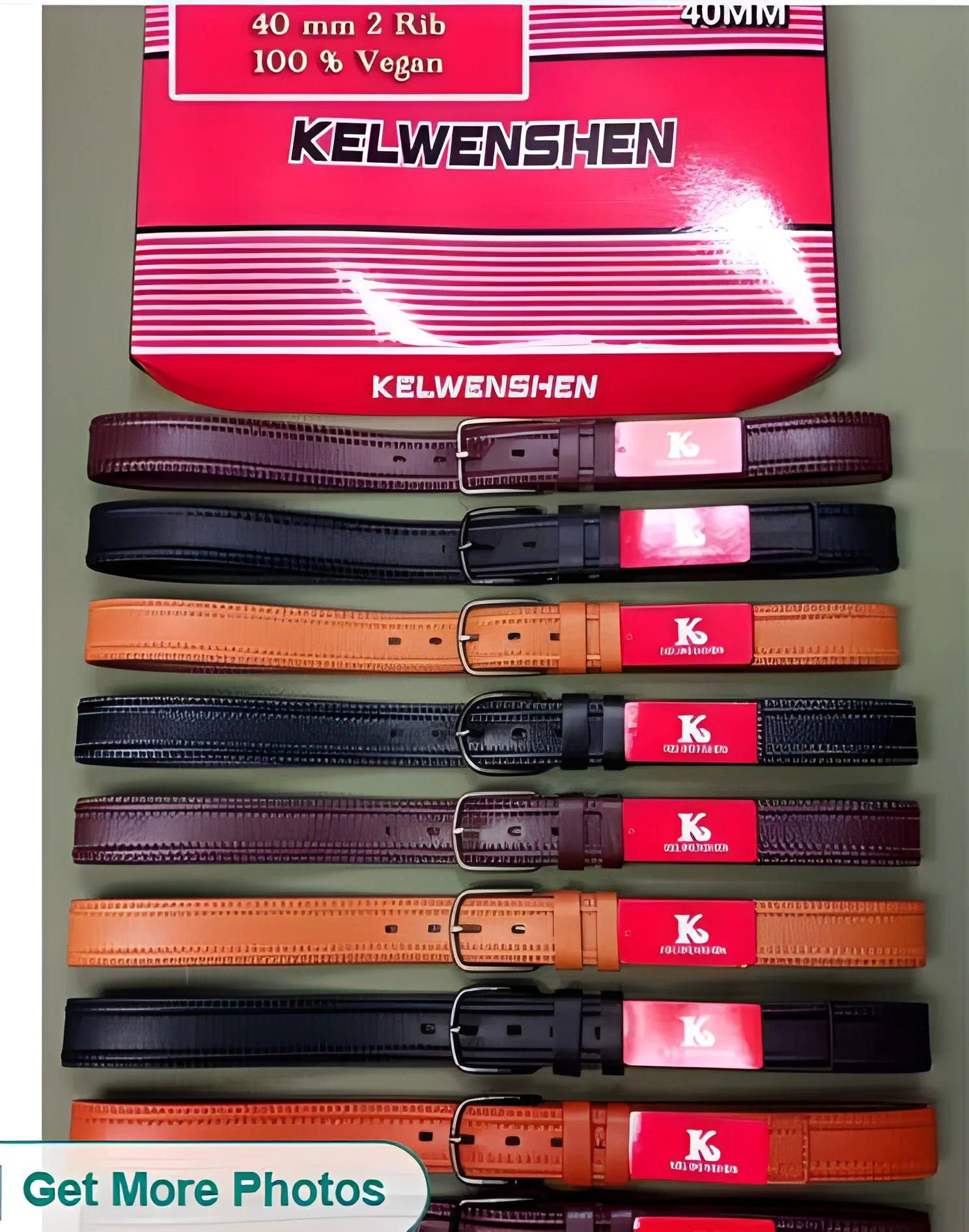
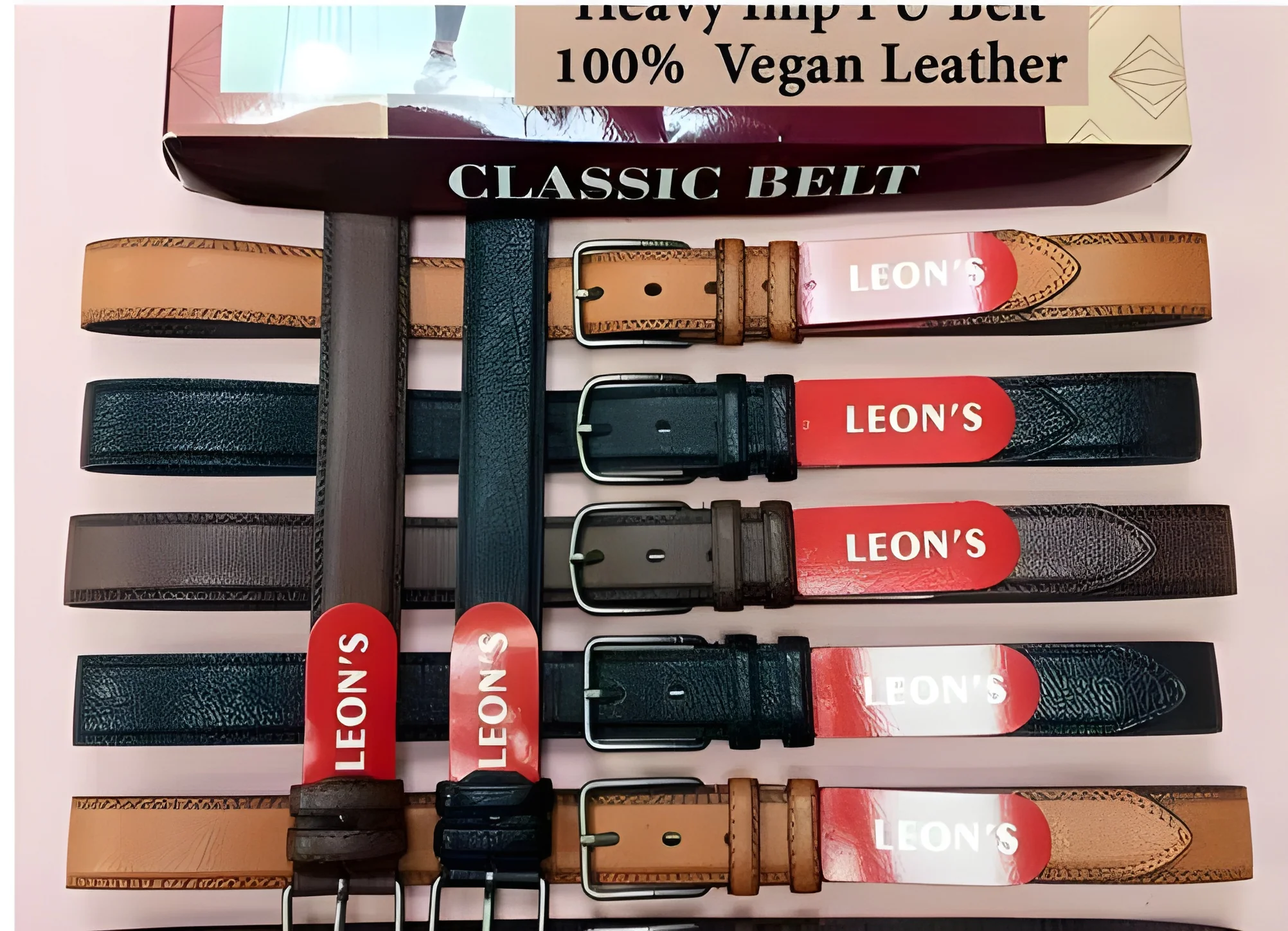
- Common materials include leather, synthetic fabrics, and woven textiles
- Each material offers different durability, comfort, and aesthetic qualities
2. Size
- Belts typically range from 30 to 50 inches in length
- Adjustable options are available for a customizable fit
3. Buckle Type
- Options include traditional pin buckles, automatic buckles, and snap buckles
- Different buckle styles can enhance functionality and appearance
4. Width
- Standard widths range from 1 to 1.5 inches
- Wider belts may provide additional support and hold
5. Color Options
- Available in various colors, including classic black, brown, and vibrant shades
- Color choices can complement different outfits and occasions
6. Customization
- Many suppliers offer options for custom logos or designs
- This feature is ideal for corporate branding and promotional purposes
7. Durability Ratings
- Ratings may vary based on material and construction methods
- Ensuring longevity is key for business applications
8. Compliance Standards
- Some belts may meet specific industry requirements
- Certification such as CE ensures safety and quality
In summary, understanding the key features and specifications of men's belts can help B2B buyers select the right products for their needs, ensuring quality and functionality.
Common Applications and Use Cases
Men's belts are utilized across various industries, making them a versatile accessory.
1. Fashion Retail: In retail settings, men's belts are essential for completing outfits. They can enhance the appeal of clothing lines and attract customers.
2. Corporate Wear: Many companies require employees to wear belts as part of their business attire. This helps maintain a professional image and uniformity.
3. Hospitality: In the hospitality industry, staff uniforms often include belts. They contribute to the overall aesthetic and professionalism of the service staff.
4. Construction: Some work environments may require sturdy belts for holding tools or equipment. This practical use enhances safety and efficiency on the job.
5. Outdoor Sports: Belts designed for outdoor activities, such as hiking or camping, often feature additional support for carrying gear or essentials.
6. Promotional Merchandise: Customized belts can serve as promotional items, enhancing brand visibility in various markets.
7. Uniform Supply: Schools and organizations often provide belts as part of uniforms, ensuring a cohesive look among members.
Product Variants and Subcategories
Men's belts are available in a wide range of variants, catering to different styles and functional needs.
Casual Belts
Casual belts are designed for everyday wear, often made from softer materials like cotton or woven fabrics. They offer a relaxed look, making them suitable for casual outings or informal office settings.
Dress Belts
Dress belts are typically made of leather and feature a polished finish. They are designed to complement formal attire, making them ideal for business meetings, weddings, and other formal events.
Sport Belts
Sport belts are designed for active use, often incorporating features such as moisture-wicking materials and adjustable fits. These belts are ideal for outdoor activities, ensuring comfort and functionality.
Reversible Belts
Reversible belts offer versatility by featuring two colors or styles in one product. This allows the wearer to easily switch up their look without needing multiple belts.
Benefits and Advantages
Men's belts offer numerous benefits that make them valuable in both personal and business contexts.
1. Enhanced Fit: Belts provide a secure fit, ensuring that trousers are held in place during movement.
2. Style Versatility: With various styles available, belts can easily complement different outfits, making them a versatile accessory.
3. Professional Appearance: Wearing a belt contributes to a polished, professional image in corporate settings.
4. Custom Branding: Businesses can customize belts with logos for promotional purposes, enhancing brand visibility.
5. Durability: Quality belts are designed to withstand regular wear, offering long-lasting use.
6. Functional Support: In certain industries, belts can provide additional support for carrying tools or equipment.
Buying Guide for B2B Buyers
When sourcing men's belts, it is essential to consider several factors to ensure the right choice.
1. Quality Assessment: Evaluate the materials and craftsmanship of the belts. Look for options that demonstrate durability and reliability to meet business needs.
2. Supplier Verification: Conduct thorough checks on potential suppliers. Verify their reputation, production capabilities, and compliance with industry standards.
3. Pricing and MOQ: Understand the pricing structure and minimum order quantities. This will help in budgeting and inventory management.
4. Delivery and Lead Times: Discuss logistics, including expected delivery times and shipping methods, to ensure timely availability of products.
5. Compliance Requirements: Be aware of any regulatory standards or certifications required for the belts, ensuring they meet industry-specific needs.
Compliance and Certifications
Men's belts may be subject to various quality standards and compliance requirements, ensuring safety and reliability in use.
Relevant quality standards such as ISO 9001 may apply, indicating that manufacturers adhere to strict quality management systems. This ensures products meet customer expectations consistently.
Industry certifications like CE indicate that the belts have passed necessary safety and testing requirements, making them suitable for sale in specific markets.
Regional compliance considerations should also be taken into account, as different regions may have unique regulations regarding materials and safety standards. Buyers should ensure that any sourced products comply with these local regulations.
Why Source Men's Belts from Pepagora?
Pepagora provides a trusted platform for sourcing men's belts, offering several key advantages that cater to B2B buyers.
Verified Supplier Network: Pepagora ensures that all suppliers undergo rigorous verification processes. This builds trust and confidence in the sourcing process, allowing buyers to find quality products.
Streamlined RFQ Process: The platform features a user-friendly request for quotation system, enabling buyers to easily communicate their needs and receive competitive pricing from multiple suppliers.
Trade Assurance and Support: Pepagora offers trade assurance, protecting buyers against potential issues in transactions. This support ensures a smoother purchasing experience.
Regional Coverage: With a strong presence in regions like India, the GCC, and Southeast Asia, Pepagora connects buyers with suppliers from diverse markets, expanding sourcing options and opportunities.

 IN
IN