𝗪𝗵𝗮𝘁 𝗮𝗿𝗲 𝗠𝗮𝗸𝗲𝘂𝗽 & 𝗖𝗼𝘀𝗺𝗲𝘁𝗶𝗰𝘀?
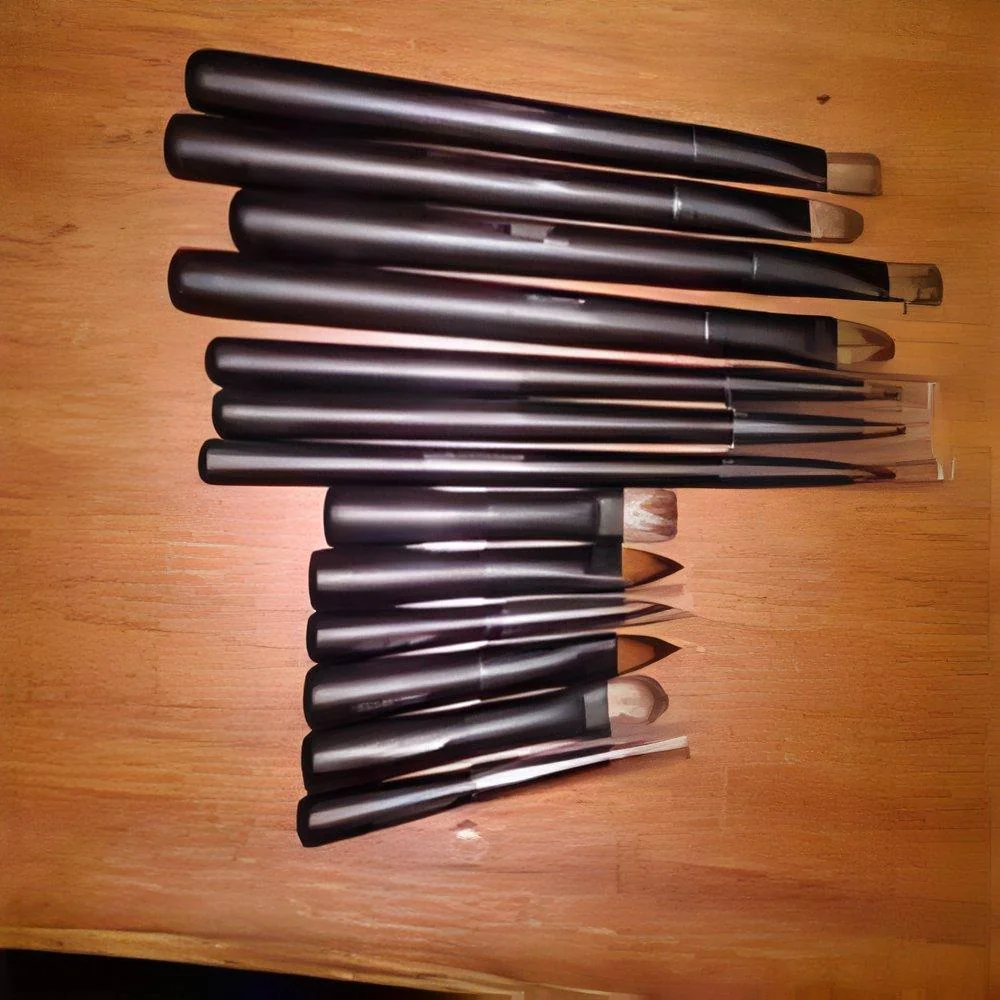
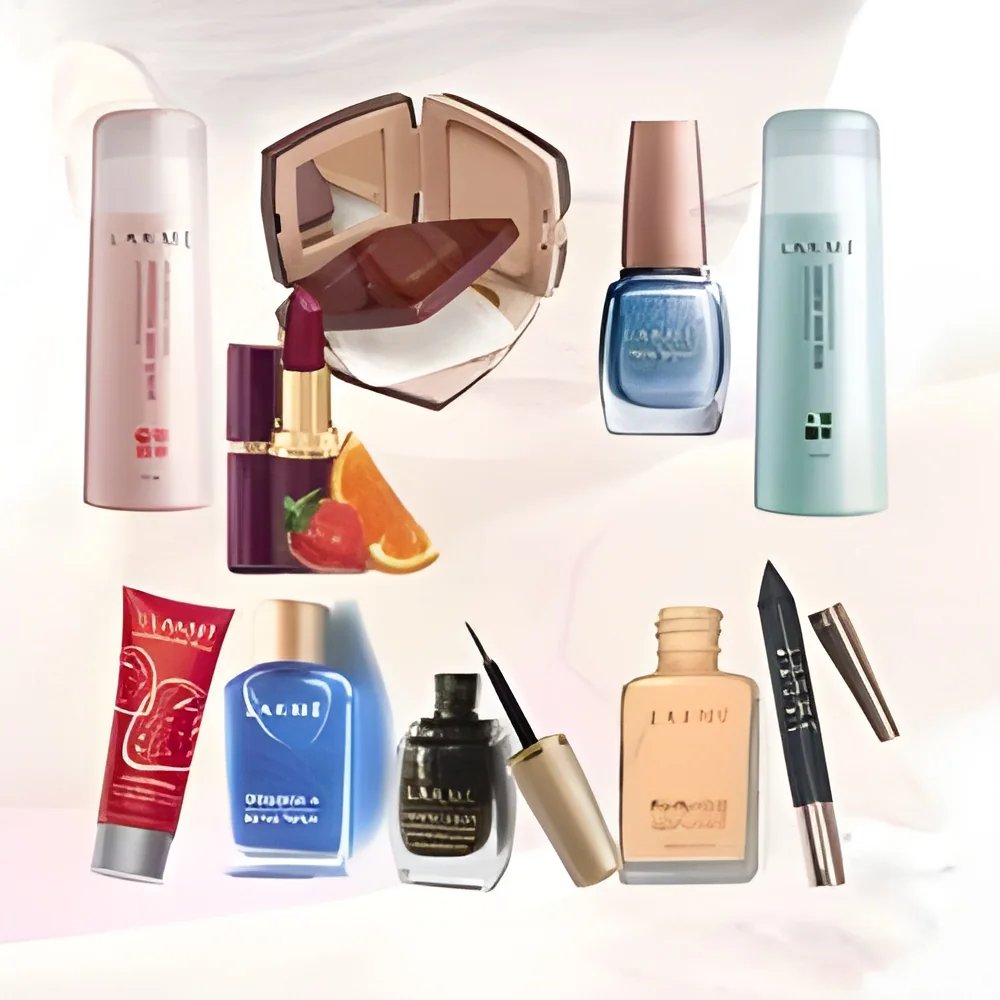
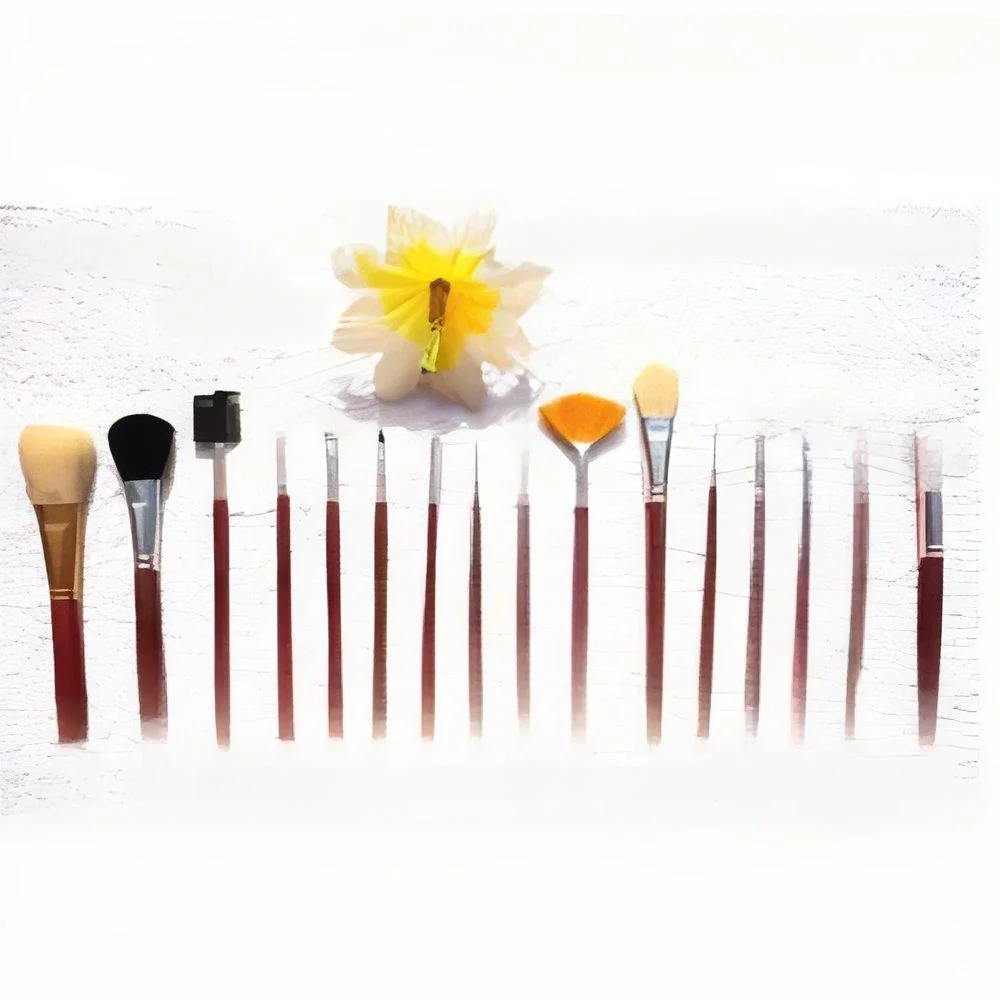
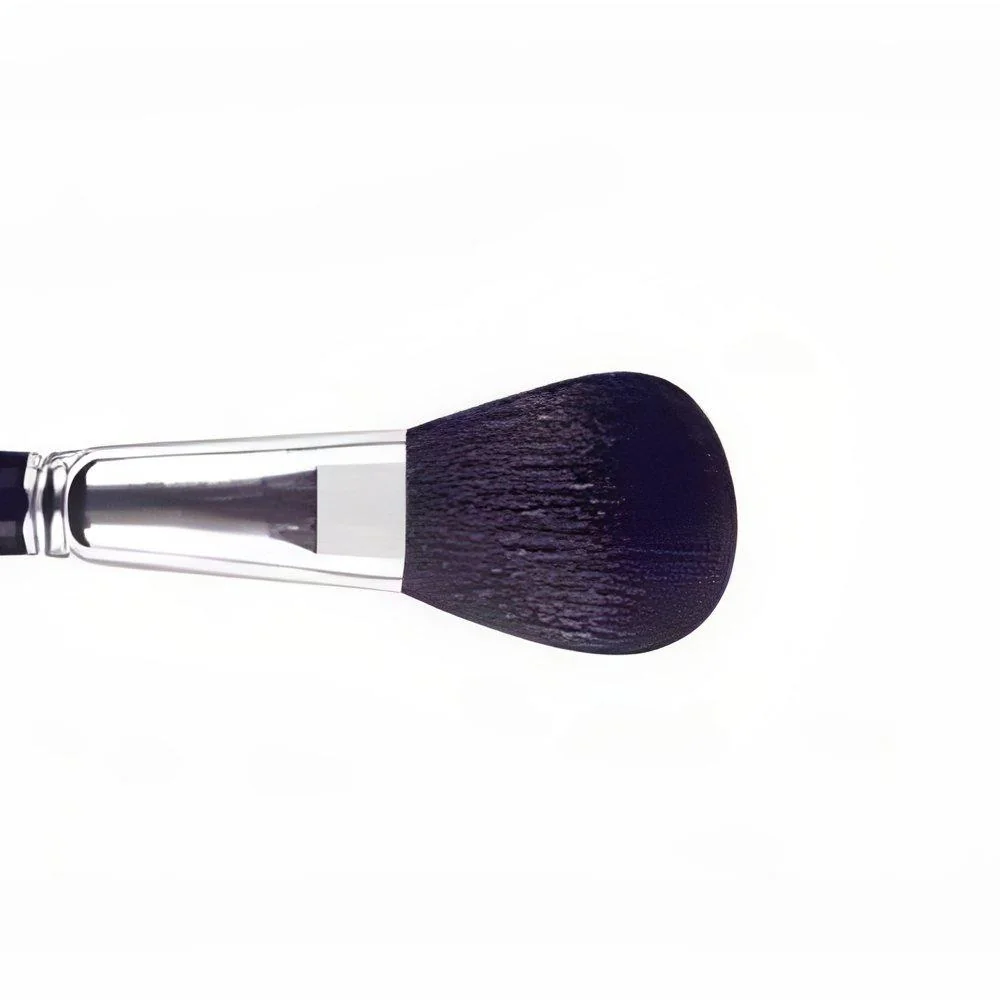
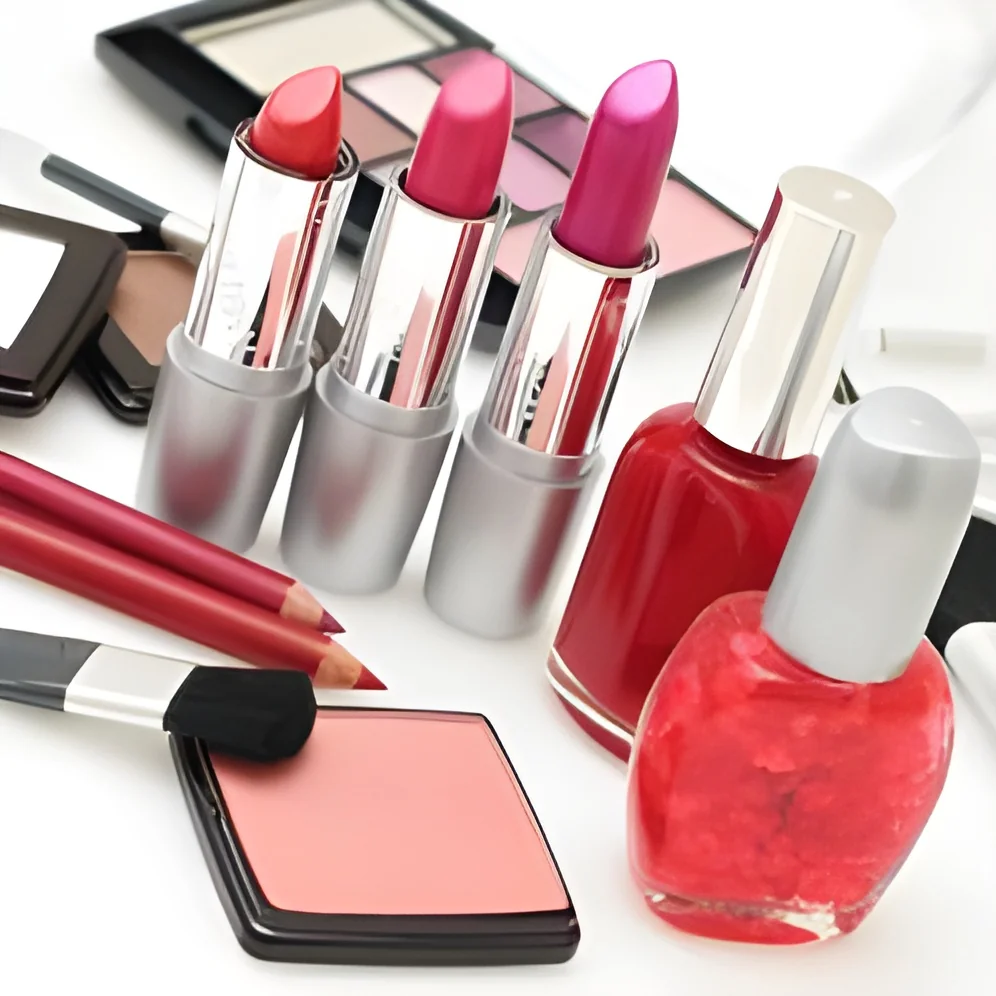
Makeup and cosmetics refer to a wide range of products designed to enhance or alter the appearance of the face and body. These products can include foundation, lipstick, eye shadow, mascara, blush, and various skincare items. Makeup is primarily used for aesthetic purposes, allowing individuals to express their creativity and personal style. Cosmetics also encompass products aimed at maintaining or improving skin health, such as moisturizers and sunscreens.
In the B2B context, makeup and cosmetics play a crucial role in the beauty industry, catering to retail shops, beauty salons, and professional makeup artists. These products are essential for creating looks for everyday wear, special occasions, and theatrical performances. The industry has seen significant growth due to rising consumer interest in beauty and self-care, leading to increased demand for innovative and diverse product offerings.
The makeup and cosmetics market is highly competitive, with numerous brands vying for consumer attention. As trends evolve, businesses must stay informed about new formulations and techniques to meet customer expectations. Sustainability and ethical sourcing have also become focal points, reflecting consumers' growing concern for the environment and social responsibility.
𝗞𝗲𝘆 𝗙𝗲𝗮𝘁𝘂𝗿𝗲𝘀 𝗮𝗻𝗱 𝗦𝗽𝗲𝗰𝗶𝗳𝗶𝗰𝗮𝘁𝗶𝗼𝗻𝘀
When selecting makeup and cosmetics, understanding key features and specifications is critical. These specifications help ensure that products meet user needs and comply with industry standards.
Key specifications include:
1. Ingredients
- Detail about this specification
- Common ingredients include various pigments, oils, and preservatives
2. Shelf Life
- Detail about this specification
- Typically ranges from 12 to 36 months, depending on the product type
3. Packaging
- Detail about this specification
- Various packaging options such as tubes, jars, and compacts
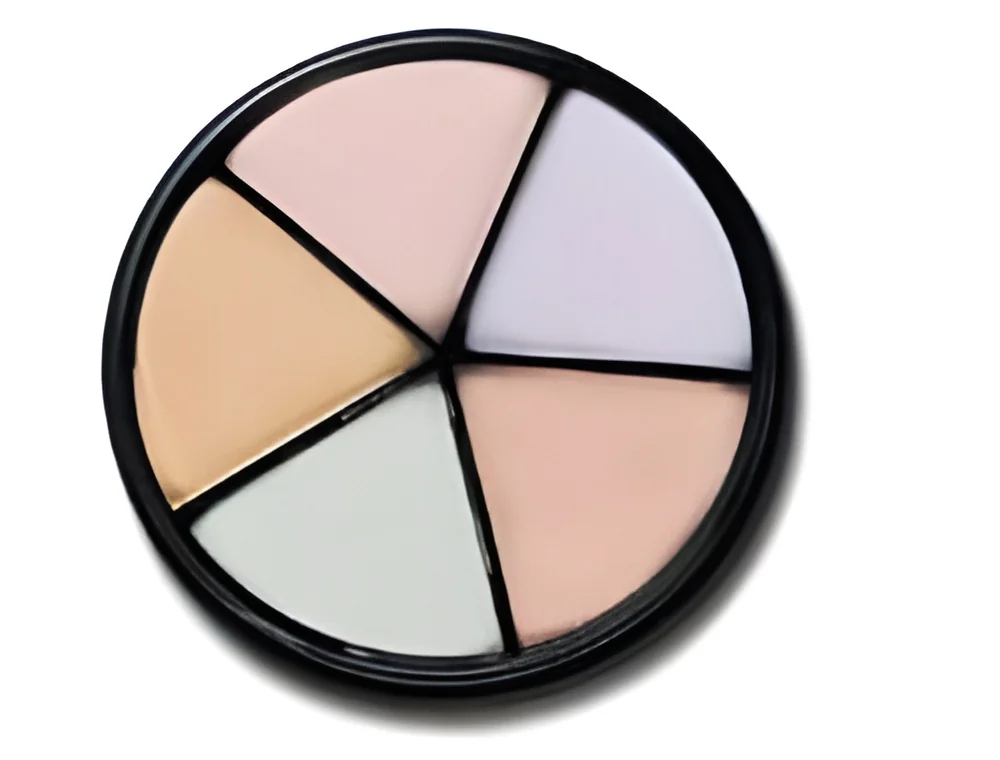
4. Color Range
- Detail about this specification
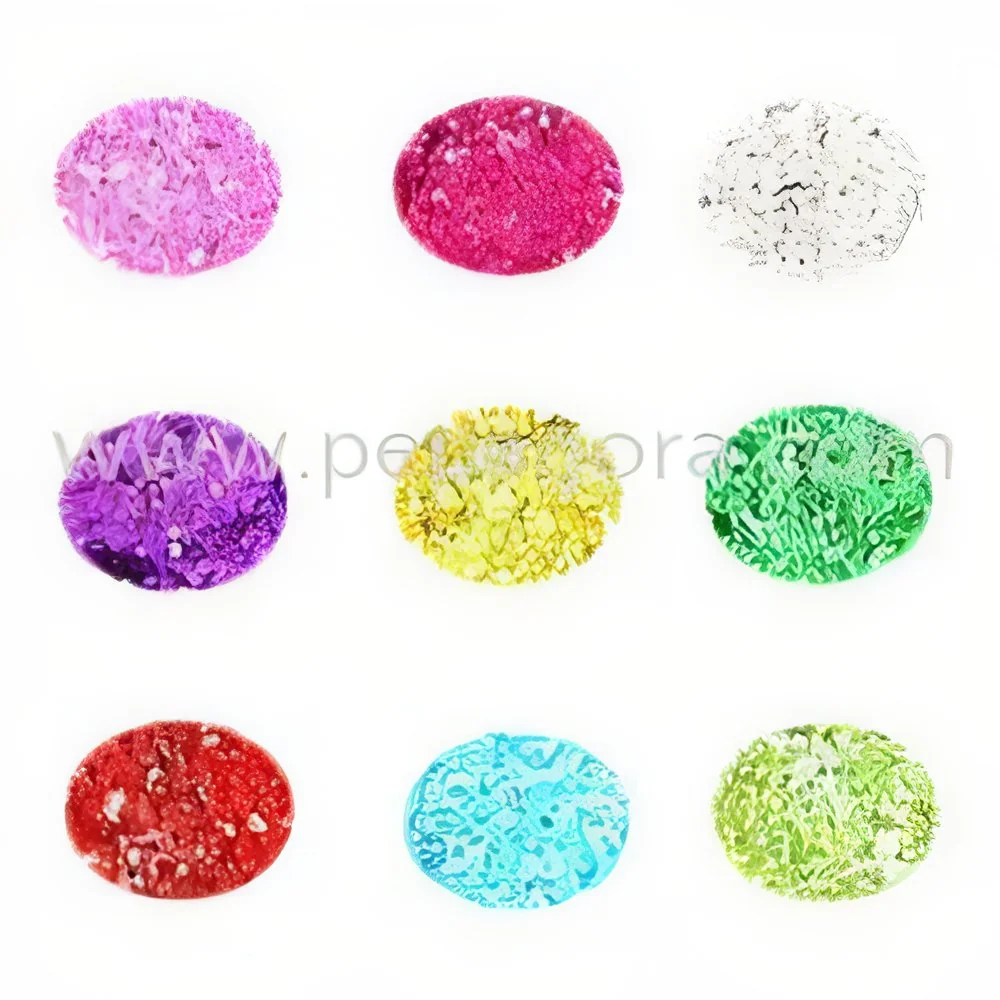
- Availability in multiple shades to cater to diverse skin tones
5. Texture
- Detail about this specification
- Options include cream, powder, liquid, and gel formulations
6. Performance Claims
- Detail about this specification
- Claims may include long-lasting, waterproof, or non-comedogenic
7. Certification
- Detail about this specification
- Compliance with regulations such as CE certification
8. Safety Testing
- Detail about this specification
- Products should undergo dermatological and ophthalmological testing
Understanding these specifications helps businesses select the right products for their target market.
𝗖𝗼𝗺𝗺𝗼𝗻 𝗔𝗽𝗽𝗹𝗶𝗰𝗮𝘁𝗶𝗼𝗻𝘀 𝗮𝗻𝗱 𝗨𝘀𝗲 𝗖𝗮𝘀𝗲𝘀
Makeup and cosmetics serve a variety of industries, each with specific applications.
1. Retail: Beauty stores and department stores use a wide range of makeup products to attract customers and drive sales.
2. Professional Makeup Artistry: Makeup artists utilize high-quality products for events like weddings, fashion shows, and photoshoots, ensuring clients look their best.
3. Film and Television: The entertainment industry relies on specialized cosmetics for character portrayal and special effects makeup.
4. Theatre: Stage productions often require makeup that can withstand bright lights and extended wear, making performance-specific products essential.
5. Health and Wellness: Some cosmetics are formulated with skincare benefits, enhancing appearance while promoting skin health.
6. Education: Beauty schools use makeup and cosmetics for training future professionals in makeup application techniques and product knowledge.
7. E-commerce: Online retailers offer an extensive selection of makeup products, catering to customers looking for convenience and variety.
𝗣𝗿𝗼𝗱𝘂𝗰𝘁 𝗩𝗮𝗿𝗶𝗮𝗻𝘁𝘀 𝗮𝗻𝗱 𝗦𝘂𝗯𝗰𝗮𝘁𝗲𝗴𝗼𝗿𝗶𝗲𝘀
The makeup and cosmetics market is diverse, offering various product variants to meet consumer needs.
Foundation: Available in liquid, cream, and powder forms, foundation provides coverage and helps create an even skin tone. It is essential for achieving a flawless base.
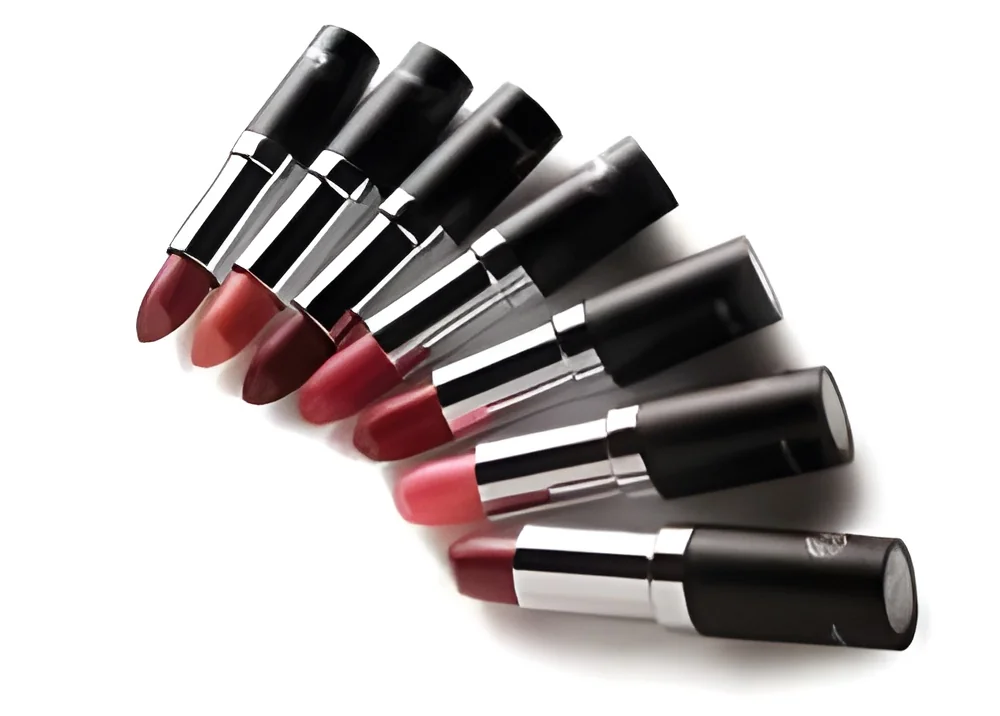
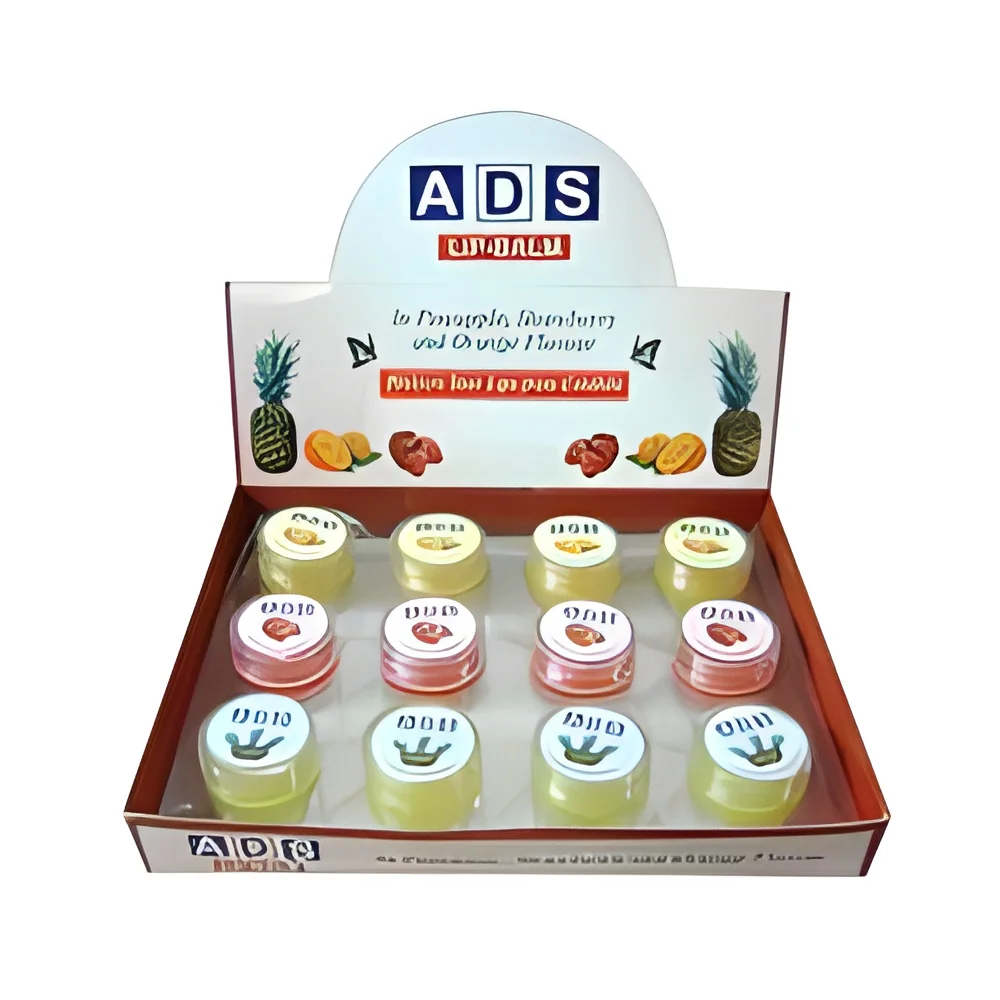
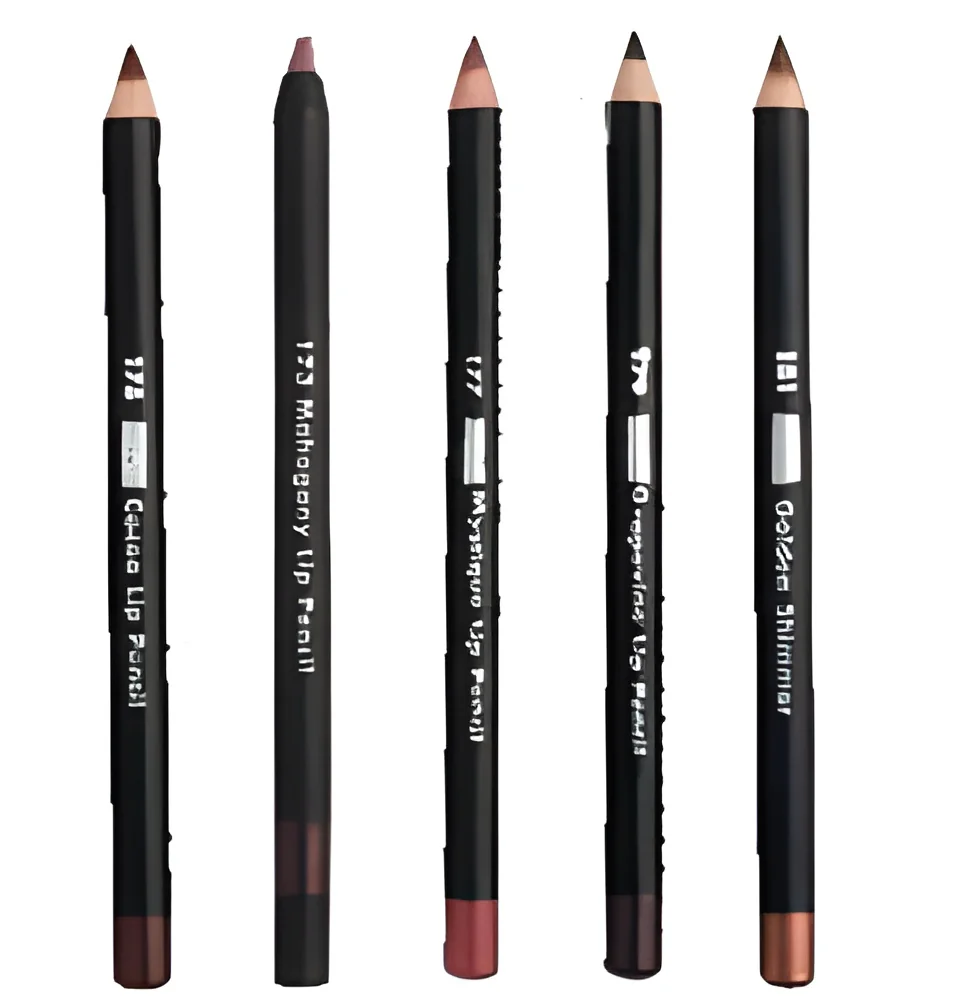
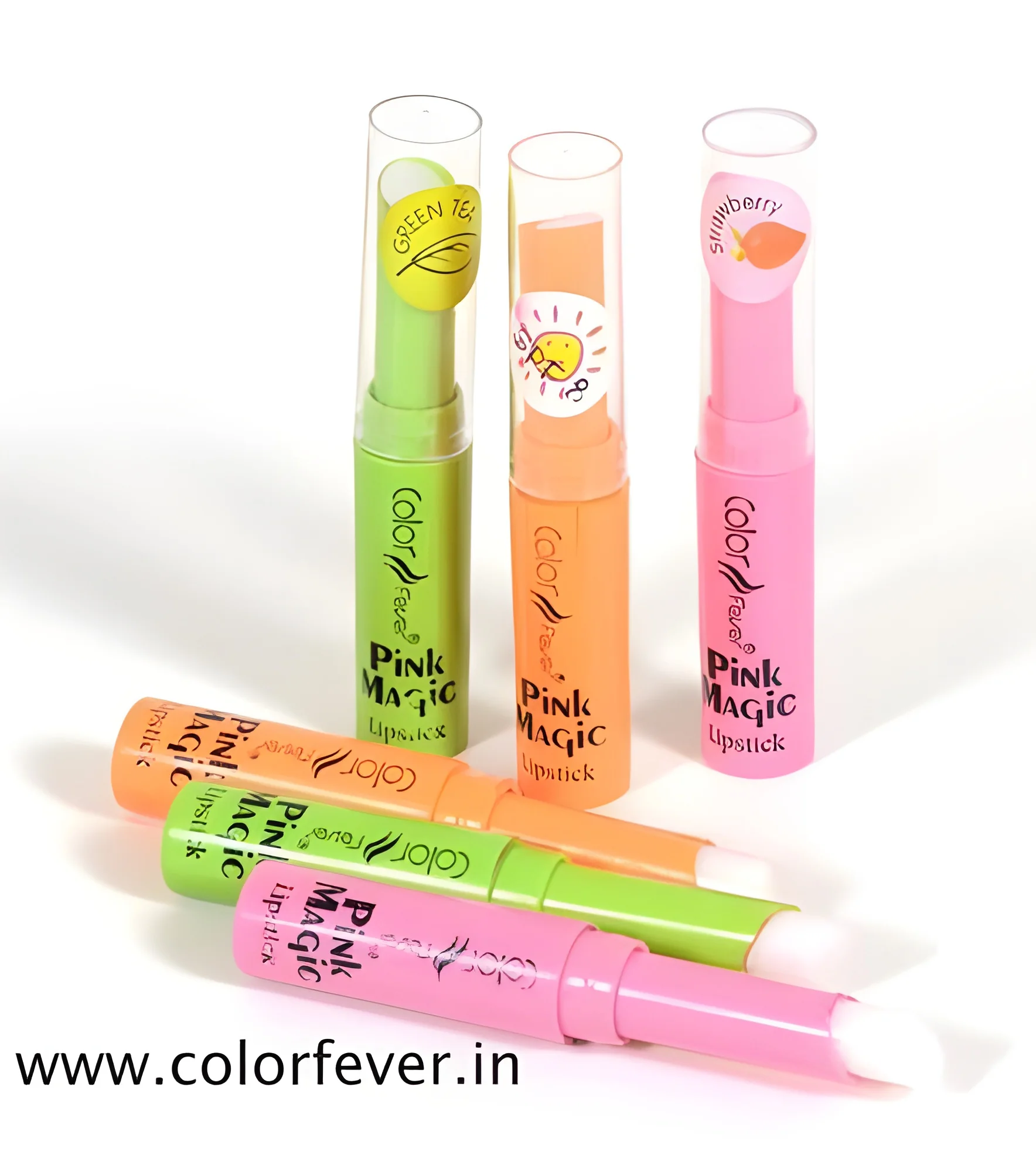
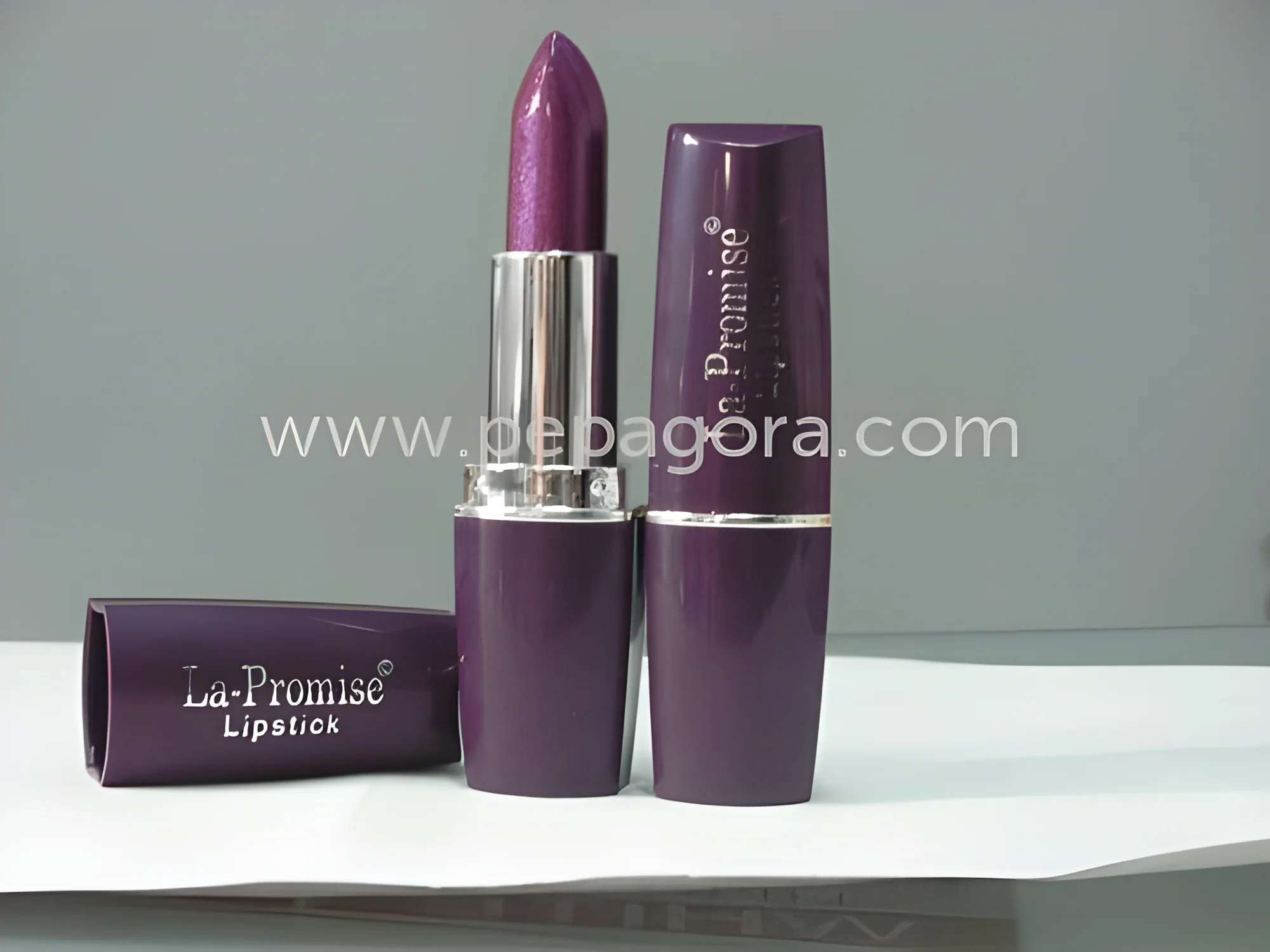
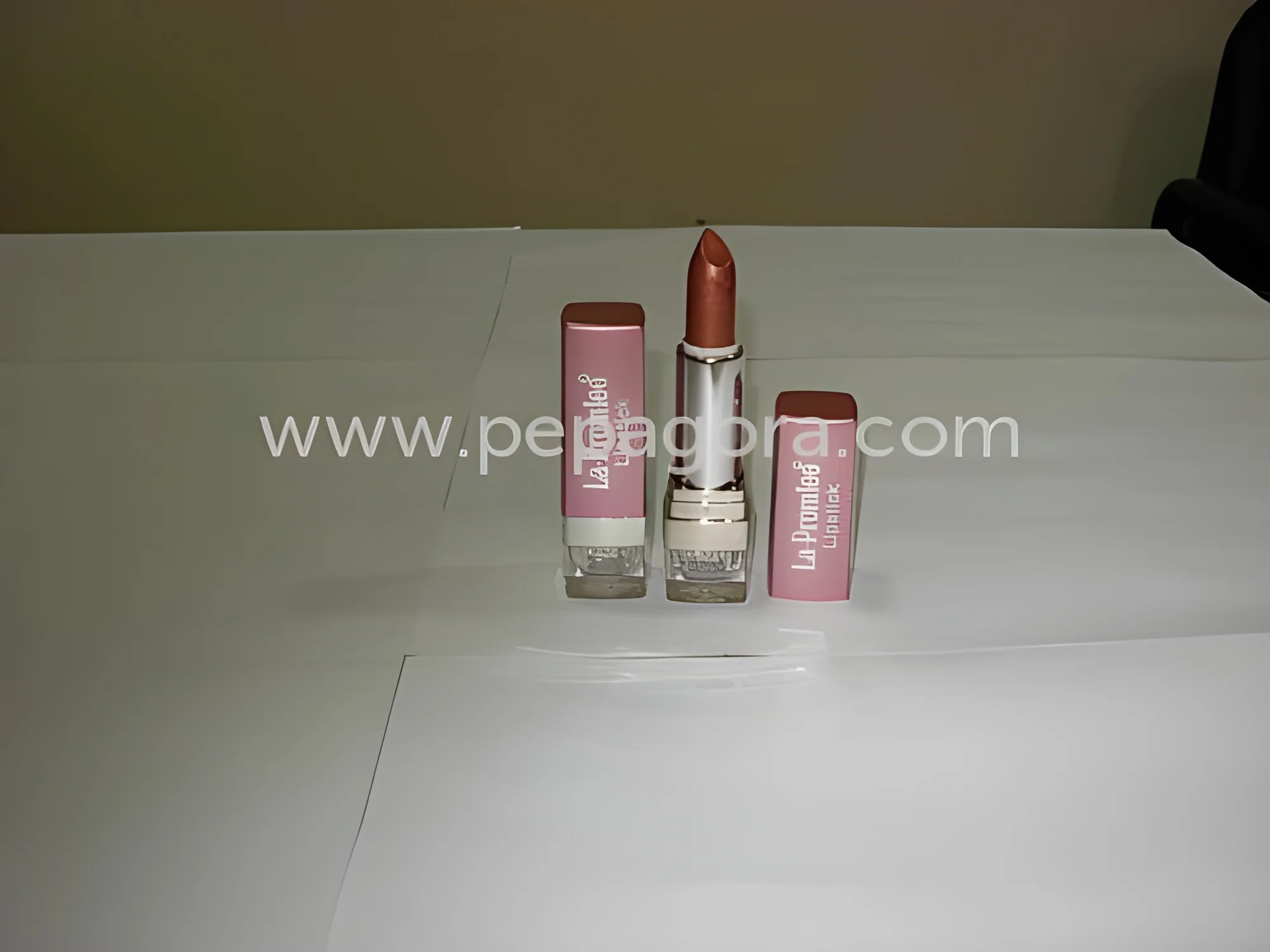
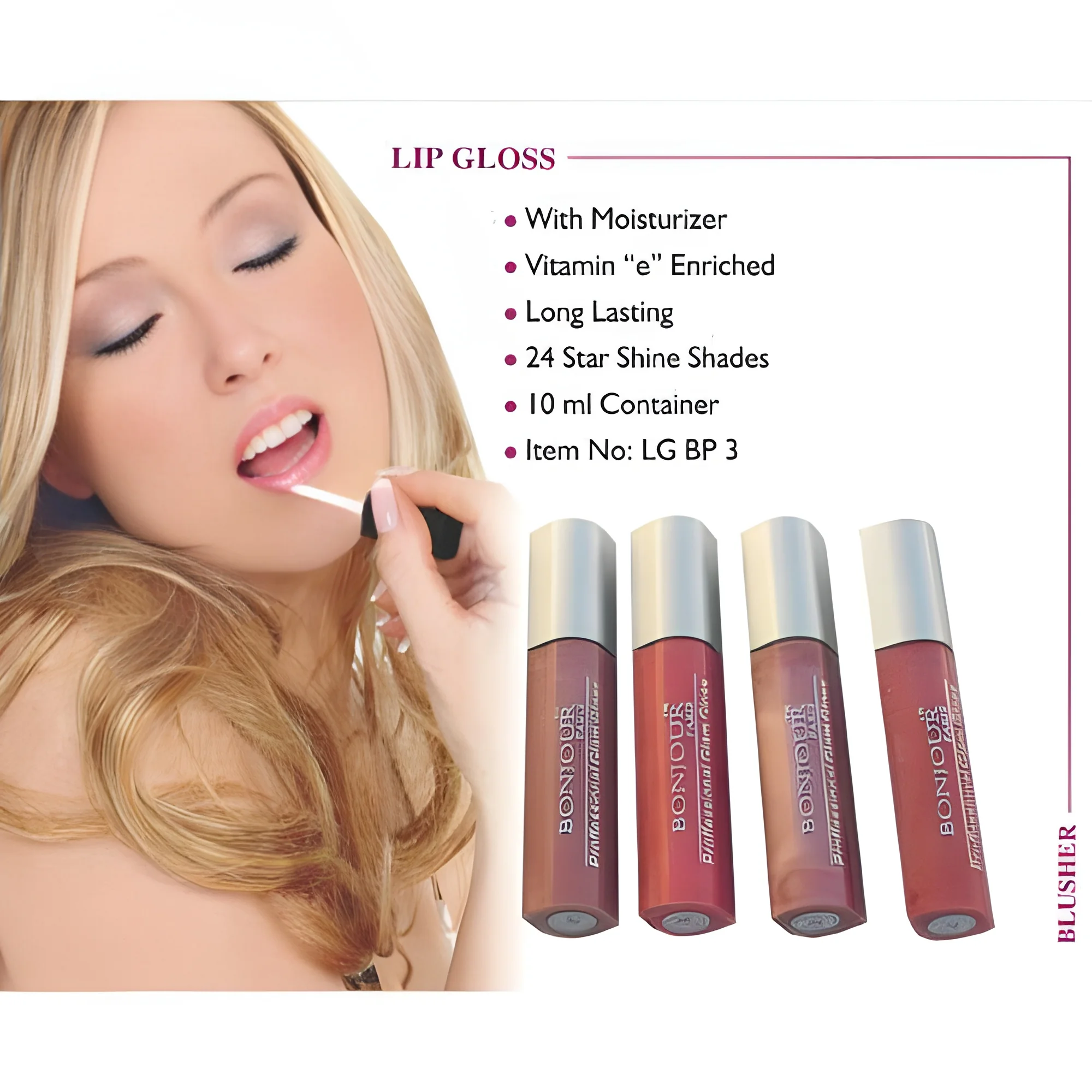
Lip Products: This category includes lipsticks, lip glosses, and lip liners, allowing for a range of finishes from matte to glossy. These products enhance the lips and add color.
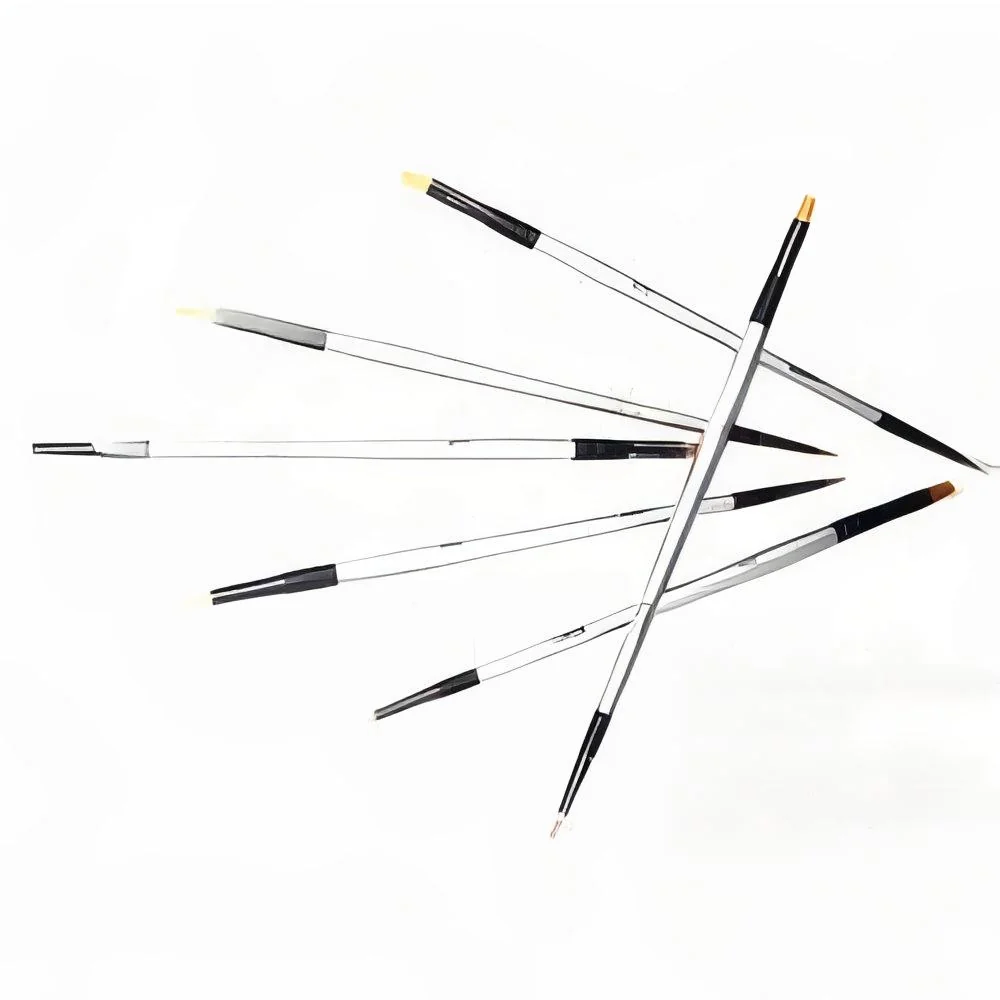
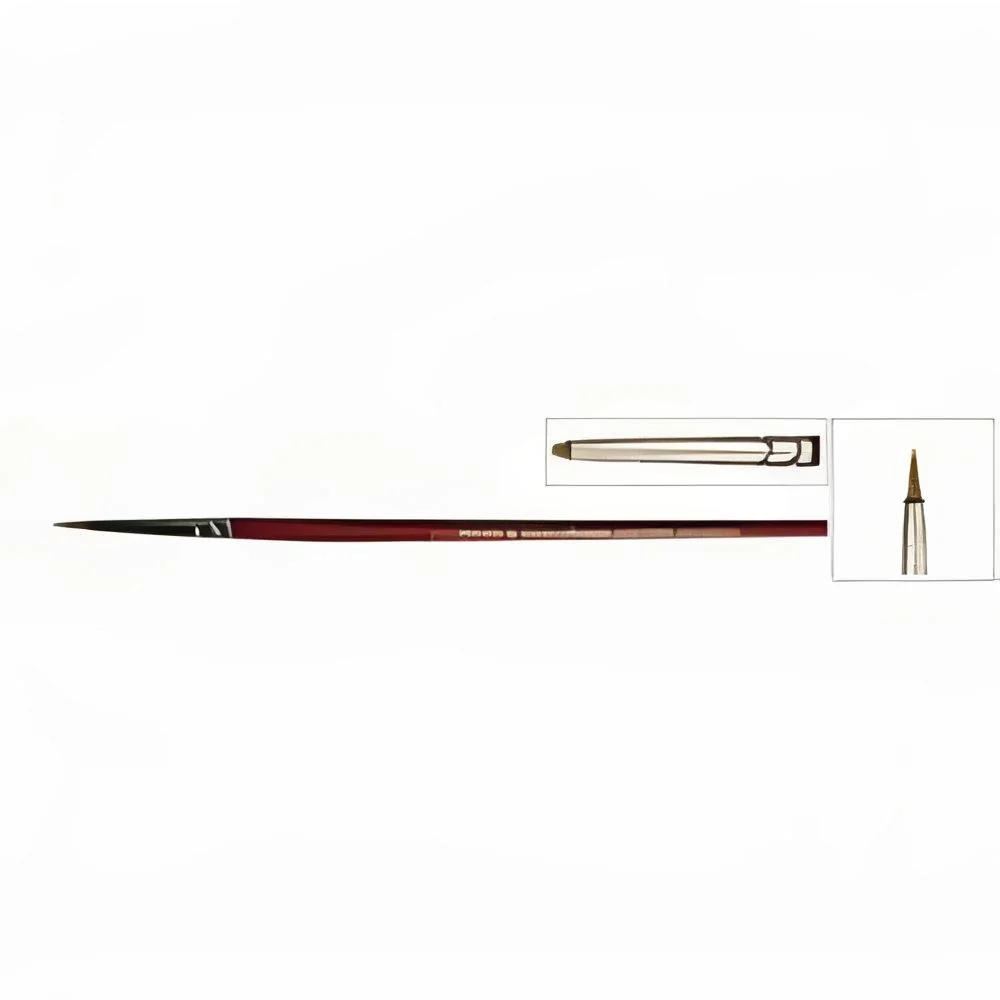
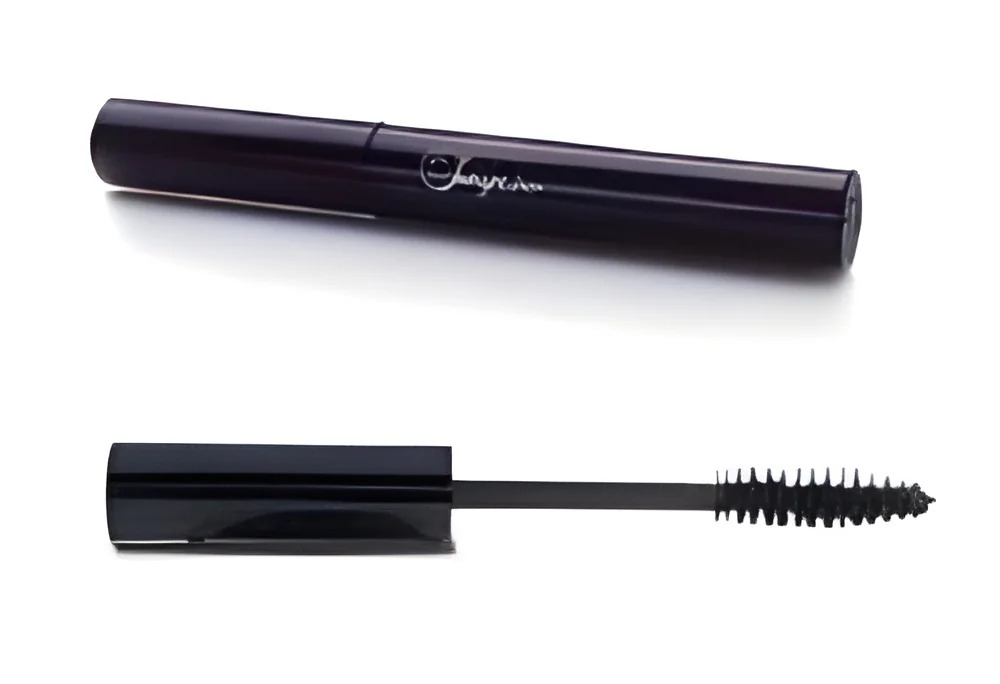
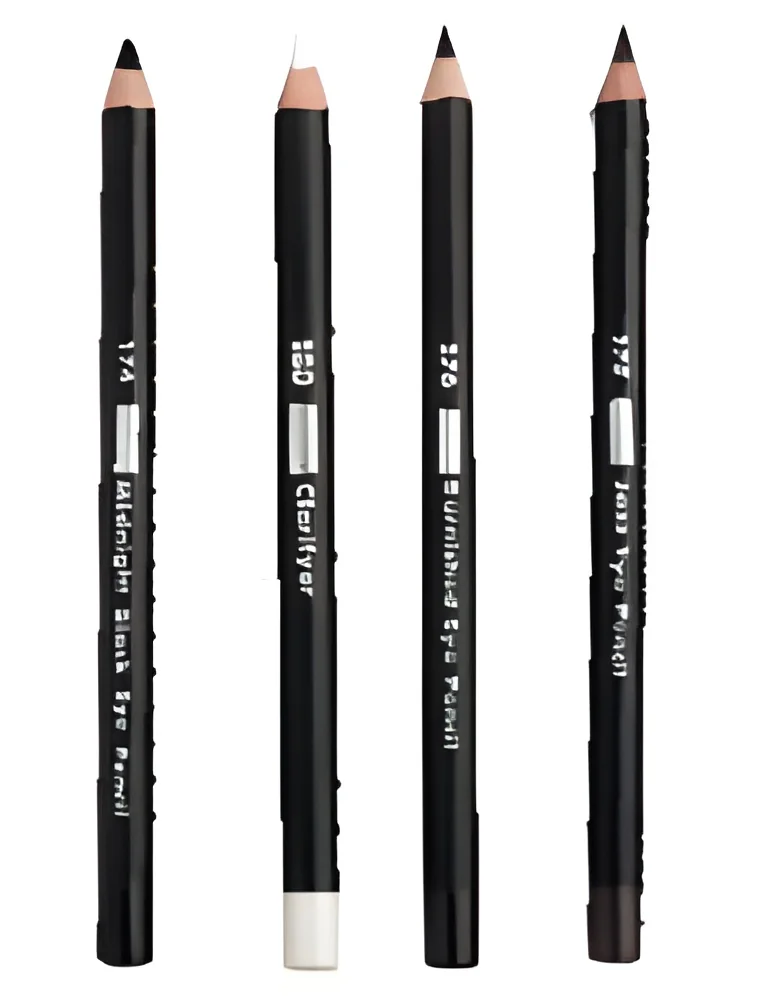
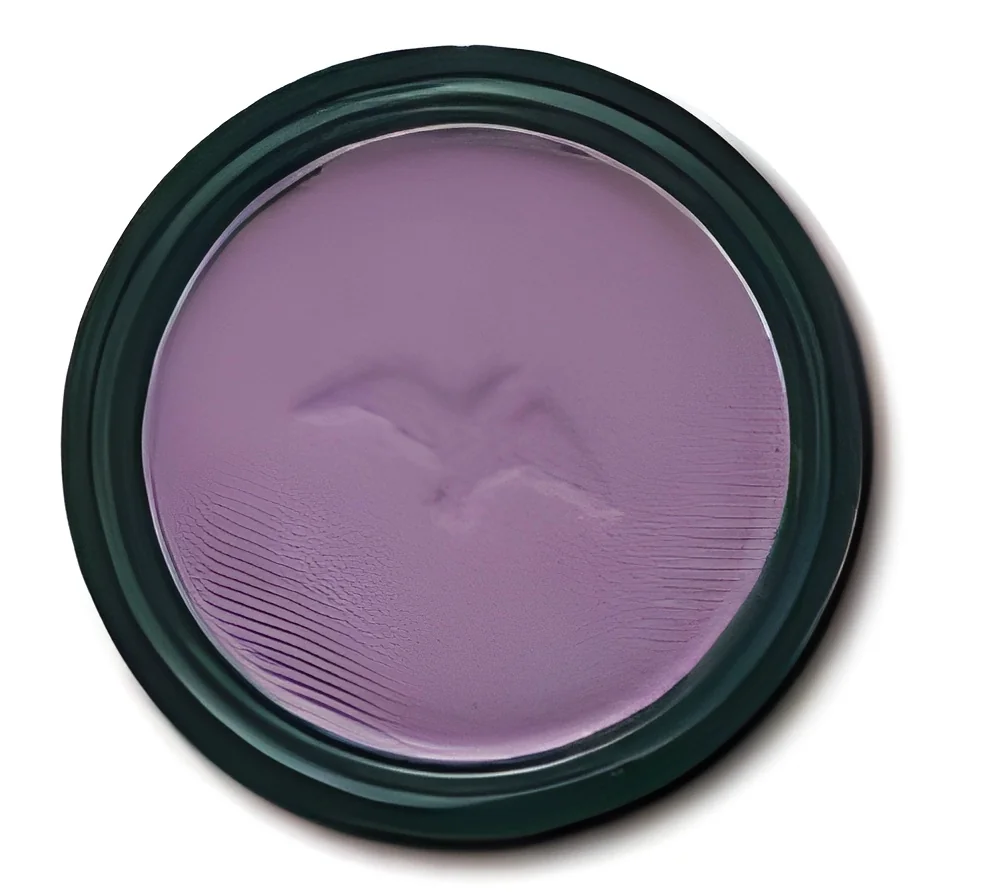
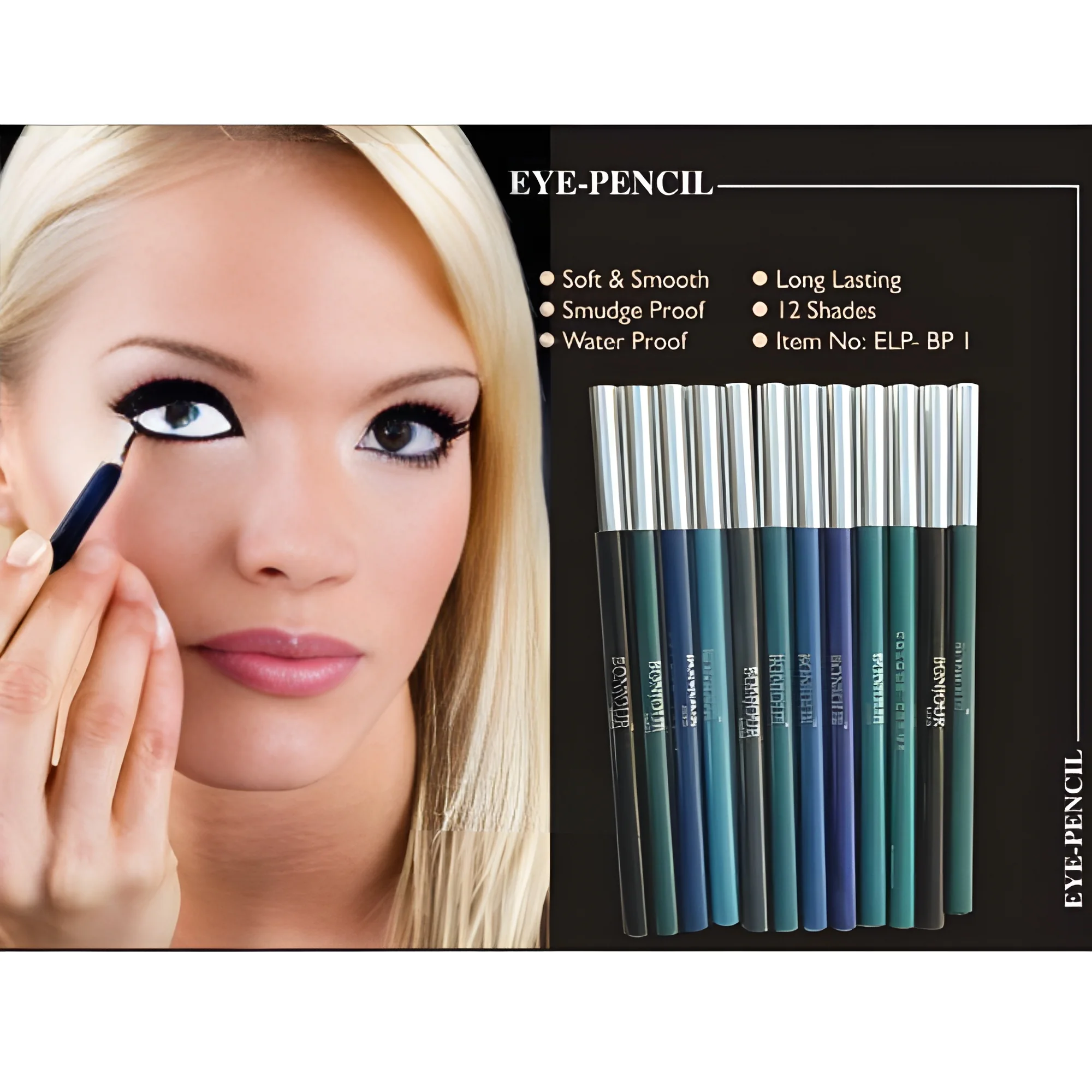
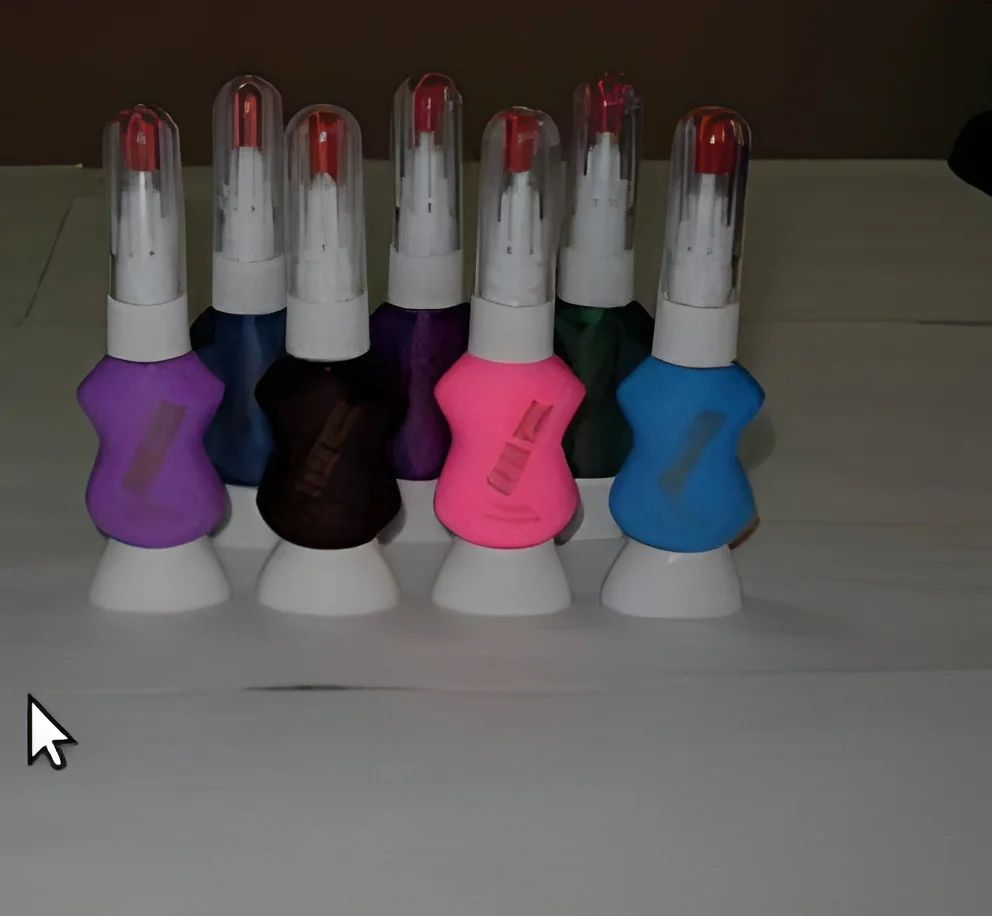
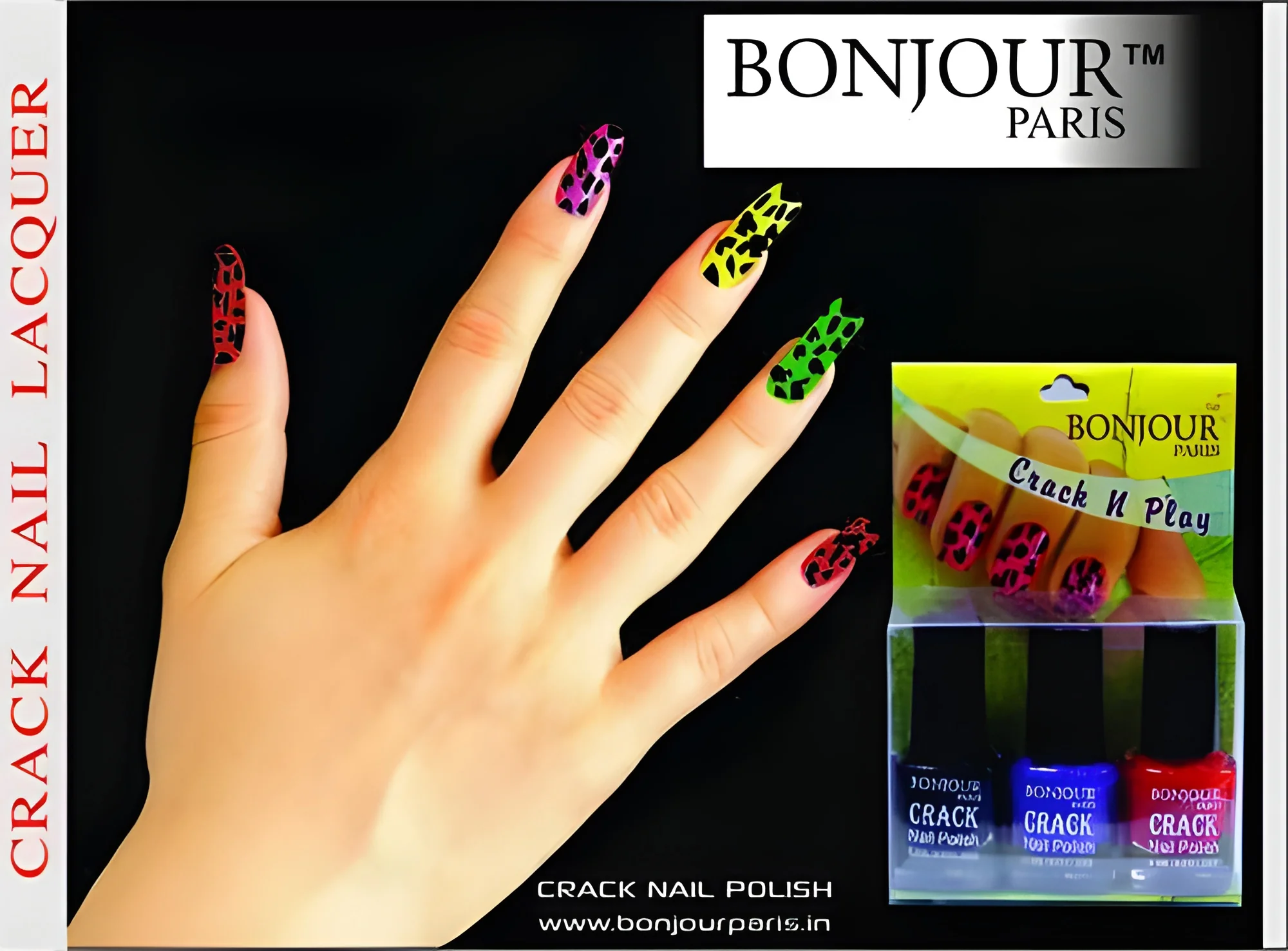
Eye Makeup: Comprising eye shadows, eyeliners, and mascaras, this variant focuses on enhancing the eyes. Formulations may vary from waterproof to easily removable.
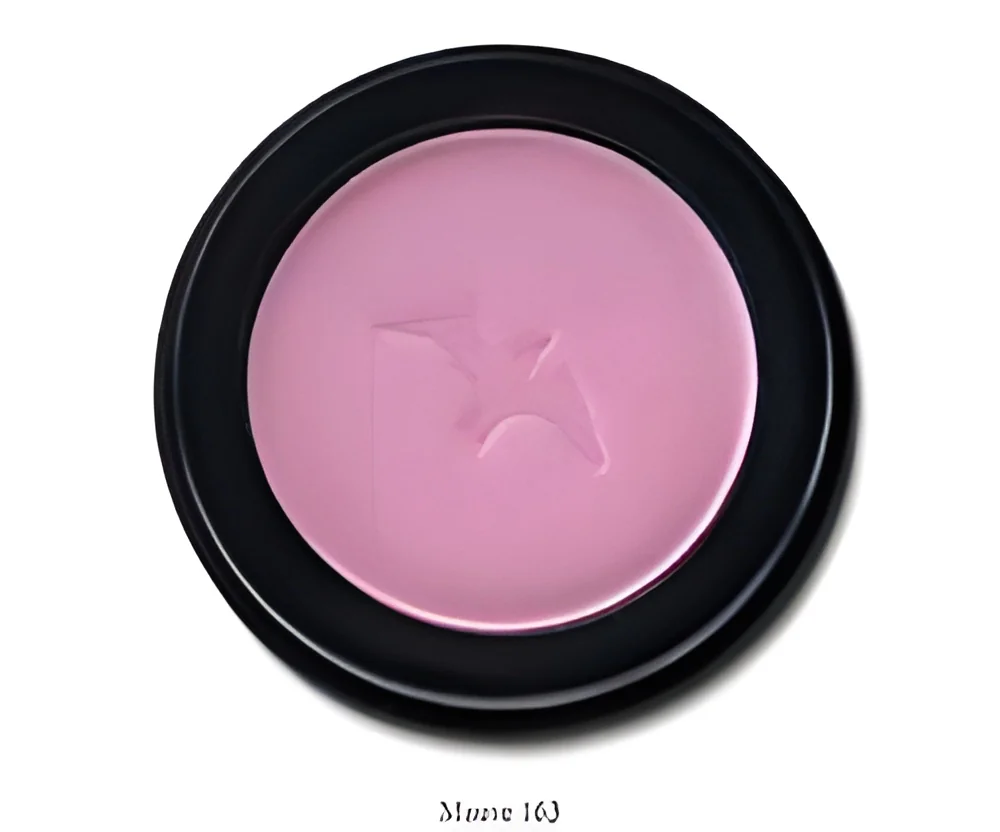
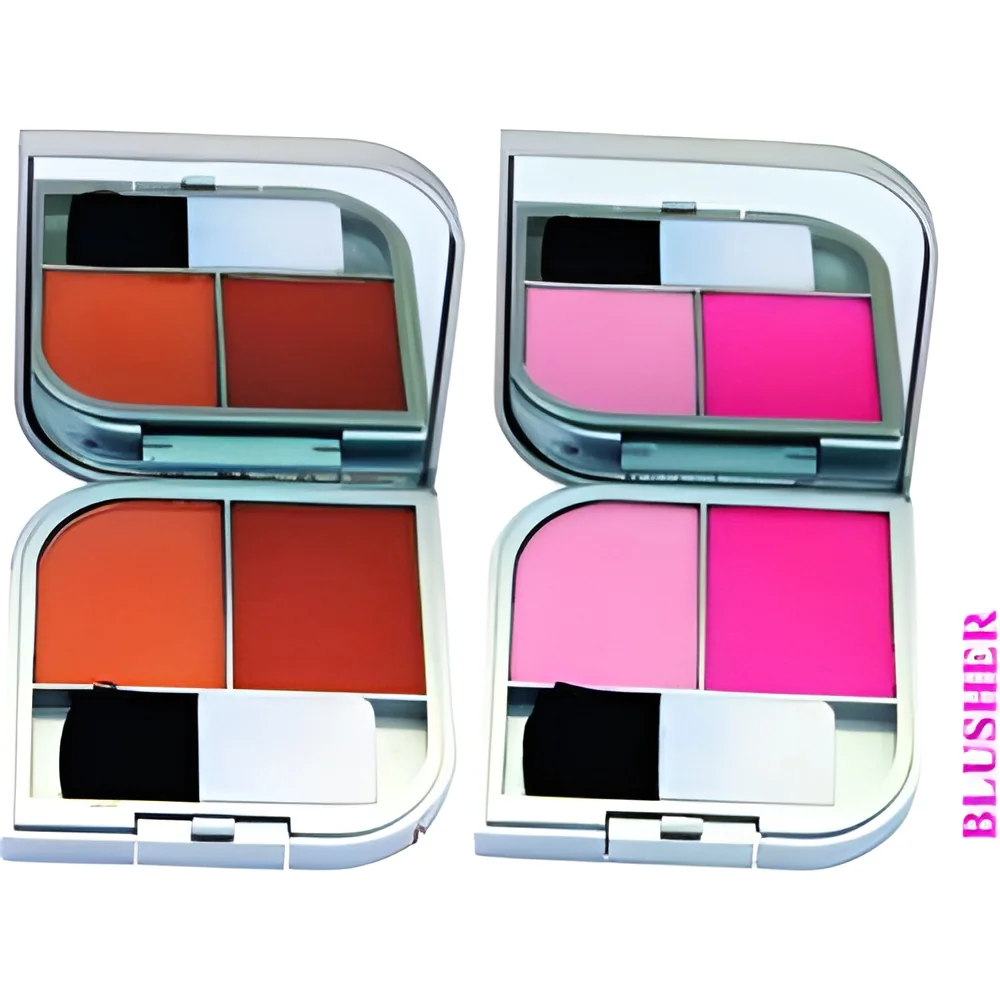
Blush: Available in powder or cream, blush adds color to the cheeks, contributing to a healthy and youthful appearance.
Skincare Cosmetics: Combining makeup with skincare benefits, these products include tinted moisturizers and BB creams, promoting both beauty and skin health.
𝗕𝗲𝗻𝗲𝗳𝗶𝘁𝘀 𝗮𝗻𝗱 𝗔𝗱𝘃𝗮𝗻𝘁𝗮𝗴𝗲𝘀
Investing in makeup and cosmetics provides several key benefits.
1. Enhances Appearance: Makeup allows individuals to enhance their features, boosting confidence and self-esteem.
2. Versatility: A wide variety of products enables users to create countless looks, from natural to glamorous.
3. Professional Quality: B2B buyers can access high-quality products that meet the demands of professional makeup artists and consumers alike.
4. Innovation: The industry is continually evolving, introducing new formulations and technologies that improve performance and user experience.
5. Brand Loyalty: Offering a diverse selection of makeup and cosmetics can foster customer loyalty, encouraging repeat business.
6. Market Demand: The growing interest in beauty and self-care presents opportunities for businesses to increase their product offerings and tap into new markets.
𝗕𝘂𝘆𝗶𝗻𝗴 𝗚𝘂𝗶𝗱𝗲 𝗳𝗼𝗿 𝗕𝟮𝗕 𝗕𝘂𝘆𝗲𝗿𝘀
When sourcing makeup and cosmetics, B2B buyers should consider several essential factors.
1. Quality Assessment: Evaluate products based on ingredient transparency, performance claims, and testing protocols to ensure high standards.
2. Supplier Verification: Conduct thorough research on suppliers, checking for certifications, reliability, and customer reviews to establish trust.
3. Pricing and MOQ: Understand cost structures and minimum order quantities to make informed purchasing decisions that align with budget constraints.
4. Delivery and Lead Times: Consider logistics and expected delivery times, ensuring that suppliers can meet business demands without delay.
5. Compliance Requirements: Stay informed about relevant regulations and certifications, such as CE, to ensure products meet safety and quality standards.
𝗖𝗼𝗺𝗽𝗹𝗶𝗮𝗻𝗰𝗲 𝗮𝗻𝗱 𝗖𝗲𝗿𝘁𝗶𝗳𝗶𝗰𝗮𝘁𝗶𝗼𝗻𝘀
Compliance with industry standards and certifications is essential for makeup and cosmetics. Key quality standards include ISO 9001, which ensures effective quality management systems, and HACCP, which focuses on food safety and hygiene, particularly for cosmetics with skincare claims.
Industry certifications, such as CE marking, indicate that products meet European health, safety, and environmental protection standards. This compliance reassures consumers and businesses about product safety.
Additionally, safety and testing requirements are crucial. Products should undergo dermatological and ophthalmological testing to minimize the risk of adverse reactions. Regional compliance considerations vary, so it is vital for businesses to be aware of specific regulations in their target markets.
𝗪𝗵𝘆 𝗦𝗼𝘂𝗿𝗰𝗲 𝗠𝗮𝗸𝗲𝘂𝗽 & 𝗖𝗼𝘀𝗺𝗲𝘁𝗶𝗰𝘀 𝗳𝗿𝗼𝗺 𝗣𝗲𝗽𝗮𝗴𝗼𝗿𝗮?
Pepagora provides a trusted platform for sourcing makeup and cosmetics, offering several key advantages to buyers.
Verified Supplier Network: Pepagora maintains a rigorous vetting process for suppliers, ensuring that only reputable and reliable manufacturers are featured on the platform. This builds trust and confidence among buyers.
Streamlined RFQ Process: The request for quotation (RFQ) system simplifies the sourcing process, allowing buyers to easily compare offers and negotiate terms with multiple suppliers at once.
Trade Assurance and Support: Pepagora offers buyer protection through trade assurance, providing support throughout the purchasing process to address any concerns or issues that may arise.
Regional Coverage: With a strong presence in India, the GCC, and Southeast Asia, Pepagora connects buyers with suppliers across a wide geographic area, ensuring access to diverse product offerings and competitive pricing.
By leveraging these advantages, businesses can make informed decisions when sourcing makeup and cosmetics, enhancing their product lines and meeting customer demands.

 IN
IN