
 IN
INNail Polishes (Glossy, Matte, Glitter)
18 products available
Key Features and Specifications
Common Applications and Use Cases
Product Variants and Subcategories
Benefits and Advantages
Buying Guide for B2B Buyers
Compliance and Certifications



Frequently Asked Questions
What are Nail Polishes (Glossy, Matte, Glitter)?
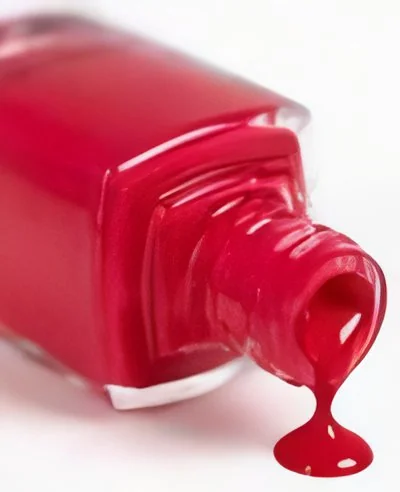
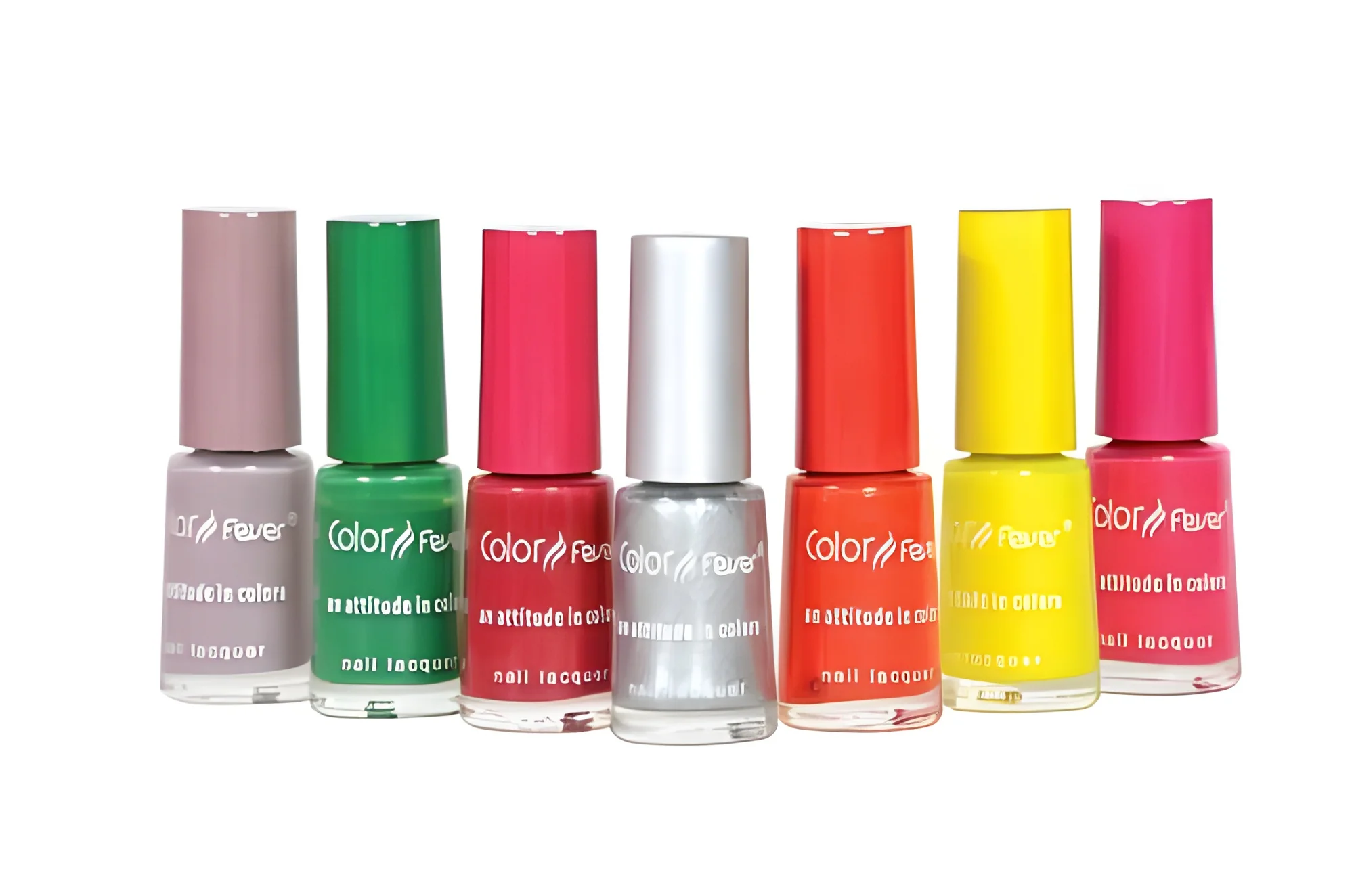
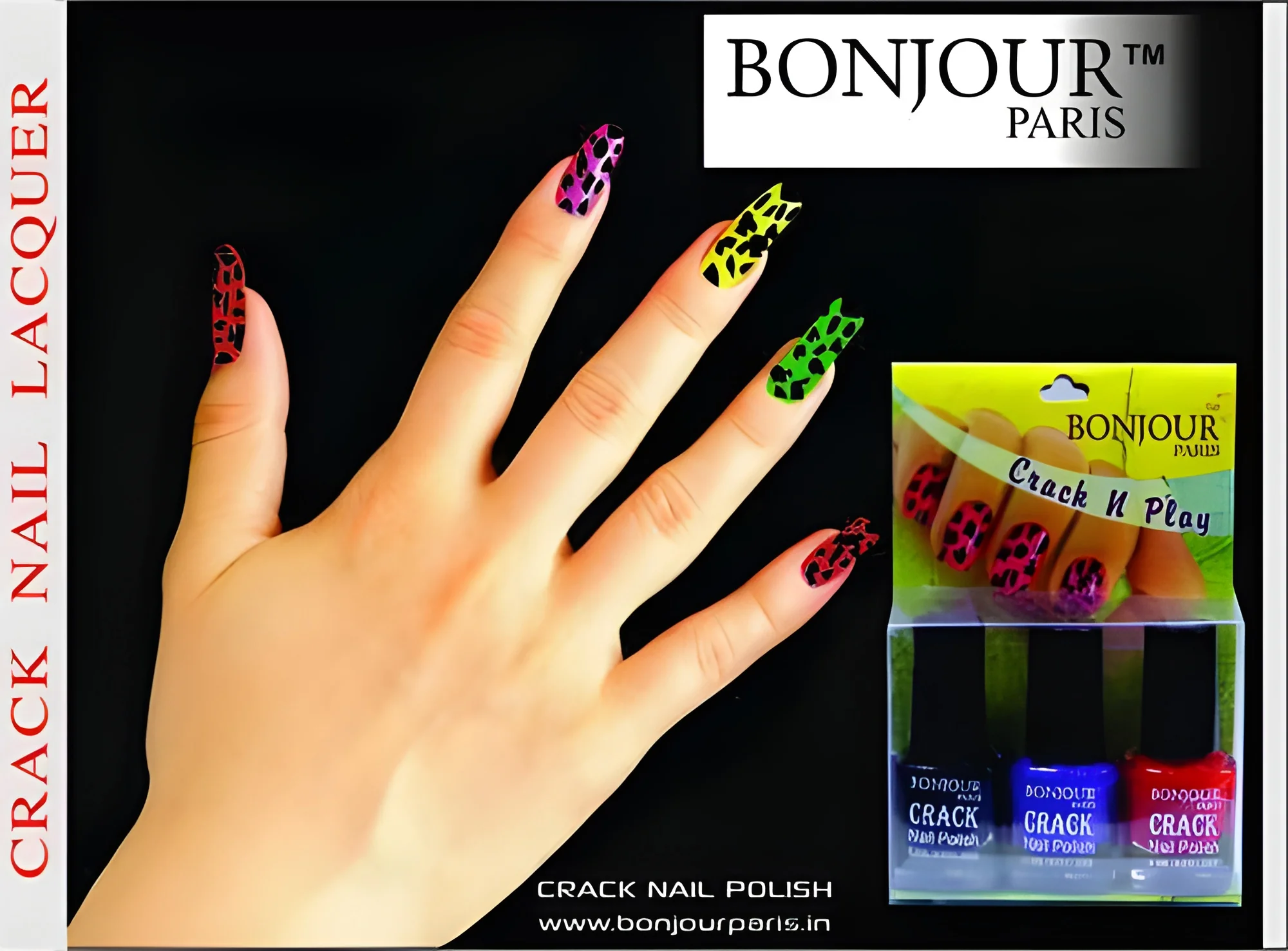
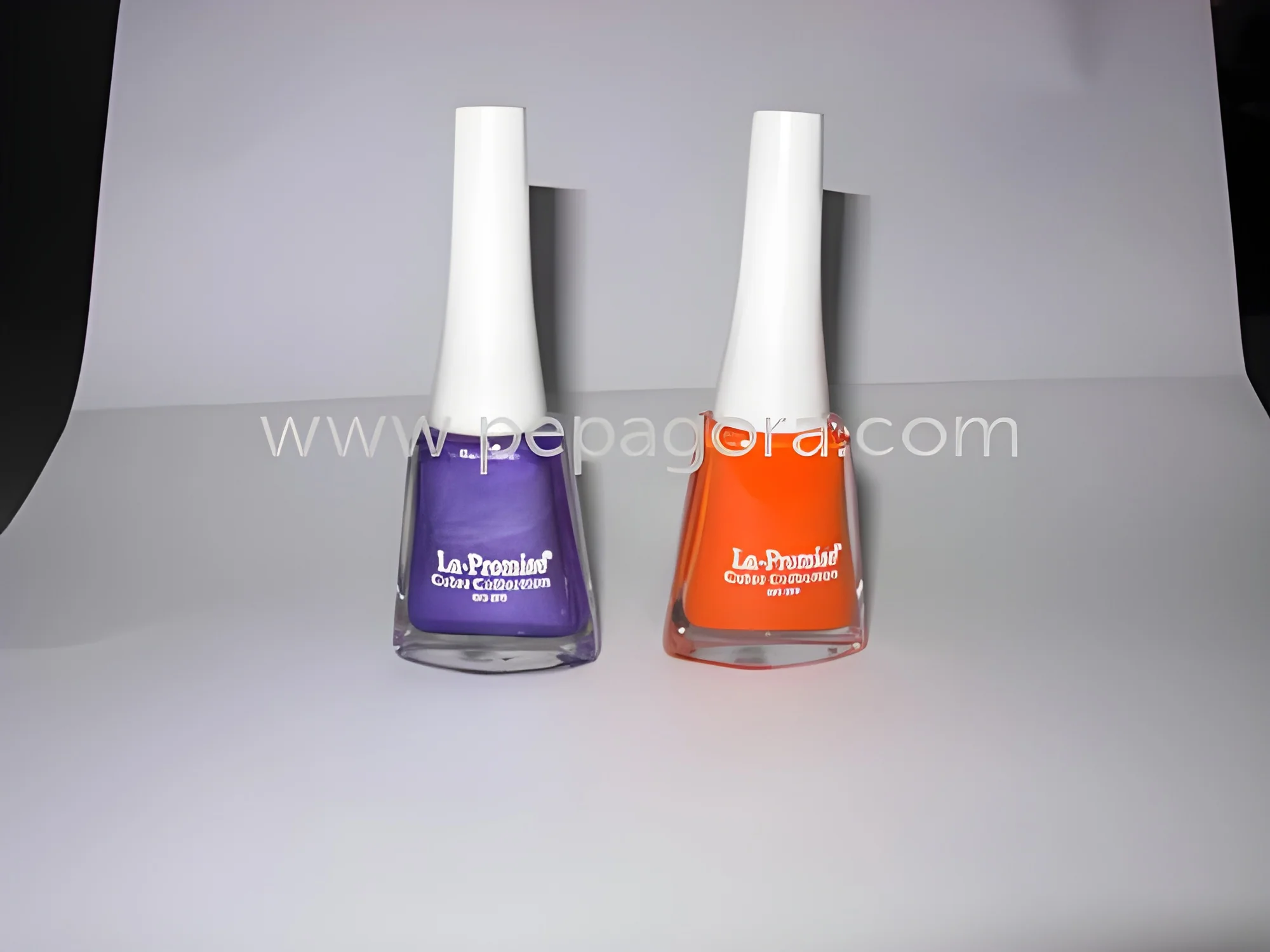
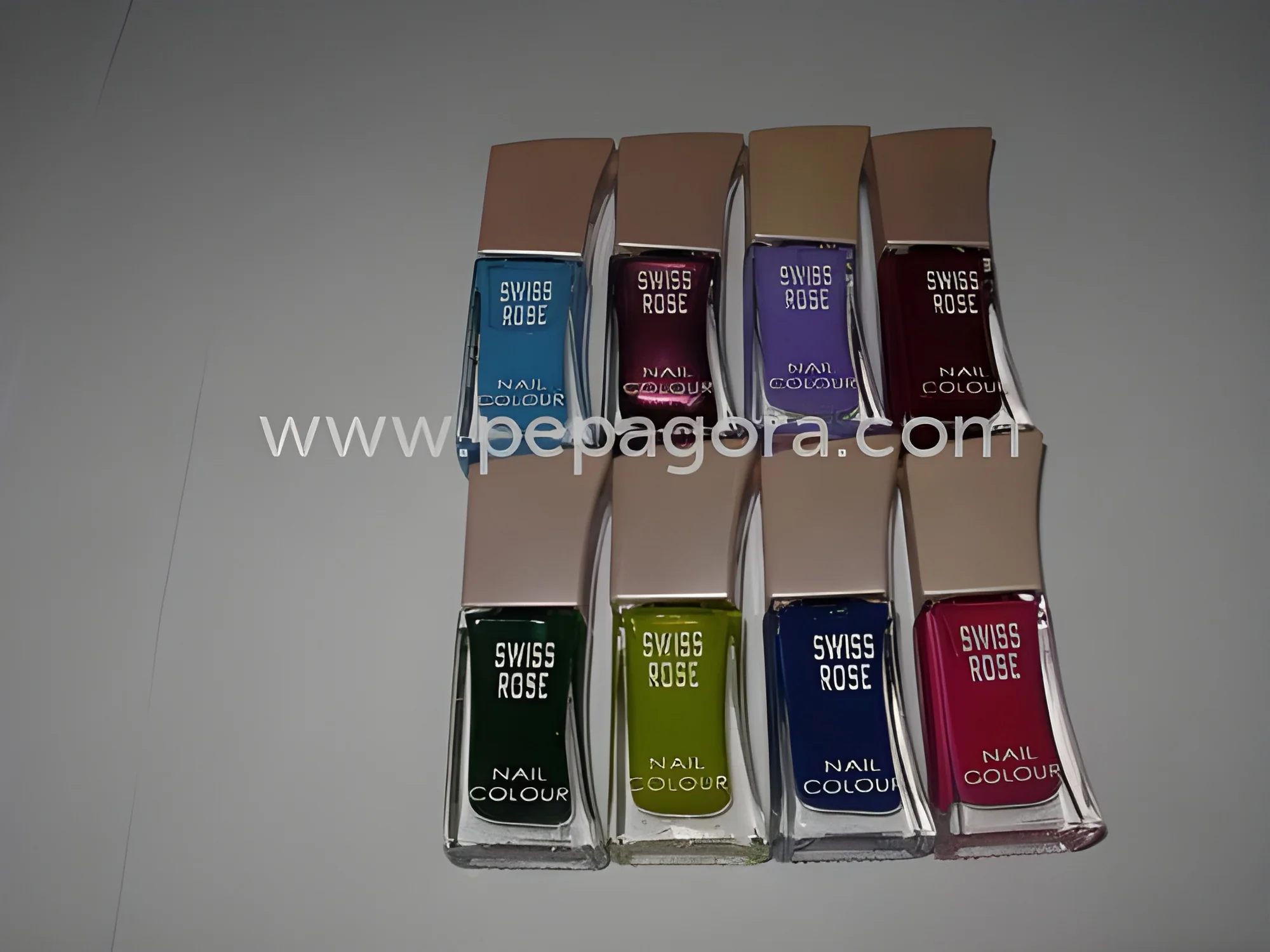
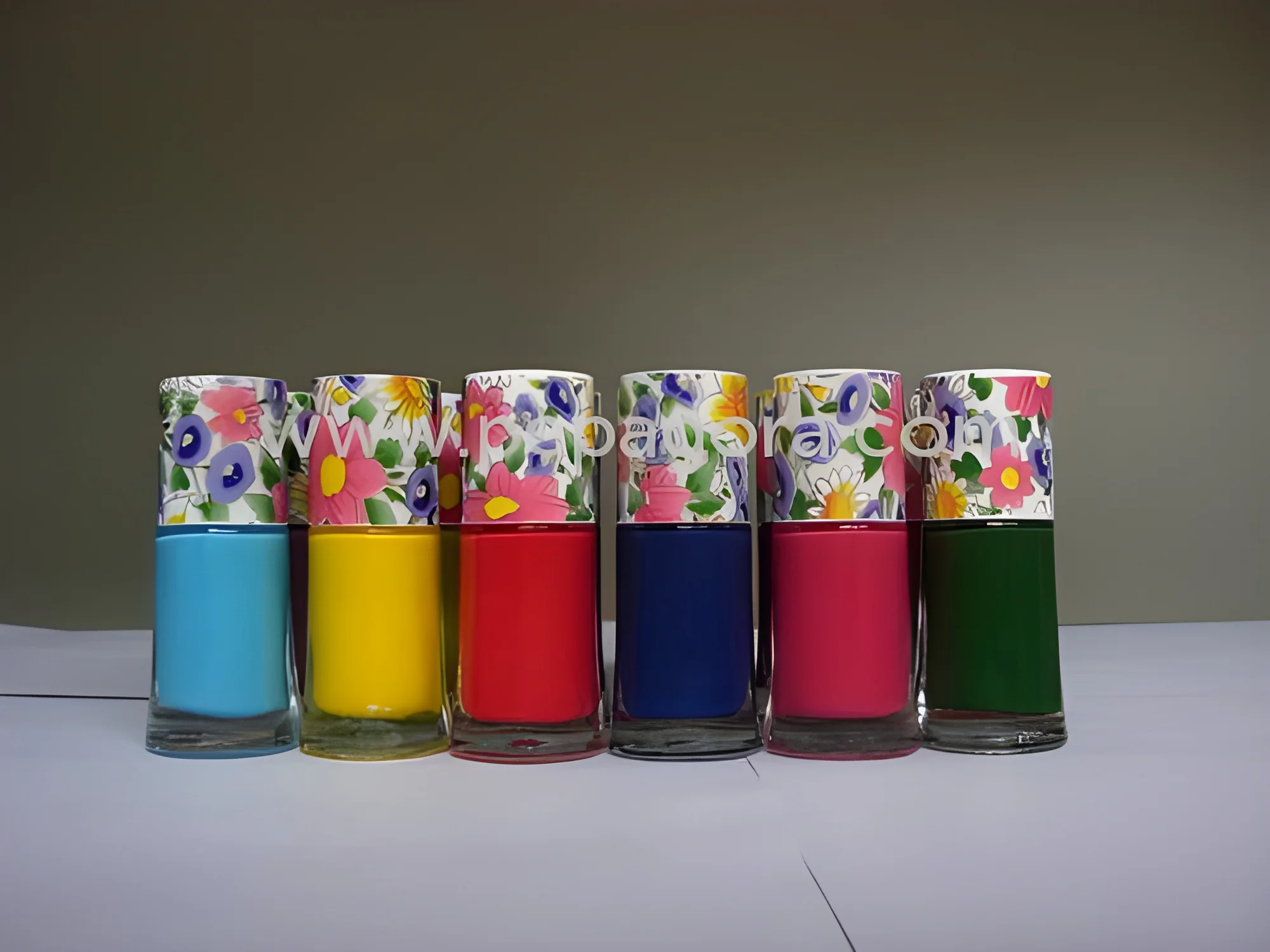
Nail Polishes (Glossy, Matte, Glitter) are cosmetic products used to enhance the appearance of nails. They come in various finishes, including glossy for a shiny look, matte for a non-reflective finish, and glitter for a sparkling effect.
What are the different types of Nail Polishes (Glossy, Matte, Glitter)?
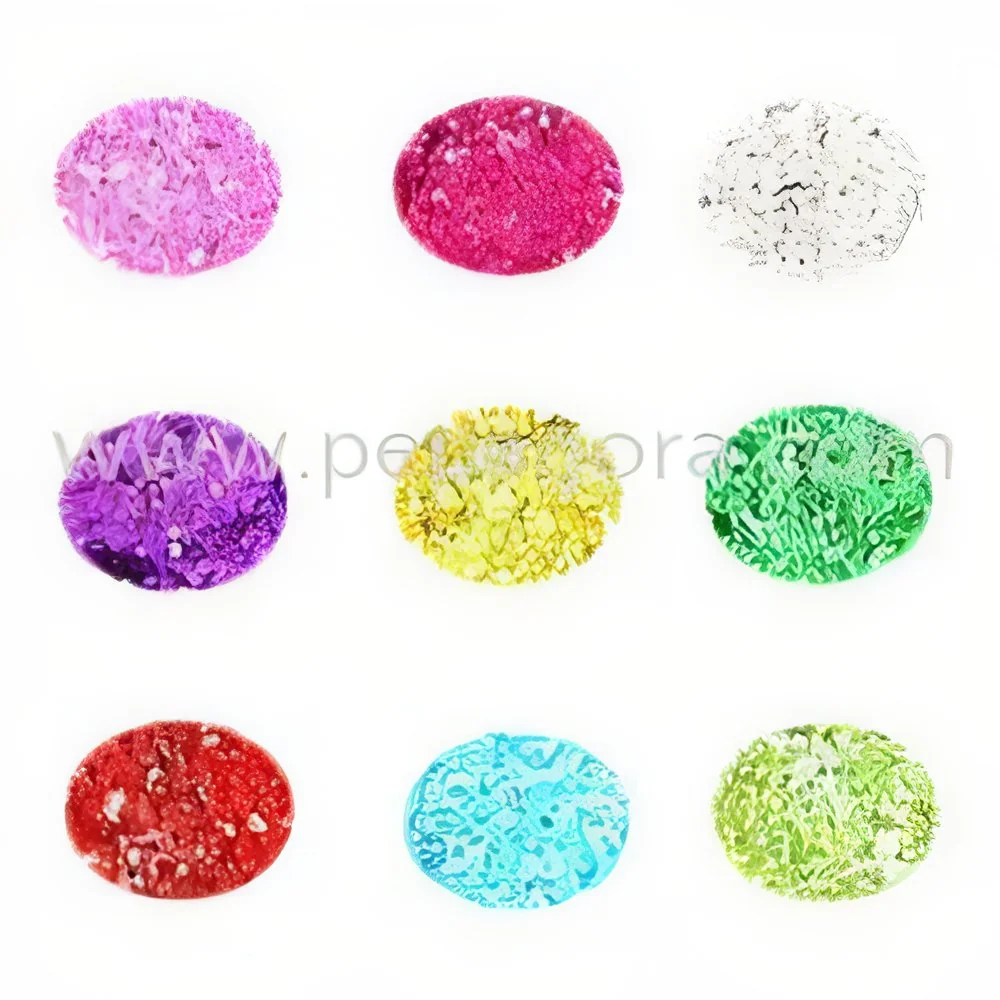
The primary types of Nail Polishes include glossy, which provides a shiny finish; matte, which offers a flat, non-shiny appearance; and glitter, which contains particles that create a sparkling effect. Each type serves a different aesthetic purpose and can be used individually or in combination.
How do I choose the right Nail Polishes (Glossy, Matte, Glitter)?
Choosing the right Nail Polish depends on personal preference, occasion, and skin tone. Consider factors such as the finish you desire, the color palette that complements your style, and the quality of the product for durability.
What are the standard specifications for Nail Polishes (Glossy, Matte, Glitter)?
Standard specifications for Nail Polishes include factors such as viscosity, drying time, and pigmentation. Additionally, safety standards and formulations must comply with health regulations to ensure they are safe for use.
What is the price range for Nail Polishes (Glossy, Matte, Glitter)?
The price range for Nail Polishes can vary widely based on brand, quality, and packaging. Generally, you can find basic options starting from a few hundred Indian Rupees to premium products that may cost significantly more.
What quality standards apply to Nail Polishes (Glossy, Matte, Glitter)?
Quality standards for Nail Polishes include compliance with cosmetic regulations, which ensure the products are free from harmful chemicals and allergens. Manufacturers often adhere to international quality certifications to guarantee safety and performance.
Where can I find Nail Polishes (Glossy, Matte, Glitter) suppliers in India?
You can find Nail Polishes suppliers in India through B2B marketplaces like Pepagora. These platforms connect buyers with manufacturers and distributors, allowing for easy sourcing and comparison of products.
Can Nail Polishes (Glossy, Matte, Glitter) be customized?
Yes, many manufacturers offer customization options for Nail Polishes, including specific colors, finishes, and packaging. Customization can be ideal for businesses looking to establish a unique brand identity or cater to specific customer preferences.
What is the typical minimum order quantity for Nail Polishes (Glossy, Matte, Glitter)?
The typical minimum order quantity (MOQ) for Nail Polishes can vary by supplier, but it often ranges from 100 to 1,000 units depending on the product type and manufacturer. It is advisable to check with specific suppliers for their MOQ policies.
What is the typical lead time for Nail Polishes (Glossy, Matte, Glitter)?
The typical lead time for Nail Polishes can range from 2 to 6 weeks, depending on the order size, customization requirements, and supplier capabilities. It is important to confirm lead times with suppliers during the ordering process.
Why Businesses Trust Pepagora
Thousands of companies trust Pepagora to source smarter and sell faster
Expand Your Sales Globally

Source Smarter,Grow Faster
