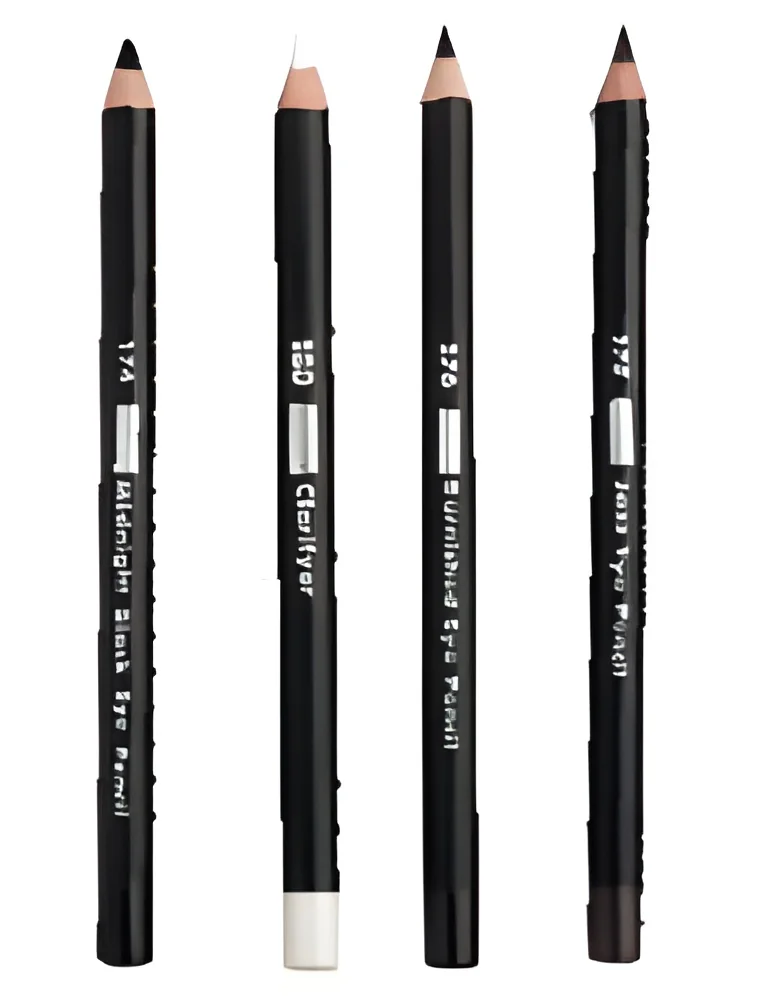
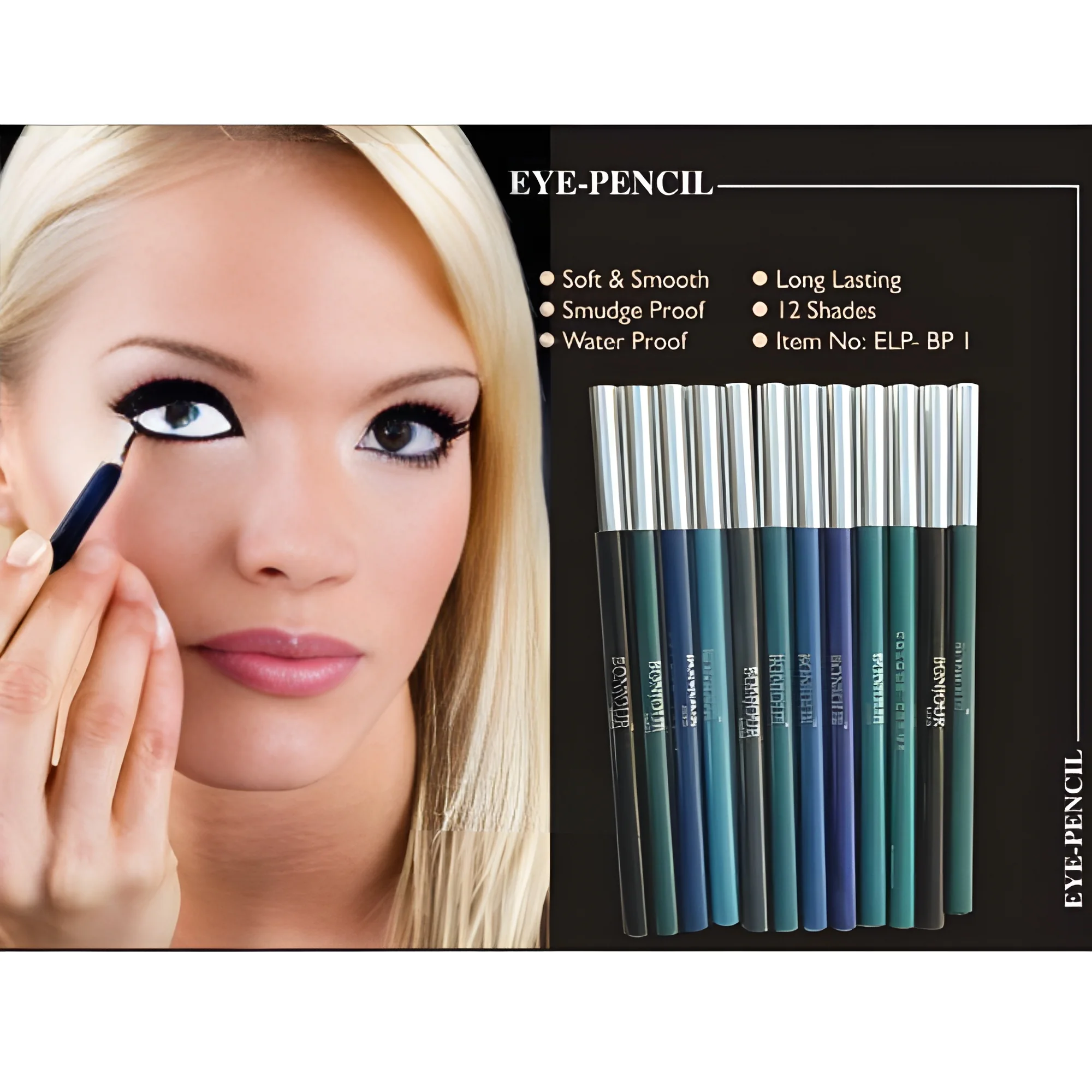
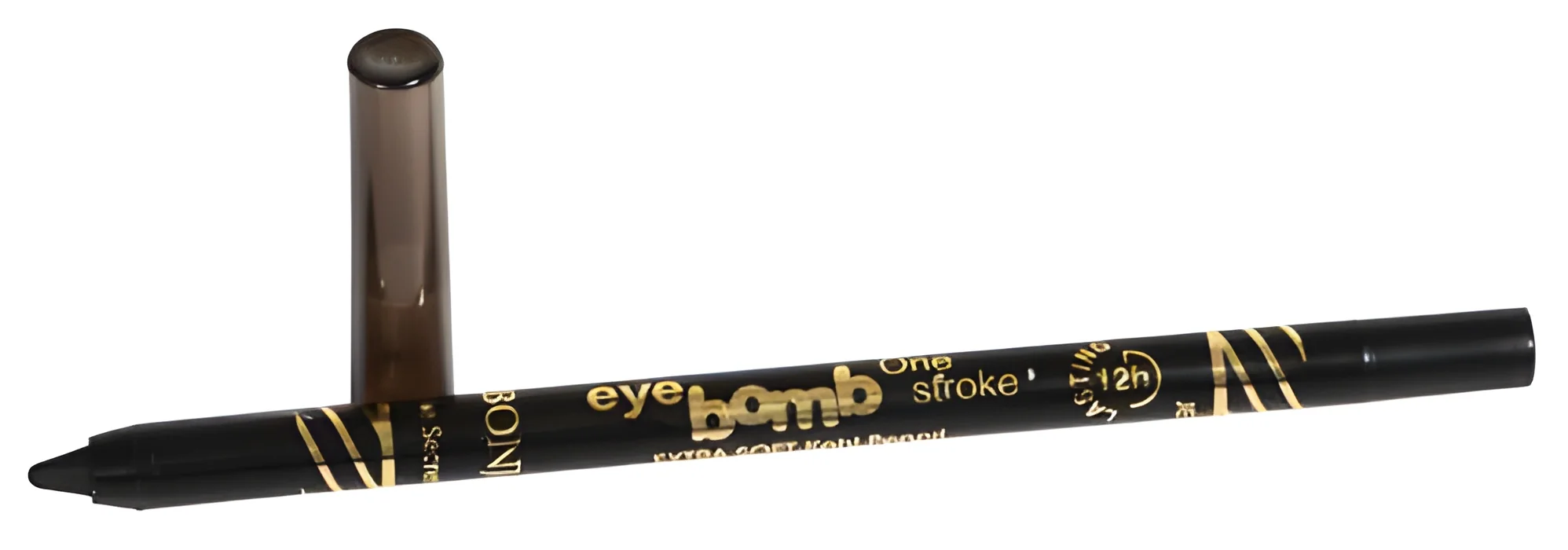
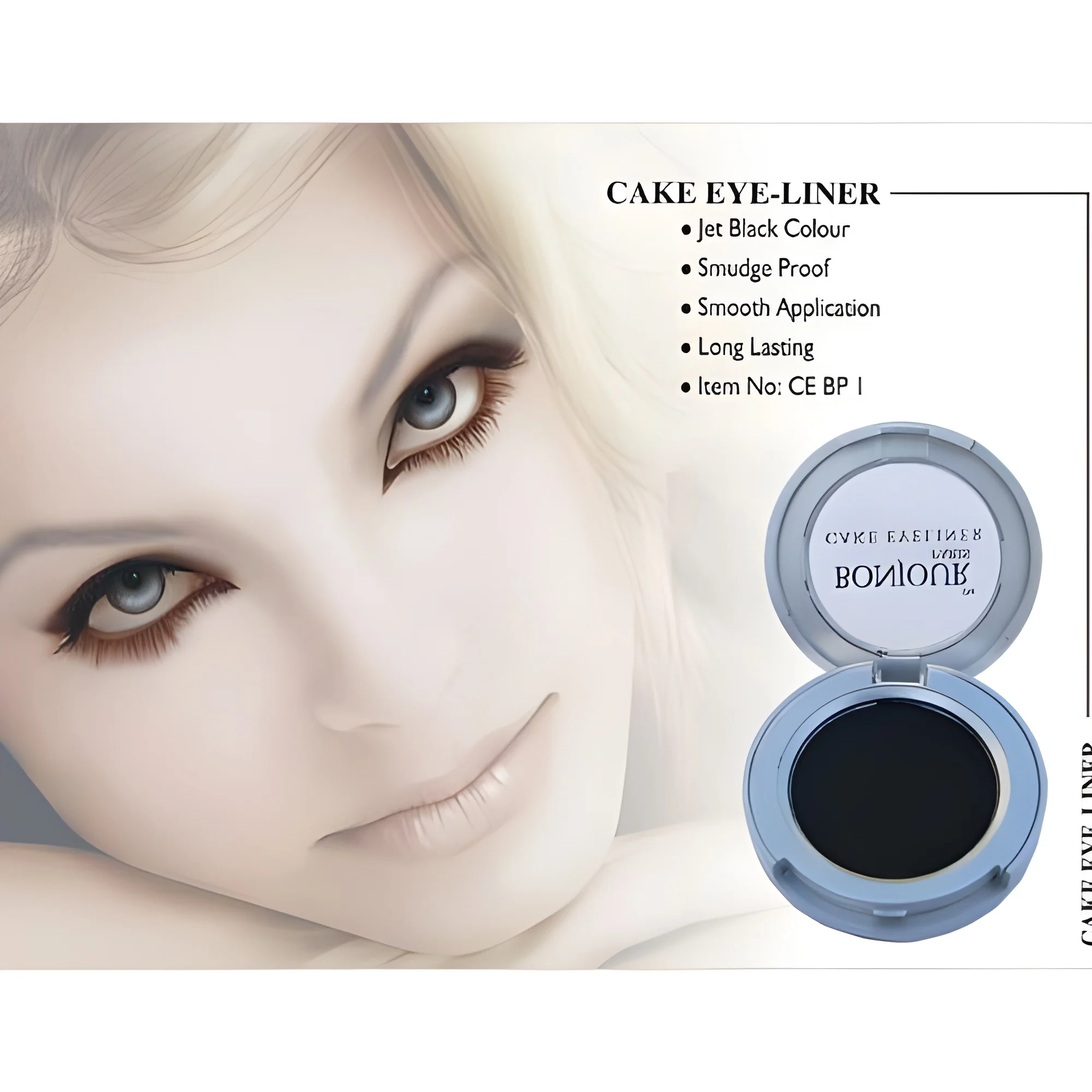
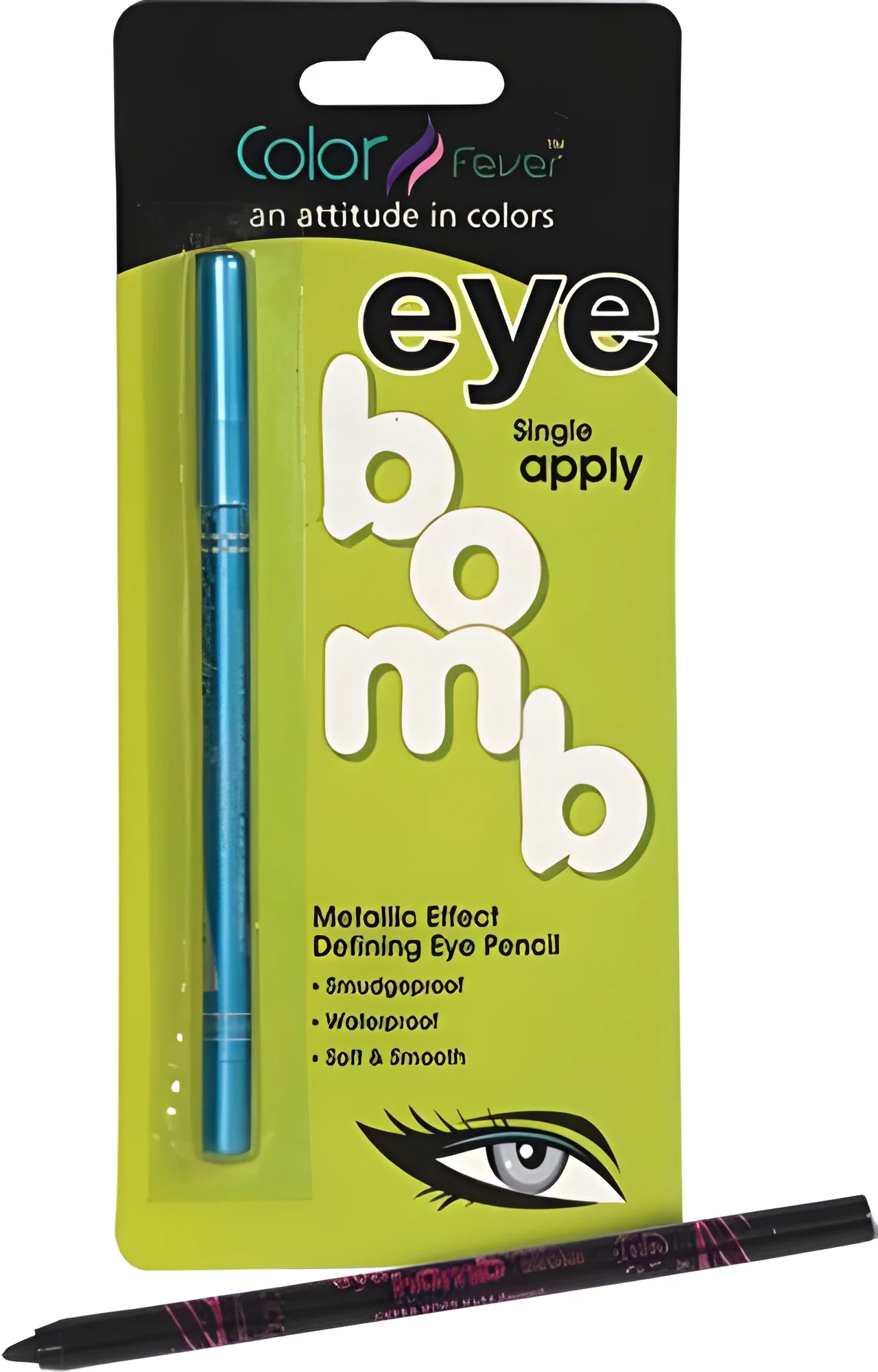
Key Features and Specifications
Eyeliners, whether pencil, gel, or liquid, come with a variety of features that cater to different user preferences and application techniques. Understanding these specifications is essential for businesses looking to source quality products.
Key specifications include:
1. Formulation Type
- This refers to the specific type of eyeliner, such as pencil, gel, or liquid.
- Each type has distinct application properties and performance characteristics.
2. Color Range
- Eyeliners are available in various shades, from traditional blacks and browns to vibrant colors.
- The color range allows for versatility in makeup applications.
3. Water Resistance
- Some eyeliners are formulated to be water-resistant or waterproof.
- This feature ensures longevity and durability throughout the day.
4. Finish Type
- Eyeliners can have different finishes, such as matte, glossy, or satin.
- The finish affects the overall look and feel on the skin.
5. Application Mechanism
- Pencil eyeliners are sharpenable or retractable, while gel and liquid eyeliners often come in tubes or pots.
- The application mechanism impacts ease of use and portability.
6. Shelf Life
- The shelf life indicates how long the product remains effective and safe to use.
- Most eyeliners have a shelf life ranging from 12 to 36 months.
7. Packaging Type
- Eyeliners may be packaged in various styles, including individual units or bulk options.
- Packaging considerations can influence shipping and storage.
8. Compliance Standards
- Many eyeliners adhere to specific safety and quality standards.
- Compliance with regulations is crucial for market acceptance.
In summary, understanding the key features and specifications of eyeliners allows businesses to make informed sourcing decisions that align with market demands.
Common Applications and Use Cases
Eyeliners serve a multitude of purposes across various industries, making them essential products for beauty and personal care markets.
1. Cosmetics Retail: Retailers offer eyeliners as part of their makeup lines, catering to consumers seeking everyday beauty solutions.
2. Professional Makeup: Makeup artists utilize eyeliners for events, photoshoots, and theatrical performances, requiring high-quality and versatile products.
3. Beauty Schools: Educational institutions incorporate eyeliners into their training programs, teaching aspiring makeup artists about application techniques and product knowledge.
4. Film and Television: Production teams rely on eyeliners to create specific looks for characters, emphasizing the importance of durability and performance.
5. Fashion Shows: Eyeliners are crucial in runway shows, where bold and creative makeup looks are essential for showcasing fashion collections.
6. E-commerce: Online beauty retailers focus on diverse product offerings, ensuring that consumers can find a wide range of eyeliners that meet their specific needs.
7. Subscription Boxes: Beauty subscription services often include eyeliners as part of their curated products, appealing to a broad audience of beauty enthusiasts.
Product Variants and Subcategories
The diversity of eyeliners allows businesses to choose products tailored to their target markets and customer preferences.
Pencil Eyeliners
Pencil eyeliners are known for their ease of use and versatility. They can be sharpened for a fine tip or used as is for a thicker line. Ideal for daily wear, they are available in various colors and finishes.
Gel Eyeliners
Gel eyeliners offer a creamy texture that glides on smoothly and provides a long-lasting finish. They can be applied with a brush for precision and are popular for both everyday and dramatic looks.
Liquid Eyeliners
Liquid eyeliners are favored for their ability to create sharp, defined lines. They typically come with a brush or felt-tip applicator, making them suitable for intricate designs and bold eye makeup.
Benefits and Advantages
Sourcing eyeliners provides numerous benefits to businesses in the beauty industry.
1. Versatility: Eyeliners can be used for various makeup styles, from natural to dramatic, appealing to a wide audience.
2. Easy Application: Many eyeliners are designed for ease of use, allowing consumers of all skill levels to achieve desired looks.
3. Long-lasting Performance: Quality eyeliners offer durability and resistance to smudging or fading, enhancing user satisfaction.
4. Diverse Options: With different types and colors available, businesses can cater to diverse customer preferences and trends.
5. High Demand: The growing interest in beauty products ensures a steady market for eyeliners, providing opportunities for business growth.
6. Brand Loyalty: Offering quality eyeliners can foster consumer loyalty, as customers return for products that meet their expectations.
Buying Guide for B2B Buyers
When sourcing eyeliners, it is important for businesses to consider several key factors to ensure they select the right products.
1. Quality Assessment: Evaluate the quality of eyeliners by reviewing product samples, customer feedback, and performance tests. This will help in determining the suitability for your target market.
2. Supplier Verification: Conduct thorough checks on potential suppliers to ensure they have a good reputation and can deliver quality products consistently. Look for certifications and customer reviews.
3. Pricing and MOQ: Understand the pricing structures and minimum order quantities (MOQs) of suppliers. This is crucial for budgeting and inventory management.
4. Delivery and Lead Times: Assess the logistics and delivery capabilities of suppliers to ensure they can meet your timelines. Consider factors like shipping methods and transit times.
5. Compliance Requirements: Ensure that the eyeliners meet relevant regulatory requirements and safety standards. This includes checking for certifications and testing processes.
Compliance and Certifications
Compliance with quality standards and regulations is essential for eyeliners to ensure safety and effectiveness.
Relevant quality standards, such as ISO 9001 and HACCP, help ensure that manufacturers maintain consistent quality control processes. These standards are critical in the production of cosmetic products, ensuring that they are safe for consumer use.
Industry certifications like CE indicate that products meet European safety and health requirements. This certification can enhance marketability and consumer trust.
Safety and testing requirements should include assessments for skin irritation and allergic reactions, ensuring that eyeliners are safe for all users.
Additionally, regional compliance considerations may vary, so businesses must be aware of local regulations regarding cosmetic products to avoid legal issues.
Why Source Eyeliners (Pencil, Gel, Liquid) from Pepagora?
Pepagora offers a reliable platform for sourcing eyeliners, providing several advantages for businesses.
Verified Supplier Network: Pepagora has established a network of verified suppliers, ensuring that businesses can find reputable manufacturers who meet quality standards.
Streamlined RFQ Process: The Request for Quotation (RFQ) process is designed to be straightforward, allowing businesses to request quotes efficiently and compare options easily.
Trade Assurance and Support: Pepagora offers trade assurance, providing an extra layer of protection for buyers. This ensures that businesses can source products with confidence.
Regional Coverage: With strong presence in India, the GCC, and Southeast Asia, Pepagora enables businesses to access a wide range of suppliers and products tailored to various markets.
By choosing Pepagora, businesses can effectively navigate the sourcing process for eyeliners, ensuring they find products that meet their specific needs and quality expectations.

 IN
IN