
 IN
Laboratory Tools & Instruments
100 products available
𝗪𝗵𝗮𝘁 𝗮𝗿𝗲 𝗟𝗮𝗯𝗼𝗿𝗮𝘁𝗼𝗿𝘆 𝗧𝗼𝗼𝗹𝘀 & 𝗜𝗻𝘀𝘁𝗿𝘂𝗺𝗲𝗻𝘁𝘀?
Laboratory Tools & Instruments are essential devices and equipment utilized in scientific research, testing, and analysis across various industries. These tools range from simple glassware like beakers and flasks to advanced analytical instruments such as spectrophotometers and chromatographs. Their primary purpose is to facilitate experiments, ensure accurate measurements, and maintain controlled environments, which are vital for obtaining reliable results.
These instruments find their primary applications in fields such as pharmaceuticals, biotechnology, food and beverage testing, and environmental monitoring. In these industries, they are employed for tasks like quality control, product development, and compliance with safety regulations. The importance of precise measurements and reliable data in laboratory settings cannot be overstated, as they directly influence research outcomes and product quality.
As industries evolve, the demand for sophisticated laboratory tools and instruments continues to grow. The market is characterized by innovations aimed at enhancing efficiency, reducing errors, and supporting automation. This makes it crucial for businesses to stay informed about the latest advancements and trends in laboratory technology.
𝗞𝗲𝘆 𝗙𝗲𝗮𝘁𝘂𝗿𝗲𝘀 𝗮𝗻𝗱 𝗦𝗽𝗲𝗰𝗶𝗳𝗶𝗰𝗮𝘁𝗶𝗼𝗻𝘀
Laboratory Tools & Instruments include a variety of features and specifications that enhance their functionality and ensure they meet industry standards. Understanding these specifications is crucial for businesses looking to invest in reliable equipment.
Key specifications include:
1. Accuracy and Precision
- Instruments must deliver reliable measurements with minimal deviation.
- Accuracy is often expressed as a percentage, while precision refers to repeatability.
2. Temperature Control
- Many laboratory processes require specific temperature ranges for optimal results.
- Instruments may have built-in temperature regulation features.
3. Material Composition
- Tools are typically made from materials like glass, stainless steel, or specialized polymers.
- The choice of material impacts durability and chemical compatibility.
4. Calibration Requirements
- Regular calibration is necessary to maintain accuracy.
- Some instruments include self-calibration features or come with calibration kits.
5. User Interface
- Modern tools often feature digital displays and intuitive controls.
- User-friendliness can significantly affect operational efficiency.
6. Portability
- Some laboratory instruments are designed to be portable for field use.
- Portability may include battery operation or compact designs.
7. Safety Features
- Safety mechanisms such as automatic shut-off or protective casings are important.
- Compliance with safety standards is vital for user protection.
8. Data Management
- Advanced instruments may offer data logging and connectivity options.
- Integration with laboratory information management systems (LIMS) can streamline workflows.
In summary, understanding these key features and specifications helps businesses select the right laboratory tools and instruments to meet their specific needs.
𝗖𝗼𝗺𝗺𝗼𝗻 𝗔𝗽𝗽𝗹𝗶𝗰𝗮𝘁𝗶𝗼𝗻𝘀 𝗮𝗻𝗱 𝗨𝘀𝗲 𝗖𝗮𝘀𝗲𝘀
Laboratory Tools & Instruments are utilized across diverse industries for various applications.
1. Pharmaceuticals: In this industry, instruments are essential for drug formulation, stability testing, and quality assurance processes.
2. Biotechnology: Tools are used for genetic analysis, cell culture, and molecular diagnostics, facilitating advancements in medical research.
3. Food and Beverage: Instruments help ensure safety and quality by testing for contaminants, nutritional content, and compliance with health regulations.
4. Environmental Monitoring: Tools are employed to analyze air, water, and soil samples, helping to track pollution and assess environmental health.
5. Educational Institutions: Laboratories in schools and universities rely on these instruments for teaching and research purposes, fostering the next generation of scientists.
6. Clinical Laboratories: Instruments are vital for diagnostic testing, including blood analysis and microbiological assessments, supporting patient care.
7. Chemical Manufacturing: Tools are used in the synthesis and analysis of chemicals, ensuring product quality and safety.
𝗣𝗿𝗼𝗱𝘂𝗰𝘁 𝗩𝗮𝗿𝗶𝗮𝗻𝘁𝘀 𝗮𝗻𝗱 𝗦𝘂𝗯𝗰𝗮𝘁𝗲𝗴𝗼𝗿𝗶𝗲𝘀
Laboratory Tools & Instruments encompass a wide range of variants tailored to specific applications.
Microcentrifuges: Designed for rapid spinning of small samples, microcentrifuges are essential in molecular biology labs for DNA extraction and purification.
Spectrophotometers: These instruments measure light absorbance at specific wavelengths, crucial for quantitative analysis in chemistry and biology.
pH Meters: Used to measure the acidity or alkalinity of solutions, pH meters are vital in various fields including food science and environmental testing.
Autoclaves: These sterilization devices are key in microbiology labs, ensuring that tools and cultures are free from contaminants.
Fume Hoods: Essential for ensuring safety in laboratories, fume hoods protect users from hazardous fumes and vapors during experiments.
𝗕𝗲𝗻𝗲𝗳𝗶𝘁𝘀 𝗮𝗻𝗱 𝗔𝗱𝘃𝗮𝗻𝘁𝗮𝗴𝗲𝘀
Investing in high-quality Laboratory Tools & Instruments provides numerous benefits for businesses.
1. Increased Accuracy: Reliable instruments enhance measurement precision, leading to more trustworthy results.
2. Enhanced Efficiency: Advanced tools streamline workflows, saving time and reducing errors in laboratory processes.
3. Improved Safety: Instruments with built-in safety features protect users from potential hazards associated with laboratory work.
4. Compliance Assurance: Using certified tools helps businesses meet regulatory requirements and industry standards.
5. Cost-Effective Solutions: Durable instruments reduce the need for frequent replacements, ultimately lowering operational costs.
6. Versatility: Many laboratory instruments can serve multiple functions, making them adaptable to various applications.
𝗕𝘂𝘆𝗶𝗻𝗴 𝗚𝘂𝗶𝗱𝗲 𝗳𝗼𝗿 𝗕𝟮𝗕 𝗕𝘂𝘆𝗲𝗿𝘀
When sourcing Laboratory Tools & Instruments, several factors should be considered to make informed purchasing decisions.
1. Quality Assessment: Evaluate the quality of instruments based on manufacturer reputation, customer reviews, and adherence to industry standards.
2. Supplier Verification: It is essential to vet suppliers for reliability and their ability to deliver quality products consistently.
3. Pricing and MOQ: Understand the pricing structures and minimum order quantities (MOQ) to ensure budget alignment and procurement feasibility.
4. Delivery and Lead Times: Inquire about logistics and expected delivery times to minimize disruptions in laboratory operations.
5. Compliance Requirements: Ensure that the instruments meet necessary regulatory compliance standards relevant to your industry.
𝗖𝗼𝗺𝗽𝗹𝗶𝗮𝗻𝗰𝗲 𝗮𝗻𝗱 𝗖𝗲𝗿𝘁𝗶𝗳𝗶𝗰𝗮𝘁𝗶𝗼𝗻𝘀
Laboratory Tools & Instruments must adhere to various compliance and certification standards to ensure safety and quality in operations.
ISO 9001 is a widely recognized quality management standard that outlines requirements for ensuring consistent quality in products and services. Meeting this standard indicates that a manufacturer is committed to quality control and continuous improvement.
CE certification is essential for products sold in the European market, demonstrating compliance with health, safety, and environmental protection standards. This certification assures buyers that the instruments meet rigorous testing and quality benchmarks.
Safety testing requirements are critical, particularly for instruments that handle hazardous materials or operate under extreme conditions. Compliance with safety regulations protects users and ensures safe usage.
Regional compliance considerations may vary, necessitating a thorough understanding of local regulations governing laboratory equipment and practices. Adhering to these standards is crucial for operational legitimacy and safety.
𝗪𝗵𝘆 𝗦𝗼𝘂𝗿𝗰𝗲 𝗟𝗮𝗯𝗼𝗿𝗮𝘁𝗼𝗿𝘆 𝗧𝗼𝗼𝗹𝘀 & 𝗜𝗻𝘀𝘁𝗿𝘂𝗺𝗲𝗻𝘁𝘀 𝗳𝗿𝗼𝗺 𝗣𝗲𝗽𝗮𝗴𝗼𝗿𝗮?
Pepagora offers a trusted platform for sourcing Laboratory Tools & Instruments, providing key advantages for B2B buyers.
Verified Supplier Network: Pepagora ensures that all suppliers are thoroughly vetted, guaranteeing reliability and quality in the products offered.
Streamlined RFQ Process: The platform simplifies the request for quotation (RFQ) process, allowing buyers to efficiently compare options and make informed decisions.
Trade Assurance and Support: Buyers benefit from trade assurance programs that protect their investments, ensuring they receive the products as promised.
Regional Coverage: With a strong presence in markets such as India, the GCC, and Southeast Asia, Pepagora provides extensive geographic reach, facilitating access to a diverse range of suppliers and products.
By choosing Pepagora, businesses can ensure they are equipping their laboratories with high-quality tools and instruments that meet their specific needs and compliance requirements.


 India

 India
 India
 India
 India
 India
 India
 India
 India


 India
 India
 India
 India
 India
 India
 India
 India
 India
 India
 India

Frequently Asked Questions
What are Laboratory Tools & Instruments?
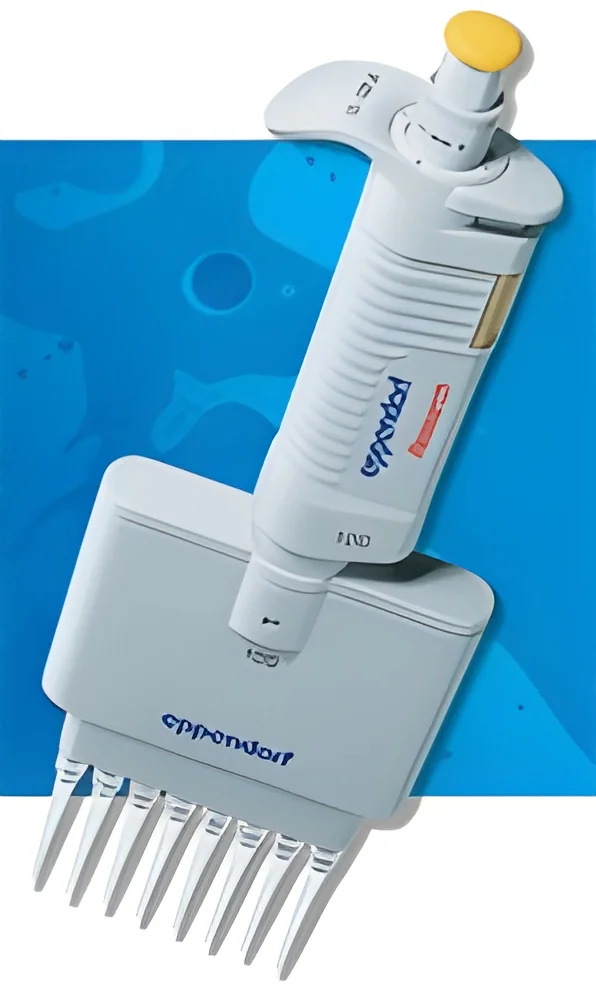
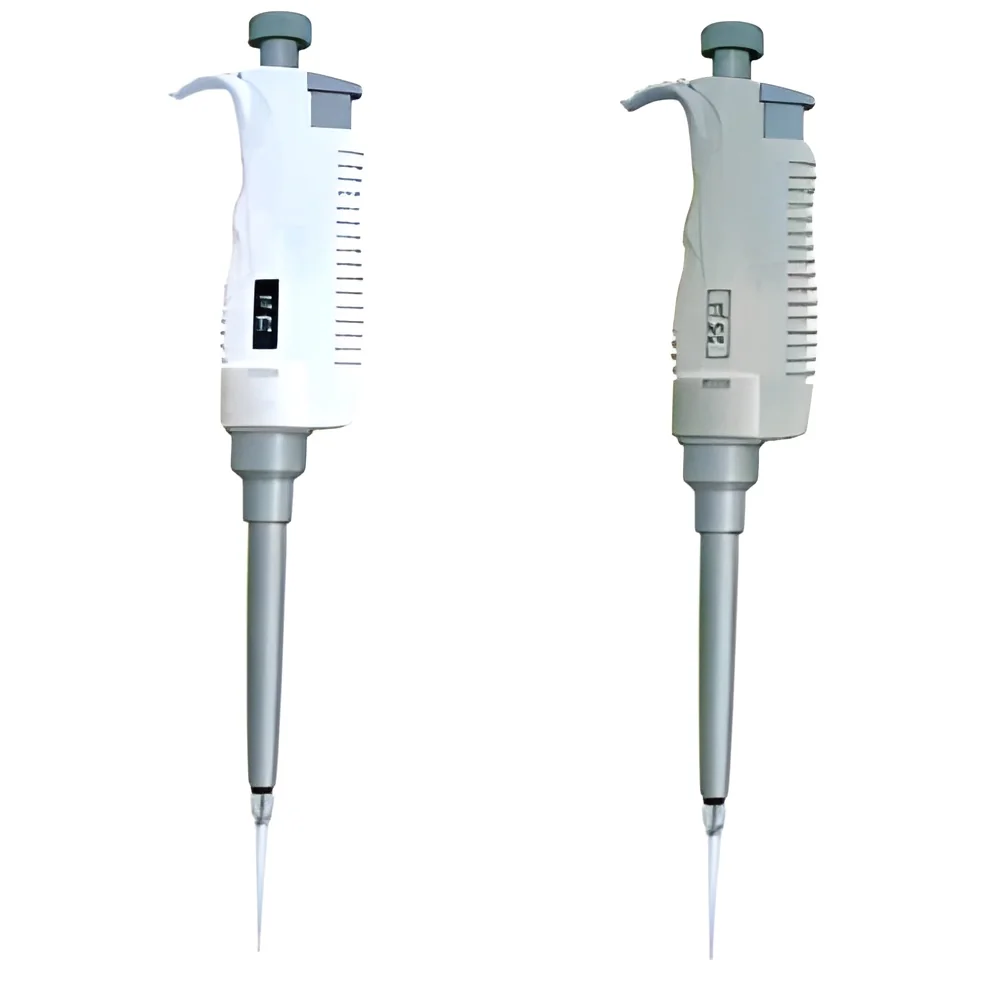
Laboratory Tools & Instruments are essential devices and equipment used in laboratories for conducting experiments, measurements, and analysis. They include a wide range of items such as microscopes, pipettes, centrifuges, and spectrometers, contributing to various scientific fields.
What are the different types of Laboratory Tools & Instruments?
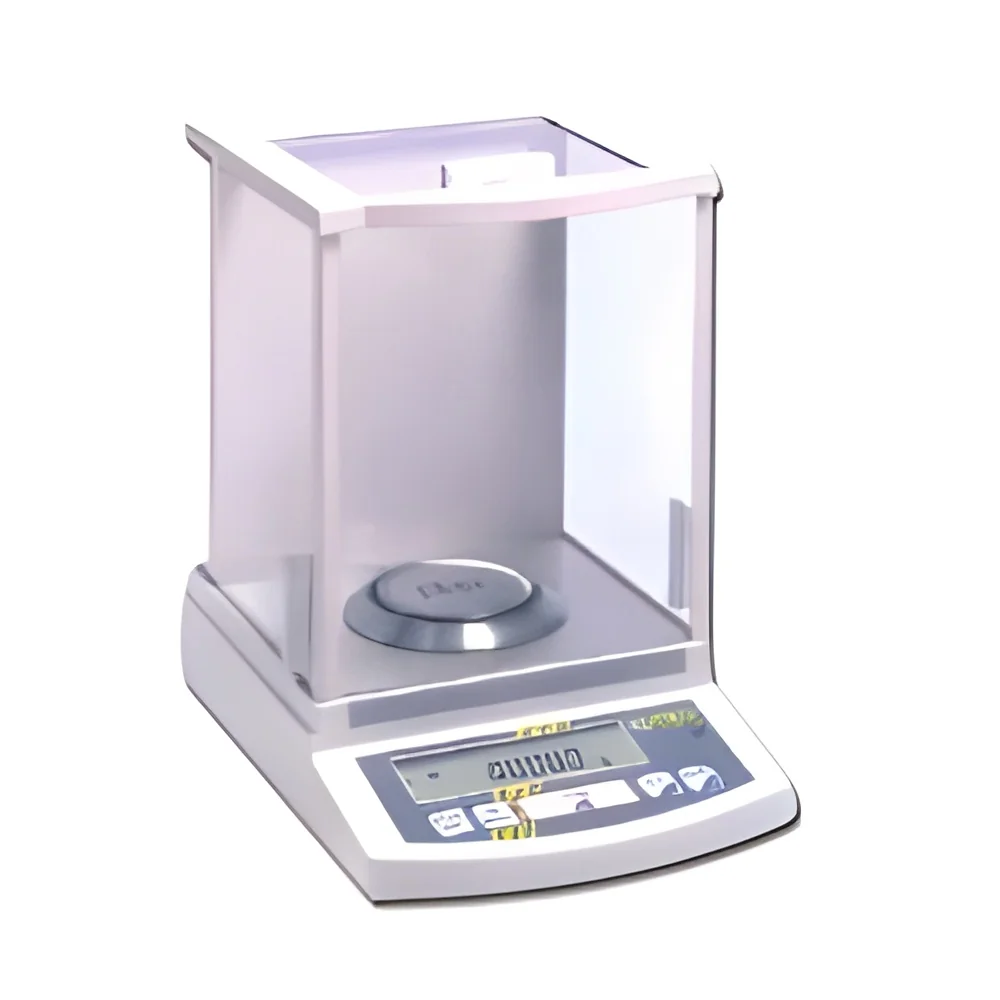
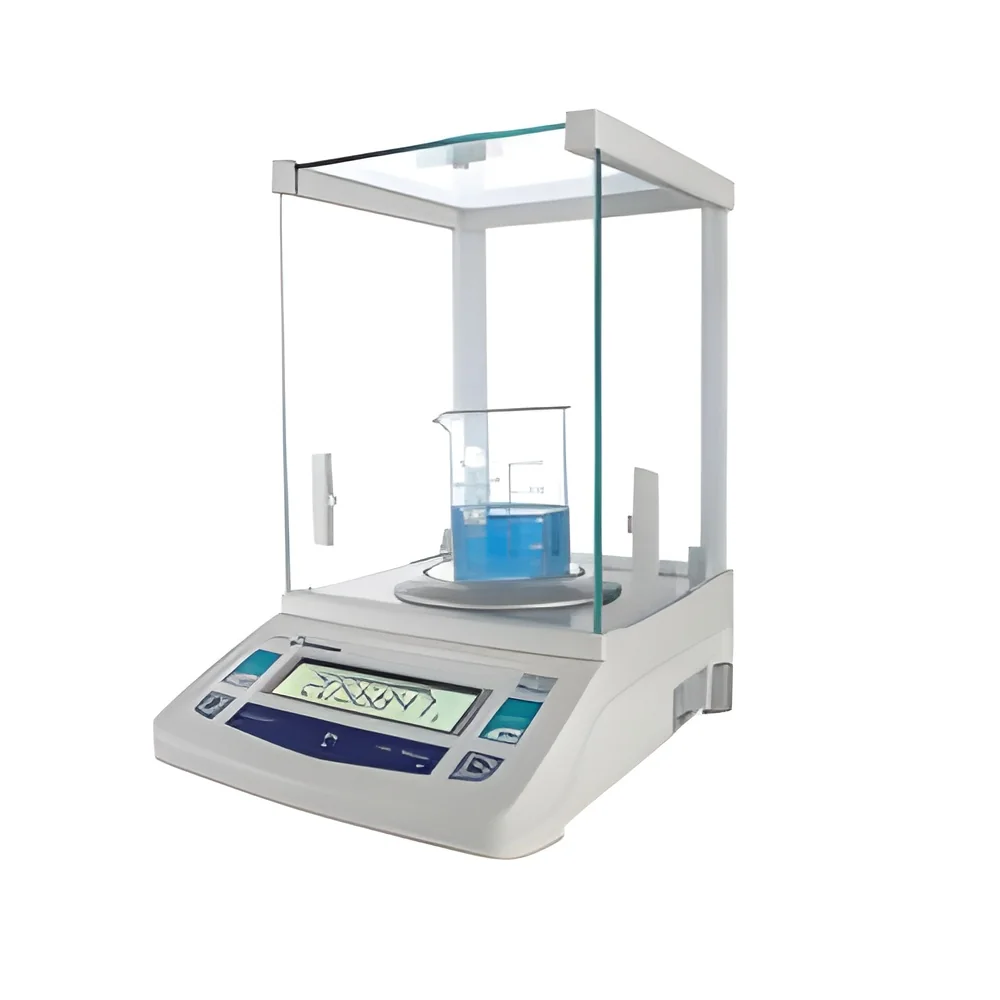
The different types of Laboratory Tools & Instruments include analytical instruments, measuring devices, glassware, and consumables. Examples are balances, microscopes, pH meters, and test tubes, each serving specific functions in laboratory settings.
How do I choose the right Laboratory Tools & Instruments?
Choosing the right Laboratory Tools & Instruments involves assessing your specific needs, the type of experiments, and the sensitivity required for measurements. Additionally, consider factors such as compatibility with existing equipment, budget constraints, and manufacturer reputation.
What are the standard specifications for Laboratory Tools & Instruments?
Standard specifications for Laboratory Tools & Instruments vary by type but generally include accuracy, precision, durability, and calibration standards. It's important to refer to industry guidelines and manufacturer's data sheets for specific instruments to ensure compliance with required standards.
What is the price range for Laboratory Tools & Instruments?
The price range for Laboratory Tools & Instruments can vary widely based on the type, brand, and specifications. Generally, prices can start as low as a few hundred rupees for basic items and can go up to several lakhs for advanced instruments.
What quality standards apply to Laboratory Tools & Instruments?
Quality standards for Laboratory Tools & Instruments typically include ISO certifications, ASTM standards, and compliance with local regulatory requirements. These standards ensure that instruments meet safety, reliability, and performance expectations.
Where can I find Laboratory Tools & Instruments suppliers in India?
You can find Laboratory Tools & Instruments suppliers in India through various online B2B marketplaces, trade shows, and industry directories. Websites like Pepagora.com provide a comprehensive list of manufacturers and suppliers in this category.
Can Laboratory Tools & Instruments be customized?
Yes, many Laboratory Tools & Instruments can be customized based on specific requirements. Customization may include modifications in design, size, or functionality to better suit particular laboratory needs.
What is the typical minimum order quantity for Laboratory Tools & Instruments?
The typical minimum order quantity (MOQ) for Laboratory Tools & Instruments can vary by supplier and product type. Generally, MOQs range from 1 to 50 units, depending on the instrument and the manufacturer's policies.
What is the typical lead time for Laboratory Tools & Instruments?
The typical lead time for Laboratory Tools & Instruments can vary based on the supplier, product availability, and order size. Generally, lead times range from a few days to several weeks, depending on whether the items are in stock or require manufacturing.
Why Businesses Trust Pepagora
Thousands of companies trust Pepagora to source smarter and sell faster
Expand Your Sales Globally

Source Smarter,Grow Faster
