What are Pipettes?
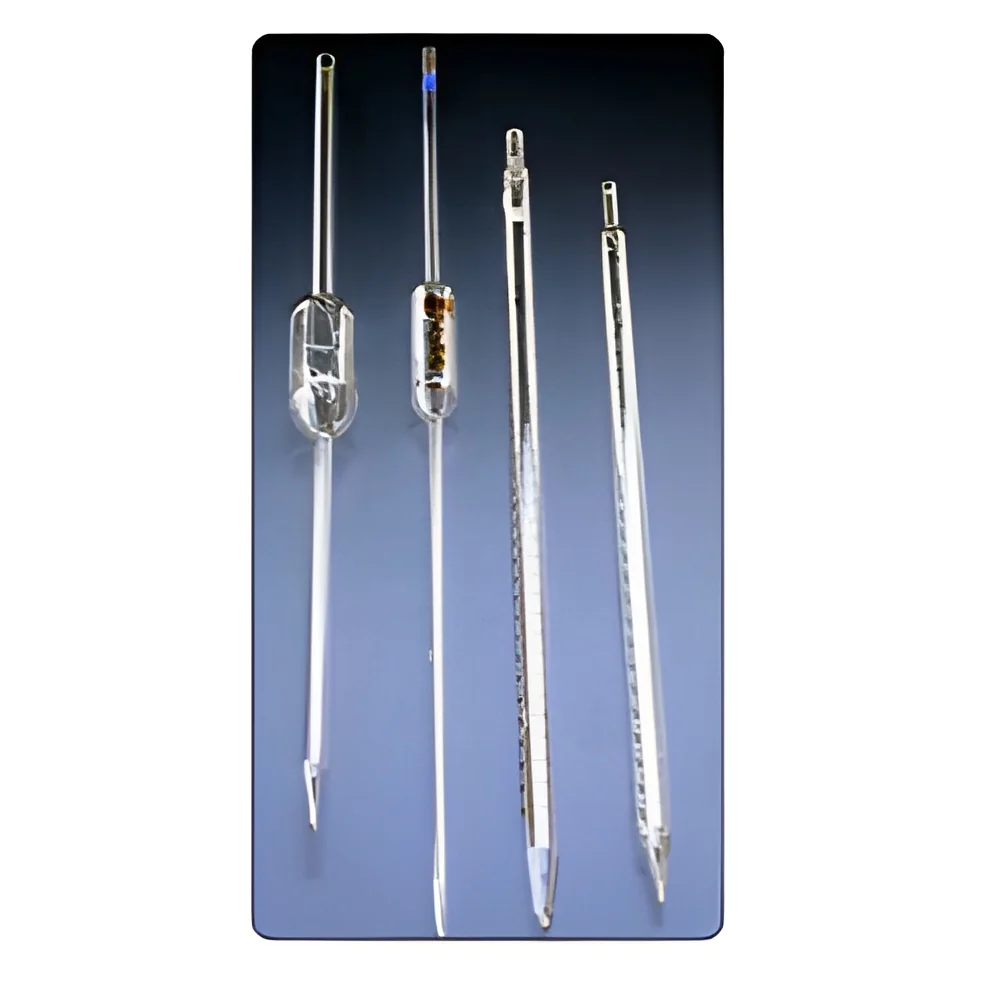
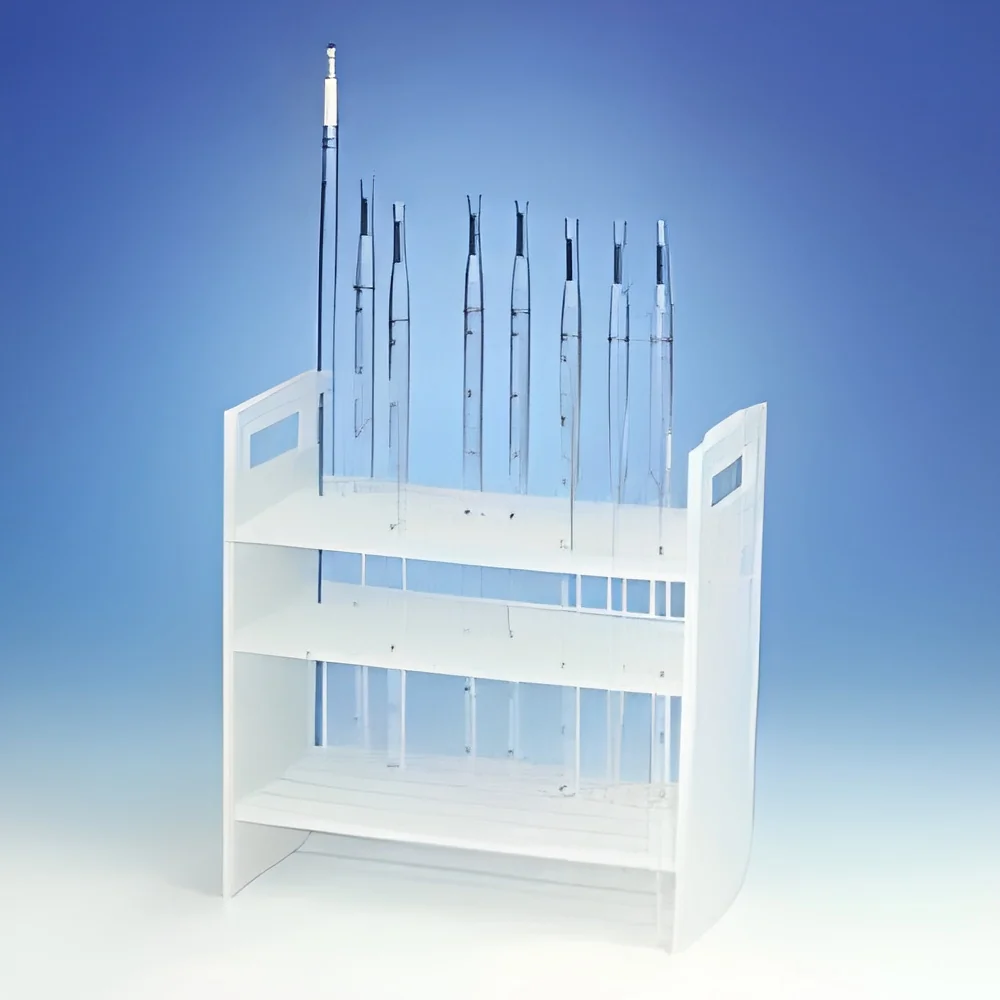
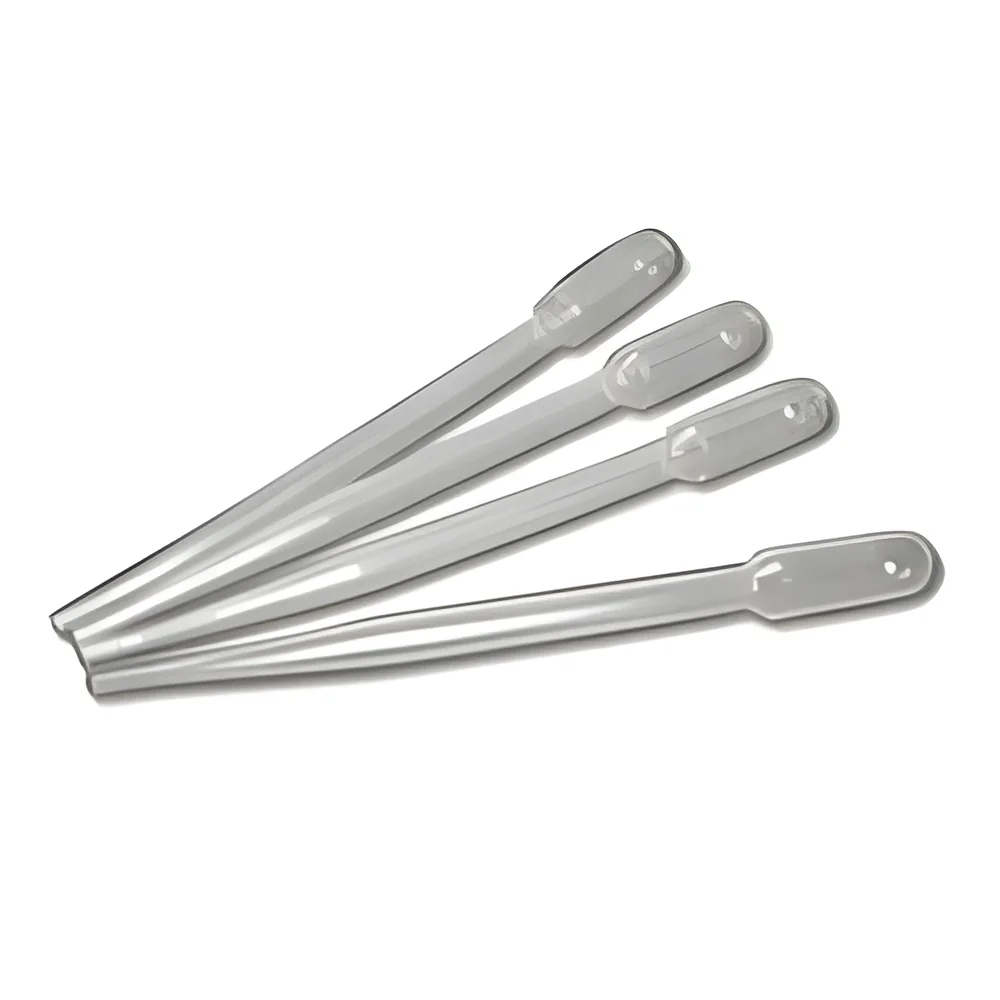
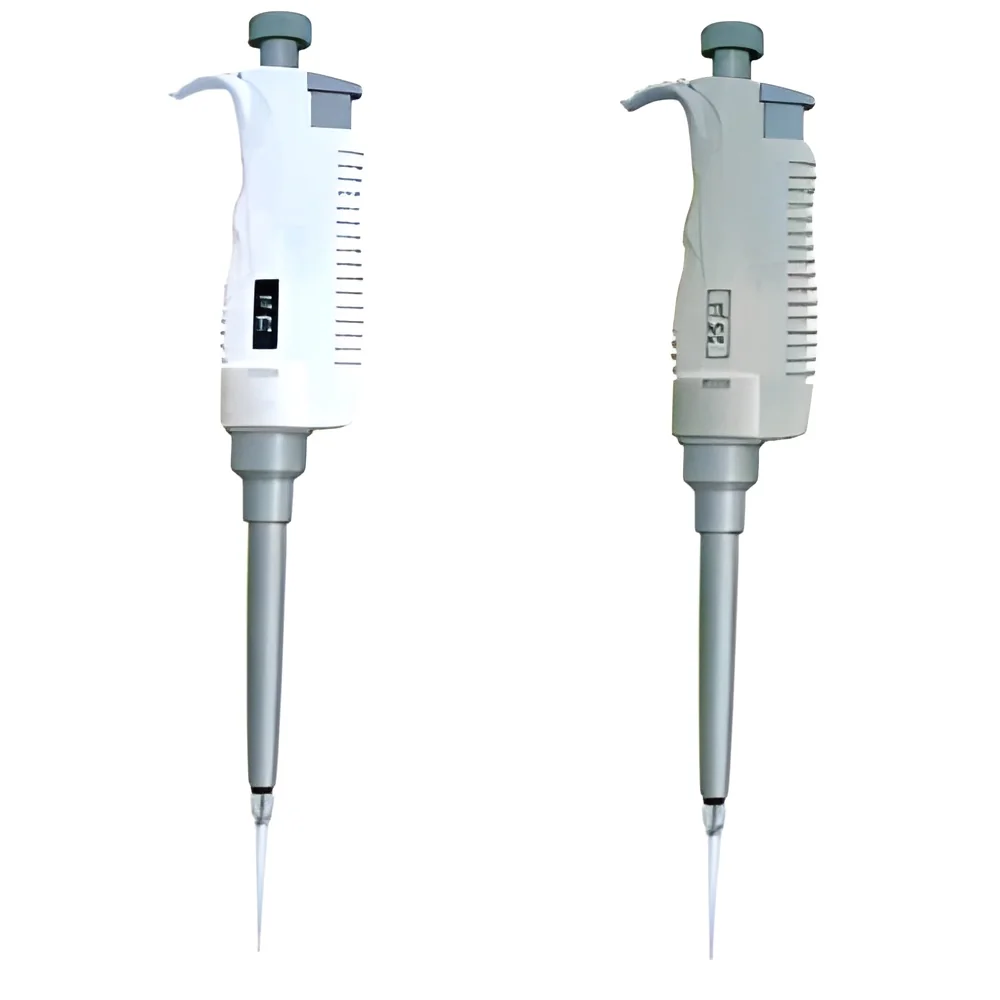
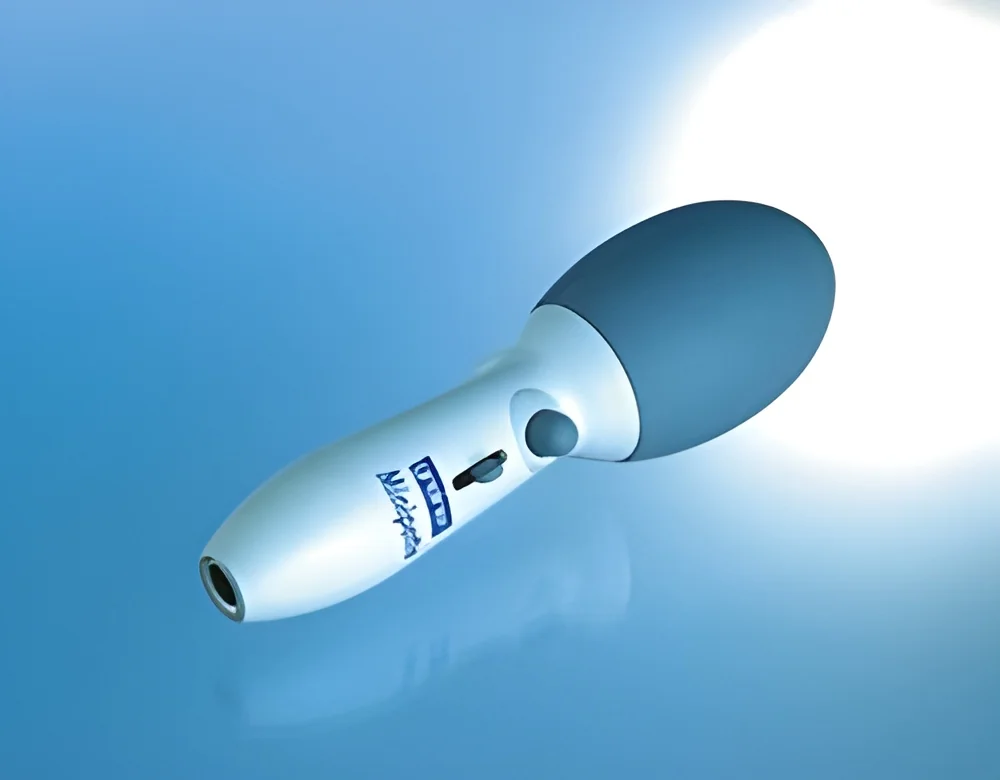
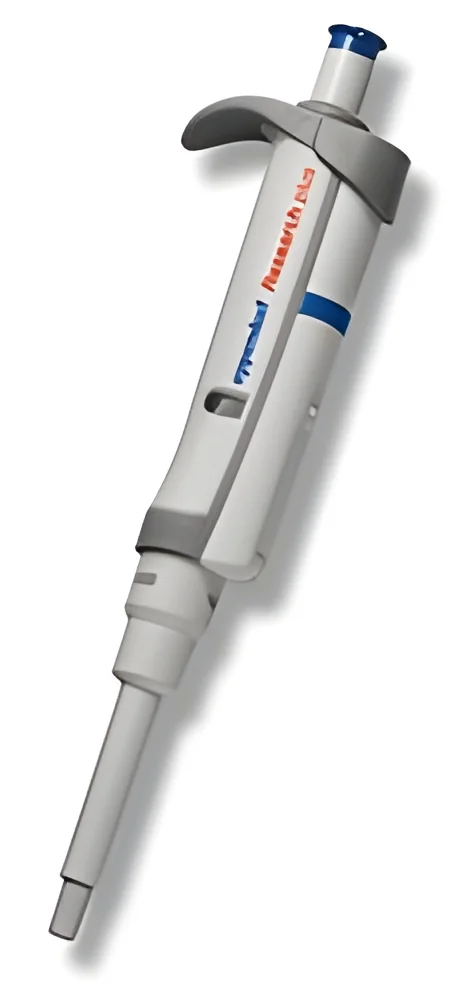
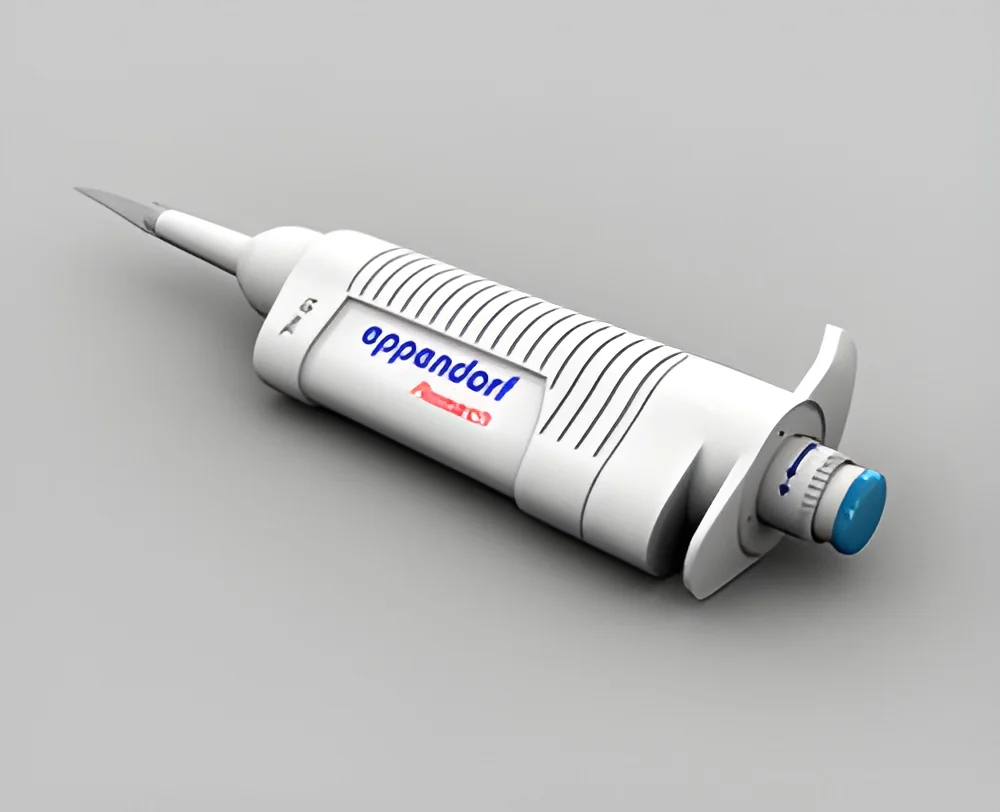
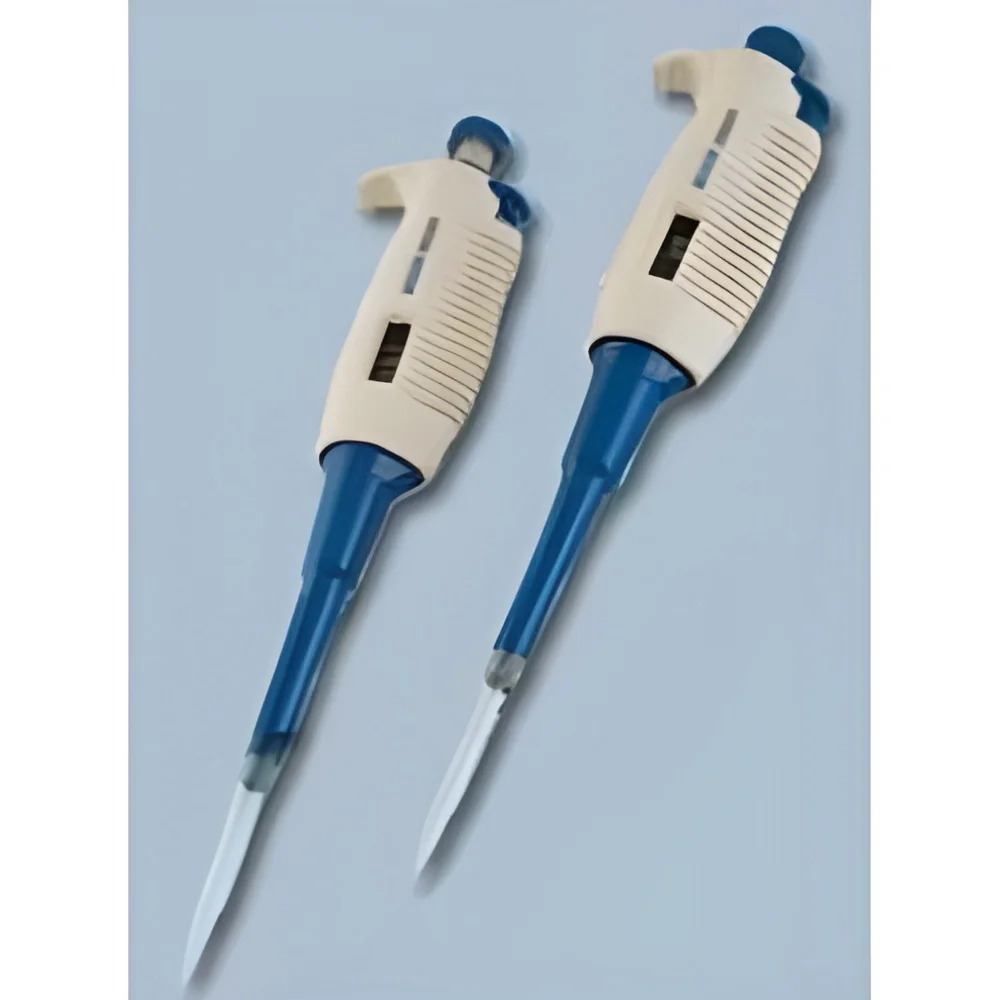
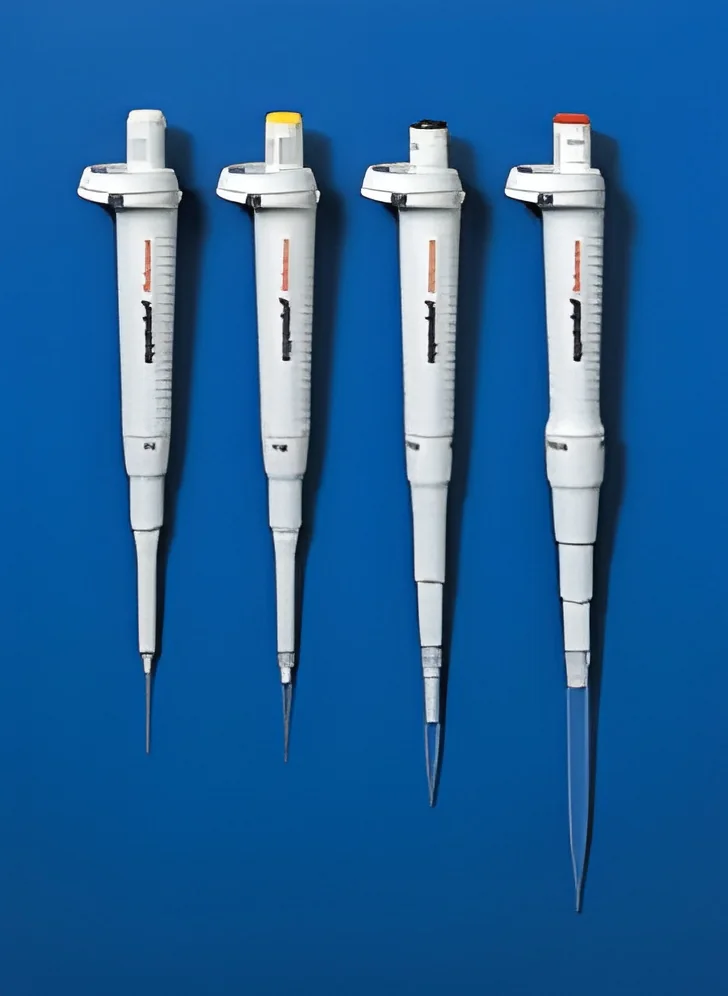
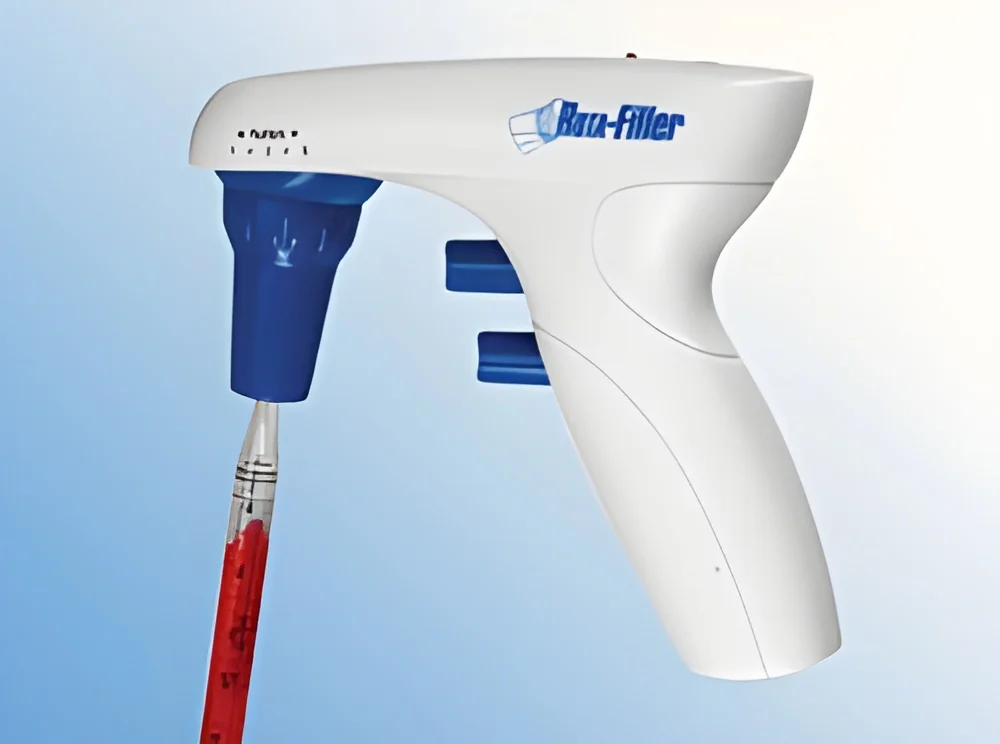
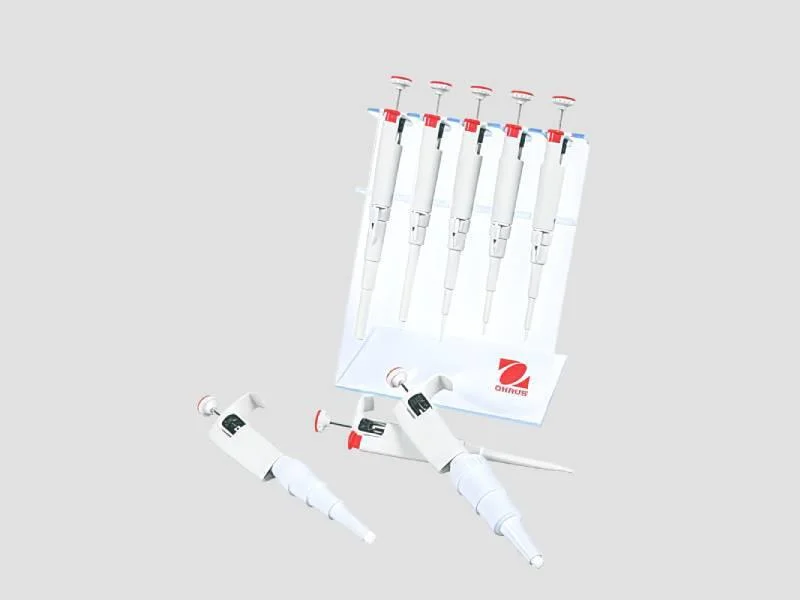
Pipettes are precision instruments widely used in laboratories to measure and transfer small volumes of liquids. They are designed to provide accurate and reproducible liquid handling, which is essential for various scientific applications. Pipettes come in different types, including manual and electronic variants, each tailored to specific needs and volume ranges. The versatility and precision of pipettes make them indispensable tools in laboratory environments.
Pipettes find primary use in fields such as pharmaceuticals, biotechnology, environmental testing, and educational laboratories. In the pharmaceutical industry, they are often utilized for preparing reagents and performing assays. In research settings, pipettes facilitate the handling of samples in molecular biology and chemistry experiments. Their relevance spans across industries, making them critical for quality control and research applications.
With a growing demand for precision in laboratory processes, the market for pipettes has expanded significantly. Innovations in design and technology continue to enhance their functionality, providing solutions that meet the evolving needs of various scientific disciplines.
Key Features and Specifications
Pipettes come with a variety of features that ensure accuracy and ease of use. Understanding these specifications is crucial for selecting the right pipette for specific applications.
Key specifications include:
1. Volume Range
- Pipettes are available in various volume ranges, typically from 0.1 µL to 10 mL.
- This allows users to choose a pipette that fits their specific liquid handling needs.
2. Accuracy and Precision
- Accuracy indicates how close the measured volume is to the true value, while precision refers to the consistency of repeated measurements.
- Most high-quality pipettes offer an accuracy of ±0.5% to ±1%.
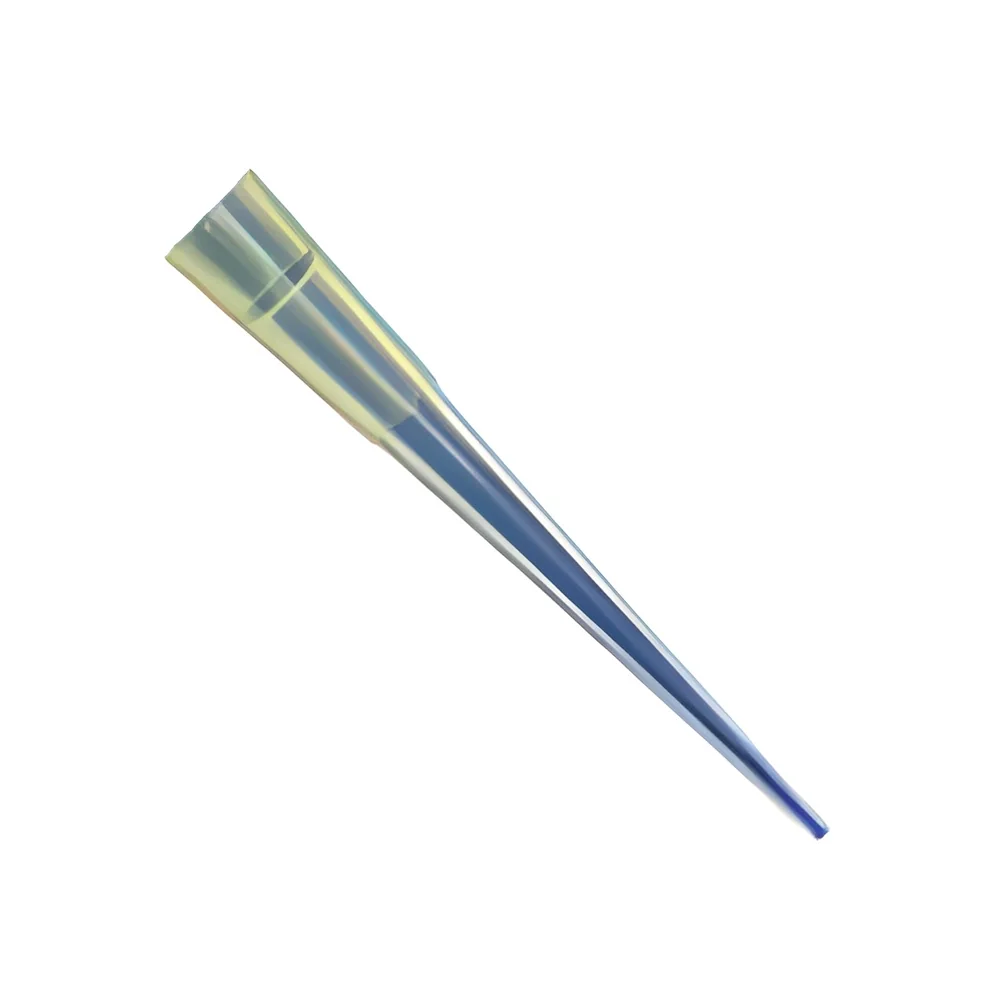
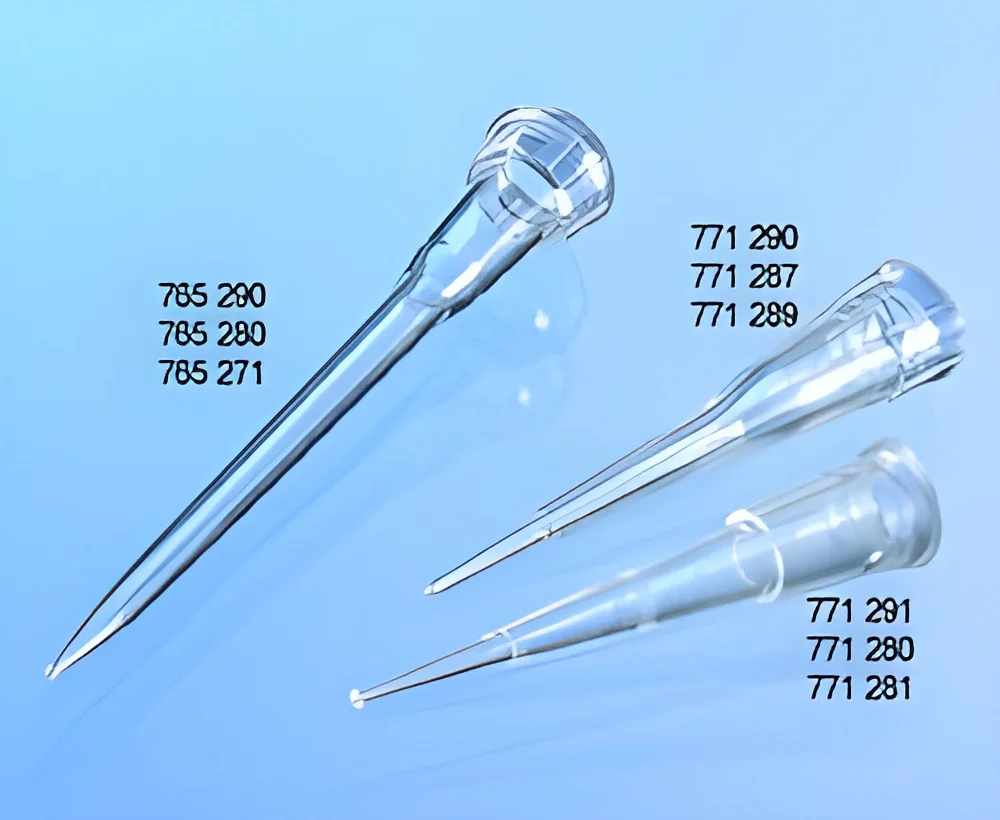
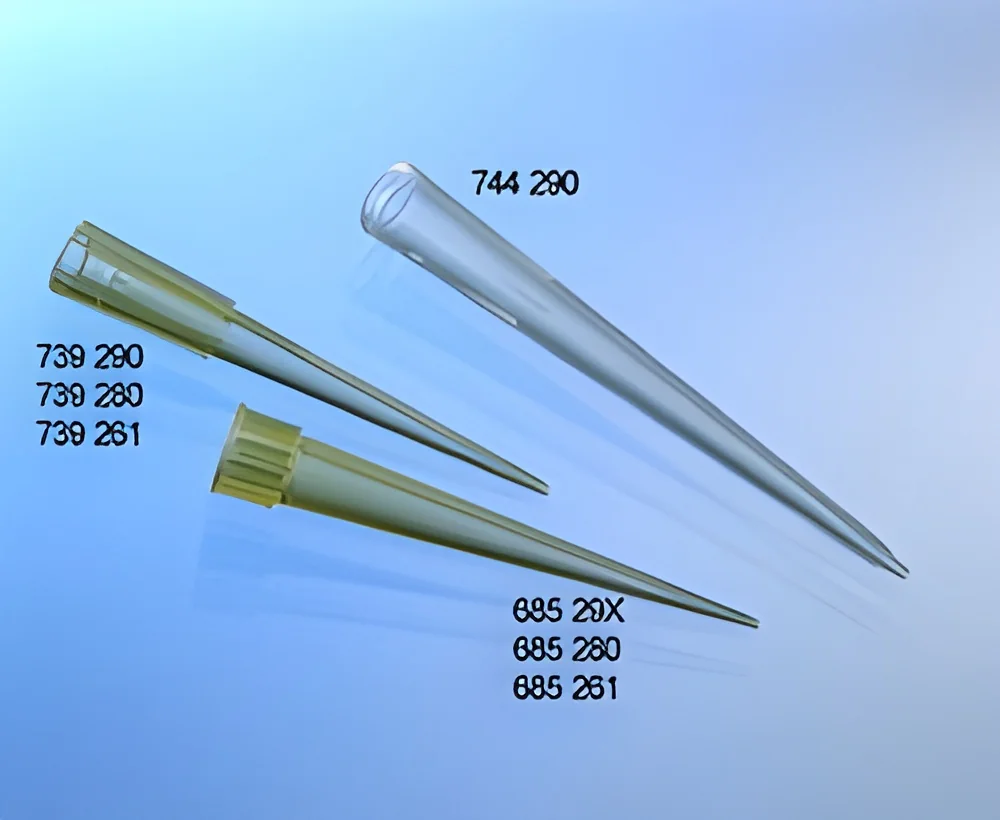
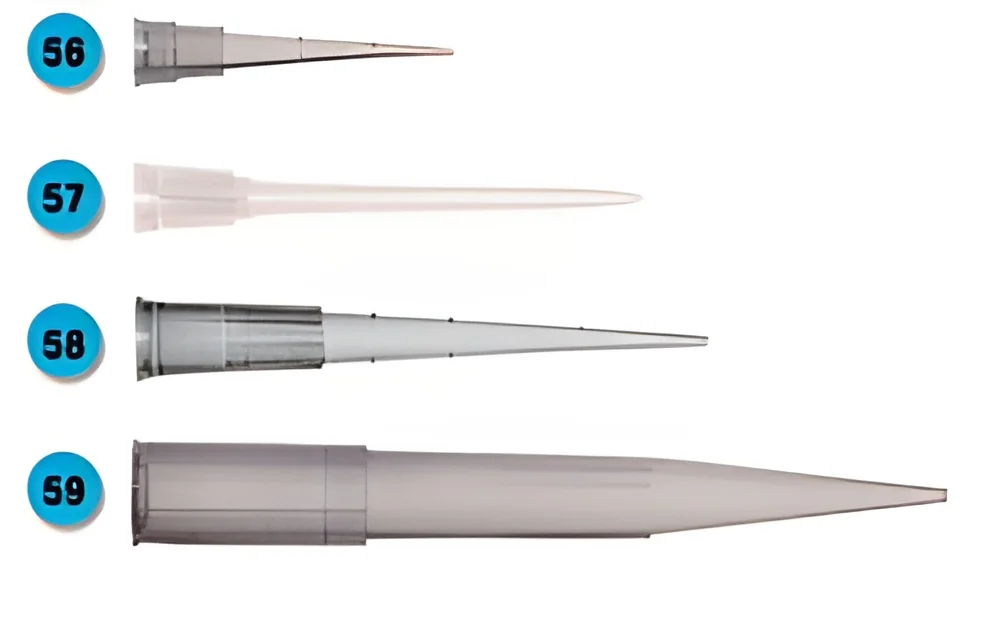
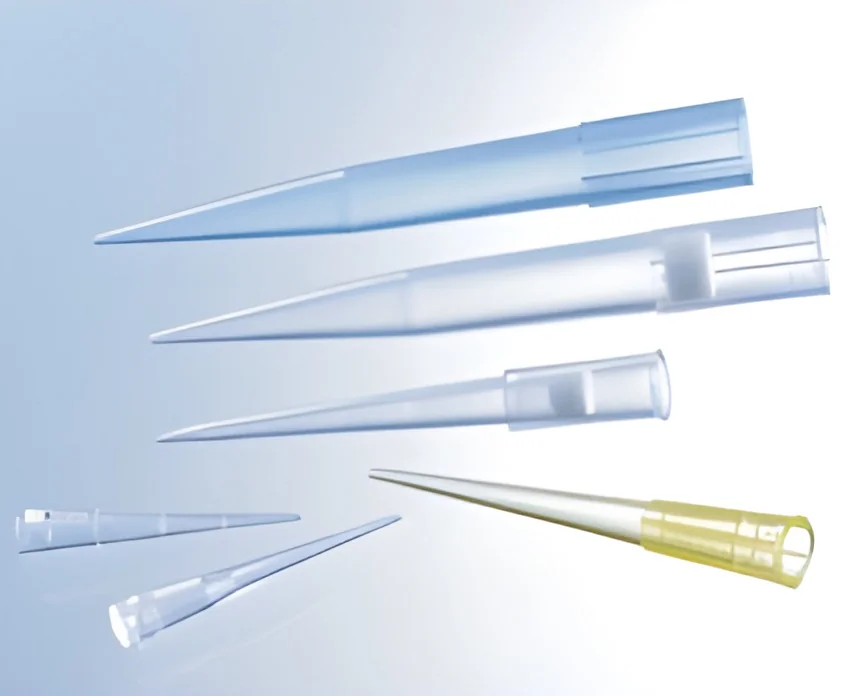
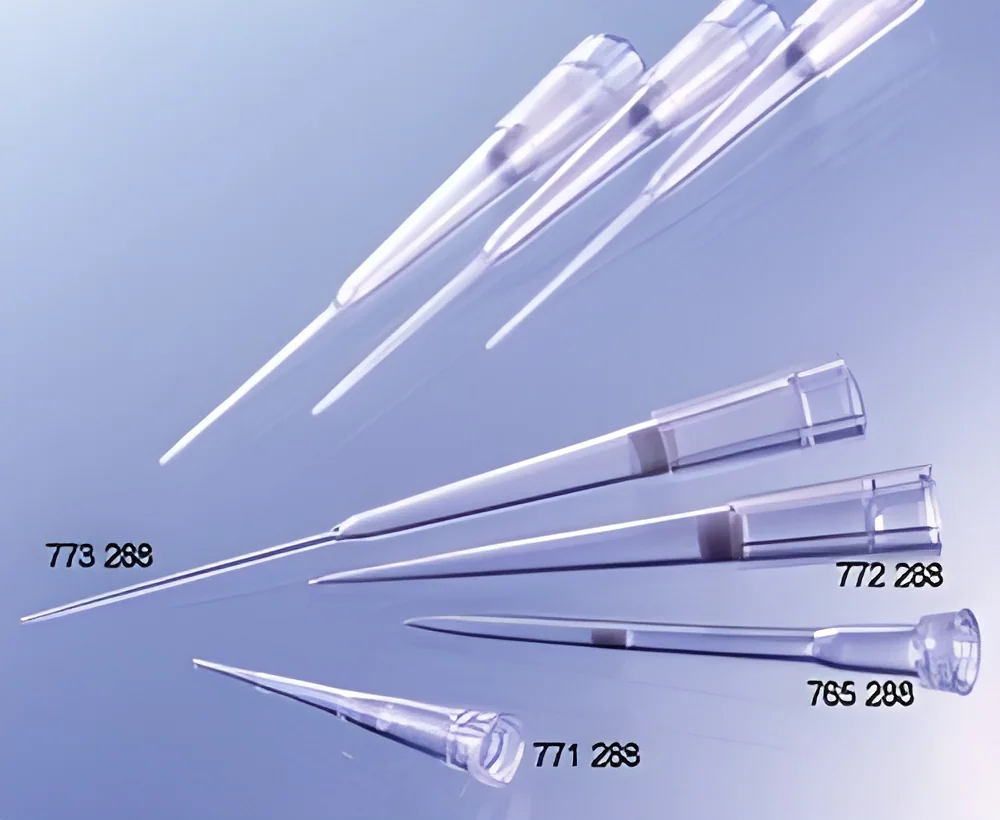
3. Tip Compatibility
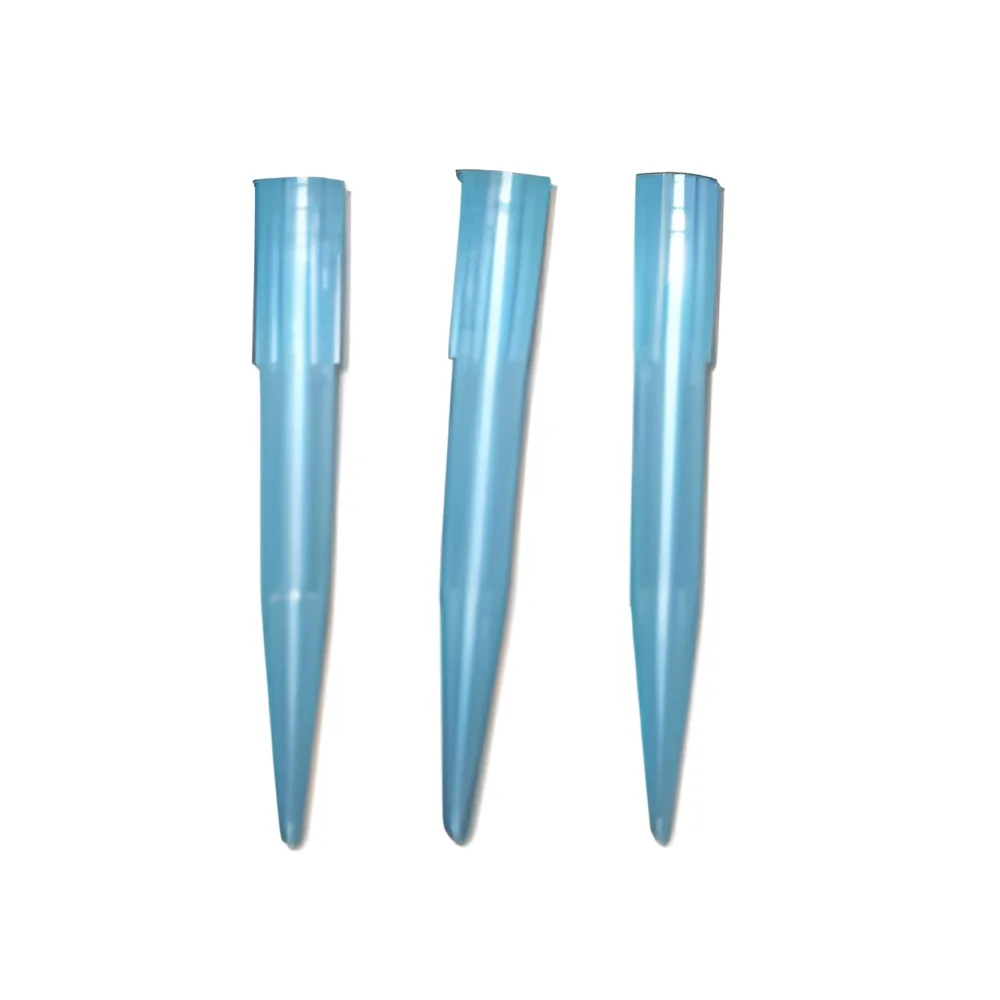
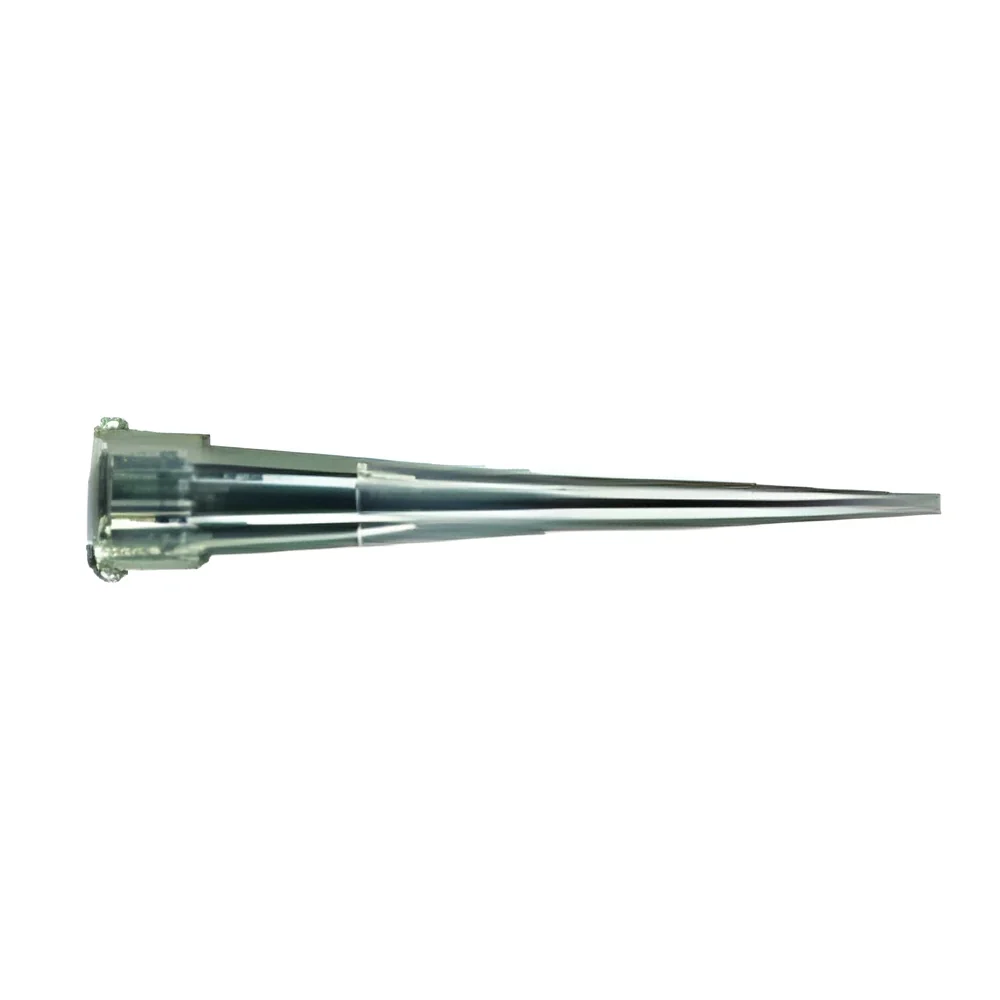
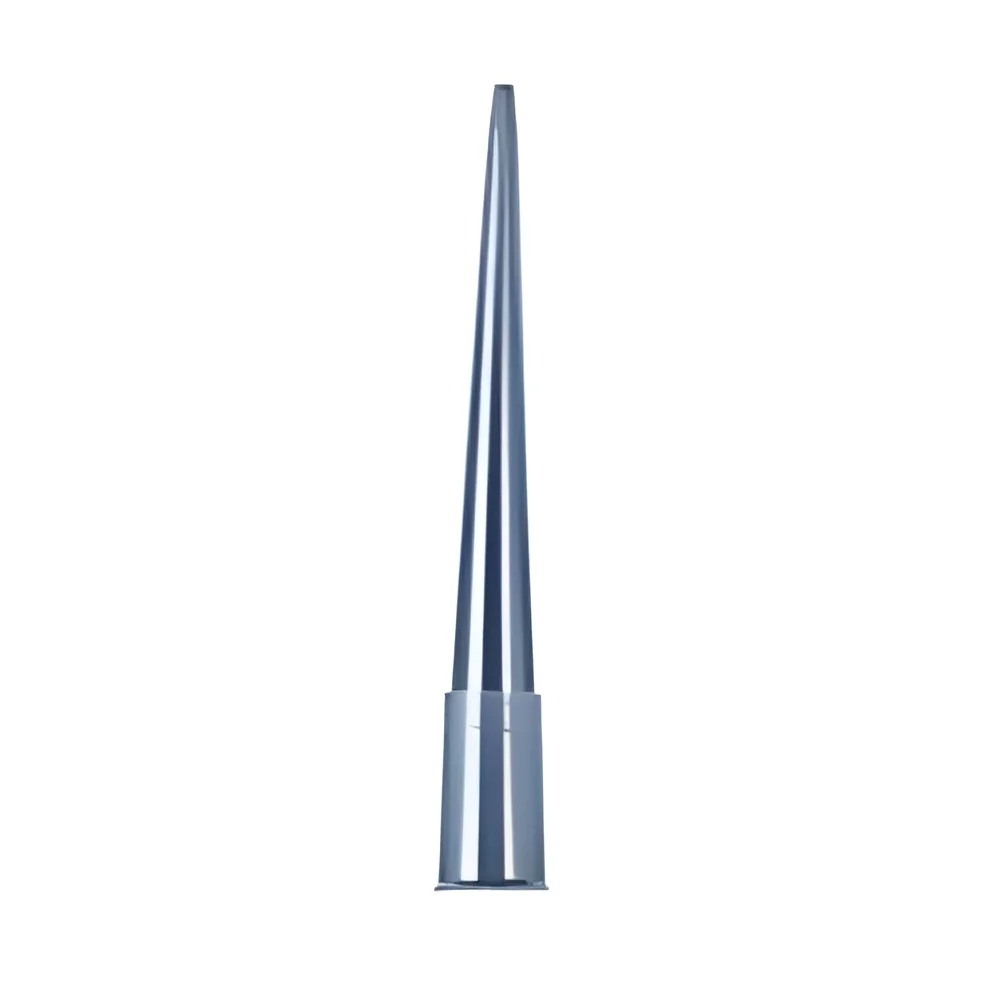
- Pipettes require specific tips that must fit securely to prevent leakage and ensure accurate dispensing.
- Compatibility with various tip types can enhance versatility.
4. Ergonomics
- Many pipettes are designed with ergonomic features to reduce hand fatigue during prolonged use.
- Features may include soft grips and lightweight materials.
5. Calibration
- Regular calibration is necessary to maintain accuracy and reliability.
- Some pipettes come with built-in calibration features for user convenience.
6. Material Construction
- Pipettes can be made from various materials, including plastic and metal, impacting durability and resistance to chemicals.
- High-quality models typically feature chemical-resistant surfaces.
7. Electronic Features
- Electronic pipettes often come with programmable functions and digital displays for enhanced usability.
- They may also include features like adjustable speed and volume settings.
In summary, understanding these specifications helps businesses select the most suitable pipette for their specific applications, ensuring reliable performance and results.
Common Applications and Use Cases
Pipettes are utilized across a variety of industries, reflecting their versatility and importance in liquid handling.
1. Pharmaceutical Industry: In this sector, pipettes are crucial for drug formulation, quality control, and sample preparation. Their precision is essential for ensuring the efficacy and safety of pharmaceuticals.
2. Biotechnology: Pipettes are used extensively in molecular biology techniques such as PCR and cloning. They facilitate the accurate transfer of DNA, RNA, and other reagents.
3. Environmental Testing: Pipettes play a key role in sampling water and soil for analysis. Accurate liquid handling is critical for environmental assessments and compliance with regulations.
4. Food and Beverage: In quality assurance and research and development, pipettes are employed to measure ingredients and conduct analyses to ensure product safety and consistency.
5. Clinical Laboratories: Pipettes are essential in medical testing for accurate liquid measurement of samples, reagents, and controls, ensuring reliable test results.
6. Educational Institutions: In academic settings, pipettes are used for experiments and demonstrations, helping students learn about scientific principles and laboratory techniques.
7. Chemical Industry: Pipettes are vital for formulating and testing chemical products, where precise measurements are critical for safety and performance.
Product Variants and Subcategories
Pipettes are available in various forms to meet the diverse needs of different applications.
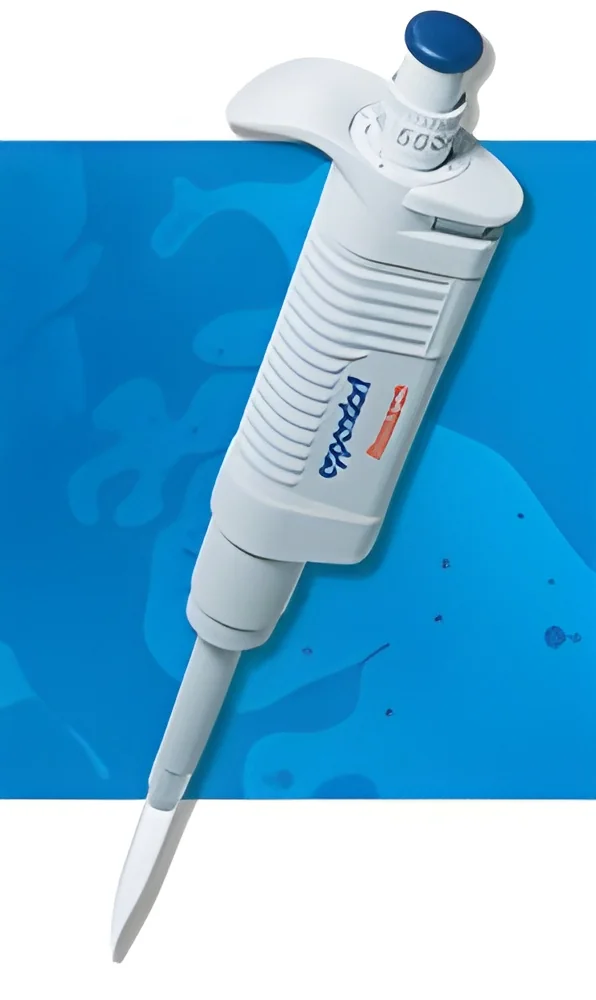
Manual Pipettes: These traditional pipettes require the user to operate them manually, providing a cost-effective solution for basic liquid transfer tasks. They are easy to use and maintain, making them suitable for many laboratory settings.
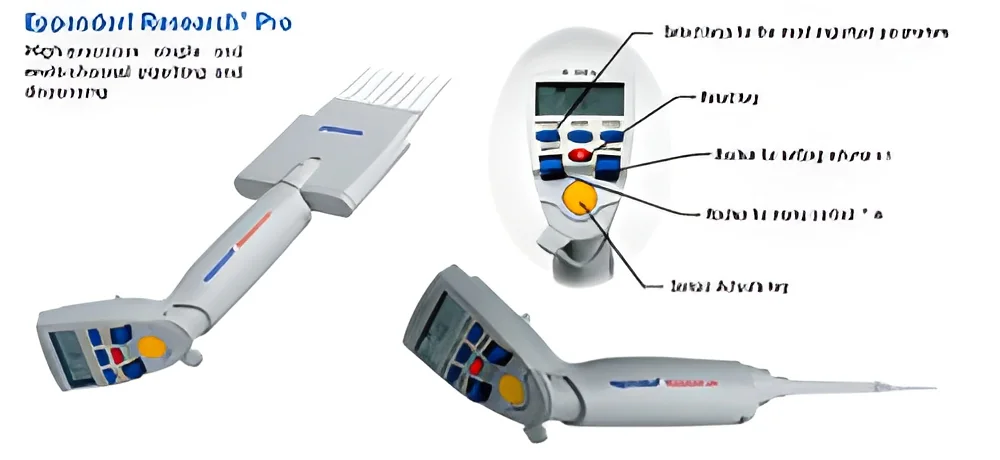
Electronic Pipettes: Offering advanced features like programmable volume settings and digital displays, electronic pipettes enhance precision and ease of use. They are ideal for repetitive tasks and reduce the risk of hand fatigue.
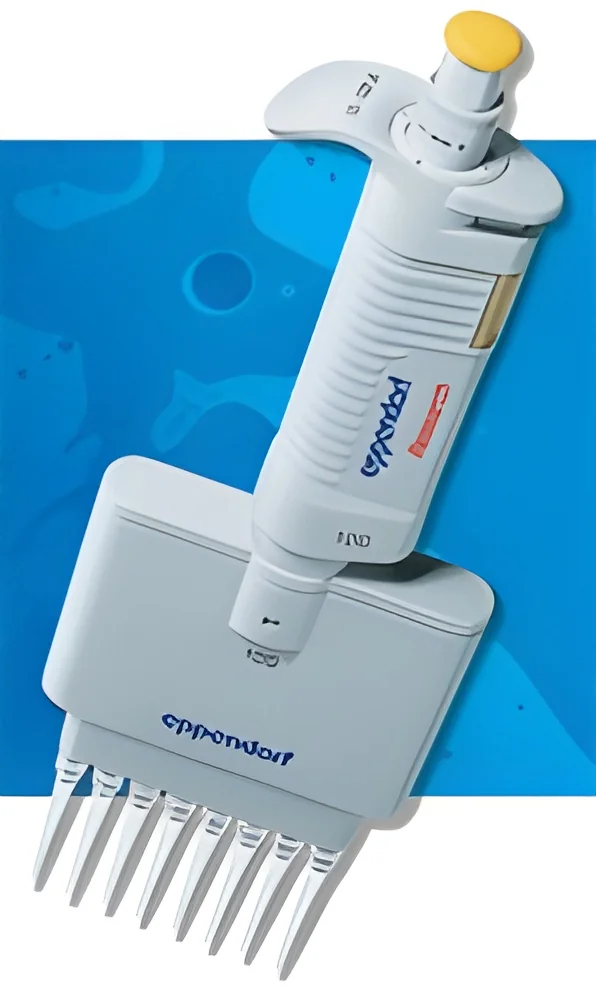
Multichannel Pipettes: Designed for high-throughput applications, multichannel pipettes allow users to dispense multiple samples simultaneously. This variant is particularly useful in plate-based assays and screening processes.
Benefits and Advantages
Pipettes offer several key benefits that enhance their utility in various applications.
1. High Precision: Pipettes are designed to deliver accurate volumes consistently, which is crucial for reliable experimental results.
2. Versatility: With a range of volume options and types, pipettes can be used across different industries and applications, making them essential tools.
3. Ease of Use: Many pipettes are designed for user-friendly operation, including ergonomic features that reduce hand fatigue during extended use.
4. Time Efficiency: The ability to quickly and accurately transfer liquids streamlines laboratory workflows, improving overall productivity.
5. Cost-Effectiveness: While initial investments can vary, the long-term reliability and performance of quality pipettes can lead to cost savings through reduced errors and rework.
6. Compliance with Standards: Many pipettes are designed to meet industry standards, ensuring they are suitable for regulated environments.
Buying Guide for B2B Buyers
When sourcing pipettes, it is important to consider several factors to ensure you make an informed purchase decision.
1. Quality Assessment: Evaluate the quality of pipettes based on manufacturer credentials, product reviews, and compliance with relevant industry standards. High-quality pipettes ensure accuracy and longevity.
2. Supplier Verification: Vet suppliers by checking their certifications and track record in the industry. A reliable supplier is crucial for ensuring you receive quality products and ongoing support.
3. Pricing and MOQ: Understand the pricing structure, including any minimum order quantities (MOQ). Comparing prices can help identify competitive offers while ensuring you meet your budget requirements.
4. Delivery and Lead Times: Consider logistics and delivery timeframes, as these can impact your laboratory operations. Confirm lead times with suppliers to align with your project timelines.
5. Compliance Requirements: Ensure that the pipettes you are considering comply with relevant regulations and standards in your industry. This is especially important in regulated environments such as pharmaceuticals and clinical laboratories.
Compliance and Certifications
Pipettes are subject to various quality and safety standards to ensure their reliability in laboratory environments. Compliance with ISO 9001 is essential for manufacturers, as this standard outlines quality management systems that enhance product quality and customer satisfaction.
Industry certifications such as CE mark indicate that the pipettes meet European health, safety, and environmental protection standards. This certification is crucial for products sold within the European market, ensuring they are safe for use.
Additionally, safety and testing requirements are vital in ensuring that pipettes perform as expected under various conditions. Manufacturers should conduct rigorous testing to verify the accuracy and precision of their products.
Regional compliance considerations may vary, so it is important to be aware of specific regulations that apply in different regions. This ensures that the products sourced will meet local laws and industry standards.
Why Source Pipettes from Pepagora?
Pepagora provides a trusted platform for sourcing pipettes, offering several key advantages to B2B buyers.
Verified Supplier Network: Pepagora connects buyers with a network of verified suppliers, ensuring that only high-quality products are available. This network helps buyers find reliable sources for their laboratory needs.
Streamlined RFQ Process: The request for quotation (RFQ) process on Pepagora is designed to be user-friendly, allowing buyers to easily compare options and obtain competitive pricing from multiple suppliers.
Trade Assurance and Support: By sourcing through Pepagora, buyers benefit from trade assurance measures that protect their orders. This includes support throughout the purchasing process to address any concerns or issues.
Regional Coverage: Pepagora has a strong presence in regions such as India, the GCC, and Southeast Asia, enabling buyers from these areas to access a wide range of pipettes and other laboratory supplies tailored to their specific needs.

 IN
IN