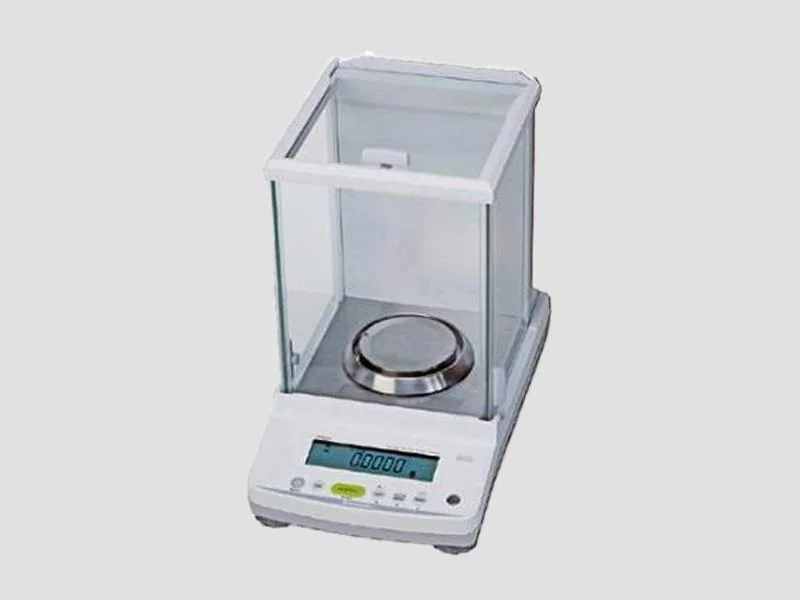
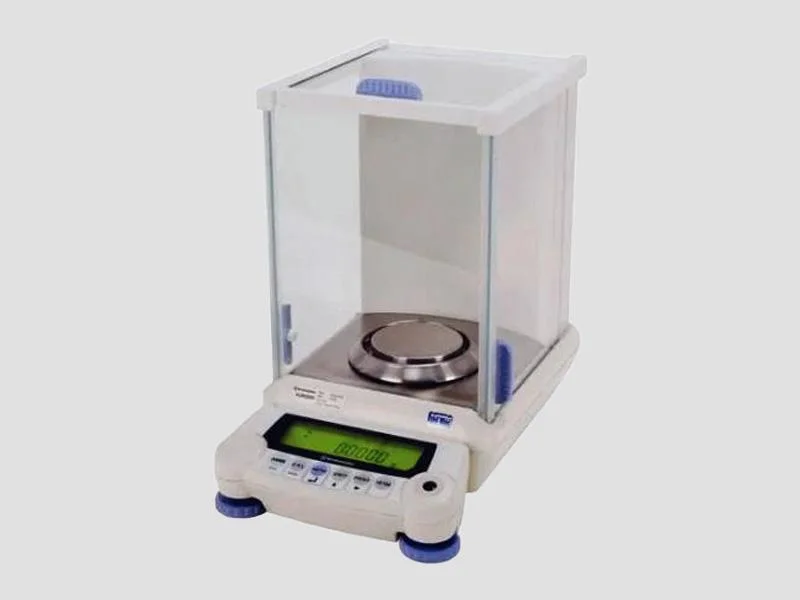
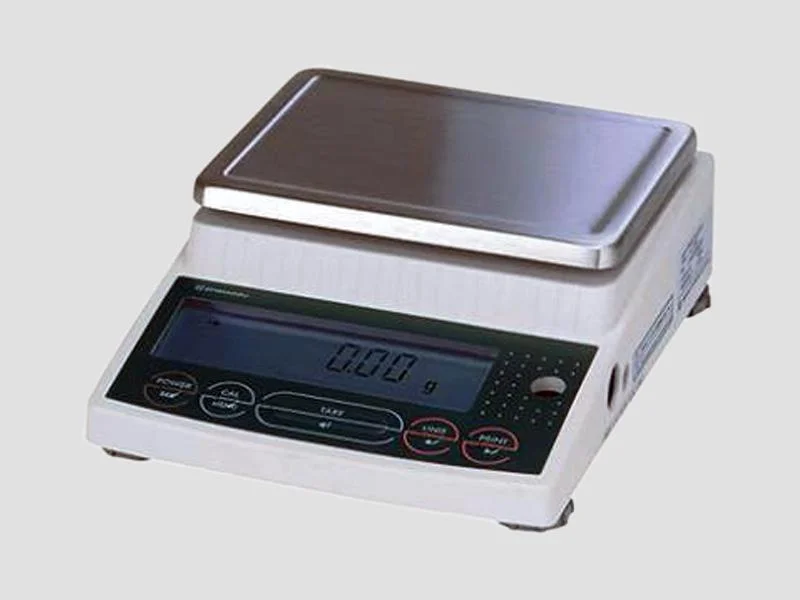
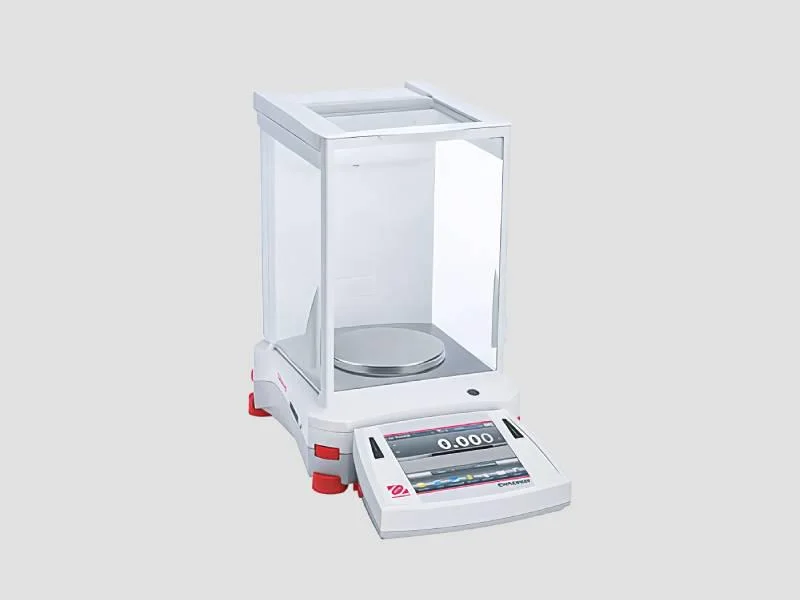
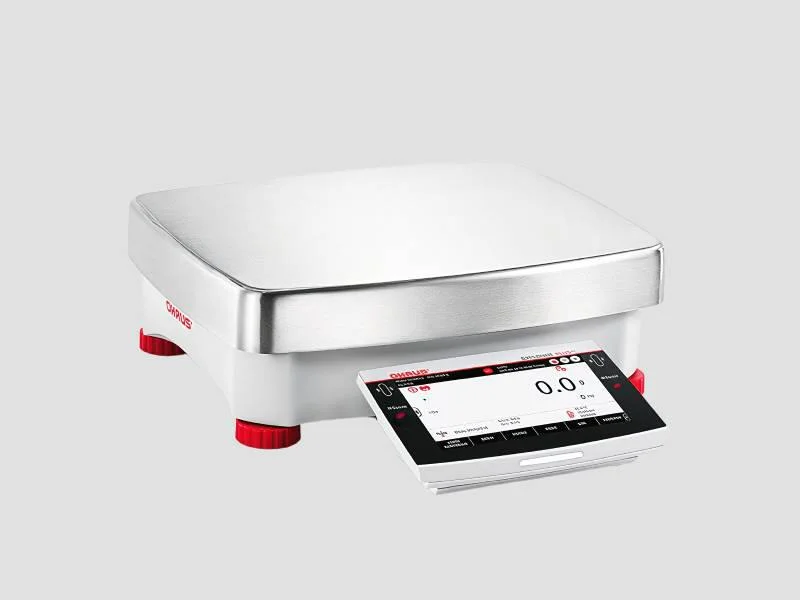
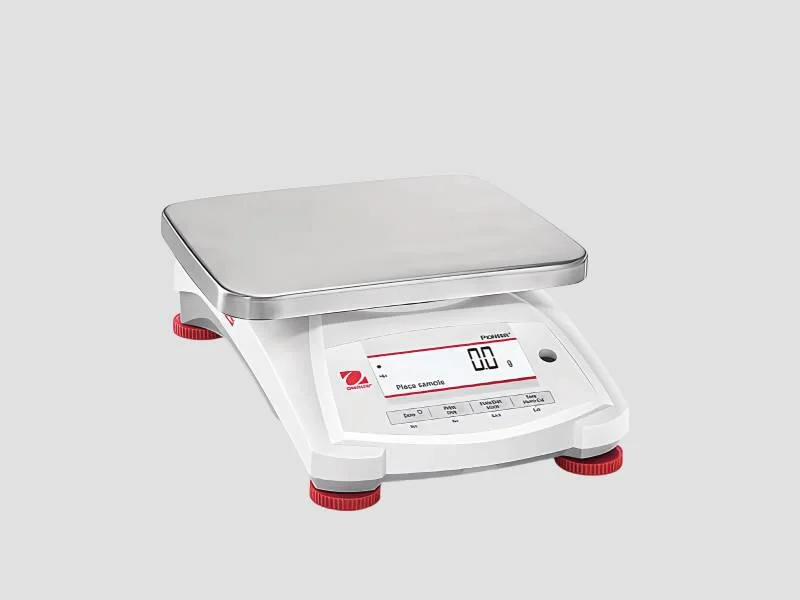
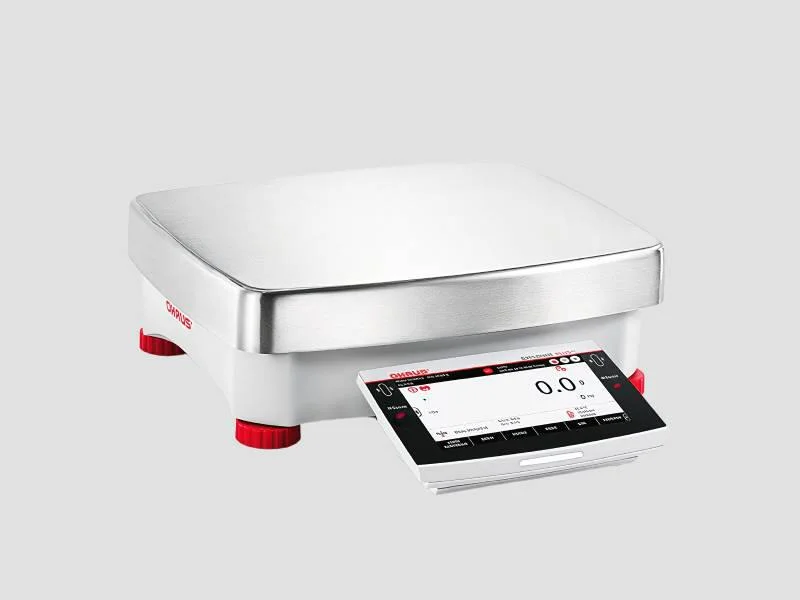
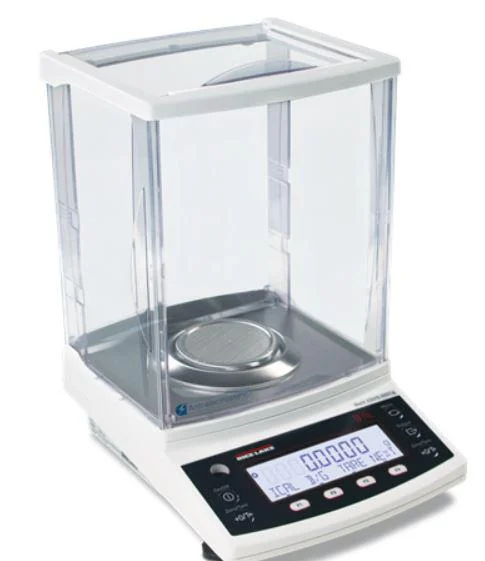
What are Lab Balance?
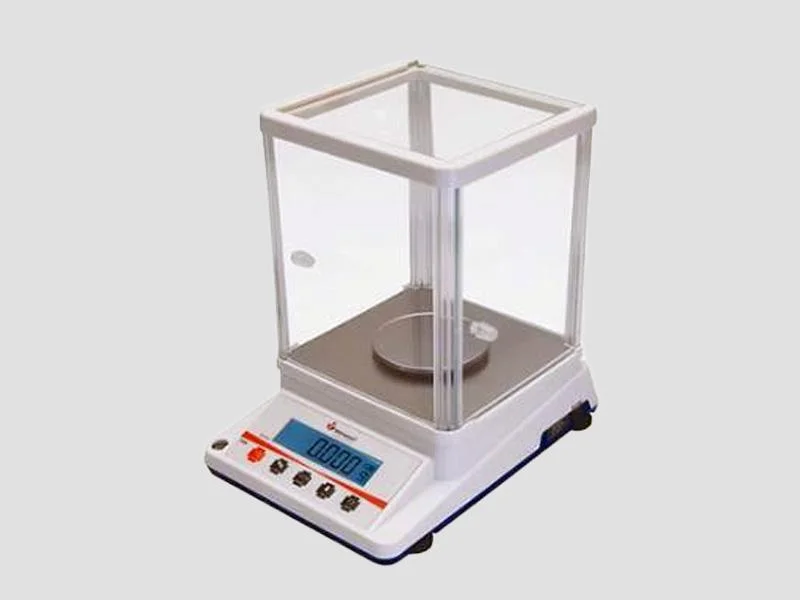
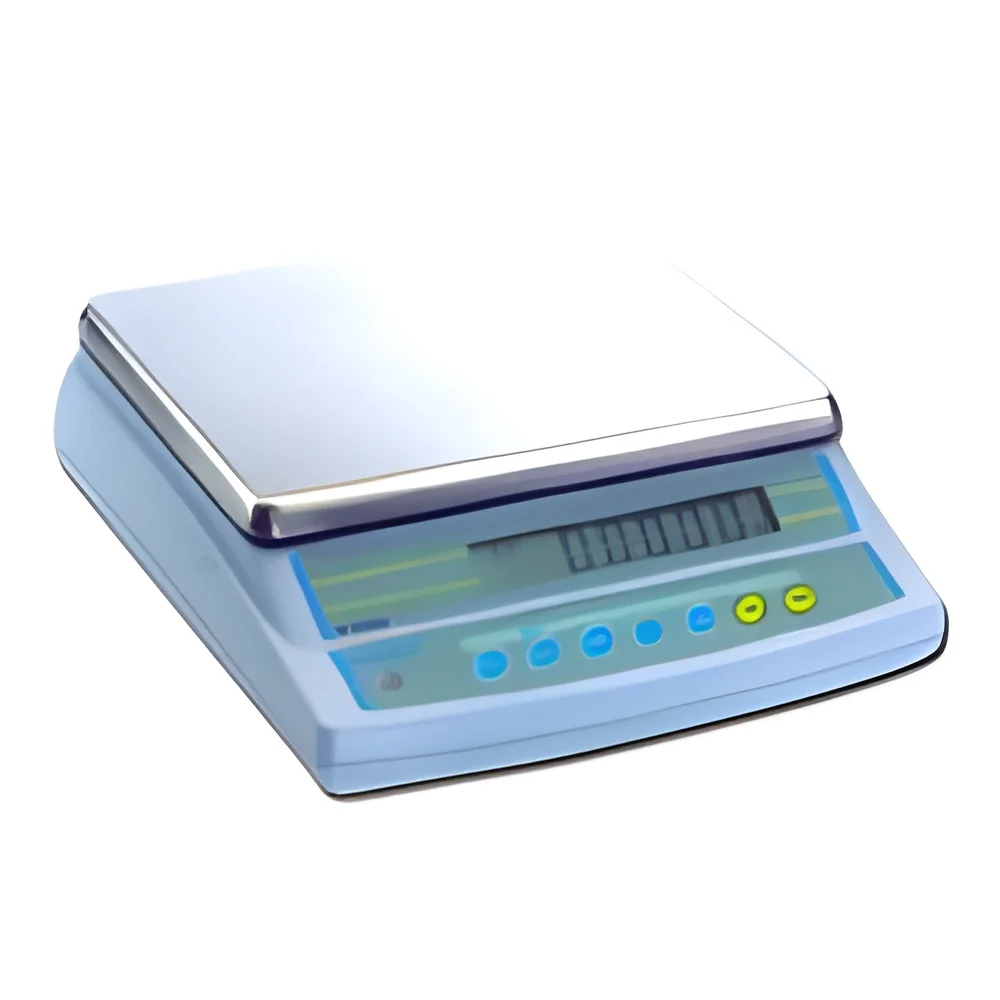
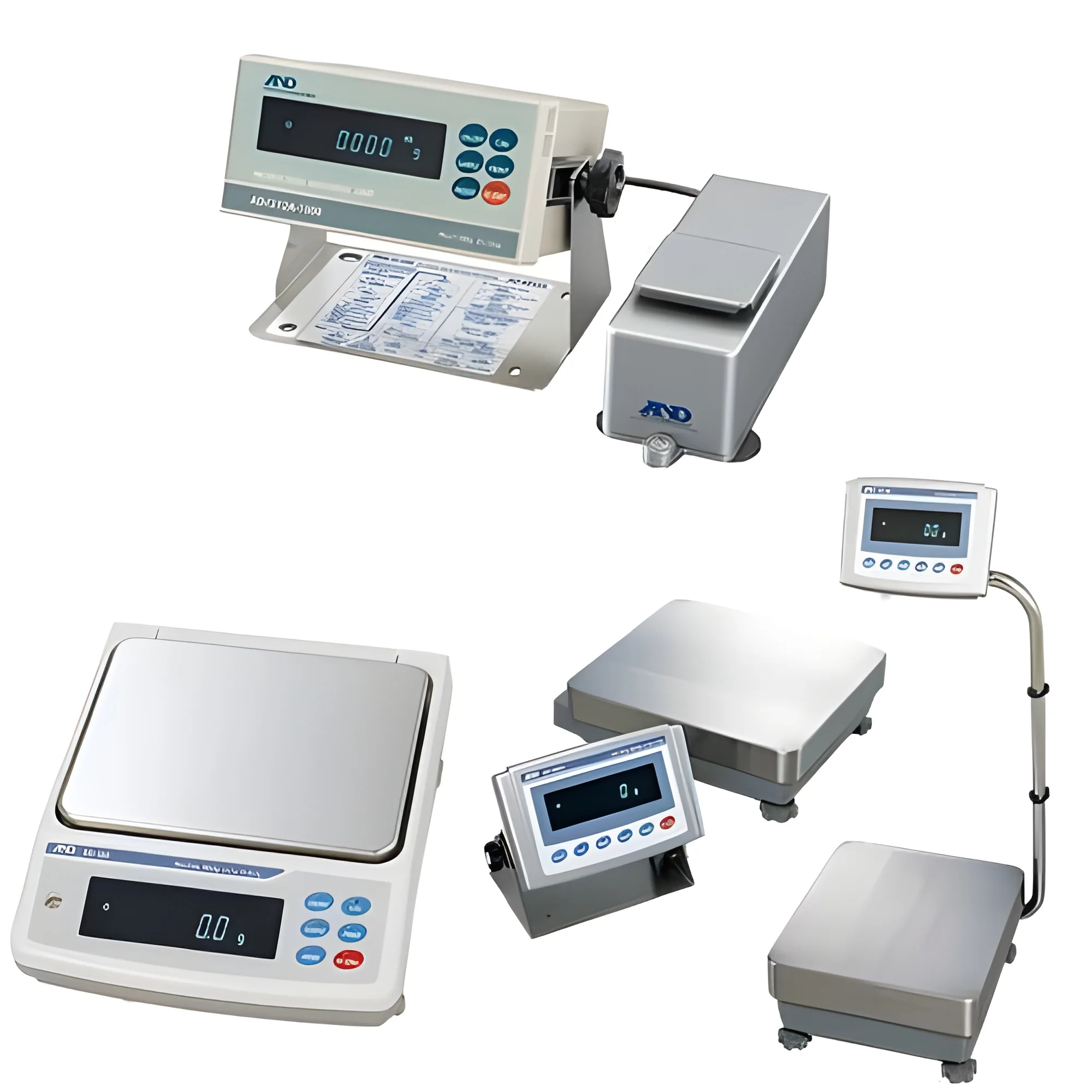
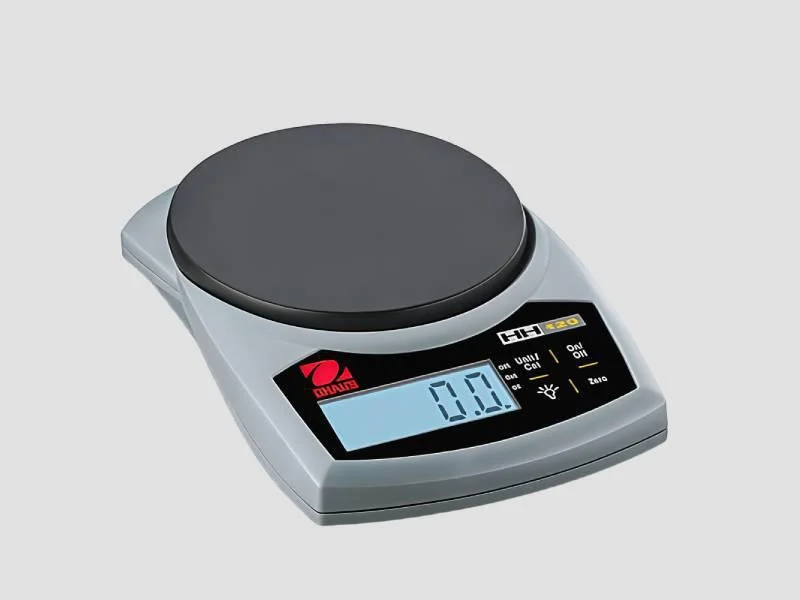
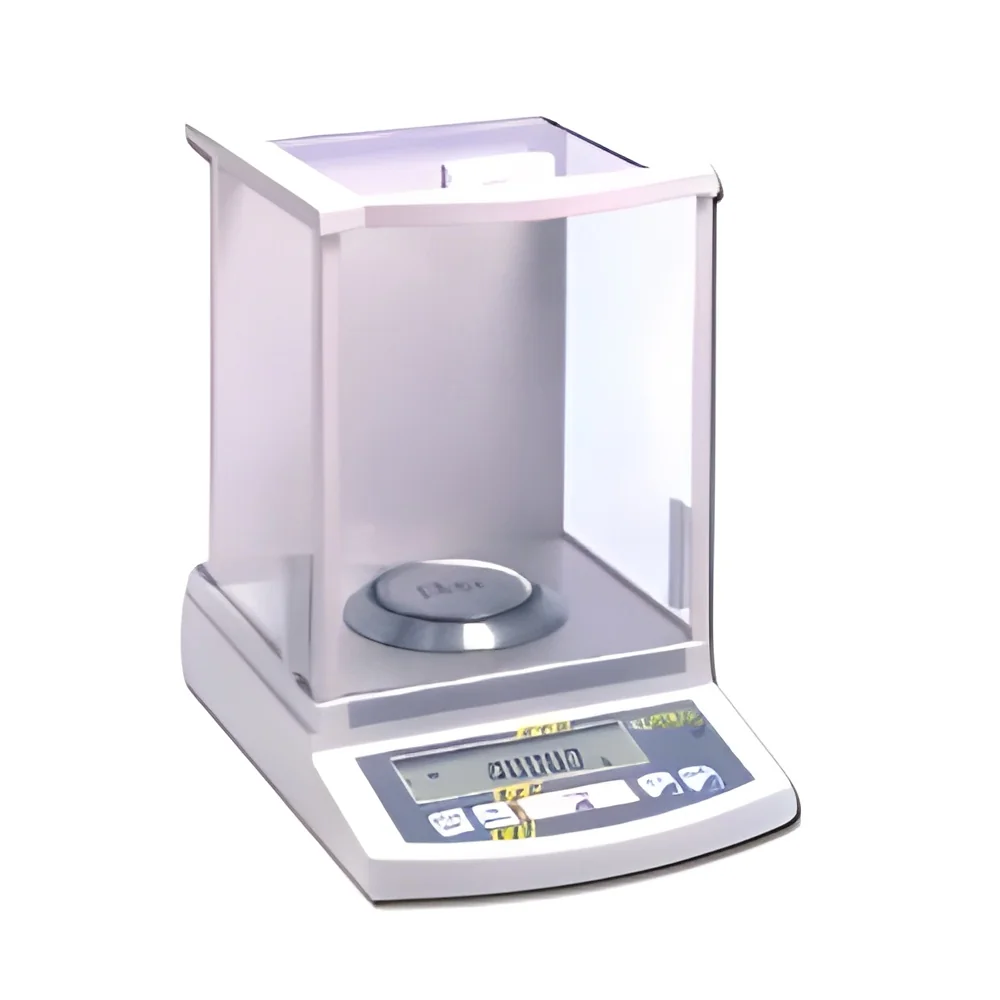
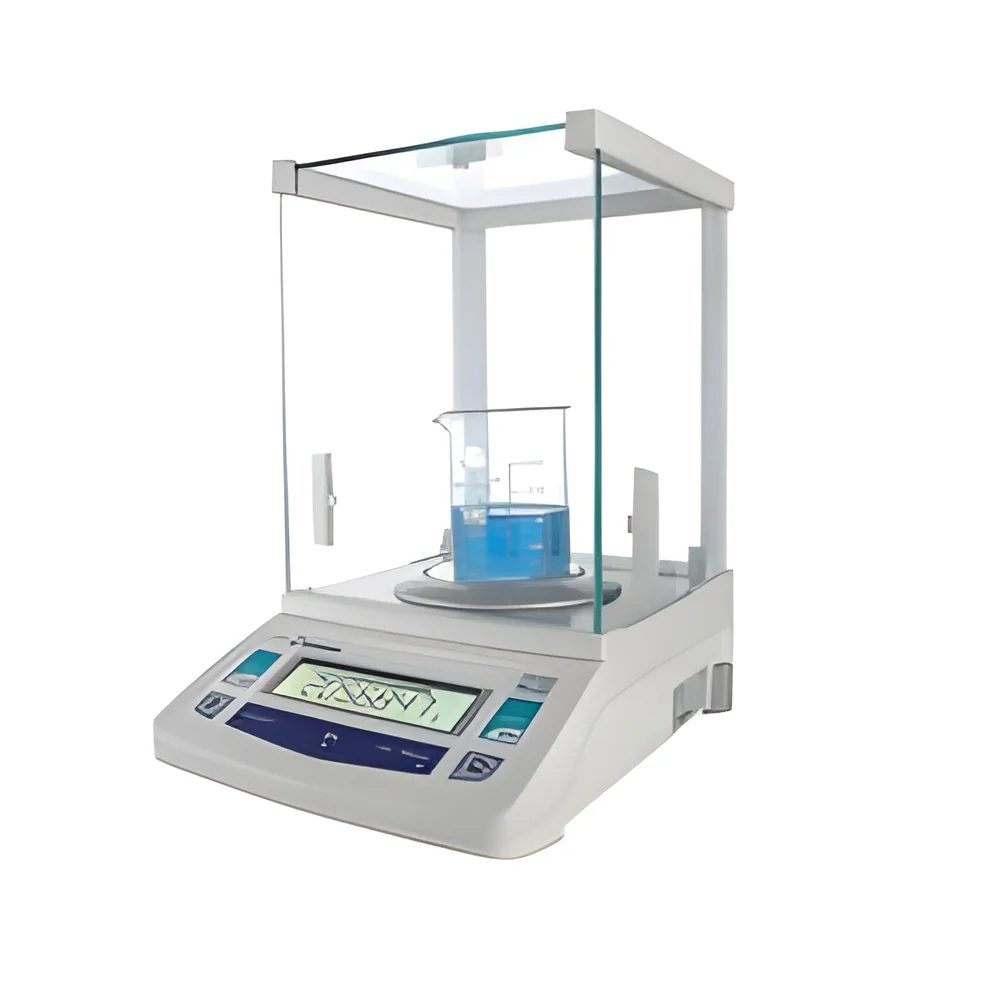
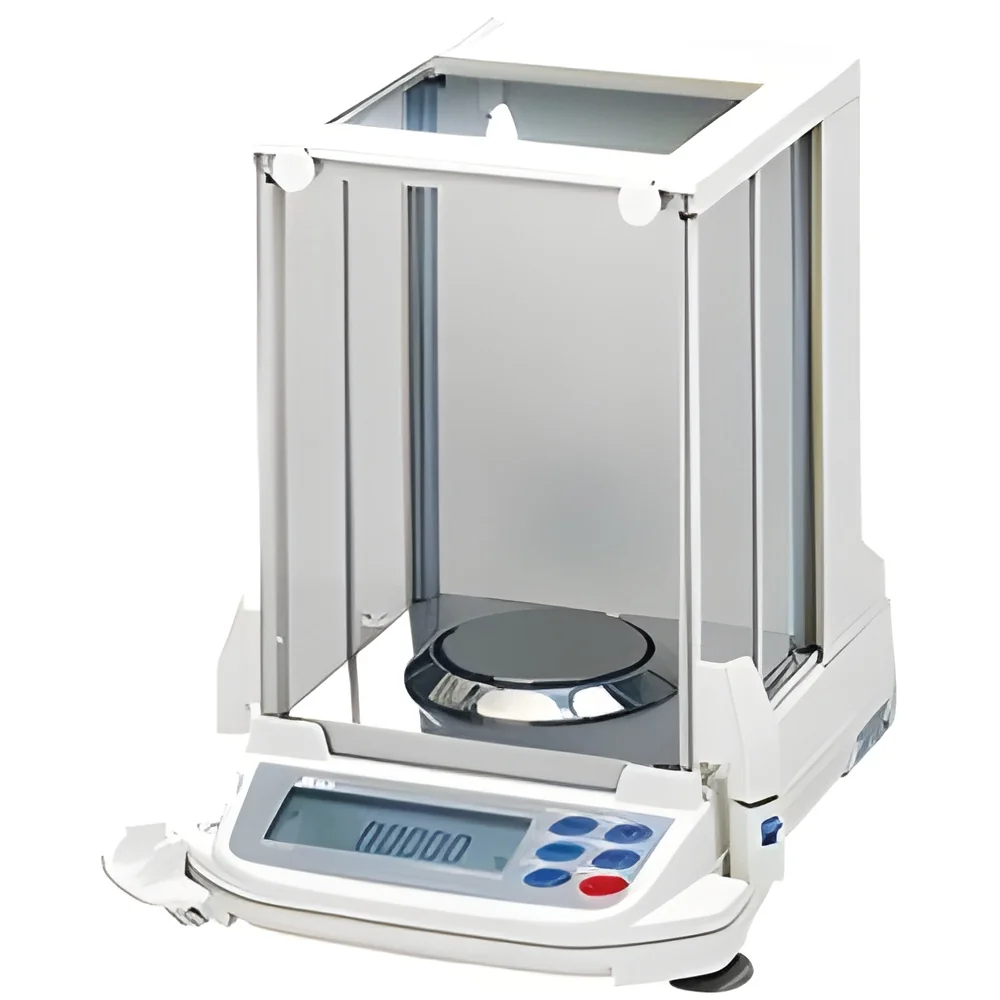
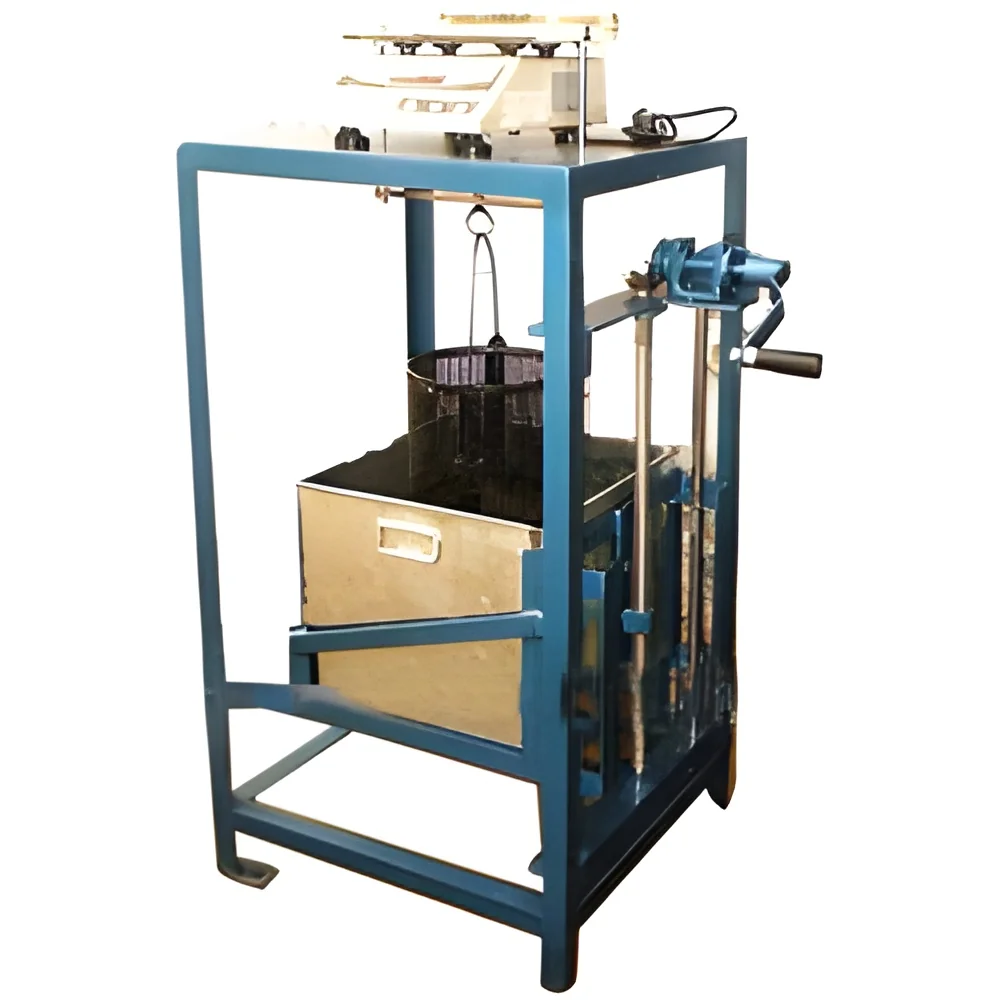
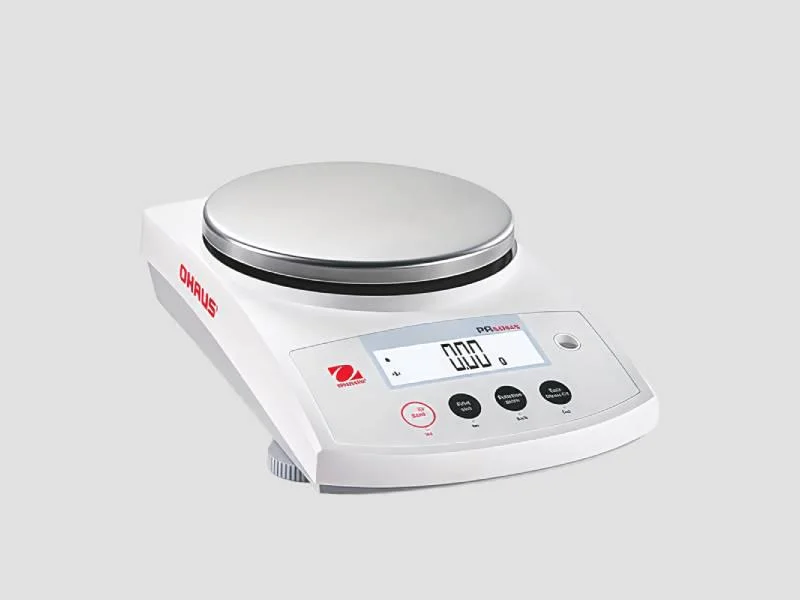
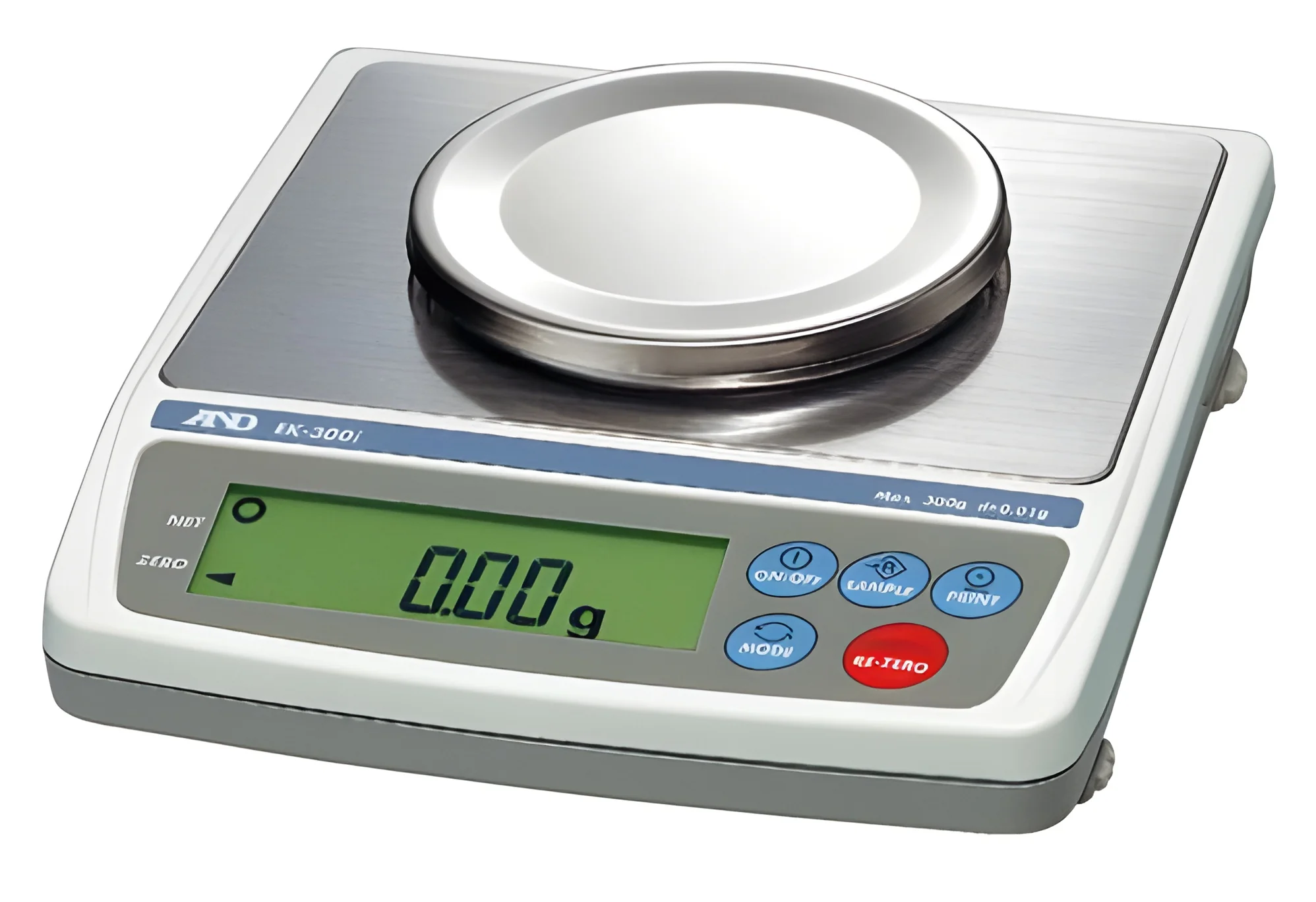
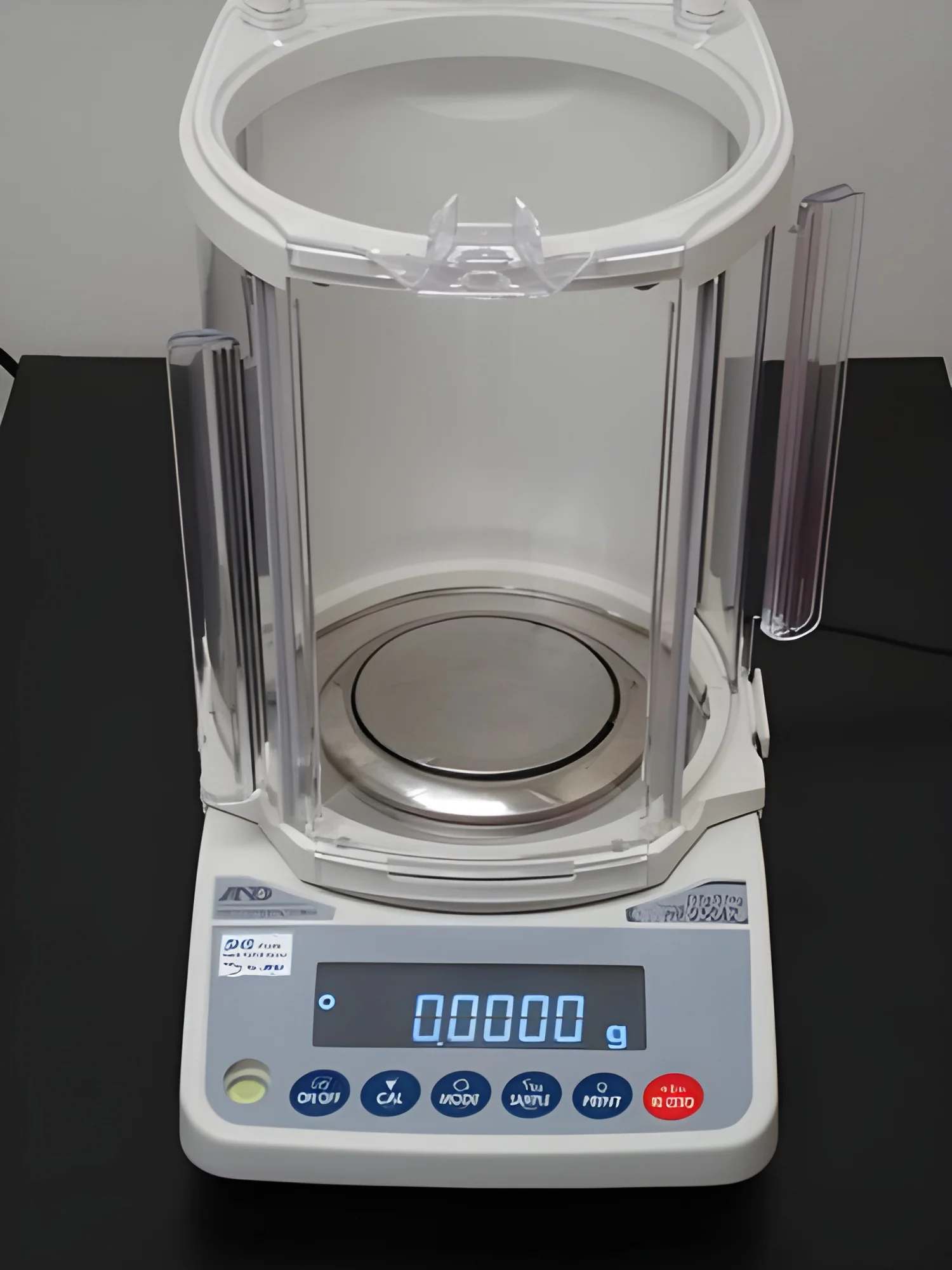
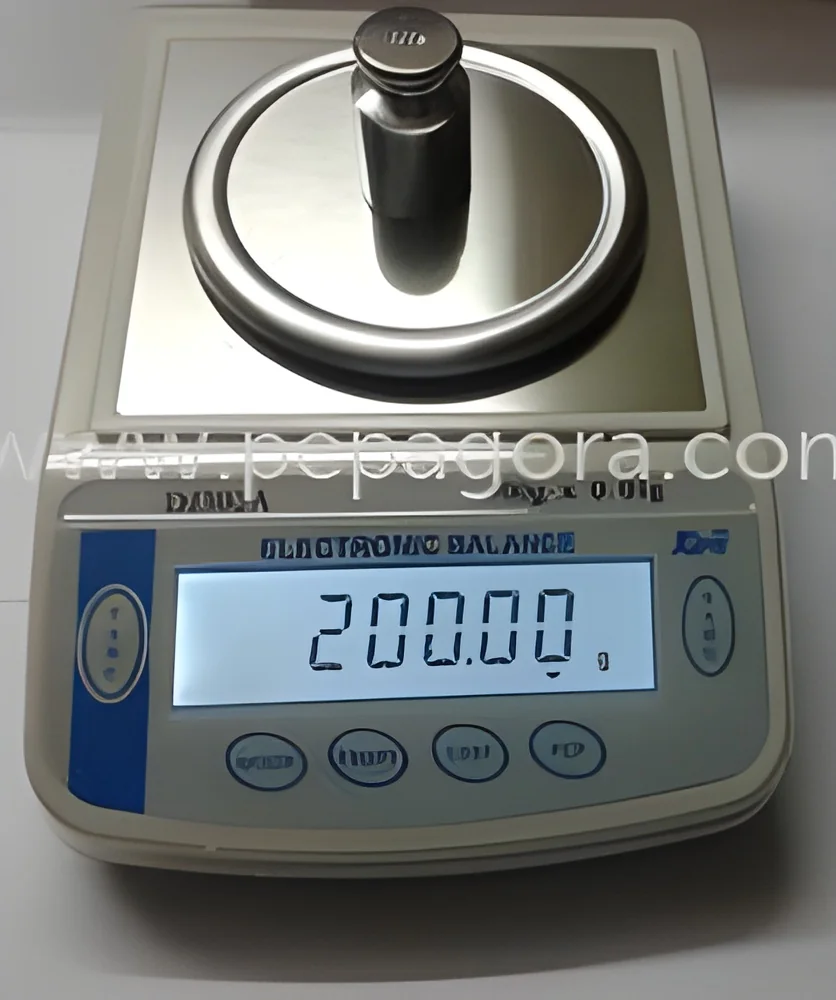
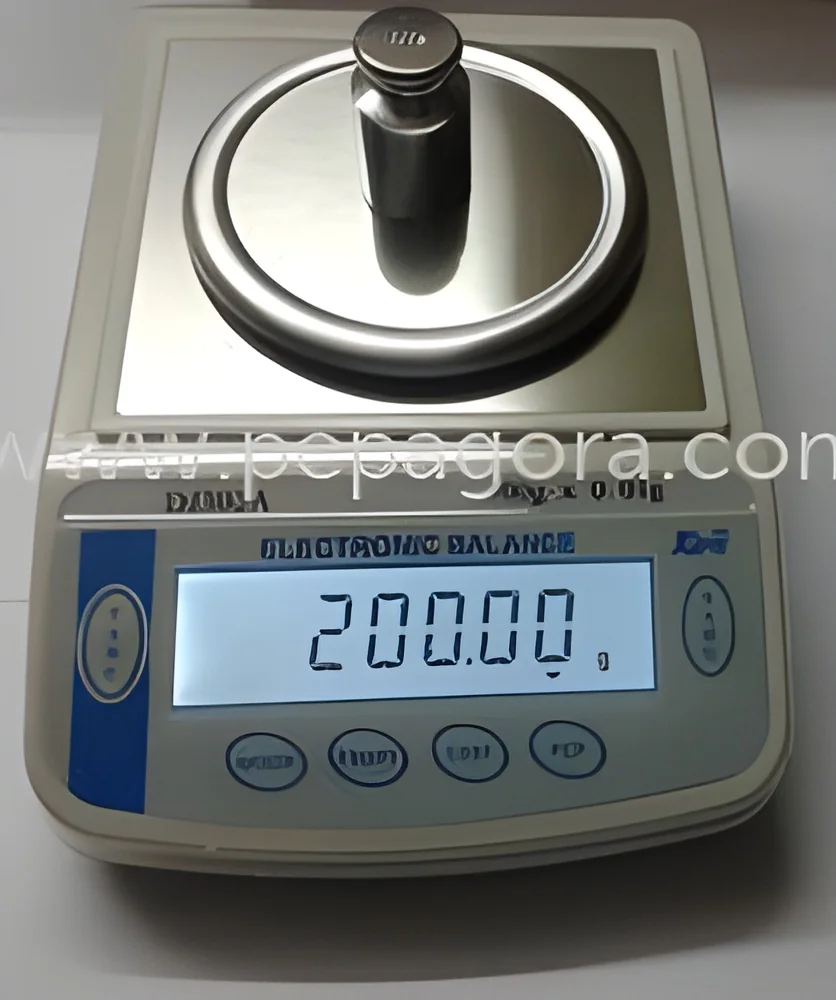
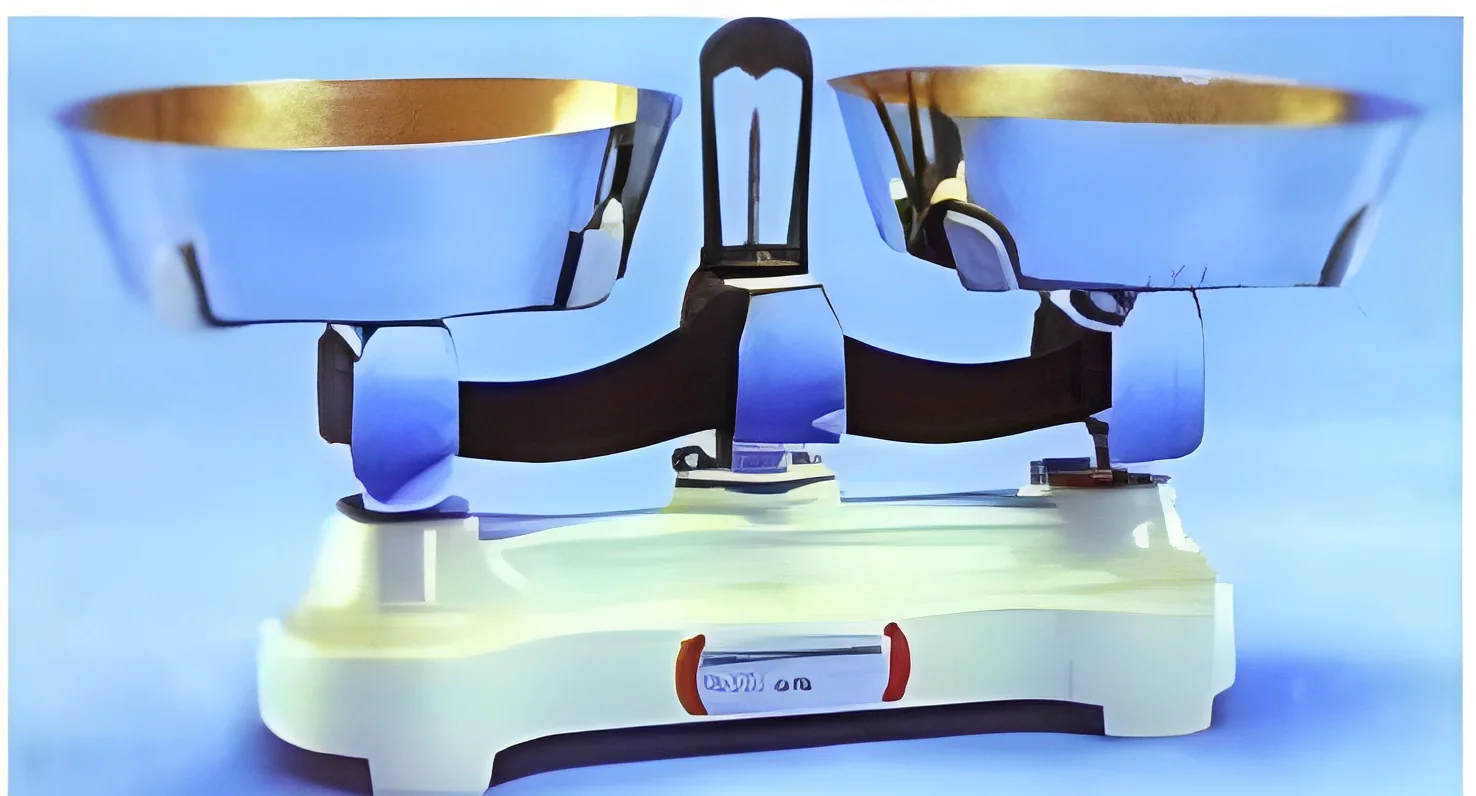
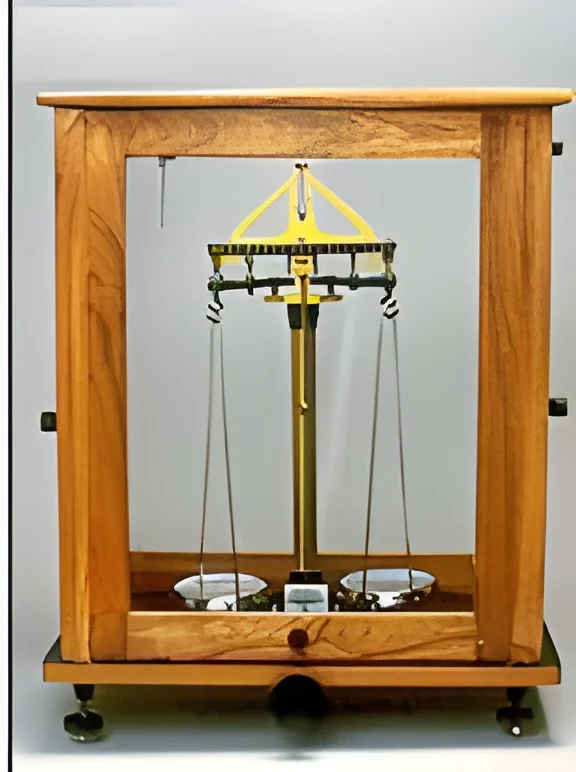
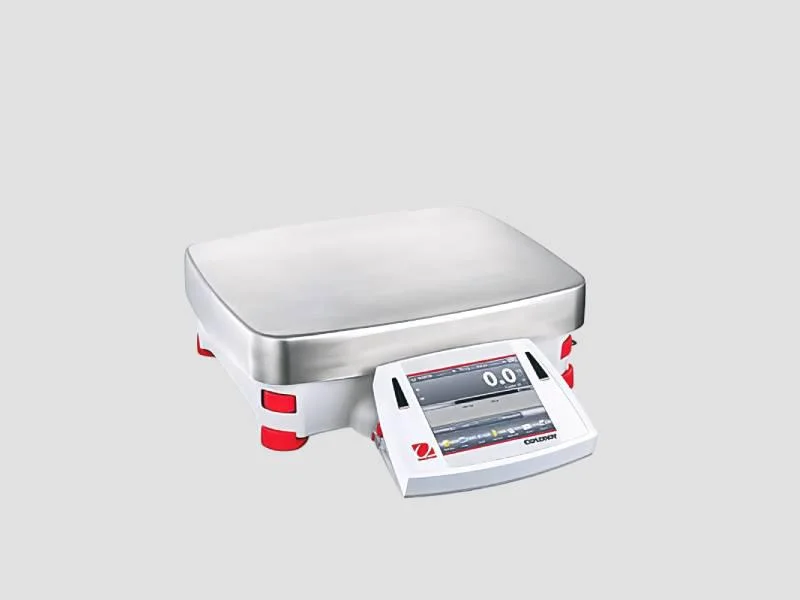
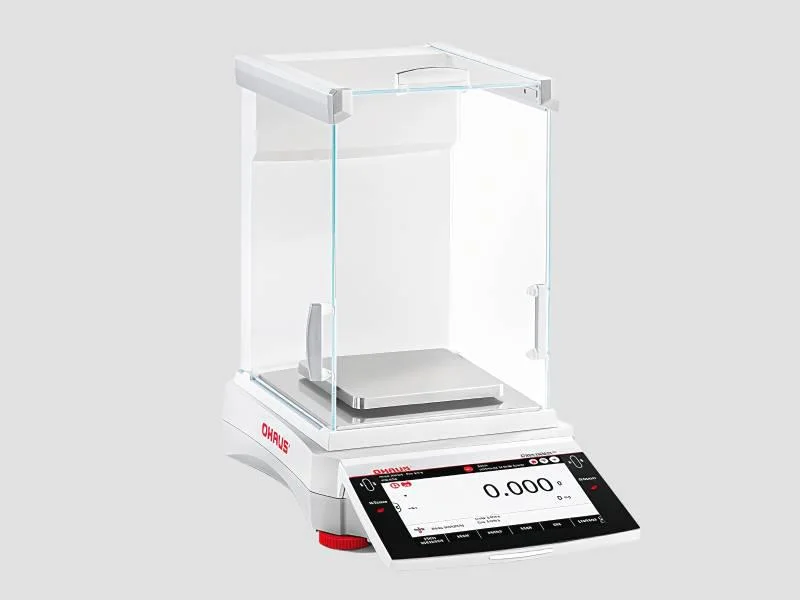
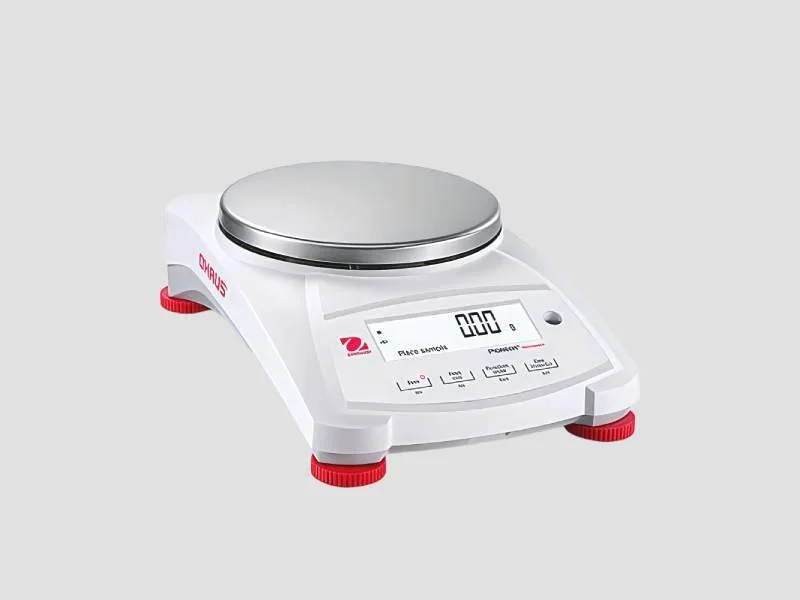
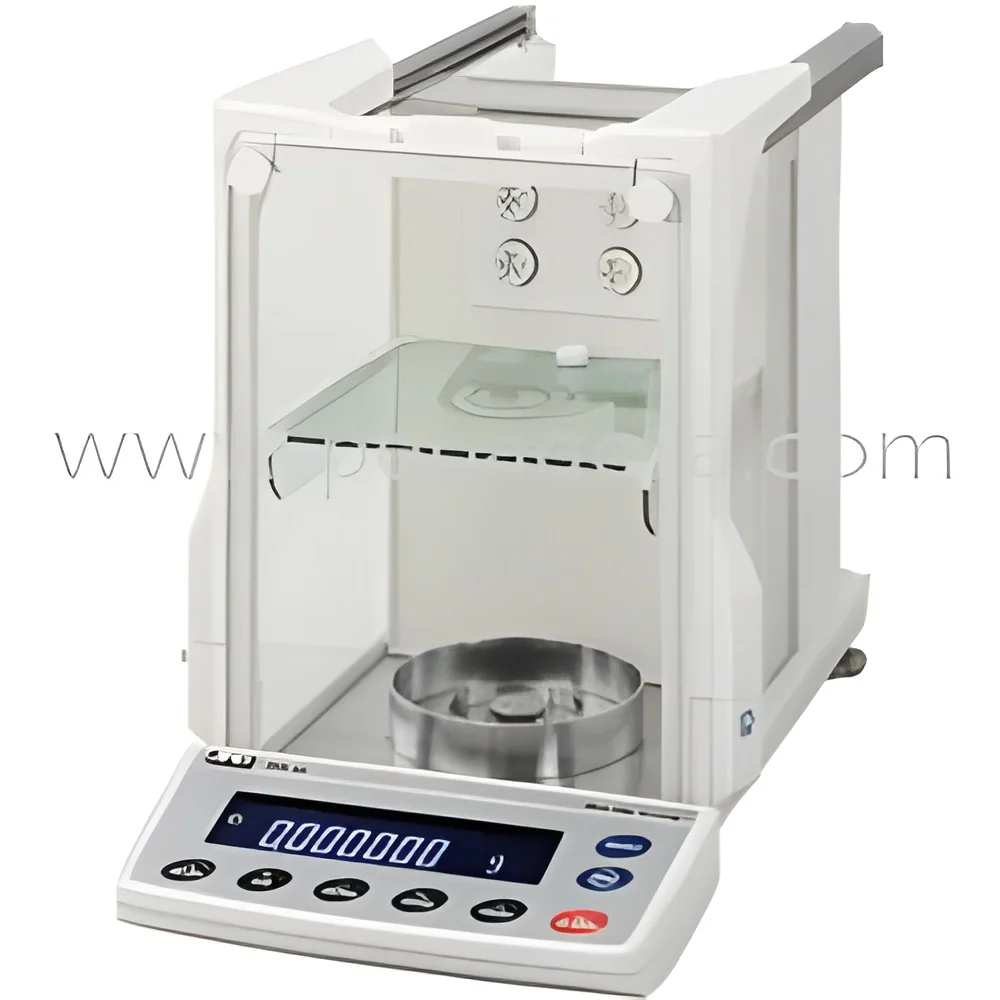
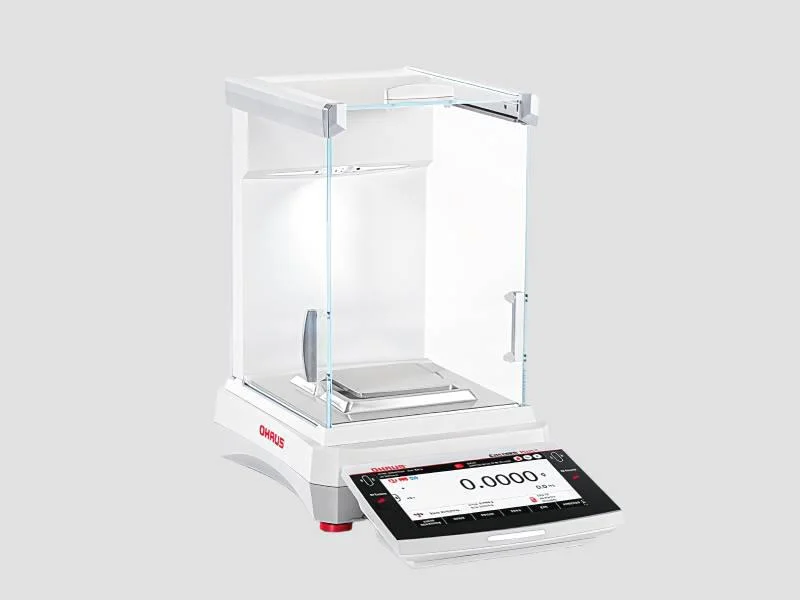
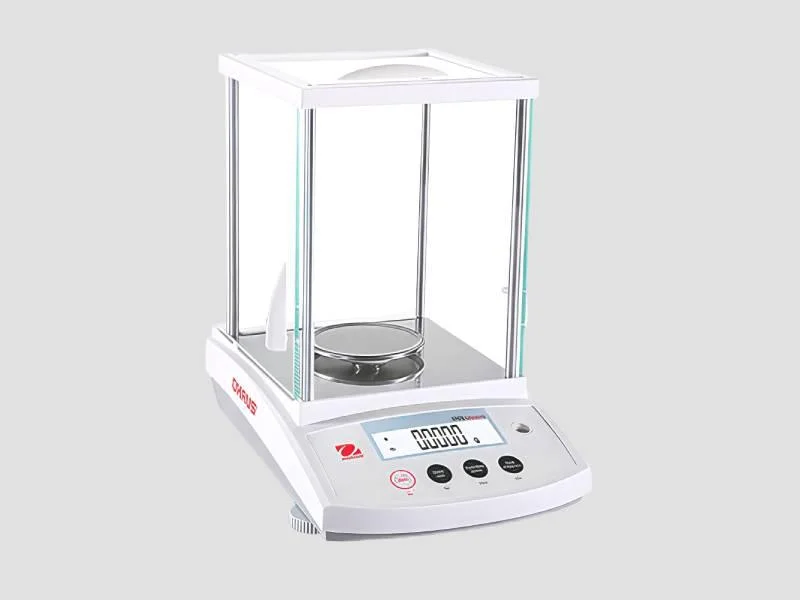
Lab balances are precision instruments designed to measure the mass of materials with high accuracy. They are essential in laboratory settings, where precise measurements are required for various experiments and processes. Lab balances utilize advanced technology to ensure that measurements are reliable and reproducible. These balances can come in different types, including analytical balances and top-loading balances, each serving specific measurement needs.
The primary uses of lab balances span a wide range of applications across various industries. They are crucial in laboratories for scientific research, quality control, and production processes. Businesses rely on lab balances for tasks such as formulating chemical compounds, measuring raw materials, and conducting experiments that require precise measurements. The relevance of lab balances in the market cannot be overstated, as they are widely used in pharmaceuticals, chemicals, food and beverage, and academic research, among others.
Key Features and Specifications
Lab balances come equipped with various features that enhance their usability and accuracy. Understanding these specifications is crucial for making an informed purchasing decision.
Key specifications include:
1. Capacity
- Maximum weight the balance can measure
- Typically ranges from a few grams to several kilograms
2. Readability
- The smallest increment that can be displayed
- Usually varies from 0.1 mg to 1 g depending on the type of balance
3. Calibration
- Method of ensuring accuracy over time
- May include internal or external calibration options
4. Pan Size
- Diameter or dimensions of the weighing pan
- Impacts the type of samples that can be measured
5. Display Type
- Type of display used to show measurements
- Common options include LCD or LED screens
6. Power Supply
- Source of energy for the balance
- Can be battery-operated or AC-powered
7. Connectivity
- Options for data transfer and integration
- May include USB, RS-232, or Bluetooth capabilities
8. Operating Temperature Range
- Ideal temperature range for optimal performance
- Data not available for specific ranges
Lab balances are designed with these features to ensure accuracy and reliability in various applications.
Common Applications and Use Cases
Lab balances find utility in numerous industries, each with specific applications tailored to their needs.
1. Pharmaceuticals: Lab balances are essential for measuring active ingredients and excipients in drug formulation, ensuring product consistency and compliance with regulatory standards.
2. Chemicals: In chemical manufacturing, lab balances are used to measure raw materials and chemicals with precision, which is critical for maintaining product quality and safety.
3. Food and Beverage: These balances assist in portioning ingredients accurately during food production and quality control tests to ensure adherence to recipes and regulations.
4. Academic Research: In educational and research institutions, lab balances facilitate experiments that require precise measurements, contributing to reliable data and findings.
5. Environmental Testing: Lab balances are employed in environmental labs for analyzing samples, ensuring accurate measurements of pollutants and other substances.
6. Cosmetics: In the cosmetic industry, lab balances are used for formulating products to ensure proper ingredient ratios and consistency.
7. Manufacturing: In manufacturing processes, balances are essential for measuring components and ensuring quality control in production lines.
Product Variants and Subcategories
Lab balances come in various types to cater to different measurement needs. Each variant offers unique features suitable for specific applications.
Analytical Balances: These balances provide high precision with readability of 0.1 mg or better. They are ideal for applications requiring meticulous measurements, such as in pharmaceuticals and research labs.
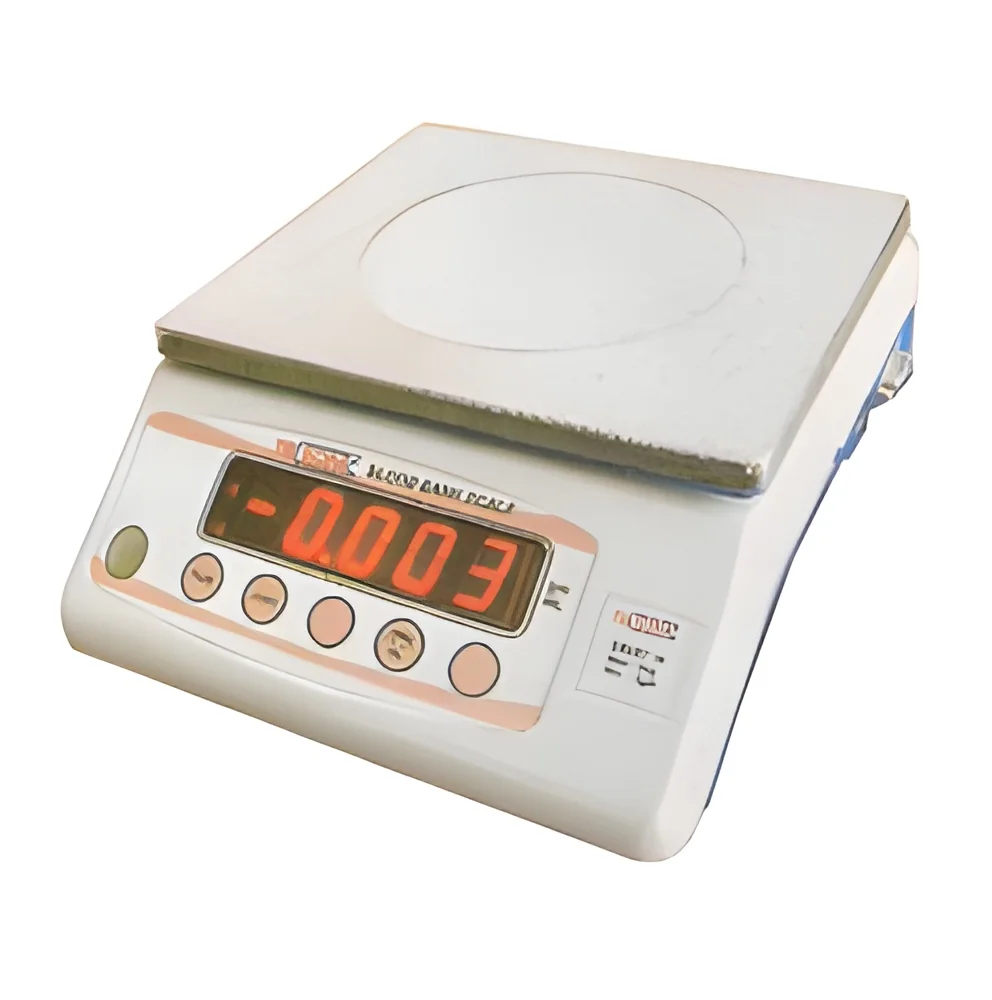
Top-Loading Balances: These balances are user-friendly and often have a higher capacity than analytical balances. They are suitable for general laboratory use, where quick and efficient measurements are necessary.
Precision Balances: With a focus on accuracy, these balances are designed for applications that require reliable measurements without the extreme precision of analytical balances. They are commonly used in laboratories and educational institutions.
Benefits and Advantages
Lab balances offer several advantages that make them indispensable in laboratory settings.
1. High Accuracy: Lab balances provide precise measurements, which are critical for achieving reliable results in experiments and production processes.
2. User-Friendly Interfaces: Many lab balances feature intuitive displays and controls, making them easy to operate even for those with minimal training.
3. Versatility: These balances can be used across various industries, accommodating a wide range of applications from research to manufacturing.
4. Robust Construction: Lab balances are designed to withstand rigorous use in laboratory environments, ensuring durability and longevity.
5. Compliance with Standards: Most lab balances meet industry standards, ensuring that measurements are reliable and acceptable for regulatory compliance.
6. Advanced Features: Many models come with connectivity options and data management features, enhancing workflow efficiency and data accuracy.
Buying Guide for B2B Buyers
When sourcing lab balances, it is vital to consider several factors to ensure the right choice is made.
1. Quality Assessment: Evaluate the balance's precision and accuracy against industry standards. Look for certifications like CE that indicate quality compliance.
2. Supplier Verification: Vet suppliers to ensure they have a reputation for providing reliable products. Check reviews and request references if necessary.
3. Pricing and MOQ: Understand the cost structure and minimum order quantities (MOQ) associated with different suppliers to find a balance that meets budget requirements.
4. Delivery and Lead Times: Inquire about the logistics involved in delivery and the estimated lead times, as these can impact project timelines.
5. Compliance Requirements: Ensure that the lab balance meets any regulatory requirements specific to your industry, which may include safety certifications or operational standards.
Compliance and Certifications
Lab balances must adhere to various quality standards to ensure reliability and safety in their applications. Common standards include ISO 9001, which outlines quality management principles, and HACCP, which focuses on food safety. These standards help ensure that lab balances operate within acceptable parameters and produce reliable results.
Additionally, many lab balances carry certifications such as CE, indicating compliance with European health, safety, and environmental protection standards. These certifications provide assurance that the products meet specific safety and performance criteria.
Safety and testing requirements are critical for lab balances, particularly in industries such as pharmaceuticals and food. Regular calibration and maintenance are essential to maintain compliance with these standards. It is also important to consider regional compliance requirements, as regulations may vary by location.
Why Source Lab Balance from Pepagora?
Pepagora offers a trusted platform for sourcing lab balances, providing several key advantages that benefit B2B buyers.
Verified Supplier Network: Pepagora connects buyers with a network of verified suppliers, ensuring that you receive quality products from reputable manufacturers. This verification process helps mitigate risks associated with sourcing.
Streamlined RFQ Process: The request for quotation (RFQ) process is designed to be efficient, allowing buyers to easily compare quotes and specifications from various suppliers. This streamlining saves time and simplifies decision-making.
Trade Assurance and Support: Buyers are protected through trade assurance policies that provide support in case of discrepancies or issues with orders. This buyer protection enhances confidence in the purchasing process.
Regional Coverage: Pepagora serves a broad geographic area, including India, the GCC, and Southeast Asia. This regional coverage ensures that buyers have access to local suppliers, reducing shipping times and costs.

 IN
IN