
 IN
Kid's Footwear
33 products available
𝗪𝗵𝗮𝘁 𝗮𝗿𝗲 𝗞𝗶𝗱’𝘀 𝗙𝗼𝗼𝘁𝘄𝗲𝗮𝗿?
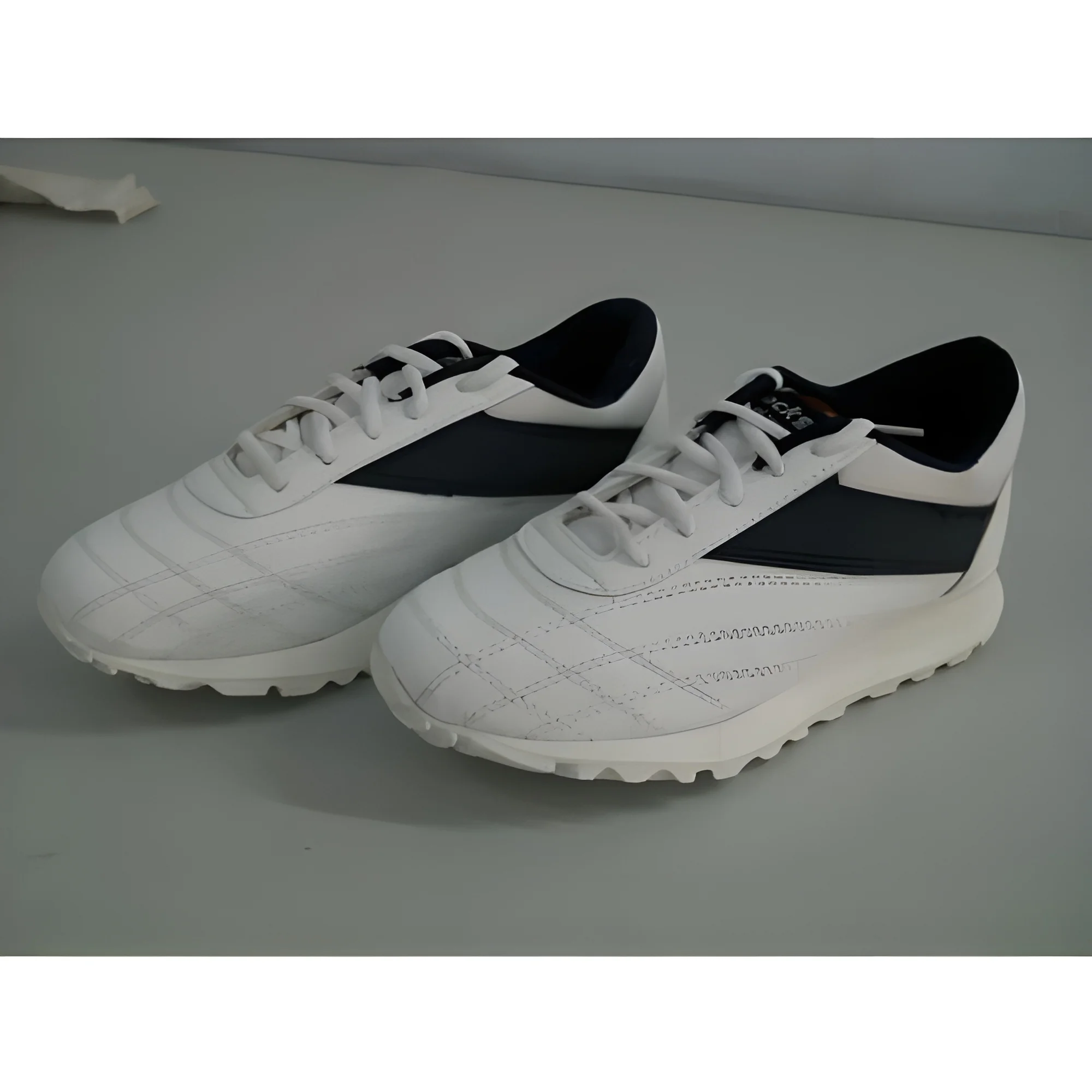
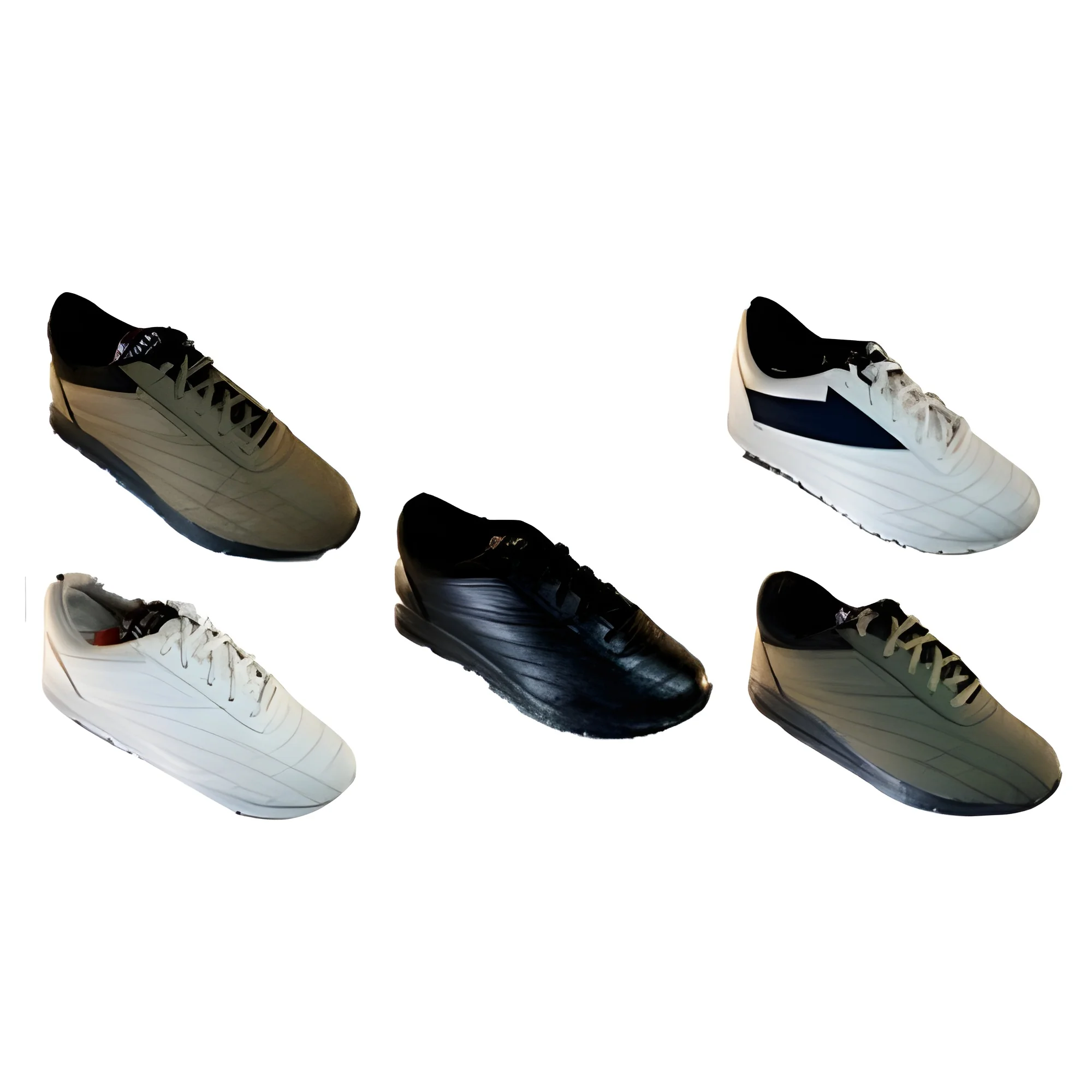
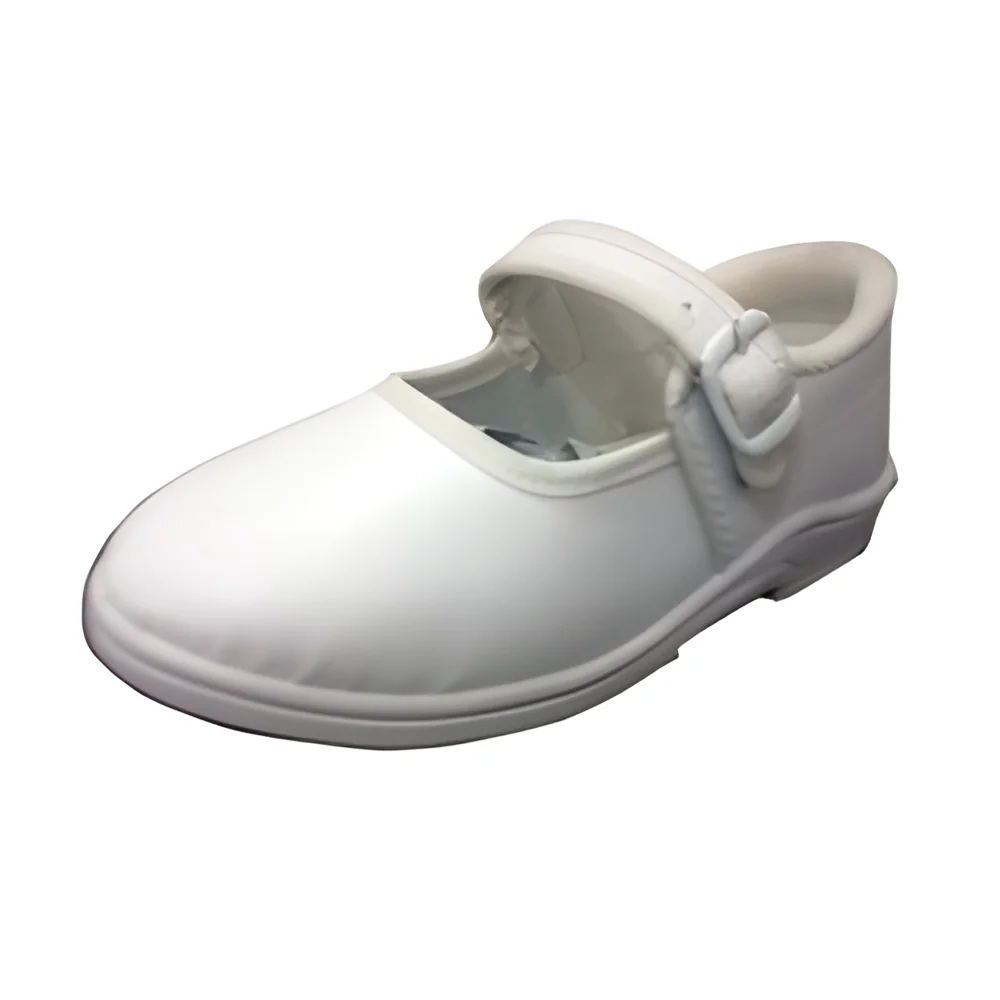
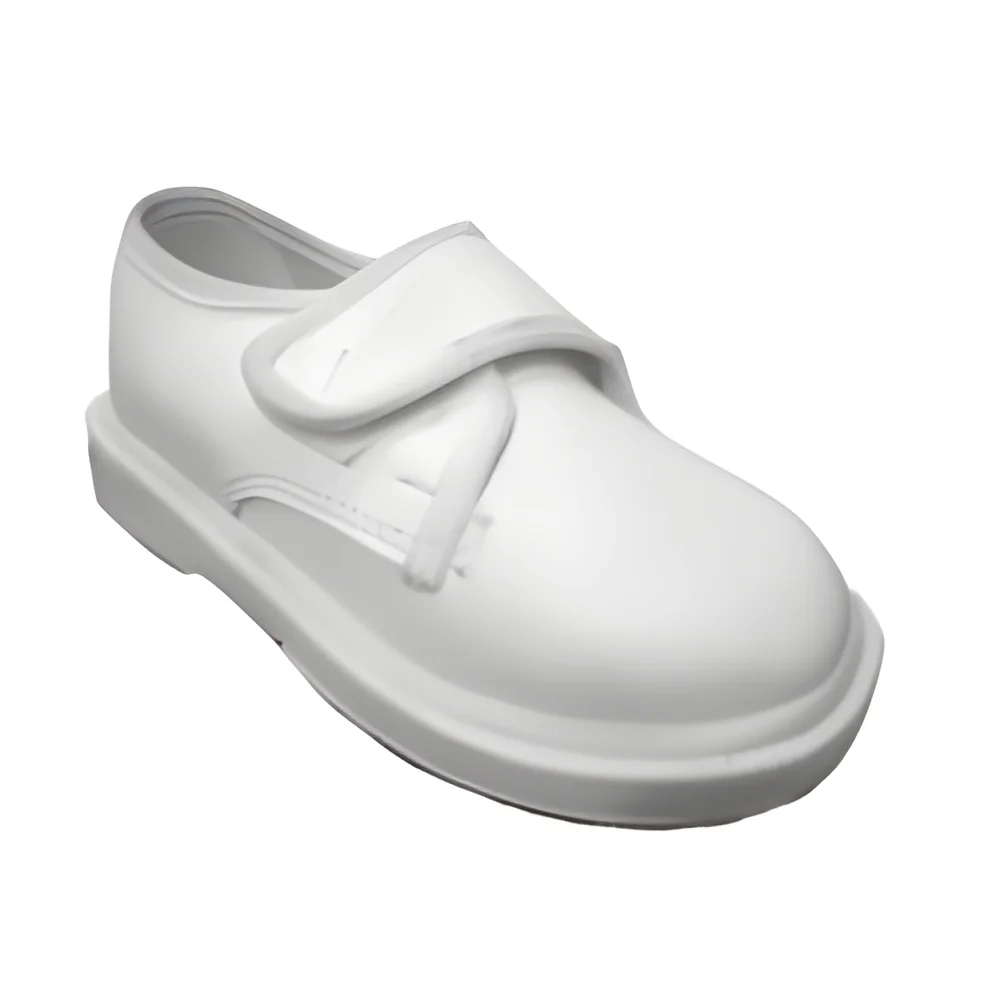
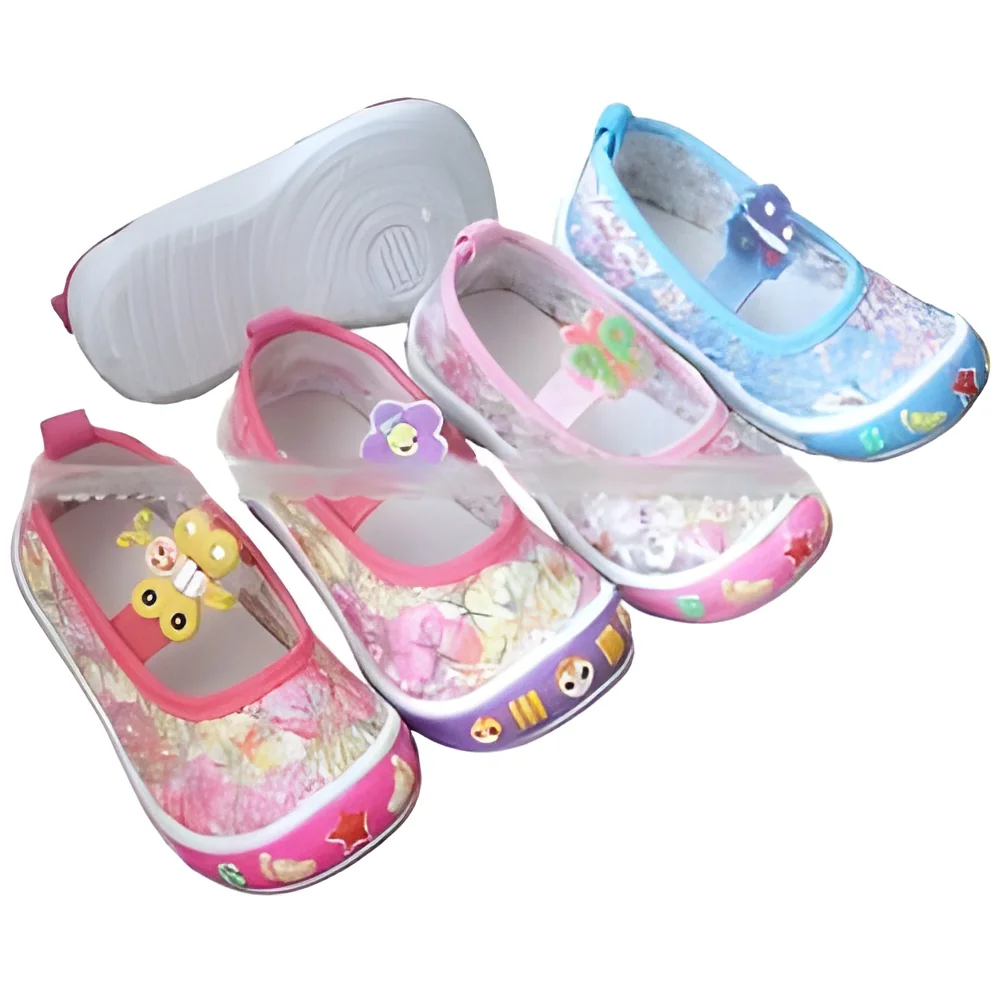
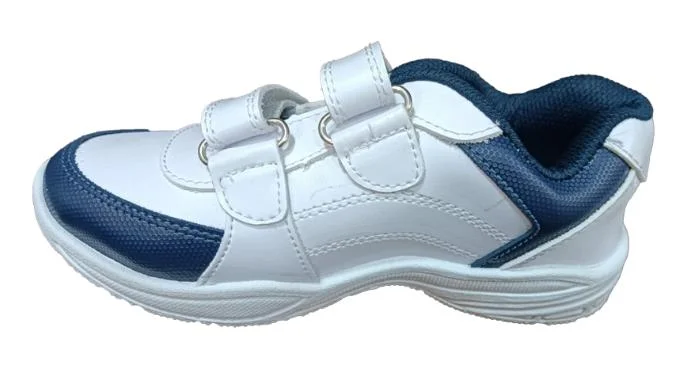
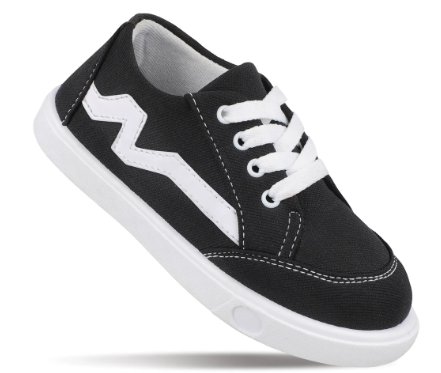
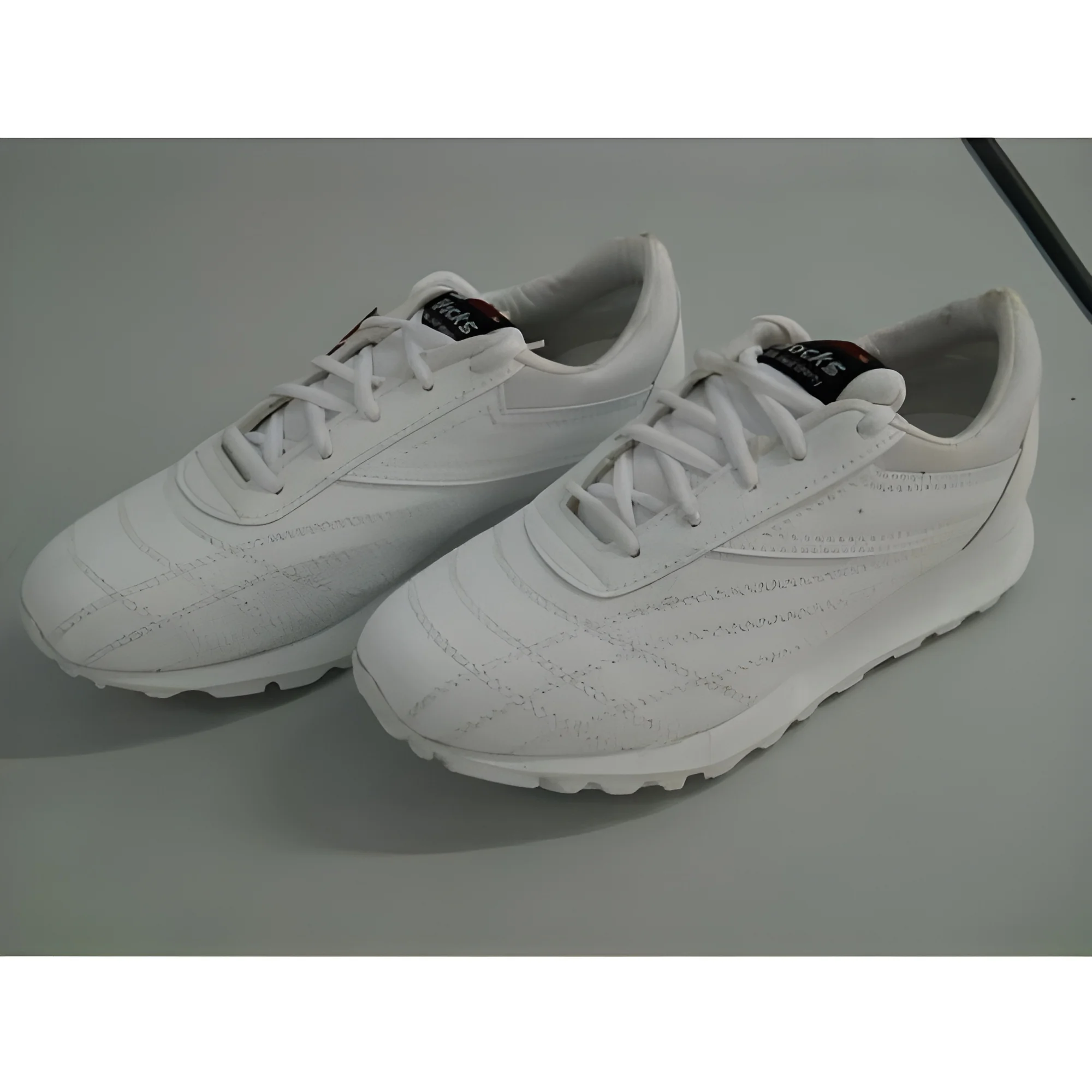
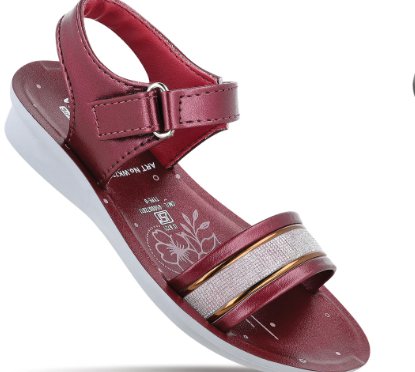
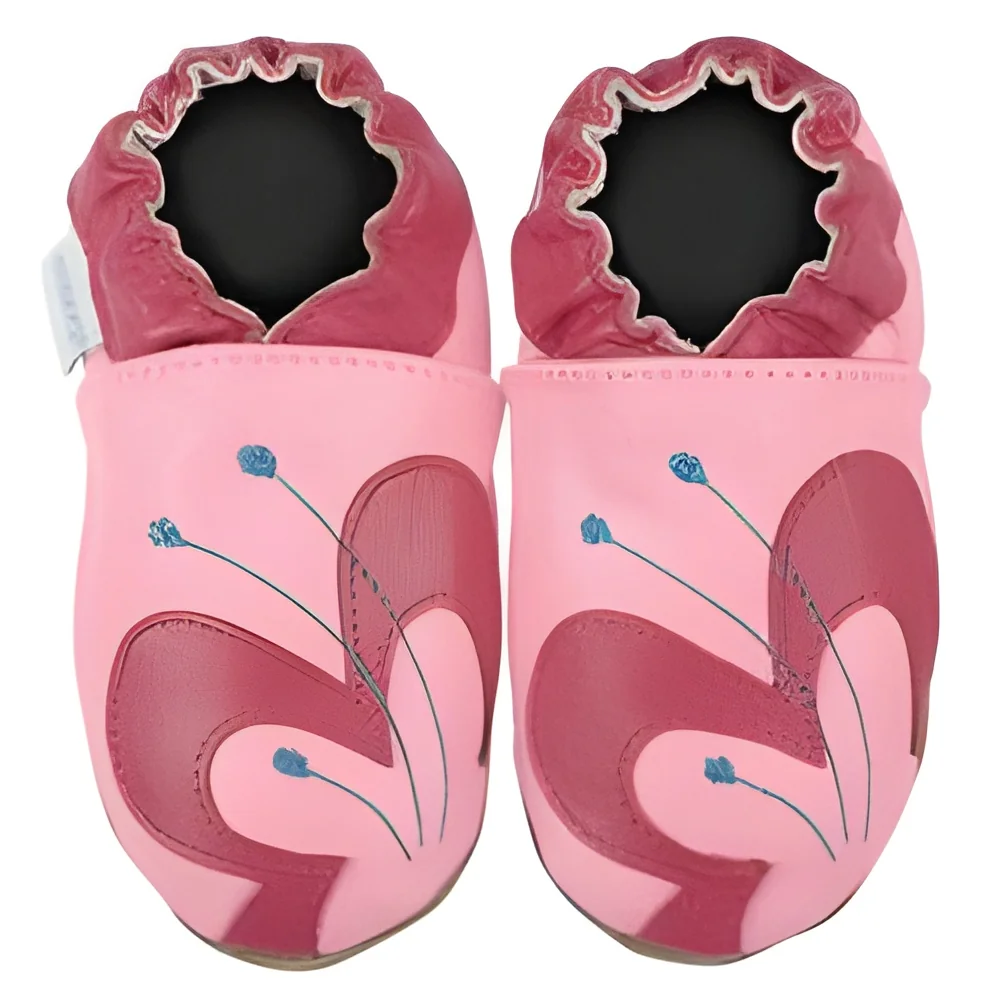
Kid's footwear refers to a diverse range of shoes designed specifically for children, catering to their unique needs in terms of comfort, support, and style. These products are crafted to accommodate the growing feet of children, ensuring proper fit and function. Kid's footwear can include various types such as sneakers, sandals, boots, and dress shoes, each designed for different occasions and activities.
The primary uses of kid's footwear extend across several applications, including everyday wear, school activities, sports, and special events. Businesses in the retail sector, particularly those focused on children's clothing and accessories, often stock these products to meet consumer demands. Additionally, kid's footwear manufacturers and suppliers play a crucial role in providing businesses with high-quality, compliant products that prioritize the health and safety of young wearers.
In the current market context, the demand for kid's footwear is growing due to increased awareness of children's health and wellness. Parents are more inclined to invest in products that offer support and durability, leading to a robust industry. As a result, businesses engaged in the kid's footwear market must stay updated on trends and regulations to remain competitive.
𝗞𝗲𝘆 𝗙𝗲𝗮𝘁𝘂𝗿𝗲𝘀 𝗮𝗻𝗱 𝗦𝗽𝗲𝗰𝗶𝗳𝗶𝗰𝗮𝘁𝗶𝗼𝗻𝘀
Kid's footwear is designed with specific features to meet the needs of young users. When evaluating these products, several key specifications are essential for B2B buyers.
Key specifications include:
1. Material Quality
- High-quality materials such as leather, synthetic fabrics, or canvas
- Durability and breathability for comfort
2. Size Range
- Available in various sizes to accommodate different age groups
- Standardized sizing for consistency across brands
3. Sole Construction
- Lightweight and flexible soles for ease of movement
- Non-slip and wear-resistant properties for safety
4. Closure Types
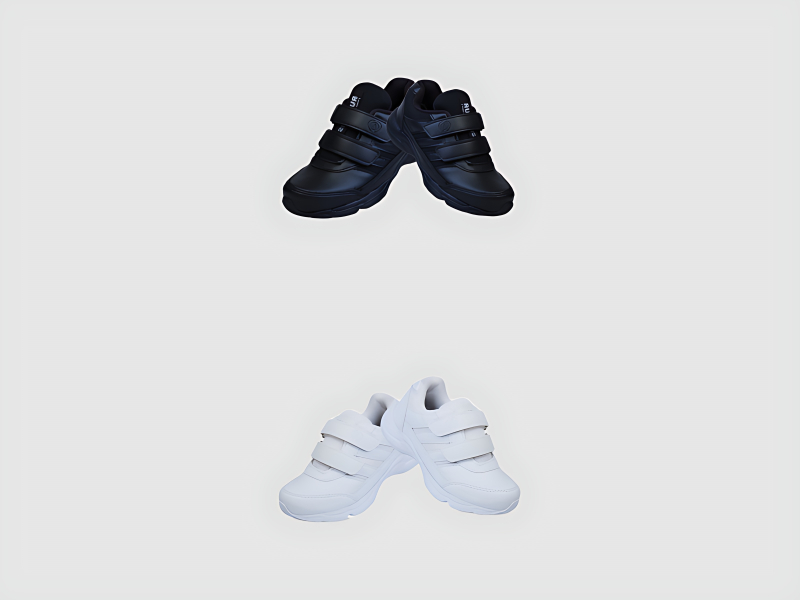
- Variety of closures such as Velcro, laces, or slip-ons
- Ensures a secure fit for active children
5. Design and Style
- Attractive designs that appeal to children and parents alike
- Options for personalization or themed designs
6. Weight
- Lightweight construction for reduced fatigue during wear
- Essential for young children who are active throughout the day
7. Waterproof Features
- Some variants may include waterproof materials for outdoor use
- Enhances usability in various weather conditions
8. Safety Standards Compliance
- Adherence to relevant safety regulations such as CE marking
- Ensures products are safe for children's use
In summary, kid's footwear must combine practicality with appealing designs to satisfy both children and their caregivers. By focusing on these specifications, businesses can select products that meet market demands effectively.
𝗖𝗼𝗺𝗺𝗼𝗻 𝗔𝗽𝗽𝗹𝗶𝗰𝗮𝘁𝗶𝗼𝗻𝘀 𝗮𝗻𝗱 𝗨𝘀𝗲 𝗖𝗮𝘀𝗲𝘀
Kid's footwear serves various industries and applications beyond just retail.
1. Education Sector: Schools require appropriate footwear for students, leading to bulk purchases for uniformity and comfort.
2. Sports and Recreation: Athletic programs and organizations often purchase specialized footwear for sports activities to enhance performance and safety.
3. Retail Industry: Stores focusing on children's apparel need a diverse range of footwear to cater to different tastes and preferences.
4. Healthcare: Pediatric specialists may recommend specific footwear for children with foot conditions, making it essential for healthcare providers to have access to suitable options.
5. Outdoor Adventure: Companies offering children’s outdoor activities require durable shoes that can withstand rugged terrains and weather conditions.
6. Fashion and Lifestyle: Brands focusing on children's fashion are constantly innovating styles that align with current trends, creating a demand for stylish footwear.
7. E-commerce: Online platforms that sell children’s products often offer a wide selection of footwear to reach a broader customer base.
𝗣𝗿𝗼𝗱𝘂𝗰𝘁 𝗩𝗮𝗿𝗶𝗮𝗻𝘁𝘀 𝗮𝗻𝗱 𝗦𝘂𝗯𝗰𝗮𝘁𝗲𝗴𝗼𝗿𝗶𝗲𝘀
Kid's footwear comes in various variants to cater to different needs and preferences.
Sneakers
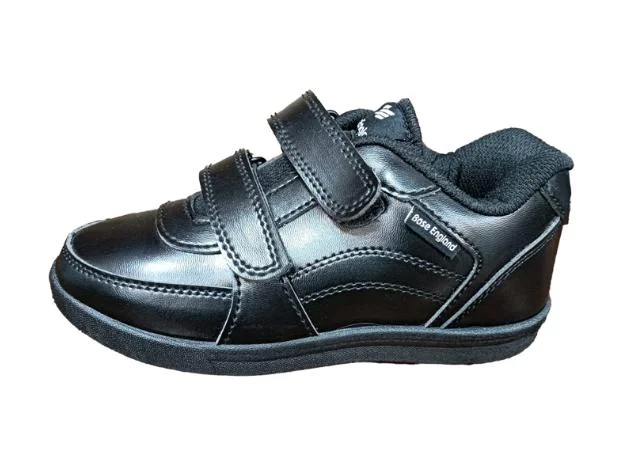
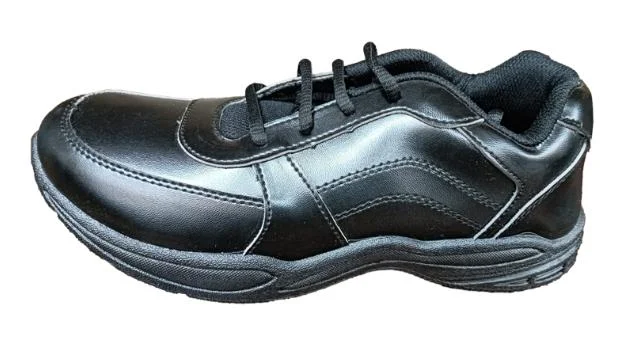
These are versatile shoes designed for daily activities and play. They offer comfort, support, and style, making them a popular choice for children of all ages.
Sandals
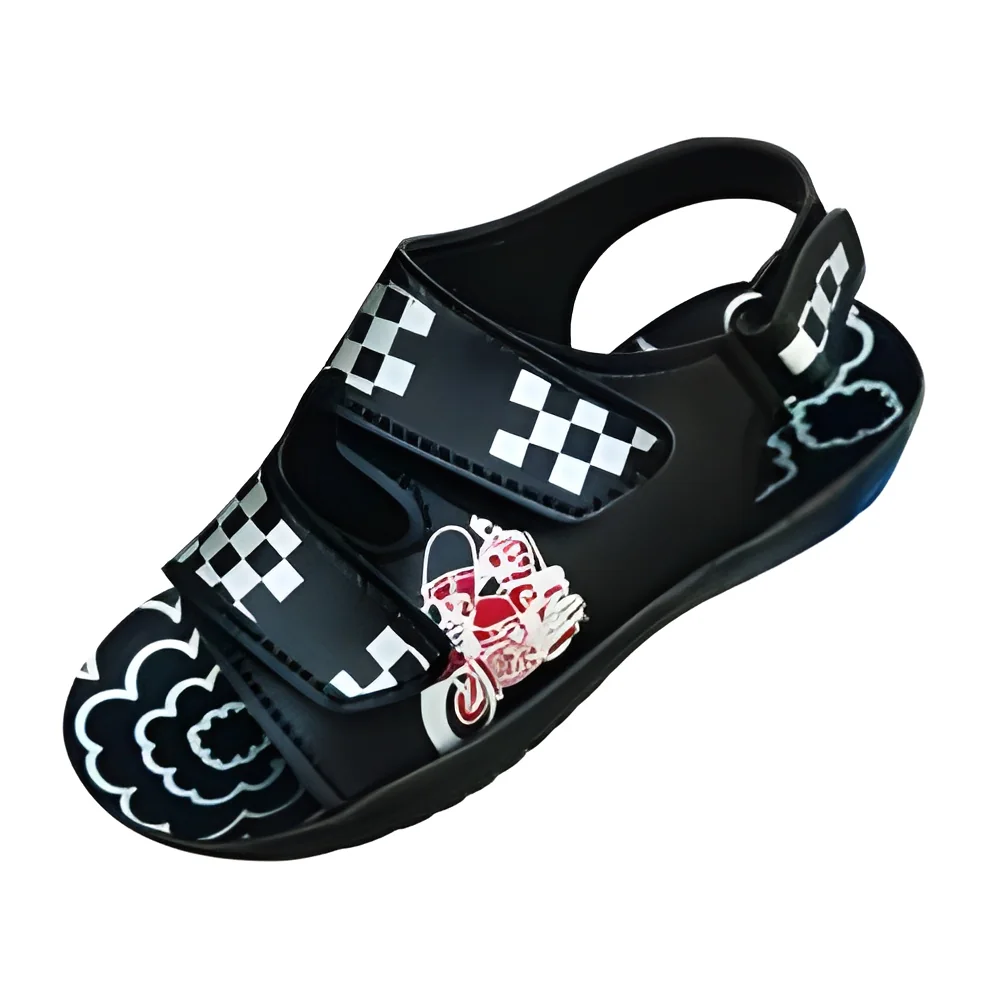
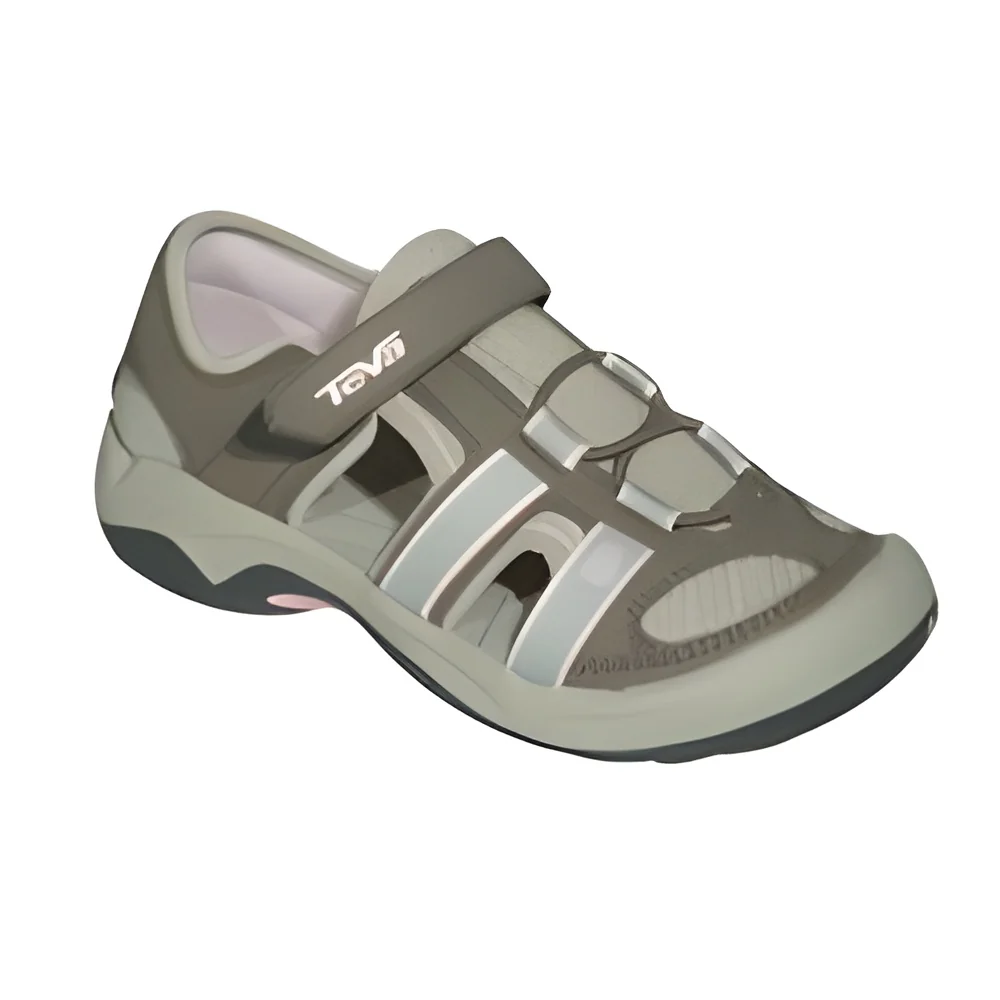
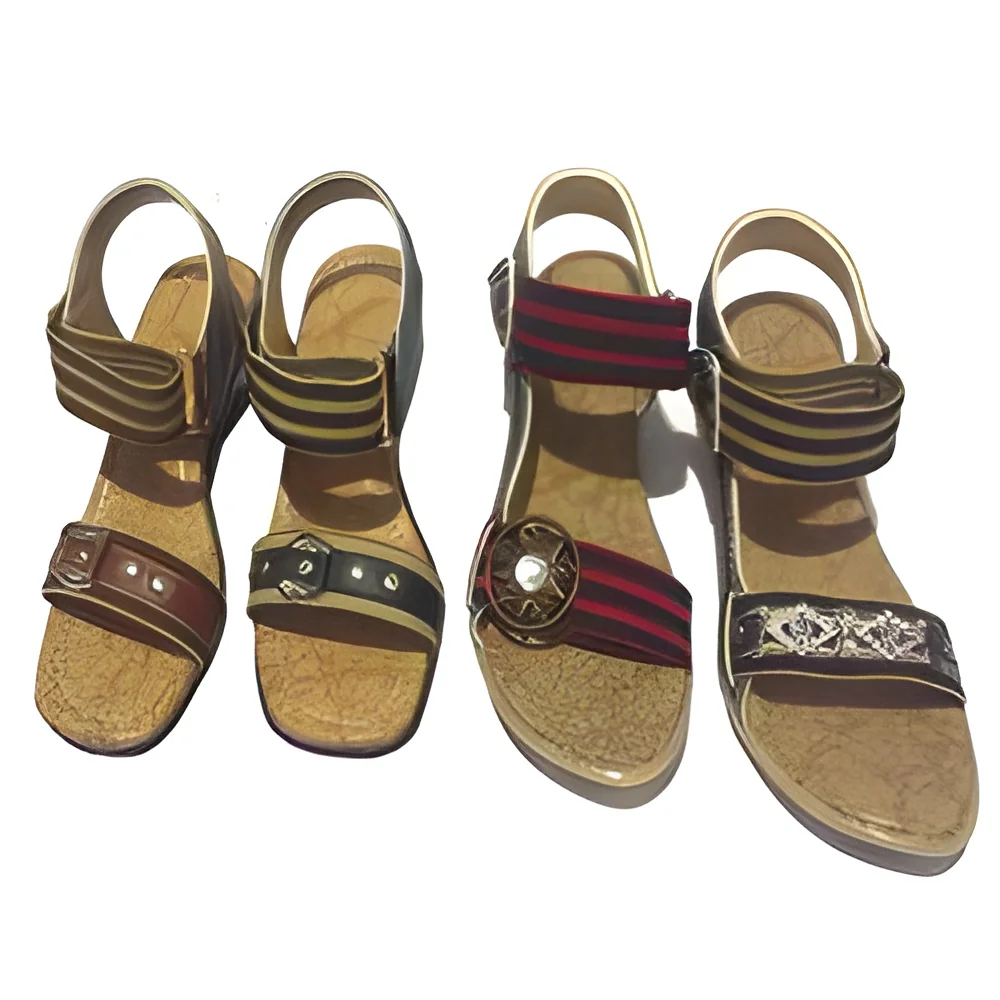
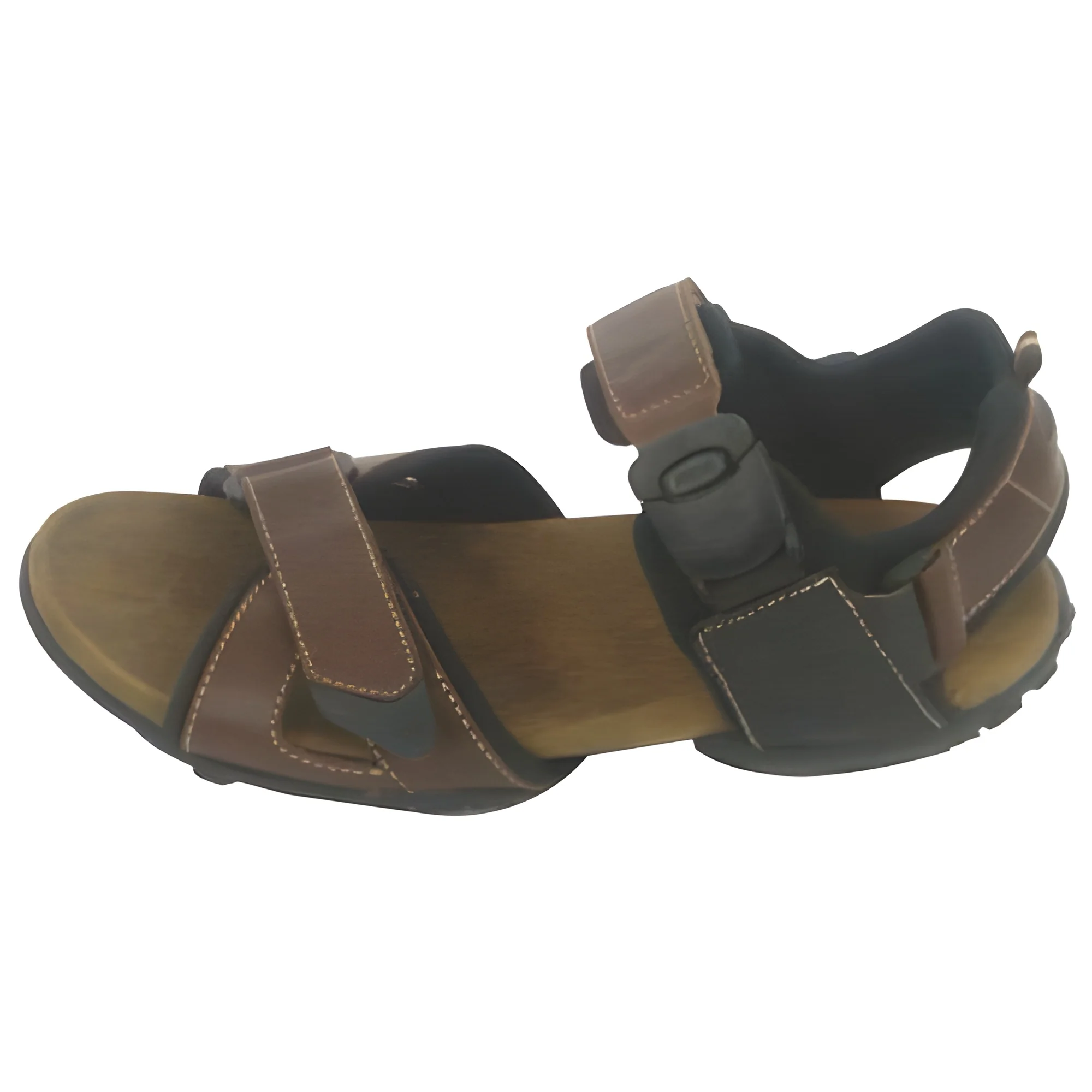
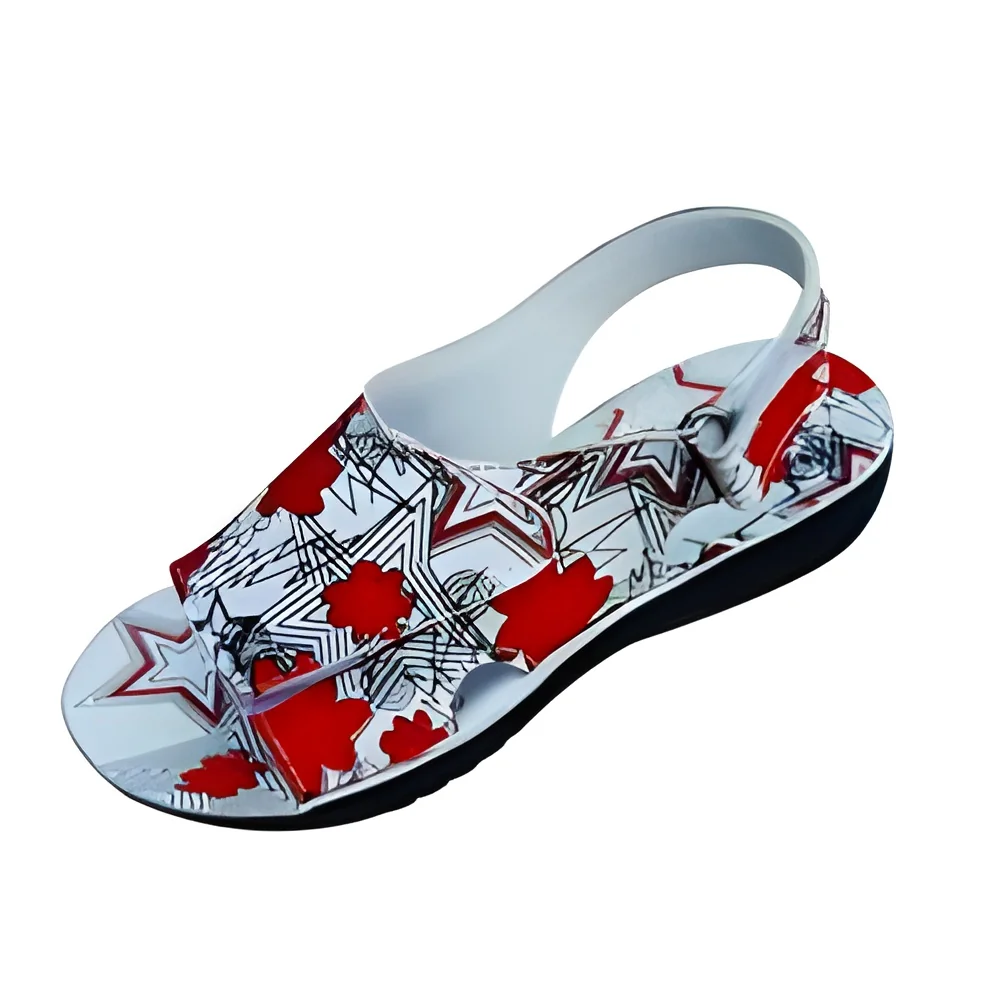
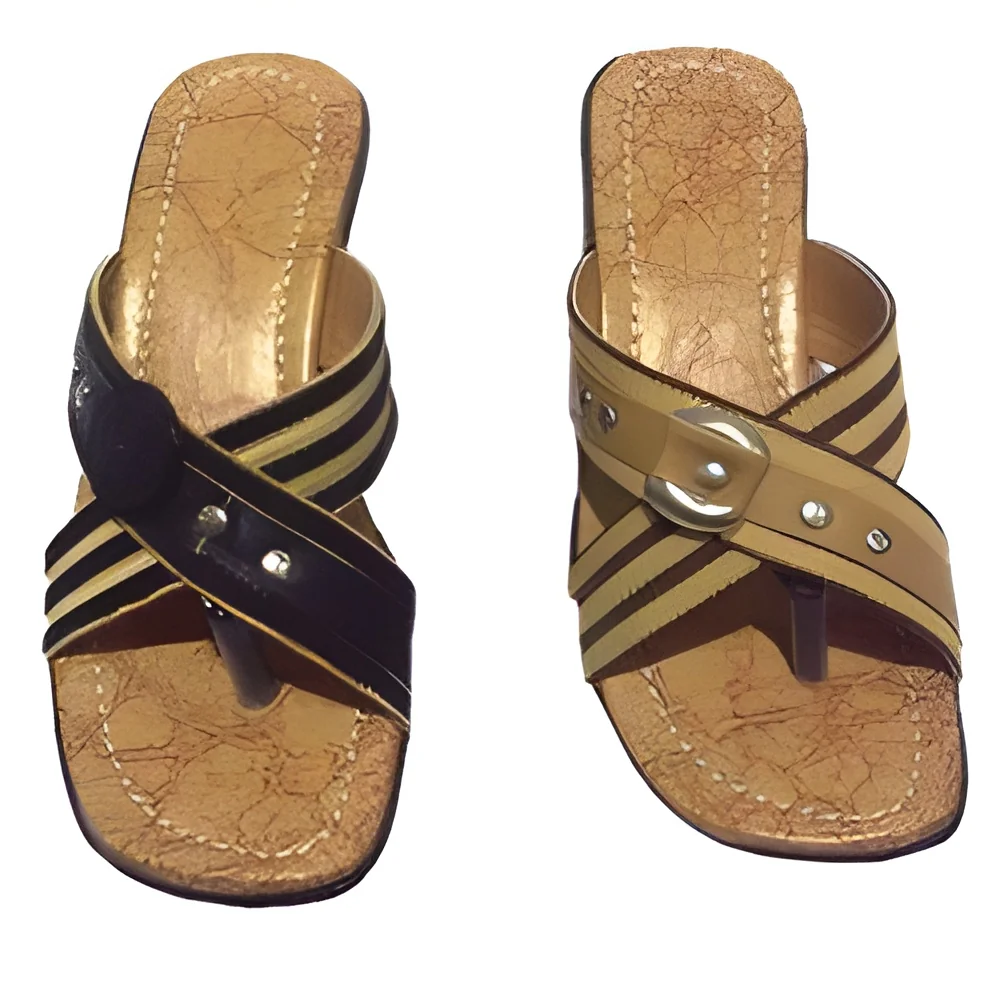
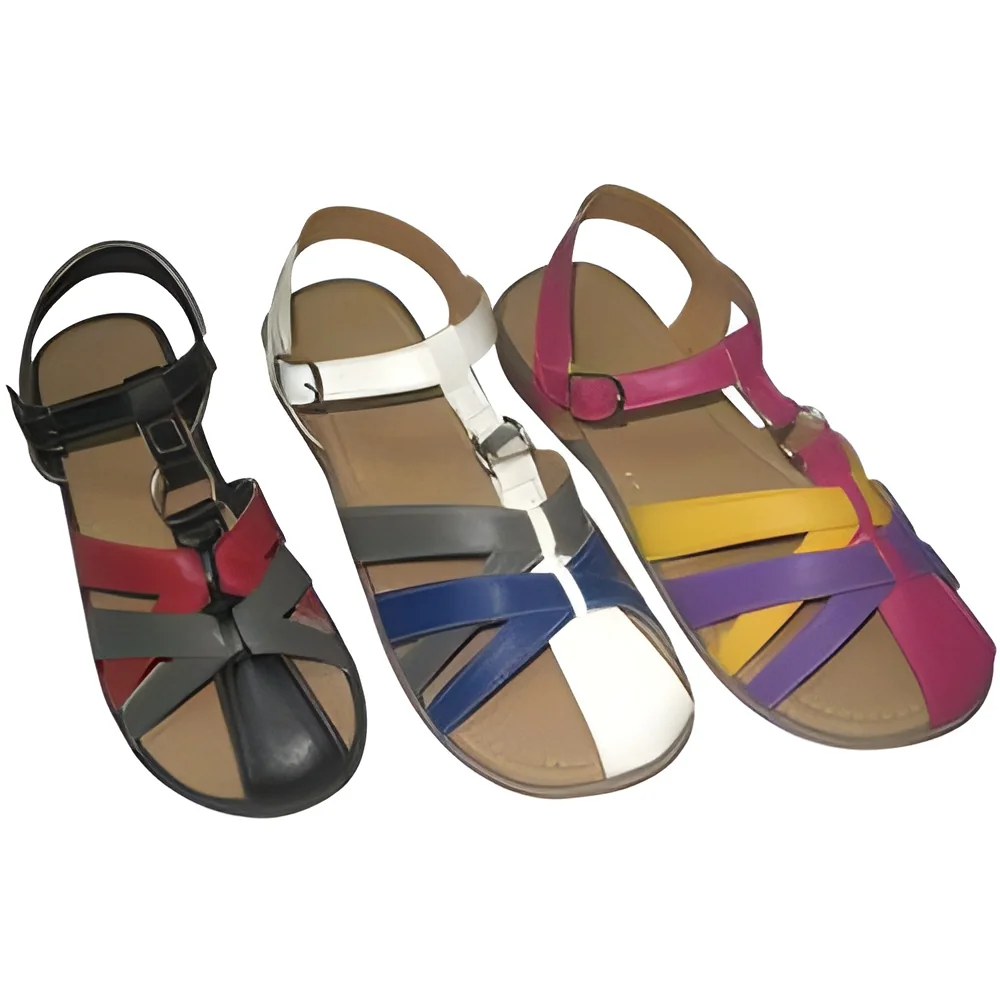
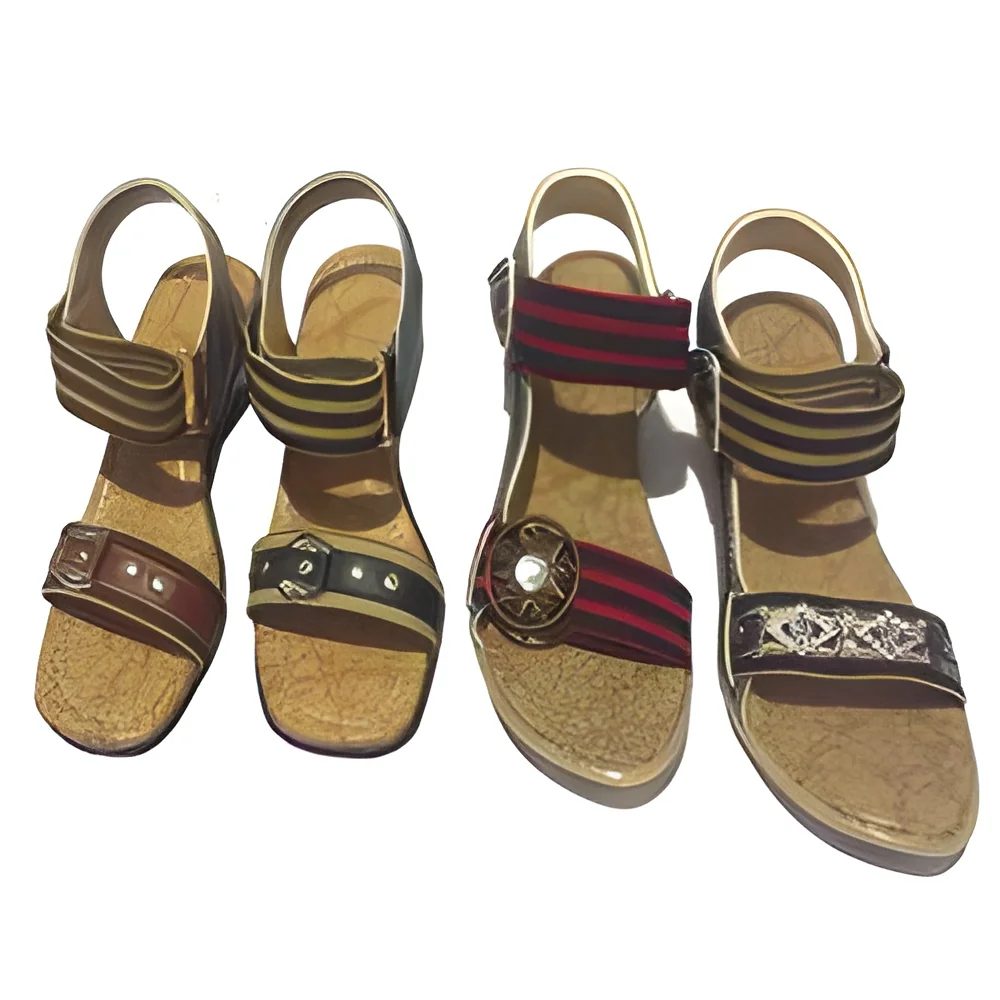
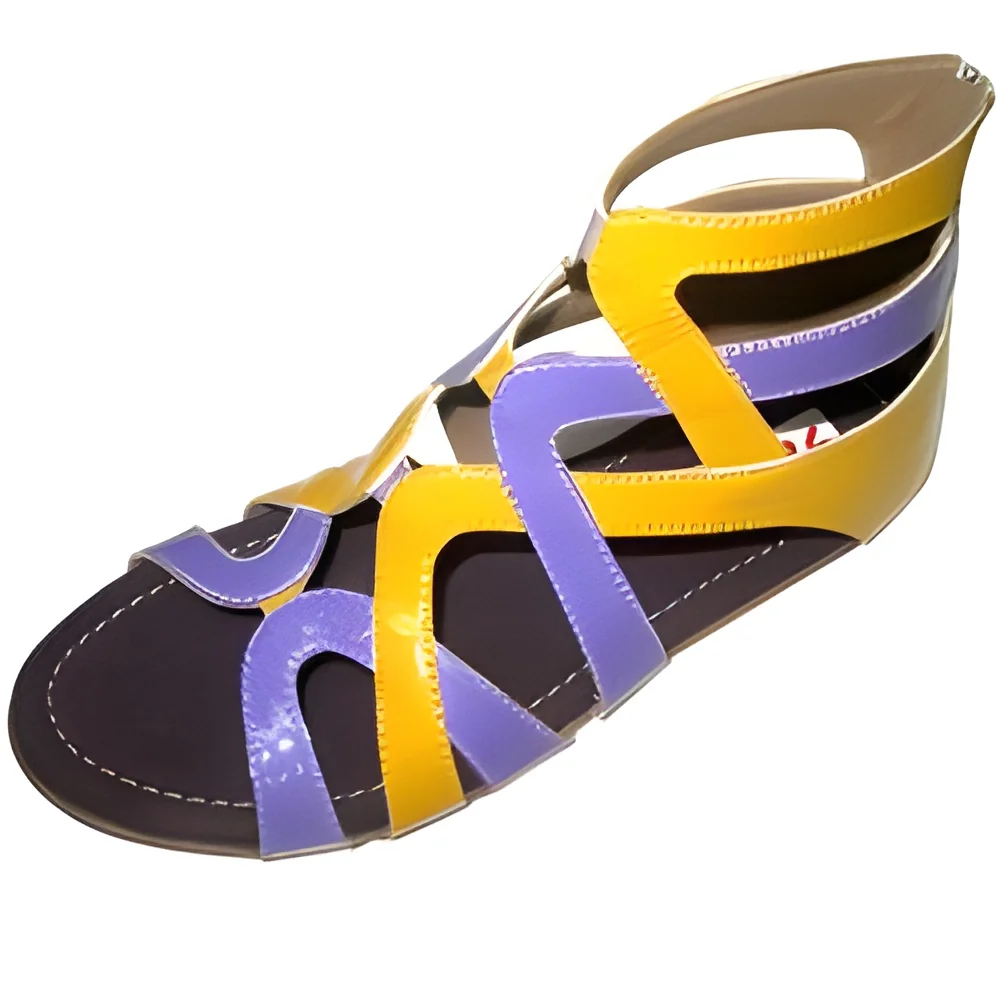
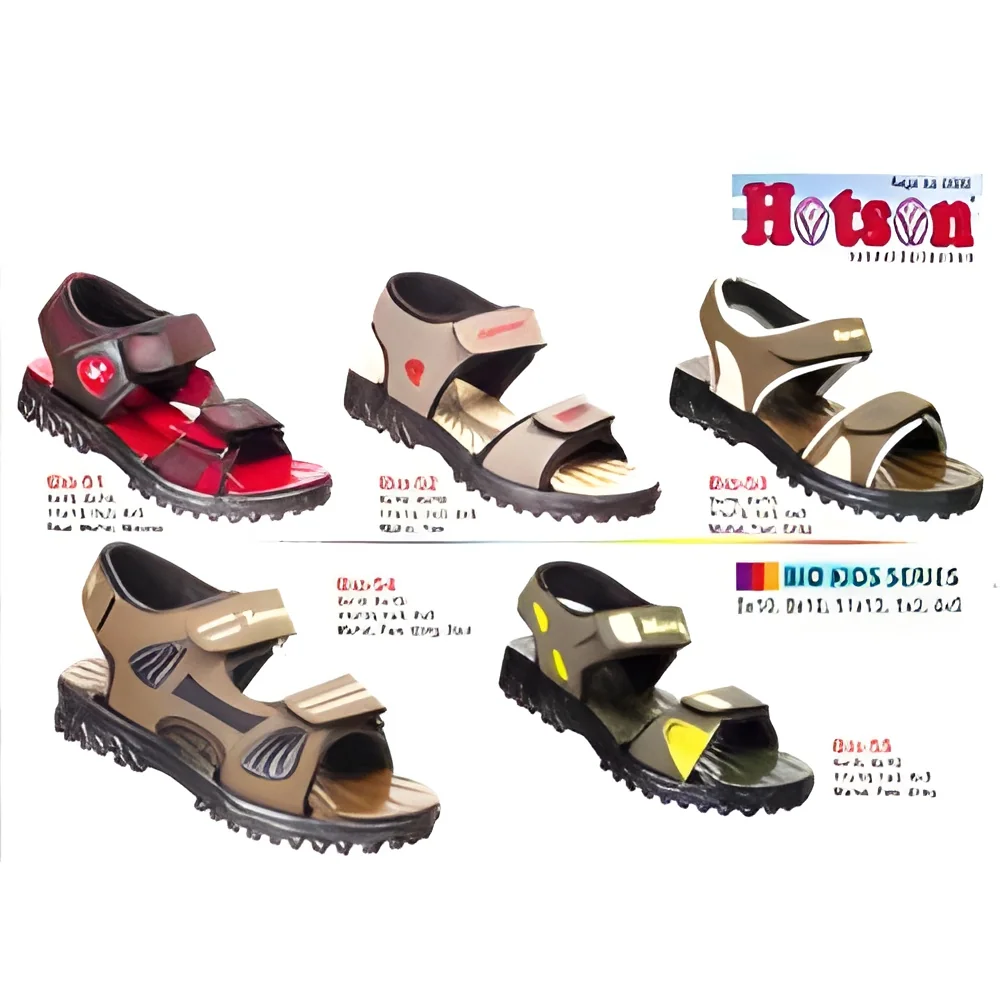
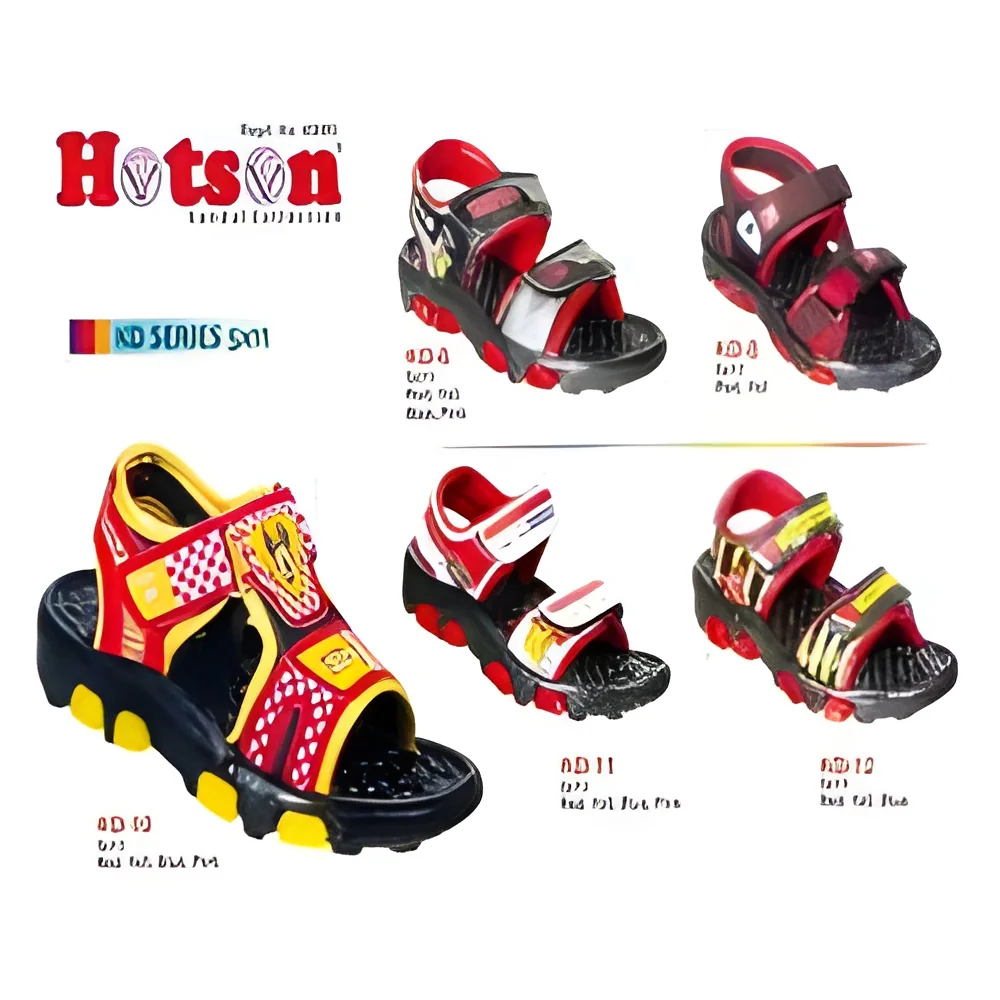
Ideal for warm weather, sandals provide breathability and ease of wear. They come in various designs, from casual to dressy, suitable for different occasions.
Boots
Children's boots are designed for both style and functionality, suitable for colder weather and outdoor adventures. They often feature insulation and waterproof materials.
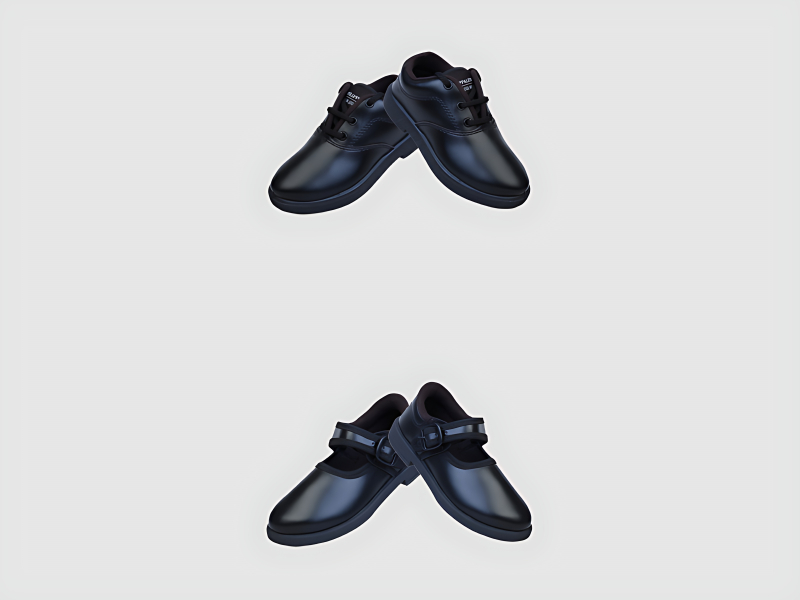
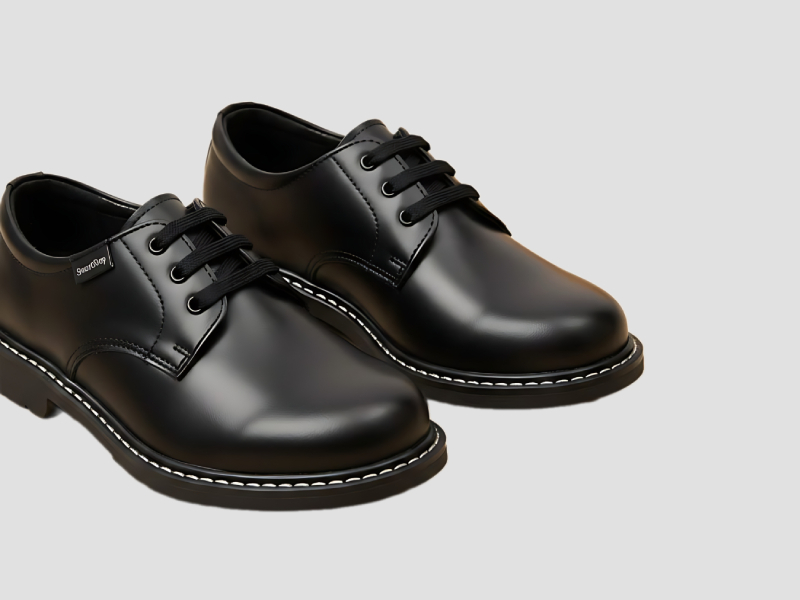
Dress Shoes
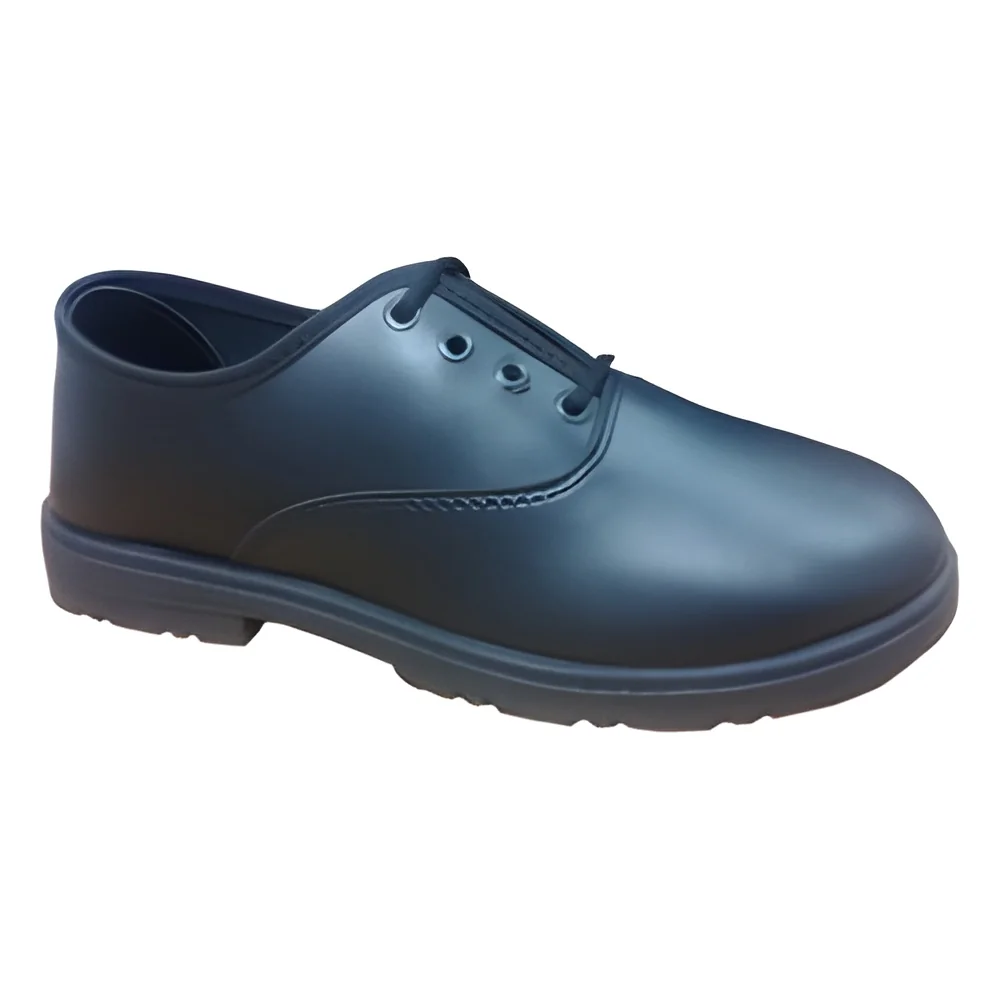
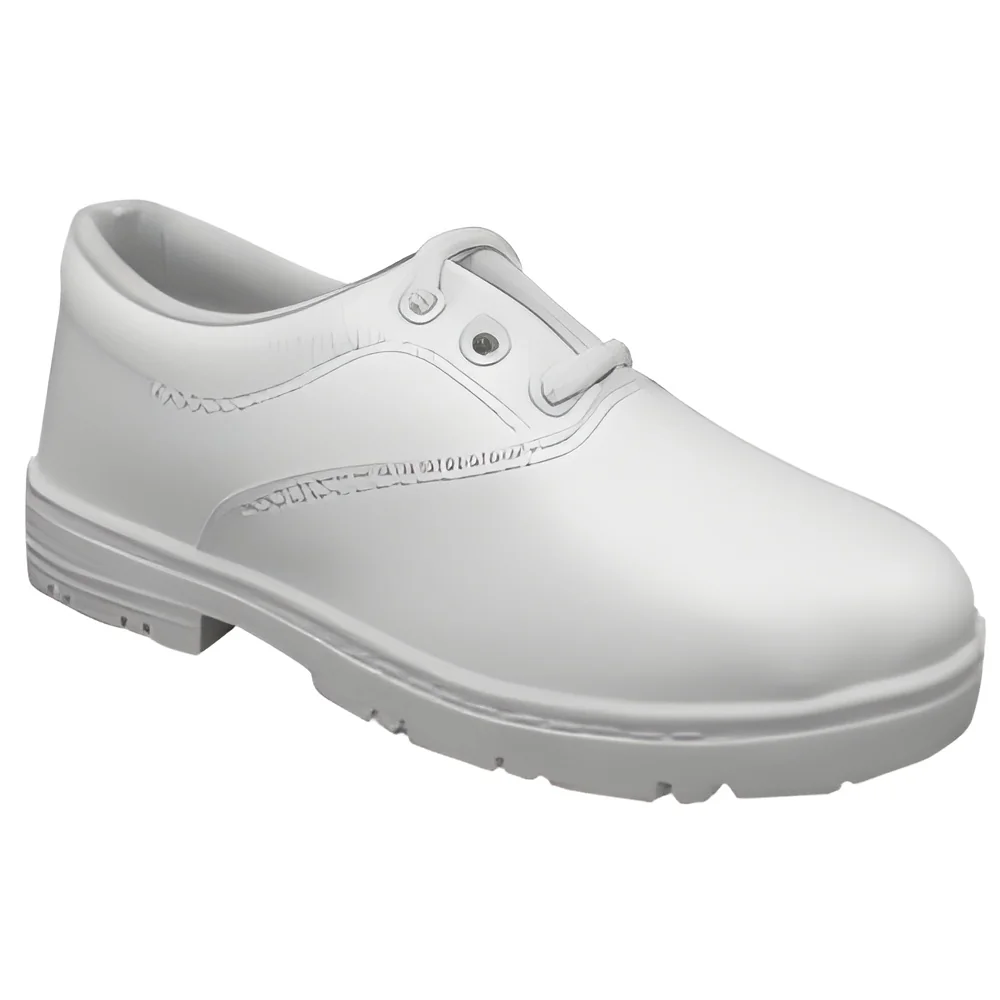
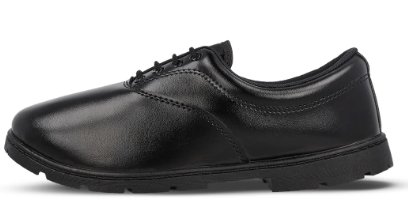
Dress shoes are tailored for formal occasions such as weddings or school events. They combine style with comfort, ensuring children look their best while feeling comfortable.
𝗕𝗲𝗻𝗲𝗳𝗶𝘁𝘀 𝗮𝗻𝗱 𝗔𝗱𝘃𝗮𝗻𝘁𝗮𝗴𝗲𝘀
Investing in quality kid's footwear offers several advantages for businesses and consumers alike.
1. Enhanced Comfort: Properly designed footwear provides the necessary support to promote healthy foot development in children.
2. Safety Features: Many kid's shoes include non-slip soles and durable materials that enhance safety during activities.
3. Versatility: Kid's footwear is available in various styles, making it suitable for multiple occasions, from playtime to formal events.
4. Durability: High-quality materials ensure that kid’s shoes withstand the wear and tear of active lifestyles, leading to longer product life.
5. Fashion Appeal: Attractive designs and trendy styles attract both children and parents, increasing sales potential.
6. Compliance Assurance: Sourcing compliant products helps businesses meet regulatory requirements, enhancing their reputation in the market.
𝗕𝘂𝘆𝗶𝗻𝗴 𝗚𝘂𝗶𝗱𝗲 𝗳𝗼𝗿 𝗕𝟮𝗕 𝗕𝘂𝘆𝗲𝗿𝘀
When sourcing kid's footwear, businesses must take several factors into account to ensure they make informed purchasing decisions.
1. Quality Assessment: Evaluate the materials and construction methods to ensure durability and comfort. Look for footwear that meets safety standards and offers a good fit.
2. Supplier Verification: Conduct background checks on suppliers to ensure they have a reliable track record. Request samples to assess product quality firsthand.
3. Pricing and MOQ: Understand the pricing structure and minimum order quantities to find a balance that meets budget constraints while ensuring sufficient stock.
4. Delivery and Lead Times: Discuss logistics and delivery schedules with suppliers to ensure timely availability of products for retail or distribution.
5. Compliance Requirements: Familiarize yourself with regulatory standards applicable to kid's footwear to ensure products are compliant with safety and quality regulations.
𝗖𝗼𝗺𝗽𝗹𝗶𝗮𝗻𝗰𝗲 𝗮𝗻𝗱 𝗖𝗲𝗿𝘁𝗶𝗳𝗶𝗰𝗮𝘁𝗶𝗼𝗻𝘀
Kid's footwear must adhere to various compliance and certification standards to ensure safety and quality. Relevant quality standards include ISO 9001, which provides a framework for consistent quality management systems.
In addition, many kid's footwear products carry CE certification, indicating compliance with European safety standards. This certification assures buyers that the products have undergone necessary testing for safety and performance.
Safety and testing requirements are essential in the manufacturing process. Shoes must be tested for durability, slip resistance, and toxic materials to ensure they are safe for children.
Regional compliance considerations also play a crucial role. Depending on the market, different countries may have unique regulations governing children's products. Businesses must ensure that their products meet these local requirements to avoid potential legal issues.
𝗪𝗵𝘆 𝗦𝗼𝘂𝗿𝗰𝗲 𝗞𝗶𝗱’𝘀 𝗙𝗼𝗼𝘁𝘄𝗲𝗮𝗿 𝗳𝗿𝗼𝗺 𝗣𝗲𝗽𝗮𝗴𝗼𝗿𝗮?
Pepagora provides a trusted platform for sourcing kid's footwear, offering several key advantages for B2B buyers.
Verified Supplier Network: Pepagora hosts a comprehensive network of verified suppliers, ensuring that buyers have access to high-quality products from reputable manufacturers. Each supplier undergoes a rigorous vetting process to ensure reliability.
Streamlined RFQ Process: The platform simplifies the request for quotation process, allowing buyers to easily compare pricing and product specifications. This efficiency saves time and helps businesses make informed purchasing decisions.
Trade Assurance and Support: Pepagora offers trade assurance, providing buyers with protection against fraud and ensuring that their transactions are secure. This support enhances buyer confidence in sourcing decisions.
Regional Coverage: With a strong presence in regions like India, GCC, and Southeast Asia, Pepagora enables businesses to access a diverse range of kid's footwear options tailored to local markets. This geographic reach ensures that buyers can find products that meet their specific needs.
In conclusion, Pepagora stands out as a reliable partner for sourcing kid's footwear, combining a robust supplier network with a commitment to quality and customer satisfaction.



Frequently Asked Questions
What are Kid's Footwear?
Kid's footwear refers to shoes, sandals, boots, and other types of footwear specifically designed for children. These products are crafted to cater to the unique needs of growing feet, ensuring comfort, support, and safety.
What are the different types of Kid's Footwear?
The different types of kid's footwear include casual shoes, sandals, sports shoes, boots, and dress shoes. Each type serves specific purposes, such as everyday wear, outdoor activities, or formal occasions.
How do I choose the right Kid's Footwear?
Choosing the right kid's footwear involves considering the child's age, foot size, and the activity for which the shoes will be used. It is also important to ensure that the footwear provides adequate support and is made from breathable materials.
What are the standard specifications for Kid's Footwear?
Standard specifications for kid's footwear typically include size ranges, weight, material composition, and safety features like non-slip soles. Additionally, comfort and breathability are key considerations in the design.
What is the price range for Kid's Footwear?
The price range for kid's footwear can vary widely based on brand, type, and materials used. Generally, prices can start as low as INR 500 and can go up to INR 5000 or more for premium brands and specialized footwear.
What quality standards apply to Kid's Footwear?
Quality standards for kid's footwear include compliance with safety regulations, durability testing, and material safety certifications. Ensuring that footwear is free from harmful substances is also a critical aspect of quality.
Where can I find Kid's Footwear suppliers in India?
You can find kid's footwear suppliers in India through platforms like Pepagora.com, trade fairs, and industry directories. It's advisable to research suppliers to ensure they meet your quality and pricing requirements.
Can Kid's Footwear be customized?
Yes, many manufacturers offer customization options for kid's footwear, including designs, colors, and sizes. Customization can be particularly useful for bulk orders or specific branding needs.
What is the typical minimum order quantity for Kid's Footwear?
The typical minimum order quantity (MOQ) for kid's footwear can vary by supplier, but it usually ranges from 50 to 100 pairs. It is advisable to check with individual suppliers for their specific MOQ requirements.
What is the typical lead time for Kid's Footwear?
The typical lead time for kid's footwear can range from 4 to 8 weeks, depending on the supplier and the complexity of the order. Custom orders may require additional time for production and delivery.
Why Businesses Trust Pepagora
Thousands of companies trust Pepagora to source smarter and sell faster
Expand Your Sales Globally

Source Smarter,Grow Faster
