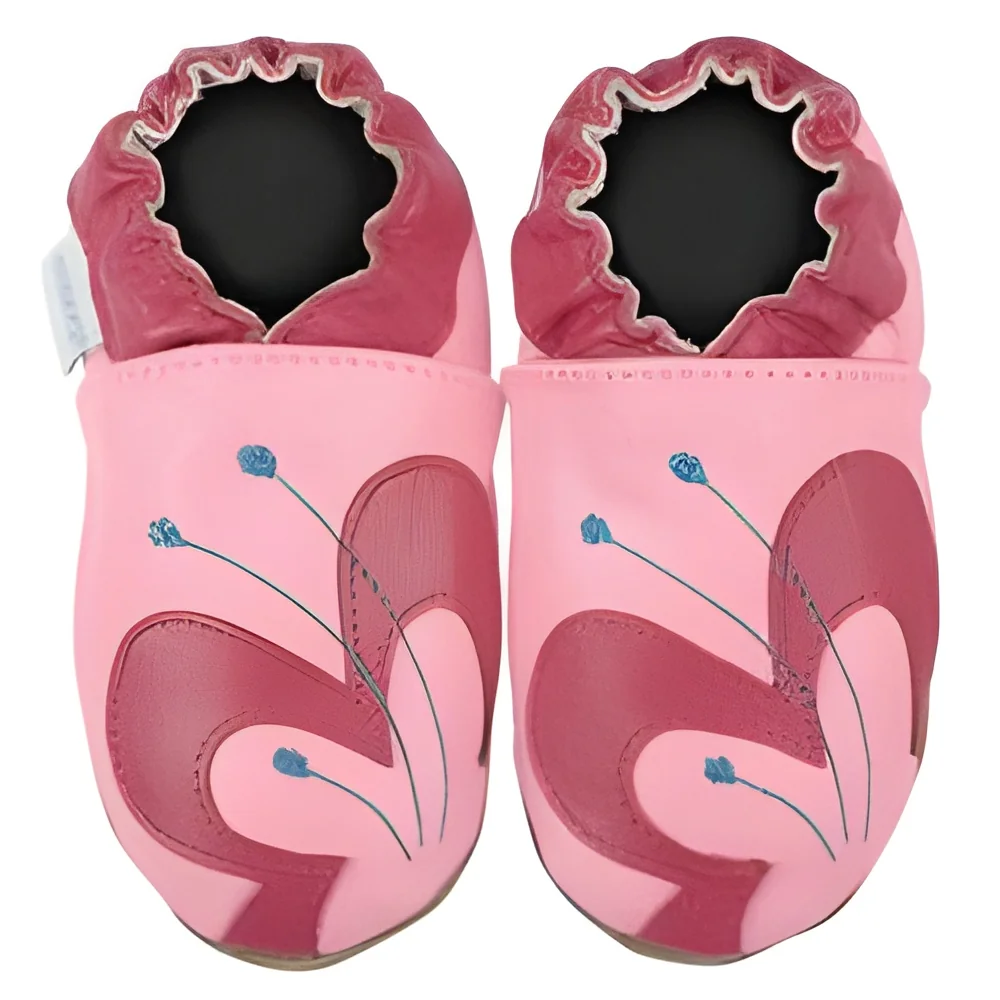
What are Infant Soft Sole Shoes?
Infant soft sole shoes are lightweight, flexible footwear designed specifically for babies and toddlers. These shoes typically feature a soft, non-slip sole that provides comfort and support without restricting the natural movement of a child's feet. Made from breathable materials, they are intended to protect delicate feet from the elements while allowing for the necessary sensory feedback that aids in development.
The primary use of infant soft sole shoes is to facilitate safe and comfortable walking for young children who are just beginning to explore their environment. Businesses in sectors such as retail, childcare, and baby products often stock these shoes, recognizing their importance in early childhood development. As children transition from crawling to walking, the right footwear can help enhance stability and confidence, making these shoes a critical component in child development.
In the broader context of the market, the demand for infant soft sole shoes has been consistently rising due to increasing parental awareness about the importance of proper footwear for infants. The trend towards natural and sustainable materials also influences the design and production of these shoes, making them a relevant and growing segment of the footwear industry.
Key Features and Specifications
Infant soft sole shoes come with several important features that make them ideal for young children. These features not only ensure comfort but also promote healthy foot development.
Key specifications include:
1. Material Composition
- Typically made from soft leather, cotton, or breathable synthetic materials
- Provides comfort and flexibility for growing feet
2. Sole Design
- Soft, non-slip sole for improved grip and stability
- Allows for natural foot movement without hindrance
3. Size Range
- Available in multiple sizes to accommodate various age groups
- Commonly ranges from newborns to toddlers up to 2 years
4. Weight
- Lightweight construction to avoid burdening the child's feet
- Encourages free movement and exploration
5. Closure Type
- Often features adjustable closures such as Velcro or elastic
- Ensures a secure fit while being easy to put on and take off
6. Breathability
- Designed with ventilation to reduce moisture buildup
- Keeps feet dry and comfortable
7. Design Variations
- Available in various colors and patterns to appeal to different preferences
- Can include playful designs to engage young children
8. Safety Standards
- Complies with basic safety standards to ensure no harmful materials are used
- Tested for durability and comfort
In summary, the key features of infant soft sole shoes focus on safety, comfort, and flexibility, making them an essential choice for new walkers.
Common Applications and Use Cases
Infant soft sole shoes serve multiple industries and applications, reflecting their versatility and importance in early childhood development.
1. Retail: Retailers specializing in baby products often offer a wide range of soft sole shoes to meet the needs of parents looking for safe and stylish footwear for their children.
2. Childcare Centers: Many daycare and preschool facilities utilize infant soft sole shoes to ensure children are well-equipped for indoor and outdoor play while providing necessary foot protection.
3. Pediatric Health: Pediatricians often recommend soft sole shoes for infants and toddlers to support healthy foot development as they transition from crawling to walking.
4. Gift Shops: Infant soft sole shoes are popular items in gift shops, especially as baby shower gifts, due to their practicality and appeal.
5. Online Marketplaces: E-commerce platforms provide a variety of options for parents looking for convenient shopping solutions for infant footwear.
6. Custom Shoe Makers: Some businesses offer customized infant soft sole shoes, allowing parents to select designs that reflect their child's personality.
7. Sustainable Brands: Companies focusing on eco-friendly products often include soft sole shoes made from organic and sustainable materials, appealing to environmentally conscious consumers.
Product Variants and Subcategories
Infant soft sole shoes come in various forms to cater to different needs and preferences.
Classic Soft Sole Shoes
These shoes are often designed with simple, elegant styles that prioritize comfort and ease of wear. They are versatile enough for everyday use, making them a popular choice among parents.
Fashionable Soft Sole Shoes
These variants incorporate trendy designs and vibrant colors, allowing parents to choose shoes that match their child's outfits. They often feature playful elements like patterns and appliqués.
Seasonal Soft Sole Shoes
Some manufacturers produce soft sole shoes tailored to specific seasons, such as lightweight options for summer or warmer designs for colder months. These shoes provide practicality while ensuring comfort.
Benefits and Advantages
Infant soft sole shoes offer numerous advantages that contribute to their popularity among parents and caregivers.
1. Promotes Healthy Development: These shoes support the natural growth and movement of a child's feet, aiding in development as they learn to walk.
2. Comfortable Fit: Crafted from soft materials, they provide all-day comfort, preventing blisters or discomfort during wear.
3. Improved Stability: The non-slip soles enhance grip, helping infants gain confidence as they explore their surroundings.
4. Lightweight Design: Their lightweight nature allows for easy movement, encouraging infants to engage in physical activity.
5. Versatile Use: Suitable for various settings, including indoor play, outdoor adventures, and special occasions, making them a practical choice for parents.
6. Easy to Clean: Many soft sole shoes are machine washable, simplifying maintenance for busy parents.
Buying Guide for B2B Buyers
When sourcing infant soft sole shoes, it's essential for B2B buyers to consider several key factors to ensure they make informed decisions.
1. Quality Assessment: Evaluate the materials used in the shoes, ensuring they are safe, durable, and free from harmful substances. Look for certifications that guarantee quality standards.
2. Supplier Verification: Conduct thorough research on potential suppliers to confirm their credibility and reliability. Check reviews and request references to establish trustworthiness.
3. Pricing and MOQ: Understand the pricing structure and minimum order quantities required by suppliers. This will help in budgeting and inventory planning for your business.
4. Delivery and Lead Times: Inquire about delivery options and lead times. Timely delivery is crucial for maintaining stock levels and meeting customer demands.
5. Compliance Requirements: Ensure that the products comply with regional safety and quality regulations. Familiarize yourself with necessary certifications to avoid legal complications.
Compliance and Certifications
Infant soft sole shoes must adhere to various quality standards and certifications to ensure safety and reliability.
ISO 9001 is an internationally recognized standard that outlines quality management principles. Compliance with ISO 9001 ensures that manufacturers maintain high-quality production processes for infant soft sole shoes.
The CE marking signifies that the shoes meet European health, safety, and environmental protection standards. This certification is essential for products sold within the European market, ensuring they are safe for infants.
Safety and testing requirements are critical in the production of infant footwear. Manufacturers should perform rigorous tests to confirm that the materials used are free from harmful substances and that the shoes provide adequate support.
In addition to international standards, regional compliance considerations are vital. Different countries may have specific regulations regarding children's products, and manufacturers must be aware of these to ensure their products meet local market requirements.
Why Source Infant Soft Sole Shoes from Pepagora?
Pepagora offers a reliable platform for sourcing infant soft sole shoes, providing several advantages to buyers.
Verified Supplier Network: At Pepagora, buyers have access to a curated network of verified suppliers. Each supplier undergoes a thorough vetting process, ensuring that only reputable manufacturers are available for selection.
Streamlined RFQ Process: The request for quotation (RFQ) process is designed to be user-friendly, allowing buyers to easily compare quotes from multiple suppliers. This transparency supports informed decision-making.
Trade Assurance and Support: Pepagora provides trade assurance, offering buyers protection on their purchases. In case of any discrepancies, the platform offers support to navigate the resolution process.
Regional Coverage: With a strong presence in India, the GCC, and Southeast Asia, Pepagora connects buyers with suppliers across these regions. This geographic reach ensures a wide array of options for sourcing quality infant soft sole shoes.

 IN
IN