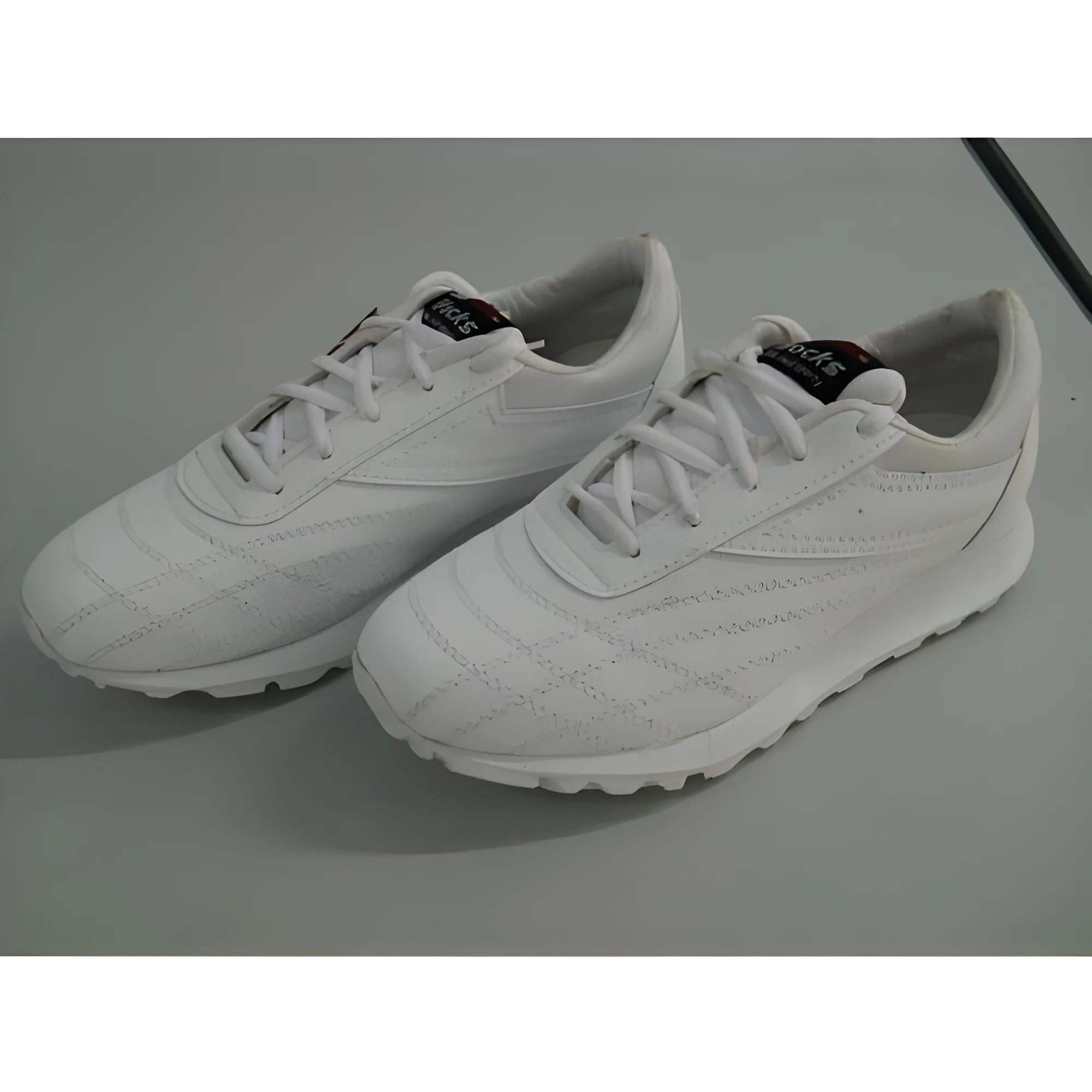
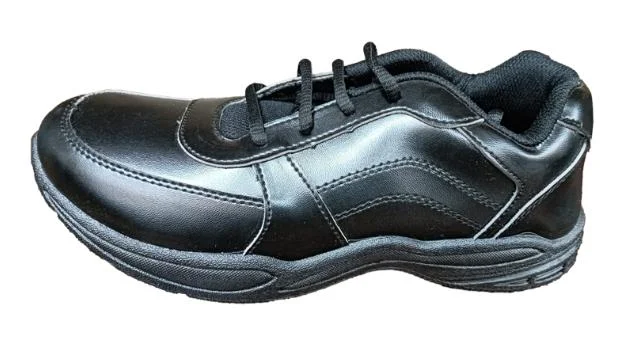
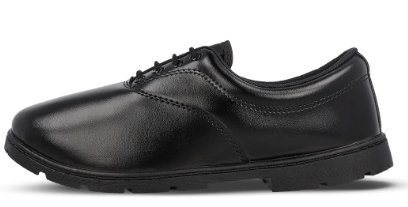
What are Boys' School Shoes?
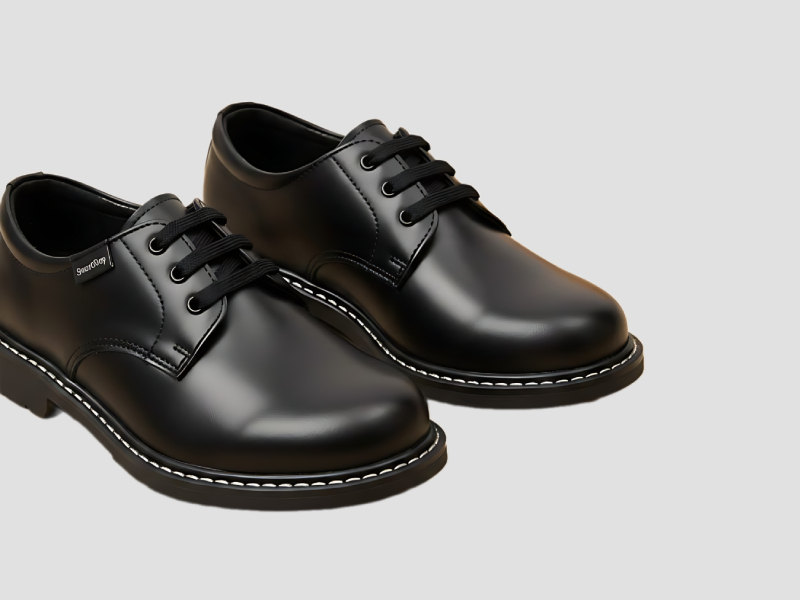
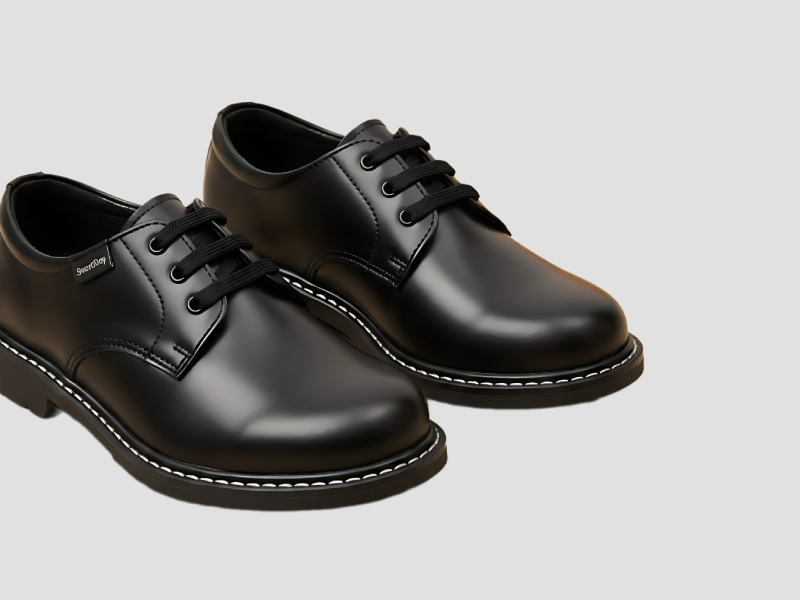
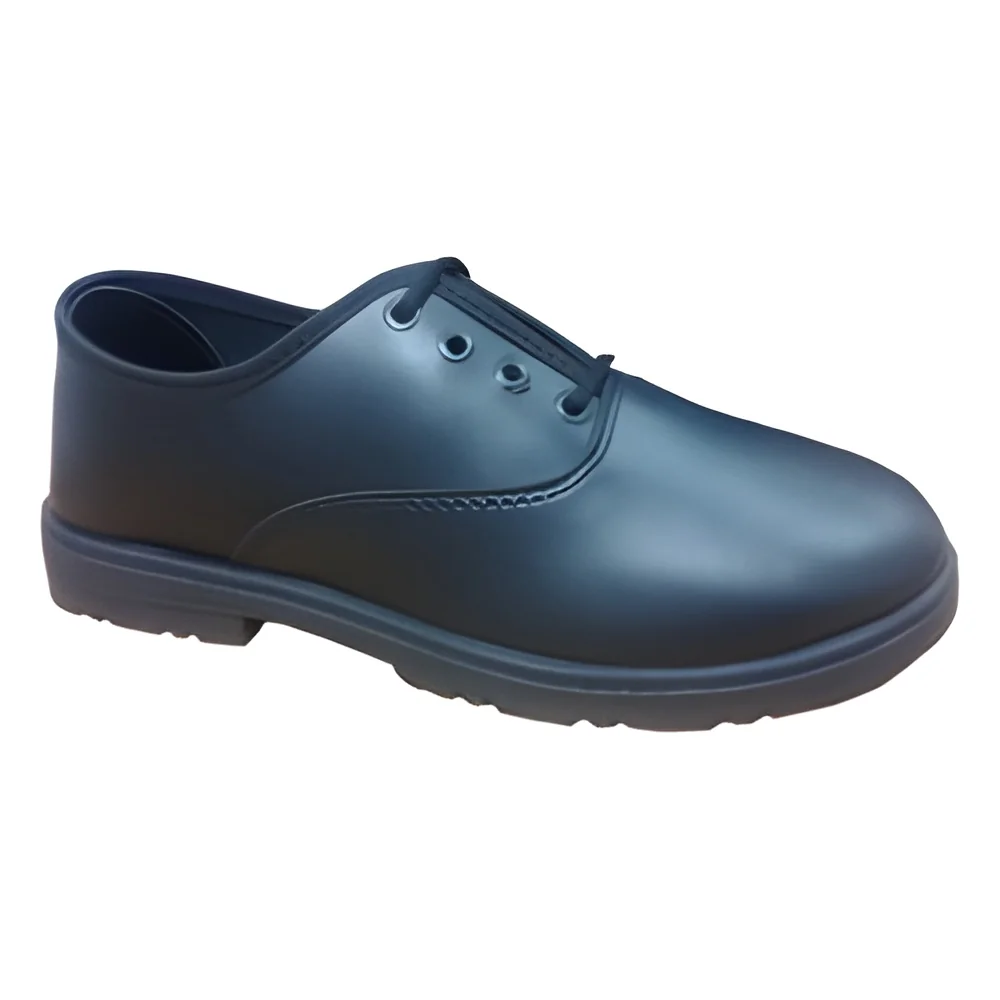
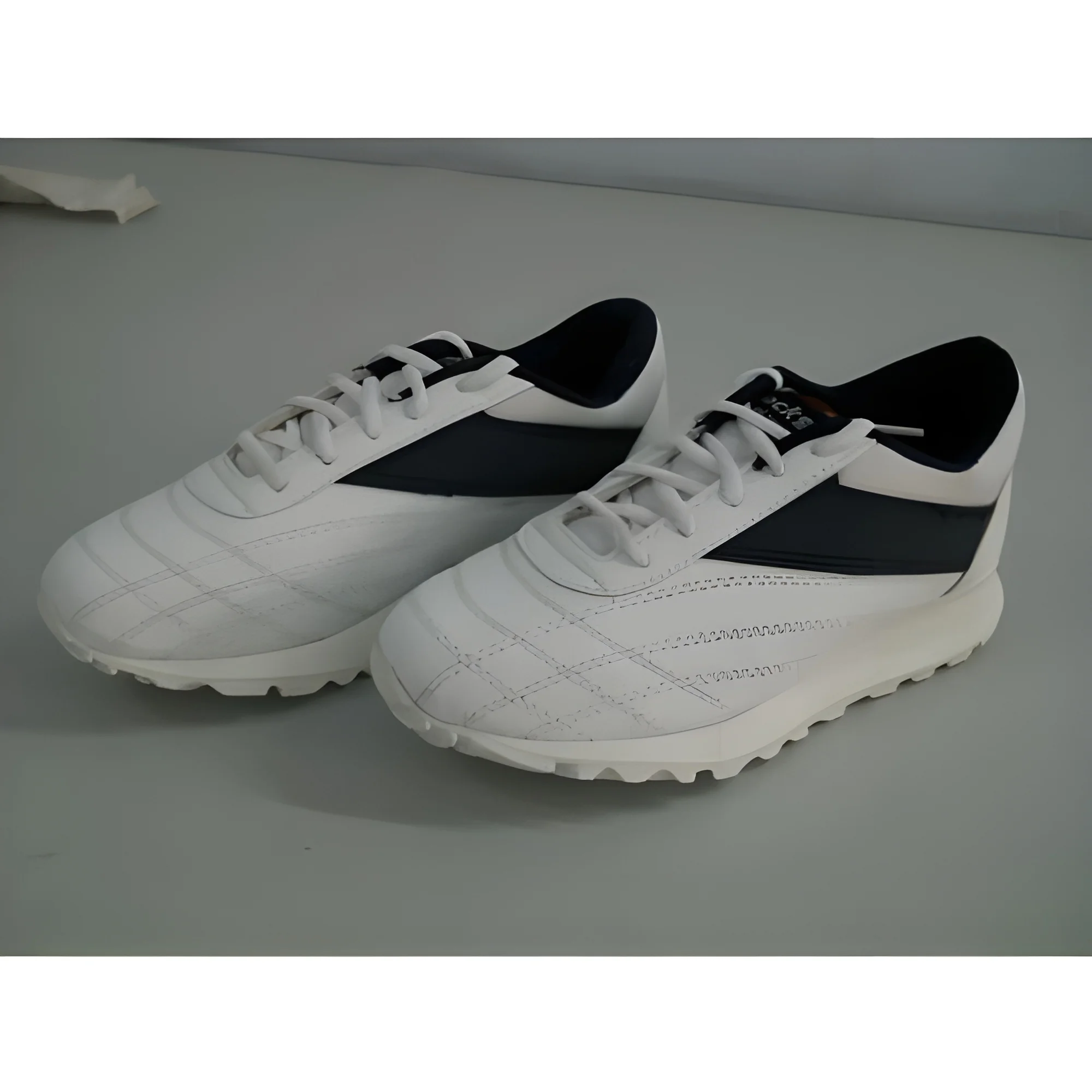
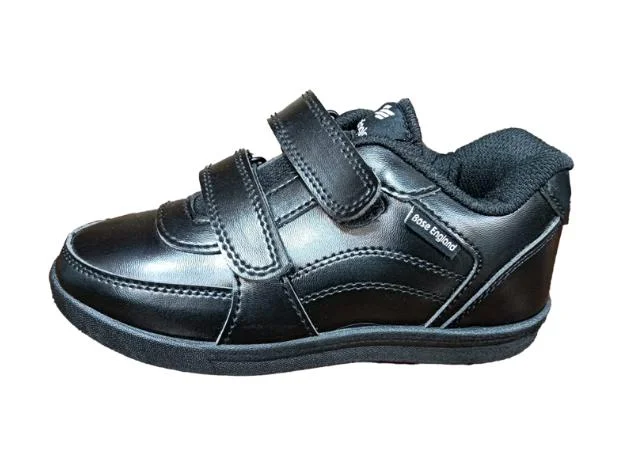
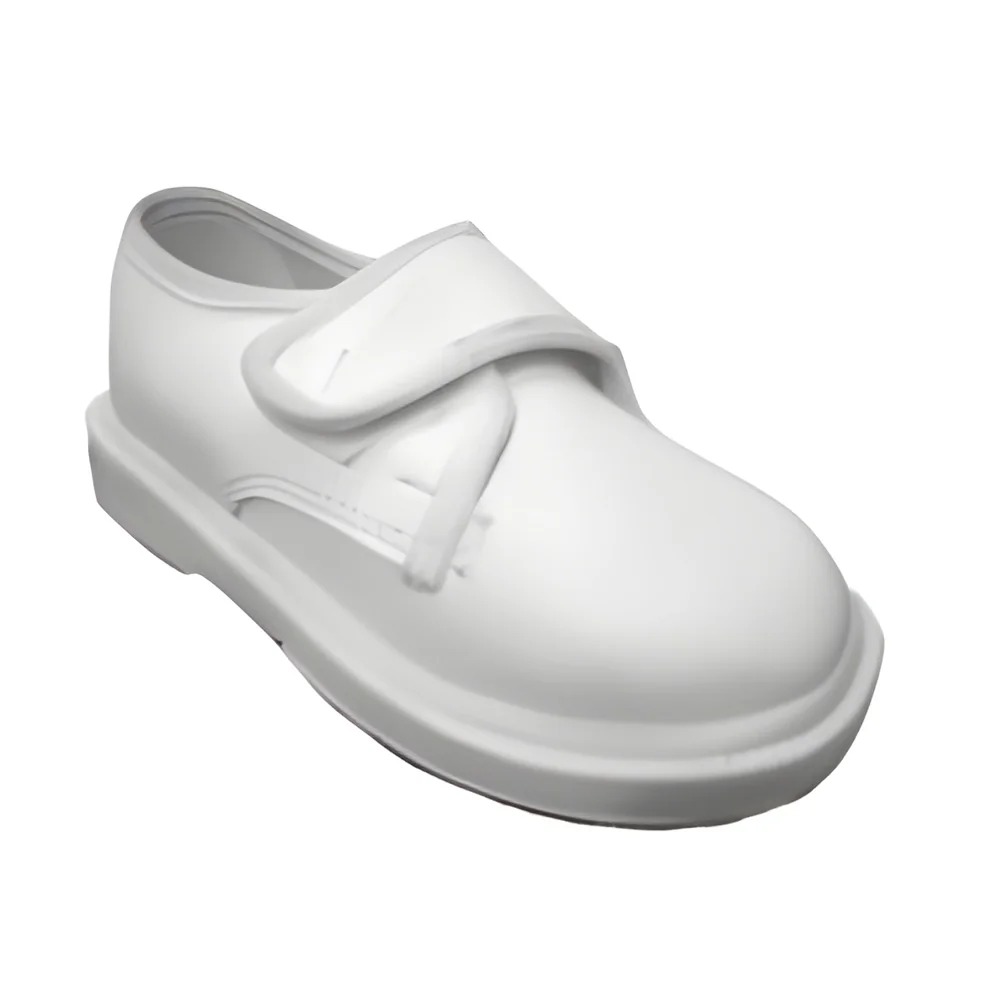
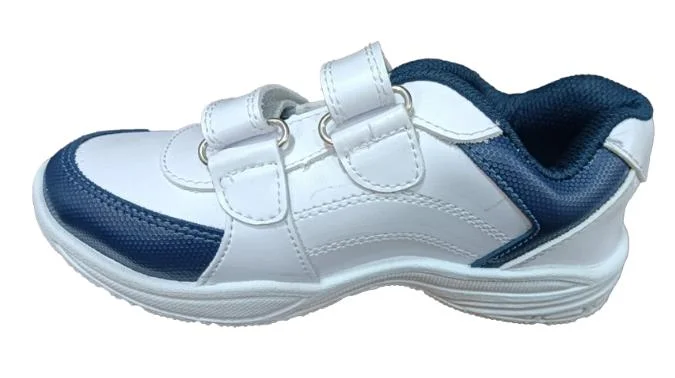
Boys' school shoes are specifically designed footwear tailored for school-age boys. These shoes combine style and functionality to meet the needs of daily school activities. They are often crafted from durable materials that provide support and comfort throughout the school day. The design typically emphasizes ease of wear, ensuring that they can be put on and taken off quickly by children.
The primary use of boys' school shoes is to provide students with appropriate footwear for educational environments. They are suitable for a variety of school settings, from formal institutions to more relaxed educational settings. In business applications, schools and educational institutions often procure these shoes in bulk for students, ensuring uniformity and quality across their student body. The market for boys' school shoes is significant, given the ongoing requirement for quality footwear as schools prioritize student comfort and safety.
Key Features and Specifications
Boys' school shoes come with several key features that ensure they meet the demands of young wearers. These specifications highlight the importance of comfort, durability, and style.
Key specifications include:
1. Material Composition
- Typically made from high-quality leather or synthetic materials
- Offers breathability and durability
2. Sole Type
- Rubber or thermoplastic rubber soles for enhanced grip
- Designed for shock absorption to provide comfort during long wear
3. Size Range
- Available in a variety of sizes to accommodate different age groups
- Typically ranges from toddler sizes to larger youth sizes
4. Closure Type
- Commonly features lace-up or Velcro options for easy wear
- Ensures a secure fit for active children
5. Weight
- Lightweight designs to prevent fatigue during wear
- Encourages ease of movement throughout the school day
6. Style Options
- Available in various designs, including formal and casual styles
- Color choices that align with school uniform requirements
7. Safety Features
- Some models include reflective elements for visibility
- Designed to meet safety standards for children's footwear
In summary, boys' school shoes are versatile products that combine essential features to ensure comfort, safety, and durability for school-aged children.
Common Applications and Use Cases
Boys' school shoes can be utilized across various industries beyond just educational institutions.
1. Education Sector: Schools and colleges purchase these shoes in bulk for students, ensuring uniformity and adherence to dress codes.
2. Retail Industry: Shoe retailers often stock boys' school shoes to cater to parents looking for quality footwear for their children.
3. Sports Organizations: Some schools with sports programs may require specific shoe types for physical education classes, leading to specialized purchases.
4. Government Institutions: Public schools may collaborate with suppliers to provide affordable school shoes as part of their enrollment packages.
5. Non-Profit Organizations: Charities may facilitate the distribution of boys' school shoes to underprivileged children in various communities.
6. Export Market: International suppliers may look to source boys' school shoes to meet overseas demand in different markets.
7. Online Retail: E-commerce platforms provide a convenient option for parents to purchase boys' school shoes from the comfort of their homes.
Product Variants and Subcategories
Boys' school shoes come in various styles to cater to different needs and preferences.
Classic Dress Shoes: These shoes are designed for formal school settings, featuring polished leather finishes and traditional styles. They are ideal for events such as school assemblies or presentations.
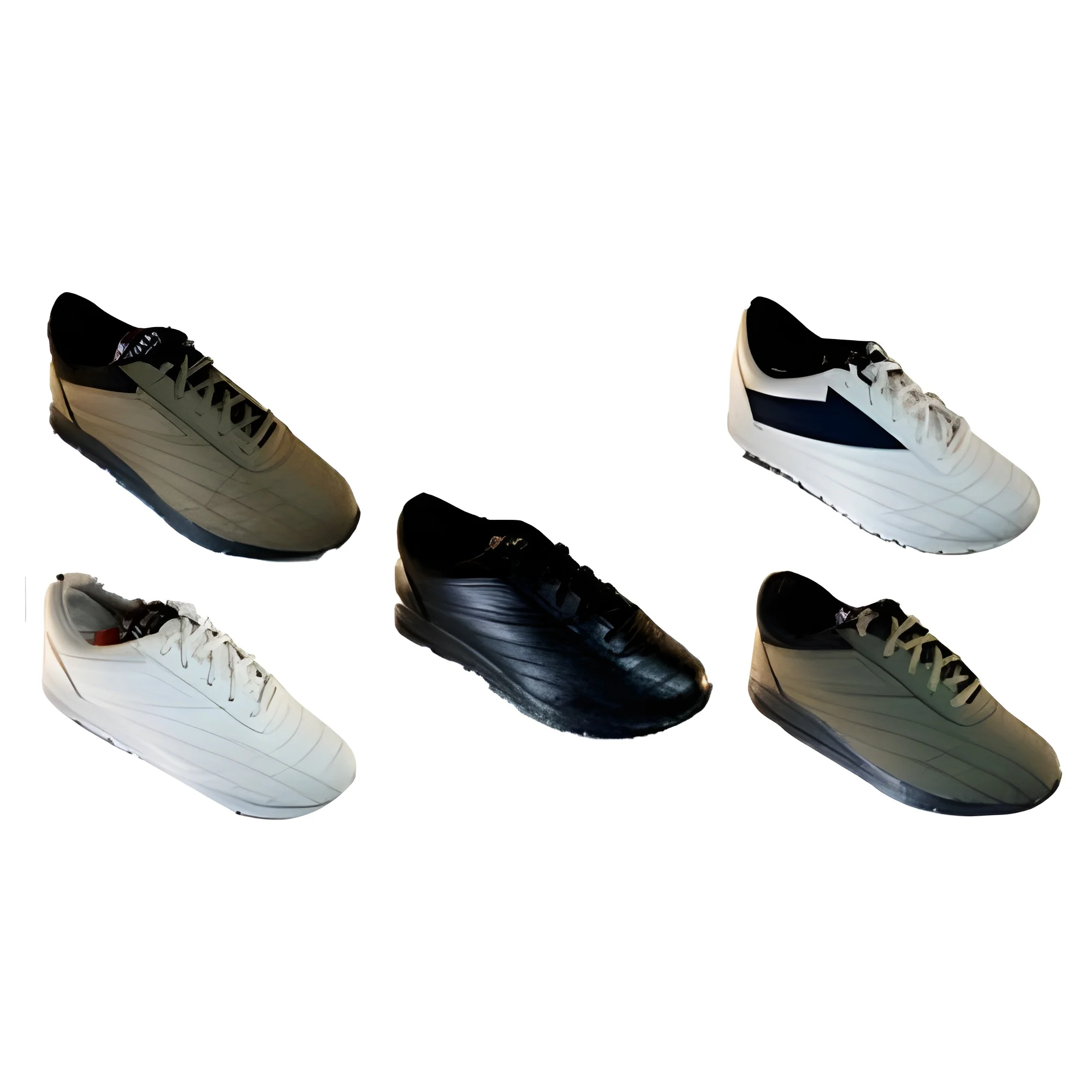
Casual Sneakers: These provide a more relaxed fit and are suitable for everyday wear. They often feature modern designs and are popular for their comfort during physical activities.
Athletic Shoes: Specifically designed for physical education classes or sports activities, these shoes offer enhanced support and stability.
Slip-On Shoes: For convenience, slip-on shoes are easy to wear and remove. They are perfect for younger students who may struggle with traditional laces.
Benefits and Advantages
Choosing the right boys' school shoes comes with several advantages.
1. Comfort: These shoes are designed to provide all-day comfort, ensuring students can focus on learning rather than discomfort.
2. Durability: Made from high-quality materials, boys' school shoes are built to withstand the rigors of daily use, making them a cost-effective choice.
3. Safety: Many models include safety features such as non-slip soles and reinforced toe caps, ensuring that children are protected while they play and learn.
4. Style Variety: With a range of styles available, parents can choose shoes that fit their child's personal style while adhering to school guidelines.
5. Support: Properly designed school shoes provide the necessary foot support to promote healthy foot development during critical growth years.
6. Easy Maintenance: Many boys' school shoes are designed to be easy to clean, ensuring they remain looking good throughout the school year.
Buying Guide for B2B Buyers
When sourcing boys' school shoes for educational institutions or retail purposes, several factors should be taken into account.
1. Quality Assessment: Evaluate the materials and construction of the shoes. Look for shoes that offer both durability and comfort to ensure student satisfaction.
2. Supplier Verification: Conduct thorough checks on potential suppliers. Ensure they have a proven track record in providing quality footwear and are compliant with industry standards.
3. Pricing and MOQ: Understand the pricing structure and minimum order quantities. This helps in budgeting and ensures you have enough inventory to meet demand.
4. Delivery and Lead Times: Assess logistics capabilities. Timely delivery is crucial, especially for seasonal needs such as back-to-school.
5. Compliance Requirements: Ensure that the shoes meet relevant safety and quality standards. Check for certifications that validate the product's quality.
Compliance and Certifications
Boys' school shoes must adhere to various compliance and certification standards to ensure safety and quality.
Relevant quality standards such as ISO 9001 are crucial for manufacturers as they dictate requirements for a quality management system. This ensures that products meet customer and regulatory requirements consistently.
In addition, industry certifications like CE (Conformité Européenne) signify that the footwear complies with health, safety, and environmental protection standards within the European Economic Area.
Safety and testing requirements are also essential, focusing on elements such as slip resistance and material safety to protect young wearers.
Regional compliance considerations may vary, highlighting the importance of understanding local regulations in different markets, ensuring that products are suitable for their intended use.
Why Source Boys' School Shoes from Pepagora?
Pepagora offers a robust platform for sourcing boys' school shoes, providing several key advantages for B2B buyers.
Verified Supplier Network: Pepagora maintains a network of verified suppliers, ensuring that buyers have access to reliable manufacturers who meet quality standards. This reduces the risk associated with sourcing from unknown entities.
Streamlined RFQ Process: The platform facilitates an efficient request for quotation system, allowing buyers to easily compare prices and terms from multiple suppliers, streamlining the procurement process.
Trade Assurance and Support: Pepagora provides trade assurance, offering buyers protection against potential issues during transactions. This support fosters confidence in the sourcing process.
Regional Coverage: With a geographic reach spanning India, the GCC, and Southeast Asia, Pepagora connects buyers with suppliers across different markets, ensuring access to a diverse range of boys' school shoes tailored to various needs.

 IN
IN