𝗪𝗵𝗮𝘁 𝗮𝗿𝗲 𝗚𝗣𝗦 & 𝗡𝗮𝘃𝗶𝗴𝗮𝘁𝗶𝗼𝗻 𝗗𝗲𝘃𝗶𝗰𝗲𝘀?
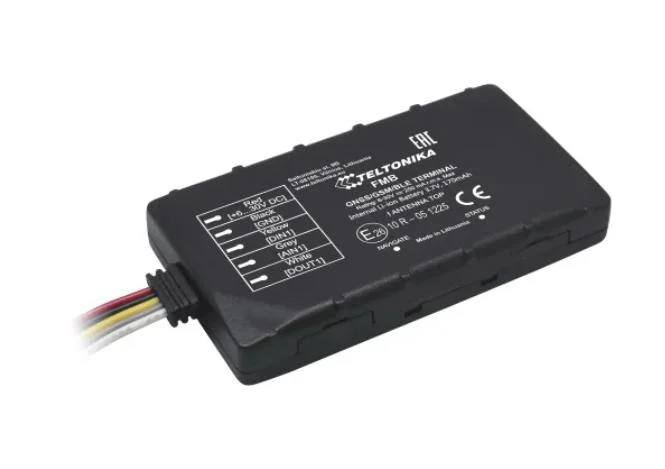
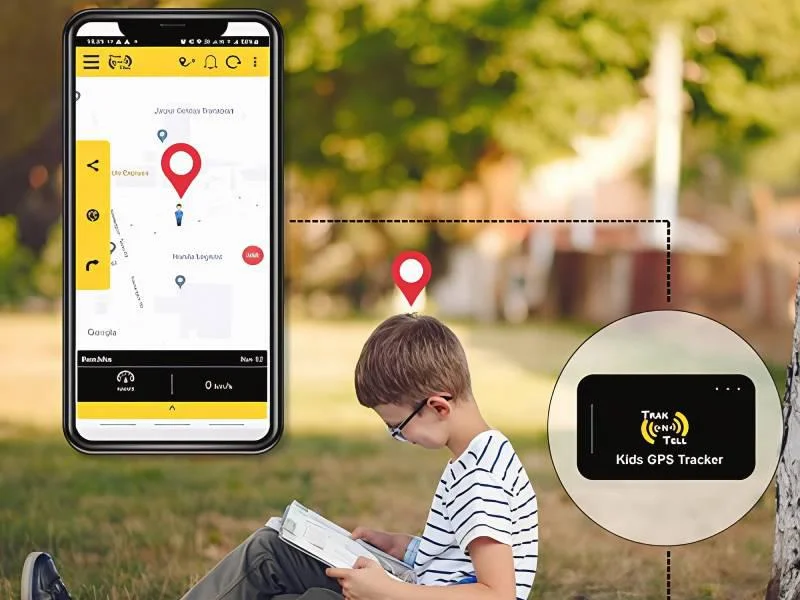
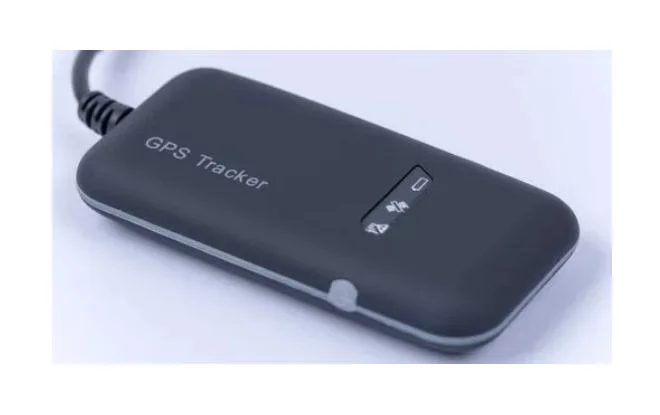
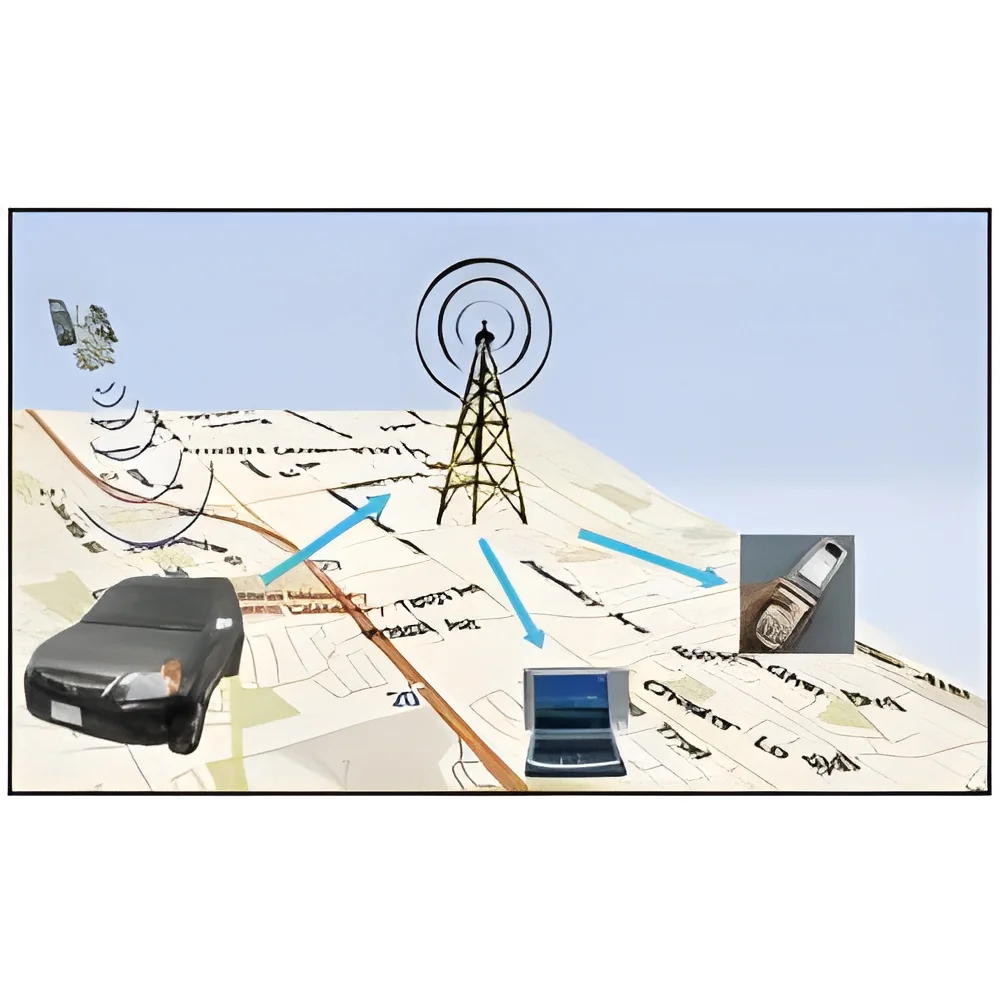
GPS and navigation devices are electronic devices that utilize Global Positioning System technology to determine precise geographical locations. These devices are capable of providing real-time information about a user's position, direction, and speed, making them essential tools for navigation. They work by receiving signals from satellites, which allow them to triangulate their exact position on Earth.
These devices have a wide range of applications, particularly in sectors such as transportation, logistics, and surveying. Businesses use GPS and navigation devices for fleet management, route optimization, and asset tracking. In addition, they are integral to personal navigation for outdoor activities, emergency response, and mapping services. The increasing reliance on these devices in various industries highlights their significance in enhancing operational efficiency and accuracy.
In the current market, the demand for GPS and navigation devices continues to grow, driven by technological advancements and the need for precise location data. As more businesses recognize the benefits of leveraging GPS technology, the industry is expected to expand further. The global market for these devices is characterized by rapid innovation, competitive pricing, and a focus on user-friendly features.
𝗞𝗲𝘆 𝗙𝗲𝗮𝘁𝘂𝗿𝗲𝘀 𝗮𝗻𝗱 𝗦𝗽𝗲𝗰𝗶𝗳𝗶𝗰𝗮𝘁𝗶𝗼𝗻𝘀
GPS and navigation devices come equipped with various features that enhance their usability and functionality. Understanding these specifications is crucial for businesses looking to invest in the right technology for their needs.
Key specifications include:
1. Accuracy
- The accuracy of GPS devices can vary, often within a range of 5 to 10 meters, depending on environmental conditions and device quality.
2. Display Type
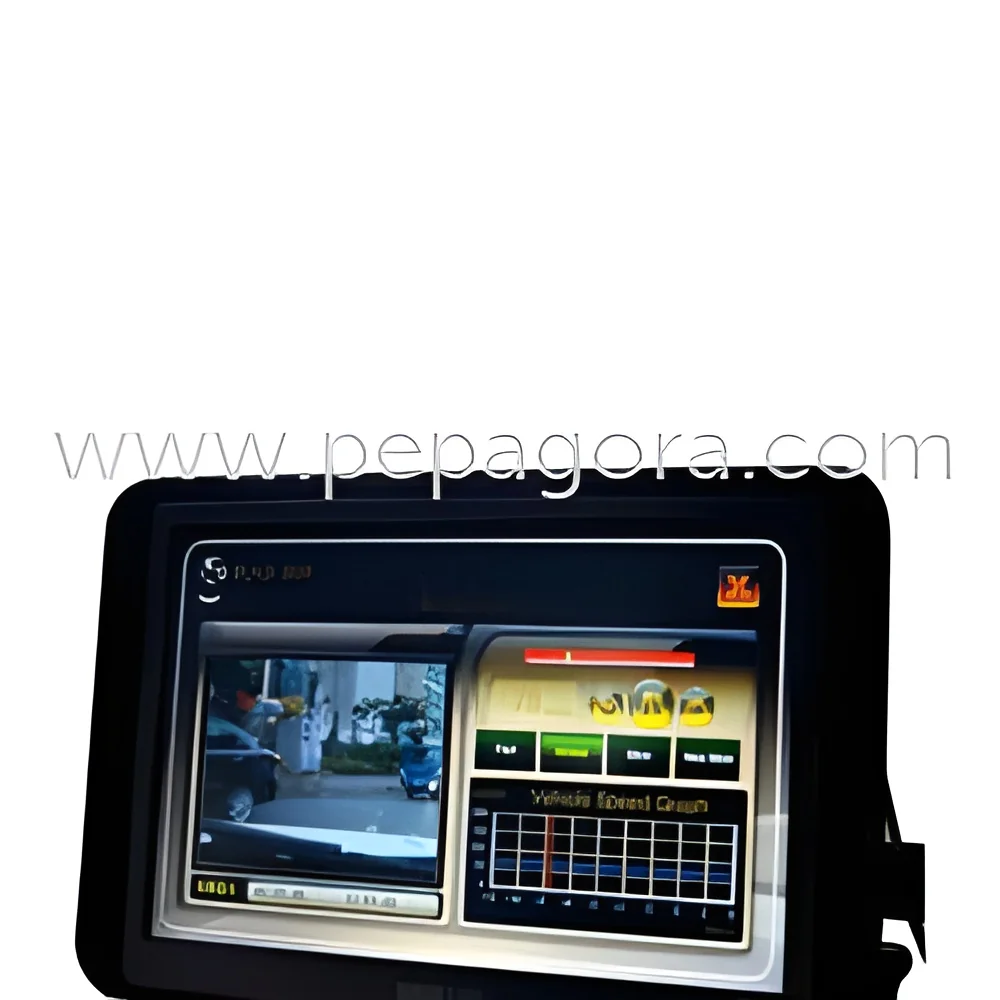
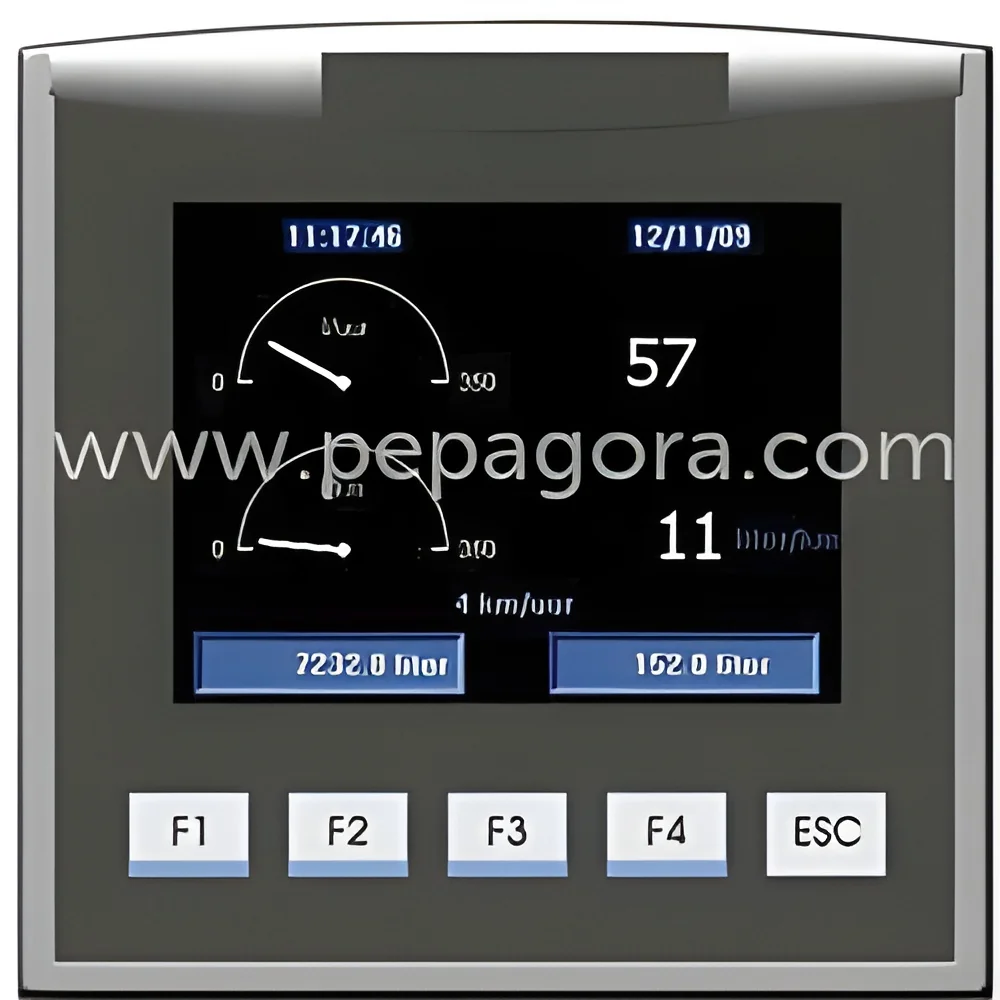
- Devices may feature LCD or touchscreen displays, offering varying resolutions and sizes for better visibility and ease of use.
3. Battery Life
- Battery life can range from several hours to multiple days, depending on the device's usage and power-saving modes.
4. Connectivity Options
- Many devices support Bluetooth and Wi-Fi for data transfer and integration with other systems.
5. Weather Resistance
- Various models offer IP ratings indicating their resistance to water and dust, making them suitable for outdoor use.
6. Mapping Software
- Devices often come pre-loaded with mapping software that can be updated regularly for accuracy and new features.
7. Voice Navigation
- Many GPS devices provide voice-guided navigation, enhancing user experience during travel.
8. Multi-Satellite Support
- Advanced models can connect to multiple satellite systems, improving positioning accuracy and reliability.
In summary, selecting a GPS and navigation device requires careful consideration of these specifications to ensure it meets the specific needs of your business operations.
𝗖𝗼𝗺𝗺𝗼𝗻 𝗔𝗽𝗽𝗹𝗶𝗰𝗮𝘁𝗶𝗼𝗻𝘀 𝗮𝗻𝗱 𝗨𝘀𝗲 𝗖𝗮𝘀𝗲𝘀
GPS and navigation devices have diverse applications across various industries. Understanding how these devices are utilized can help businesses identify their potential benefits.
1. Transportation: In the transportation sector, GPS devices are used for route planning and real-time tracking of vehicles, improving efficiency and reducing operational costs.
2. Logistics: Companies in logistics rely on GPS technology for managing fleets, optimizing delivery routes, and monitoring shipment progress to enhance customer satisfaction.
3. Agriculture: Farmers use GPS devices for precision agriculture, allowing them to manage land accurately, monitor crop health, and optimize field operations.
4. Construction: In construction, GPS technology aids in site surveying, machinery coordination, and project management, ensuring projects stay on schedule and within budget.
5. Emergency Services: GPS devices are vital for emergency response teams, enabling quick location identification and efficient dispatch of resources during crises.
6. Marine Navigation: In marine environments, GPS technology assists in navigation, ensuring safe passage for vessels and efficient route planning.
7. Recreational Activities: Outdoor enthusiasts utilize GPS devices for hiking, biking, and exploring new areas, enhancing their overall experience and safety.
𝗣𝗿𝗼𝗱𝘂𝗰𝘁 𝗩𝗮𝗿𝗶𝗮𝗻𝘁𝘀 𝗮𝗻𝗱 𝗦𝘂𝗯𝗰𝗮𝘁𝗲𝗴𝗼𝗿𝗶𝗲𝘀
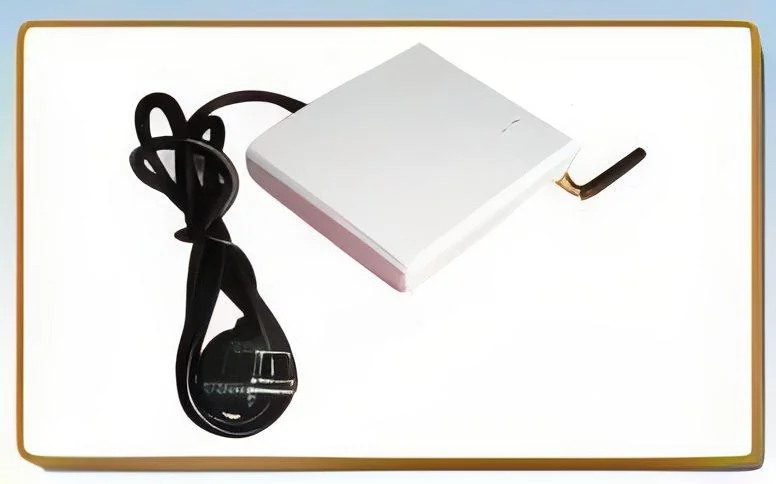
GPS and navigation devices come in various types, each designed to cater to specific needs and applications. This diversity allows businesses to choose devices that best fit their requirements.
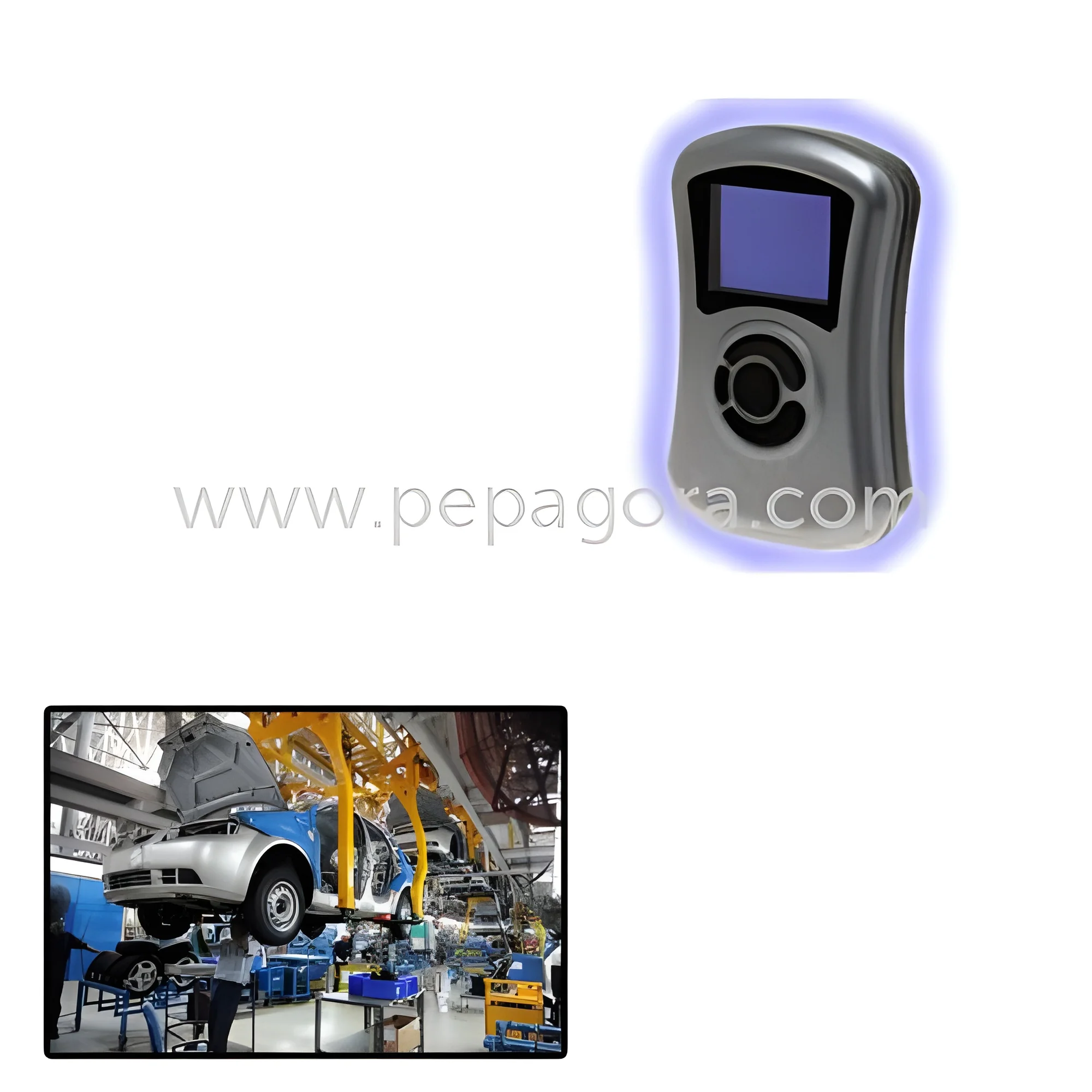
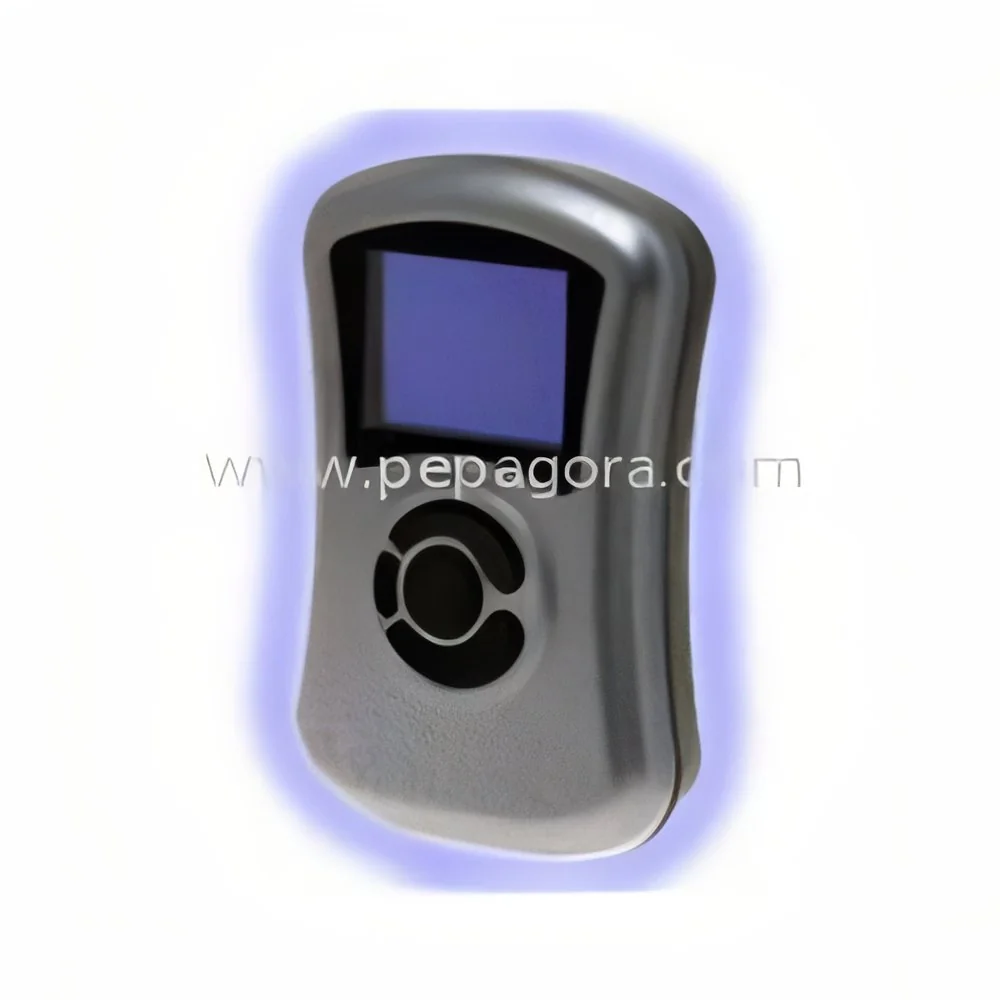
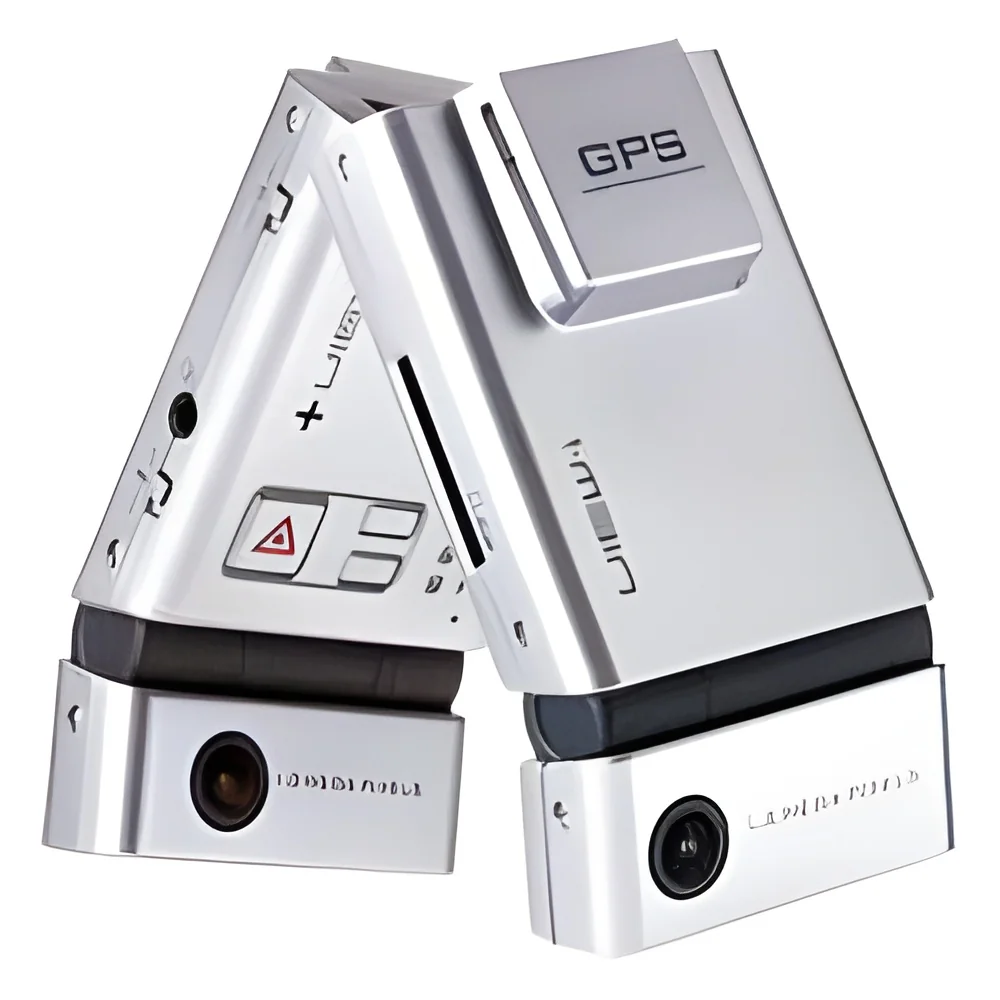
Portable Handheld GPS Devices: These compact units are ideal for outdoor activities and personal navigation. They often feature rugged designs and long battery life, making them suitable for hiking and camping.
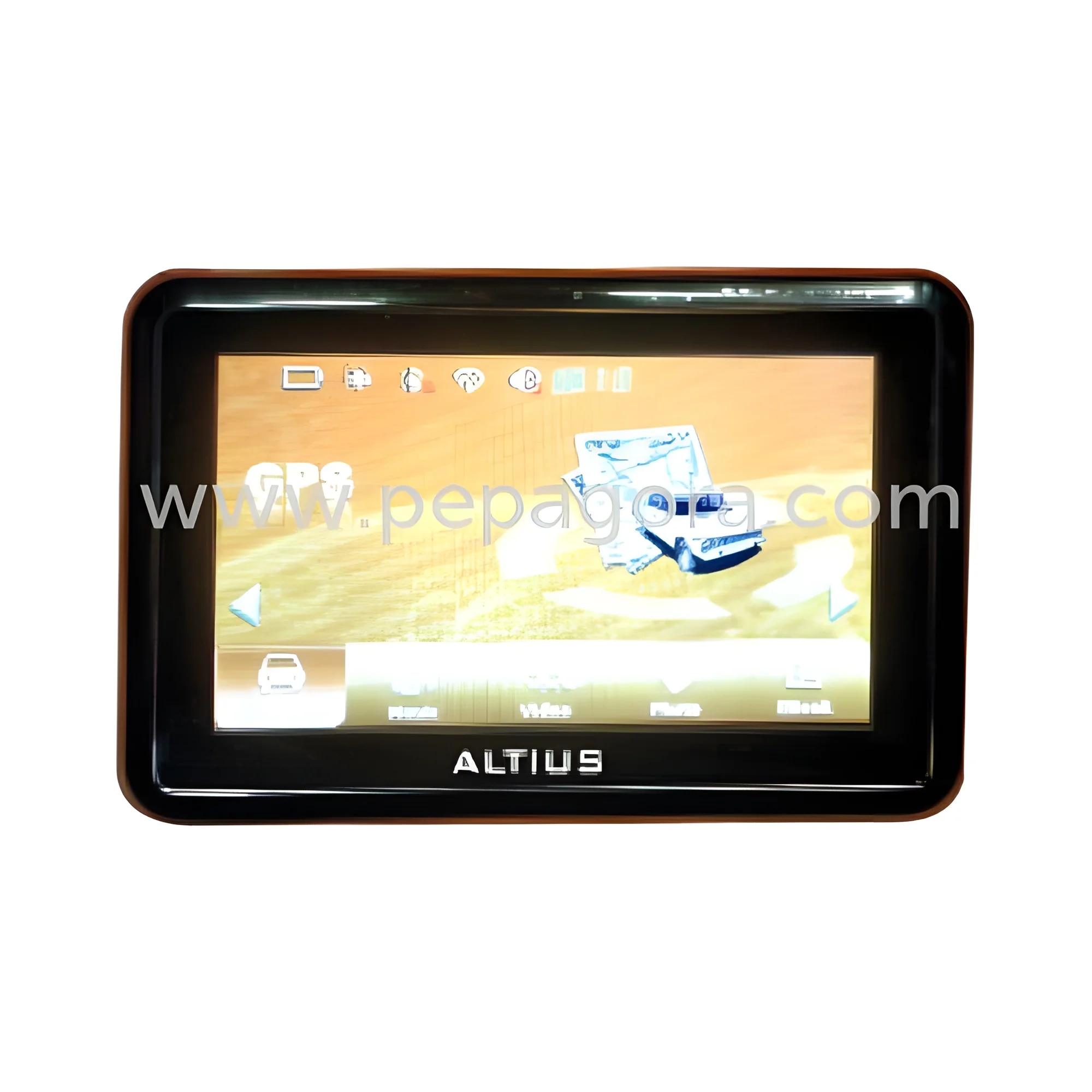
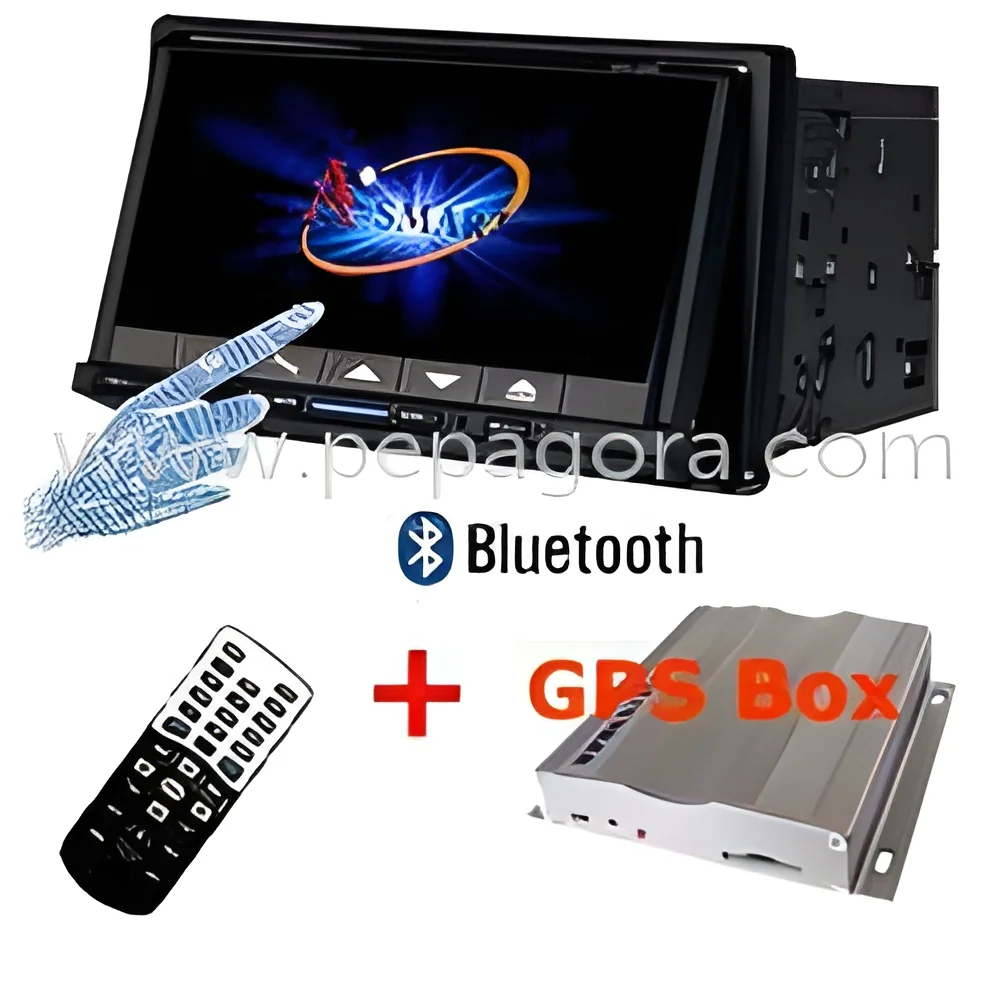
In-Dash Navigation Systems: Integrated into vehicles, these systems provide drivers with real-time navigation and traffic updates. They typically offer larger displays and advanced features like voice commands.
Wearable GPS Devices: Designed for fitness enthusiasts, these devices track location and performance metrics during outdoor exercises. They are lightweight and often include health monitoring features.
Marine GPS Units: These specialized devices are used on boats and ships for navigation in water. They offer features tailored to maritime conditions, such as tide and current information.
𝗕𝗲𝗻𝗲𝗳𝗶𝘁𝘀 𝗮𝗻𝗱 𝗔𝗱𝘃𝗮𝗻𝘁𝗮𝗴𝗲𝘀
Investing in GPS and navigation devices offers numerous advantages for businesses. Understanding these benefits can help guide purchasing decisions.
1. Improved Efficiency: GPS devices optimize routing, reducing travel time and fuel consumption, leading to significant cost savings.
2. Enhanced Safety: By providing real-time tracking, GPS technology enhances safety for both drivers and assets, allowing for quicker response in emergencies.
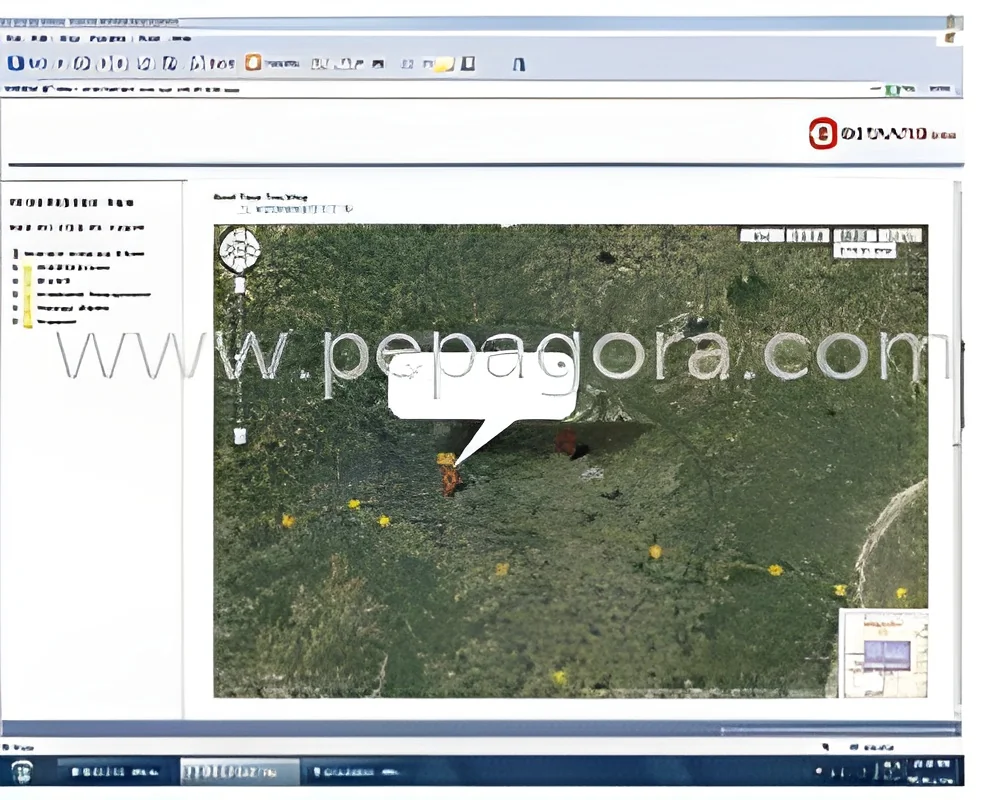
3. Better Asset Management: Businesses can monitor the location and status of their assets in real-time, improving accountability and reducing loss.
4. Increased Productivity: With efficient navigation and route planning, employees can focus more on their core tasks rather than navigating.
5. Data-Driven Insights: GPS devices collect valuable data that can be analyzed for performance improvements, helping businesses make informed decisions.
6. Scalability: GPS solutions can easily scale with business growth, accommodating more devices and features as needs evolve.
𝗕𝘂𝘆𝗶𝗻𝗴 𝗚𝘂𝗶𝗱𝗲 𝗳𝗼𝗿 𝗕𝟮𝗕 𝗕𝘂𝘆𝗲𝗿𝘀
When purchasing GPS and navigation devices, businesses should consider several important factors to ensure they select the right products.
1. Quality Assessment: Evaluate devices based on build quality, accuracy, and user reviews. Look for models that have undergone rigorous testing and meet industry standards.
2. Supplier Verification: Verify potential suppliers by checking their credentials, customer feedback, and industry reputation to ensure reliable sourcing.
3. Pricing and MOQ: Understand the pricing structure, including any minimum order quantities (MOQ), to ensure the investment aligns with budget constraints.
4. Delivery and Lead Times: Inquire about delivery timelines and logistics to ensure timely receipt of devices, which is crucial for ongoing operations.
5. Compliance Requirements: Confirm that the devices meet necessary regulatory standards and certifications relevant to your industry to avoid compliance issues.
𝗖𝗼𝗺𝗽𝗹𝗶𝗮𝗻𝗰𝗲 𝗮𝗻𝗱 𝗖𝗲𝗿𝘁𝗶𝗳𝗶𝗰𝗮𝘁𝗶𝗼𝗻𝘀
GPS and navigation devices must adhere to various compliance and certification standards to ensure their quality and safety in the market. Relevant quality standards include ISO 9001, which focuses on quality management systems, ensuring that manufacturers consistently produce high-quality products.
Additionally, industry certifications such as CE indicate that the devices meet European safety and environmental requirements. Compliance with these standards is essential for gaining market acceptance and ensuring user safety.
Manufacturers must also consider safety and testing requirements specific to their region, ensuring that their devices are reliable and function as intended in various environmental conditions. Companies need to stay updated on regional compliance considerations, as regulations may vary by country or region.
𝗪𝗵𝘆 𝗦𝗼𝘂𝗿𝗰𝗲 𝗚𝗣𝗦 & 𝗡𝗮𝘃𝗶𝗴𝗮𝘁𝗶𝗼𝗻 𝗗𝗲𝘃𝗶𝗰𝗲𝘀 𝗳𝗿𝗼𝗺 𝗣𝗲𝗽𝗮𝗴𝗼𝗿𝗮?
Pepagora offers a trusted platform for sourcing GPS and navigation devices, providing several key advantages for B2B buyers.
Verified Supplier Network: Pepagora ensures that all suppliers within its network are thoroughly vetted, providing buyers with confidence in the quality and reliability of the products offered.
Streamlined RFQ Process: The platform simplifies the request for quotation (RFQ) process, allowing businesses to quickly obtain competitive pricing and product options from multiple suppliers.
Trade Assurance and Support: Pepagora offers trade assurance to protect buyers from potential risks, ensuring that transactions are secure and that support is available throughout the purchasing process.
Regional Coverage: With a significant presence across India, the GCC, and Southeast Asia, Pepagora provides comprehensive geographic coverage, making it easier for businesses to source GPS and navigation devices suited to their local markets.

 IN
IN