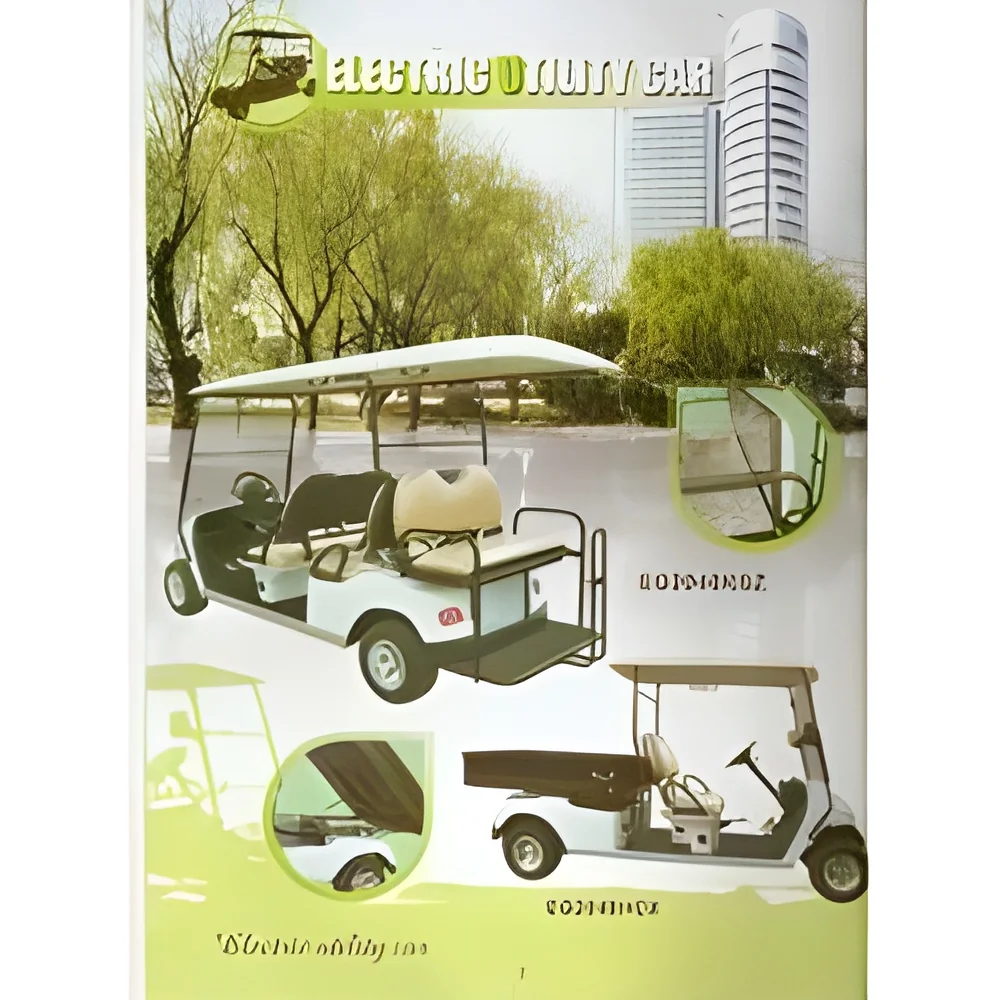
𝗪𝗵𝗮𝘁 𝗮𝗿𝗲 𝗘𝗹𝗲𝗰𝘁𝗿𝗶𝗰 𝗩𝗲𝗵𝗶𝗰𝗹𝗲𝘀 & 𝗖𝗵𝗮𝗿𝗴𝗶𝗻𝗴 𝗘𝗾𝘂𝗶𝗽𝗺𝗲𝗻𝘁?
Electric vehicles (EVs) are automobiles that operate using electric power instead of traditional internal combustion engines. They are powered by rechargeable battery packs and are designed to reduce greenhouse gas emissions and reliance on fossil fuels. Charging equipment is essential for EVs as it provides the means to recharge their batteries. This equipment includes home chargers, public charging stations, and fast chargers, which vary in voltage and charging speed to accommodate different vehicle types.
The primary uses of electric vehicles are in passenger transport, commercial fleets, and public transportation. Businesses are increasingly adopting EVs for their delivery services and corporate fleets due to their lower operating costs and environmental benefits. Charging equipment supports these applications by ensuring that vehicles can be charged efficiently, whether at a central depot or on the go. The growing demand for sustainable transportation solutions has made electric vehicles and their corresponding charging infrastructure critical components in the automotive industry.
The market for electric vehicles and charging equipment is rapidly expanding, driven by advancements in battery technology and government incentives for clean energy. As more companies commit to reducing their carbon footprints, the relevance of electric vehicles and charging equipment continues to increase. This shift is supported by regulatory frameworks aimed at promoting electric mobility, making it an essential sector for future growth and investment.
𝗞𝗲𝘆 𝗙𝗲𝗮𝘁𝘂𝗿𝗲𝘀 𝗮𝗻𝗱 𝗦𝗽𝗲𝗰𝗶𝗳𝗶𝗰𝗮𝘁𝗶𝗼𝗻𝘀
Electric vehicles and charging equipment are characterized by several key features that enhance their functionality and efficiency. Understanding these specifications is vital for businesses looking to invest in this technology.
Key specifications include:
1. Battery Capacity
- Measured in kilowatt-hours (kWh), this determines how much energy the battery can store.
- Common ranges for passenger vehicles are 30 kWh to 100 kWh.
2. Charging Speed
- Charging speed is typically categorized as Level 1, Level 2, or DC fast charging.
- Level 1 chargers provide about 1.4 kW, while Level 2 can deliver up to 22 kW. DC fast chargers can exceed 150 kW.
3. Range
- This refers to the distance a vehicle can travel on a single charge.
- Most electric vehicles offer ranges between 100 miles to over 300 miles.
4. Efficiency
- Measured in miles per kWh, this indicates how far an electric vehicle can travel per unit of energy consumed.
- Efficient models can achieve over 4 miles per kWh.
5. Voltage Compatibility
- Charging equipment must be compatible with various vehicle voltages, typically ranging from 120V to 480V.
6. Connectivity Features
- Many charging stations come equipped with smart connectivity options for remote monitoring and management.
- Features may include mobile app integration and real-time usage data.
7. Safety Standards
- Charging equipment must adhere to safety regulations to prevent electrical hazards.
- Common standards include CE marking and other regional certifications.
8. Installation Flexibility
- Charging stations can be installed in diverse locations, including homes, workplaces, and public spaces.
- Options for wall-mounted or free-standing units are available.
In summary, understanding these features and specifications is essential for businesses to select the right electric vehicles and charging solutions that align with their operational needs.
𝗖𝗼𝗺𝗺𝗼𝗻 𝗔𝗽𝗽𝗹𝗶𝗰𝗮𝘁𝗶𝗼𝗻𝘀 𝗮𝗻𝗱 𝗨𝘀𝗲 𝗖𝗮𝘀𝗲𝘀
Electric vehicles and charging equipment find applications across various industries, enhancing sustainability and operational efficiency.
1. Logistics and Delivery: Companies in this sector utilize electric vans and trucks for last-mile deliveries. The lower operating costs and reduced emissions make EVs an attractive choice.
2. Public Transportation: Many cities are transitioning to electric buses to decrease air pollution. These buses rely on extensive charging networks to operate efficiently throughout the day.
3. Ride-Sharing Services: Electric vehicles are increasingly adopted by ride-sharing companies aiming to lower emissions. Charging infrastructure is vital to support their fleets.
4. Corporate Fleets: Businesses are integrating electric vehicles into their fleets to meet sustainability goals. Charging stations are set up at corporate offices to facilitate convenient charging.
5. Automotive Manufacturing: Some manufacturers are utilizing electric vehicles in their operations to transport materials within their plants, demonstrating their commitment to green practices.
6. Heavy Equipment: Certain industrial sectors are exploring electric-powered heavy equipment, reducing their carbon footprint while maintaining operational efficiency.
7. Retail: Retailers are installing charging stations to attract customers with electric vehicles, providing a service that enhances customer experience.
𝗣𝗿𝗼𝗱𝘂𝗰𝘁 𝗩𝗮𝗿𝗶𝗮𝗻𝘁𝘀 𝗮𝗻𝗱 𝗦𝘂𝗯𝗰𝗮𝘁𝗲𝗴𝗼𝗿𝗶𝗲𝘀
Electric vehicles and charging equipment come in various types and configurations to meet diverse needs.
Residential Chargers
These chargers are designed for home use, offering convenient overnight charging for electric vehicle owners. They typically feature Level 2 charging capabilities for quicker charging times.
Public Charging Stations
These stations are installed in public areas to provide charging access for all electric vehicle users. They vary in charging speed, accommodating both regular and fast charging needs.
Commercial Chargers
Targeted at businesses with electric vehicle fleets, these chargers can handle higher usage and often come with features for monitoring and managing charging sessions.
Fast Charging Solutions
Designed for quick recharging, these units are critical for commercial applications and long-distance travel. They significantly reduce downtime for electric vehicles on the road.
𝗕𝗲𝗻𝗲𝗳𝗶𝘁𝘀 𝗮𝗻𝗱 𝗔𝗱𝘃𝗮𝗻𝘁𝗮𝗴𝗲𝘀
Investing in electric vehicles and charging equipment presents numerous benefits for businesses.
1. Cost Savings: Electric vehicles have lower operating and maintenance costs compared to traditional vehicles, leading to significant savings over time.
2. Environmental Impact: Utilizing electric vehicles helps reduce greenhouse gas emissions and supports corporate sustainability goals, improving brand reputation.
3. Incentives and Rebates: Many regions offer financial incentives for adopting electric vehicles and charging infrastructure, making the initial investment more attractive.
4. Enhanced Public Image: Companies that adopt green technologies can enhance their public image, appealing to environmentally conscious consumers.
5. Future-Proofing: As regulations tighten around emissions, transitioning to electric vehicles positions businesses ahead of compliance requirements.
6. Improved Efficiency: Electric vehicles often have fewer moving parts, leading to increased reliability and reduced downtime compared to traditional vehicles.
𝗕𝘂𝘆𝗶𝗻𝗴 𝗚𝘂𝗶𝗱𝗲 𝗳𝗼𝗿 𝗕𝟮𝗕 𝗕𝘂𝘆𝗲𝗿𝘀
When sourcing electric vehicles and charging equipment, several factors must be considered to ensure a successful investment.
1. Quality Assessment: Evaluate the quality of both the vehicles and the charging equipment. Look for products that meet industry standards and have a proven track record.
2. Supplier Verification: Conduct thorough research to verify the credibility of suppliers. Check for certifications, customer reviews, and their experience in the market.
3. Pricing and MOQ: Understand the pricing structures and any minimum order quantities required. This helps in budgeting and ensures that the supplier can meet your needs.
4. Delivery and Lead Times: Consider the logistics involved in receiving your order. Check the supplier’s lead times and their ability to deliver on schedule.
5. Compliance Requirements: Ensure that all products meet local regulatory standards. Familiarize yourself with safety and environmental compliance to avoid future issues.
𝗖𝗼𝗺𝗽𝗹𝗶𝗮𝗻𝗰𝗲 𝗮𝗻𝗱 𝗖𝗲𝗿𝘁𝗶𝗳𝗶𝗰𝗮𝘁𝗶𝗼𝗻𝘀
Compliance with standards and certifications is essential in the electric vehicle and charging equipment market. Key quality standards include ISO 9001, which ensures quality management systems are in place. Additionally, CE certification indicates that products meet safety and environmental protection requirements in the European market.
Safety and testing requirements must be strictly adhered to, ensuring that all equipment operates safely under various conditions. This includes rigorous testing for electrical safety and performance to prevent hazards.
Regional compliance considerations also play a crucial role. Different regions may have specific regulations regarding emissions, safety standards, and charging infrastructure. Businesses must navigate these regulations to ensure compliance and avoid penalties.
𝗪𝗵𝘆 𝗦𝗼𝘂𝗿𝗰𝗲 𝗘𝗹𝗲𝗰𝘁𝗿𝗶𝗰 𝗩𝗲𝗵𝗶𝗰𝗹𝗲𝘀 & 𝗖𝗵𝗮𝗿𝗴𝗶𝗻𝗴 𝗘𝗾𝘂𝗶𝗽𝗺𝗲𝗻𝘁 𝗳𝗿𝗼𝗺 𝗣𝗲𝗽𝗮𝗴𝗼𝗿𝗮?
Pepagora provides a trusted platform for sourcing electric vehicles and charging equipment, offering several key advantages to buyers.
Verified Supplier Network: Pepagora features a comprehensive network of verified suppliers, ensuring that buyers are connected with reliable and reputable manufacturers. This network facilitates informed purchasing decisions.
Streamlined RFQ Process: The request for quotation (RFQ) process on Pepagora is designed for efficiency. Buyers can easily submit their requirements and receive competitive quotes from multiple suppliers, saving time and effort.
Trade Assurance and Support: Pepagora prioritizes buyer protection through trade assurance programs. This support provides peace of mind, ensuring that transactions are secure and that quality standards are met.
Regional Coverage: With a strong presence in regions such as India, the Gulf Cooperation Council (GCC), and Southeast Asia, Pepagora offers extensive geographical reach. This enables businesses to source products suited to their specific market needs.

 IN
IN