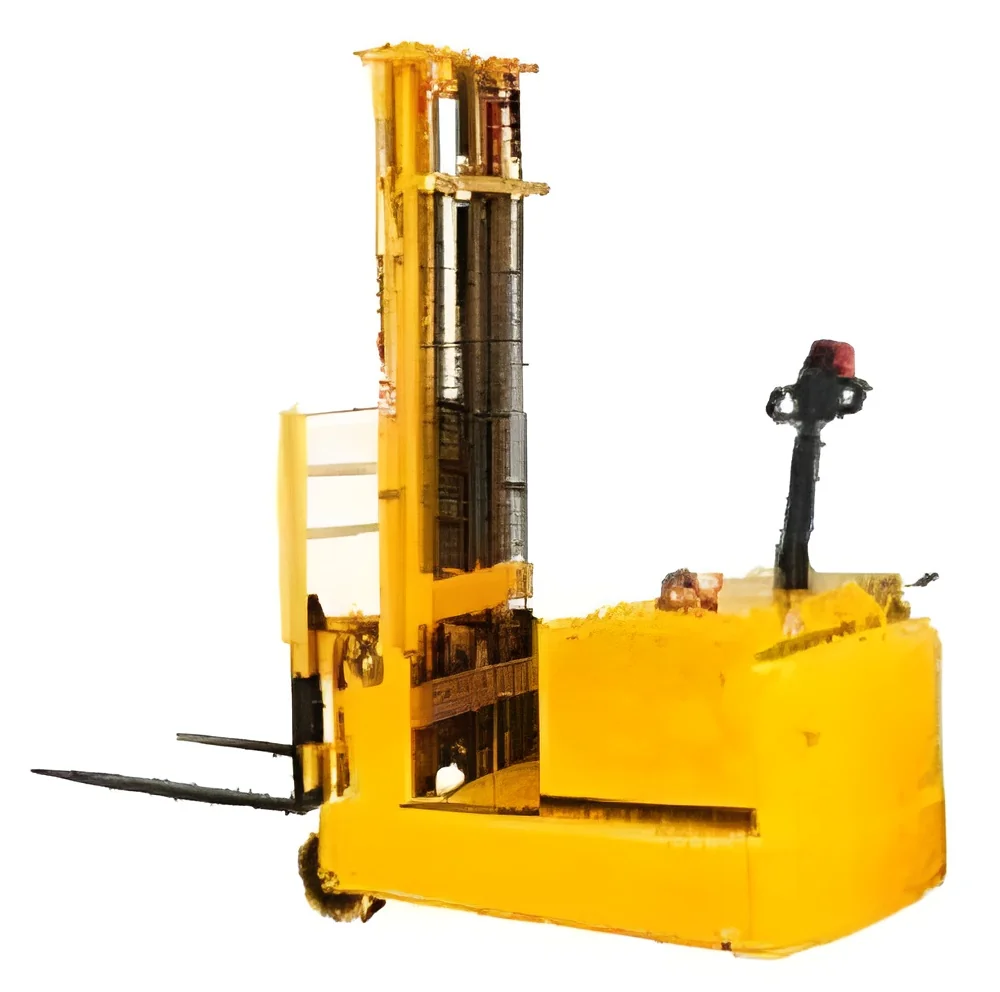
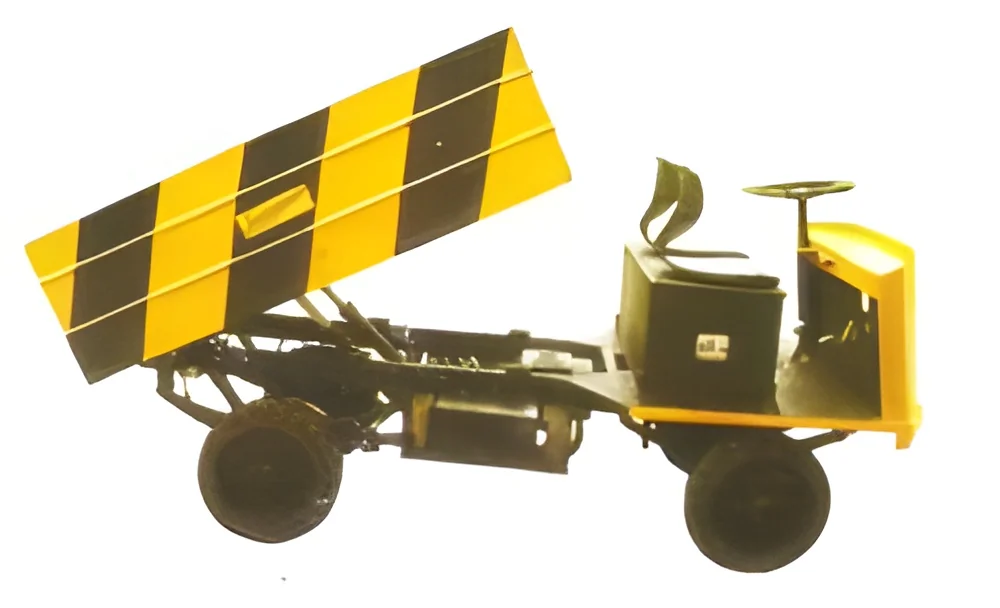
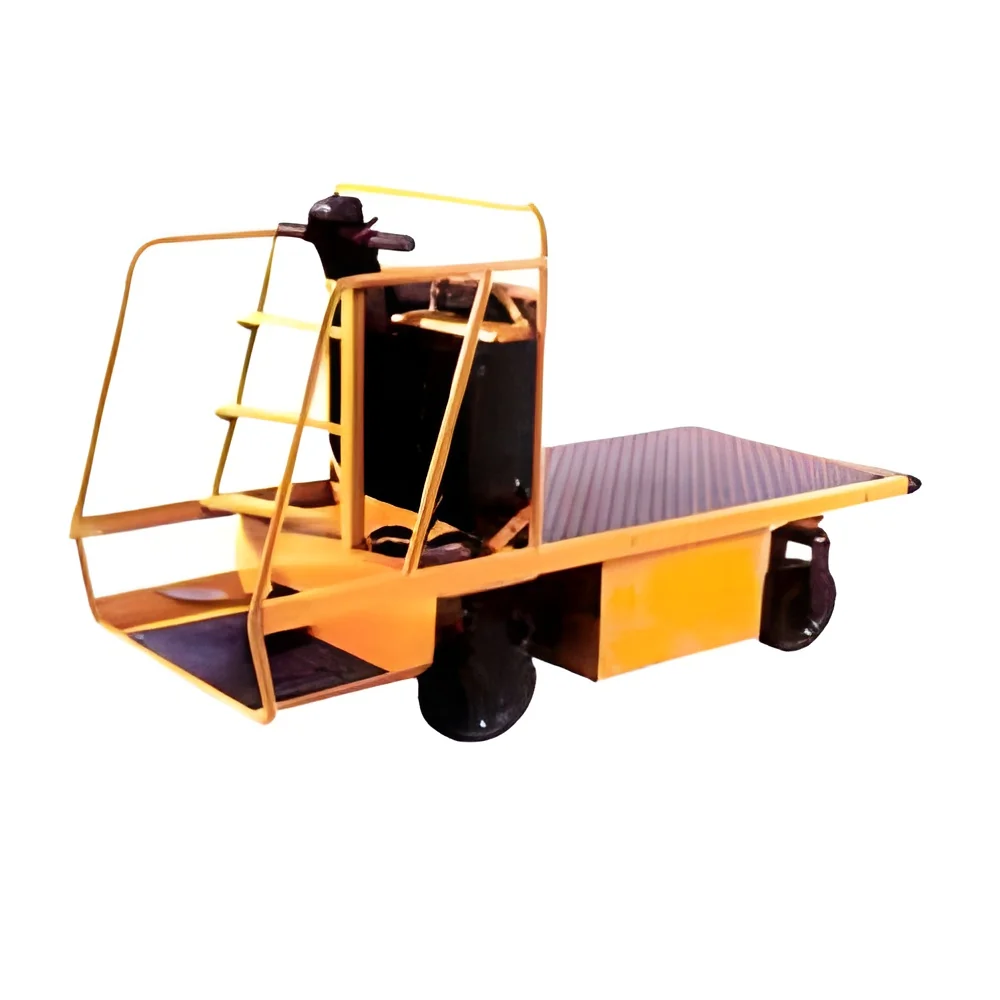
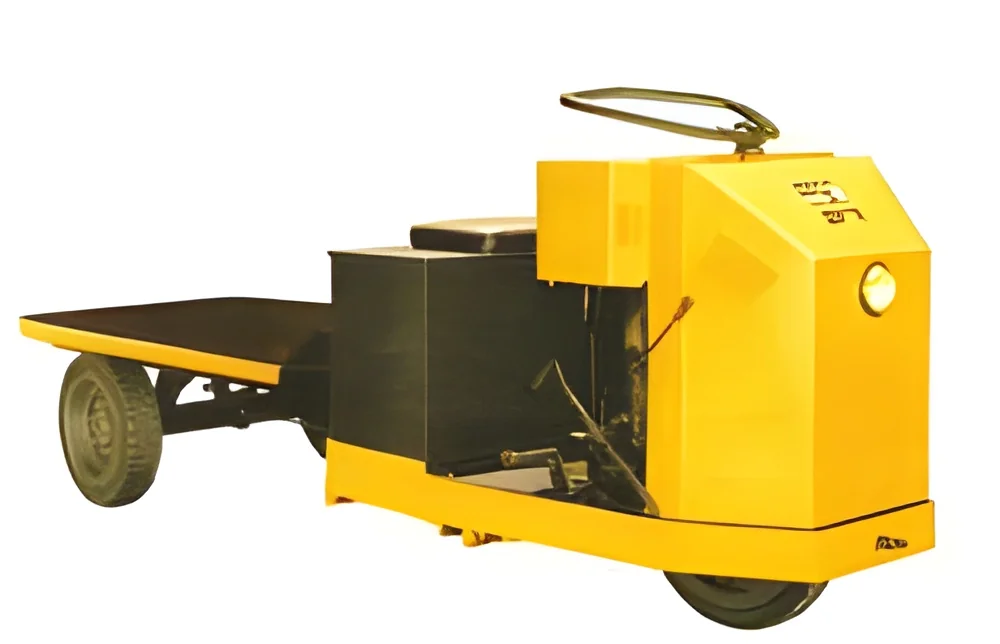
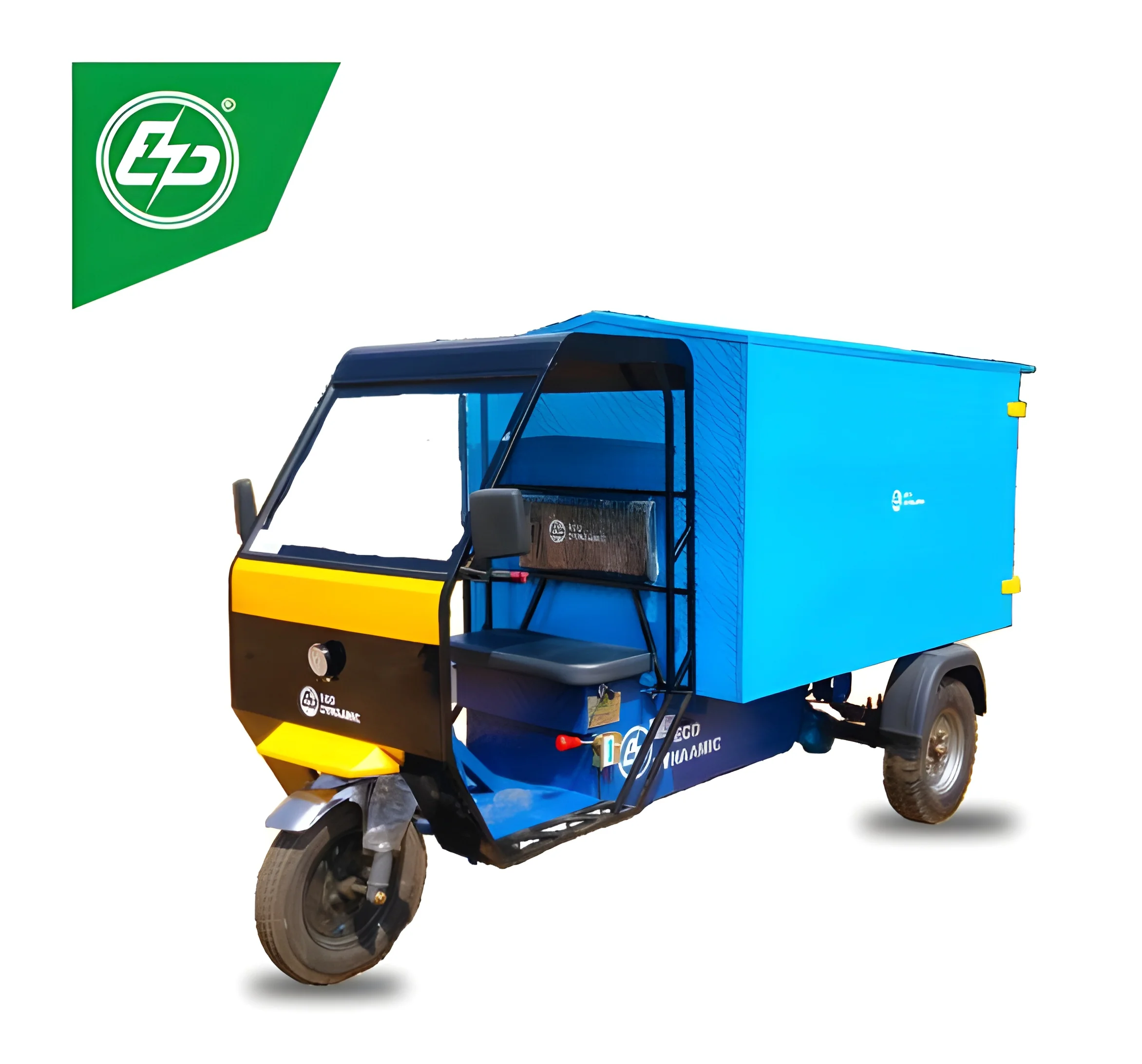
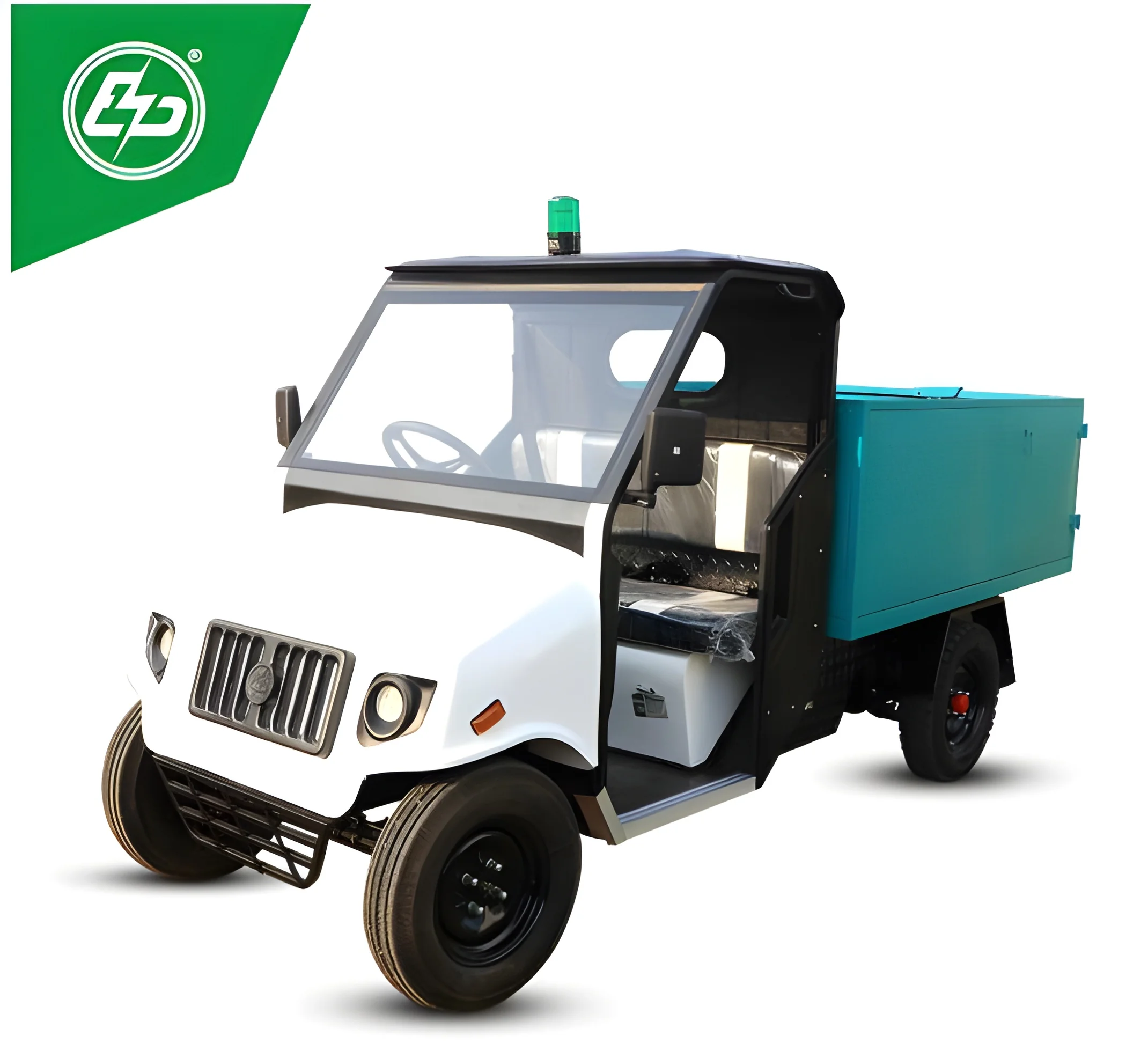
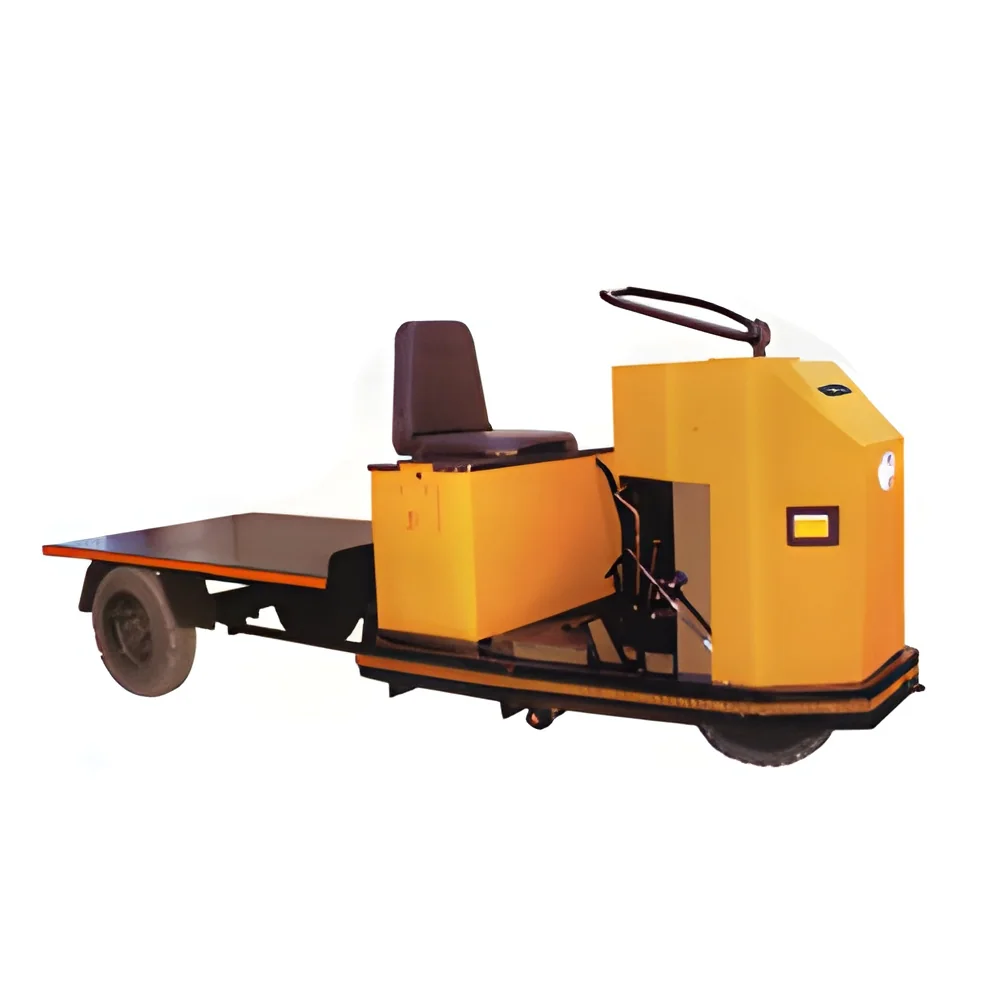
What are Electric Trucks?
Electric trucks are commercial vehicles powered entirely by electric energy, utilizing rechargeable batteries instead of traditional diesel or gasoline engines. These trucks are designed to transport goods and materials while minimizing environmental impact through reduced emissions. With advancements in technology, electric trucks are becoming increasingly viable for various transportation needs, offering a quieter and more efficient alternative to their conventional counterparts.
The primary uses of electric trucks include freight transportation, urban delivery services, and logistics operations. Businesses across multiple sectors, including retail, manufacturing, and e-commerce, are integrating electric trucks into their fleets to lower fuel costs and meet sustainability goals. The growing emphasis on reducing carbon footprints, combined with government incentives for electric vehicle adoption, further drives the demand for electric trucks in the market.
In recent years, the relevance of electric trucks in the industry has surged, fueled by innovations in battery technology and infrastructure development. As cities implement stricter emissions regulations, electric trucks are positioned as a key component in the transition towards cleaner transportation solutions. Industry experts predict substantial growth in the electric truck market, indicating a shift in how goods are transported in the coming years.
Key Features and Specifications
Electric trucks come equipped with a variety of features that enhance their utility and performance. These features cater to the specific needs of businesses, ensuring reliability and efficiency in operations. Below are key specifications that define electric trucks in the market today.
Key specifications include:
1. Battery Capacity
- This specification indicates the amount of energy stored in the truck's battery.
- Typical ranges vary from 100 kWh to 600 kWh, affecting the truck’s driving range.
2. Driving Range
- The distance an electric truck can travel on a single charge.
- Ranges can be between 100 miles to over 300 miles, depending on the model.
3. Payload Capacity
- Refers to the maximum weight the truck can carry.
- This varies widely, typically from 3,000 to 20,000 pounds.
4. Charging Time
- The duration required to fully charge the truck's battery.
- Fast charging options can reduce charging time to as little as 1-2 hours.
5. Maximum Speed
- The top speed that the electric truck can achieve.
- Most models can reach speeds of 60-80 mph.
6. Regenerative Braking
- A feature that allows the vehicle to recover energy during braking.
- This technology enhances overall efficiency and extends driving range.
7. Vehicle Dimensions
- Overall size and weight specifications.
- This includes length, width, height, and weight that conform to standard regulations.
8. Safety Features
- Advanced safety systems such as collision avoidance and lane-keeping assist.
- These features enhance driver safety and operational efficiency.
Electric trucks are equipped with cutting-edge technology and features that make them suitable for modern transportation needs. Their specifications not only meet industry standards but also provide businesses with the tools needed for effective logistics.
Common Applications and Use Cases
Electric trucks serve various industries, adapting to a range of transportation needs.
1. Retail: Electric trucks facilitate last-mile delivery for e-commerce businesses, helping reduce delivery times while minimizing emissions in urban areas.
2. Food and Beverage: Electric trucks are used for distributing perishable goods, ensuring a reliable and environmentally friendly delivery method.
3. Construction: Electric trucks can transport materials and equipment to construction sites, offering a quieter and less disruptive option compared to diesel trucks.
4. Waste Management: Electric trucks are increasingly employed for waste collection, contributing to cleaner communities with reduced noise and air pollution.
5. Package Delivery: Companies are utilizing electric trucks for package delivery services, aligning with sustainability initiatives while maintaining efficiency.
6. Manufacturing: Electric trucks are integrated into supply chains, transporting components and finished products between facilities.
7. Public Transportation: Some municipalities are adopting electric trucks for public transport applications, including shuttle services and city buses, to enhance urban mobility.
Electric trucks are versatile vehicles that meet the demands of various sectors, promoting sustainability while optimizing logistics.
Product Variants and Subcategories
Electric trucks exhibit a range of diversity to cater to different operational requirements. While specific subcategories may not be available, various product variants are tailored for distinct functions.
Light-Duty Electric Trucks
Light-duty electric trucks are designed for urban delivery and small-scale transport. They often have lower payload capacities and shorter ranges, making them ideal for short-distance operations within cities.
Medium-Duty Electric Trucks
Medium-duty electric trucks are suitable for a variety of applications, including regional delivery and logistics. They offer a balance between payload capacity and driving range, meeting the needs of businesses that require flexibility.
Heavy-Duty Electric Trucks
Heavy-duty electric trucks are built for long-haul transportation. They have larger battery capacities and extended driving ranges, making them appropriate for freight operations that cover significant distances.
Benefits and Advantages
Electric trucks offer numerous advantages that appeal to businesses seeking efficient transportation solutions.
Key benefits include:
1. Environmental Impact: Electric trucks produce zero tailpipe emissions, contributing to cleaner air and reduced carbon footprints.
2. Lower Operating Costs: By utilizing electricity instead of fuel, businesses can significantly cut fuel costs and maintenance expenses.
3. Quiet Operation: Electric trucks operate more quietly than traditional diesel trucks, reducing noise pollution in urban settings.
4. Incentives and Tax Breaks: Many governments provide financial incentives for businesses that invest in electric vehicles, further enhancing cost-effectiveness.
5. Enhanced Performance: Electric trucks often provide instant torque, leading to smoother acceleration and improved handling compared to traditional trucks.
6. Positive Brand Image: Companies adopting electric trucks can enhance their corporate image by demonstrating a commitment to sustainability and eco-friendly practices.
Electric trucks present a compelling case for businesses looking to modernize their fleets while adhering to environmental standards.
Buying Guide for B2B Buyers
When sourcing electric trucks, businesses should consider several important factors to ensure they make informed purchasing decisions.
1. Quality Assessment: Evaluate the build quality and reliability of electric trucks. Look for robust designs and warranties that indicate manufacturer confidence.
2. Supplier Verification: It is crucial to vet suppliers for credibility and reliability. Check for industry certifications and customer reviews to ensure you are dealing with reputable manufacturers.
3. Pricing and MOQ: Understand the pricing structure and minimum order quantities offered by suppliers. Compare prices across different models and consider total cost of ownership.
4. Delivery and Lead Times: Inquire about the expected lead times for delivery. Timely delivery is essential for businesses to maintain operational efficiency.
5. Compliance Requirements: Ensure that electric trucks meet regional compliance standards and safety regulations. Familiarize yourself with necessary certifications such as CE.
Compliance and Certifications
Electric trucks must adhere to various quality standards and certifications to ensure safety and performance. Key relevant standards include ISO 9001, which focuses on quality management systems, ensuring that manufacturers maintain high-quality production processes.
In addition to ISO standards, electric trucks often require industry certifications such as CE marking, indicating compliance with European safety and environmental requirements. These certifications provide assurance to buyers regarding the safety and reliability of the vehicles.
Safety and testing requirements are critical, as electric trucks must undergo rigorous assessments to ensure they meet safety regulations. This includes crash testing and adherence to electrical safety standards to protect users and operators.
Regional compliance considerations are also vital, as different regions may impose specific regulations regarding electric vehicle emissions and operational standards. Buyers should be aware of these regional requirements to ensure their electric trucks are compliant and suitable for their intended markets.
Why Source Electric Trucks from Pepagora?
Pepagora provides a trusted platform for sourcing electric trucks, catering to the needs of B2B buyers with several key advantages.
The verified supplier network at Pepagora ensures that businesses have access to reputable manufacturers. This network is built on rigorous vetting processes that prioritize quality and reliability.
The streamlined RFQ process simplifies the quotation system, allowing buyers to request and compare multiple offers swiftly. This efficiency empowers businesses to make informed decisions based on comprehensive data.
Trade assurance and support is a cornerstone of Pepagora's platform. Buyers benefit from protections that secure their investments and foster confidence in their transactions.
With regional coverage extending across India, GCC, and Southeast Asia, Pepagora connects buyers with suppliers in critical markets. This geographic reach expands opportunities for businesses looking to integrate electric trucks into their operations.
Electric trucks represent a forward-thinking solution for modern transportation needs, and Pepagora is positioned to facilitate these transactions effectively.

 IN
IN