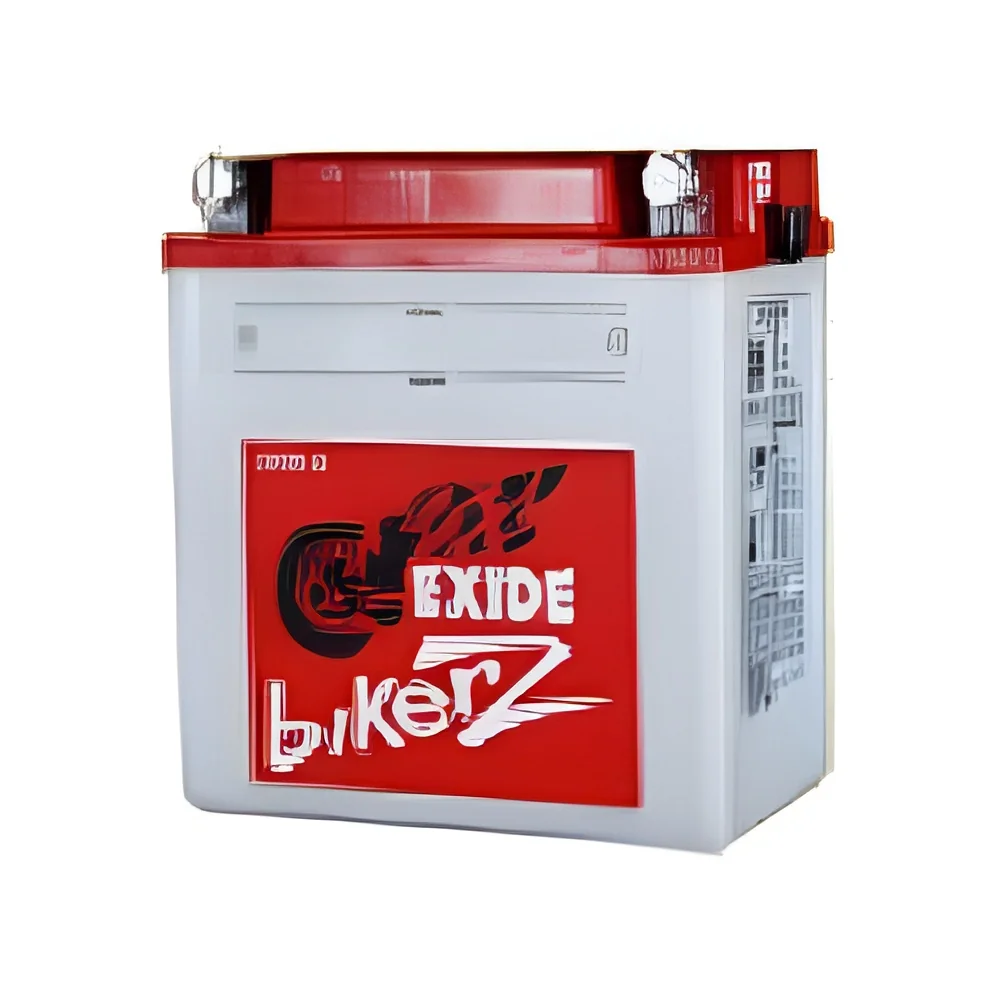
What are Electric Scooters?
Electric scooters are two-wheeled vehicles powered by electric motors. They are designed for short-distance travel and are becoming increasingly popular in urban areas. These scooters are equipped with rechargeable batteries, which provide the necessary power for the motor, allowing users to travel without the need for fuel. Electric scooters can be categorized into various types, including stand-up models, seated models, and those designed for specific uses, such as delivery or personal transport.
The primary applications of electric scooters extend beyond personal use. Businesses are leveraging these vehicles for logistics, last-mile delivery, and employee transportation. They are particularly beneficial in crowded urban environments where traffic congestion and parking limitations are common. The rise in demand for eco-friendly transportation solutions has further accelerated the adoption of electric scooters, making them a relevant product in the current market landscape.
As cities evolve and seek sustainable solutions, electric scooters are positioned to play a significant role in urban mobility. This trend is supported by growing government initiatives aimed at reducing carbon emissions and promoting greener transportation options. The market for electric scooters is expanding, with numerous manufacturers entering the space to meet increasing demand.
Key Features and Specifications
Electric scooters are equipped with a variety of features that enhance their functionality and user experience. Understanding these specifications is essential for B2B buyers looking to acquire electric scooters for their operations.
Key specifications include:
1. Battery Capacity
- Typically measured in amp-hours (Ah), battery capacity determines the scooter's range.
- Common ranges are between 10Ah to 30Ah.
2. Maximum Speed
- The speed at which the scooter can operate safely.
- Average maximum speeds range from 15 km/h to 40 km/h.
3. Range
- The distance the scooter can travel on a single charge.
- Typical ranges vary from 25 km to 70 km, depending on battery size and weight.
4. Weight Capacity
- The maximum weight the scooter can safely carry.
- This usually ranges from 100 kg to 150 kg.
5. Charging Time
- The duration required to fully charge the battery.
- Typical charging times range from 4 to 8 hours.
6. Wheel Size
- Influences the smoothness of the ride and stability.
- Common wheel sizes range from 8 inches to 12 inches.
7. Suspension Type
- Enhances ride comfort by absorbing shocks.
- Options include front suspension, rear suspension, or none.
8. Braking System
- Essential for safety, with options including disc brakes, drum brakes, or electronic brakes.
In summary, electric scooters come with a variety of specifications that cater to different needs. Understanding these features helps businesses make informed purchasing decisions.
Common Applications and Use Cases
Electric scooters have diverse applications across several industries, making them a versatile option for businesses.
1. Logistics and Delivery: Many companies use electric scooters for last-mile delivery services, allowing for quick and efficient transportation of goods in urban areas.
2. Employee Transportation: Businesses are adopting electric scooters to facilitate employee commutes, especially in crowded cities where traditional transportation may be impractical.
3. Tourism and Leisure: Electric scooters are popular in tourist areas, providing visitors with an eco-friendly way to explore attractions.
4. Retail: Some retail businesses offer electric scooters for customers to use while shopping, enhancing the overall shopping experience.
5. Urban Mobility Initiatives: Municipalities are implementing electric scooters in shared mobility programs to reduce traffic congestion and promote sustainable transport.
6. Campus Transportation: Educational institutions use electric scooters to help students and staff navigate large campuses quickly.
7. Event Transportation: Electric scooters are often utilized at large events or festivals to transport attendees efficiently.
Product Variants and Subcategories
Electric scooters come in various models to suit different user needs and preferences.
Commuter Electric Scooters
These models are designed for daily commuting, featuring a lightweight frame and a balance of speed and range suitable for urban environments.
Off-Road Electric Scooters
Engineered for rugged terrains, off-road scooters have enhanced suspension systems and durable tires, making them ideal for outdoor adventures.
Heavy-Duty Electric Scooters
These scooters accommodate higher weight limits and have robust build quality, suitable for users requiring extra durability and strength.
Folding Electric Scooters
Folding models are compact and easy to store, making them perfect for users with limited space or those who need to carry their scooters on public transport.
Benefits and Advantages
Electric scooters offer numerous advantages that appeal to B2B buyers.
1. Cost-Effective Transportation: Electric scooters typically have lower operating costs compared to traditional vehicles, reducing overall transportation expenses.
2. Eco-Friendly Option: By using electric scooters, businesses contribute to environmental sustainability, lowering their carbon footprint.
3. Increased Efficiency: With the ability to navigate through traffic and access restricted areas, electric scooters enhance operational efficiency.
4. User Convenience: Electric scooters are easy to operate and require minimal maintenance, providing a hassle-free transportation solution.
5. Versatility: They can be used for various purposes, from delivery services to employee transport, making them a flexible investment.
6. Improved Accessibility: Electric scooters can provide mobility solutions for individuals who may have difficulty using traditional transportation methods.
Buying Guide for B2B Buyers
When considering the purchase of electric scooters, businesses should evaluate several key factors.
1. Quality Assessment: It is crucial to assess the build quality of electric scooters, including the materials used and the reliability of components. Look for scooters that meet industry standards for durability.
2. Supplier Verification: Vetting suppliers is necessary to ensure they have a good reputation and provide reliable products. Check for customer testimonials and industry certifications.
3. Pricing and MOQ: Understand the pricing structure and minimum order quantities. This will help in budgeting and determining the feasibility of bulk purchases.
4. Delivery and Lead Times: Consider the logistics involved in receiving the scooters. Discuss delivery timelines with suppliers to ensure they align with your project requirements.
5. Compliance Requirements: Ensure that the electric scooters comply with local regulations and safety standards. This includes looking for necessary certifications such as CE.
Compliance and Certifications
Electric scooters are subject to various compliance and certification standards that ensure their safety and reliability.
Relevant quality standards include ISO 9001, which focuses on quality management systems, ensuring that manufacturers maintain high production standards. Other relevant standards may include HACCP and GDP, depending on specific applications.
Industry certifications such as CE indicate that the electric scooters meet European safety and environmental requirements. This certification is essential for market acceptance in many regions.
Safety and testing requirements must also be strictly adhered to, including battery safety tests and performance evaluations. Manufacturers should provide documentation to verify compliance with these standards.
Regional compliance considerations may vary, so businesses should be aware of local regulations that could affect the use and sale of electric scooters.
Why Source Electric Scooters from Pepagora?
Pepagora offers a reliable platform for sourcing electric scooters, providing significant advantages for B2B buyers.
Verified Supplier Network: Pepagora connects buyers with a vetted network of suppliers, ensuring that all listed manufacturers meet quality and safety standards. This reduces the risk associated with sourcing products.
Streamlined RFQ Process: The request for quotation (RFQ) process is designed to be user-friendly, enabling buyers to efficiently request and compare quotes from multiple suppliers. This helps in making informed purchasing decisions.
Trade Assurance and Support: Pepagora provides trade assurance, offering protection and support throughout the procurement process. This adds a layer of security for buyers, ensuring that they receive the products as promised.
Regional Coverage: With a strong presence in India, the GCC, and Southeast Asia, Pepagora facilitates access to a wide range of suppliers, catering to diverse market needs and preferences. This geographic reach allows businesses to find suitable electric scooters tailored to their specific requirements.

 IN
IN