𝗪𝗵𝗮𝘁 𝗮𝗿𝗲 𝗗𝗶𝗻𝗶𝗻𝗴 𝗙𝘂𝗿𝗻𝗶𝘁𝘂𝗿𝗲?
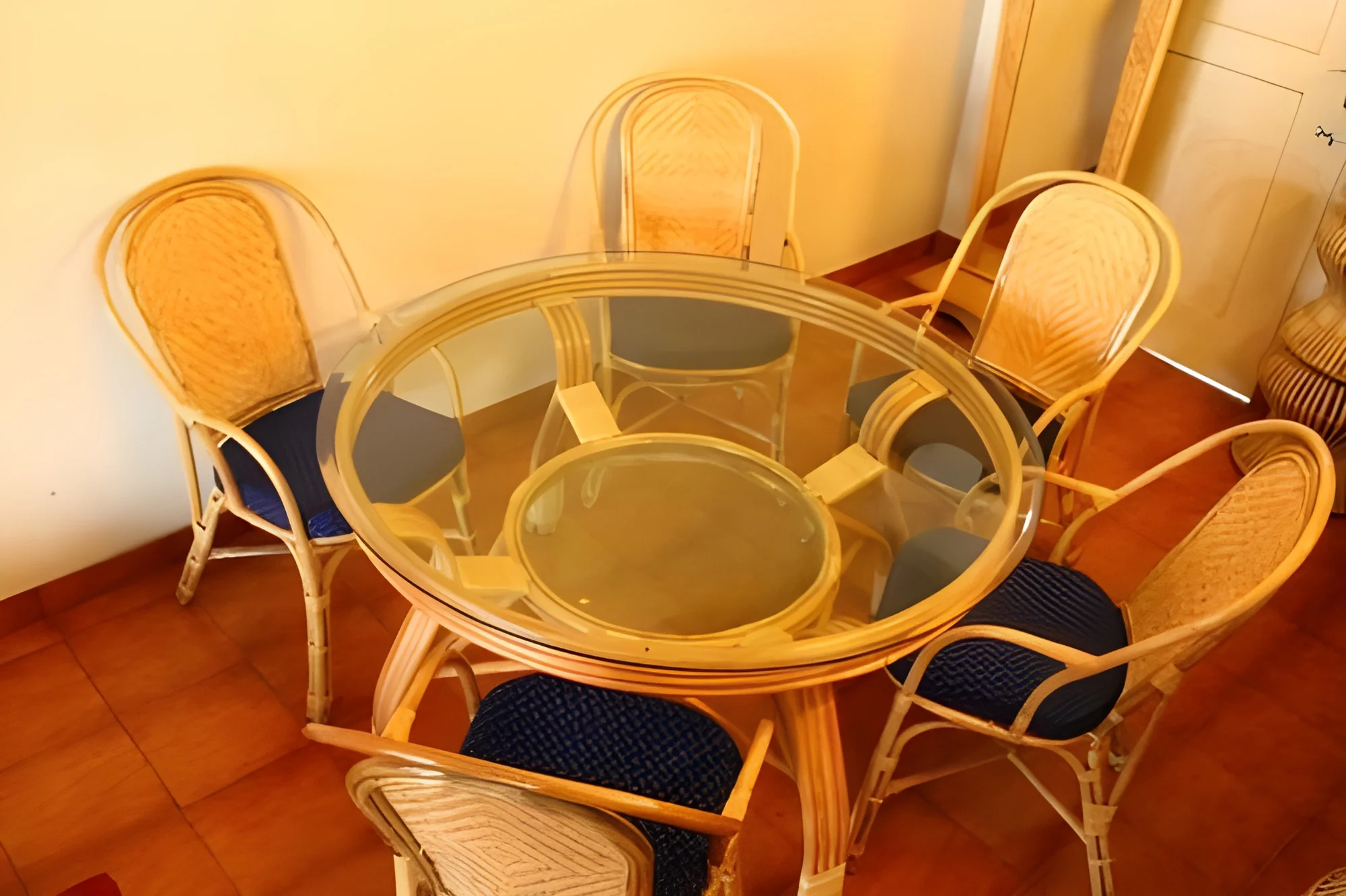
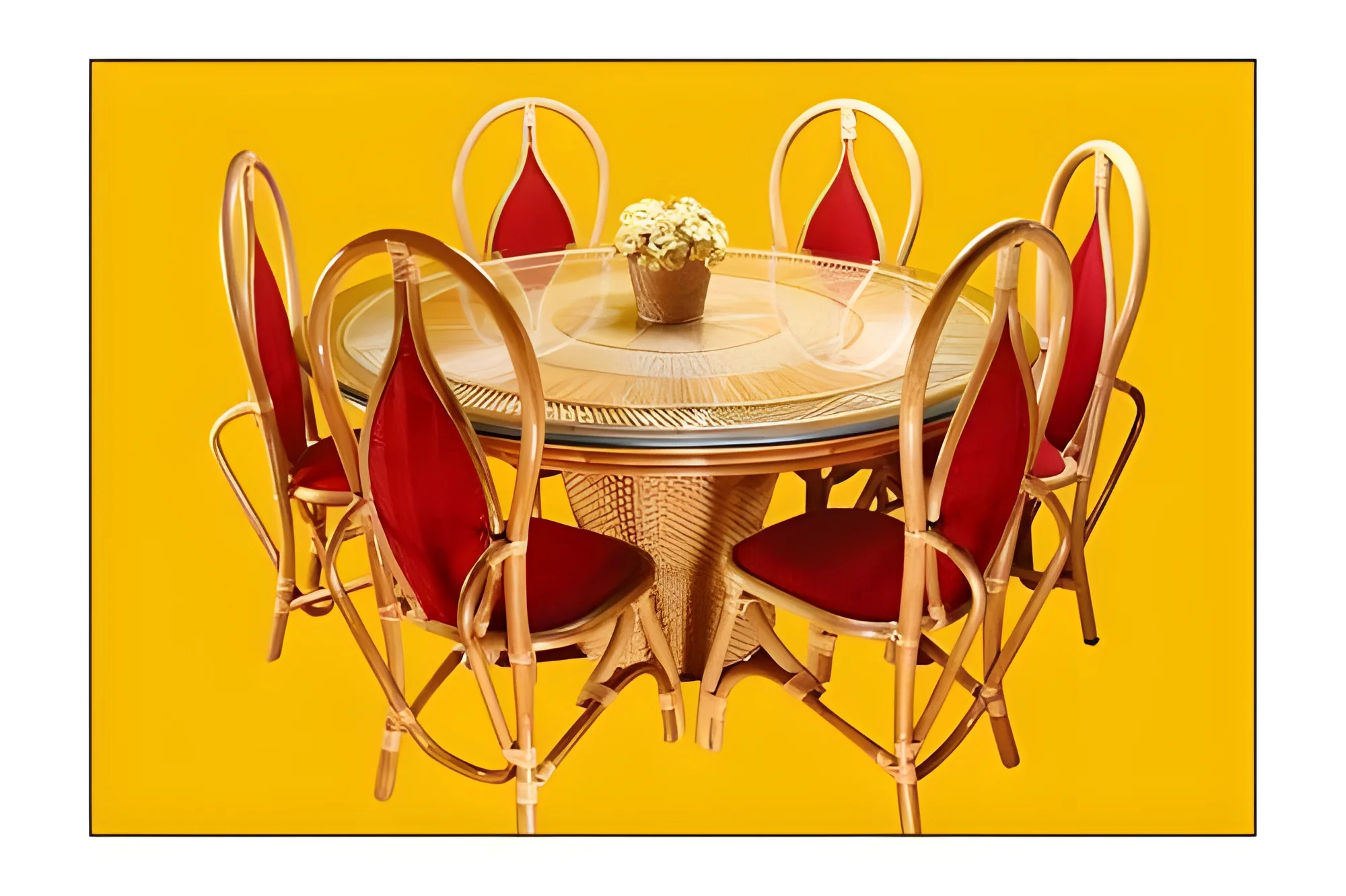
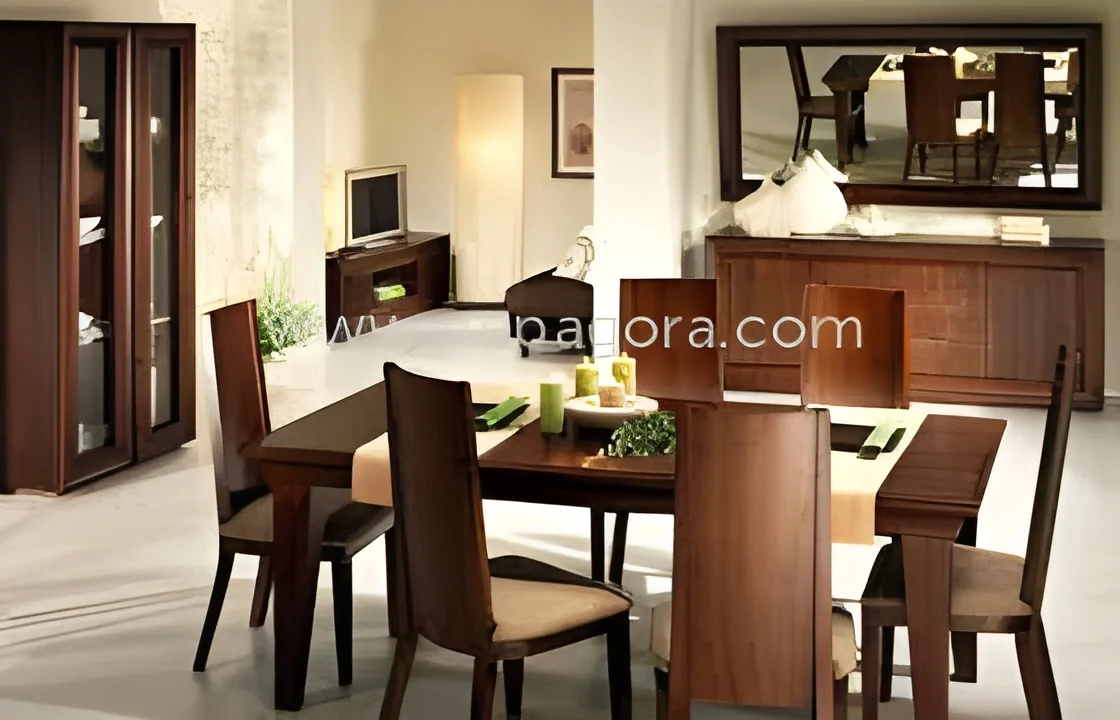
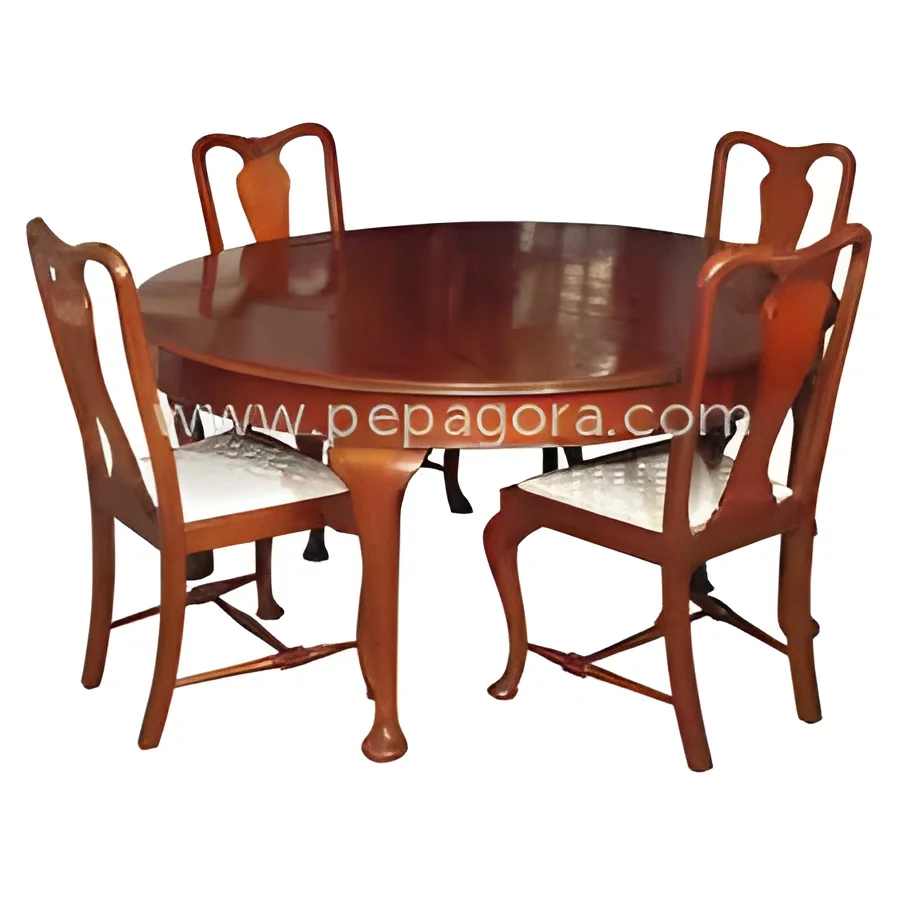
Dining furniture refers to the range of furniture pieces designed for use in dining areas, which primarily includes tables, chairs, and other complementary items. This furniture is crafted to provide comfort and functionality while enhancing the overall dining experience. Dining furniture comes in various styles, materials, and sizes to accommodate different settings, from private homes to commercial establishments like restaurants and cafes.
The primary uses of dining furniture extend beyond basic dining needs. In businesses such as restaurants, hotels, and event spaces, dining furniture plays a critical role in creating inviting and efficient dining environments. It can influence customer satisfaction and the overall atmosphere of a space. In residential settings, dining furniture serves as a gathering point for families and friends, making it an essential aspect of home life.
In today's market, dining furniture is increasingly relevant due to trends in interior design and consumer preferences for quality and sustainability. Many manufacturers are focusing on eco-friendly materials and innovative designs that cater to both aesthetic appeal and durability. As businesses and consumers alike prioritize quality dining experiences, the demand for well-crafted dining furniture continues to grow.
𝗞𝗲𝘆 𝗙𝗲𝗮𝘁𝘂𝗿𝗲𝘀 𝗮𝗻𝗱 𝗦𝗽𝗲𝗰𝗶𝗳𝗶𝗰𝗮𝘁𝗶𝗼𝗻𝘀
Dining furniture comes with a variety of features and specifications tailored to meet the diverse needs of users. Understanding these specifications is essential for making informed purchasing decisions.
Key specifications include:
1. Material Quality
- Common materials include wood, metal, glass, and composite materials.
- Each material offers different durability, aesthetics, and maintenance requirements.
2. Table Size
- Available in various dimensions to accommodate different spaces and group sizes.
- Standard sizes range from small two-person tables to large banquet-style tables.
3. Chair Design
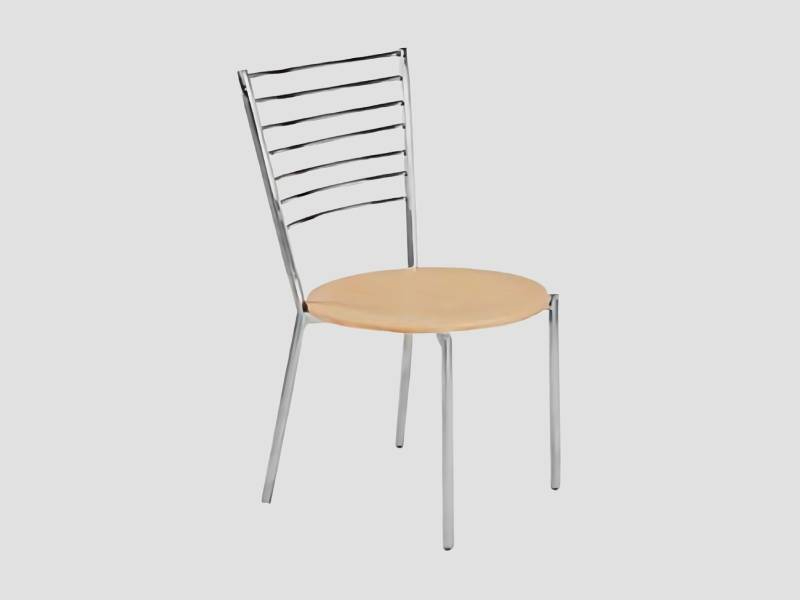
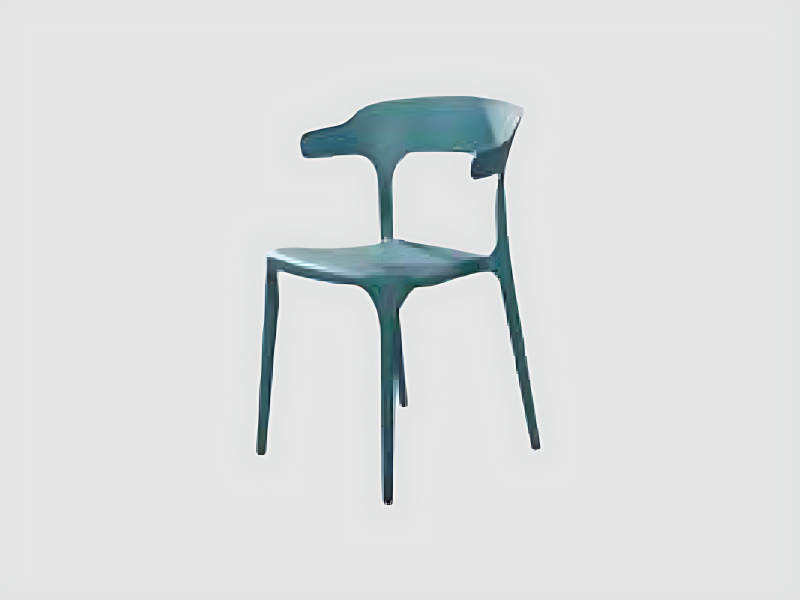
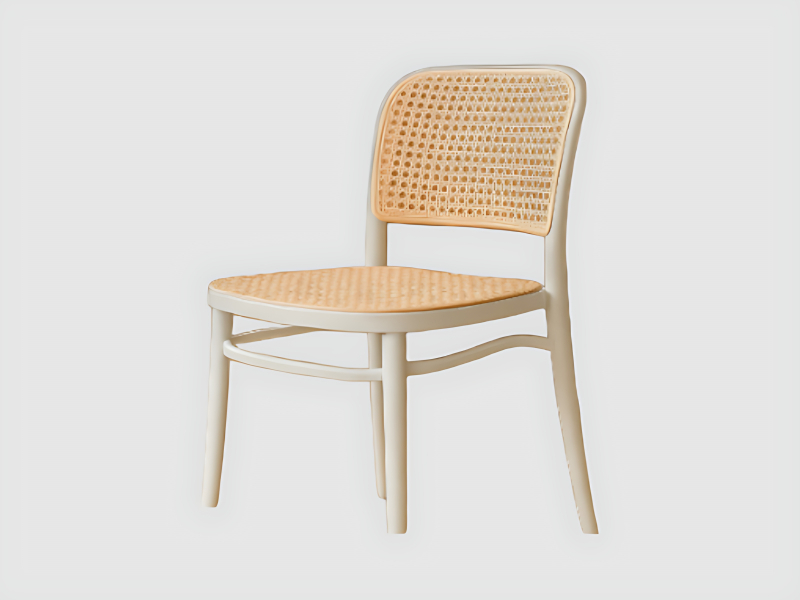
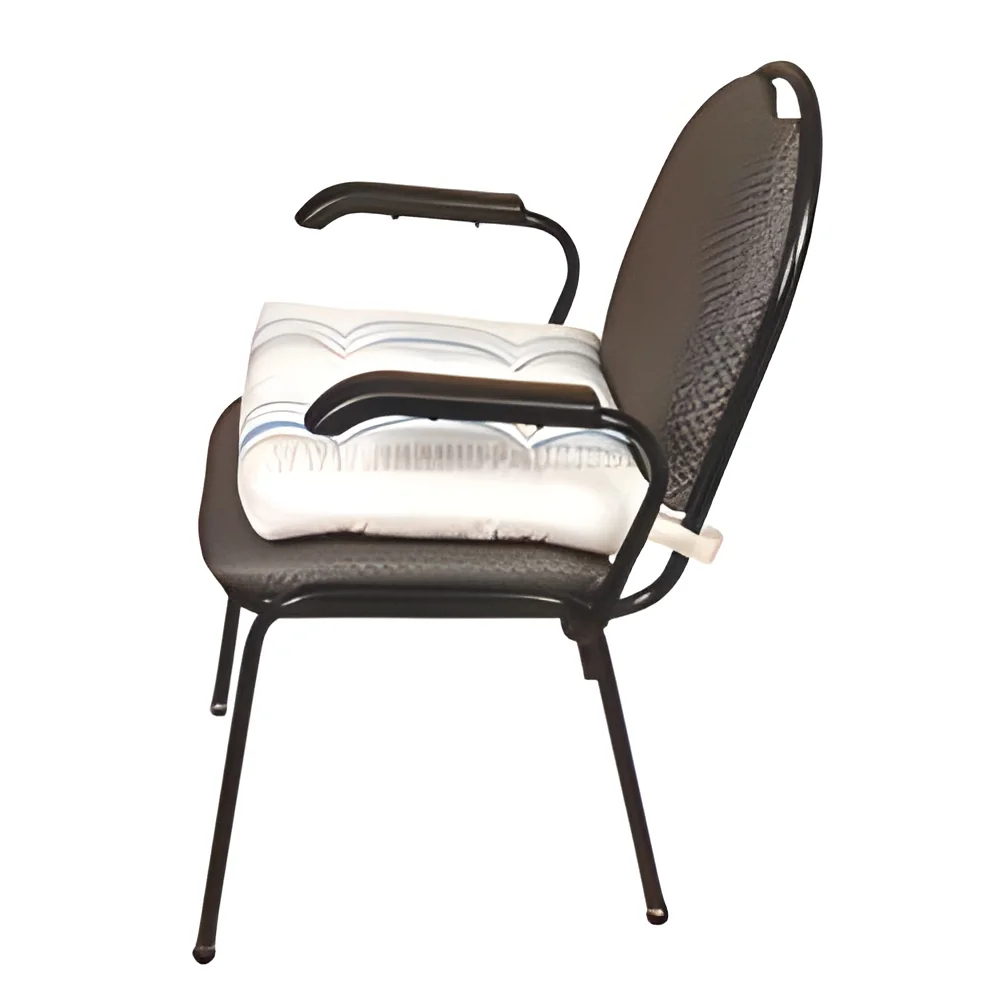
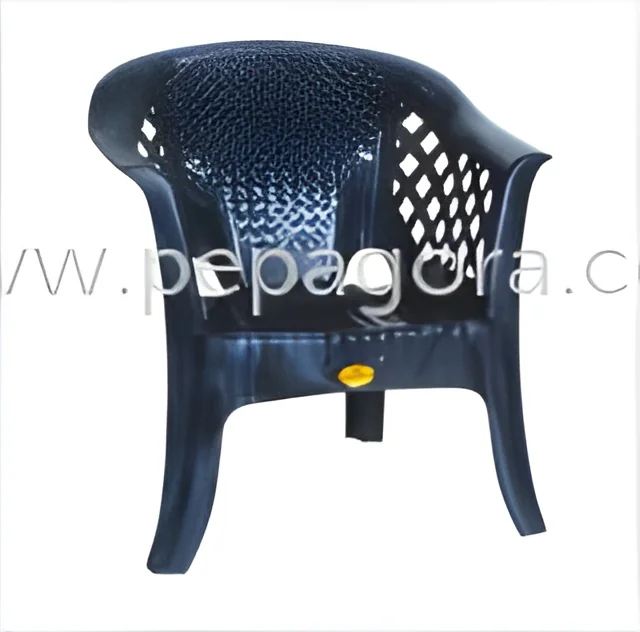
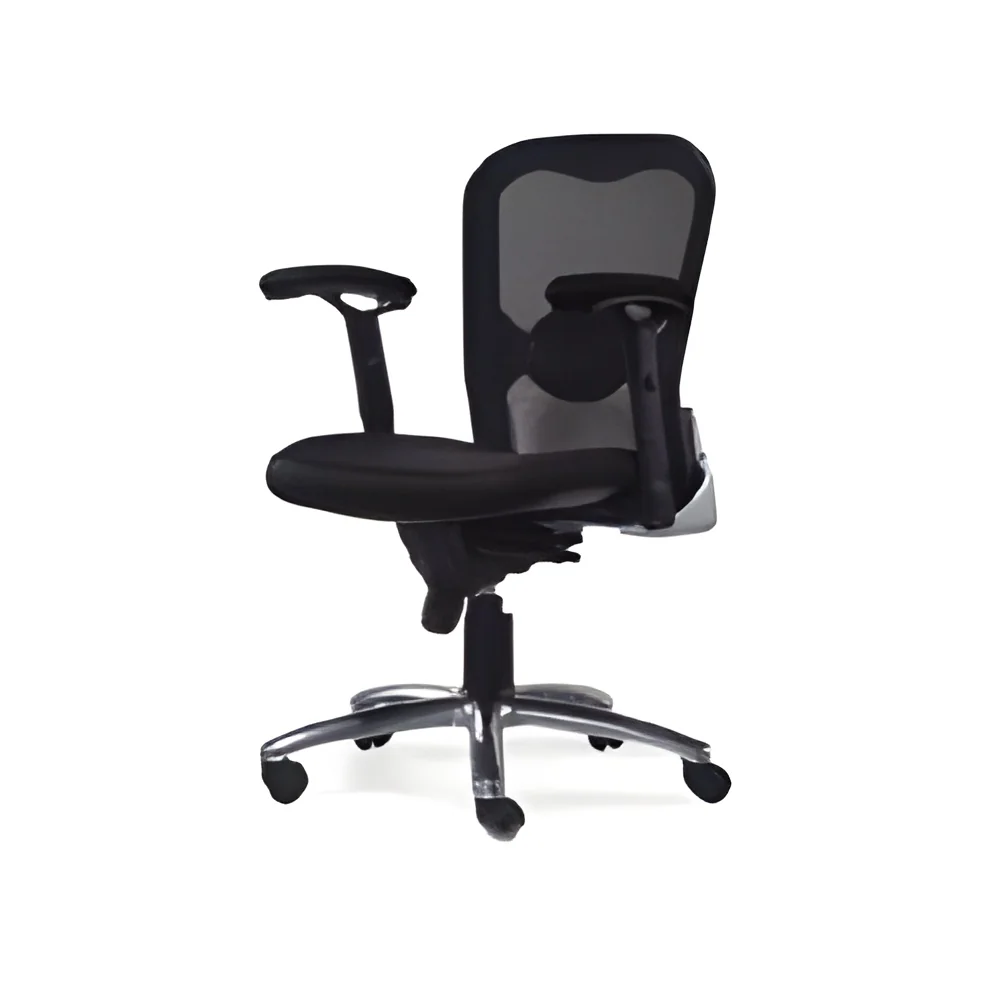
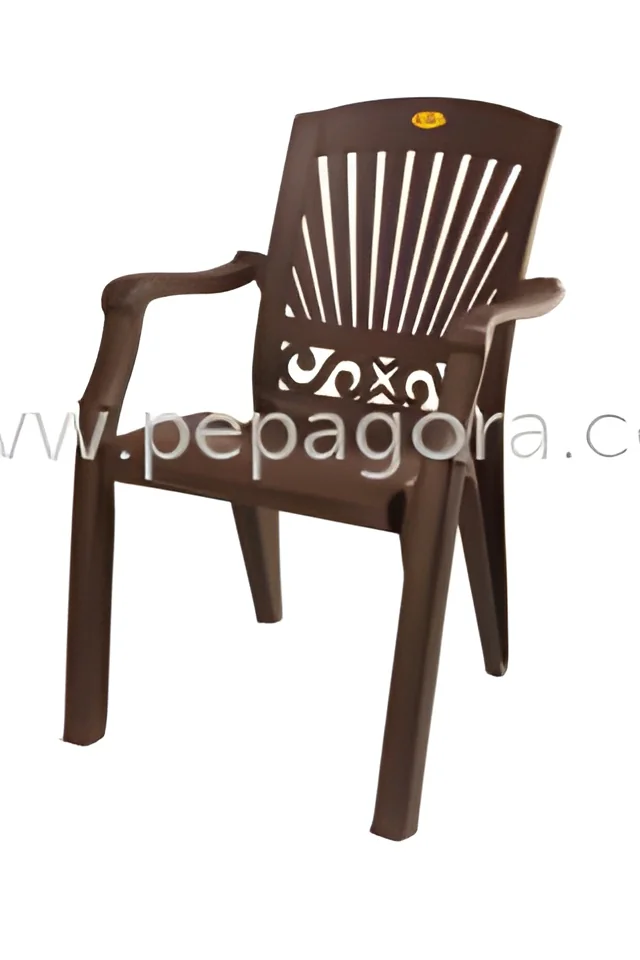
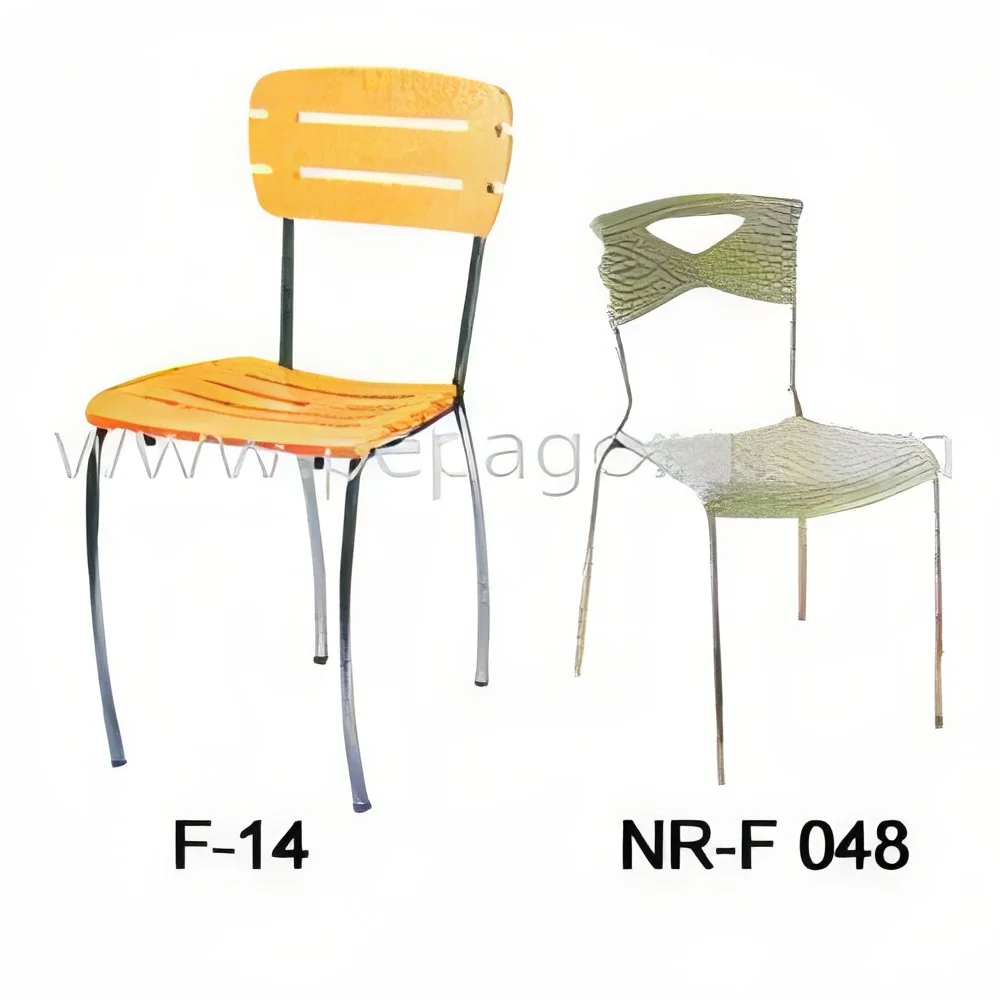
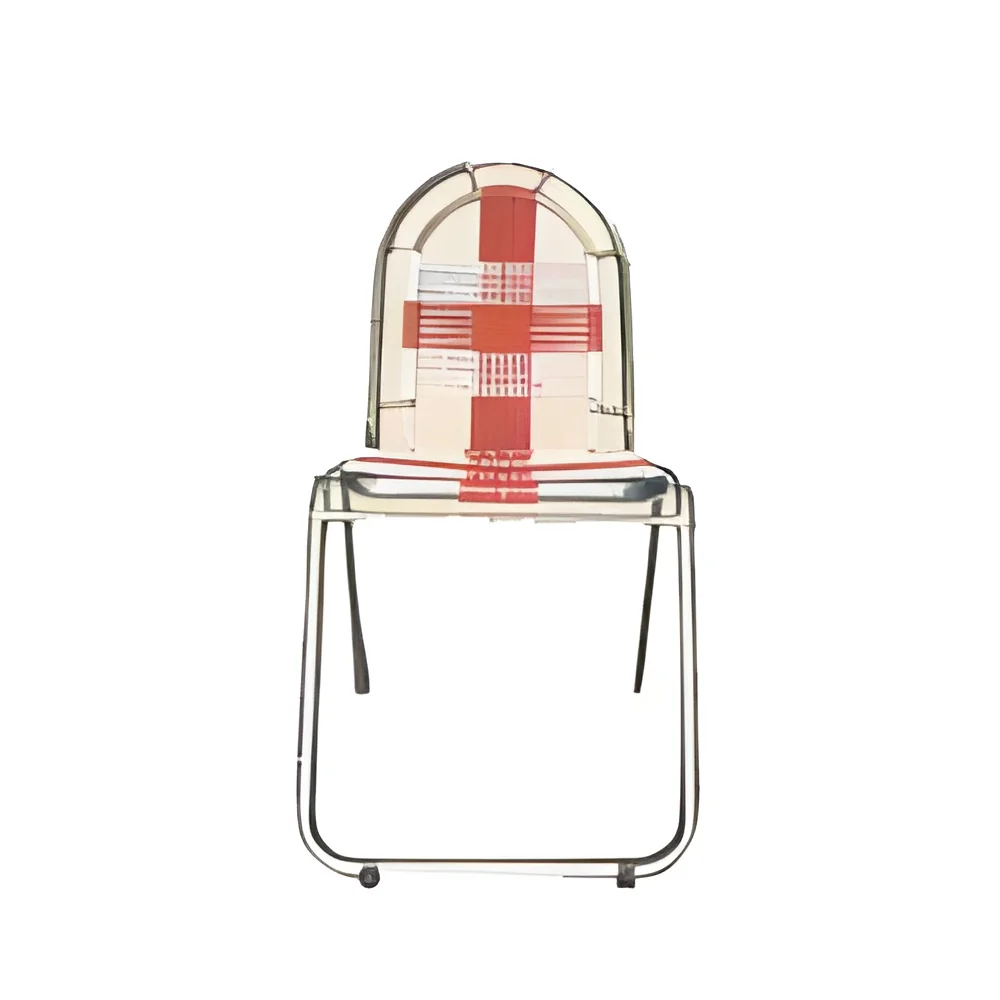
- Chairs may feature different designs such as armchairs, side chairs, or bar stools.
- Options for upholstered or non-upholstered seating are also available.
4. Weight Capacity
- Each piece of furniture is designed with specific weight limits for safety and durability.
- Standard weight capacity for dining chairs often ranges from 250 to 400 pounds.
5. Finish Options
- Dining furniture can be finished in a variety of colors and textures.
- Common finishes include varnish, lacquer, and matte options.
6. Customization
- Many manufacturers offer customization in terms of size, color, and materials.
- Custom options allow buyers to create pieces that fit their specific needs.
7. Assembly Requirements
- Some dining furniture comes pre-assembled while others require assembly.
- Clear assembly instructions should be provided with products that require it.
8. Compliance Standards
- Adherence to industry standards, such as CE certification, ensures safety and quality.
- Compliance with regional regulations may be necessary for commercial use.
In summary, understanding the features and specifications of dining furniture is crucial for making informed purchasing decisions that align with both functional and aesthetic needs.
𝗖𝗼𝗺𝗺𝗼𝗻 𝗔𝗽𝗽𝗹𝗶𝗰𝗮𝘁𝗶𝗼𝗻𝘀 𝗮𝗻𝗱 𝗨𝘀𝗲 𝗖𝗮𝘀𝗲𝘀
Dining furniture serves various industries and applications, making it a versatile choice for many settings.
1. Restaurants: Dining furniture in restaurants is designed for high traffic and frequent use. Durable materials and styles that enhance the dining experience are essential.
2. Hotels: Hotels require dining furniture for both guest dining areas and banquet spaces. Flexibility in seating arrangements is important for accommodating different group sizes.
3. Cafes: In cafes, dining furniture often reflects a casual and inviting atmosphere. Lightweight and mobile pieces allow for easy rearrangement.
4. Offices: Some offices incorporate dining furniture in break rooms or cafeterias, focusing on comfort and relaxation for employees during meal breaks.
5. Event Spaces: Event venues use dining furniture for large gatherings, requiring pieces that can be easily set up and taken down. Versatile designs are preferred.
6. Residential Homes: In homes, dining furniture is a focal point for family gatherings and entertaining guests. Styles vary widely to fit personal taste and home decor.
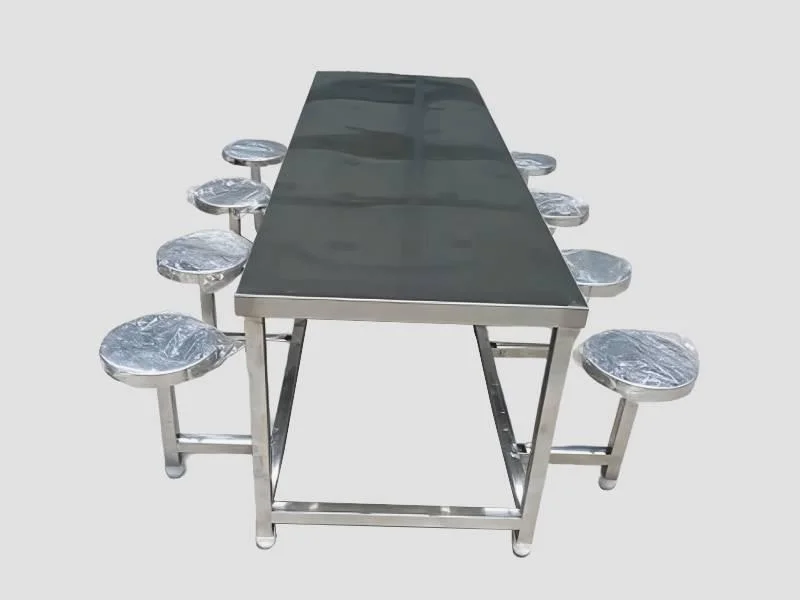
7. Educational Institutions: Schools and universities often use dining furniture in cafeterias, where functionality and durability are key considerations.
𝗣𝗿𝗼𝗱𝘂𝗰𝘁 𝗩𝗮𝗿𝗶𝗮𝗻𝘁𝘀 𝗮𝗻𝗱 𝗦𝘂𝗯𝗰𝗮𝘁𝗲𝗴𝗼𝗿𝗶𝗲𝘀
Dining furniture includes a diverse range of products to cater to different needs and preferences.
Dining Tables
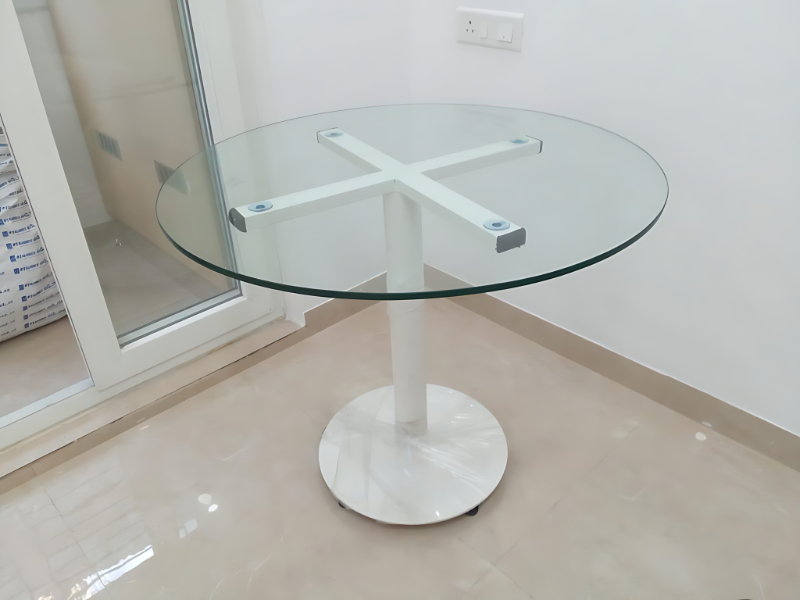
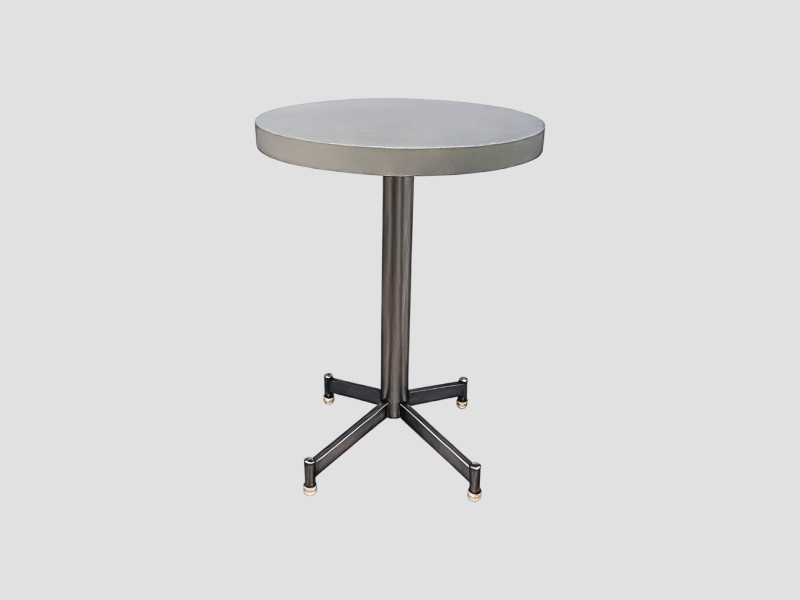
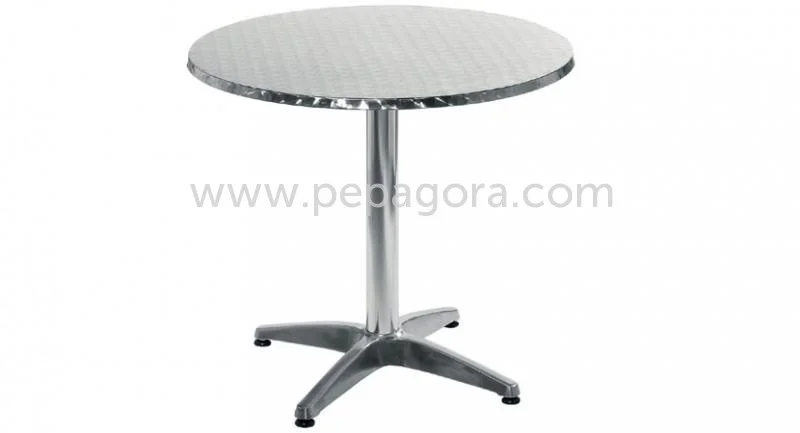
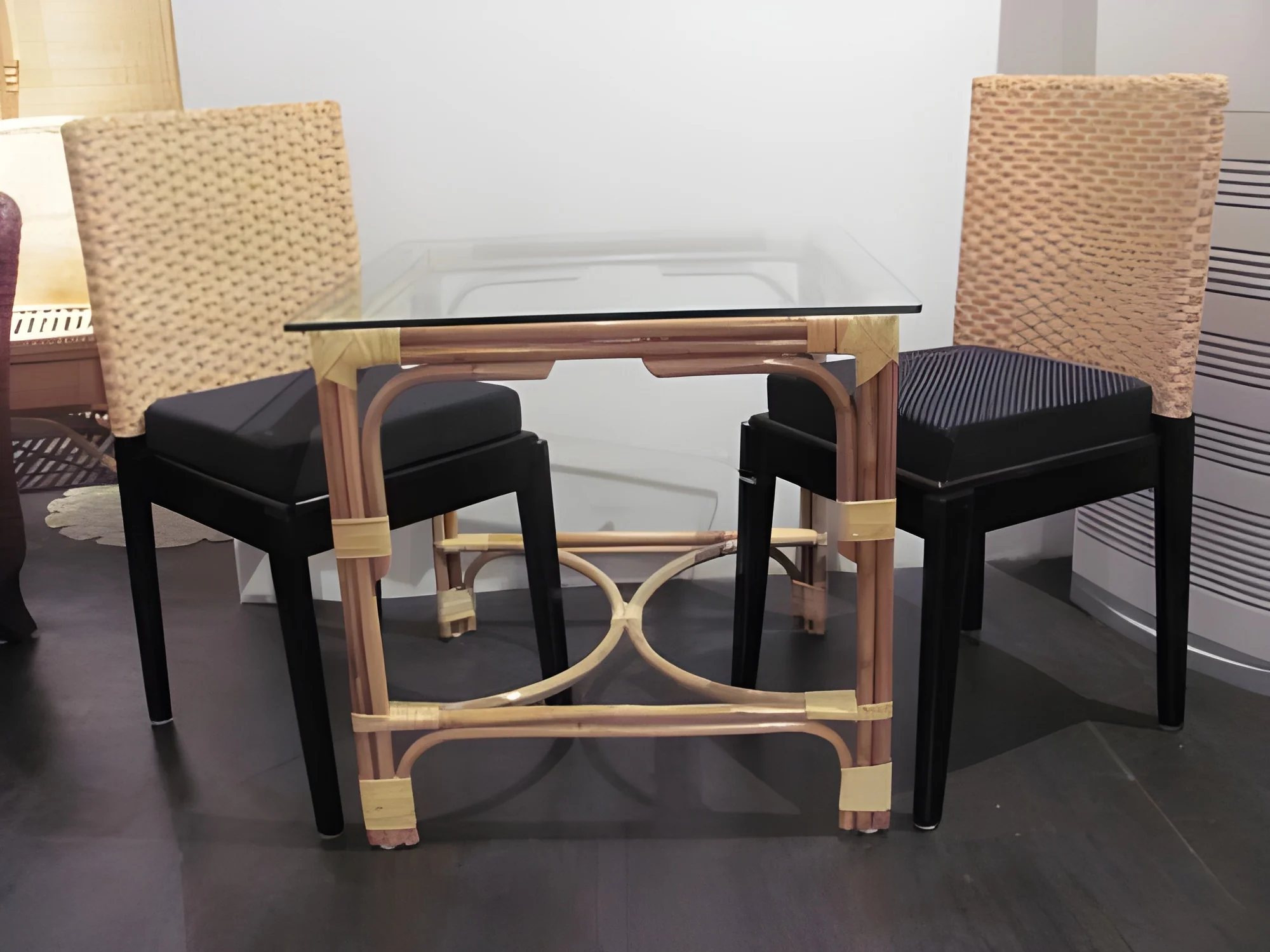
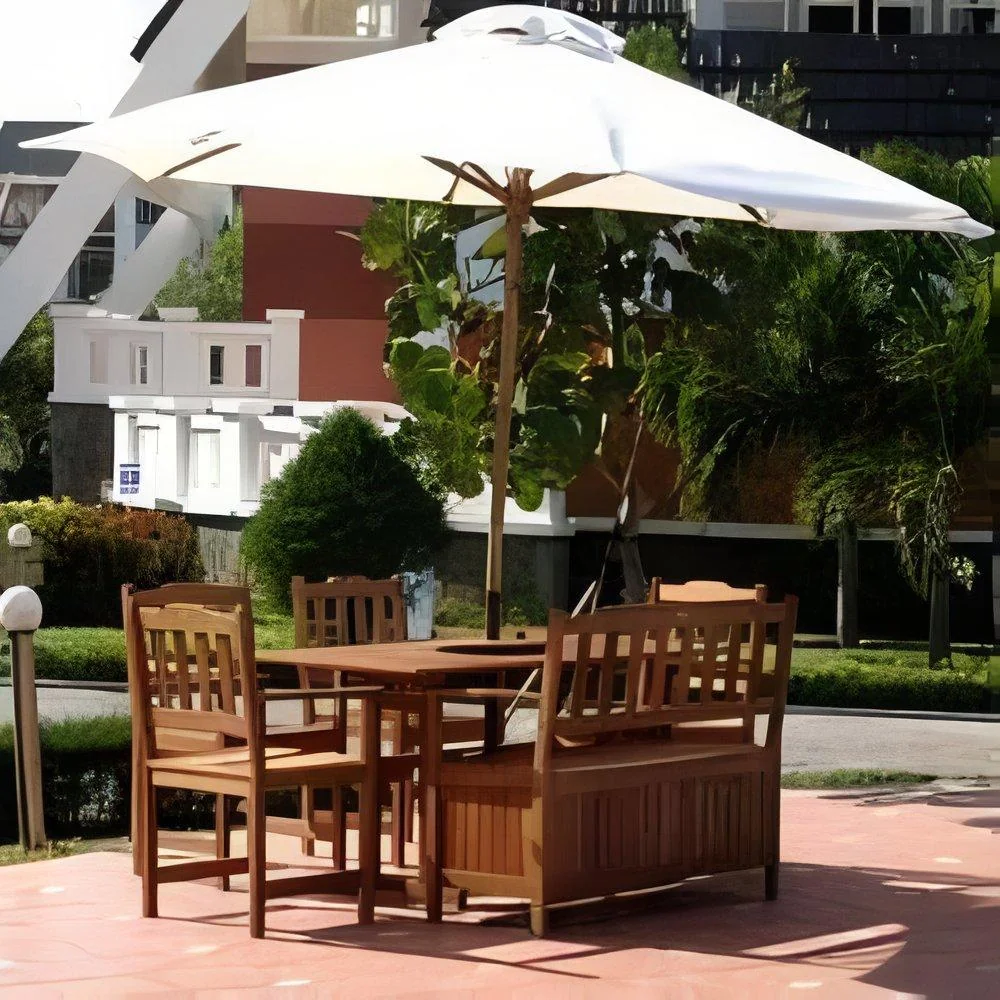
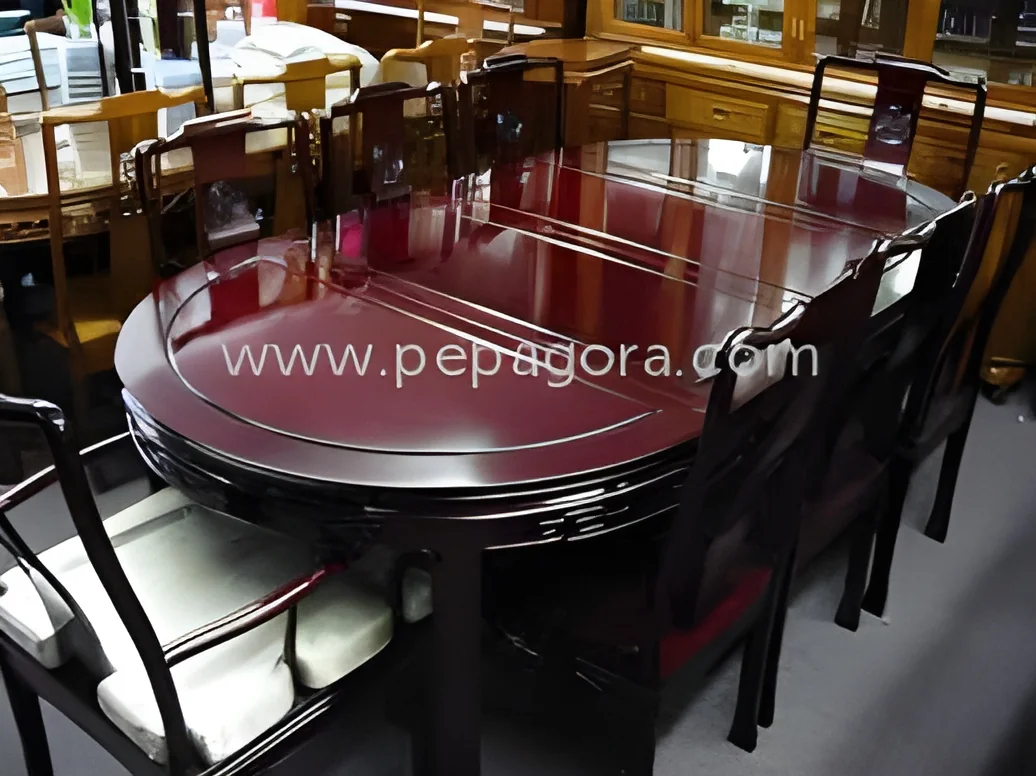
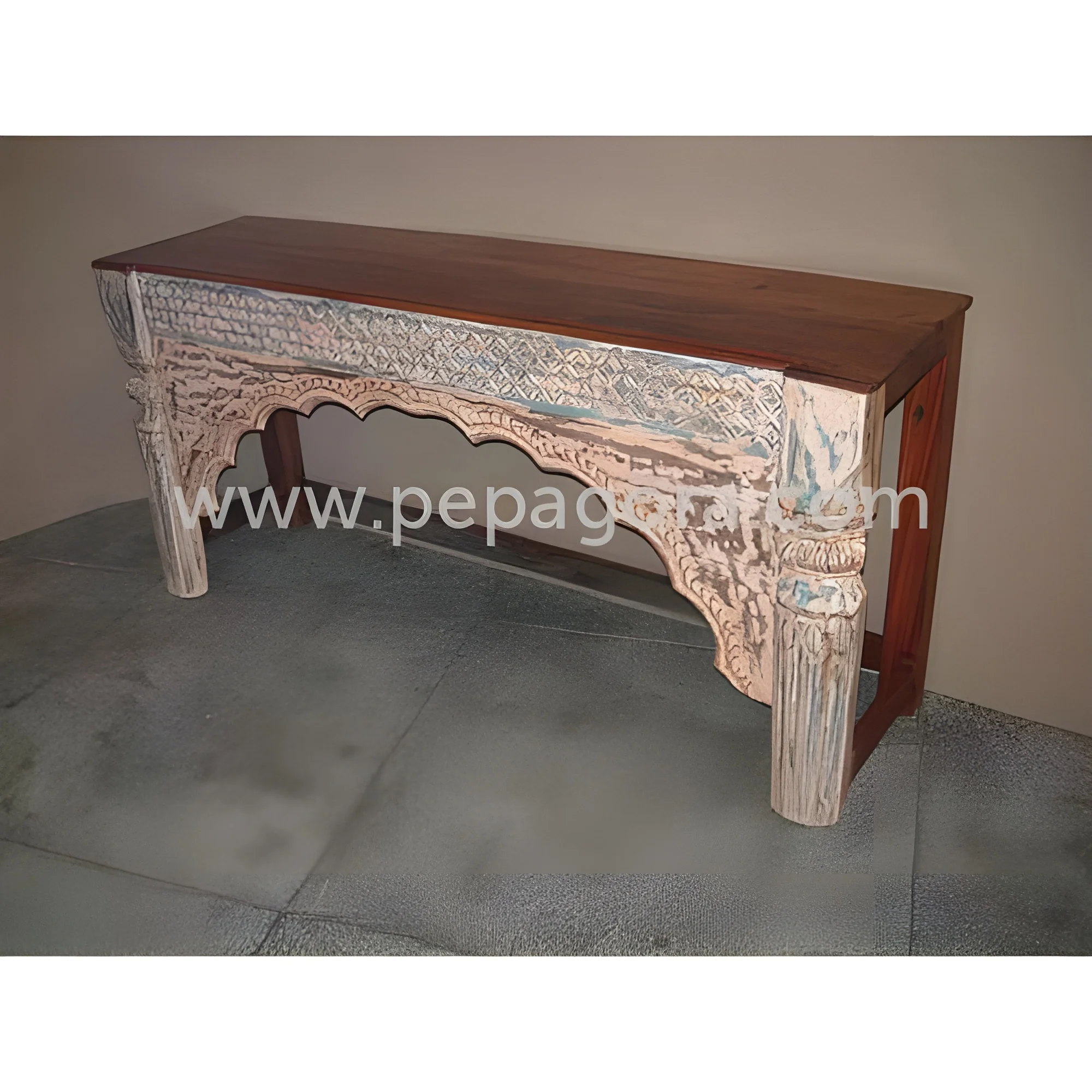
Dining tables come in various styles such as rectangular, round, and extendable. They are designed for both functionality and aesthetics, suitable for casual family dinners or formal gatherings.
Dining Chairs
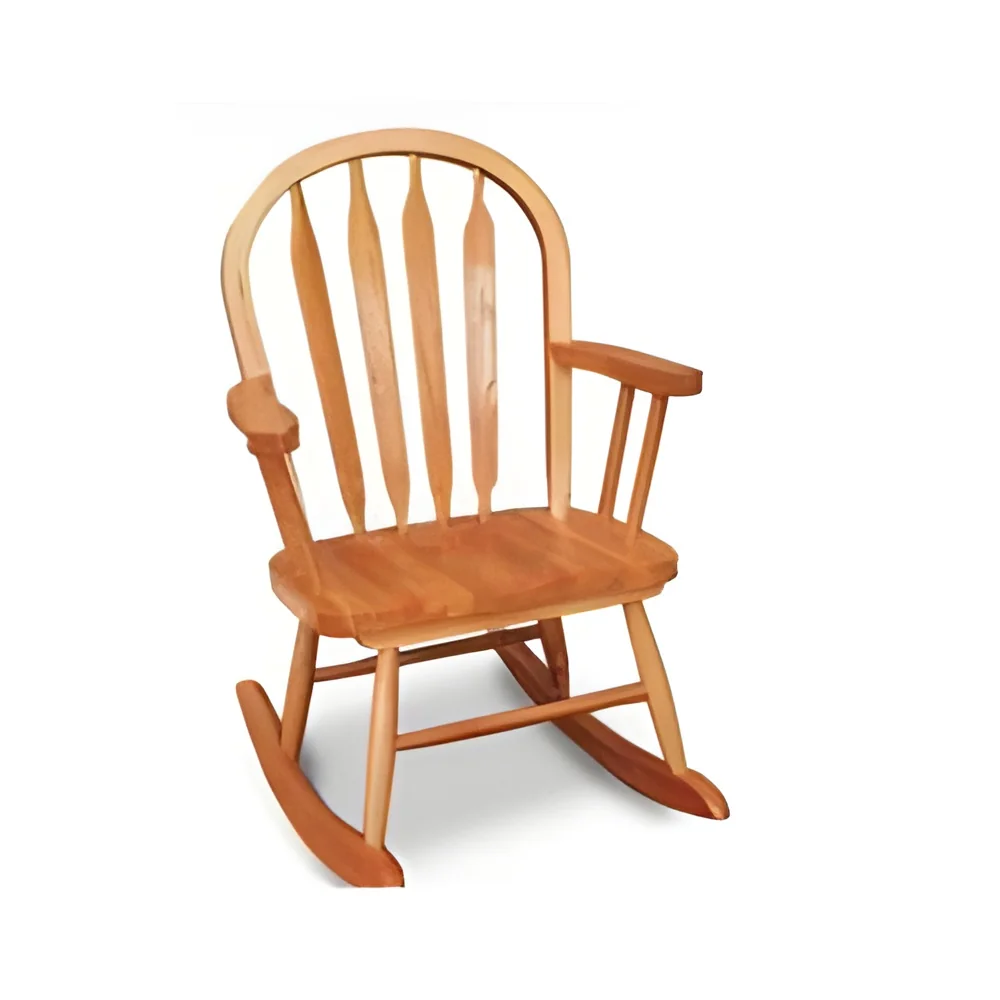
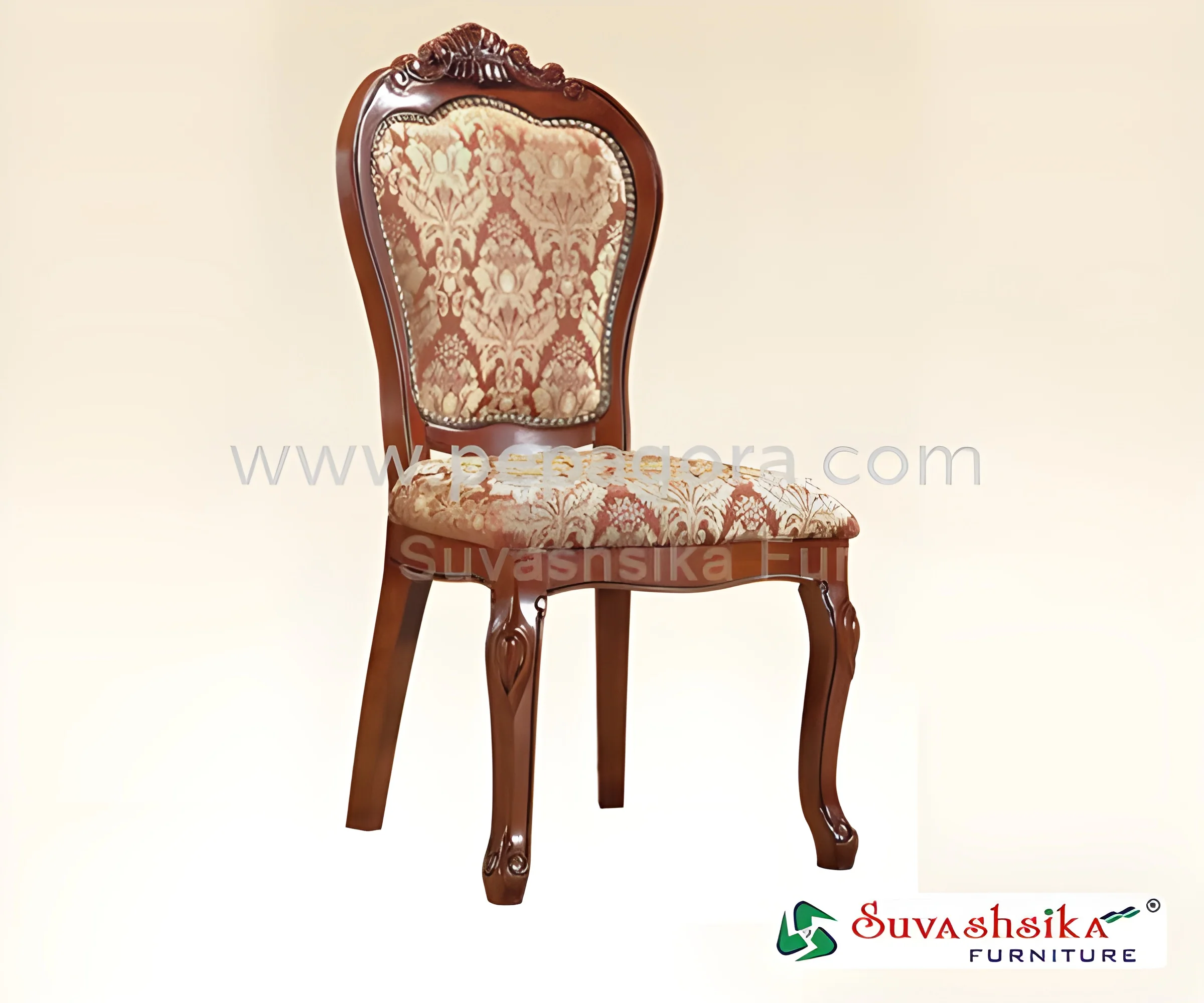
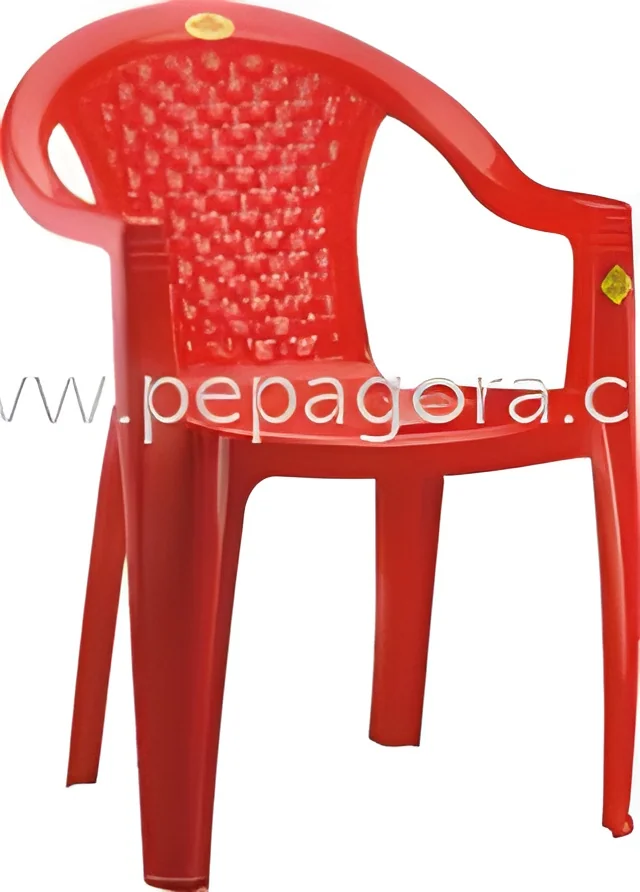
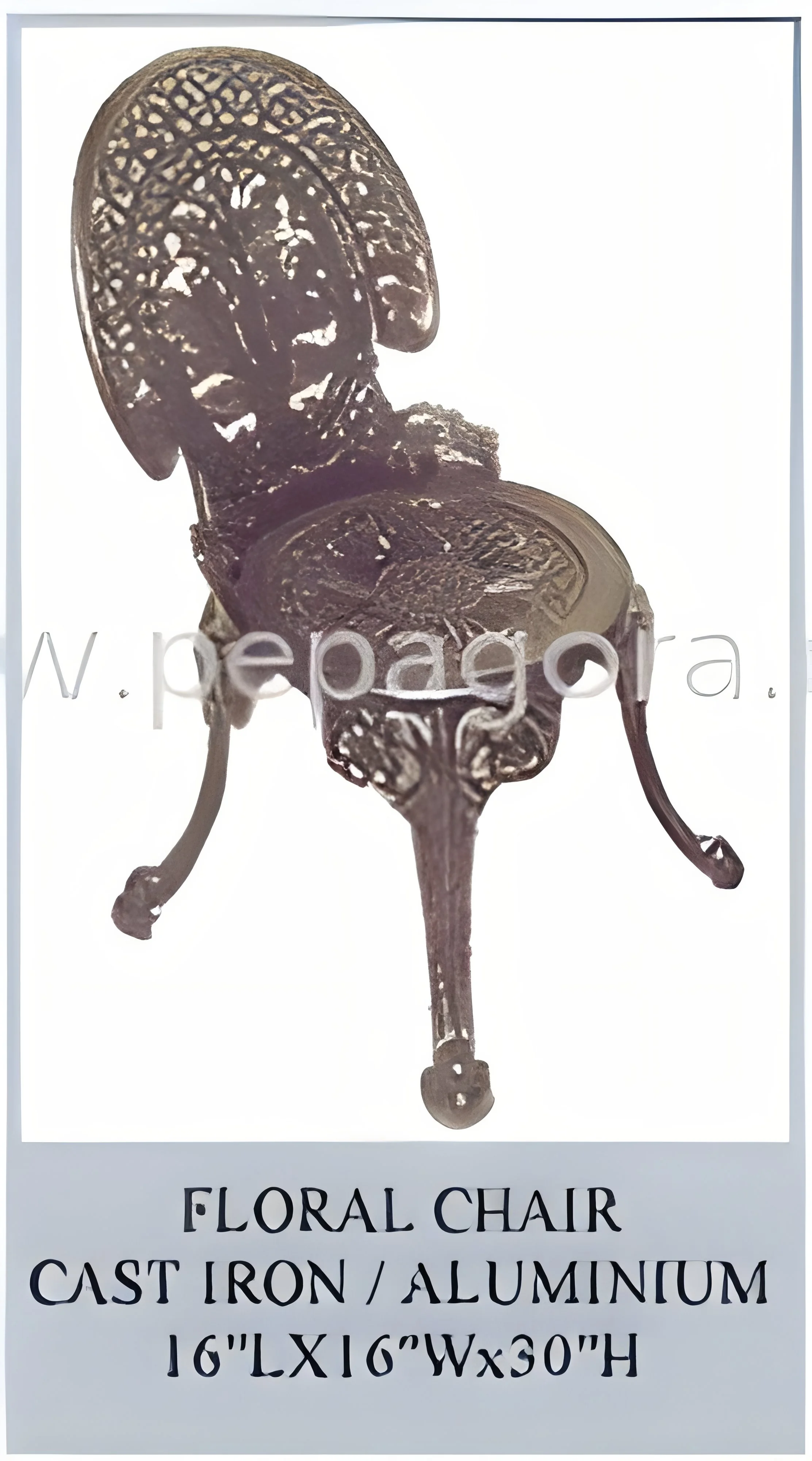
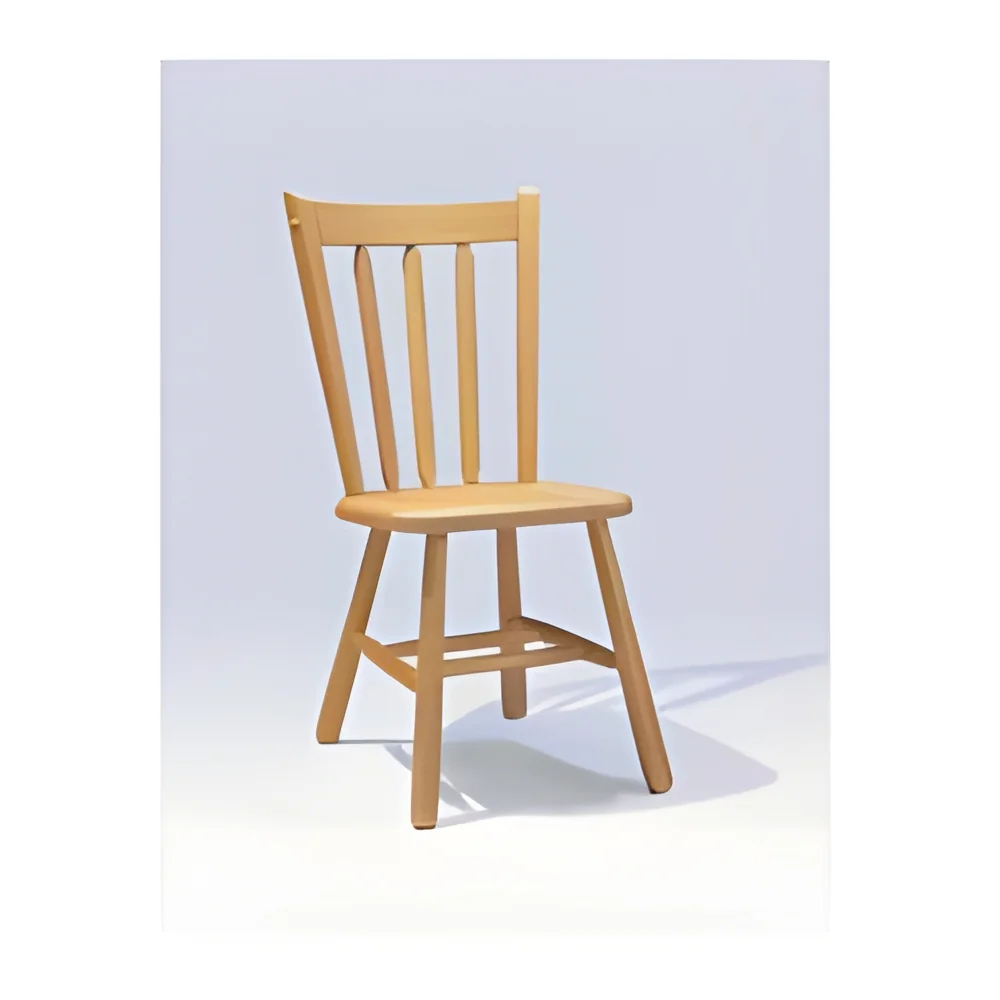
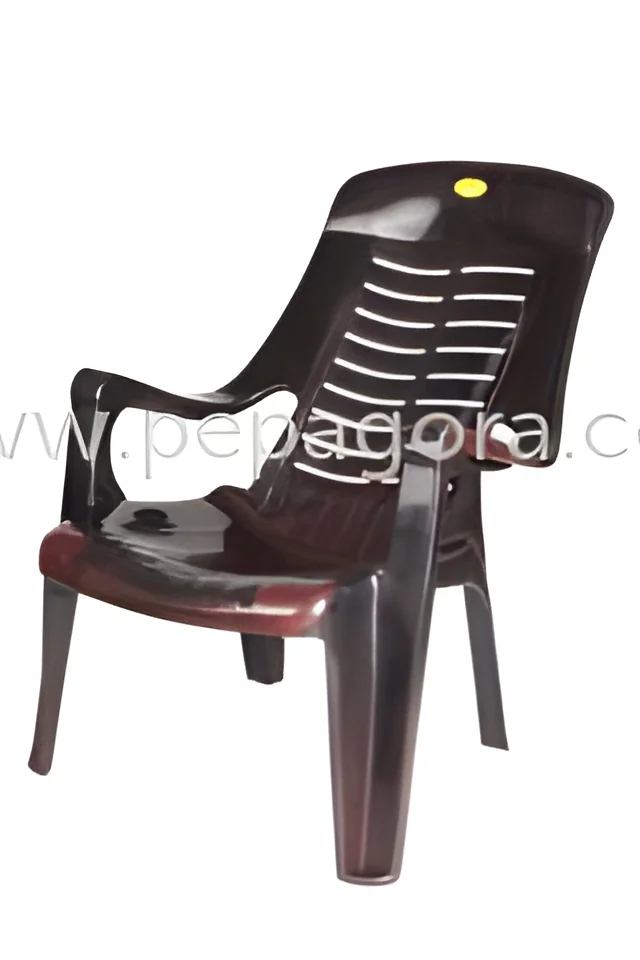
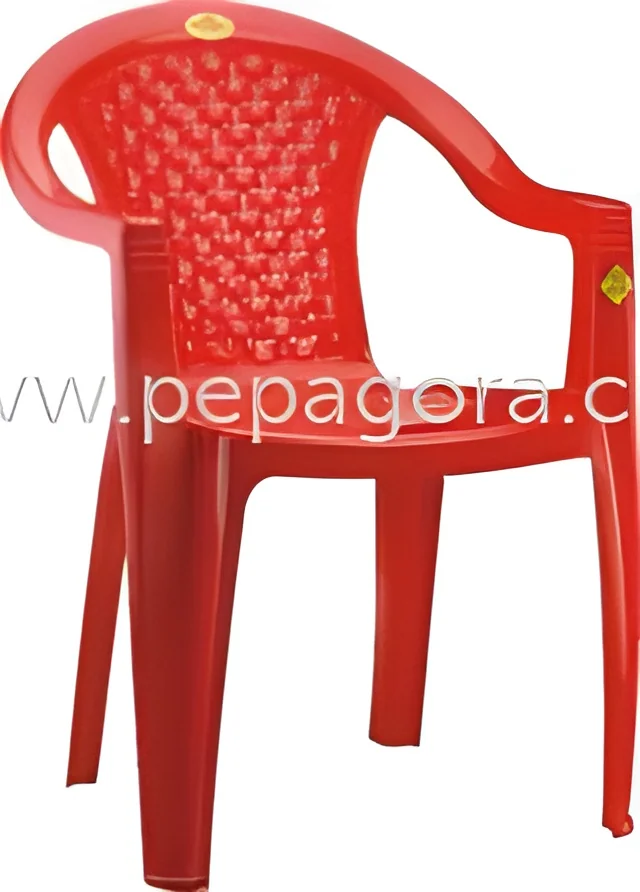
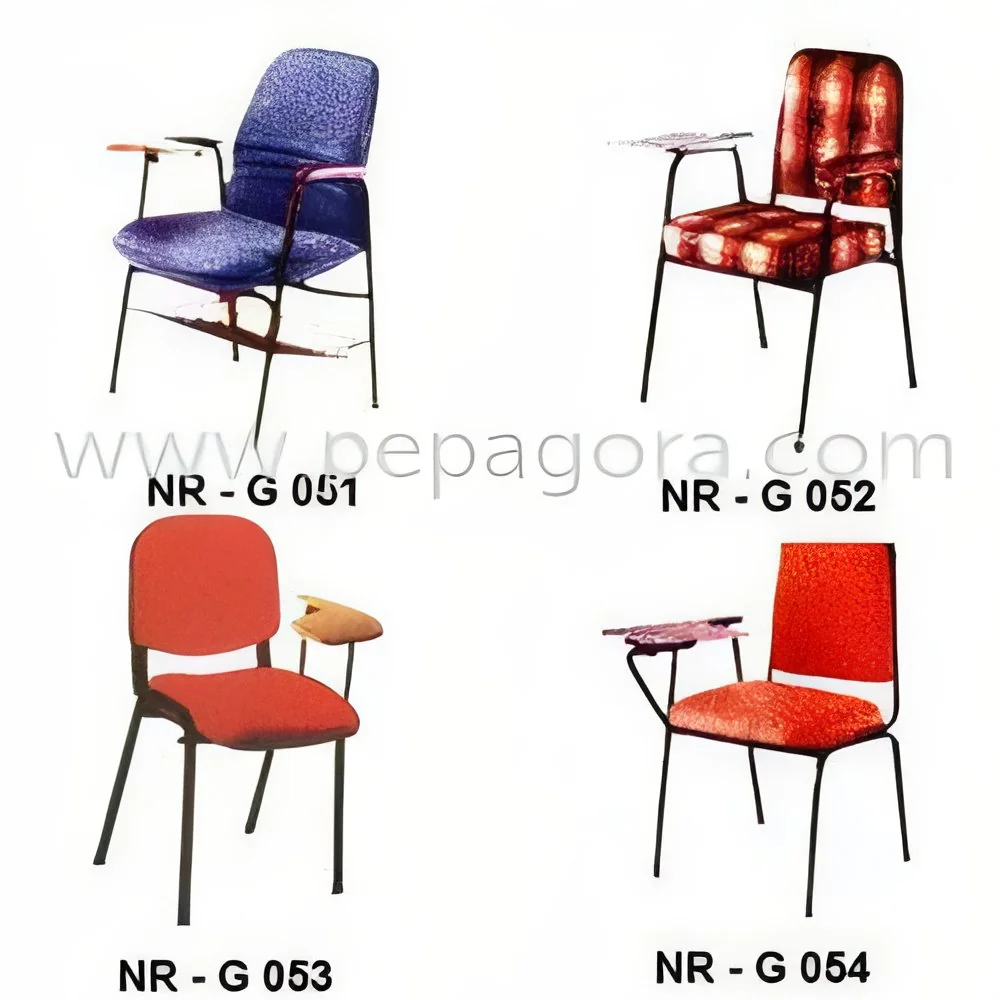
Dining chairs are available in numerous designs, including upholstered and wooden options. They provide comfort and can be styled to match the dining table or overall decor theme.
Bar Stools
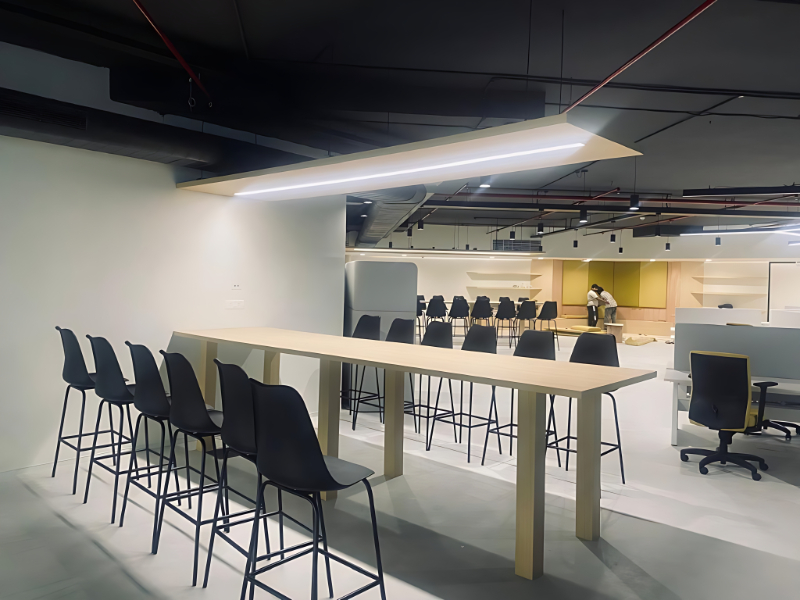
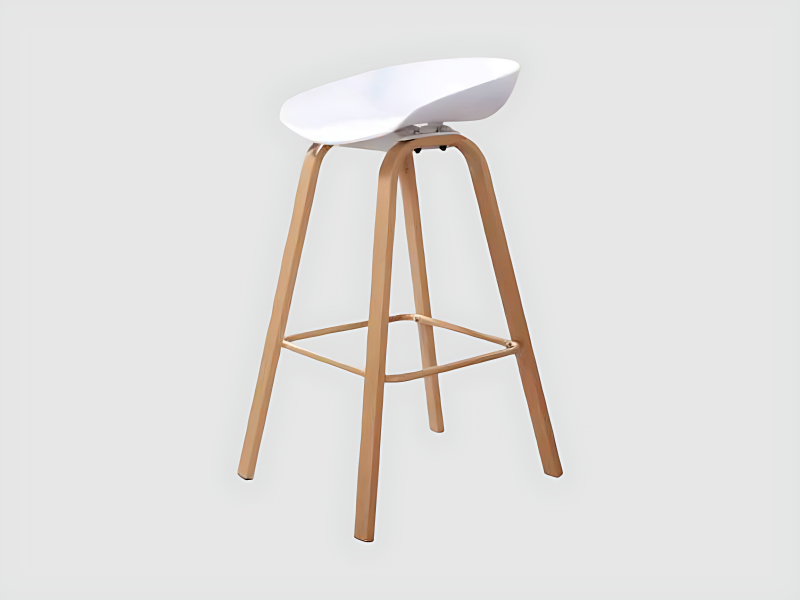
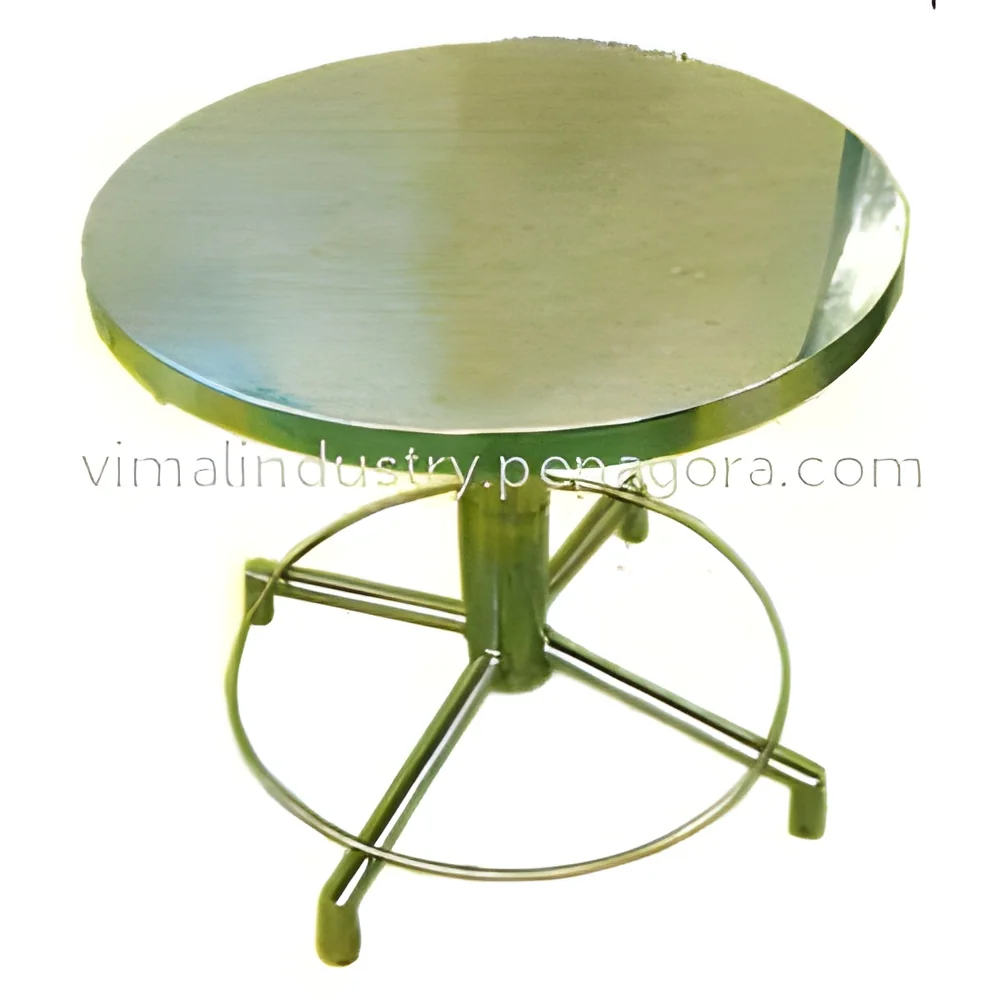
Bar stools are ideal for high-top tables or kitchen islands, offering a casual dining experience. They often come in adjustable heights and various materials.
Benches
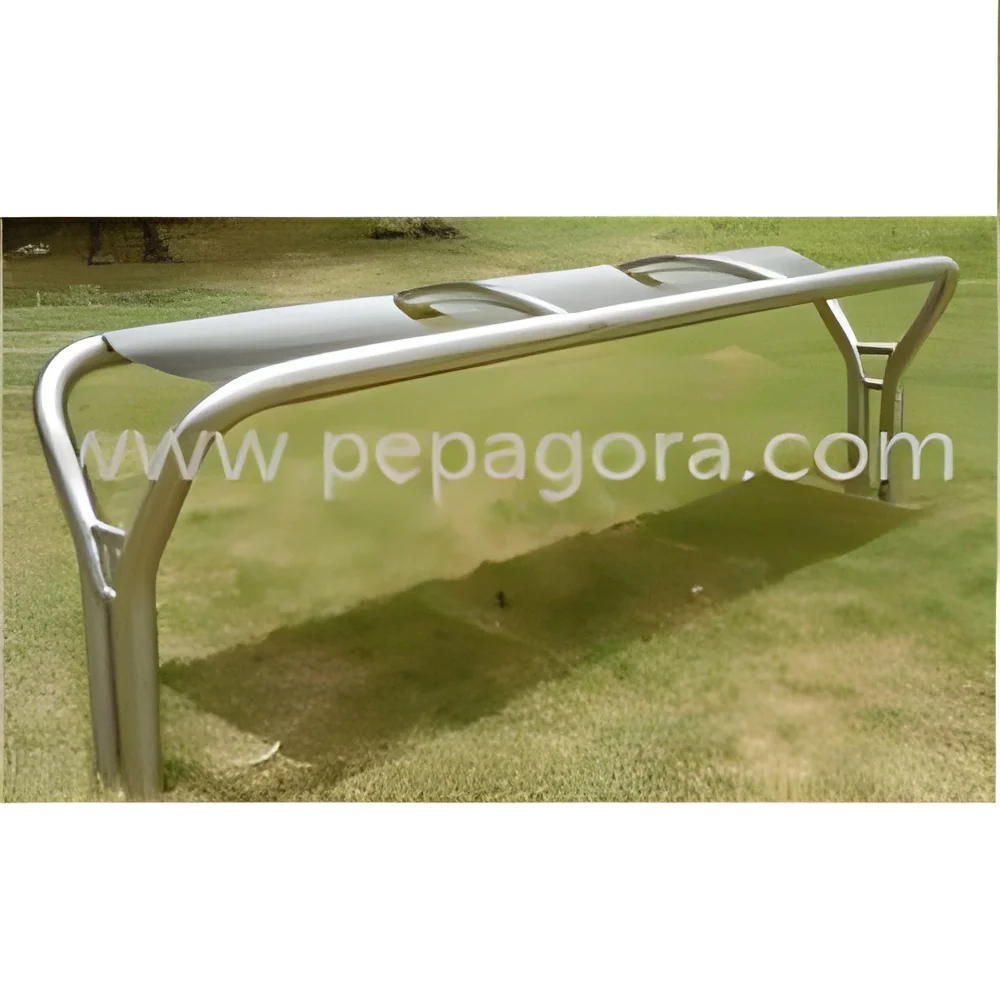
Dining benches provide flexible seating options and can accommodate larger groups. They are often used in combination with dining tables.
𝗕𝗲𝗻𝗲𝗳𝗶𝘁𝘀 𝗮𝗻𝗱 𝗔𝗱𝘃𝗮𝗻𝘁𝗮𝗴𝗲𝘀
Dining furniture offers several advantages that make it a valuable investment for businesses and homes alike.
1. Enhanced Dining Experience: Quality dining furniture contributes to a more enjoyable and comfortable dining experience for guests and families.
2. Customization Options: Many manufacturers provide customization, allowing buyers to select sizes, colors, and materials that fit their specific needs.
3. Durability and Longevity: Well-constructed dining furniture is designed to withstand daily use, ensuring a long lifespan and better value for investment.
4. Aesthetic Appeal: Dining furniture can enhance the visual appeal of dining spaces, contributing to the overall ambiance and style.
5. Versatility: With a variety of styles and configurations, dining furniture can adapt to different environments and occasions.
6. Easy Maintenance: Many modern dining furniture pieces are designed with easy-to-clean surfaces, making maintenance simple for both residential and commercial use.
𝗕𝘂𝘆𝗶𝗻𝗴 𝗚𝘂𝗶𝗱𝗲 𝗳𝗼𝗿 𝗕𝟮𝗕 𝗕𝘂𝘆𝗲𝗿𝘀
When sourcing dining furniture for business applications, several factors should be considered to ensure a successful purchase.
1. Quality Assessment: Buyers should evaluate the materials and construction quality of dining furniture. Look for reputable manufacturers that offer warranties or guarantees.
2. Supplier Verification: Conduct thorough research on suppliers, checking their credentials and customer reviews. Trustworthy suppliers should have a proven track record in the industry.
3. Pricing and MOQ: Understand the pricing structure and minimum order quantities (MOQ) required by suppliers. This information will help in budgeting and negotiating terms.
4. Delivery and Lead Times: Confirm delivery schedules and lead times before finalizing an order. Reliable logistics are essential for timely setup.
5. Compliance Requirements: Ensure that the dining furniture complies with relevant industry standards and regulations. This is particularly important for commercial applications.
𝗖𝗼𝗺𝗽𝗹𝗶𝗮𝗻𝗰𝗲 𝗮𝗻𝗱 𝗖𝗲𝗿𝘁𝗶𝗳𝗶𝗰𝗮𝘁𝗶𝗼𝗻𝘀
Dining furniture is subject to various quality standards and certifications that ensure safety and performance. Relevant standards may include ISO 9001, which focuses on quality management systems, and HACCP for food safety in dining environments. Additionally, industry certifications such as CE indicate compliance with European health, safety, and environmental standards.
Safety and testing requirements are crucial, particularly for commercial dining furniture. This includes ensuring that furniture can withstand the rigors of daily use without compromising safety. Manufacturers may conduct tests for stability, weight capacity, and material safety.
Regional compliance considerations are also important, as regulations may vary by location. Businesses should be aware of local requirements to ensure that their dining furniture meets all applicable standards.
𝗪𝗵𝘆 𝗦𝗼𝘂𝗿𝗰𝗲 𝗗𝗶𝗻𝗶𝗻𝗴 𝗙𝘂𝗿𝗻𝗶𝘁𝘂𝗿𝗲 𝗳𝗿𝗼𝗺 𝗣𝗲𝗽𝗮𝗴𝗼𝗿𝗮?
Pepagora provides a trusted platform for sourcing dining furniture, offering several key advantages for B2B buyers.
Verified Supplier Network: Pepagora has a comprehensive network of verified suppliers, ensuring that buyers are connected with reputable manufacturers who meet quality standards. This reduces the risk associated with sourcing.
Streamlined RFQ Process: The request for quotation (RFQ) process is designed to be efficient and user-friendly. Buyers can easily submit their requirements and receive competitive quotes from multiple suppliers.
Trade Assurance and Support: Pepagora offers trade assurance to protect buyers from potential issues. This includes support throughout the purchasing process to ensure satisfaction and resolve any concerns.
Regional Coverage: With a strong presence in India, the GCC, and Southeast Asia, Pepagora provides access to a wide range of dining furniture options that cater to diverse markets and preferences. This regional coverage enhances sourcing opportunities for businesses.

 IN
IN